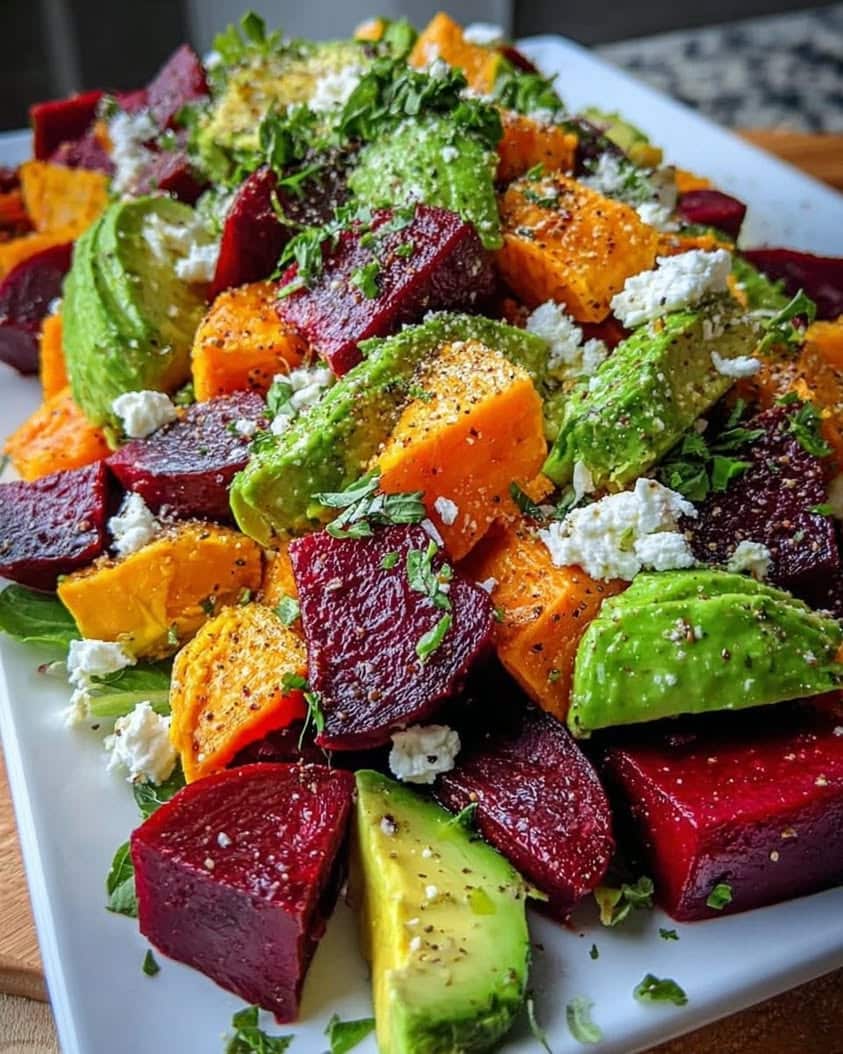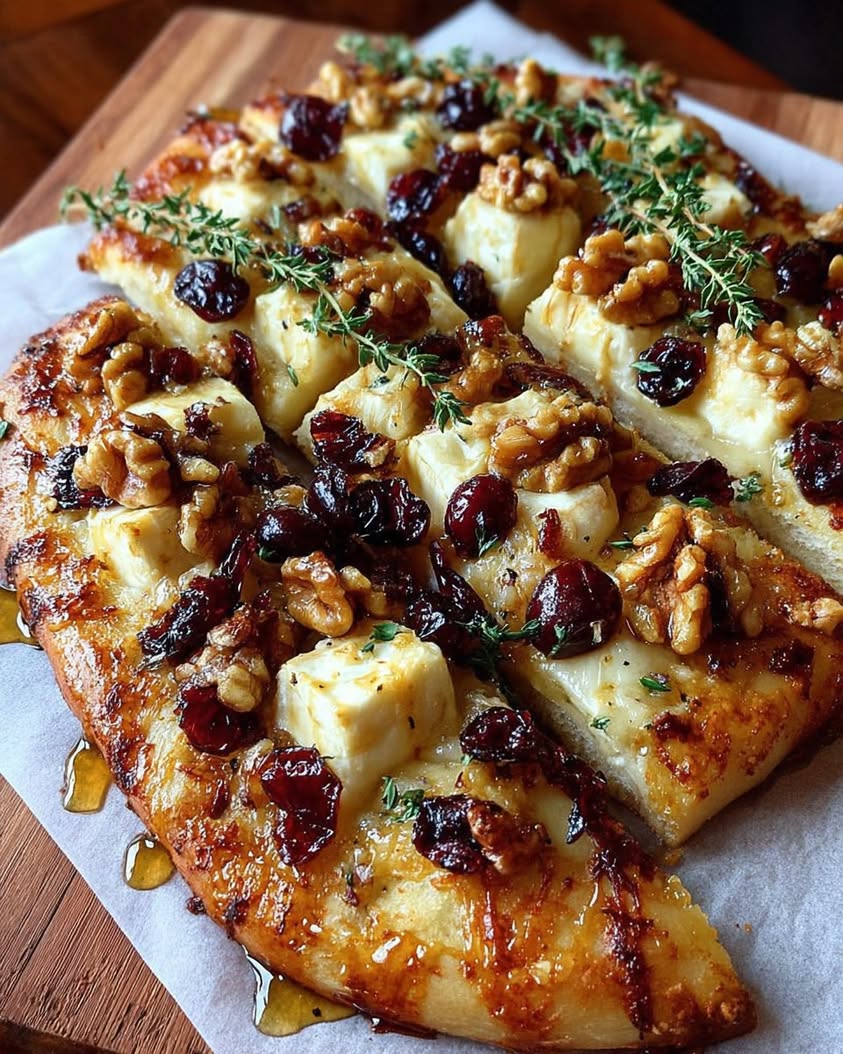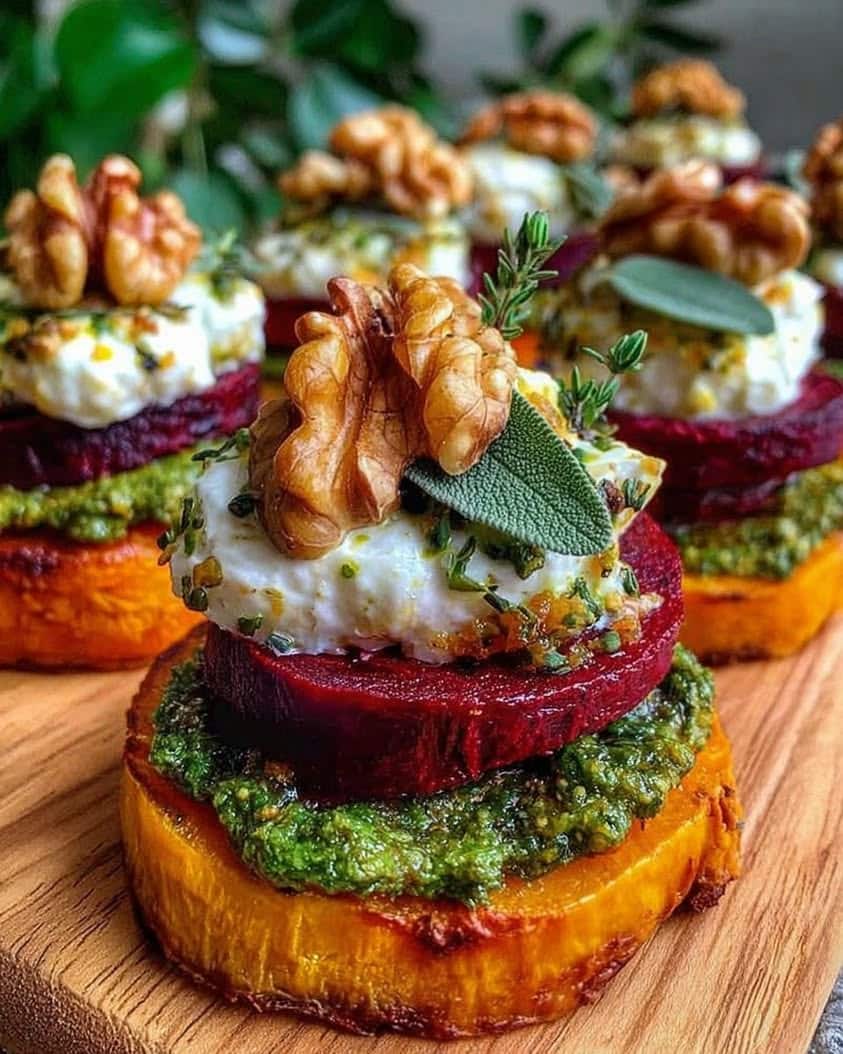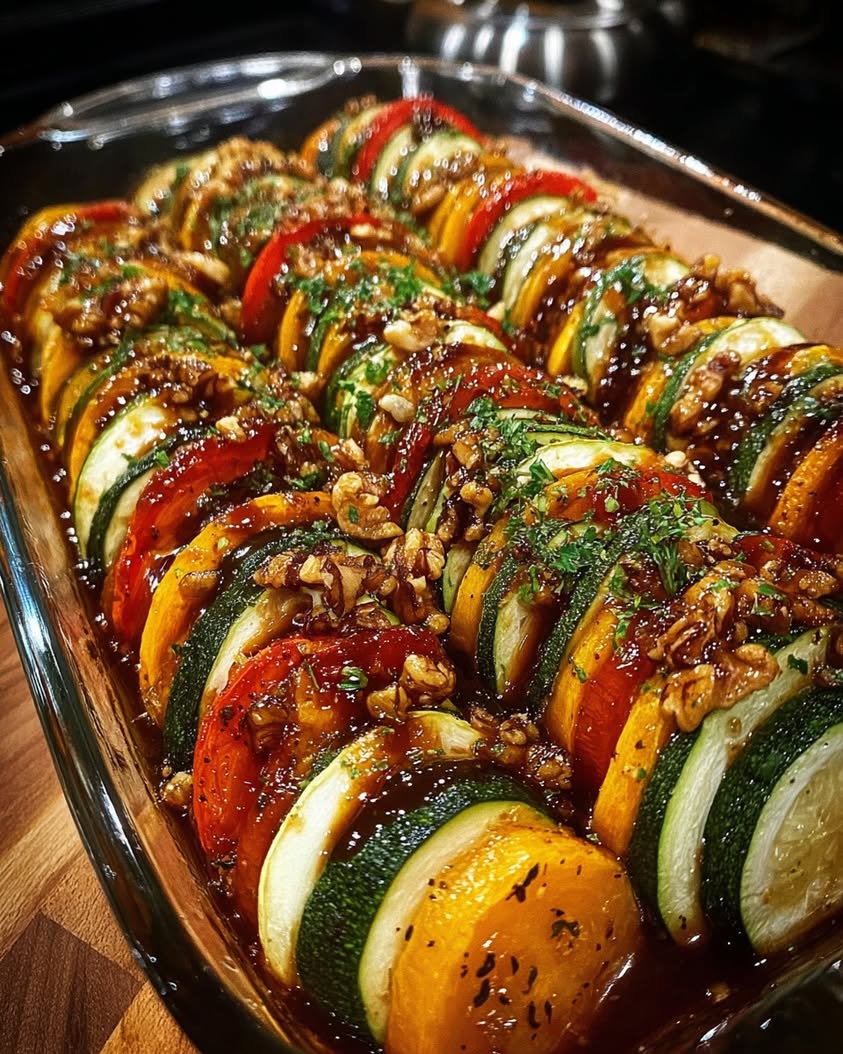
Zucchini, Butternut Squash & Sweet Potato Gratin with Ricotta, Walnuts & Pomegranate Molasses Glaze: A Show-Stopping Vegetarian Centerpiece
This Zucchini, Butternut Squash & Sweet Potato Gratin with Ricotta, Walnuts & Pomegranate Molasses Glaze is not just a side dish. It is a stunning vegetarian main course that will steal the spotlight at any dinner table. Moreover, it masterfully balances creamy, crunchy, sweet, and savory elements in every single bite. The colorful layers of fresh vegetables bake into tender perfection. Meanwhile, a rich ricotta mixture binds them together. Finally, a drizzle of tangy pomegranate molasses and a sprinkle of toasted walnuts create an unforgettable finish.
Creating this vegetable gratin feels like painting with food. You arrange vibrant slices of zucchini, golden butternut squash, and orange sweet potato into beautiful, overlapping rows. Consequently, the final presentation is as impressive as the flavor. This recipe transforms humble, seasonal produce into a celebratory feast. It is perfect for holidays, special Sunday dinners, or anytime you want to serve a meal that feels both nourishing and luxurious. Ultimately, this dish proves that vegetable-centric cooking can be the most exciting part of the meal.
Quick Recipe Highlights
- Flavor Profile: This gratin offers a complex harmony. Earthy roasted vegetables meet creamy, mild ricotta. Then, the sweet-tart pomegranate molasses glaze cuts through the richness. Finally, the toasted walnuts add a nutty, bitter counterpoint that ties everything together beautifully.
- Texture: Expect a delightful contrast in every forkful. The vegetable layers become meltingly tender as they bake. Meanwhile, the ricotta filling turns luxuriously creamy. The crunchy walnut topping provides the perfect textural finish, preventing the dish from feeling one-dimensional.
- Aroma: As this gratin bakes, your kitchen will fill with an irresistible fragrance. You will smell the sweet caramelization of the roasted squash and potatoes. Additionally, herbal notes from the thyme and rosemary will waft through the air. Finally, the toasting walnuts add a warm, nutty scent just before serving.
- Visual Appeal: The cross-section of this baked dish is a true masterpiece. You see distinct bands of green, yellow, and orange from the layered vegetables. The golden-brown cheese crust on top looks inviting. Furthermore, the dark glaze and walnut pieces create a gorgeous, restaurant-worthy finish.
- Skill Level Needed: This recipe requires basic knife skills for slicing vegetables evenly. Additionally, you need some patience for careful layering. However, the techniques are straightforward. Essentially, if you can slice, mix, and bake, you can absolutely create this impressive vegetable gratin.
- Special Equipment: A mandoline slicer is highly recommended for achieving uniformly thin vegetable slices. You will also need a sharp chef’s knife, a mixing bowl, and a 9×13 inch baking dish. A pastry brush is useful for applying the glaze, but a spoon works perfectly fine too.
Recipe Overview
- Difficulty Level: We rate this vegetable gratin as intermediate. The preparation involves multiple components: slicing vegetables, making a cheese mixture, layering, and making a glaze. While each step is simple, coordinating them requires a bit of organization. The layering technique needs a careful hand for the best visual result.
- Category: This dish brilliantly straddles categories. It is a hearty vegetarian main course, a spectacular holiday side dish, and a satisfying meatless Monday option. You can also serve it as part of a brunch buffet. Its versatility makes it a valuable recipe to have in your repertoire for many occasions.
- Cuisine: This recipe draws inspiration from Mediterranean and Middle Eastern culinary traditions. The use of ricotta and layered vegetables nods to Italian cooking. Meanwhile, pomegranate molasses is a staple in Persian, Turkish, and Lebanese cuisines. This fusion creates a uniquely modern and globally-inspired vegetable bake.
- Cost: This is a cost-effective way to feed a crowd, especially when vegetables are in season. Ricotta and walnuts are the primary splurges. However, butternut squash, sweet potatoes, and zucchini are typically affordable. Overall, you create a restaurant-quality dish for a fraction of the price of dining out.
- Season: This gratin is ideal for late summer through winter. You can find zucchini at its peak in late summer and fall. Butternut squash and sweet potatoes are classic autumn and winter staples. Therefore, this dish perfectly captures the transition between seasons on a single plate.
- Occasion: Serve this stunning gratin at Thanksgiving or Christmas as a show-stopping vegetarian centerpiece. It is also perfect for dinner parties, potlucks, or cozy family Sunday suppers. Furthermore, it makes excellent leftovers, so consider it for meal prep for elegant weekday lunches.
Why You’ll Love This Recipe
First and foremost, the taste and texture of this vegetable gratin are utterly captivating. Each bite delivers a symphony of flavors: the natural sweetness of the squash, the subtle earthiness of the zucchini, and the creamy tang of the ricotta. The pomegranate molasses adds a sophisticated sweet-and-sour note that elevates the entire dish. Meanwhile, the walnuts introduce a crucial crunch that contrasts the soft, baked vegetables. This combination ensures that your palate never gets bored. It is a dish that feels indulgent yet remains rooted in wholesome, real food ingredients.
From a convenience standpoint, this recipe offers significant preparation benefits. You can slice the vegetables ahead of time and store them in the refrigerator. Similarly, you can mix the ricotta filling a day in advance. Consequently, assembly before baking becomes quick and stress-free. The baking time is largely hands-off, allowing you to prepare other components of your meal or simply relax. Furthermore, the dish holds well after baking, so you do not need to coordinate a last-minute finish perfectly. It is a forgiving recipe designed for real-life cooking and entertaining.
Nutritionally, this Zucchini, Butternut Squash & Sweet Potato Gratin is a powerhouse. It is packed with vitamins A and C from the orange vegetables, which support immune function and eye health. Zucchini adds hydration and a dose of antioxidants. Ricotta provides high-quality protein and calcium for bone health. Walnuts contribute heart-healthy omega-3 fatty acids. This dish is a celebration of nutrient-dense ingredients that nourish your body while delighting your senses. It is proof that eating well does not mean sacrificing flavor or satisfaction.
For social and entertaining value, this gratin is a guaranteed conversation starter. Its beautiful layered appearance immediately signals that care and creativity went into the meal. It caters beautifully to vegetarian guests without feeling like an afterthought. Moreover, it pairs wonderfully with a variety of proteins, making it a versatile centerpiece for mixed-diet gatherings. Serving a homemade dish this impressive builds a memorable experience around the table. It shows your guests that they are worth the extra effort, fostering a warm and welcoming atmosphere.
Finally, this recipe is remarkably cost-effective and accessible. The main ingredients are common vegetables and pantry staples. Pomegranate molasses is the only potential specialty item, but it is increasingly available in most grocery stores and lasts indefinitely in the pantry. You can adapt the recipe based on what is seasonal or on sale. For example, swap butternut squash for pumpkin or use pecans instead of walnuts. This flexibility makes it a practical choice for any budget. Ultimately, you achieve a gourmet result with simple, affordable components.
Historical Background and Cultural Significance
The concept of a gratin, originating from French cuisine, traditionally involves a baked dish with a browned crust, often made with cheese or breadcrumbs. The technique was designed to create an appealing texture and maximize flavor from simple ingredients. Meanwhile, layered vegetable dishes appear in countless global traditions, from Italian Parmigiana to Greek Moussaka. This particular recipe represents a modern fusion, taking the European technique of gratin and marrying it with Middle Eastern flavors like pomegranate molasses. It is a testament to how contemporary cooking freely borrows and blends traditions to create something new and exciting.
Culturally, the use of squash, zucchini, and sweet potato speaks to autumnal harvest celebrations across many societies. These storage vegetables have sustained communities through colder months for centuries. The act of layering them can be seen as a celebration of abundance. Ricotta cheese has roots in Italian peasant cooking, a way to use every part of the milk. Pomegranate molasses, known as “dibs rumman” in Arabic, is a ancient condiment used across the Levant to add a sweet-sour depth to stews and salads. Combining these elements bridges culinary histories.
The evolution of this recipe follows the broader trend of vegetable-forward dining. As home cooks and chefs seek to make plants the star, old techniques like gratinating are applied in new ways. The addition of a glossy, tangy glaze is a modern chef’s touch that adds complexity without heaviness. This dish moves beyond the classic, often dairy-heavy gratin to something brighter and more balanced. It reflects today’s desire for meals that are visually stunning, globally inspired, and heavily focused on seasonal produce.
Regional variations of this concept are endless. In the American South, you might find a similar bake with sweet potatoes and pecans. In Provence, a “tian” layers summer vegetables with herbs. A Persian cook might use a barberry glaze instead of pomegranate. This adaptability is the recipe’s strength. It provides a template that welcomes interpretation based on local ingredients and personal taste. Consequently, it encourages cooks to engage with global flavors while utilizing what is fresh and available in their own region.
Ingredient Deep Dive
Butternut Squash: This winter squash, native to the Americas, has become a global kitchen staple. It is incredibly rich in beta-carotene, which the body converts to vitamin A, crucial for vision and immune health. When selecting, choose a squash that feels heavy for its size with a firm, matte skin and a long, solid neck. Store whole squash in a cool, dark place for months. Once cut, wrap tightly and refrigerate for up to five days. For a substitution, try acorn squash or pumpkin, though baking times may vary slightly.
Sweet Potato: Often confused with yams, sweet potatoes are a distinct root vegetable prized for their sweetness and vibrant color. They are an excellent source of fiber, vitamin C, and potassium. Look for firm potatoes with smooth skin and no soft spots. Store them in a cool, dark, well-ventilated place, but not the refrigerator, as cold temperatures can alter their flavor and texture. Garnet or Jewel varieties work beautifully here. As a substitute, you could use parsnips for a less sweet, more earthy flavor profile.
Zucchini: A type of summer squash, zucchini is valued for its mild flavor and high water content. It provides vitamin C, manganese, and antioxidants. Select small to medium-sized zucchini that are firm and glossy with bright green skin. Larger zucchini can be seedy and watery. Store them unwashed in a plastic bag in the refrigerator’s crisper drawer. For this gratin, yellow summer squash makes a perfect color-alternative substitute. To prevent excess moisture, salting and draining sliced zucchini is a helpful optional step.
Ricotta Cheese: This fresh Italian cheese is made from the whey left over from making other cheeses. It is lower in fat than many cheeses but high in protein and calcium. For the best texture and flavor in baking, seek out whole-milk ricotta. Avoid non-fat varieties, as they can be grainy and lack richness. If your ricotta seems watery, drain it in a fine-mesh sieve for 30 minutes before using. For a dairy-free version, a firm, pressed tofu blended with lemon juice and nutritional yeast can mimic the texture.
Pomegranate Molasses: This is not a sweet syrup but a reduced, concentrated pomegranate juice with a intense sweet-tart flavor. It is a cornerstone of Middle Eastern cooking. It adds a unique fruity acidity that balances rich dishes. Look for a brand with no added sugars or colors for the purest flavor. It keeps indefinitely in the pantry. If you need a substitute, mix one part balsamic glaze with one part honey or maple syrup. However, the distinct tang of true pomegranate molasses is worth seeking out.
Walnuts: Among the oldest tree foods, walnuts are celebrated for their brain-like shape and high omega-3 fatty acid content. They support heart and brain health. Always taste a walnut before using; rancid nuts will spoil your dish. Store them in an airtight container in the freezer to maintain freshness. Toasting is non-negotiable for maximizing their flavor and crunch. For a variation, pecans or hazelnuts would be delightful alternatives. Simply chop and toast them the same way for a different nutty character.
Common Mistakes to Avoid
- Uneven Vegetable Slices: Slicing vegetables to different thicknesses is a common error. Consequently, some pieces will be undercooked while others turn mushy. Using a mandoline ensures perfect, uniform slices for even cooking and beautiful layers.
- Skipping the Toasting Step for Walnuts: Raw walnuts lack depth and can taste slightly bitter. Toasting them unlocks their essential oils, creating a richer, nuttier flavor and a superior crunchy texture. Do not add them untoasted.
- Using Watery Ricotta: Excess moisture in ricotta can make your gratin filling runny. Always drain ricotta if it seems loose. Alternatively, you can mix in an extra tablespoon of flour to help absorb any additional liquid during baking.
- Overcrowding the Baking Dish: Packing the vegetable slices too tightly prevents hot air from circulating. This leads to steaming instead of roasting, resulting in a soggy gratin. Arrange the slices snugly but not forcefully.
- Neglecting to Season Each Layer: Seasoning only the top layer is a critical mistake. The interior will taste bland. Lightly season each vegetable layer as you build the gratin to ensure flavor in every single bite.
- Applying Glaze Too Early: Adding the pomegranate molasses glaze before baking will cause it to burn and become bitter. Always apply it during the last 10-15 minutes of baking or even immediately after the gratin comes out of the oven.
- Not Letting it Rest Before Serving: Cutting into a piping hot gratin causes it to fall apart. Let it rest for at least 15 minutes after baking. This allows the layers to set, making for cleaner, more beautiful slices.
- Using Dull Pomegranate Molasses: If your pomegranate molasses has been open for years, its flavor fades. Taste it before using. Fresh, vibrant molasses makes a world of difference in the final flavor impact of the glaze.
Essential Techniques
Mandoline Slicing: Using a mandoline is the single best way to ensure success for this vegetable gratin. It guarantees slices of identical thickness, which is paramount for even cooking and structural integrity. Always use the safety guard to protect your fingers. Move the vegetable across the blade with steady, even pressure. If you do not have a mandoline, use a very sharp chef’s knife and take your time. The visual cue for success is a pile of slices that look like they were cut by a machine.
Layering for Structure and Beauty: This technique is about more than just piling vegetables in a dish. You want to create overlapping rows that interlock, almost like shingles on a roof. This creates a stable structure that holds together when served. Start at one end of the dish and work your way across. Alternate the vegetable types in a pattern for visual appeal. The goal is a tight, neat arrangement that looks deliberate and allows heat to penetrate evenly.
Toasting Nuts: Toasting is a dry-heat cooking method that transforms nuts. It drives off moisture, crisps the texture, and catalyzes the Maillard reaction, creating complex new flavors. Spread nuts in a single layer on a dry sheet pan. Toast in a 350°F oven for 8-10 minutes, shaking the pan halfway, until fragrant and slightly darkened. Watch them closely, as they can burn in seconds. The visual cue is a light golden color and a rich, toasted aroma.
Reducing a Glaze: For the pomegranate molasses mixture, the goal is to thicken it slightly so it clings to the vegetables instead of running off. Simmer the mixture gently until it reduces by about one-third and coats the back of a spoon. This concentrates the flavor and creates a syrupy consistency. Do not boil vigorously, as this can cause the honey to scorch. The finished glaze should be viscous but still pourable.
Pro Tips for Perfect Zucchini, Butternut Squash & Sweet Potato Gratin
First, for the most vibrant colors, do not peel the zucchini. The green skin provides beautiful contrast against the orange vegetables. Simply wash it thoroughly before slicing.
Second, if you have time, salt the sliced zucchini and let it drain in a colander for 20 minutes. This draws out excess water, preventing a soggy bake. Pat the slices dry before assembling.
Third, mix a teaspoon of cornstarch into the ricotta filling. This acts as a stabilizer, absorbing any released vegetable juices and ensuring the filling sets up creamy, not watery.
Fourth, use a pastry brush to gently apply the pomegranate molasses glaze. This gives you more control than pouring and helps you cover the surface evenly without disturbing the beautiful top layer.
Fifth, let the baked gratin rest for a full 20 minutes before cutting. This patience is rewarded with neat, picture-perfect slices that hold their shape on the plate.
Sixth, for an extra flavor boost, add a pinch of smoked paprika or a dash of cayenne pepper to the ricotta mixture. This introduces a subtle warmth that complements the sweet vegetables beautifully.
Seventh, if the top is browning too quickly during baking, tent the dish loosely with aluminum foil. This will protect the surface while allowing the interior vegetables to finish cooking through.
Eighth, garnish with fresh pomegranate arils in addition to the walnuts. The juicy burst of fresh pomegranate adds a new texture and reinforces the flavor of the molasses glaze.
Variations and Adaptations
For regional variations, imagine a Mediterranean version with layers of eggplant and tomato, using feta cheese instead of ricotta. A French “tian” would feature Herbes de Provence in the ricotta. An American Thanksgiving twist could include a crunchy topping of buttered breadcrumbs mixed with pecans.
Seasonal adaptations are simple. In spring, use thin slices of fennel and artichoke hearts. For summer, replace the squash with tomatoes and add fresh basil. The core technique remains the same; you simply swap the vegetable stars based on what is at its peak.
Dietary modifications are straightforward. For a vegan gratin, use a firm tofu-cashew blend instead of ricotta and a vegan honey alternative. A gluten-free version requires no changes, as the recipe contains no flour or bread. For a keto adaptation, focus on zucchini and squash, omitting the sweet potato and using a sugar-free syrup in the glaze.
Flavor variations can take this dish in new directions. Add crumbled goat cheese or Gorgonzola to the ricotta for tang. Incorporate sautéed leeks or mushrooms between the vegetable layers. Infuse the cream with saffron or fresh sage for an aromatic twist.
Texture modifications might include adding a crispy topping. Before the final bake, sprinkle a mixture of panko breadcrumbs, Parmesan, and melted butter over the top. Alternatively, for a smoother experience, blend the ricotta mixture until completely silky before spreading.
Presentation alternatives are fun. Instead of a large rectangular dish, assemble individual gratins in ramekins for a personal touch. You can also create a free-form “galette” style by layering the vegetables in a circle on a parchment-lined sheet pan, folding the edges over.
Serving and Presentation Guide
Plating this gratin is part of the enjoyment. Use a sharp, thin-bladed knife or a pie server to lift out clean portions. Wipe the blade between cuts for neat edges. Place each slice slightly off-center on a warm, white plate to showcase the colorful layers. Drizzle a little extra pomegranate molasses around the plate for a professional chef’s touch.
Garnishing adds the final flourish. Beyond the toasted walnuts, consider fresh herb sprigs like thyme or rosemary. Microgreens or arugula add a peppery freshness and a pop of green. A light dusting of finely grated Parmesan or a crumble of tangy feta cheese can complement the ricotta.
Traditional accompaniments might include a simple green salad with a lemon vinaigrette to cut the richness. For a heartier meal, serve alongside roasted chicken or seared salmon. crusty bread is essential for soaking up any delicious juices left on the plate.
Modern serving suggestions lean into the vegetarian centerpiece idea. Pair it with a farro or quinoa salad and some roasted Brussels sprouts for a complete, plant-based feast. It also makes a spectacular brunch item alongside poached eggs and a fresh fruit platter.
Temperature considerations are key. This gratin is best served warm, not scalding hot. The rest time allows the flavors to settle and the texture to perfect itself. If it cools too much, reheat individual portions gently in an oven or toaster oven, not a microwave, to preserve texture.
Portion control is easy thanks to the clear layers. A slice roughly two inches wide is a generous serving as a main course. As a side dish, a one-inch slice is sufficient. The dish is rich and satisfying, so a little goes a long way.
Wine and Beverage Pairing
Wine pairings should complement the sweet vegetables and tangy glaze without overpowering them. A medium-bodied white wine like an Oregon Pinot Gris or a French Viognier has enough acidity and stone fruit notes to harmonize. For red wine lovers, a light, low-tannin red like a Pinot Noir or a Grenache works beautifully. The fruitiness of these reds echoes the pomegranate and sweet potato.
Non-alcoholic alternatives can be just as thoughtful. A sparkling pomegranate juice or a tart cherry spritzer mirrors the glaze’s flavor. For a warmer option, a ginger-turmeric tea provides a spicy counterpoint that cleanses the palate between bites of the creamy gratin.
Coffee and tea pairings are excellent for a brunch serving. A medium-roast coffee with nutty notes will complement the walnuts. A pot of Earl Grey tea, with its bergamot citrus aroma, can cut through the richness of the cheese and highlight the herbal notes in the dish.
Temperature considerations for beverages are standard. Serve white wines and non-alcoholic spritzers well-chilled. Red wines should be slightly cool, at cellar temperature. Coffee and tea, of course, should be served hot to provide a comforting contrast to the warm bake.
Serving suggestions include offering both a white and a red wine option if you are entertaining. Place carafes of water on the table to keep guests hydrated. For non-alcoholic guests, having a special bottled option shows consideration and elevates the entire dining experience.
Storage and Shelf Life
Storage methods for leftovers are simple. Once completely cooled, cover the baking dish tightly with plastic wrap or transfer portions to an airtight container. You can refrigerate the gratin for up to four days. The flavors often meld and improve after a day.
Temperature requirements are strict for safety. Do not leave the baked gratin at room temperature for more than two hours. Always refrigerate promptly. When reheating, ensure the internal temperature reaches 165°F to guarantee food safety.
Container recommendations include glass or ceramic with tight-fitting lids. These materials do not absorb odors or flavors. If storing in the original baking dish, use a silicone lid or a layer of plastic wrap pressed directly onto the surface to prevent drying out.
Signs of spoilage are straightforward. Look for an off smell, a slimy texture on the surface, or any signs of mold. If you see any of these, discard the entire dish immediately. When in doubt, throw it out.
Reheating instructions are best done in the oven. Preheat to 350°F, cover the gratin with foil to prevent further browning, and heat for 15-20 minutes until warmed through. The microwave can make the vegetables rubbery and the texture uneven.
Freezing guidelines are possible but with caveats. The texture of the zucchini may become watery upon thawing. If you must freeze, do so in an airtight container for up to two months. Thaw overnight in the refrigerator and reheat in the oven, expecting a slightly softer texture.
Make Ahead Strategies
A prep timeline makes entertaining easy. Two days ahead, toast the walnuts and store them at room temperature. One day ahead, slice all vegetables, store them in separate airtight containers in the fridge, and mix the ricotta filling. On the day of, simply assemble and bake.
Storage between steps is crucial. Keep sliced vegetables wrapped in damp paper towels inside containers to prevent drying. The ricotta mixture can be kept in a sealed bowl. Bring both to near room temperature for about 20 minutes before assembling for more even baking.
Quality impact assessment shows that make-ahead prep has minimal negative effect. In fact, letting the ricotta mixture sit allows the flavors to meld. The key is to assemble just before baking to prevent the salted vegetables from releasing too much water into the dish prematurely.
Assembly tips for a make-ahead plan are simple. Have all your prepped components lined up on the counter. Build the gratin in your baking dish, cover it tightly with plastic wrap, and refrigerate for up to 4 hours before baking. You may need to add 5-10 minutes to the baking time.
Reheating guidelines for a fully baked and refrigerated gratin are the same as for leftovers. Cover and warm in a 350°F oven. For a gratin assembled ahead and baked from cold, expect the total bake time to increase by 10-15 minutes. Check for doneness with a knife.
Fresh element additions should always be done post-bake. Add the pomegranate molasses glaze and the toasted walnuts after the gratin has finished its initial bake, whether you made it fresh or are reheating it. This ensures the nuts stay crunchy and the glaze stays glossy.
Scaling Instructions
Halving the recipe is perfect for a smaller household. Use an 8×8 inch baking dish. Reduce all ingredient quantities by half. The bake time may be slightly shorter, perhaps 45-50 minutes. Start checking for doneness early by testing the vegetables with a paring knife.
Doubling or tripling for a crowd works well. Use multiple baking dishes; do not try to create one extremely deep gratin, as the center will not cook properly. You can mix the ricotta filling in a large bowl. Bake the dishes on multiple oven racks, rotating them halfway through for even cooking.
Equipment adjustments are necessary when scaling. For a double batch, ensure you have a large enough bowl for the ricotta mixture and a sharp knife or mandoline to process the higher volume of vegetables. Having a second set of hands for assembly can make the process much faster.
Timing modifications are minimal when scaling up or down. The primary variable is the thickness of the final layered dish. A shallower dish will cook faster; a deeper one will take longer. Always rely on the visual and textural doneness test rather than the clock alone.
Storage considerations for scaled recipes are similar. Leftovers from a double batch will last the same amount of time in the fridge. If you do not think you will eat it all, consider freezing half of the unbaked assembled gratin before you cook it for a future easy meal.
Nutritional Deep Dive
The macro breakdown of this gratin is well-balanced. It provides complex carbohydrates from the squash and potatoes for sustained energy. The ricotta and walnuts contribute healthy fats and a significant amount of plant-based and dairy protein. This combination helps keep you full and satisfied.
A micronutrient analysis reveals a wealth of vitamins and minerals. Butternut squash and sweet potato are exceptionally high in Vitamin A (as beta-carotene), vital for vision and immune function. Zucchini adds Vitamin C and potassium. Ricotta is an excellent source of calcium and phosphorus for bone health.
Health benefits are extensive. The antioxidants in the colorful vegetables combat oxidative stress. The fiber promotes digestive health and stable blood sugar levels. The monounsaturated fats from the walnuts support heart health. This dish is a holistic approach to eating for wellness.
Dietary considerations are mostly positive. The recipe is naturally vegetarian and can be adapted to be gluten-free. For those monitoring sodium, you can reduce the added salt. The dish contains dairy, so it is not suitable for a vegan or dairy-free diet without modifications.
Portion analysis shows that one serving as a main course is nutrient-dense without being excessively high in calories. It is a meal that fuels your body with quality ingredients. As a side dish, the portion provides a powerful boost of vitamins and fiber to complement a protein.
Weight management tips include focusing on the portion size. The dish is satisfying, so you are less likely to overeat. The high fiber and water content of the vegetables promote satiety. Using part-skim ricotta can further reduce the calorie count if desired, though whole milk offers superior flavor and texture.
Dietary Adaptations
For a gluten-free version, this recipe is already perfect. No flour, breadcrumbs, or gluten-containing ingredients are used. Simply ensure that any pre-shredded cheese you might add is certified gluten-free, as some anti-caking agents contain gluten.
A dairy-free adaptation requires replacing the ricotta. Blend one block of firm, pressed tofu with two tablespoons of nutritional yeast, a tablespoon of lemon juice, and salt until smooth. Use a plant-based milk if needed to adjust consistency. The result will be surprisingly creamy and flavorful.
To make this gratin vegan, follow the dairy-free ricotta substitution above. For the glaze, use maple syrup or agave nectar instead of honey. Ensure the sugar you use is vegan. The rest of the ingredients are plant-based, making this a straightforward conversion.
A low-carb or keto version focuses on the zucchini and squash. Omit the sweet potato entirely. Increase the quantity of zucchini and perhaps add layers of cauliflower. Use a sugar-free syrup like monk fruit or allulose in the glaze instead of honey.
For a Paleo adaptation, omit the ricotta (as dairy is excluded) and the honey (some Paleo followers avoid it). You could use a coconut milk-based “cheese” or simply layer the vegetables with herbs and olive oil. Use pure maple syrup in the glaze.
A Low-FODMAP version requires careful swaps. Use only the green part of leeks instead of any onion or garlic in the herbs. Limit the butternut squash to a 1/3 cup per serving and ensure the walnuts are within the allowed serving size. Omit the honey and use pure maple syrup.
Troubleshooting Guide
If your gratin is watery, the vegetables likely released too much moisture. Next time, salt and drain the zucchini slices. Also, ensure you are baking uncovered for the entire time to allow evaporation. For now, you can carefully tilt the baking dish to drain off excess liquid before serving.
For flavor balance issues, if the dish tastes bland, you probably underseasoned the layers. Remember to season each component. If it is already baked, you can sprinkle with flaky sea salt and a squeeze of fresh lemon juice just before serving to brighten it up.
Temperature problems usually involve a soggy bottom or an overcooked top. A soggy bottom means the dish was not placed low enough in the oven; use the lower third rack. An overcooked top means the oven was too hot or the dish was too close to the top element. Tent with foil if browning too fast.
Equipment challenges often involve slicing. If you do not have a mandoline and your knife cuts are uneven, try using a vegetable peeler to get very thin, wide ribbons of squash and zucchini. They will be flexible and layer beautifully, though the cooking time may decrease slightly.
Ingredient substitutions can sometimes go awry. If you substituted a very watery cheese for ricotta, the filling may not set. If your glaze is too thin, simmer it longer. If it is too thick and sticky, whisk in a teaspoon of warm water to loosen it to a brushable consistency.
Timing concerns are common. If the top is perfect but the vegetables are not tender, cover the dish tightly with foil and continue baking, checking every 10 minutes. The foil will stop the top from browning further while the steam finishes cooking the interior.
Recipe Success Stories
Community feedback on this vegetable gratin has been overwhelmingly positive. Many readers report it becoming their new go-to holiday dish, even for meat-loving families. One home cook shared that her children, who usually avoid zucchini, asked for seconds because of the sweet glaze and crunchy nuts. Another mentioned successfully making it for a large potluck where it was the first dish to disappear entirely.
Variation successes from readers are inspiring. One person added thin slices of apple in the fall for an extra layer of sweetness. Another used a combination of beet and carrot slices for a stunning red-and-orange color scheme. A creative cook layered in spinach sautéed with garlic between the vegetable rows for a pop of green and flavor.
Adaptation stories for dietary needs are particularly heartening. A vegan reader used the tofu ricotta suggestion and said it received rave reviews from omnivorous guests. Someone following a gluten-free diet was thrilled to find a spectacular centerpiece recipe that required no special adjustments. These stories highlight the recipe’s inherent flexibility.
Reader suggestions have improved the recipe Print
Zucchini, Butternut Squash & Sweet Potato Gratin with Ricotta, Walnuts & Pomegranate Molasses Glaze
- Total Time: 45 minutes
- Yield: 4
Description
A colorful, layered vegetable gratin with creamy ricotta, crunchy walnuts, and a tangy-sweet pomegranate molasses glaze.
Ingredients
- 1 medium zucchini, thinly sliced
- 1 small butternut squash, peeled and thinly sliced
- 1 large sweet potato, peeled and thinly sliced
- 1 cup ricotta cheese
- 1/2 cup chopped walnuts
- 1/4 cup pomegranate molasses
- 2 tablespoons olive oil
- 1 teaspoon dried thyme
- Salt and black pepper to taste
- 1/2 cup grated Parmesan cheese
Instructions
- Preheat oven to 375°F (190°C). Grease a baking dish with olive oil.
- Layer the zucchini, butternut squash, and sweet potato slices in the dish, seasoning each layer with salt, pepper, and thyme.
- Dollop ricotta cheese over the vegetable layers and sprinkle with chopped walnuts.
- Drizzle pomegranate molasses evenly over the top, then sprinkle with Parmesan cheese.
- Cover with foil and bake for 25 minutes. Remove foil and bake for another 10-15 minutes until vegetables are tender and top is golden.
- Let cool for 5 minutes before serving.
Notes
You can customize the seasonings to taste.
- Prep Time: 15 minutes
- Cook Time: 30 minutes
- Method: Main
- Cuisine: American