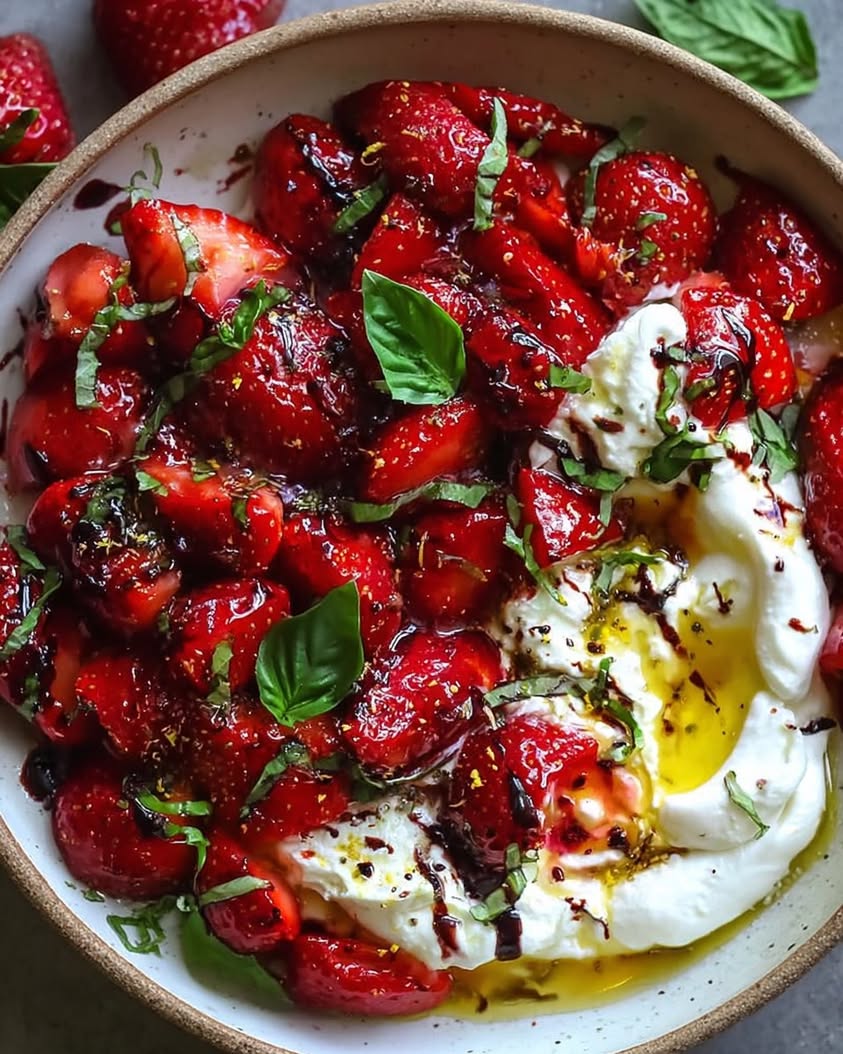
Whipped Feta with Roasted Strawberries: A Sweet and Savor Appetizer
This Whipped Feta with Roasted Strawberries recipe is a stunning and effortless appetizer that will captivate your guests. The dish masterfully combines creamy, tangy cheese with sweet, jammy fruit for a perfect balance. Furthermore, it looks incredibly elegant on a table. Ultimately, it delivers a gourmet experience with minimal effort.
The magic of this Whipped Feta with Roasted Strawberries lies in the contrast of textures and temperatures. You get a cloud-like, savory dip topped with warm, syrupy berries. Consequently, each bite is a complex dance of flavors. This appetizer is incredibly versatile, serving beautifully with crusty bread, crackers, or fresh vegetables. It is a guaranteed crowd-pleaser for any gathering.
Imagine breaking through the caramelized top of a roasted strawberry into the lush, creamy feta below. The aroma of baked fruit and fresh herbs will fill your kitchen. This dish is not just food; it is an experience. It transforms simple ingredients into something truly special and memorable.
Quick Recipe Highlights
- Flavor Profile: This dish offers a brilliant sweet and savory combination. The salty, tangy feta perfectly complements the deep, caramelized sweetness of the strawberries. A hint of fresh thyme or basil adds an aromatic, earthy finish.
- Texture: The whipped feta achieves an incredibly light and airy, almost mousse-like consistency. Conversely, the roasted strawberries become tender and jammy, creating a delightful contrast. Together, they create a luxurious mouthfeel on a cracker or slice of bread.
- Aroma: As the strawberries roast, their sweet, sugary scent fills the kitchen. This aroma mingles beautifully with the savory notes of the feta and the herbal fragrance of thyme. The overall smell is warm, inviting, and complex.
- Visual Appeal: The presentation is stunning, with the vibrant red and pink strawberries piled atop the pure white feta. A drizzle of honey and a sprinkle of herbs adds gorgeous color and texture. It looks like a masterpiece from a fancy restaurant.
- Skill Level Needed: This recipe requires only basic kitchen skills like chopping and using a food processor. There is no advanced technique involved, making it perfect for beginners. Anyone can achieve impressive, professional-looking results.
- Special Equipment: You only need a baking sheet, a food processor or blender, and a mixing bowl. A silicone spatula is helpful for scraping the whipped feta. No fancy or specialized tools are necessary.
Recipe Overview
- Difficulty Level: This Whipped Feta with Roasted Strawberries recipe is rated easy for good reason. The steps are straightforward and involve simple techniques like roasting and blending. There is no finicky timing or complex procedures, so success is almost guaranteed.
- Category: This dish falls perfectly into the appetizer or snack category. It also works wonderfully as part of a brunch or cheese board spread. Some people even enjoy it as a unique and light dessert option.
- Cuisine: While feta cheese hails from Greece, this preparation is a modern, fusion-style dish. It draws inspiration from Mediterranean flavors but with a contemporary twist. The result is a globally-inspired appetizer that feels both familiar and new.
- Cost: This is a very cost-effective recipe, especially when strawberries are in season. Feta cheese, olive oil, and honey are pantry staples for many. You can create a luxurious-feeling dish without a luxurious price tag.
- Season: Peak strawberry season in late spring and early summer is ideal for the freshest flavor. However, you can make this year-round using good-quality frozen strawberries. The roasting process intensifies flavor, making even off-season berries taste wonderful.
- Occasion: This appetizer is perfect for casual gatherings, holiday parties, bridal showers, or romantic dates at home. It elevates any event without requiring stressful preparation. It is a versatile star for any occasion.
Why You’ll Love This Recipe
You will adore the taste and texture appeal of this Whipped Feta with Roasted Strawberries. The creamy, salty cheese base provides a rich canvas for the sweet, concentrated fruit. Every spoonful delivers a perfect harmony of opposing flavors that excite the palate. Additionally, the contrast between the smooth dip and the chunky topping keeps each bite interesting. Ultimately, it is a sophisticated flavor combination that feels indulgent yet balanced.
The convenience and preparation benefits are another major reason to love this recipe. You can prepare both components in about thirty minutes with very little active hands-on time. Moreover, you can make the whipped feta ahead of time and roast the strawberries just before serving. This makes it an ideal stress-free option for entertaining. Consequently, you spend less time in the kitchen and more time with your guests.
This dish offers several nutritional advantages compared to many other creamy dips. Feta cheese provides a good source of calcium and protein. Meanwhile, strawberries are packed with vitamin C, fiber, and antioxidants. Using olive oil and honey adds healthy fats and natural sweetness. Therefore, you can feel good about serving this delicious appetizer.
The social and entertaining value of this Whipped Feta with Roasted Strawberries is immense. It serves as a fantastic conversation starter due to its beautiful presentation. People are always impressed by the unique combination of sweet and savory. It encourages sharing and interaction as guests gather around the dip. This makes it a cornerstone of a great party atmosphere.
Finally, the cost-effectiveness and accessibility of the ingredients make this recipe a winner. You likely already have olive oil, honey, and basic seasonings in your pantry. Feta cheese is widely available and affordable. Fresh strawberries are a common grocery item. This allows you to create a gourmet appetizer without a special trip to an expensive store.
Historical Background and Cultural Significance
The origin story of whipped feta is a modern twist on ancient traditions. Feta cheese itself has a history dating back thousands of years in Greece, protected by EU law. The technique of whipping cheese, however, is a contemporary culinary innovation. Chefs began blending feta with yogurt or cream to create a spreadable texture. This innovation made the bold flavor of feta more versatile and approachable as a dip.
Combining cheese with fruit has deep cultural importance across many cuisines. For instance, the Mediterranean often pairs cheese with figs, grapes, or honey. Meanwhile, other cultures enjoy cheese with chutneys or fruit pastes. This Whipped Feta with Roasted Strawberries recipe taps into that universal love of sweet and savory. It modernizes a classic pairing with a specific, focused technique.
The evolution of the recipe reflects broader food trends favoring bold flavors and shareable plates. Appetizer culture has moved towards interactive, dippable foods that encourage communal eating. Roasting fruit to intensify its sweetness is a popular method in modern cooking. This dish is a product of these converging trends, resulting in a perfect party food.
Regional variations of this concept are easy to imagine. In the Middle East, one might use pomegranate molasses instead of honey. An Italian version could feature roasted tomatoes and basil. Using different cheeses like goat cheese or ricotta would also change the profile. This adaptability shows the recipe’s strong foundational concept.
Ingredient Deep Dive
Feta Cheese is the star. This brined curd cheese from Greece has a crumbly texture and tangy, salty flavor. Traditionally made from sheep’s milk or a sheep-goat blend, it’s rich in calcium and protein. For the best whipped feta, choose a block feta in brine rather than pre-crumbled, as it’s creamier and less dry. Store leftover feta submerged in its brine in the refrigerator. If you need a substitute, a firm goat cheese or ricotta salata can work, though the flavor will be different.
Fresh Strawberries provide the sweet counterpoint. These beloved berries are not true berries but aggregate fruits, packed with vitamin C and manganese. Selecting ripe, fragrant strawberries with vibrant green caps is key for the best roasted strawberries. Roasting concentrates their flavor and creates a natural syrup. Off-season, frozen whole strawberries are an excellent alternative; just thaw and pat dry before roasting. Always hull strawberries before using to remove the bitter core.
Honey acts as the unifying sweetener. This natural golden syrup has been used for millennia and carries the flavor of local flowers. It balances the saltiness of the feta and enhances the strawberries’ caramelization. For a nuanced flavor, try a mild honey like clover or orange blossom. Vegans can substitute maple syrup or agave nectar. Store honey at room temperature to prevent crystallization.
Extra Virgin Olive Oil contributes fruity richness. A cornerstone of the Mediterranean diet, it’s full of heart-healthy monounsaturated fats. It helps create a smooth, spreadable texture in the whipped feta and prevents the strawberries from sticking during roasting. Choose a good-quality, but not necessarily expensive, bottle with a flavor you enjoy. For a different twist, a nutty walnut oil could be used in the feta.
Fresh Herbs like thyme or basil offer an aromatic finish. Thyme, with its tiny leaves and earthy, slightly minty flavor, is a classic pairing with both fruit and cheese. Basil introduces a sweet, peppery note that sings with strawberries. Always add fresh herbs just before serving to preserve their bright color and flavor. You can use other soft herbs like mint or oregano based on your preference.
Common Mistakes to Avoid
- Using Pre-Crumbled Feta: Pre-crumbled feta often contains anti-caking agents that make it drier. This results in a grainy, less creamy whipped feta. Always start with a solid block of feta stored in brine for the smoothest texture.
- Overcrowding the Baking Sheet: If you pile the strawberries too close together, they will steam instead of roast. You want them to caramelize, which requires space for moisture to evaporate. Use a large enough pan and spread the berries in a single layer.
- Skipping the Hulling Step: The green stem and white hull of a strawberry are bitter. Leaving them on will impart that bitterness into your sweet roasted strawberries. Always take a moment to hull your berries properly before roasting.
- Not Letting the Feta Come to Room Temperature: Cold feta straight from the fridge is harder to blend smoothly. Letting it sit out for 15-20 minutes softens it. This makes the whipping process easier and prevents strain on your food processor motor.
- Over-Processing the Feta: Once the feta is smooth and creamy, stop blending. Over-processing can sometimes cause the fats to separate or the mixture to become too warm. Pulse until just combined for the perfect fluffy texture.
- Forgetting to Season the Strawberries: A pinch of salt on the strawberries before roasting is crucial. Salt is a flavor enhancer that will make the berries’ natural sweetness pop. Do not rely on the saltiness of the feta alone.
- Adding Hot Strawberries to the Feta: Placing piping hot strawberries directly on the cold whipped feta can cause it to become runny. Let the berries cool for about 5-10 minutes after roasting. This preserves the perfect texture of your dip.
- Using a Blender for a Small Batch: A large blender jar often struggles with small quantities like one block of feta. The ingredients will just fly around the sides. A small food processor or a powerful hand blender is a much better tool for this job.
Essential Techniques
Roasting the Strawberries is the key technique for deep flavor. Roasting concentrates the berries’ natural sugars through caramelization, creating an intense, jammy sweetness. To master it, toss hulled, halved strawberries with honey and oil on a parchment-lined sheet. Roast in a hot oven (around 400°F) until they are soft and their juices have thickened into a syrup. The visual cue for success is seeing the berries shrink slightly and the released juices bubble and thicken in the pan.
Whipping the Feta transforms its texture entirely. This process incorporates air into the cheese, turning it from crumbly to light and spreadable. The importance lies in creating a luxurious base that contrasts with the fruit. To master it, use a food processor to blend room-temperature feta with olive oil and a splash of cream or yogurt until completely smooth. A common pitfall is under-blending, leaving chunks. The visual cue is a homogeneous, pale, and fluffy mixture that holds soft peaks.
Balancing Flavors is the final, crucial technique. A great appetizer should have a harmonious interplay of sweet, salty, tangy, and fatty notes. After assembling, always taste and adjust. You might need an extra drizzle of honey or a pinch of flaky sea salt. The goal is that no single element overpowers the others. The cue for success is when you take a bite and cannot decide if it’s more sweet or savory—it’s perfectly both.
Pro Tips for Perfect Whipped Feta with Roasted Strawberries
For an extra-smooth dip, add a tablespoon of full-fat Greek yogurt or cream cheese to the feta before blending. This adds richness and guarantees a silky texture.
Use a microplane to zest a little lemon rind over the finished dish. The bright citrus oil cuts through the richness and elevates all the other flavors.
Toast the nuts or seeds you plan to use for garnish. Toasting walnuts, pistachios, or pepitas in a dry pan adds a crucial crunch and deeper nutty flavor.
If your strawberries are not very sweet, toss them with an extra half-tablespoon of honey before roasting. This ensures they caramelize properly and provide the needed sweetness.
Serve the dip on a chilled plate or platter. This helps keep the whipped feta firm and cool, especially if you are serving it outdoors or on a warm day.
Make the whipped feta base up to two days in advance. Store it covered in the fridge, then let it sit out for 20 minutes and give it a quick stir before serving.
For a beautiful presentation, use the back of a spoon to create swirls and wells in the whipped feta before adding the strawberries. This creates pockets for the berry syrup to pool.
Always reserve a few fresh strawberry slices and herb leaves for garnish on top of the roasted berries. This adds a pop of fresh color and a hint of the raw berry’s aroma.
Variations and Adaptations
For regional variations, imagine a Middle Eastern twist with roasted strawberries, a drizzle of pomegranate molasses, and a sprinkle of za’atar. A French-inspired version could use roasted cherries with Herbes de Provence and a dollop of crème fraîche mixed into the feta. An Italian adaptation might feature roasted grapes with rosemary and a balsamic glaze reduction. These changes transport the basic concept around the globe using local flavors.
Seasonal adaptations make this a year-round recipe. In summer, use peaches or nectarines. For fall, try roasted figs or pears with a touch of cinnamon. Winter calls for roasted citrus segments like blood oranges or clementines. Spring is perfect for rhubarb or apricots. The method remains the same; simply adjust the roasting time based on the fruit’s water content.
Dietary modifications are straightforward. For a vegan whipped feta, use a firm tofu base blended with miso, lemon juice, and nutritional yeast. A dairy-free version can employ soaked and blended cashews. To make it lower-carb, reduce the honey and serve with cucumber slices or endive leaves instead of bread. For a paleo version, use a nut-based cheese alternative and raw honey.
Flavor variations can come from infusing the olive oil or honey. Gently warm the oil with a sprig of rosemary or a clove of garlic before blending it into the feta. Alternatively, use a flavored honey, such as lavender or hot honey, for a spicy kick. Mixing different fresh herbs into the feta itself, like dill or chives, creates a more savory-forward dip.
Texture modifications can cater to personal preference. For a chunkier topping, only halve the strawberries instead of quartering them. For a completely smooth fruit component, puree the roasted strawberries after they cool slightly. To add crunch to the dip itself, fold in finely chopped toasted nuts after whipping the feta.
Presentation alternatives include serving the whipped feta in individual small jars or ramekins. You can also layer it in a glass trifle dish with the strawberries for a parfait effect. For a rustic look, spread the feta directly on a wooden board and pile the strawberries in the center. Skewering roasted strawberries and fresh mint leaves for dipping is another fun, interactive option.
Serving and Presentation Guide
Plating techniques start with choosing the right vessel. A wide, shallow bowl or a decorative plate with a slight lip is ideal. Use a spatula to transfer the whipped feta, creating swoops and texture. Make a well in the center to hold the strawberries and their syrup. This deliberate plating makes the dish look abundant and inviting.
Garnishing ideas go beyond a simple herb sprinkle. Add texture with toasted chopped pistachios, walnuts, or pine nuts. For color and a peppery bite, use edible flowers or microgreens. A final drizzle of high-quality olive oil or reduced balsamic glaze adds visual shine and flavor. A pinch of flaky sea salt like Maldon on top makes the flavors sparkle.
Traditional accompaniments focus on bread and crackers. Offer a variety like sliced baguette, crostini, pita chips, and seeded crackers. For a fresher option, include endive leaves, cucumber rounds, or bell pepper strips. The contrast between the creamy dip, sweet fruit, and a crunchy vehicle is essential to the experience.
Modern serving suggestions incorporate this dip into a larger menu. Use it as a condiment for grilled chicken or fish. Spread it on toast and top with a poached egg for an epic brunch. Thin it with a little milk to make a salad dressing for a bitter greens salad. Its versatility is one of its greatest strengths.
Temperature considerations are key for texture. The whipped feta should be cool but not ice-cold, allowing its flavor to come through. The roasted strawberries are best served warm or at room temperature so their syrup is fluid. Avoid assembling the dish more than 15 minutes before serving to prevent the feta from getting soggy.
Portion control tips are helpful for planning. This recipe yields about six appetizer servings, assuming people will have other snacks. If it is the only appetizer, plan for it to serve four. A standard serving is roughly two to three tablespoons of dip with a spoonful of berries. Providing small plates and spreaders encourages polite sharing.
Wine and Beverage Pairing
Wine pairings should complement the sweet and savory duality. A sparkling wine like Prosecco or Cava cuts through the richness with its acidity and effervescence. A slightly sweet white wine, such as a German Riesling or a Vouvray, mirrors the fruit’s sweetness without clashing. For red wine lovers, a light, low-tannin red like a Beaujolais or Pinot Noir works well with the earthy and fruity notes.
Non-alcoholic alternatives can be just as sophisticated. A sparkling elderflower cordial with soda water echoes the floral notes in the honey. A tart lemonade or limeade balances the dip’s creaminess. For a warmer option, a ginger-lemon tea complements both the cheese and the fruit. Iced herbal tea, like hibiscus or mint, is also a refreshing choice.
Coffee and tea pairings are excellent for a brunch setting. A medium-roast coffee with low acidity won’t overpower the delicate flavors. A black tea like Earl Grey, with its citrusy bergamot notes, pairs beautifully with the strawberries. A herbal tea such as chamomile or peppermint provides a clean, palate-cleansing finish.
Temperature considerations for beverages depend on the setting. For a summer party, iced and sparkling drinks are most refreshing. At a cozy winter gathering, warm mulled cider or spiced wine would be delightful. Always offer a mix of cold and room-temperature options to cater to all preferences.
Serving suggestions include setting up a small beverage station near the appetizer spread. Provide clear labels for each drink option. Use attractive glassware that matches the elegance of the dish. For wines, consider decanting even white wines to allow them to breathe and show their best character alongside the food.
Storage and Shelf Life
Storage methods differ for the components. Store the whipped feta alone in an airtight container in the refrigerator for up to 3 days. Keep the roasted strawberries in a separate sealed container for up to 4 days. Do not combine them until you are ready to serve, as the berries’ moisture will make the feta watery.
Temperature requirements are strictly refrigeration for both components after preparation. The whipped feta contains dairy, and the roasted fruit can ferment at room temperature. Always cool both parts completely before covering and refrigerating. The ideal fridge temperature is below 40°F (4°C) for food safety.
Container recommendations favor glass or hard plastic with tight-fitting lids. For the strawberries, a container that holds the syrup along with the fruit is essential. For the feta, a shallow container is better than a deep one, making it easier to re-stir to a smooth consistency.
Signs of spoilage include an off or sour smell, visible mold (often blue or green fuzz), or an excessively watery separation that looks unnatural. If the strawberries develop bubbles or a fermented alcohol smell, discard them. When in doubt, follow the golden rule: if you are unsure, throw it out.
Reheating instructions apply only to the strawberries. Gently warm them in a microwave for 15-20 seconds or in a small saucepan over low heat. Do not overheat, or they will become too mushy. Never reheat the whipped feta, as it can separate and become greasy.
Freezing guidelines are not recommended for the assembled dish. You can freeze the roasted strawberry mixture in a freezer-safe bag for up to 2 months. Thaw in the refrigerator overnight before using. The whipped feta does not freeze well, as the texture becomes grainy and unpleasant upon thawing.
Make Ahead Strategies
Your prep timeline can stretch over two days for stress-free entertaining. Day One: purchase your ingredients. Day Two (or morning of): hull and halve the strawberries, make the whipped feta, and store both separately in the fridge. One hour before guests arrive: roast the strawberries and let them cool slightly. Fifteen minutes before serving: assemble the dish on your platter.
Storage between steps is simple. Place the whipped feta in its container and press a piece of plastic wrap directly onto its surface before sealing the lid. This prevents a skin from forming. Pour the roasted strawberries and all their syrup into a jar or bowl and seal it. Both go in the fridge until the final assembly.
The quality impact assessment is positive for make-ahead. The flavors of the whipped feta actually meld and improve slightly after a few hours in the fridge. The roasted strawberries hold their flavor beautifully. The only minor impact is that the feta will firm up when cold, so it needs time to soften before serving.
Assembly tips for last-minute finishing ensure perfection. Stir the chilled whipped feta vigorously with a spoon to re-fluff it before spreading. Gently re-warm the strawberries if desired. Use a slotted spoon to add the berries first, then drizzle the reserved syrup over the top so you control the moisture.
Reheating guidelines are only for the strawberries, as mentioned. If you made the feta ahead and it seems too thick, you can stir in a teaspoon of milk or cream to loosen it. Do not add liquid to the entire batch, only to the portion you are about to serve.
Fresh element additions are the final touch. Always add any fresh herb garnish, a drizzle of new honey, or a sprinkle of nuts right before the dish hits the table. This ensures they look vibrant and retain their distinct textures and flavors against the creamy and soft components.
Scaling Instructions
Halving the recipe is perfect for a romantic dinner for two. Use half a block (4 oz) of feta, 1 cup of halved strawberries, and reduce all other ingredients by half. Use a smaller food processor or even a fork and bowl to mash the feta. The roasting time may be slightly less due to the smaller berry quantity on the pan.
Doubling or tripling the recipe is ideal for a large party. Use a full-size sheet pan for the strawberries, possibly even two to avoid steaming. You may need to blend the feta in batches if your food processor is small. Taste and adjust seasoning at the end, as batch blending can be inconsistent.
Equipment adjustments are necessary when scaling. A large crowd requires a bigger serving platter or multiple smaller dishes placed around the room. For a doubled feta recipe, ensure your processor’s blade can engage with the quantity; you might need to scrape down more frequently. Have extra baking sheets and parchment paper on hand.
Timing modifications are minimal for scaling up. The strawberry roasting time may increase by 5-10 minutes if the pans are very full, as more moisture needs to evaporate. The whipping time for a larger feta batch will be slightly longer to achieve uniformity. Build this extra time into your party prep schedule.
Storage considerations become more important with larger batches. You will have more leftovers, so ensure you have enough appropriate-sized containers. Label them with the date. For a big event, consider making the components the day before to manage refrigerator space and your own time.
Nutritional Deep Dive
The macro breakdown of this appetizer is a balance of fats, proteins, and carbohydrates. Feta cheese provides the primary source of protein and fat, including saturated fat. The strawberries and honey contribute the carbohydrates, primarily in the form of natural sugars and fiber. Olive oil adds healthy monounsaturated fats. A serving offers sustained energy from this mix of macros.
Micronutrient analysis reveals a good profile. Feta is an excellent source of calcium, phosphorus, and vitamin B12. Strawberries are famously rich in vitamin C, manganese, and folate. Olive oil contains vitamin E and K. Together, they provide a range of antioxidants and essential vitamins and minerals that support bone health, immunity, and cellular function.
Health benefits are linked to the individual ingredients. The calcium in feta supports strong bones and teeth. The antioxidants in strawberries, like anthocyanins, fight inflammation and may support heart health. The monounsaturated fats in olive oil are beneficial for cholesterol levels. This dish is a more nutrient-dense choice than many cream-based dips.
Dietary considerations include the dish being naturally gluten-free. It is vegetarian but not vegan due to the dairy-based cheese. Those with lactose intolerance often tolerate feta well, as it is lower in lactose than many cheeses. However, it is high in sodium, so those on sodium-restricted diets should consume it in moderation.
Portion analysis is key for mindful eating. While nutritious, the dish is calorie-dense due to the cheese and oil. A reasonable portion is about 1/4 cup of the combined dip. Pairing it with fresh vegetable dippers instead of only bread increases the fiber and vitamin content of your snack, making it more filling and balanced.
Weight management tips involve mindful serving. Use a small spoon to serve yourself onto a plate instead of eating directly from the communal bowl. Focus on eating the dip with cucumber or pepper slices to increase volume without many extra calories. Remember that it is an appetizer meant to stimulate the appetite, not a main course.
Dietary Adaptations
For a gluten-free adaptation, this recipe is naturally perfect. Ensure that any bread, crackers, or dippers you serve alongside are certified gluten-free. Many seeded crackers and rice crackers are excellent gluten-free options. The dip itself contains no gluten-containing ingredients.
A dairy-free version requires a cheese alternative. Use a firm, block-style vegan feta available in many stores. Alternatively, a base of soaked and blended cashews with lemon juice, nutritional yeast, and salt can mimic the tangy creaminess. The roasting process for the strawberries remains exactly the same.
A vegan adaptation combines the dairy-free cheese substitute with a plant-based sweetener. Use maple syrup or agave nectar instead of honey. Ensure the bread or crackers served are also vegan (no butter or milk solids). Garnish with nutritional yeast for a cheesy flavor boost.
For a low-carb or keto adaptation, reduce the amount of honey used on the strawberries significantly or use a keto-friendly sweetener like monk fruit or erythritol. Serve the dip exclusively with low-carb dippers like cucumber, celery, bell peppers, or cheese crisps. The feta and olive oil are already excellent keto-friendly fats.
A paleo adaptation uses a dairy-free cheese base as described above. Ensure the sweetener is raw honey or pure maple syrup, which are paleo-approved. Serve with vegetable crudités or plantain chips. Avoid serving with grain-based crackers or bread.
For a low-FODMAP adaptation, the portion size is critical. A small serving of feta (about 40g) is considered low-FODMAP. Strawberries are low-FODMAP in servings of 5 medium berries. Stick to these portion guidelines. Use maple syrup instead of honey, as honey is high in fructose. Serve with gluten-free crackers that don’t contain onion or garlic powder.
Troubleshooting Guide
If your whipped feta is grainy, the cheese was likely too cold or you under-processed it. Solution: Let the feta come to room temperature and process it again, scraping down the sides often. Adding a tablespoon of liquid (cream, yogurt, or even water) can help it emulsify into a smoother paste.
If your roasted strawberries are too watery, they were either overcrowded on the pan or not roasted long enough. Solution: Continue roasting them for another 5-10 minutes with the oven door slightly ajar to let steam escape. You can also pour the juices into a small saucepan and reduce them on the stovetop into a thicker syrup.
If the flavor balance seems off—too salty, too sweet, or bland—you can adjust after assembly. For too-salty feta, drizzle more honey over the top and add a squeeze of fresh lemon juice. For bland feta, stir in a pinch of salt and a crack of black pepper. For not-sweet-enough berries, a final drizzle of honey on top will help.
If the dip separates or looks oily, the feta may have been over-processed, causing the fat to break out. Solution: Stir it vigorously with a spoon to recombine. If it’s still loose, chill it for 20 minutes to firm up the fats. Next time, pulse rather than continuously process the mixture.
If you lack a food processor, you can use a sturdy fork or a potato masher in a bowl. It will take more elbow grease and the texture will be less fluffy, but it will still be delicious. A hand mixer can also work, though it may splatter more.
If you need an ingredient substitution last minute, remember the core concept: salty creamy base + sweet jammy fruit. No feta? Use cream cheese or goat cheese. No fresh strawberries? Use high-quality strawberry jam warmed with a little lemon juice. No honey? Use maple syrup or even a brown sugar glaze.
Recipe Success Stories
Community feedback on this Whipped Feta with Roasted Strawberries recipe has been overwhelmingly positive. Many home cooks report it becoming their go-to appetizer for book club and holiday parties. They love how it impresses guests without causing kitchen stress. Several have mentioned that even friends who claim not to like feta cheese are converted after trying this sweet and savory preparation.
Variation successes from readers are inspiring. One reader used roasted peaches and a dash of cayenne for a sweet-heat combination. Another made it with roasted cherries and dark chocolate shavings for a dessert version. A third successfully adapted it for a baby shower by making mini phyllo cups filled with the dip and a single berry on top. These creative twists show the recipe’s fantastic adaptability.
Adaptation stories for dietary needs have been particularly heartening. A vegan reader shared her triumph with a cashew-based feta that delighted her mixed-diet family. A gluten-free guest at a party was thrilled to have such a beautiful, safe option to enjoy. These stories highlight how a simple recipe can be inclusive and bring people together over great food.
Reader suggestions have improved the recipe over time. One suggested adding a pinch of black pepper to the strawberries before roasting for depth. Another recommended a splash of balsamic vinegar in the roasting pan for complexity. A third advised chilling the serving plate beforehand, a tip now included in the pro tips. This collaborative spirit makes the recipe even better.
Photography tips from successful makers emphasize natural light. Shooting near a window when the sun is indirect shows off the contrast between the white feta and red berries. Using a dark, textured background like a slate board or wooden table makes the colors pop. A final drizzle of honey right before the photo adds appealing shine and freshness.
Frequently Asked Questions
Can I use frozen strawberries? Absolutely. Thaw them completely and pat them very dry with paper towels to remove excess moisture before roasting. This step is crucial to prevent a soupy result.
How long can I store the leftovers? Store the components separately in airtight containers in the fridge. The whipped feta lasts 3 days, and the roasted strawberries last 4 days. The assembled dip is best eaten within a few hours.
Can I make this nut-free? Yes, the base recipe contains no nuts. Simply avoid using nuts as a garnish. Seeds like toasted sunflower or pumpkin seeds make a great crunchy, nut-free alternative.
My feta is very salty. What can I do? Balance it by adding a touch more honey to the overall dish and ensuring your dippers are plain (like unsalted crackers). You can also mix the salty feta with a Print
Whipped Feta with Roasted Strawberries
- Total Time: 35 minutes
- Yield: 4
Description
A creamy, tangy whipped feta dip topped with sweet roasted strawberries, perfect as an appetizer or snack.
Ingredients
- 8 ounces feta cheese, crumbled
- 4 ounces cream cheese, softened
- 2 tablespoons olive oil
- 1 tablespoon honey
- 1 pound fresh strawberries, hulled and halved
- 2 tablespoons balsamic vinegar
- 1 tablespoon fresh thyme leaves
- Salt and black pepper to taste
Instructions
- Preheat oven to 400°F (200°C). Toss strawberries with balsamic vinegar, thyme, salt, and pepper on a baking sheet. Roast for 15-20 minutes until softened.
- In a food processor, combine feta, cream cheese, olive oil, and honey. Blend until smooth and creamy, about 2-3 minutes.
- Spread whipped feta on a serving plate, top with roasted strawberries, and drizzle with extra honey if desired. Serve with crackers or bread.
Notes
You can customize the seasonings to taste.
- Prep Time: 15 minutes
- Cook Time: 20 minutes
- Method: Appetizer
- Cuisine: Mediterranean