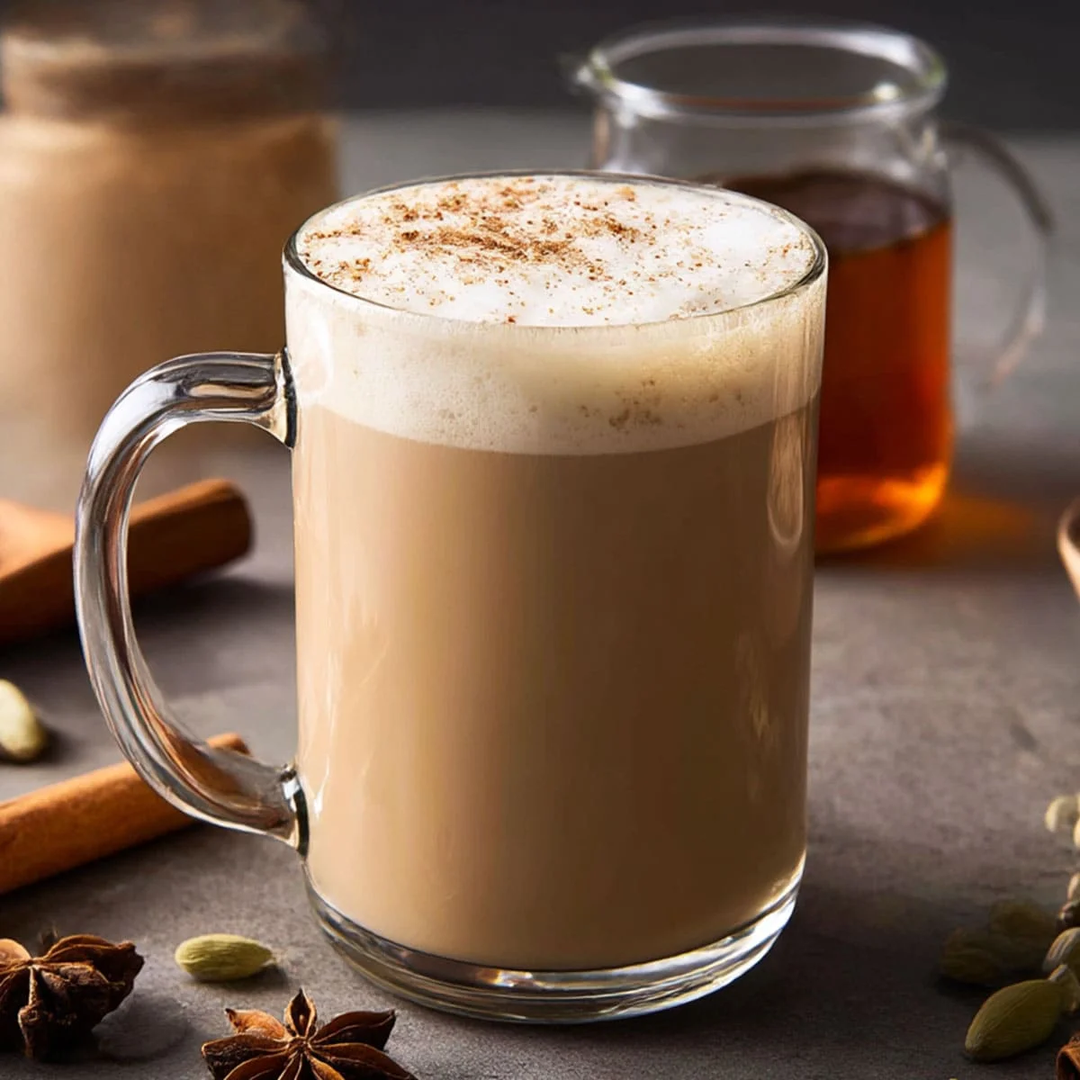
How to Make a Perfect Chai Tea Latte at Home: A Cozy Spice Journey
Imagine wrapping your hands around a warm mug filled with a fragrant, creamy beverage that instantly soothes your soul. This is the magic of a homemade chai tea latte. Moreover, this guide will show you exactly how to make a perfect chai tea latte that rivals any coffee shop creation. Consequently, you can skip the long lines and expensive prices. Ultimately, you will master a recipe that fills your kitchen with the comforting aromas of cinnamon, cardamom, and ginger.
Learning how to make a perfect chai tea latte at home is a simple yet rewarding culinary adventure. For instance, you control the sweetness, the spice level, and the creaminess. Therefore, every sip can be tailored to your exact preference. Furthermore, the process is surprisingly quick, taking just about fifteen minutes from start to finish. As a result, you can enjoy this luxurious treat any morning or as an afternoon pick-me-up without any fuss.
The beauty of this drink lies in its harmonious blend of robust black tea and warming spices. Simultaneously, the milk adds a velvety texture that makes each mouthfeel incredibly satisfying. In essence, this chai tea latte recipe is your ticket to creating a moment of calm and indulgence. So, gather your spices and let’s begin the journey to crafting your perfect cup.
Quick Recipe Highlights
- Flavor Profile: This chai tea latte boasts a complex and warming flavor. Expect a robust base of black tea perfectly balanced with sweet cinnamon, pungent ginger, floral cardamom, and peppery cloves. Finally, a touch of sweetener rounds out the spicy edges for a perfectly harmonious sip.
- Texture: The texture is luxuriously creamy and silky-smooth. Steaming or frothing the milk creates a delicate microfoam that integrates seamlessly with the spiced tea concentrate. Consequently, the mouthfeel is rich and comforting without being overly heavy.
- Aroma: The aroma is instantly inviting and complex. Dominant notes of sweet cinnamon and warm ginger hit first, followed by the floral intrigue of cardamom and the deep warmth of cloves. Altogether, it creates a scent that promises comfort and warmth.
- Visual Appeal: Served in a clear glass mug, the drink showcases beautiful layers of deep amber tea and creamy, frothy milk. A final sprinkle of cinnamon or a star anise pod on top adds an elegant, professional touch that makes it feel special.
- Skill Level Needed: This recipe requires only basic kitchen skills. You need to simmer ingredients and heat milk. Therefore, it is absolutely accessible for beginners. However, paying attention to steeping times and not boiling the milk is key for the best results.
- Special Equipment: No fancy equipment is strictly necessary. A small saucepan, a fine mesh strainer, and a whisk will work perfectly. Alternatively, a milk frother, French press, or even a jar with a lid can elevate the foam for a more authentic latte experience.
Recipe Overview
- Difficulty Level: This recipe is rated easy for several important reasons. First, it involves simple techniques like simmering and steeping. Second, the ingredient list is short and forgiving. Third, there is no precise baking or complex timing involved. Ultimately, it’s a very approachable recipe for any home cook.
- Category: This recipe falls squarely into the beverage category. Specifically, it is a warm, milk-based tea drink. It is perfect for breakfast, an afternoon treat, or a soothing evening ritual. Furthermore, it can easily be adapted into an iced version for warmer months.
- Cuisine: The chai tea latte has its roots in Indian cuisine, where “chai” simply means “tea.” The traditional Masala Chai is a staple throughout South Asia. This version is a Western adaptation that emphasizes a creamier, latte-style presentation while honoring the core spice profile.
- Cost: Making a chai tea latte at home is remarkably cost-effective. A single coffee shop latte can cost over five dollars. Conversely, brewing a batch at home costs mere pennies per serving, especially if you buy spices in bulk. Therefore, it’s a budget-friendly way to enjoy a daily luxury.
- Season: This drink is truly a year-round favorite. It is especially perfect for fall and winter, as the warming spices provide internal comfort on cold days. However, served over ice, it becomes a wonderfully refreshing and spicy summer beverage. So, it has no off-season.
- Occasion: A chai tea latte is versatile for many occasions. It is ideal for a quiet morning alone, a cozy catch-up with a friend, or as a non-alcoholic option at a brunch gathering. It also makes a thoughtful, homemade gift when paired with a blend of dry spices in a jar.
Why You’ll Love This Recipe
You will adore the incredible taste and texture of this homemade chai tea latte. Each sip delivers a symphony of warm, aromatic spices that dance on your palate. The black tea provides a sturdy, slightly tannic backbone that prevents the drink from being overly sweet. Meanwhile, the creamy milk mellows the spice blend into a perfectly smooth and comforting elixir. The experience is far superior to any powdered mix or overly sweet syrup-based version. Ultimately, the depth of flavor you achieve from toasting and simmering whole spices is incomparable.
The convenience and preparation benefits are another major reason to love this recipe. You can make a perfect chai tea latte in about fifteen minutes with minimal cleanup. Furthermore, you have complete control over the ingredients. You can adjust the sweetness with honey, maple syrup, or your favorite sugar alternative. You can use any milk you prefer, from whole dairy to oat, almond, or soy. This customizability means you can craft a drink that fits your dietary needs and taste preferences perfectly, something no cafe can match.
From a nutritional standpoint, making your chai latte at home offers clear advantages. You eliminate the processed syrups and excessive sugars common in commercial versions. Instead, you can use natural sweeteners in moderation. Additionally, the spices themselves, like ginger and cinnamon, have noted anti-inflammatory properties. Black tea provides antioxidants. When you choose a high-protein milk, you also add a satiating element to your drink. Consequently, this beverage can be part of a balanced lifestyle rather than just a sugary treat.
The social and entertaining value of this chai tea latte recipe is significant. Imagine serving a steaming pot of homemade chai to guests; it creates an instant atmosphere of warmth and hospitality. It is a fantastic non-alcoholic centerpiece for brunches or holiday gatherings. You can even create a “chai bar” with different sweeteners, milk options, and garnishes for guests to customize their own cup. This interactive element makes it a memorable and inclusive offering for any event.
Finally, the cost-effectiveness and accessibility are undeniable. The ingredients for a chai tea latte are pantry-stable and inexpensive. A small investment in a bag of whole spices will yield dozens of lattes. Compared to the recurring expense of cafe visits, the savings are substantial. Moreover, you can make it anytime you get a craving, even in your pajamas. This recipe democratizes a luxurious coffee shop experience, making it an affordable daily ritual you can truly enjoy.
Historical Background and Cultural Significance
The origin story of chai stretches back thousands of years, rooted in the ancient kingdoms of South Asia. Initially, it was an Ayurvedic herbal concoction brewed for medicinal purposes, using spices like ginger and cardamom for their healing properties. The addition of tea leaves came much later, after the British introduced tea cultivation to India in the 19th century. The Indian population then adapted the drink, adding milk and sugar to the British-style tea, and thus Masala Chai was born. This blend of indigenous spice traditions with colonial agricultural imports created the beloved drink we know today.
The cultural importance of chai in India and neighboring regions cannot be overstated. It is far more than just a beverage; it is a vital social ritual. Chai wallahs (tea vendors) are ubiquitous on street corners, serving as communal hubs. Sharing a cup of chai is a gesture of welcome and friendship in homes and businesses alike. The act of brewing and serving chai signifies taking a pause, connecting with others, and enjoying a moment of respite. Therefore, the drink is deeply woven into the daily fabric of life.
The evolution of the recipe from traditional Masala Chai to the Western chai tea latte is a fascinating tale of globalization. As chai spread globally, Western coffee culture adapted it. The term “chai tea latte” is technically redundant (“chai tea” means “tea tea”), but it clearly communicates the concept to a new audience. The latte version typically uses a stronger spice concentrate and emphasizes a large proportion of steamed, frothy milk. This adaptation made the spicy, complex flavors of chai more approachable and compatible with cafe menus worldwide.
Regional variations of chai are abundant, reflecting local tastes and available ingredients. In Kashmir, you might find salty pink chai made with baking soda and pistachios. In Gujarat, it is often exceptionally sweet and milky. Some regions add black pepper for extra heat, while others use star anise or fennel seeds. The Western chai tea latte itself has spawned countless variations, including pumpkin spice chai, dirty chai (with a shot of espresso), and vanilla chai. This incredible versatility ensures the drink continues to evolve and captivate new generations.
Ingredient Deep Dive
Black Tea is the non-negotiable foundation of a great chai tea latte. Traditionally, a strong, robust Assam or Ceylon tea is used because it can stand up to the powerful spices and milk without getting lost. These teas provide a malty, full-bodied flavor and contain antioxidants like theaflavins. For the best results, use loose-leaf tea or high-quality tea bags. Avoid delicate teas like green or white tea, as they will become bitter. Store your black tea in an airtight container away from light and moisture to preserve its freshness.
Fresh Ginger adds a vital, pungent warmth and a touch of natural sweetness. Historically, ginger has been used in Ayurveda for millennia to aid digestion and fight inflammation. It contains the bioactive compound gingerol, which has powerful medicinal properties. For your chai, use a knob of fresh ginger root, sliced or crushed, not powdered. The fresh root provides a brighter, more vibrant heat. Select ginger that is firm with smooth skin. You can store it in the refrigerator for weeks or freeze it for grating directly into your pot.
Cinnamon Sticks impart a sweet, woody warmth that is quintessential to chai’s aroma. Ceylon cinnamon is considered “true” cinnamon and has a more delicate, complex flavor compared to the stronger Cassia variety common in supermarkets. Cinnamon is rich in antioxidants and has been linked to helping regulate blood sugar. Simmering a whole stick allows its oils to slowly infuse the liquid. For the best flavor, look for Ceylon cinnamon sticks that are thin and flaky. Store them in a cool, dark place with your other spices.
Cardamom Pods are the floral, citrusy heart of a complex chai blend. This “queen of spices” is one of the world’s most expensive, historically traded along ancient routes. It aids digestion and has a unique aromatic profile. Always use whole green cardamom pods, lightly crushed to open them, rather than pre-ground cardamom, which loses its potency quickly. The tiny black seeds inside are where the flavor resides. Sourcing fresh, green pods is key; avoid brittle, brown pods. Their intense flavor means a little goes a long way.
Whole Cloves contribute a penetrating, warm, and slightly bitter note that grounds the spice mix. They have antiseptic properties and a very strong flavor, so one or two are usually sufficient. Using whole cloves ensures you get their deep, complex essence without the risk of over-powering bitterness that can come from ground cloves. They should be added whole to the simmering liquid. Like other spices, store cloves in an airtight container. Their potent flavor can infuse quickly, so don’t over-steep them.
Common Mistakes to Avoid
- Boiling the Milk: A very common error is letting the milk come to a full, rolling boil. This can cause it to scorch, develop a skin, or even curdle, especially when mixed with acidic tea. Instead, heat the milk until it is just steaming and small bubbles form around the edges. This preserves its sweetness and creamy texture.
- Over-Steeping the Tea: Leaving black tea to steep for too long, especially while simmering, releases excessive tannins. Consequently, your chai tea latte will become unpleasantly bitter and astringent. Follow the recommended steeping time of 3-5 minutes once the heat is off for a balanced flavor.
- Using Only Ground Spices: While convenient, pre-ground spices lack the vibrant, nuanced oils of their whole counterparts. They can also make the drink cloudy and gritty. For a clear, aromatic infusion, always opt for whole spices that you lightly crush or simmer whole.
- Not Toasting the Spices: Skipping the quick toast of whole spices in the dry pan is a missed opportunity. Toasting awakens the essential oils, dramatically deepening and rounding out the spice flavors. This simple 60-second step transforms your chai from flat to fantastically fragrant.
- Adding Dairy Too Early: If you add cold milk to the pot with the tea and spices and then simmer everything together, you risk overcooking the milk. The best method is to create a strong “chai concentrate” first, then combine it with separately heated milk.
- Neglecting to Strain: Forgetting to strain the brew results in a mouthful of loose tea leaves and spice fragments. Always pour your finished chai concentrate through a fine-mesh strainer into your cup or milk pitcher for a perfectly smooth texture.
- Sweetening at the Wrong Time: Adding sweetener at the end, after combining the tea and milk, can result in uneven dissolution. Instead, add your honey, sugar, or syrup to the hot chai concentrate so it melts completely and integrates evenly throughout the drink.
- Using Water That’s Too Hot for Delicate Milks: If using non-dairy milks like almond or oat, be cautious. Some varieties can separate or become grainy when combined with very hot liquid. Heat them gently and avoid boiling. Alternatively, you can warm the milk separately and pour it over the concentrate.
Essential Techniques
Toasting Whole Spices is the first and most impactful technique. This process involves heating whole spices like cinnamon, cardamom, and cloves in a dry saucepan for about a minute until they become incredibly fragrant. The heat gently coaxes out the volatile essential oils that contain the spices’ true flavor and aroma. The key is to keep the spices moving and to use medium-low heat to prevent burning. You will know it’s done when your kitchen fills with a warm, inviting scent. This simple step adds a layer of depth that simmering alone cannot achieve.
Simmering for Infusion is the core cooking method. After toasting spices and adding water, you bring the mixture to a gentle simmer. This slow, steady heat allows the flavors and compounds from the spices and tea to dissolve into the water, creating a potent concentrate. The goal is to maintain tiny bubbles breaking the surface, not a vigorous boil. A vigorous boil can cause evaporation too quickly and potentially make spices bitter. A patient, low simmer for 5-8 minutes ensures a full, rounded extraction without harshness.
Steeping the Tea correctly is crucial for avoiding bitterness. Once you remove the pot from the heat, that’s when you add the black tea leaves. The residual heat is perfect for steeping. Covering the pot traps the heat and steam, ensuring an even extraction. Letting it steep for 3-5 minutes is the sweet spot. Steeping too long pulls out bitter tannins, while steeping too little leaves the tea weak. After steeping, strain immediately to stop the process. This technique gives you control over the tea’s strength.
Frothing the Milk transforms a good chai into a great latte. The goal is to incorporate air to create a light, velvety microfoam. You can achieve this with a handheld frother, a French press (pump the plunger), or even by shaking warm milk vigorously in a sealed jar. The visual cue for success is a milk that has doubled in volume with a creamy, pourable foam, not large, stiff bubbles. Heated to 150°F (65°C), it will be sweet and perfect for pouring. This foam adds a luxurious texture and helps the milk blend beautifully with the spiced tea.
Pro Tips for Perfect Chai Tea Latte
Make a large batch of the chai spice concentrate and store it in the refrigerator for up to five days. This allows you to have a perfect chai tea latte ready in minutes by simply heating the concentrate and your milk. The flavors often meld and improve after a day.
For an extra layer of flavor, try bruising the fresh ginger by smashing it with the flat side of your knife. This breaks open the fibers and releases more of its pungent, aromatic juices into the simmering water, resulting in a more pronounced ginger kick.
If you prefer a stronger spice flavor, you can lightly crush your whole spices (cinnamon stick, cardamom pods, cloves) with a mortar and pestle or the back of a spoon before toasting. This increases the surface area, leading to a more potent infusion.
Always warm your mug or glass before pouring in the latte. Simply fill it with hot water and let it sit for a minute, then pour it out. This prevents the drink from cooling down too quickly, ensuring you enjoy every sip at the ideal temperature.
For a beautifully layered iced chai latte, fill a glass with ice, pour in the cooled chai concentrate, and then slowly top with cold frothed milk. The difference in density will create a stunning gradient effect that is as visually appealing as it is delicious.
Experiment with your sweetener. While white sugar is classic, honey adds floral notes, maple syrup brings earthy warmth, and coconut sugar offers a caramel-like depth. Adding the sweetener to the hot concentrate ensures it dissolves fully and flavors the entire drink evenly.
If your milk ever does curdle slightly from overheating or acidity, don’t panic. Immediately remove it from the heat and blend it vigorously with an immersion blender. Often, this can re-emulsify the fats and proteins and save your drink.
Variations and Adaptations
Regional variations offer a world of exploration. For a Kashmiri-style twist, add a pinch of baking soda during simmering, which reacts with the tea to create a distinctive pinkish-red color and unique flavor. A Mumbai-style “cutting chai” is stronger, with less milk, served in a small glass. For a Thai-inspired version, simmer the spices with star anise and use sweetened condensed milk for a rich, creamy finish. Exploring these regional takes deepens your appreciation for the drink’s global journey.
Seasonal adaptations keep your chai tea latte exciting all year. In autumn, add a splash of pure pumpkin puree and a pinch of nutmeg to the simmering spices. For a winter holiday version, include a star anise pod and a few allspice berries. In spring, a hint of vanilla bean or a rosewater rinse on the mug adds a floral touch. Summer calls for the obvious iced version, or try blending the concentrate with cold milk and ice for a frothy chai smoothie.
Dietary modifications are straightforward and successful. For a vegan chai tea latte, simply use your favorite plant-based milk; oat and soy milk froth particularly well. A keto or low-carb version can use unsweetened almond milk and a sugar-free sweetener like monk fruit or erythritol. For a paleo adaptation, use coconut milk and sweeten with raw honey or maple syrup in moderation. The robust spice blend ensures the drink remains flavorful regardless of the base.
Flavor variations can personalize your cup immensely. A “dirty chai” includes a shot of espresso for a caffeine-powered twist. A vanilla chai involves adding a vanilla pod to the simmer or a splash of pure extract at the end. For a chocolate chai, stir in a tablespoon of high-quality cocoa powder or dark chocolate chips with the spices. A “spicy chai” amps up the heat with extra black peppercorns or a small slice of fresh chili pepper during the simmer.
Serving and Presentation Guide
Plating techniques for a hot chai tea latte are simple but effective. Choose a clear glass mug or a classic ceramic cup to showcase the drink’s color. Pour the warm chai concentrate into the mug first, then gently pour the frothed milk over the back of a spoon held just above the surface. This technique allows the milk to float on top, creating a defined layer. For a marbled effect, use a chopstick or a knife to gently swirl the two layers together just before serving.
Garnishing ideas add the final professional touch. A light dusting of ground cinnamon or nutmeg over the foam is classic and aromatic. For visual drama, place a whole cinnamon stick or a star anise pod on the saucer or resting across the mug. A thin slice of fresh ginger or a twist of orange peel can add a fresh, zesty note. For a sweet garnish, a small drizzle of honey or caramel on top of the foam looks beautiful.
Traditional accompaniments for chai in India are often simple and savory, meant to balance the sweetness. Common pairings include crispy samosas, pakoras (vegetable fritters), or plain biscuits like Parle-G. The spicy, fried foods contrast wonderfully with the creamy, sweet tea. Adopting this tradition can turn your latte into a satisfying mini-meal or a unique offering for a gathering.
Modern serving suggestions cater to contemporary tastes. Pair your chai tea latte with a buttery croissant, a slice of spiced pumpkin bread, or a chewy oatmeal cookie. For a brunch spread, it complements egg dishes and fruit salads perfectly. Consider serving it in a small pot with cups for a communal, cozy feel. The key is to choose accompaniments that won’t overpower the delicate spice notes of the drink itself.
Wine and Beverage Pairing
Wine pairings with a chai tea latte are unconventional but can be delightful for a dessert course. The spice profile of chai pairs beautifully with sweet, aromatic wines. A late-harvest Riesling or a Gewürztraminer, with their notes of lychee and spice, can mirror and complement the chai’s flavors. A creamy, oak-aged Chardonnay might also work, matching the latte’s richness. For a red option, a light-bodied, low-tannin Pinot Noir with berry notes could provide a pleasant contrast without clashing. The general rule is to match the drink’s intensity and sweetness.
Non-alcoholic alternatives are a natural fit. Sparkling apple cider, with its autumnal sweetness and effervescence, cleanses the palate between sips of the creamy latte. A ginger beer emphasizes the ginger notes in the chai. For a completely different direction, a cool, crisp glass of coconut water can be a refreshing counterpoint to the warm, spiced drink. These pairings are perfect for all-ages gatherings or when you want to enjoy the chai as the star beverage.
Coffee and tea pairings should be approached with caution due to caffeine content, but they can work in a tasting context. A small, strong espresso served alongside your chai allows you to contrast the deep, roasted notes of coffee with the spicy, floral notes of tea. Alternatively, a delicate white tea or a floral herbal tisane like chamomile could be served before or after the chai as part of a beverage flight, showcasing a range of flavors from subtle to bold.
Storage and Shelf Life
Storage methods for leftover chai are straightforward. Any unused chai concentrate, without milk, can be stored in an airtight container or jar in the refrigerator. It will keep well for 4-5 days. The spices may settle, so give it a good shake or stir before using. Do not store the latte once milk has been added, as the dairy will spoil much faster. Always prepare your latte fresh by combining the stored concentrate with newly heated milk.
Freezing guidelines can extend the life of your concentrate for months. Pour the cooled concentrate into ice cube trays. Once frozen solid, transfer the cubes to a freezer bag. This method is fantastic for making single-serving iced chai lattes; just pop a few cubes into a glass and add cold milk. You can also freeze larger portions in containers. Thaw overnight in the refrigerator before reheating gently on the stove. Avoid boiling after thawing to preserve flavor.
Signs of spoilage are easy to identify. For the concentrate, look for any off smells, mold growth (however unlikely due to sugar and spice content), or an excessively sour taste. Once milk is added, the shelf life drops to just a few hours at room temperature or 1-2 days in the fridge. If the milk-chai mixture develops a strange odor, a clumpy texture, or a sour taste, discard it immediately. When in doubt, it is always safer to make a fresh batch.
Make Ahead Strategies
Prep timeline for efficiency is simple. You can toast and measure your whole spices into small bags or containers days in advance. You can even create a dry “chai spice mix” by grinding the toasted spices and storing them powder-form, though the flavor will be more direct. The best make-ahead strategy is to prepare the full chai concentrate up to five days before you plan to serve it. This not only saves time but often improves the flavor as the spices continue to meld.
Storage between steps is key to maintaining quality. Store the cooled concentrate in a glass jar with a tight lid. Keep it on a refrigerator shelf, not in the door, to maintain a consistent, cold temperature. If you’ve made a large batch, consider dividing it into smaller jars so you only expose a portion to air each time you open it. This minimizes oxidation and helps preserve the fresh, bright notes of the spices and tea.
Assembly tips for serving from a pre-made concentrate ensure a perfect final product. When ready to serve, gently reheat the desired amount of concentrate in a small saucepan. Do not boil it. Separately, heat and froth your milk. Combine them in your mug. This two-step reheating process prevents the milk from being overheated and ensures both components are at the ideal temperature for drinking. The result is indistinguishable from a freshly made latte.
Scaling Instructions
Halving the recipe is easy for a single serving. Simply divide all ingredient quantities by two. Use a small saucepan to prevent too much evaporation during simmering. The cook times will remain roughly the same, but keep a closer eye on it as smaller volumes can reduce more quickly. This is perfect for when you want a personal treat without leftovers.
Doubling or tripling the recipe is ideal for serving a crowd. Multiply all ingredients accordingly. Use a larger, heavy-bottomed pot to ensure even heating and to prevent boiling over. You may need to add an extra minute or two to the simmering time to ensure the spice infusion is as strong as in a single batch. Always taste before serving and adjust sweetness if needed after scaling.
Equipment adjustments are necessary when scaling up. A large fine-mesh strainer or a piece of cheesecloth over a big bowl is essential for straining a large batch of concentrate. For frothing milk for multiple lattes, a large French press can handle more milk, or you can froth in batches using a handheld frother. Consider using a thermal carafe to keep the concentrate hot if serving over an extended period.
Nutritional Deep Dive
Macro breakdown of a chai tea latte varies greatly based on your milk and sweetener choices. A typical version made with 2% milk and one tablespoon of honey might contain approximately 150-180 calories. It provides about 6-8 grams of protein from the milk, 2-3 grams of fat, and 25-30 grams of carbohydrates (primarily from the lactose in milk and added sweetener). Using unsweetened almond milk and a zero-calorie sweetener can reduce the calories to under 50 per serving, with minimal carbs and fat.
Micronutrient analysis reveals benefits from both tea and spices. Black tea provides manganese, essential for bone health and metabolism. Cinnamon is a good source of antioxidants and has anti-inflammatory properties. Ginger offers gingerol, known for aiding nausea and digestion. Cardamom contains minerals like potassium, calcium, and magnesium. When made with dairy milk, the drink also contributes calcium and vitamin D, supporting bone health.
Dietary considerations are important for specific needs. The base recipe is naturally gluten-free. For dairy-free needs, use plant milk. For vegan, use plant milk and a sweetener like maple syrup. For low-carb or keto, use unsweetened almond or coconut milk and a keto-friendly sweetener. The spices themselves are compliant with most diets, making the chai tea latte a highly adaptable framework for various nutritional approaches.
Dietary Adaptations
Gluten-free adaptation is inherently simple, as the core ingredients—tea, spices, water, milk, sweetener—are naturally gluten-free. The only caution is to check labels on pre-packaged chai tea bags or spice blends, as they could contain additives with gluten. When making it from scratch with whole spices, you have complete control and can be confident it’s safe for those with celiac disease or gluten sensitivity.
Dairy-free adaptation is achieved seamlessly by substituting cow’s milk with a plant-based alternative. The best choices for frothing and creating a creamy texture are oat milk, soy milk, or canned coconut milk. Almond and cashew milk are lighter options. Be mindful of heating; some plant milks can separate if boiled. Gently heat until steaming, and consider using a “barista blend” version designed for hot beverages.
Vegan adaptation combines the dairy-free milk substitution with a plant-derived sweetener. Refined white sugar is sometimes processed with bone char, so for strict vegans, opt for organic sugar, coconut sugar, maple syrup, or agave nectar. Ensure any chocolate or cocoa added for variation is also dairy-free and vegan-certified. This makes for a completely plant-based, indulgent treat.
Low-carb and Keto adaptations focus on eliminating sugars. Use unsweetened almond milk or coconut milk, which are very low in net carbs. Sweeten with pure stevia drops, erythritol, or monk fruit sweetener that won’t spike blood sugar. Be cautious with spices like cinnamon, as they do contain minimal carbs, but the amounts used are negligible within a keto daily limit.
Troubleshooting Guide
Texture issues like a watery latte usually mean the milk wasn’t frothed enough or the chai concentrate is too weak. Solution: Ensure your milk is hot enough (around 150°F) for optimal frothing and simmer your spices for the full time to create a strong, flavorful base. If your drink is too thick or creamy, you’ve likely used a milk with high fat content or added too much; simply adjust the ratio of concentrate to milk next time.
Flavor balance problems are common. If your chai tastes bitter, you over-steeped the tea. Next time, steep for less time or remove the tea bags/leaves sooner. If it tastes bland, you may not have used enough spices, simmered them long enough, or skipped the toasting step. Toast your spices well and don’t be afraid to slightly increase quantities. If it’s too sweet or not sweet enough, adjust the sweetener incrementally until it suits your palate.
Temperature problems involve a latte that cools too fast or milk that scalds. To keep it hot longer, always pre-warm your mug. To prevent scalding, never let milk reach a boil; heat it until steaming with small bubbles. If you need to reheat, do so gently over low heat, stirring frequently. Using a microwave in short bursts while stirring in between can also prevent overheating and separation.
Recipe Success Stories
Community feedback on this chai tea latte recipe consistently highlights the “aha!” moment of toasting the spices. Many home cooks report that this single step made the difference between a good drink and an exceptional one that filled their entire home with fragrance. Readers love sharing that their homemade version has completely replaced their expensive coffee shop habit, saving them significant money. The ability to control the sweetness is also a repeatedly celebrated feature, especially for those reducing sugar intake.
Variation successes from readers are inspiring. One reader created a “chai concentrate” gift set by layering the dry, whole spices in a mason jar and attaching the recipe card, which was a huge hit during the holidays. Another successfully adapted the recipe for a large wedding shower, making a giant batch of concentrate and setting up a self-serve latte bar with different milks and sweeteners. Others have perfected the iced version, noting that using the frozen concentrate cubes is a game-changer for quick summer drinks.
Frequently Asked Questions
Can I use pre-ground spices instead of whole? You can, but the flavor will be less nuanced and the texture may be slightly gritty. Ground spices also infuse much faster and can become bitter. If you must use ground, use about half the amount and add them with the tea for steeping, not during the long simmer. Always strain thoroughly.
What’s the best milk for frothing in a chai latte? For dairy, whole milk froths the creamiest due to its fat and protein content. Among non-dairy options, oat milk and soy milk (specifically “barista” blends) are champions for creating stable, velvety foam that holds up well when mixed with the hot chai concentrate.
How can I make a sugar-free chai tea latte? Simply omit the added sweetener or use a natural, zero-calorie alternative like stevia, monk fruit, or erythritol. The spices themselves provide plenty of flavor. You can also rely on the natural sweetness of a milk like oat milk, which often tastes slightly sweet on its own.
My chai tastes bitter. What did I do wrong? Bitterness almost always comes from over-steeping the black tea. Next time, remove the pot Print
Homemade Chai Tea Latte
- Total Time: 25 minutes
- Yield: 2
Description
A warm and aromatic spiced tea latte made with black tea, milk, and traditional chai spices like cinnamon, cardamom, and ginger. Perfect for cozy mornings or a comforting afternoon treat.
Ingredients
- 2 cups water
- 2 black tea bags or 2 teaspoons loose black tea
- 1 cup milk (dairy or non-dairy)
- 2 tablespoons honey or maple syrup
- 1 cinnamon stick
- 4 cardamom pods, lightly crushed
- 4 whole cloves
- 1-inch piece fresh ginger, sliced
- 1/4 teaspoon ground nutmeg
- 1/4 teaspoon vanilla extract
Instructions
- In a small saucepan, combine water, cinnamon stick, cardamom pods, cloves, ginger, and nutmeg. Bring to a boil, then reduce heat and simmer for 10 minutes to infuse the spices.
- Remove from heat and add the black tea bags or loose tea. Steep for 5 minutes, then strain the mixture into a clean saucepan to remove solids.
- Stir in the milk and honey or maple syrup. Heat over medium-low heat until warm but not boiling, about 5 minutes. Remove from heat and stir in vanilla extract.
- Pour into mugs and serve immediately. Optionally, top with a sprinkle of cinnamon or a dollop of frothed milk for extra creaminess.
Notes
You can customize the seasonings to taste.
- Prep Time: 5 minutes
- Cook Time: 20 minutes
- Method: Beverage
- Cuisine: Indian-inspired