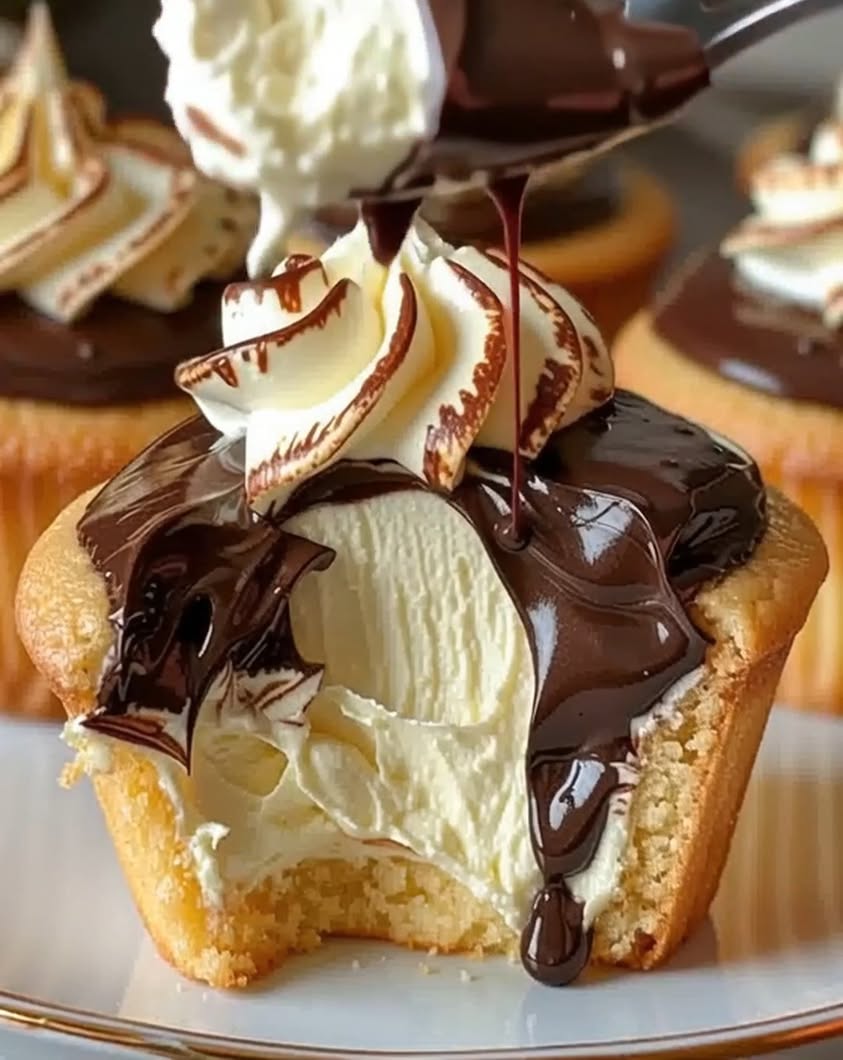
Boston Cream Pie Cupcakes: A Classic Dessert in Bite-Sized Form
Imagine the iconic flavors of a classic Boston cream pie, but transformed into a perfectly portable, single-serving cupcake. These Boston cream pie cupcakes deliver that unforgettable combination in every bite. You get a tender, buttery vanilla cake base, a core of rich, silky vanilla custard, and a crowning glory of glossy, dark chocolate glaze. Essentially, this recipe captures the soul of a beloved American dessert and reimagines it for modern enjoyment.
Consequently, these cupcakes become the ultimate dessert for any gathering. They offer the impressive, layered presentation of a fancy pastry without the stress of assembling a full-sized layer cake. Moreover, the individual portions make them ideal for parties, potlucks, or simply enjoying a controlled sweet treat. The process of creating these Boston cream pie cupcakes is a joyful baking project that yields incredibly delicious results.
Furthermore, the sensory experience is truly exceptional. As you bite through the smooth chocolate shell, you encounter the soft, cloud-like crumb of the vanilla cupcake. Finally, your taste buds discover the cool, creamy custard center. The contrast between textures and temperatures is what makes these Boston cream pie cupcakes so special and utterly addictive.
Quick Recipe Highlights
- Flavor Profile: These cupcakes masterfully balance sweet, creamy, and chocolatey notes. The vanilla cake provides a warm, buttery foundation, while the custard filling adds a luxurious, eggy richness. Ultimately, the bittersweet chocolate glaze ties everything together with a sophisticated finish.
- Texture: Expect a delightful play of textures in every mouthful. The cupcake itself is supremely soft and moist. Meanwhile, the pastry cream filling is velvety and smooth. In contrast, the chocolate glaze sets into a thin, snappy shell that cracks beautifully when you take a bite.
- Aroma: The baking process fills your kitchen with comforting scents. First, you will notice the sweet, comforting smell of vanilla cake. Then, the aroma of cooking custard with vanilla bean follows. Finally, the scent of melting chocolate completes the heavenly fragrance profile.
- Visual Appeal: These desserts are stunningly beautiful. The deep, dark chocolate glaze shines invitingly on top. Additionally, a simple garnish like a swirl of extra custard or a chocolate curl makes them look professionally crafted. They are guaranteed to be the star of any dessert table.
- Skill Level Needed: This recipe is perfect for bakers ready to move beyond basics. You need comfort with making cupcakes from scratch and a willingness to cook a stovetop custard. However, clear instructions guide you through each component confidently.
- Special Equipment: A standard muffin tin and cupcake liners are essential. Also, a piping bag with a round tip makes filling the cupcakes neat and easy. Finally, a saucepan and whisk are necessary for preparing the perfect pastry cream.
Recipe Overview
- Difficulty Level: We rate this recipe as intermediate due to its multi-component nature. You will execute three separate elements: cake, filling, and glaze. Therefore, organization and timing are key. However, each step is straightforward with careful attention to detail.
- Category: This recipe falls squarely into the dessert and baking categories. It is a celebratory treat perfect for satisfying a sweet tooth. Moreover, it fits into the subcategory of filled cupcakes or gourmet bakery-style desserts.
- Cuisine: The dish has strong roots in American culinary tradition. Specifically, it draws direct inspiration from the Boston cream pie, which is the official state dessert of Massachusetts. Consequently, it represents a fun, modern twist on a classic American icon.
- Cost: Making these cupcakes at home is surprisingly cost-effective. Basic baking staples like flour, sugar, eggs, and milk form the bulk of the ingredients. Furthermore, you create a dozen impressive desserts for a fraction of the cost of a bakery box.
- Season: These cupcakes are truly a year-round delight. They feel light enough for spring and summer gatherings. Conversely, their rich components also provide comfort during fall and winter. Essentially, they are a versatile choice for any season.
- Occasion: They are perfect for numerous events. Consider them for birthdays, holiday parties, bake sales, or afternoon tea. Additionally, they make an extraordinary homemade gift when packaged beautifully.
Why You’ll Love This Recipe
First and foremost, the taste and texture combination is absolutely irresistible. These Boston cream pie cupcakes deliver a symphony of flavors in a single bite. The vanilla cake is tender and moist, providing a perfect base for the luxurious filling. Then, the rich vanilla custard center offers a cool, creamy surprise. Finally, the glossy chocolate glaze adds a bittersweet contrast that prevents the dessert from being overly sweet. Every element complements the others, creating a balanced and deeply satisfying treat that feels both familiar and special.
Secondly, the recipe offers fantastic convenience and preparation benefits. While it involves multiple steps, you can break them down over time. For instance, you can bake the cupcakes and make the custard a day in advance. Then, you simply assemble and glaze them before serving. This make-ahead strategy makes them ideal for entertaining. Moreover, the individual portions eliminate the need for slicing and plating a messy pie or cake. You simply hand them out, ensuring everyone gets a perfect, complete dessert.
Next, let us consider the nutritional perspective. Baking at home gives you complete control over the ingredients. You can use high-quality vanilla, real butter, and good cocoa powder. Consequently, you avoid the preservatives and artificial flavors often found in store-bought versions. While these are certainly a treat, you can feel good about serving a dessert made from scratch with recognizable ingredients. Additionally, the portion control inherent in a cupcake can help manage indulgence compared to a larger slice of cake.
Furthermore, the social and entertaining value of these cupcakes is immense. They are guaranteed conversation starters at any party. Guests are always delighted by the hidden custard center. They look professionally made, which will impress your friends and family. Baking them can also be a fun family activity; kids love helping to fill and glaze the cupcakes. Essentially, they are more than just food; they are an experience that creates joy and brings people together.
Finally, the cost-effectiveness and accessibility are major wins. The ingredients are common pantry staples. You do not need any exotic or expensive items to create this bakery-quality dessert. Compared to buying a dozen gourmet cupcakes from a specialty shop, this homemade version saves a significant amount of money. Therefore, you can create an impressive dessert for a crowd without straining your budget. This accessibility makes the recipe a valuable addition to your baking repertoire.
Historical Background and Cultural Significance
The origin story of the Boston cream pie is a fascinating slice of American culinary history. Contrary to its name, it is not a pie at all but a cake. French chef M. Sanzian invented it at Boston’s iconic Parker House Hotel in 1856. Originally, he called it the “Parker House Chocolate Cream Pie.” The dessert featured two layers of French butter sponge cake filled with crème pâtissière and topped with a chocolate fondant glaze. This innovative creation quickly gained popularity, becoming a signature item for the hotel and setting the stage for a classic.
The cultural importance of the dessert solidified over time. In 1996, the Boston cream pie was officially declared the state dessert of Massachusetts. This designation highlights its deep connection to New England’s identity and culinary heritage. The dessert represents a period of American history when grand hotels were centers of social life and culinary innovation. Moreover, its enduring popularity for over 150 years speaks to the timeless appeal of its simple yet perfect flavor combination. It is a dessert that evokes nostalgia and tradition.
The evolution of the recipe from a full-sized cake to a cupcake is a modern adaptation. As individual desserts and portability became more popular, bakers began reimagining classic layer cakes in cupcake form. The Boston cream pie was a natural candidate for this transformation. The cupcake version maintains all the essential elements but in a more convenient, shareable format. This evolution reflects broader trends in home baking and dessert presentation, where tradition meets contemporary convenience. Today, Boston cream pie cupcakes are a staple in many bakeries and a favorite project for home bakers.
Regional variations of the concept do exist, though the core components remain sacred. Some bakers add a rum syrup to the cake layers for added moisture and flavor. Others might use a chocolate ganache instead of a fondant-based glaze. In some modern interpretations, you might even find a dollop of whipped cream on top. However, the classic combination of vanilla cake, vanilla custard, and chocolate glaze is the non-negotiable heart of the dessert. Our cupcake version stays true to this classic trinity, ensuring an authentic taste experience.
Ingredient Deep Dive
Let us start with the foundation: all-purpose flour. This versatile wheat flour forms the structure of your cupcakes. Its moderate protein content provides enough gluten to give the cakes a tender crumb without making them tough. For best results, spoon the flour into your measuring cup and level it off; do not scoop directly from the bag, as this packs it down and leads to dry cupcakes. If you need a gluten-free adaptation, a quality 1:1 gluten-free flour blend works wonderfully here. Store your flour in a cool, dry place to prevent it from absorbing moisture and odors.
Next, granulated sugar does more than just sweeten. In the cake batter, sugar helps tenderize the gluten, contributes to browning, and retains moisture for a soft texture. In the custard, sugar balances the richness of the egg yolks and milk. When selecting sugar, standard white granulated sugar is perfect. For a slight caramel note, you could substitute up to half with light brown sugar in the cake batter. Sugar has an indefinite shelf life if kept in an airtight container to prevent clumping from humidity.
Eggs are the multitasking heroes of this recipe. In the cupcakes, whole eggs provide structure, leavening, moisture, and richness. In the custard filling, egg yolks are critical. Their proteins thicken the milk, and their fat content creates that luxuriously smooth and creamy texture. Always use large eggs at room temperature for baking; they incorporate into batters more evenly. Fresh eggs are key for the custard, as older eggs can sometimes impart an off-flavor. Store eggs in their original carton in the main part of your refrigerator, not the door.
Whole milk and butter bring essential dairy richness. The milk hydrates the flour and activates the gluten in the cupcakes, and it is the liquid base for the custard. Whole milk’s fat content is crucial for a creamy, non-watery filling. Butter in the cupcake batter adds unparalleled flavor and tenderness. For the best taste, use unsalted butter so you control the salt level, and ensure it is properly softened for creaming. While you can use lower-fat milk in a pinch, the custard will be less rich. Dairy products should always be stored refrigerated and used by their expiration dates.
Finally, pure vanilla extract and high-quality cocoa powder define the flavor profile. Vanilla is the star aroma in both the cake and the custard. Invest in pure vanilla extract, not imitation, for the best, most complex flavor. For the glaze, natural or Dutch-process cocoa powder will work, but Dutch-process offers a darker color and milder, less acidic chocolate taste that pairs beautifully with the sweet components. Store vanilla in a cool, dark cupboard and cocoa powder in an airtight container to protect its flavor. These ingredients, though used in smaller quantities, make a monumental difference.
Common Mistakes to Avoid
- Overmixing the Cupcake Batter: This is a critical error. Once you add the dry ingredients to the wet, mix only until the flour disappears. Overmixing develops the gluten in the flour, leading to tough, dense, and chewy cupcakes instead of a tender crumb. A few small lumps are perfectly fine; they will bake out.
- Under-cooking or Over-cooking the Custard: The custard must reach a full boil while constantly stirring to activate the cornstarch’s thickening power. However, boiling for too long can break down the starch, causing it to thin out again. Cook it just until it thickens and large bubbles break the surface, then immediately remove it from the heat.
- Not Tempering the Eggs for the Custard: If you pour hot milk directly onto the egg yolks, you will scramble them. Always temper by slowly whisking a small amount of the hot milk into the yolk mixture first. This gently raises their temperature, allowing you to safely combine them with the rest of the hot liquid without curdling.
- Filling the Cupcake Liners Too Full: For the perfect dome, fill liners only 2/3 full. Overfilling causes the batter to spill over the sides, creating messy, flat-topped cupcakes that are difficult to fill and glaze. Using a cookie scoop or a 1/4 cup measure ensures consistent and proper filling.
- Attempting to Fill or Glaze Warm Cupcakes: Patience is essential. You must let the cupcakes cool completely to room temperature before coring and filling. Similarly, the custard must be completely chilled and thick. If either component is warm, the custard will melt and soak into the cake, and the glaze will not set properly.
- Using a Buttercream or Whipped Cream Frosting: The classic topping for a Boston cream pie is a shiny, firm chocolate glaze, not a fluffy frosting. A buttercream or whipped cream will overpower the delicate balance and alter the authentic texture and flavor profile. Stick with a pourable chocolate glaze for the right experience.
- Skipping the Salt: Salt is not optional; it is a flavor enhancer. A pinch in the cupcake batter and the custard does not make things taste salty. Instead, it heightens the sweetness and deepens the vanilla and chocolate flavors, preventing the dessert from tasting flat or one-dimensional.
- Not Creating a Proper Well for the Filling: Simply poking a hole in the top is not enough. Use a small paring knife or a cupcake corer to remove a conical piece of cake from the center. This creates a generous cavity that holds a substantial amount of custard, ensuring you get filling in every bite.
Essential Techniques
Creaming Butter and Sugar is the first crucial technique for light cupcakes. This process involves beating softened butter and sugar together until the mixture becomes pale, fluffy, and increased in volume. The sugar crystals cut into the butter, creating tiny air pockets. These pockets expand during baking, giving the cake its lift and tender texture. The common pitfall is using butter that is too cold or too melted. Properly softened butter should leave a slight indentation when pressed. Cream for a full 3-5 minutes with an electric mixer for the best aeration.
Making Pastry Cream (Crème Pâtissière) is the cornerstone of the filling. This technique involves thickening sweetened milk with egg yolks and cornstarch. The key is constant, vigorous stirring over medium heat to prevent scorching and ensure even thickening. You must bring the mixture to a full boil to deactivate a starch-dissolving enzyme in the egg yolks. A visual cue for success is when the custard thickens dramatically and large bubbles break the surface with a “bloop” sound. Immediately transfer it to a clean bowl, stir in the vanilla and butter, and press plastic wrap directly on the surface to prevent a skin from forming.
Tempering Eggs is the safety step for a smooth custard. This technique prevents the proteins in the egg yolks from coagulating too quickly and creating scrambled eggs when mixed with hot liquid. You slowly introduce heat by whisking a small ladleful of the hot milk mixture into the beaten yolks. This gradually raises their temperature. Once tempered, you can safely whisk the yolk mixture back into the remaining hot milk in the saucepan. The pitfall is adding the hot liquid too quickly. Always whisk constantly and pour in a slow, steady stream.
Creating a Simple Chocolate Glaze requires proper melting and consistency. The technique is gentle, indirect heat to melt chocolate and butter together, often using a double boiler or short bursts in the microwave. Overheating chocolate will cause it to seize into a grainy mass. The goal is a pourable but not runny consistency that will set into a shiny shell. The visual cue is a smooth, homogenous mixture that drips slowly off a spoon. If it is too thick, add a teaspoon of warm water or corn syrup. Let it cool slightly so it does not melt the custard when poured.
Pro Tips for Perfect Boston Cream Pie Cupcakes
Use room temperature ingredients for the cupcake batter. This includes eggs, milk, and butter. Room temperature ingredients emulsify more easily, creating a smoother, more homogeneous batter that bakes up with a better rise and finer crumb. Take them out of the refrigerator about an hour before you start baking.
Weigh your flour for absolute accuracy. Cup measurements can vary drastically depending on how you scoop. For consistent, perfect cupcakes every time, use a kitchen scale. 120 grams is the standard weight for one cup of all-purpose flour spooned and leveled.
Chill your custard thoroughly before filling. Not only does this allow it to set to the proper piping consistency, but a cold filling also provides a delightful temperature contrast against the room-temperature cake and the glossy glaze. For speed, spread the custard on a plate, cover, and chill in the freezer for 20-30 minutes.
Core your cupcakes from the top. Instead of just poking a hole, use a small knife or a cupcake corer to remove a small cone of cake. This creates a perfect, neat cavity for the custard. Save the cake pieces to plug the top after filling for a seamless look.
Add a touch of corn syrup or honey to your chocolate glaze. A tablespoon of light corn syrup or honey mixed into the melted chocolate and butter gives the glaze an incredible, professional-looking shine and helps it set with a smooth, crack-free surface.
Let the glazed cupcakes set at room temperature. Do not refrigerate them immediately after glazing, as condensation can form on the shiny chocolate surface and make it dull. Let them sit out until the glaze is fully set, about 30 minutes, then store as needed.
Garnish simply for elegance. A light dusting of powdered sugar, a single chocolate coffee bean, or a tiny dollop of reserved custard on top of the glaze elevates the presentation from homemade to bakery-worthy with minimal effort.
Variations and Adaptations
Consider regional variations for a twist on the classic. A New Orleans-inspired version might include a splash of bourbon in the custard and a praline sprinkle on top. For a German influence, you could fill the cupcakes with a lighter vanilla pudding (vanillepudding) and top with a dark chocolate ganache. These adaptations honor the original while incorporating local flavor profiles.
Seasonal adaptations keep the recipe exciting all year. In autumn, add a pinch of cinnamon or pumpkin pie spice to the cupcake batter. For a winter holiday version, fold mini chocolate chips into the batter and garnish the glaze with crushed peppermint. In spring, top with edible flowers, and in summer, serve with a side of fresh berries.
Dietary modifications are entirely possible. For gluten-free Boston cream pie cupcakes, use a reliable cup-for-cup gluten-free flour blend. For dairy-free, use plant-based milk and butter alternatives, and ensure your chocolate is dairy-free. A vegan version would require egg substitutes like flax eggs for the cake and a cornstarch-based pudding for the filling.
Experiment with flavor variations once you master the classic. Substitute the vanilla custard with chocolate, coffee, or coconut cream filling. Infuse the milk for the custard with citrus zest, lavender, or a split vanilla bean for more intense flavor. You can even add a layer of raspberry jam beneath the custard for a fruitier note.
Texture modifications can add fun elements. Mix mini chocolate chips into the cupcake batter for bursts of chocolate. Add a tablespoon of instant espresso powder to the glaze for a mocha flavor and a slightly grainier, more adult texture. For a crunch, sprinkle chopped toasted almonds or hazelnuts on the wet glaze.
Presentation alternatives offer creative freedom. Instead of a full glaze, drizzle the chocolate over the cupcakes in a zig-zag pattern for a more casual look. You can also slice the cooled cupcakes in half horizontally, spread custard on the bottom half, replace the top, and then drizzle, creating a mini layer cake effect.
Serving and Presentation Guide
Master simple plating techniques for individual servings. Place each cupcake on a small dessert plate or a decorative paper doily. Use a offset spatula to transfer them without smudging the glaze. For a clean plate, you can wipe any stray glaze or crumbs before serving. This attention to detail makes even a simple serving feel special and considered.
Garnishing ideas are endless but should be subtle. A light dusting of confectioners’ sugar just before serving adds a snowy contrast to the dark glaze. A single chocolate curl, a coffee bean, or a gold leaf flake placed in the center of the glaze looks elegant. Alternatively, pipe a tiny rosette of the leftover custard on top using a star tip.
Traditional accompaniments are minimal, as the cupcake is a complete dessert. However, a small glass of cold milk is a classic and beloved pairing. For a more adult gathering, offer coffee or espresso. The bitterness of coffee beautifully cuts through the sweetness of the cupcake, cleansing the palate between bites.
Modern serving suggestions can elevate the experience. Serve the cupcakes as part of a dessert trio with a mini fruit tart and a macaron. For a dinner party, present them on a tiered cake stand for visual impact. You can also deconstruct the elements for a playful plating: crumble a cupcake, dollop custard, and drizzle glaze in a artistic pattern.
Temperature considerations are key for the best texture and flavor. Serve the cupcakes at cool room temperature. If refrigerated, remove them 20-30 minutes before serving to take the chill off. This allows the cake to soften and the flavors to bloom. The custard should remain cool but not ice-cold against the softer cake.
Portion control is built-in, which is a major advantage. One standard cupcake is a perfect single serving. For a larger crowd, you can make mini cupcakes using a mini muffin tin, adjusting the baking time downward. This allows guests to sample other desserts or simply enjoy a smaller treat.
Wine and Beverage Pairing
Selecting wine pairings requires balancing the dessert’s sweetness. A classic pairing is a late-harvest Riesling or a Moscato d’Asti. These wines have enough residual sugar to match the cupcake’s sweetness without being overpowered. Their bright acidity also cuts through the richness of the custard and chocolate. Alternatively, a ruby Port or a Banyuls offers dark fruit flavors that harmonize beautifully with the chocolate glaze. The key is to choose a wine that is as sweet as, or sweeter than, the dessert itself.
Non-alcoholic alternatives are just as thoughtful. Sparkling apple cider provides festive bubbles and a tart apple note that contrasts the sweet vanilla. A glass of cold, whole milk is a timeless and comforting match. For a more complex option, a chai tea latte offers warm spices that complement the vanilla custard and the bitter chocolate in a delightful way.
Coffee and tea pairings are exceptional with these cupcakes. A medium-roast brewed coffee or a single-origin espresso highlights the chocolate notes in the glaze. For tea, an Earl Grey with its bergamot citrus aroma cuts through the creaminess, while a straight-forward black breakfast tea provides a sturdy, malty counterpoint to the sweetness. Avoid overly floral or herbal teas that might clash.
Consider temperature for all beverages. Serve wines slightly chilled, but not ice-cold, so their flavors are not muted. Coffee and tea should be hot to provide a comforting temperature contrast to the cool cupcake. Cold milk should be very cold for maximum refreshment. Getting the serving temperature right enhances the pairing experience significantly.
Finally, presentation of the beverage matters. Serve wine in appropriate stemware, coffee in a nice mug, and milk in a chilled glass. This level of care makes the entire dessert course feel more intentional and celebratory, turning a simple cupcake and drink into a memorable culinary moment.
Storage and Shelf Life
Proper storage methods are essential for maintaining quality. Once assembled and glazed, store the cupcakes in a single layer in an airtight container. Do not stack them, as the weight will smash the glaze and possibly cause filling to seep out. If you must stack, place parchment paper between layers and be very gentle. The container protects them from absorbing refrigerator odors and prevents the cake from drying out.
Temperature requirements depend on timing. For serving within 24 hours, you can keep them at cool room temperature in that airtight container. For longer storage, refrigeration is necessary because of the dairy-based custard filling. Always refrigerate if your kitchen is warm. The cold environment keeps the custard safe and firm, though it can slightly firm up the cake as well.
Container recommendations are straightforward. A large, lidded plastic or glass container with a flat bottom is ideal. Cupcake carriers with individual slots are perfect for transport and prevent rolling. If using a standard container, you can place a damp paper towel (not touching the cupcakes) in one corner to help maintain humidity and prevent the cake from drying in the fridge.
Recognize signs of spoilage to ensure safety. Discard cupcakes if the custard develops an off smell, a watery separation, or visible mold. The cake itself becoming very hard or developing an unusual odor is also a sign it is past its prime. Typically, properly stored Boston cream pie cupcakes are best within 2-3 days in the refrigerator.
Reheating instructions are generally not recommended. These are meant to be eaten cool or at room temperature. Microwaving will melt the glaze and potentially curdle the custard, ruining the texture. If you must take the chill off a refrigerated cupcake, simply let it sit on the counter for 20-30 minutes before serving.
Freezing guidelines apply primarily to the components, not the fully assembled dessert. You can successfully freeze un-filled, un-glazed cupcakes for up to 2 months. Thaw overnight in the refrigerator. The custard filling does not freeze well, as it can become grainy upon thawing. It is best to assemble with fresh, chilled custard.
Make Ahead Strategies
Establishing a prep timeline reduces day-of stress. You can bake the cupcakes up to two days in advance. Let them cool completely, then store them airtight at room temperature. The custard can be made up to three days ahead and kept tightly covered in the refrigerator. On the day you plan to serve, core the cupcakes, fill them with the chilled custard, and prepare the fresh glaze. This staggered approach makes the process feel much more manageable.
Storage between steps is simple with proper planning. Keep baked cupcakes in a cake dome or sealed container at room temperature. For the custard, press plastic wrap directly onto its surface before sealing it in a bowl; this prevents a skin from forming. Having components ready means assembly takes just 15-20 minutes before your event, leaving you free to attend to other tasks.
Assess the quality impact of make-ahead steps. Baking cupcakes a day ahead can actually improve their texture, as the crumb settles and becomes more tender. Chilled custard thickens perfectly for piping. The only component that must be made fresh is the chocolate glaze, as it can dull or develop a whitish bloom if made too far in advance. This strategy maximizes quality.
Assembly tips for pre-made components are key. If your day-old cupcakes seem a bit dry, you can brush the cores very lightly with simple syrup (equal parts sugar and water, heated until dissolved) before filling. This adds moisture and flavor. Use a piping bag to fill the cupcakes neatly and efficiently with the cold custard. Work on a batch of six at a time to keep organized.
Reheating guidelines do not apply here, as everything is served cool. However, if your kitchen is very cold, you may need to let the filled cupcakes sit out for a few minutes after refrigeration so the cake isn’t too firm. The goal is a cool, but not ice-cold, interior with a set glaze.
Plan for fresh element additions. Since the glaze is made last, its shine and flavor are at their peak. Any delicate garnishes, like a dusting of powdered sugar or a fresh berry, should be added immediately before serving to prevent them from wilting or dissolving into the glaze. This final touch makes all the difference.
Scaling Instructions
Halving the recipe is straightforward for a smaller batch. Simply divide all ingredient quantities by two. You will yield about six standard cupcakes. Use a standard 6-cup muffin tin, or fill every other cup in a 12-cup tin to ensure even baking. The baking time may be slightly reduced by a minute or two, so start checking for doneness early. This is perfect for a small family or testing the recipe.
Doubling or tripling the recipe for a crowd requires slight adjustments. Double all ingredients precisely. You may need to bake in multiple batches unless you have multiple ovens and muffin tins. Do not try to mix a triple batch in a standard stand mixer bowl all at once; mix in two batches to avoid overloading the motor and ensuring proper mixing. Stagger baking sheets in the oven for even heat circulation if baking multiple tins at once.
Equipment adjustments are necessary when scaling. For a double batch, ensure you have a large enough saucepan for the custard; otherwise, make the custard in two separate batches. Have enough cooling racks and airtight containers for storage. When making a large quantity, a mechanical cupcake corer and a bulk pack of piping bags can save significant time and effort.
Timing modifications are minimal but important. The bake time for the cupcakes should remain consistent per batch, as the size of each cupcake does not change. However, the time to make a double batch of custard will be longer simply due to volume; it will take more time to come to a boil and thicken. Plan your schedule accordingly when scaling up for an event.
Storage considerations become more critical with larger batches. You will need larger or multiple airtight containers. Label them if you are making components on different days. For a big party, you might assemble in stages, keeping filled but unglazed cupcakes in the fridge, then glazing a few hours before serving to ensure the shine is perfect.
Nutritional Deep Dive
A macro breakdown provides a general understanding. One standard Boston cream pie cupcake is a balanced treat containing carbohydrates from the flour and sugar, fats from the butter, egg yolks, and chocolate, and proteins from the eggs and milk. The custard filling contributes additional fat and protein from the egg yolks and milk. The glaze adds mostly fat and a smaller amount of carbohydrates from the chocolate and any added sweetener.
The micronutrient analysis reveals some benefits amidst the indulgence. Eggs and milk provide essential nutrients like Vitamin A, Riboflavin (B2), Vitamin B12, and calcium. Using high-quality cocoa powder in the glaze adds flavonoids, which are antioxidants. While this is a dessert, it does offer more nutritional complexity than a treat made solely with refined sugars and empty calories, thanks to its whole-food ingredients.
Health benefits are relative but worth noting. Homemade desserts allow you to avoid trans fats and high-fructose corn syrup often found in commercial versions. The satisfaction from a truly delicious, portion-controlled treat can prevent overindulgence on less satisfying sweets. Furthermore, the act of baking can be a mindful, stress-relieving activity, contributing to overall well-being.
Dietary considerations are important for those with restrictions. This recipe contains gluten, dairy, and eggs. However, as discussed in the adaptations section, modifications for gluten-free, dairy-free, and even egg-free diets are possible with careful ingredient swaps. Always check labels, as some chocolate and cocoa powders may contain allergens like soy or be processed in facilities with nuts.
Portion analysis is a built-in advantage of the cupcake form. One cupcake is a defined serving, which helps with mindful eating. It provides a complete dessert experience—cake, filling, and frosting—in a single, satisfying unit. This can be more satisfying than a small slice of a larger cake, potentially helping to curb the desire for a second serving.
Weight management tips revolve around balance and frequency. Enjoy these cupcakes as an occasional treat within an otherwise balanced diet. You can also make slight modifications, like using a lower-fat milk in the custard or reducing the sugar in the cake by 10-15%, though this will alter texture slightly. Most importantly, savor them slowly and mindfully to maximize enjoyment.
Dietary Adaptations
For a gluten-free version, use a trusted 1:1 gluten-free flour blend that contains xanthan gum. Brands like Bob’s Red Mill or King Arthur Measure for Measure work well. Be careful not to overmix the batter, as some GF blends can become gummy. The custard and glaze are naturally gluten-free, but always check your cornstarch and chocolate labels to ensure they are certified GF.
Creating dairy-free Boston cream pie cupcakes is very achievable. Use a plant-based butter alternative and a neutral, creamy non-dairy milk like oat or soy milk in both the cake and custard. For the glaze, use dairy-free chocolate chips and plant-based butter. The result will be slightly different in flavor but still delicious. Coconut milk will impart a coconut flavor, which can be a nice variation.
A vegan adaptation requires more significant swaps. Replace the eggs in the cake with flax eggs or commercial egg replacer. For the custard, create a thick pudding using cornstarch, non-dairy milk, sugar, and vegan butter. Agar-agar can also help set it. Use vegan chocolate for the glaze. This version will differ in texture but captures the spirit of the dessert.
Low-carb and keto adaptations involve alternative sweeteners and flours. Use almond flour or coconut flour blends for the cupcakes, and a sugar substitute like erythritol or allulose. The custard can be made with heavy cream, egg yolks, and a low-carb thickener like xanthan gum. For the glaze, use a high-cocoa, sugar-free chocolate. These changes create a dessert suitable for specific dietary plans while mimicking the original flavors.
For Print
Boston Cream Cupcakes
- Total Time: 45 minutes
- Yield: 12
Description
Soft vanilla cupcakes filled with creamy custard and topped with a glossy chocolate glaze—classic Boston cream pie flavor in cupcake form.
Ingredients
- 1 1/2 cups all-purpose flour
- 1 1/2 teaspoons baking powder
- 1/4 teaspoon salt
- 1/2 cup unsalted butter, softened
- 1 cup granulated sugar
- 2 large eggs
- 2 teaspoons vanilla extract
- 1/2 cup whole milk
- 1 cup prepared vanilla custard or pastry cream
- 4 ounces semisweet chocolate, chopped
- 1/4 cup heavy cream
- 1 tablespoon light corn syrup
Instructions
- Preheat oven to 350°F (175°C). Line a 12-cup muffin tin with cupcake liners.
- In a medium bowl, whisk together flour, baking powder, and salt. In a large bowl, cream butter and sugar until light and fluffy. Beat in eggs one at a time, then stir in vanilla.
- Gradually mix dry ingredients into butter mixture, alternating with milk, until just combined. Divide batter evenly among cupcake liners.
- Bake for 18-22 minutes, until a toothpick inserted comes out clean. Cool completely on a wire rack.
- Use a small knife or cupcake corer to remove a small piece from the center of each cupcake. Fill each with about 1 tablespoon of custard.
- For the glaze, heat chocolate, heavy cream, and corn syrup in a microwave-safe bowl in 30-second intervals, stirring until smooth. Spoon over cupcakes to cover tops. Let set before serving.
Notes
You can customize the seasonings to taste.
- Prep Time: 15 minutes
- Cook Time: 30 minutes
- Method: Dessert
- Cuisine: American