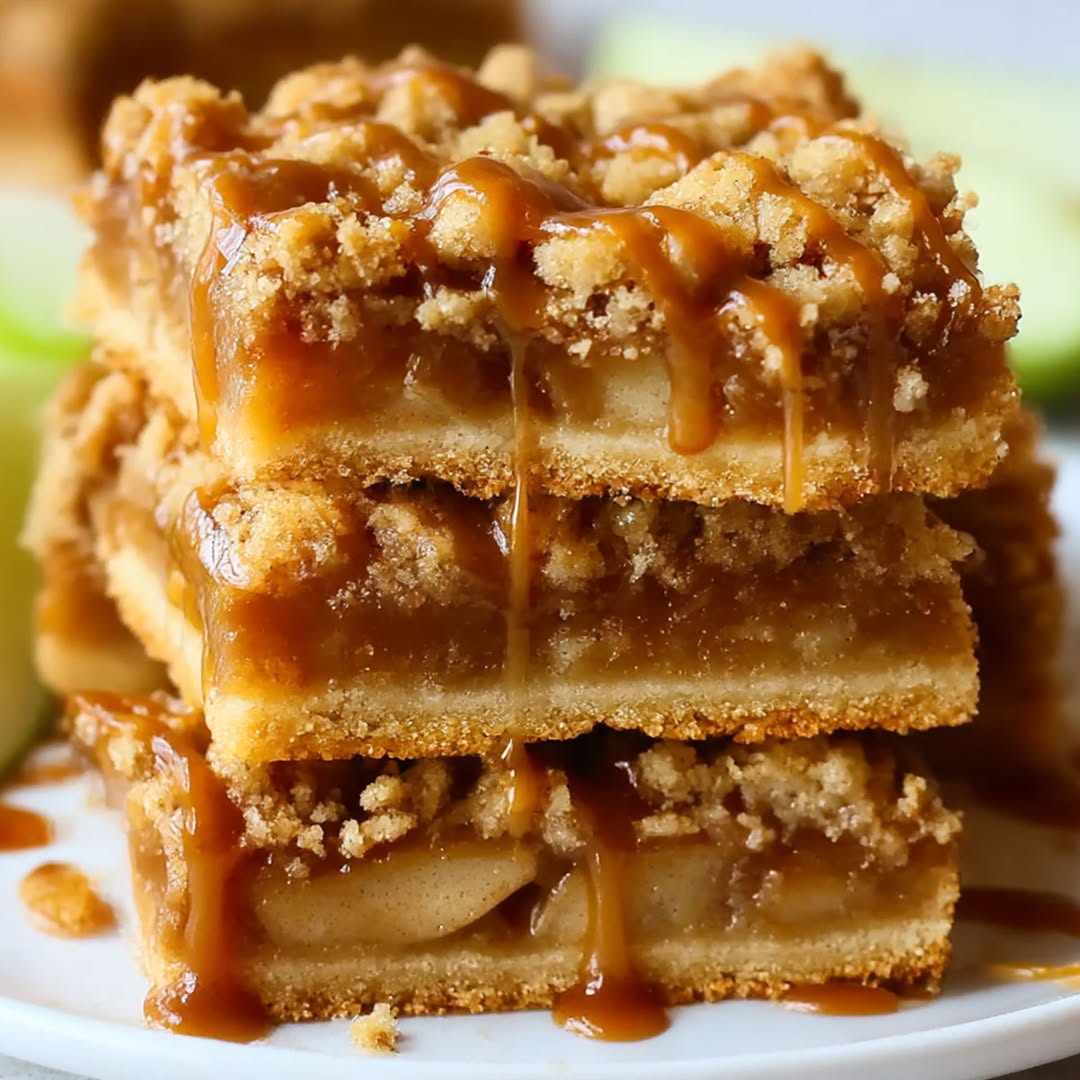
Salted Caramel Apple Pie Bars: An Easy Fall Dessert Recipe
Imagine the cozy, nostalgic flavor of a classic apple pie combined with the rich, buttery decadence of salted caramel. Now picture it in a perfectly portable, easy-to-serve bar form. That is exactly what these Salted Caramel Apple Pie Bars deliver. This recipe captures the very essence of autumn in every single bite. Consequently, it is an ideal treat for everything from a casual family dessert to a show-stopping contribution to a holiday potluck.
These bars feature a buttery shortbread crust, a spiced apple pie filling, and a generous drizzle of homemade salted caramel sauce. Moreover, they simplify the traditional pie-making process significantly. You do not need to fuss with a lattice top or worry about a soggy bottom crust. Instead, you get all the beloved flavors in a much more approachable format. Ultimately, these salted caramel apple pie bars are a guaranteed crowd-pleaser that will make your kitchen smell absolutely incredible.
Quick Recipe Highlights
- Flavor Profile: These bars deliver a perfect harmony of sweet, tart, and salty. The tender, spiced apples provide a bright, fruity contrast to the rich, buttery caramel. A pinch of flaky sea salt on top elevates all the flavors beautifully.
- Texture: You get a delightful textural journey. The base is a firm, crumbly shortbread that gives way to soft, juicy apple filling. Finally, the gooey caramel adds a luxurious, sticky finish that is utterly irresistible.
- Aroma: As these bars bake, your home will fill with the warm, comforting scents of cinnamon, nutmeg, and brown sugar caramelizing with butter and apples. It is the signature fragrance of fall baking.
- Visual Appeal: The golden-brown crust, the glistening apple filling, and the glossy caramel drizzle create a stunning, rustic presentation. A dusting of powdered sugar or more sea salt makes them look professionally made.
- Skill Level Needed: This recipe is perfect for bakers with some foundational experience. You should feel comfortable making a simple pastry crust and a stovetop caramel sauce. However, the steps are clearly broken down for success.
- Special Equipment: You will need a standard 9×13 inch baking pan, parchment paper for easy removal, and a medium saucepan for the caramel. A pastry blender or fork is helpful for the crust, but your hands work perfectly fine.
Recipe Overview
- Difficulty Level: We rate these salted caramel apple pie bars as intermediate. The process involves three distinct components: the crust, the filling, and the caramel sauce. While none are overly complex, managing all three requires organization. A beginner could succeed by carefully following each step, but familiarity with basic techniques like making a crumb crust and cooking sugar syrup is beneficial.
- Category: This recipe falls squarely into the dessert category. Specifically, it is a bar cookie or square, which is a subset of baked desserts. It is also a fantastic make-ahead treat for brunches, bake sales, or packed lunches.
- Cuisine: The dish is rooted in American cuisine, drawing direct inspiration from the classic American apple pie. The addition of salted caramel is a more modern twist, influenced by contemporary dessert trends that balance sweet and salty flavors.
- Cost: This is a very cost-effective dessert, especially during apple season. Basic pantry staples like flour, sugar, butter, and spices form the foundation. The main variable cost is the apples; using in-season, local varieties keeps it budget-friendly. Homemade caramel is far cheaper than buying premium store-bought sauce.
- Season: Autumn is the prime season for this recipe. This is when apple varieties perfect for baking, like Granny Smith and Honeycrisp, are at their peak flavor and affordability. The warm spices also align perfectly with cooler weather. However, these bars are delightful year-round thanks to the general availability of apples.
- Occasion: These bars are incredibly versatile. They are ideal for Thanksgiving, Halloween parties, and fall gatherings. Furthermore, they are excellent for casual weeknight desserts, school bake sales, or as a thoughtful homemade gift packaged in a cute box.
Why You’ll Love This Recipe
First and foremost, the taste and texture combination is absolutely divine. Each bite delivers a symphony of flavors: the tangy sweetness of baked apples, the warm hug of cinnamon and nutmeg, the rich depth of brown sugar and butter, and that perfect salty finish that keeps you coming back for more. The contrast between the crisp, buttery crust and the soft, yielding filling creates a mouthfeel that is deeply satisfying. Ultimately, it feels like a special occasion dessert without requiring the precision of a traditional pie.
From a convenience standpoint, these salted caramel apple pie bars are a game-changer. They travel and serve much more easily than a slice of pie. You can cut them into neat squares for a party or pack them individually. Additionally, the crust is a simple press-in situation, eliminating the need for rolling out dough or fancy crimping. The process is broken into manageable stages, so you can even prepare components ahead of time, making final assembly a breeze on a busy day.
While definitely a dessert, using fresh apples does provide some nutritional advantages. Apples are a good source of dietary fiber and vitamin C. By making your own filling, you control the amount of sugar and can avoid the additives often found in canned pie fillings. Of course, enjoying these bars as part of a balanced diet is key, but it is nice to know you are incorporating real fruit into a decadent treat.
The social and entertaining value of this dessert is incredibly high. A pan of these bars placed on a table instantly creates a warm, welcoming atmosphere. They encourage sharing and conversation. Because they are finger food, they are perfect for buffets or standing gatherings where forks and plates are cumbersome. Bringing these to any event guarantees you will be asked for the recipe, making them a fantastic way to share your baking passion.
Finally, this recipe is wonderfully cost-effective and accessible. It uses simple, whole ingredients you likely already have in your pantry. You do not need any exotic or expensive components. Even the salted caramel is made from basic butter, sugar, and cream. This accessibility means anyone can create a stunning, impressive dessert without a large investment, proving that incredible flavor comes from technique and care, not a hefty price tag.
Historical Background and Cultural Significance
The origin story of these bars is a fusion of two beloved dessert traditions. The apple pie itself is an iconic symbol of American cuisine, though its roots trace back to English, Dutch, and Swedish culinary traditions. Early American colonists adapted old-world recipes using locally abundant apples. The concept of pie bars or squares evolved as a practical solution for feeding crowds. Church socials, community gatherings, and bake sales demanded desserts that were easy to transport, serve, and eat without utensils, giving rise to the “bar cookie.”
Culturally, apple pie represents comfort, home, and Americana. The phrase “as American as apple pie” underscores its deep-seated place in the national identity. Adding caramel to apples is a natural pairing that has existed for centuries in various forms, like candied apples. The specific trend of “salted caramel” gained massive popularity in the late 1990s and 2000s, championed by chefs and chocolatiers. Combining this modern flavor sensation with the timeless format of a pie bar creates a dessert that feels both nostalgic and contemporary.
The evolution of this recipe mirrors changes in home baking. Modern cooks seek the deep, complex flavors of professional patisseries but often need recipes that fit into busy schedules. Thus, the salted caramel apple pie bar was born. It deconstructs the classic pie, simplifies its construction, and amplifies its flavor profile with a gourmet touch. It is a testament to how traditional recipes adapt to new tastes and lifestyles while retaining their soul-satisfying core.
Regional variations of this concept are plentiful. In the American South, you might find a pecan streusel topping added to the bars. In New England, a sharp cheddar cheese might be incorporated into the crust, nodding to the classic apple pie with cheddar tradition. Some European-inspired versions might use frangipane (almond cream) beneath the apples. The type of apple used also varies regionally based on local orchards. This adaptability is what keeps the recipe alive and endlessly interesting for bakers everywhere.
Ingredient Deep Dive
Apples: The star of the show. For baking, you want firm, tart apples that hold their shape. Granny Smith is the gold standard, offering a bright acidity that balances the sweetness. Honeycrisp provides a sweet-tart balance and excellent texture. A blend of two varieties can create complexity. Apples are rich in fiber (pectin) and vitamin C. Always choose firm, unbruised fruit. Store them in the cool crisper drawer of your refrigerator. For a substitution, pears can work in a pinch, but they release more moisture.
Butter: The foundation of flavor and texture in both the crust and caramel. Use unsalted butter to control the salt level in your recipe. The butter in the crust should be cold to create a flaky, shortbread-like texture. For the caramel, it should be at room temperature to incorporate smoothly. Butter provides richness and aids in browning. Store butter tightly wrapped in the fridge or freezer. For a dairy-free version, high-quality plant-based butter substitutes can work, but test them in the caramel first.
Brown Sugar: This ingredient brings moisture, deep molasses flavor, and that classic caramel note. It is essential in both the apple filling and the caramel sauce. The molasses in brown sugar also promotes a beautiful, soft texture. Light or dark brown sugar can be used; dark brown will impart a stronger molasses taste. In a pinch, you can make your own by mixing white sugar with a tablespoon of molasses. Store it in an airtight container to prevent hardening.
Flour: All-purpose flour provides the structure for the crust. It creates the gluten network that gives the base its sturdy yet crumbly texture. For best results, spoon the flour into your measuring cup and level it off to avoid a dense crust. For a gluten-free adaptation, a reliable 1:1 gluten-free flour blend is your best bet. Ensure your blend contains xanthan gum for binding. The flavor and texture will be very close to the original.
Salted Caramel: While you can use store-bought, homemade caramel is simpler than you think and far superior. The key is patiently cooking the granulated sugar until it melts into a deep amber liquid. Then, carefully whisk in the cream and butter—the reaction creates that luxurious, smooth sauce. The “salted” component, whether flaky sea salt mixed in or sprinkled on top, is crucial. It cuts the sweetness and highlights the buttery, toffee-like flavors, transforming the entire dessert.
Common Mistakes to Avoid
- Using the Wrong Apples: Choosing soft, mealy apples like Red Delicious will result in a mushy, watery filling. Always opt for firm, tart baking apples that can withstand the heat without disintegrating.
- Not Precooking the Apple Filling: Skipping the stovetop step for the apples is a major error. Precooking drives off excess juice, concentrates the flavor, and ensures your crust does not become soggy from liquid release during baking.
- Overmixing the Crust Dough: When combining the butter and flour for the crust, mix just until crumbly. Overworking it develops gluten, leading to a tough, hard base instead of a tender, shortbread-like texture.
- Undercooking the Caramel Sugar: Removing the sugar from the heat too early results in a pale, overly sweet caramel lacking depth. Wait for a rich amber color; it should smell nutty, not burnt.
- Adding Cold Cream to Hot Sugar: Pouring cold heavy cream into molten sugar will cause the mixture to seize and splatter violently. Always warm your cream slightly first to ensure a smooth, safe integration.
- Cutting the Bars While Warm: Impatience here leads to a mess. The caramel is liquid when hot and the filling needs to set. You must let the pan cool completely, then chill it, to get clean, sharp cuts.
- Skimping on Salt: The “salted” in salted caramel apple pie bars is not a suggestion. Without that salty contrast, the dessert can taste one-dimensionally sweet. Do not omit the flaky sea salt finish.
- Not Using Parchment Paper: Trying to remove these sticky, caramel-laced bars from a greased pan is a nightmare. Lining the pan with parchment paper with overhanging edges is non-negotiable for easy removal and cleanup.
Essential Techniques
Making a Shortbread Crust: This technique is about creating a tender, crumbly base. The key is to keep your butter very cold and to use a light hand. Cut the cold butter into the flour mixture using a pastry cutter, fork, or your fingertips until the mixture resembles coarse crumbs with some pea-sized pieces. Press this mixture firmly and evenly into the pan. This firm pressing is what gives the crust its solid structure. Do not pack it down so hard it becomes dense; just ensure there are no gaps.
Precooking the Apple Filling: This step is crucial for moisture control and flavor concentration. Sauté the apples with the sugars and spices just until they begin to soften and release their juices, then let that juice simmer and thicken into a syrup. This process cooks out excess water that would otherwise steam in the oven and make the bottom crust soggy. The visual cue for success is tender apples coated in a glossy, thickened spiced syrup, not sitting in a pool of liquid.
Cooking Dry Caramel: This method involves melting granulated sugar alone in a pan until it liquefies and caramelizes. The most important rule is to not stir the sugar once it begins to melt. Instead, gently swirl the pan to ensure even heating. Stirring can cause the sugar to crystallize into a grainy mess. Watch for the color change from clear, to yellow, to a deep amber. The moment it reaches that amber hue and smells nutty, it is ready for the next step. Hesitation leads to burning.
Tempering the Caramel: After achieving the perfect amber color, you will carefully whisk in the warm cream and butter. This step always causes vigorous bubbling, so stand back and whisk steadily. The goal is to create a smooth, homogeneous sauce. If the caramel seizes or forms hard bits, simply return the pan to low heat and whisk constantly until they dissolve. The final sauce should coat the back of a spoon and have a rich, glossy appearance.
Pro Tips for Perfect Salted Caramel Apple Pie Bars
First, partially bake the crust before adding the filling. This “blind baking” step ensures the bottom gets crisp and golden, preventing it from becoming damp and undercooked beneath the juicy apples. Typically, bake it for about 15 minutes until just set and lightly colored.
For the apple filling, a mix of two apple varieties creates a more complex flavor and texture profile. Try combining tart Granny Smith with sweet-tart Honeycrisp or Braeburn. This blend gives you the best of both worlds.
When making the caramel, have all your ingredients measured and ready to go next to the stove. Caramel moves fast, and you cannot step away to measure cream once the sugar is melting. This “mise en place” is critical for success.
To achieve beautifully clean cuts, use a very sharp chef’s knife. Wipe the blade clean with a damp cloth between each cut. For an extra-sharp edge, you can briefly run the knife under hot water before slicing.
Let the assembled bars cool completely in the pan on a wire rack. Then, refrigerate them for at least 2 hours, or even overnight. This chilling firms up the caramel and filling, making slicing perfectly clean and easy.
If your caramel sauce seems too thick to drizzle after cooling, gently reheat it for a few seconds in the microwave or on the stovetop with a splash of extra cream. This will return it to a perfect pourable consistency.
For an extra flavor dimension, add a quarter teaspoon of apple pie spice or a pinch of cardamom to the shortbread crust mixture. It adds a subtle warmth that complements the filling beautifully.
Always sprinkle the flaky sea salt over the bars after drizzling the caramel, not before. This ensures the salt crystals stay on top as a bright, crunchy garnish rather than dissolving into the sauce.
Variations and Adaptations
For regional variations, consider adding a crunchy streusel topping. Mix flour, oats, brown sugar, and cold butter into crumbs and sprinkle over the apple layer before baking. This creates a Dutch apple pie bar. Alternatively, swirl a layer of peanut butter or speculoos cookie butter into the crust mixture for a unique twist.
Seasonal adaptations are easy. In winter, add dried cranberries or chopped pecans to the apple filling. For a summer version, try a mix of peaches and apples with a hint of ginger. In spring, a rhubarb-apple combination with a vanilla bean in the caramel is delightful.
Dietary modifications are straightforward. Use a certified gluten-free flour blend for the crust. For dairy-free bars, employ plant-based butter and a full-fat coconut cream in the caramel. A vegan version would also use an egg replacer if your crust recipe calls for it, though this one does not.
Flavor variations can take this recipe in new directions. Infuse the heavy cream for the caramel with a chai tea bag before heating it. Add a tablespoon of bourbon or rum to the apple filling after precooking. Incorporate orange zest into the crust or filling for a citrus note.
Texture modifications can cater to different preferences. For a chewier, oatier bar, replace half the flour in the crust with old-fashioned rolled oats. For a more cake-like base, add a quarter teaspoon of baking powder to the crust mixture and an egg yolk to bind it.
Presentation alternatives are fun for holidays. Use cookie cutters to cut the chilled bars into shapes like leaves or pumpkins for Halloween. For Christmas, add a drizzle of white chocolate over the caramel and sprinkle with crushed peppermint.
Serving and Presentation Guide
Plating techniques can elevate these humble bars. Place a single bar slightly off-center on a simple white plate. Add a small quenelle of vanilla bean ice cream or a dollop of lightly sweetened whipped cream beside it. Drizzle a little extra caramel sauce on the plate in an artful swirl or zig-zag pattern for a restaurant-worthy look.
Garnishing ideas are simple but effective. A final dusting of powdered sugar just before serving adds a snowy, elegant touch. Fresh mint leaves provide a pop of color and a refreshing aroma. A few delicate apple chips or candied pecans placed on top add height and texture.
Traditional accompaniments are classic for a reason. A scoop of high-quality vanilla ice cream is non-negotiable for many, as the warm bar slightly melts the ice cream. Alternatively, a side of sharp cheddar cheese slices honors the old-fashioned American pairing. A glass of cold milk is always a perfect partner.
Modern serving suggestions might include a side of salted caramel or bourbon-infused whipped cream. For an adult gathering, serve the bars alongside small glasses of dessert wine or coffee. You can also deconstruct them: crumble a bar into a glass, top with ice cream, caramel, and nuts for an epic sundae.
Temperature considerations are important. These bars are excellent at room temperature, which allows the caramel to be soft and luscious. However, serving them slightly warm makes them extra comforting. If you prefer a firmer, neater bar, serve them chilled straight from the fridge.
Portion control tips are helpful because they are rich. Cutting the 9×13 pan into 16 generous squares is standard. For a larger party or a lighter dessert option, you can easily cut them into 20 or 24 smaller, bite-sized pieces. Using a ruler to score the top before cutting ensures even portions.
Wine and Beverage Pairing
Wine pairings should complement the sweet, tart, and salty notes. A late-harvest Riesling or Gewürztraminer with their inherent sweetness and acidity are fantastic matches. They mirror the apple flavors and cut through the richness. For red wine lovers, a lighter-bodied Pinot Noir with its red fruit notes can work well, especially if the bars are served warm. A tawny Port is a decadent and classic pairing with any caramel dessert.
Non-alcoholic alternatives are just as important. Sparkling apple cider is a festive and thematic choice. A chai tea latte echoes the warm spices in the bars. For something cold, a glass of vanilla-infused almond milk or a creamy Italian soda made with vanilla syrup and club soda are refreshing counterpoints.
Coffee and tea pairings are ideal for this dessert. A medium-roast coffee with notes of caramel or nut pairs beautifully. Avoid overly bitter dark roasts. For tea, a strong black tea like English Breakfast or Earl Grey stands up to the sweetness. A rooibos tea, naturally sweet and caffeine-free, is another excellent option that complements the spices.
Temperature considerations for beverages depend on the bar’s temperature. If serving the bars warm, a cold beverage like milk, iced coffee, or a crisp cider provides a pleasant contrast. If serving at room temperature or chilled, a warm cup of coffee, tea, or hot chocolate creates a cozy combination.
Serving suggestions for a party include setting up a DIY pairing station. Offer small cups of different dessert wines, a carafe of cold brew coffee, and a pot of hot spiced cider. Let guests choose their own adventure, which makes the experience interactive and fun.
Storage and Shelf Life
Storage methods are straightforward for these salted caramel apple pie bars. Once completely cooled, cover the pan tightly with plastic wrap or aluminum foil. Alternatively, transfer individual bars to an airtight container, separating layers with parchment paper to prevent sticking. They can be stored at room temperature for up to 2 days, but the texture is best within the first 24 hours.
Temperature requirements depend on your desired shelf life. For longer storage, the refrigerator is your friend. Properly stored in an airtight container, they will keep for up to 5 days in the fridge. The cold will firm up the caramel and filling. Let them come to room temperature for about 30 minutes before serving for the best texture and flavor.
Container recommendations prioritize airtightness. Glass containers with locking lids are excellent. If using a metal tin, ensure it has a tight seal. Avoid storing them with other strongly scented foods, as the bars can absorb odors. Always keep them away from direct sunlight or heat sources.
Signs of spoilage are usually obvious. Look for any mold growth, which would appear as fuzzy spots. An off or sour smell is a clear indicator. If the texture becomes excessively hard, dry, or the caramel develops a grainy texture, they are past their prime, though likely still safe if no other signs are present.
Reheating instructions are simple if you prefer a warm bar. Place a single bar on a microwave-safe plate and heat for 10-15 seconds, just until slightly warm. Be careful not to overheat, as the caramel can become too runny. You can also warm them in a 300°F oven for 5-7 minutes.
Freezing guidelines allow you to enjoy these bars for months. Freeze the uncut block or individual bars on a parchment-lined baking sheet until solid. Then, wrap tightly in plastic wrap and place in a freezer bag or airtight container. They will keep for up to 3 months. Thaw overnight in the refrigerator before serving.
Make Ahead Strategies
Prep timeline can be spread over two days for stress-free entertaining. On Day 1, prepare the salted caramel sauce and the apple filling. Let the caramel cool, then store it in a jar in the refrigerator. Store the cooled apple filling in a separate airtight container in the fridge. You can also mix the dry ingredients for the crust and cut in the butter, then keep this crumb mixture in a bag in the fridge.
Storage between steps is simple with proper planning. The chilled caramel will thicken. Before using, let it sit at room temperature to soften, or gently reheat it. The apple filling may release more juice; simply give it a stir before using. The pre-made crust crumbs can go straight from fridge to pan.
Quality impact assessment is positive. Making components ahead often improves flavor, as it allows the spices in the apple filling to meld and the caramel to develop depth. The crust may be slightly less tender if the butter-flour mixture sits for more than a day, but the difference is minimal for a pressed crust like this.
Assembly tips for make-ahead are easy. On the day of serving, press your pre-made crust mixture into the pan and bake. While it bakes, you can gently re-warm the apple filling if desired. Assemble the warm crust with the filling, bake as directed, then cool. Drizzle with the prepared caramel just before serving for the freshest look and texture.
Reheating guidelines for a fully assembled, chilled pan are gentle. Cover the pan with foil and warm in a 325°F oven for 15-20 minutes. This is better than microwaving the whole pan, which can make the crust soggy. Reheat only the portion you plan to serve immediately.
Fresh element additions are key when making ahead. Always add the final caramel drizzle and sea salt garnish right before serving. This ensures the caramel is glossy and the salt crystals are distinct. If you added the caramel before chilling, it may soak in or become dull; a fresh drizzle fixes this.
Scaling Instructions
Halving the recipe is perfect for a smaller household. Use an 8×8 inch baking pan. Simply divide all ingredient quantities by two. The bake times will be slightly shorter; start checking the crust at 12 minutes for the pre-bake and the full bars at 30 minutes. The caramel sauce can be halved, but be extra vigilant as a smaller quantity of sugar will cook faster.
Doubling or tripling the recipe is great for a crowd. For a double batch, use two 9×13 pans or one large half-sheet pan (18×13 inches). Triple all ingredients if tripling. You may need to bake in batches unless you have multiple ovens. The crust may require a few extra minutes to bake through in a very large pan. Mix the apple filling in batches if your skillet is not large enough to avoid steaming the apples.
Equipment adjustments are necessary when scaling. A larger pan requires a bigger piece of parchment paper. When doubling the caramel, use a larger, heavy-bottomed saucepan to give the sugar plenty of room to melt evenly. For a half batch, a smaller saucepan is better for control.
Timing modifications are minimal but important. The crust pre-bake time may need an extra 2-3 minutes for a double batch in a larger pan, as the layer is thicker. The final bake time for a full pan of bars may also increase by 5-10 minutes. Always rely on visual cues—golden brown crust and bubbling filling—rather than the timer alone.
Storage considerations change with volume. A double batch will take longer to cool completely in the center. Ensure you allow ample cooling and chilling time before cutting. You will also need more storage containers. Consider freezing a portion of the scaled-up batch immediately for future enjoyment.
Nutritional Deep Dive
Macro breakdown for one bar (assuming 16 servings) typically includes a balance of carbohydrates, fat, and a small amount of protein. The primary macros come from the refined carbohydrates in the flour and sugars, and the fats from the butter and cream. This makes it an energy-dense treat. The apples contribute natural sugars and a small amount of fiber, which can help moderate the blood sugar impact slightly compared to a dessert with no fruit.
Micronutrient analysis reveals some benefits from the whole ingredients. Apples provide vitamin C and potassium. The spices, particularly cinnamon, contain antioxidants like polyphenols. Using real butter provides vitamins A and E. However, this is a dessert, and its primary role is pleasure and celebration, not as a primary source of vitamins.
Health benefits are linked to the enjoyment and social aspects of sharing homemade food. The psychological benefit of eating something made with care is real. Using real, recognizable ingredients means you avoid artificial flavors, colors, and preservatives often found in commercial desserts. The fiber from the apples aids in satiety, potentially helping with portion control.
Dietary considerations are important for those monitoring intake. This recipe is not suitable for gluten-free, dairy-free, or vegan diets without modification. It is also high in added sugars and saturated fats. Individuals with diabetes, heart health concerns, or specific dietary restrictions should enjoy it sparingly or seek the adapted versions provided.
Portion analysis is your best tool for balance. One bar is a satisfying serving. Cutting the pan into 20 smaller pieces reduces the calorie and sugar load per serving, allowing for a taste without overindulgence. Pairing a bar with a source of protein, like a handful of nuts or a glass of milk, can help create a more balanced snack that satisfies for longer.
Weight management tips revolve around mindful enjoyment. Savor one bar slowly with a cup of tea instead of eating multiple quickly. Bake them for a special occasion rather than keeping a constant supply on hand. Incorporate the baking activity as part of an active day. Remember, one treat does not derail a healthy lifestyle; consistency over time is what matters.
Dietary Adaptations
For a gluten-free version, replace the all-purpose flour with a 1:1 gluten-free baking blend that contains xanthan gum. Brands like Bob’s Red Mill or King Arthur Measure for Measure work well. Ensure your oats, if used in a variation, are certified gluten-free. The texture will be nearly identical to the original.
A dairy-free adaptation requires plant-based substitutes. Use a high-quality vegan butter stick (like Miyoko’s or Earth Balance) for both the crust and caramel. For the heavy cream in the caramel, full-fat canned coconut cream is the best substitute; it provides the necessary fat content for a rich, smooth sauce. The flavor will have a slight coconut note.
Creating a vegan salted caramel apple pie bar combines the dairy-free changes with one more consideration: the crust binding. This particular crust recipe uses only butter and flour, so it is already vegan if using plant-based butter. The caramel, made with vegan butter and coconut cream, is also vegan. No other animal products are involved.
A low-carb or keto adaptation is more challenging but possible. The crust can be made from almond flour, a keto-friendly sweetener, and butter. The apples must be replaced with a lower-carb fruit like rhubarb or berries, or use a very small amount of apple with thickeners. The caramel can be made with a sugar-free sweetener like allulose, which caramelizes well, and heavy cream.
For a paleo version, use almond or coconut flour for the crust and ghee or coconut oil instead of butter. The caramel can be made with coconut sugar (which caramelizes), coconut cream, and ghee. Note that coconut sugar is still a sugar, so it is not low-carb, but it is considered a more natural, paleo-approved sweetener.
A Low-FODMAP adaptation is tricky due to the high fructose content in apples and the wheat flour. You would need to use a low-FODMAP fruit like firm blueberries or strawberries and a gluten-free flour blend without problematic gums. The caramel would need to be made with glucose syrup instead of granulated sugar and lactose-free cream.
Troubleshooting Guide
If your crust is too crumbly and falls apart, you likely did not press it firmly enough into the pan before baking. Next time, use the bottom of a measuring cup to press it down evenly and firmly. If it is already baked, you can still serve it; it will just be a more rustic, crumble-style dessert. Another cause could be not enough butter; ensure you measured accurately.
If the apple filling is too watery or soupy, you did not cook off enough liquid during the precooking step. For a fix, you can carefully spoon out some of the excess liquid from the baked pan before adding the caramel. Next time, cook the apple mixture until almost all the visible liquid has thickened into a syrup coating the apples.
If your caramel turned out grainy, sugar crystals formed. This usually happens if sugar crystals splash onto the side of the pan and fall back in, or if you stirred the melting sugar. To fix it, add a couple tablespoons of water and return it to low heat, stirring constantly until the crystals dissolve. To prevent it, brush down the sides of the pan with a wet pastry brush during the initial melting and avoid stirring.
If the bars are impossible to cut cleanly, they are not chilled enough. The caramel needs to be firm. Place the entire pan back in the refrigerator for another hour. Always use a sharp knife and wipe it clean between cuts. If they are sticking to the parchment, the caramel may have seeped under; run an offset spatula underneath to release.
If the flavor is bland, you likely under-spiced the apples or under-salted the caramel. You cannot fix the whole batch, but you can boost flavor upon serving. Sprinkle the cut bars with a little more cinnamon sugar or a pinch of flaky salt. Serve with a spiced ice cream. Next time, taste your apple filling before baking and adjust spices, and do not be shy with the salt in the caramel.
If the bottom crust is soggy, the main culprit is excess moisture from the apples. Ensure you precook the filling adequately. Also, make sure you pre-baked (blind baked) the crust until it was fully set and lightly golden before adding the filling. Another tip is to brush the hot pre-baked crust with a thin layer of beaten egg white and return it to the oven Print
Salted Caramel Apple Pie Bars
- Total Time: 45 minutes
- Yield: 4
Description
These bars combine the classic flavors of apple pie with a buttery shortbread crust, a spiced apple filling, and a drizzle of salted caramel for a delicious handheld dessert.
Ingredients
- 2 cups all-purpose flour
- 1/2 cup granulated sugar
- 1/2 teaspoon salt
- 1 cup unsalted butter, cold and cubed
- 4 medium apples, peeled and thinly sliced
- 1/4 cup brown sugar
- 1 teaspoon ground cinnamon
- 1/4 teaspoon ground nutmeg
- 1 tablespoon lemon juice
- 1/2 cup salted caramel sauce
- Sea salt for sprinkling
Instructions
- Preheat oven to 350°F (175°C). Line an 8×8 inch baking pan with parchment paper.
- In a bowl, mix flour, granulated sugar, and salt. Cut in cold butter until crumbly. Press 2/3 of the mixture into the pan to form the crust. Bake for 15 minutes.
- Toss apple slices with brown sugar, cinnamon, nutmeg, and lemon juice. Spread evenly over the baked crust. Crumble remaining dough over the apples.
- Bake for 30-35 minutes until golden. Let cool completely, then drizzle with salted caramel sauce and sprinkle with sea salt. Cut into bars.
Notes
You can customize the seasonings to taste.
- Prep Time: 15 minutes
- Cook Time: 30 minutes
- Method: Main
- Cuisine: American