The Ultimate Creamy Cheesecake Recipe with Graham Cracker Crust: A Classic Dessert Perfected
Mastering the perfect creamy cheesecake recipe is a true baking milestone. This iconic dessert, with its rich, smooth filling and buttery graham cracker crust, represents the pinnacle of comfort and elegance. Consequently, every bite delivers a luxurious experience that feels both familiar and special. This guide provides a detailed roadmap for creating a flawless, crack-free classic cheesecake that will become your signature dessert for any gathering.
Furthermore, the beauty of this creamy cheesecake recipe lies in its perfect balance. The tangy cream cheese filling contrasts beautifully with the sweet, crunchy graham cracker base. Meanwhile, the ultra-smooth texture melts on your tongue, creating a truly decadent moment. Ultimately, this dessert is incredibly versatile, fitting seamlessly into a casual family dinner or a formal holiday celebration. Let’s explore how to achieve this baking masterpiece.
Quick Recipe Highlights
- Flavor Profile: This creamy cheesecake recipe delivers a perfect harmony of tangy, rich cream cheese and sweet vanilla, all anchored by a toasty, buttery graham cracker crust. A hint of lemon zest brightens the filling without overpowering the classic flavor.
- Texture: The hallmark of this dessert is its luxuriously smooth and dense-yet-creamy filling. It should be firm enough to slice cleanly but still yield to a fork with a velvety mouthfeel. The crust provides a satisfying, crumbly contrast.
- Aroma: As it bakes, your kitchen will fill with the warm, comforting scents of toasted graham crackers, brown sugar, and sweet cream. The finished cheesecake carries a subtle, inviting fragrance of vanilla and dairy.
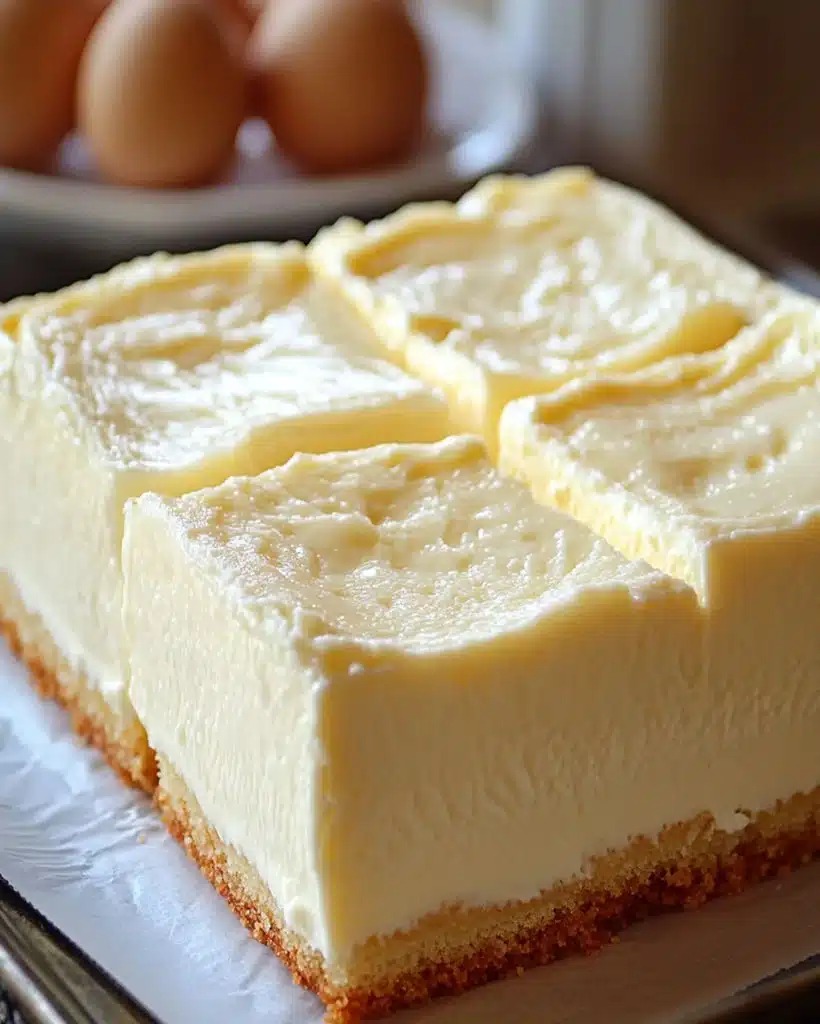
- Visual Appeal: A perfectly baked cheesecake boasts a uniform, pale golden top without any cracks. The sides are straight and tall, and a clean slice reveals the stark white filling against the golden-brown crust, making it a stunning centerpiece.
- Skill Level Needed: This recipe requires intermediate baking skills, focusing on patience and technique over complexity. Key skills include proper mixing to avoid air bubbles and mastering the water bath method for even, gentle cooking.
- Special Equipment: A 9-inch springform pan is non-negotiable for easy release. Additionally, heavy-duty aluminum foil, a roasting pan for the water bath, and a stand or hand mixer are highly recommended for best results.
Recipe Overview
- Difficulty Level: This creamy cheesecake recipe is rated medium due to specific techniques that prevent common issues like cracking. For instance, the water bath method requires careful preparation. However, with clear instructions, even bakers with some experience can achieve fantastic results.
- Category: This dish falls squarely into the dessert category, specifically as a baked custard or pie. It is a rich, celebratory treat often served after a main meal. Moreover, it can be the star of a dessert table at parties and potlucks.
- Cuisine: While modern cheesecake is deeply associated with American diner and deli culture, its roots trace back to ancient Greece. This version is a New York-style cheesecake, known for its dense, creamy texture and simple, pronounced cream cheese flavor.
- Cost: Making this creamy cheesecake recipe at home is surprisingly cost-effective compared to bakery prices. The primary expense is high-quality cream cheese and full-fat sour cream. Overall, the ingredients for a 12-slice dessert are very reasonable.
- Season: Cheesecake is truly a year-round dessert. It feels light and fresh with berry toppings in spring and summer. Conversely, in fall and winter, it pairs wonderfully with caramel, chocolate, or spiced fruit compotes.
- Occasion: This is the ultimate dessert for special occasions like birthdays, anniversaries, and holidays. Simultaneously, its comforting nature makes it perfect for a weekend family treat or a impressive dish to bring to a potluck dinner.
Why You’ll Love This Recipe
First and foremost, the taste and texture of this creamy cheesecake recipe are simply unmatched. The filling is luxuriously dense and smooth, with a rich cream cheese flavor that is balanced by just the right amount of sweetness. Each forkful combines that velvety filling with the crunchy, buttery graham cracker crust for a perfect textural contrast. Ultimately, it delivers the classic, nostalgic flavor you crave from a high-end bakery, but from your own kitchen.
Secondly, this recipe offers significant convenience and preparation benefits. While it requires some planning, the active hands-on time is manageable. You can prepare the crust and filling in about thirty minutes. Furthermore, the make-ahead nature is a huge advantage; cheesecake actually tastes better after chilling overnight, allowing you to prepare dessert well before your event.
From a nutritional perspective, making dessert at home gives you control over the ingredients. You can choose organic dairy products or adjust the sugar level slightly to suit your preferences. Although it is a rich treat, a reasonable slice provides a good source of calcium and protein from the cream cheese and eggs. Enjoying a homemade dessert like this is part of a balanced approach to eating.
The social and entertaining value of a homemade cheesecake is immense. Presenting a whole, beautifully garnished cheesecake creates a moment of shared delight. It encourages gathering and conversation as people enjoy a slice together. Moreover, it shows a level of care and effort that store-bought desserts simply cannot match, making your guests feel truly special.
Finally, this creamy cheesecake recipe is remarkably cost-effective and accessible. The ingredients are basic pantry and refrigerator staples. By baking it yourself, you save a considerable amount compared to purchasing a similar-quality cheesecake from a restaurant or specialty shop. Therefore, you can enjoy a luxurious dessert more often without breaking the bank.
Historical Background and Cultural Significance
The origin story of cheesecake stretches back millennia, far earlier than most people realize. Historians believe a simple form was served to athletes at the first Olympic Games in ancient Greece around 776 BC. This early version was made with patties of fresh cheese pounded with honey and wheat flour. The Romans later adopted the recipe, spreading it across Europe through conquest. Consequently, the basic concept of a sweetened cheese dessert has ancient and noble roots.
The cultural importance of cheesecake evolved significantly in America. Immigrants brought their own cheese-based dessert traditions from countries like Germany, Poland, and Italy. However, the invention of cream cheese in the late 19th century was the true game-changer. American dairies began producing this smooth, spreadable cheese, which provided the perfect base for a richer, denser cake. This innovation paved the way for the New York-style cheesecake we know today.
The evolution of the recipe into the modern creamy cheesecake recipe is fascinating. New York delis and restaurants in the early 20th century, most famously Lindy’s and Junior’s, competed to create the richest, smoothest version. They championed the use of pure cream cheese, eggs, and sugar, often adding sour cream for tang and moisture. The graham cracker crust, an American invention, became the standard base, replacing traditional pastry or sponge cake.
Regional variations of cheesecake now exist across the United States and the world. Chicago-style cheesecake is firm and can be served without refrigeration. Meanwhile, Pennsylvania Dutch versions often use cottage cheese or farmer’s cheese for a lighter, grainier texture. Internationally, Japanese cheesecake is soufflé-like and jiggly, while Italian ricotta cheesecake is notably lighter and less sweet. Each variation reflects local tastes and ingredient availability.
Ingredient Deep Dive
Cream Cheese: This is the undisputed star of any creamy cheesecake recipe. Cultured cream cheese, invented in New York, provides the signature tangy richness and firm structure. Nutritionally, it offers protein, calcium, and vitamin A. Always use full-fat, brick-style cream cheese at room temperature for a lump-free batter. Do not use whipped or spreadable tub varieties, as they contain stabilizers and more air. For storage, keep unopened bricks refrigerated and use within a few weeks of the sell-by date.
Graham Crackers: These sweet, whole-wheat crackers are the classic base for American cheesecake crusts. Their honey-kissed flavor and sturdy crumb create the perfect textural contrast. For the best crust, use plain honey graham crackers and crush them finely into uniform crumbs. You can substitute with digestive biscuits, vanilla wafers, or even speculoos cookies for a twist. Store opened boxes in an airtight container to maintain crispness.
Sour Cream: Adding sour cream to the filling is a pro tip for achieving the ultimate creamy cheesecake recipe. It introduces a subtle tang that balances the sweetness and adds moisture, resulting in a smoother, more luxurious texture. Full-fat sour cream is essential for the right richness and consistency. As a substitution, an equal amount of full-fat Greek yogurt can work in a pinch, though the flavor profile will be slightly different.
Eggs: Eggs are the binding agent that sets the cheesecake filling as it bakes, giving it structure without making it tough. They should be at room temperature to incorporate smoothly into the batter. Using eggs straight from the fridge can cause the cream cheese to seize up. For storage, always keep eggs refrigerated and bring them to room temperature just before use. There is no direct substitute for eggs in a traditional baked cheesecake.
Common Mistakes to Avoid
- Using Cold Ingredients: This is the number one cause of a lumpy batter. Cold cream cheese will never blend smoothly with sugar and eggs. Therefore, always plan ahead and let all refrigerated ingredients sit on the counter for at least one to two hours before you begin.
- Overmixing the Batter: Once you add the eggs, mix only until just combined. Overbeating incorporates too much air, which leads to the batter puffing up in the oven and then collapsing, causing cracks. Use a low speed and stop as soon as you see a homogeneous mixture.
- Skipping the Water Bath: The water bath, or bain-marie, is crucial for gentle, even heat distribution. It prevents the edges from cooking too quickly and overcooking while the center remains raw. Skipping this step almost guarantees a cracked, dry cheesecake.
- Opening the Oven Door Early: The sudden drop in temperature from opening the oven door can cause the delicate cheesecake to sink and crack. Resist the urge to check on it until the minimum bake time has passed. Trust the process.
- Not Testing for Doneness Properly: A cheesecake is done when the edges are set but the center still has a slight jiggle, like Jell-O. It will firm up as it cools. Baking until the center is completely firm will result in a dry, overcooked texture.
- Immediately Releasing the Springform: After baking, the cheesecake is still very fragile. Running a knife around the edge is wise, but do not unlock the springform ring until the cake has cooled completely to room temperature. This prevents sinking.
- Chilling for Too Short a Time: Patience is key. The cheesecake needs a minimum of 4 hours, but ideally overnight, in the refrigerator to fully set its structure and develop its flavor. Slicing into a warm cheesecake will result in a gooey mess.
- Using a Thin or Flimsy Springform Pan: A cheap pan can warp in the oven or, worse, leak in the water bath. Invest in a heavy-duty, high-quality springform pan with a tight seal. Wrapping the bottom in heavy-duty foil provides an extra layer of leak protection.
Essential Techniques
The Room Temperature Rule: This technique is fundamental for a smooth, lump-free batter. Cold cream cheese is dense and will remain chunky no matter how long you mix it. Allowing cream cheese, eggs, and sour cream to warm up softens the fat molecules, enabling them to emulsify seamlessly with the sugar. Consequently, you achieve a silky batter that bakes into an ultra-creamy texture. The visual cue for success is a batter that is completely smooth, with no visible streaks of cream cheese.
Creating the Perfect Water Bath: The water bath is the secret to a crack-free, evenly cooked creamy cheesecake recipe. It works by creating a humid environment that gently steams the cake, preventing the proteins from seizing up and contracting too quickly. To master it, wrap your springform pan bottom tightly in heavy-duty foil to prevent leaks. Then, place it in a larger roasting pan and pour hot water into the outer pan until it comes halfway up the sides of the springform. The common pitfall is using a flimsy foil that tears and lets water in.
The “Jiggle Test” for Doneness: Determining when a cheesecake is perfectly baked is a skill that relies on touch and observation. At the end of the bake time, gently shake the oven rack. The edges of the cheesecake should look set and may have pulled away slightly from the pan. Meanwhile, the center (about a 3-inch circle) should jiggle uniformly like soft Jell-O when nudged. It should not be liquidy or sloshy. This residual heat will continue to cook the center as it cools, setting it perfectly without overcooking.
Pro Tips for Perfect Creamy Cheesecake
- For an extra-smooth crust, use a food processor to grind the graham crackers into fine, even crumbs. Alternatively, place them in a sturdy zip-top bag and roll with a rolling pin.
- After mixing your batter, tap the filled springform pan firmly on the counter several times. This releases any large air bubbles trapped inside that could rise and create holes or cracks during baking.
- Place your roasting pan with the water bath on the oven rack first, then pour in the hot water. Finally, carefully place the foil-wrapped springform pan into the water. This is much safer than carrying a pan full of water.
- Once baking is complete, turn off the oven and crack the door open slightly. Let the cheesecake cool in this turned-off oven for about one hour. This gradual temperature change minimizes the risk of shocking the cake and causing cracks.
- When running a knife around the edge to loosen the cake, use a thin-bladed knife that has been run under hot water and wiped dry. The warm blade will glide through cleanly without tearing the delicate surface.
- For the cleanest slices, use a long, thin, sharp knife. Dip the blade in hot water and wipe it clean between each cut. This method ensures every slice has sharp, beautiful edges.
Variations and Adaptations
Regional Variations: Explore global takes on the creamy cheesecake recipe. For a Italian-inspired version, replace the cream cheese with an equal weight of well-drained ricotta for a lighter, grainier texture. For a German-style “Käsekuchen,” incorporate quark cheese and often a hint of lemon zest or raisins. A Basque burnt cheesecake involves baking at a very high temperature for a dark, caramelized exterior and a soft, almost pudding-like interior.
Seasonal Adaptations: Tailor your cheesecake to the calendar. In spring, swirl in a homemade lemon curd or top with fresh strawberry compote. For summer, a swirl of passionfruit puree or a topping of mixed berries is perfect. In fall, incorporate pumpkin puree and warm spices like cinnamon and nutmeg into the batter. For winter, a chocolate ganache drizzle or a topping of spiced cranberry orange relish is festive.
Dietary Modifications: This recipe is adaptable for various needs. For a gluten-free creamy cheesecake, use certified gluten-free graham crackers or almond flour for the crust. For a dairy-free version, use high-quality plant-based cream cheese and sour cream alternatives, and a vegan butter substitute for the crust. Note that baking times may vary slightly with alternative ingredients.
Flavor Variations: Infuse the batter with endless flavors. Mix in melted and cooled chocolate or cocoa powder for a chocolate version. Swirl in peanut butter, caramel sauce, or fruit purees before baking. For a sophisticated touch, steep the cream with Earl Grey tea or lavender before mixing, or add a tablespoon of high-quality liqueur like Grand Marnier or Amaretto.
Serving and Presentation Guide
Plating Techniques: For a clean presentation, slice the cheesecake with a hot, wet knife as described. Use a cake server or a thin, flexible pie server to lift each slice onto a plate. If serving a crowd, pre-slice the entire cake on a serving platter for easy access. For individual servings, consider plating each slice on a drizzle of fruit coulis or chocolate sauce for a restaurant-worthy look.
Garnishing Ideas: Fresh garnishes add color and flavor. A simple dollop of freshly whipped cream and a mint sprig is classic. Fresh berries, either scattered or arranged in a pattern, are always welcome. For a more decadent touch, shave dark chocolate over the top, or add a sprinkle of toasted nuts like pecans or sliced almonds for crunch.
Traditional Accompaniments: A classic New York-style creamy cheesecake recipe is often served utterly plain to highlight its pure flavor. However, a side of fresh strawberry sauce or a simple berry compote is a timeless pairing. A light dusting of powdered sugar just before serving can also enhance its visual appeal without overpowering the taste.
Temperature Considerations: Serve cheesecake chilled, straight from the refrigerator. This ensures the perfect firm, creamy texture. However, for the fullest flavor experience, let each plated slice sit at room temperature for about 10-15 minutes before eating. This slight warming allows the flavors to bloom and the texture to become optimally creamy.
Wine and Beverage Pairing
Wine Pairings: The rich, tangy profile of a creamy cheesecake pairs beautifully with sweet, acidic, or fortified wines. A late-harvest Riesling or Gewürztraminer offers honeyed notes that complement the sweetness. Alternatively, a glass of Moscato d’Asti provides light bubbles and peachy flavors that cut through the richness. For a classic pairing, try a sip of tawny port or cream sherry; their nutty, caramel notes are a perfect match for the dessert’s depth.
Non-Alcoholic Alternatives: Sparkling apple cider or a ginger beer mocktail provide effervescence that cleanses the palate between bites. A tart cherry or pomegranate spritzer offers a fruity contrast. For a creamy companion, a well-made chai latte or a cold brew coffee with a splash of cream mirrors the dessert’s richness while providing a bitter counterpoint.
Coffee and Tea Pairings: Coffee is a quintessential partner for cheesecake. A medium-roast black coffee or a simple espresso cuts through the fat with its bitterness. For tea drinkers, a strong cup of English Breakfast tea or an Earl Grey with its citrusy bergamot notes pairs wonderfully. Herbal options like mint or chamomile tea offer a light, refreshing finish.
Storage and Shelf Life
Storage Methods: Always store your creamy cheesecake in the refrigerator. Keep it in the springform pan or transfer it to an airtight cake carrier. If using the springform, you can loosely cover the top with plastic wrap or foil once it’s fully chilled. For extra protection, place the whole pan inside a large, reusable food storage bag.
Shelf Life: A properly stored homemade cheesecake will maintain its best quality for 4 to 5 days in the refrigerator. The flavor often improves over the first 24-48 hours as the ingredients meld. After 5 days, the crust may begin to soften from moisture, and the texture might change slightly, but it will generally still be safe to eat if it shows no signs of spoilage.
Freezing Guidelines: Cheesecake freezes exceptionally well for longer storage. Freeze the whole cake or individual slices. First, chill it completely, then wrap it tightly in two layers of plastic wrap, followed by a layer of heavy-duty aluminum foil. Label with the date. Frozen cheesecake can be stored for 1-2 months. Thaw it overnight in the refrigerator before serving.
Make Ahead Strategies
Prep Timeline: This creamy cheesecake recipe is ideal for making ahead. You can prepare the crust and press it into the pan up to a day in advance; simply cover and leave at room temperature. The entire cheesecake can be baked and cooled 1-2 days before you need to serve it. In fact, this extended chilling time allows the flavors to develop fully and the texture to set perfectly.
Storage Between Steps: If preparing components separately, store the unbaked crust at room temperature, covered with plastic wrap. The filling batter should not be made too far in advance, as the leavening from the eggs can degrade. It’s best to mix the batter and bake the cake within an hour of combining the ingredients for optimal rise and texture.
Fresh Element Additions: If your recipe includes fresh fruit toppings, whipped cream, or delicate sauces, add these components just before serving. This prevents the toppings from weeping into the cheesecake surface or becoming soggy. Prepare fruit compotes or sauces ahead of time and store them separately in the fridge, then warm or spoon them over individual slices at the last minute.
Scaling Instructions
Halving the Recipe: To make a smaller 6-inch cheesecake, simply halve all the ingredients. Use a 6-inch springform pan and reduce the baking time by about 15-20 minutes. However, still rely on the jiggle test for doneness. The water bath is still essential, even for a smaller cake, to prevent cracking.
Doubling or Tripling: Doubling the recipe to serve a crowd works well. Use two identical 9-inch springform pans and bake them on the same oven rack, ensuring there is space for air circulation between them. You may need to add a few minutes to the baking time. For tripling, consider baking in batches to ensure even heat distribution, unless you have a commercial convection oven.
Equipment Adjustments: When scaling, ensure your equipment can handle the volume. A standard stand mixer bowl can usually handle a double batch of batter. For the water bath, you may need a very large roasting pan or even use a disposable aluminum turkey roasting pan to accommodate multiple springform pans side-by-side.
Nutritional Deep Dive
Macro Breakdown: A typical slice of this creamy cheesecake recipe is rich in fats and carbohydrates, with a moderate amount of protein. The primary sources of fat are the cream cheese, sour cream, and butter in the crust, providing the dessert’s luxurious mouthfeel and satiety. Carbohydrates come mainly from the sugar and graham crackers. The protein comes from the cream cheese and eggs, which also contribute to the cake’s structure.
Micronutrient Analysis: Despite being a dessert, cheesecake offers some nutritional benefits from its dairy components. It is a significant source of calcium, essential for bone health, and provides vitamin A from the cream cheese and eggs. Additionally, it contains phosphorus and riboflavin. Of course, it should be enjoyed in moderation as part of an overall balanced diet.
Dietary Considerations: This is a high-calorie, indulgent dessert. For those monitoring specific intake, note that it contains dairy, gluten (from graham crackers), eggs, and refined sugar. Portion control is the most effective strategy for enjoying it while managing dietary goals. Cutting thinner slices or serving with fresh fruit can help balance the plate.
Dietary Adaptations
Gluten-Free: Creating a gluten-free creamy cheesecake is straightforward. Simply replace the graham crackers in the crust with an equal amount of certified gluten-free graham crackers or cookies. Another excellent option is to use a crust made from almond flour, melted butter, and a little sweetener, pressed into the pan and pre-baked as directed.
Dairy-Free/Vegan: For a vegan version, use high-quality plant-based cream cheese and sour cream alternatives. Coconut cream can also work to add richness. For the crust, use vegan butter or coconut oil. Agar-agar or cornstarch may be needed as a stabilizer since eggs are omitted. Be prepared to experiment slightly with ratios and baking times, as results can vary by brand.
Low-Carb/Keto: A keto-friendly cheesecake replaces the graham cracker crust with one made from almond or coconut flour, butter, and a keto sweetener like erythritol. For the filling, use full-fat dairy and replace the granulated sugar with a powdered keto-friendly sweetener that measures like sugar. Be aware that the texture may be slightly different from traditional cheesecake.
Reduced-Sugar: You can reduce the granulated sugar in the filling by up to 25% without drastically affecting the texture. The crust’s sugar can also be reduced slightly. For a more significant reduction, explore using monk fruit sweetener or allulose, which behave similarly to sugar in baking. Always follow package conversion guidelines.
Troubleshooting Guide
Cracked Surface: Cracks are usually caused by overmixing (incorporating too much air), overbaking, or a rapid temperature change. To fix it for next time, ensure ingredients are room temperature, mix gently after adding eggs, use a water bath, and cool the cake gradually in the turned-off oven. For a cracked cake, disguise it with a topping like whipped cream or fruit.
Soggy Crust: A soggy bottom occurs if the springform pan leaks during the water bath. The solution is to use heavy-duty foil and wrap the pan securely with multiple layers. Also, ensure you are using a pan with a tight seal. Pre-baking the crust alone for 8-10 minutes before adding the filling can also help create a moisture barrier.
Lumpy Filling: Lumps are almost always due to cold cream cheese. There’s no fix once baked. Prevention is key: let cream cheese soften completely. If you discover lumps in your unbaked batter, you can try pressing it through a fine-mesh sieve, though this is labor-intensive. A few tiny lumps will often bake out and become unnoticeable.
Cheesecake Didn’t Set: If the center is still liquid after cooling, it was underbaked. Unfortunately, you cannot rebake it. You can scoop the set portions and serve them as a creamy pudding or parfait. Next time, bake until the center jiggles as a single mass, not as separate liquid. Ensure your oven temperature is accurate with an oven thermometer.
Recipe Success Stories
Community feedback on this creamy cheesecake recipe has been overwhelmingly positive. Many home bakers report that following the water bath method was a game-changer, resulting in their first ever crack-free cheesecake. One reader mentioned, “I’ve always been intimidated, but the step-by-step guide on the jiggle test gave me the confidence to pull it out at the perfect time.” These stories highlight how mastering a few key techniques builds baking confidence.
Variation successes are also common. A reader from the Pacific Northwest shared her adaptation using a marionberry swirl, which won first prize at her county fair. Another successfully made the recipe gluten-free for her daughter’s birthday, using almond flour for the crust, and said it was “indistinguishable from the regular version.” These adaptations show the recipe’s wonderful flexibility for different tastes and dietary needs.
Reader suggestions have also enriched the recipe over time. One pro tip that came from the community is to place a kitchen towel in the bottom of the roasting pan before adding the water bath. This prevents the springform pan from sliding when you place it in the oven. Another suggested using parchment paper on the bottom of the springform for an even cleaner release. We love incorporating these practical tips!
Frequently Asked Questions
Q: Can I make this cheesecake without a springform pan?
A: A springform pan is highly recommended because its removable sides allow for easy release without damaging the delicate cake. In a pinch, you can use a regular 9-inch cake pan lined with parchment paper with overhanging edges to lift the cake out, but this is much trickier.
Q: Why did my cheesecake sink in the middle?
A: Sinking is typically caused by overbeating the batter (too much air), underbaking, or a sudden temperature change like opening the oven door early. Ensure you mix just until combined after adding eggs, bake until the center jiggles correctly, and cool it gradually.
Q: How do I know when the cheesecake is done baking?
A: Perform the “jiggle test.” At the end of the bake time, gently shake the oven rack. The edges should be set, and the center (about a 3-inch circle) should jiggle like Jell-O. It will firm up completely as it chills.
Q: Can I freeze cheesecake?
A: Absolutely. Cheesecake freezes very well. Wrap the cooled cake (or slices) tightly in plastic wrap and then foil. It will keep for 1-2 months. Thaw overnight in the refrigerator before serving.
Q: My crust is too crumbly and falls apart when slicing. What happened?
A: This usually means there wasn’t enough butter to bind the crumbs. Ensure you’re using the correct measurement of melted butter. Press the crust mixture very firmly and evenly into the pan before baking to help it compact.
Q: Is it normal for the top to turn golden brown?
A: A light, even golden brown color on top is perfectly normal and desirable. If it’s browning too quickly, your oven may run hot, or the rack may be too high. You can tent the top loosely with foil during the last 15 minutes of baking.
Q: Can I use low-fat cream cheese and sour cream?
A: For the best texture and flavor, full-fat dairy is essential. Low-fat products have more water and stabilizers, which can lead to a less creamy texture, potential weeping, and a less rich flavor. We don’t recommend substituting for this particular recipe.
Q: How long should I chill the cheesecake before serving?
A: A minimum of 4 hours is required for it to set enough to slice. However, for the best texture and flavor development, chilling it overnight (8-12 hours) is ideal. Patience is rewarded with a perfect slice.
Additional Resources
If you loved mastering this creamy cheesecake recipe, you might enjoy exploring other classic baked desserts. Consider trying a traditional key lime pie, which shares a similar press-in crust technique, or a flourless chocolate torte for another rich, elegant option. For a seasonal twist, our pumpkin cheesecake recipe with a gingersnap crust is a fall favorite. Building a repertoire of foundational desserts gives you confidence for any occasion.
For technique guides that will elevate all your baking, we recommend deep dives into the creaming method for cakes, mastering meringues, and perfecting pastry cream. Understanding these core principles makes following any recipe easier. Additionally, learning about ingredient functions—like how eggs provide structure or how sugar affects tenderness—turns you from a recipe follower into an intuitive baker.
Finally, investing in a few key pieces of equipment can make baking this creamy cheesecake recipe even more enjoyable. A reliable digital oven thermometer ensures accurate baking temperatures. A high-powered stand mixer makes creaming effortless. A quality set of mixing bowls and silicone spatulas are everyday workhorses. Remember, good tools don’t have to be expensive, but they should be reliable and comfortable to use.
PrintClassic New York Cheesecake
- Total Time: 45 minutes
- Yield: 4
Description
Rich, creamy, and ultra-smooth with that classic buttery graham cracker crust—this is the timeless dessert that fits any occasion.
Ingredients
- 2 cups graham cracker crumbs
- 1/2 cup unsalted butter, melted
- 1/4 cup granulated sugar
- 4 (8 oz) packages cream cheese, softened
- 1 1/4 cups granulated sugar
- 1 cup sour cream
- 1 teaspoon vanilla extract
- 4 large eggs
- 1/4 cup all-purpose flour
Instructions
- Preheat oven to 325°F (163°C). Mix graham cracker crumbs, melted butter, and 1/4 cup sugar in a bowl until combined. Press firmly into the bottom of a 9-inch springform pan.
- In a large bowl, beat cream cheese and 1 1/4 cups sugar until smooth and creamy. Blend in sour cream and vanilla extract.
- Add eggs one at a time, mixing just until combined after each. Gently fold in flour until incorporated.
- Pour filling over the crust in the springform pan. Smooth the top with a spatula.
- Bake for 55-65 minutes until the center is set but still slightly jiggly. Turn off the oven, crack the door, and let the cheesecake cool inside for 1 hour.
- Remove from oven, cool completely at room temperature, then refrigerate for at least 4 hours or overnight before serving.
Notes
You can customize the seasonings to taste.
- Prep Time: 15 minutes
- Cook Time: 30 minutes
- Method: Main
- Cuisine: American