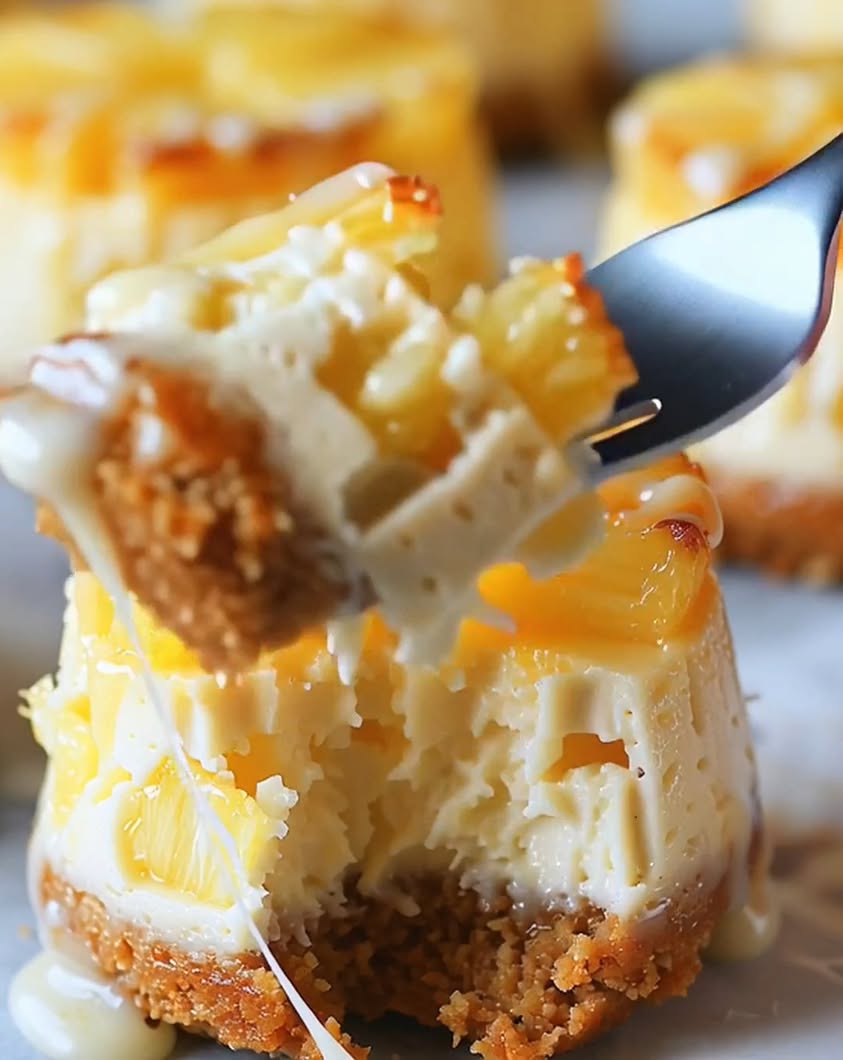
Mini Pineapple Upside-Down Cheesecakes: A Tropical Dessert Dream
Imagine a dessert that perfectly blends the nostalgic charm of a classic pineapple upside-down cake with the luxurious, creamy texture of New York-style cheesecake. These Mini Pineapple Upside-Down Cheesecakes do exactly that, creating a stunning individual treat that’s as beautiful as it is delicious. Each bite offers a symphony of flavors, starting with the sweet, caramelized pineapple and brown sugar topping and melting into a rich, tangy cheesecake base. Consequently, this recipe transforms two beloved American desserts into one unforgettable, portable masterpiece.
Moreover, these mini desserts solve the common problem of serving cheesecake to a crowd. Instead of slicing a large cake, you get perfectly portioned, elegant individual servings. The visual appeal is undeniable, with the glossy, jewel-like pineapple rings and maraschino cherries creating a gorgeous presentation right in the cup. Ultimately, these Mini Pineapple Upside-Down Cheesecakes are perfect for parties, potlucks, or simply treating your family to a special dessert that feels both fancy and fun.
Furthermore, the process is surprisingly straightforward, using simple ingredients to create something extraordinary. The aroma that fills your kitchen as these bake is pure tropical bliss, a warm scent of caramelizing sugar and pineapple that promises a delightful treat. Whether you’re a seasoned baker or a beginner looking for a show-stopping recipe, these mini cheesecakes deliver impressive results with minimal fuss. They are the ultimate fusion dessert, guaranteed to earn you rave reviews.
Quick Recipe Highlights
- Flavor Profile: These Mini Pineapple Upside-Down Cheesecakes deliver a perfect balance of sweet and tangy. The brown sugar and butter topping caramelizes into a rich, buttery syrup that soaks into the pineapple. Meanwhile, the creamy cheesecake layer provides a cool, slightly tangy contrast that cuts through the sweetness beautifully.
- Texture: Experience a delightful textural journey from the soft, juicy pineapple ring to the firm, velvety-smooth cheesecake filling. The graham cracker crust adds a necessary crunchy element, creating a perfect trifecta of textures in every single bite. This combination ensures the dessert is satisfying without being overly heavy.
- Aroma: As these bake, your kitchen will fill with the warm, comforting scents of brown sugar caramelizing and pineapple roasting. Hints of vanilla and cream cheese mingle with the tropical fruit notes, creating an irresistible fragrance that builds anticipation for the finished dessert.
- Visual Appeal: The inverted presentation is stunning, revealing a shiny, golden-brown pineapple ring and a bright red cherry center in each cup. The individual portions look elegant and deliberate, making them ideal for a dessert table where presentation matters as much as taste.
- Skill Level Needed: This is an accessible recipe for most home bakers. The steps are simple and sequential, involving mixing a crust, preparing a filling, and assembling layers. No advanced techniques like a water bath are required, making it a great project for building baking confidence.
- Special Equipment: You will need a standard 12-cup muffin tin for shaping the desserts. Additionally, using paper liners is crucial for easy removal. A hand mixer or stand mixer makes blending the cheesecake filling smooth and effortless, though a vigorous whisking arm can work in a pinch.
Recipe Overview
- Difficulty Level: We rate these Mini Pineapple Upside-Down Cheesecakes as “Easy.” The recipe breaks down into very manageable steps: making a simple press-in crust, mixing a no-bake-style filling, and arranging the fruit topping. There is no complicated folding or precise temperature control needed. The most critical step is simply allowing enough time for proper chilling to set the structure.
- Category: This dessert falls squarely into the “Sweet Treats” and “Party Desserts” categories. It’s a baked good that serves as a perfect finale to any meal. Furthermore, its individual serving size makes it ideal for events where guests can easily grab their own portion without the mess of slicing and plating.
- Cuisine: The recipe is a fusion of classic American diner desserts. It draws directly from the iconic Pineapple Upside-Down Cake, a staple of mid-20th century American cooking. Simultaneously, it incorporates the rich, creamy tradition of New York cheesecake, creating a modern hybrid that celebrates both culinary histories.
- Cost: This is a very cost-effective dessert to make. The primary ingredients—cream cheese, canned pineapple, and graham crackers—are pantry staples or affordable grocery items. A single batch yields twelve generous servings, making it a budget-friendly choice for entertaining a group compared to store-bought gourmet desserts.
- Season: While perfect for summer parties due to its tropical pineapple flair, this dessert truly shines year-round. It brings a welcome burst of sunshine and sweetness to gloomy winter days. The warm, caramelized flavors also make it a cozy fit for autumn and holiday gatherings.
- Occasion: These mini cheesecakes are incredibly versatile for events. They are ideal for birthday parties, baby showers, potlucks, and holiday dinners like Easter or Christmas. Their elegant appearance suits formal gatherings, while their fun, familiar flavors make them a hit at casual family barbecues.
Why You’ll Love This Recipe
First and foremost, the taste and texture combination is utterly irresistible. Each Mini Pineapple Upside-Down Cheesecake offers a perfect bite. You get the soft, caramelized fruit, the crisp crust, and the lush, creamy filling all at once. This harmony of flavors and textures is far more exciting than a standard slice of cake. The tangy cream cheese perfectly balances the intense sweetness of the brown sugar topping, preventing the dessert from becoming cloying. Every element complements the others, creating a sophisticated yet comforting treat.
Secondly, the convenience factor is a major win. These individual desserts are pre-portioned, eliminating the need for messy slicing and ensuring every guest gets a perfect presentation. They are also incredibly portable for picnics or potlucks. From a preparation standpoint, the recipe uses straightforward techniques and common ingredients. You likely have most items in your kitchen already. The assembly is simple enough for older kids to help with, making it a fun family baking project.
Additionally, while certainly a dessert, these mini cheesecakes offer some nutritional advantages over frosted cakes or doughnuts. Pineapple provides a dose of vitamin C and manganese. Using lighter cream cheese or a reduced-fat version is an easy adaptation for those watching their intake. Because they are individually portioned, they also naturally help with portion control, allowing you to enjoy a decadent treat without overindulging.
Beyond taste and convenience, the social and entertaining value is immense. These Mini Pineapple Upside-Down Cheesecakes are guaranteed conversation starters. Their beautiful, glossy tops look professionally made, impressing your guests with minimal effort on your part. They cater to a crowd effortlessly and can be customized with different fruit toppings for various themes. Serving a personalized dessert makes everyone feel special and adds a thoughtful touch to any gathering.
Finally, the cost-effectiveness and accessibility seal the deal. Creating a dozen of these elegant desserts costs a fraction of what you’d pay at a bakery. Canned pineapple is affordable and consistent in quality year-round. You don’t need any special pans or tools beyond a basic muffin tin. This recipe democratizes gourmet dessert, allowing anyone to create a stunning, delicious treat without a significant investment of money or hard-to-find ingredients.
Historical Background and Cultural Significance
The story of the pineapple upside-down cake begins in the early 20th century. Interestingly, canned pineapple became widely available and affordable around the 1920s, thanks to companies like Dole. Home cooks, always innovative, began experimenting with this exciting tropical fruit. The first published recipes for pineapple upside-down cake appeared in the 1920s, often made in cast-iron skillets. The method of arranging fruit and sugar in the bottom of a pan, topping it with batter, and inverting it after baking was a practical way to create a beautiful, caramelized topping without extra fuss.
Culturally, the pineapple upside-down cake became a symbol of mid-century American hospitality and optimism. The pineapple itself has long been a global symbol of welcome and friendship. Serving this cake, especially at potlucks and community gatherings, represented a kind of domestic prowess and generosity. It was a dessert that felt both exotic, due to the tropical fruit, and comforting, thanks to the simple cake base. It featured prominently in community cookbooks and became a staple of diner menus across the country.
The evolution of the recipe saw many variations. Originally, the cakes were often made with a simple butter or yellow cake base. Over time, creative bakers began fusing it with other popular desserts. The cheesecake variation is a more modern innovation, capitalizing on the cheesecake’s massive popularity that surged in the latter half of the 20th century. This fusion represents how classic recipes are not static. Instead, they evolve with changing tastes and ingredient availability, blending traditions to create new favorites like these Mini Pineapple Upside-Down Cheesecakes.
Regional variations of the upside-down concept are plentiful. In the American South, you might find a peach or cherry version. In Europe, the French have the Tarte Tatin, an upside-down apple tart. The miniaturization of desserts into individual portions is also a key trend in modern baking, catering to a desire for personalized, Instagram-worthy food. Consequently, this recipe sits at a delicious intersection of historical tradition, cultural symbolism, and contemporary presentation trends.
Ingredient Deep Dive
Canned Pineapple Rings: Canned pineapple revolutionized home baking by providing consistent, sweet, and ready-to-use tropical fruit regardless of season or geography. It is rich in vitamin C, manganese, and bromelain, an enzyme that can aid digestion. For this recipe, choose pineapple rings packed in juice rather than heavy syrup for a more natural sweetness. Always drain them thoroughly; otherwise, excess liquid will make the topping soggy. You can pat the rings dry with a paper towel for best results. In a pinch, well-drained crushed pineapple can be used, though it changes the presentation.
Cream Cheese: This key ingredient originated in the United States in the late 19th century. It provides the signature tangy flavor and dense, creamy texture that defines cheesecake. Nutritionally, it’s a good source of vitamin A and provides some protein and fat, which contributes to satiety. For baking, always use full-fat, brick-style cream cheese at room temperature. Low-fat varieties contain more water and stabilizers, which can lead to a runny filling or cracked tops. If you need a dairy-free version, several reputable brands offer almond- or soy-based cream cheese alternatives that bake reasonably well.
Graham Cracker Crumbs: Invented by Sylvester Graham in the 1800s as part of a vegetarian diet, these sweet, whole-wheat crackers became the foundation of American pie crusts. They add a distinct, honey-kissed flavor and necessary crunch. You can buy pre-crumbed crackers or make your own by pulsing whole crackers in a food processor. For a gluten-free version, use certified gluten-free graham-style crackers or substitute with crushed gluten-free cookies like ginger snaps. The butter binds the crumbs, so ensure you use enough to make the mixture resemble wet sand for a crust that holds together.
Brown Sugar: Brown sugar is simply white sugar with molasses added back in, giving it a moist texture and deep caramel flavor. It’s essential for the signature sticky, buttery topping of any upside-down dessert. The molasses contains trace minerals like calcium and iron, though the amounts are nutritionally minimal. For the best caramelization, use dark brown sugar for a more robust molasses flavor. To keep it soft, store it in an airtight container with a piece of bread or a terra cotta brown sugar saver. In an emergency, you can make a substitute by mixing one cup of white sugar with one tablespoon of molasses.
Common Mistakes to Avoid
- Not Draining the Pineapple Enough: Excess liquid from the canned pineapple is the enemy of a crisp topping. If the rings are too wet, they will steam instead of caramelize, and the liquid will seep into the crust, making it soggy. Always drain the rings in a colander and then gently pat them dry with paper towels before placing them in the muffin cups.
- Using Cold Cream Cheese: Room temperature cream cheese is non-negotiable for a smooth, lump-free filling. Cold cream cheese will not blend properly with the other ingredients, resulting in a grainy texture and visible lumps in your baked cheesecakes. Plan ahead and let the cream cheese sit on the counter for at least 30-60 minutes before you begin.
- Overmixing the Filling: Once you add the eggs to the cream cheese mixture, mix only until just combined. Overbeating incorporates too much air, which can cause the cheesecakes to puff up dramatically in the oven and then collapse and crack as they cool. Mix on low speed and stop as soon as you see no more streaks of egg.
- Skipping the Paper Liners: While it might seem possible to grease the pan heavily and pop the cheesecakes out, the sticky pineapple topping makes this very risky. Paper liners are essential for clean, easy removal without destroying the beautiful caramelized top. Do not substitute with foil liners, as they can stick.
- Under-chilling Before Serving: These cheesecakes need adequate time to set their structure in the refrigerator. Serving them warm or at room temperature will result in a filling that is too soft and runny. For the perfect texture, chill for the full recommended time, preferably overnight. This also allows the flavors to meld beautifully.
- Overbaking: Cheesecake is done when the edges are set but the center still has a slight jiggle, like Jell-O. It will continue to set as it cools. Overbaking leads to a dry, crumbly texture and increases the likelihood of cracking. Start checking a few minutes before the timer goes off.
- Inverting While Hot: Patience is key. If you try to invert the cheesecakes onto a plate immediately after baking, the hot topping will be too liquid and will run everywhere. Let them cool in the pan on a wire rack for at least 15-20 minutes. This allows the caramel to set slightly so it stays in place.
- Using the Wrong Pan: A standard 12-cup muffin tin is required for the correct shape and baking time. A mini muffin tin will yield tiny bites that are difficult to top and easy to overbake. A jumbo muffin tin will require a longer baking time and may not cook evenly.
Essential Techniques
Creating the Caramelized Topping: This technique is the heart of the upside-down magic. You melt butter and brown sugar directly in the muffin cups, then place the pineapple and cherry on top. As the cheesecakes bake, this mixture transforms into a glossy, sticky caramel that coats the fruit. The key is to ensure the butter and sugar are fully combined and evenly distributed. Swirl the pan a bit after spooning it in to coat the bottom. Do not skip the cherry in the center; it not only looks classic but also acts as a visual guide for where to place the pineapple ring.
Mixing the Cheesecake Filling: The goal is a perfectly smooth, dense, and creamy filling without over-aerating it. Always start with room-temperature cream cheese. Beat it alone first until completely smooth, scraping down the bowl. This breaks up any lumps initially. Then add the sugar and vanilla, mixing until just combined. Finally, add the eggs one at a time, mixing on low speed until each is incorporated. Stop mixing as soon as the last egg disappears. Overmixing at the egg stage incorporates air bubbles that expand in the oven and cause cracks upon cooling.
Layering and Baking: After the fruit topping is prepared, you gently spoon the cheesecake batter over it. Use a spoon or cookie scoop to divide the batter evenly among the cups. Tap the pan lightly on the counter to release any large air bubbles. Baking at a moderate temperature (325°F is ideal) allows the cheesecakes to cook through gently without over-browning the topping or causing the tops to crack. The visual cue for doneness is a set edge with a center that still jiggles slightly when you gently shake the pan.
The Inversion: This is the dramatic finale. After a brief cooling period, you run a thin knife around the edge of each cheesecake to loosen any stuck caramel. Then, place a baking sheet or large plate over the muffin tin. With confidence, flip the entire assembly over in one swift motion. Gently lift the tin away. If a cheesecake sticks, carefully use the knife to help release it. The topping should be glossy and intact. Let them cool completely on the plate before transferring to the refrigerator to chill fully.
Pro Tips for Perfect Mini Pineapple Upside-Down Cheesecakes
For an extra-crisp crust, pre-bake the graham cracker layer for 5 minutes before adding the pineapple and filling. This step toasts the crumbs and helps them stay firm against the moist topping.
Use a cookie scoop or large piping bag to distribute the cheesecake batter evenly among the muffin cups. This ensures uniform baking and consistent final portions for your guests.
Place the muffin tin on a larger baking sheet before putting it in the oven. This catches any potential butter or sugar drips, preventing a smoky oven and making cleanup much easier.
If you notice the tops browning too quickly, tent the muffin tin loosely with aluminum foil for the last 10 minutes of baking. This protects the delicate cheesecake surface while the centers finish setting.
For the cleanest release, use a thin, flexible paring knife to loosen the edges after cooling. Wipe the knife clean between each cup to prevent sticky buildup that could tear the cheesecake sides.
Chill the inverted cheesecakes on the plate for at least an hour before attempting to separate and store them. This gives the caramel topping time to firm up completely, so it won’t stick to neighboring desserts.
Garnish just before serving. A dollop of freshly whipped cream or a sprinkle of toasted coconut adds a final touch of freshness and texture without making the dessert soggy if stored.
Variations and Adaptations
Regional Variations: Embrace local produce by swapping the pineapple for other fruits. Try peach halves or apple slices for a fall-inspired version. In the summer, use fresh pitted cherries or plum slices. The brown sugar butter base works beautifully with almost any fruit that can hold its shape during baking.
Seasonal Adaptations: For the holidays, incorporate warm spices. Add a half teaspoon of cinnamon or pumpkin pie spice to the graham cracker crumbs or the cheesecake filling. A cranberry placed in the center instead of a cherry creates a festive winter theme. In spring, a mandarin orange segment can replace the pineapple ring for a lighter, citrusy twist.
Dietary Modifications: For a gluten-free dessert, use certified gluten-free graham crackers. A dairy-free version is achievable with plant-based butter and cream cheese. For a lower-sugar option, use a sugar substitute formulated for baking in both the topping and filling, and choose pineapple packed in juice.
Flavor Variations: Infuse the cheesecake layer with different extracts. Almond extract complements the pineapple wonderfully. For a tropical cocktail vibe, add a teaspoon of rum or coconut extract to the filling. You could also mix a tablespoon of crushed ginger into the graham cracker crust for a spicy kick.
Texture Modifications: For a richer crust, replace half the graham cracker crumbs with finely chopped pecans or walnuts. For a smoother, denser “New York-style” filling, add a tablespoon of sour cream or heavy cream to the cream cheese mixture. This adds tang and prevents dryness.
Presentation Alternatives: Instead of inverting onto a plate, serve them right-side-up in clear glass dessert cups for a deconstructed look. Layer crushed graham crackers, the pineapple ring, then the cheesecake filling, and chill. Top with whipped cream and a cherry. This is ideal for making ahead without the inversion step.
Serving and Presentation Guide
Plating Techniques: For individual service, place each Mini Pineapple Upside-Down Cheesecake on a small dessert plate. Use a small offset spatula for a clean transfer. Wipe any stray caramel from the plate edge for a neat appearance. For a family-style presentation, arrange them on a large platter or cake stand, spacing them slightly apart so the toppings don’t touch.
Garnishing Ideas: A simple garnish elevates the visual appeal. A small dollop of freshly whipped cream or a drizzle of caramel sauce adds luxury. Toasted coconut flakes or chopped macadamia nuts provide crunch and reinforce the tropical theme. A single mint leaf adds a pop of fresh green color for contrast.
Traditional Accompaniments: These cheesecakes are delicious on their own but pair wonderfully with a scoop of vanilla bean ice cream or a cloud of lightly sweetened whipped cream. The cold, creamy element contrasts with the rich, dense cheesecake. A cup of strong coffee or black tea is the classic beverage pairing to cut through the sweetness.
Modern Serving Suggestions: For a brunch dessert, serve alongside fresh fruit salad. At a cocktail party, offer them as a finger-food dessert by placing each on a small parchment square. You can also crumble one over a bowl of vanilla yogurt for a decadent breakfast parfait—a truly special treat.
Temperature Considerations: Serve these cheesecakes chilled straight from the refrigerator. The cool temperature ensures the filling is firm and the flavors are well-defined. However, let them sit at room temperature for about 5-10 minutes before serving to take the extreme edge off the chill, allowing the caramel notes to shine.
Portion Control Tips: The beauty of this recipe is its built-in portion control. One cheesecake per person is a satisfying serving. For a larger buffet with many dessert options, you can easily slice them in half. This allows guests to sample multiple treats without waste or overindulgence.
Wine and Beverage Pairing
Wine Pairings: The sweet, tropical fruit and rich cream cheese call for wines with good acidity to cleanse the palate. A late-harvest Riesling or a Moscato d’Asti offers complementary sweetness and bright fruit notes. For a more sophisticated pairing, try a Cream Sherry or a Tawny Port; their nutty, caramelized flavors mirror the dessert’s topping beautifully. If you prefer red, a light, low-tannin Brachetto d’Acqui works surprisingly well.
Non-Alcoholic Alternatives: Sparkling apple cider or ginger ale provides festive bubbles that cut through the richness. For a more tailored option, brew a pot of tropical fruit herbal tea, like mango or peach, and serve it iced with a splash of pineapple juice. A creamy vanilla chai latte also makes a cozy and complementary pairing.
Coffee/Tea Pairings: Coffee is a classic partner. A medium-roast coffee with notes of caramel or nut complements the brown sugar topping. Avoid overly bitter dark roasts. For tea, a strong black tea like English Breakfast or Earl Grey stands up to the dessert’s intensity. A vanilla rooibos tea offers a caffeine-free option with a natural sweetness that enhances the experience.
Temperature Considerations: Serve white and sparkling wines well-chilled. Dessert wines and ports are best at slightly cooler than room temperature. Non-alcoholic sparklers should be ice-cold. Coffee should be hot and freshly brewed, while iced tea should be strong and very cold to provide a refreshing contrast.
Serving Suggestions: Offer a small pour of dessert wine (2-3 ounces) in a proper wine glass. For coffee, provide cream and sugar on the side. When serving iced tea or sparkling cider, use tall glasses with plenty of ice. The goal is to offer a beverage that acts as a palate cleanser between bites of the rich cheesecake.
Storage and Shelf Life
Storage Methods: Store these Mini Pineapple Upside-Down Cheesecakes in a single layer in an airtight container in the refrigerator. If you must stack them, place a sheet of parchment or wax paper between layers to prevent the sticky toppings from fusing together. Do not leave them at room temperature for more than two hours.
Temperature Requirements: Refrigeration is mandatory. The dairy-based filling must be kept at or below 40°F (4°C) for food safety. The cold temperature also maintains the perfect firm, creamy texture. They can sit out during serving for up to an hour without significant quality loss, but return any leftovers to the fridge promptly.
Container Recommendations: A shallow, rectangular food storage container with a tight-fitting lid is ideal. You can also use a cake carrier if it has a flat base. Avoid deep bowls where the cheesecakes might be jostled and damaged. For individual portions, you can store them in separate small containers for grab-and-go treats.
Signs of Spoilage: Discard the cheesecakes if you notice an off or sour smell, significant discoloration (like gray or green mold spots), or if the texture becomes excessively watery or slimy. Properly stored, they should maintain their fresh taste and appearance for 4-5 days.
Reheating Instructions: Cheesecake is best served cold and is not typically reheated. However, if you prefer a slightly warm topping, you can microwave a single portion for just 5-8 seconds. This will very slightly warm the pineapple caramel without melting the cheesecake filling. Monitor closely to avoid a mess.
Freezing Guidelines: These mini cheesecakes freeze exceptionally well. Place them on a baking sheet until solid (flash freeze), then transfer to a freezer-safe bag or container. They will keep for 2-3 months. Thaw overnight in the refrigerator. Do not thaw at room temperature, as condensation will make the crust soggy and the topping sticky.
Make Ahead Strategies
Prep Timeline: These are an excellent make-ahead dessert. You can prepare the entire recipe up to 2 days in advance. In fact, the flavor improves with a day of chilling as the components meld. For the best texture, bake and invert them the day before your event, then chill overnight. Add garnishes like whipped cream just before serving.
Storage Between Steps: If you need to break up the work, you can prepare the crust and topping in the muffin tin, cover it tightly with plastic wrap, and refrigerate for up to 24 hours before adding the filling and baking. The cheesecake filling can also be mixed, covered, and refrigerated for a few hours, though it may thicken; let it sit at room temp for 15 minutes before using.
Quality Impact Assessment: Making them ahead has a positive impact. The chilling time allows the cheesecake to set fully and the flavors to develop depth. The caramel topping will remain glossy but may soften slightly against the cheesecake, which is desirable. The crust may lose a tiny bit of crispness but remains pleasantly firm.
Assembly Tips: For large events, consider assembling and baking multiple batches. Cool and invert them all, then store them in the fridge in their stacked, parchment-separated layers. This frees up your oven and time on the day of your party for other tasks. They are very forgiving when made a day early.
Reheating Guidelines: As mentioned, reheating is not recommended. The make-ahead strategy relies on proper chilling. If you must serve them slightly less cold, simply pull them from the fridge 10-15 minutes before your guests arrive. This takes the deep chill off without compromising structure.
Fresh Element Additions: Any elements that wilt or get soggy should be added at the last minute. This includes whipped cream, fresh mint garnishes, toasted coconut, or a drizzle of sauce. Prepare these components ahead of time and store them separately, then assemble the final plate just before presenting to your guests.
Scaling Instructions
Halving the Recipe: Halving this recipe for six cheesecakes is straightforward. Simply divide all ingredient quantities in half. Use a standard 6-cup muffin tin. The baking time may be slightly reduced by 2-3 minutes, so start checking for doneness early. All other instructions remain the same.
Doubling or Tripling: Doubling or tripling is easy for feeding a crowd. Mix the filling in batches if your mixer bowl isn’t large enough to avoid overfilling. You will need multiple muffin tins or will need to bake in batches. If baking multiple tins at once, rotate them halfway through the baking time for even cooking. Ensure your oven racks are positioned to allow for good air circulation.
Equipment Adjustments: When scaling up, ensure you have enough muffin tins and oven space. You can use disposable aluminum muffin pans if needed. A large cookie scoop becomes invaluable for efficiently portioning batter into many cups. Have a large enough plate or baking sheet ready for the inversion of multiple tins.
Timing Modifications: When baking multiple batches, the oven temperature may drop slightly when you open the door to switch pans. Allow an extra minute or two of baking time for subsequent batches. The filling can sit at room temperature for the short time between batches without issue.
Storage Considerations: Scaling up means you’ll have more leftovers. Ensure you have adequate refrigerator space in large, flat containers for storing all the finished cheesecakes. They freeze beautifully, so consider freezing a portion for future treats if you make a very large batch.
Nutritional Deep Dive
Macro Breakdown: A single Mini Pineapple Upside-Down Cheesecake provides a balance of carbohydrates, fat, and protein. The primary carbs come from the brown sugar, graham crackers, and pineapple. Fats are sourced from the cream cheese, butter, and egg yolks, contributing to the rich mouthfeel and satiety. Protein comes from the cream cheese and eggs, helping to stabilize blood sugar after consumption. This combination makes it a satisfying dessert that curbs the urge for additional sweets.
Micronutrient Analysis: This dessert offers more than empty calories. Pineapple contributes a notable amount of vitamin C and manganese, which support immune function and bone health. Cream cheese provides vitamin A, important for vision and skin health. Eggs add choline, which is crucial for brain function. Using whole-grain graham crackers can also offer a small amount of fiber.
Health Benefits: In moderation, desserts can be part of a balanced diet by providing enjoyment, which is important for mental well-being. The protein and fat content can help you feel full. The pineapple offers digestive enzymes (bromelain) and antioxidants. Choosing pineapple in juice rather than syrup reduces added sugar intake slightly.
Dietary Considerations: This is not a low-calorie or low-sugar food. Individuals managing diabetes, heart health, or weight should enjoy a single portion as an occasional treat. The recipe contains gluten (graham crackers), dairy (cream cheese, butter), and eggs, which are common allergens. Adaptations for these are covered in the Dietary Adaptations section.
Portion Analysis: The mini format is inherently helpful for portion control. One cheesecake is a defined, reasonable serving size that satisfies a sweet craving without being excessive. This prevents the common pitfall of cutting an indeterminately large slice from a whole cake. It’s a built-in guide for mindful eating.
Weight Management Tips: If you’re watching your weight, plan for this dessert. You could enjoy it as an occasional treat within your daily calorie goals. Pair it with a lighter meal. Furthermore, savor it slowly to maximize satisfaction. The individual portion makes it easier to log accurately in a food tracking app compared to a slice of a larger cake.
Dietary Adaptations
Gluten-Free: Use certified gluten-free graham cracker crumbs. Brands like Kinnikinnick or Pamela’s make excellent products. Alternatively, you can use an equal amount of crushed gluten-free cookies, such as shortbread or ginger snaps. Ensure all other ingredients, like vanilla extract, are certified gluten-free, as some brands use grain alcohol.
Dairy-Free: Substitute the butter in the crust and topping with a plant-based stick butter (like Earth Balance). For the filling, use a high-quality dairy-free cream cheese alternative (Kite Hill or Miyoko’s work well for baking). The texture will be slightly softer but still delicious. Check that your brown sugar is vegan, as some are processed with bone char.
Vegan: Follow the dairy-free adaptations above. For the egg, use a commercial egg replacer powder mixed according to package directions for “2 eggs,” or use 1/4 cup silken tofu blended until completely smooth. The filling may not rise as much but will set firmly when chilled. Be sure to use vegan graham crackers as well.
Low-Carb/Keto: This is a significant adaptation. Replace the graham cracker crust with a mix of almond flour, melted butter, and a keto-friendly sweetener Print
Mini Pineapple Upside-Down Cheesecakes
- Total Time: 45 minutes
- Yield: 12
Description
A fun twist on classic pineapple upside-down cake, these individual cheesecakes feature a caramelized pineapple topping and a creamy vanilla cheesecake base, baked in a muffin tin for easy serving.
Ingredients
- 1/2 cup unsalted butter, melted
- 3/4 cup brown sugar
- 1 (20 oz) can pineapple rings, drained and patted dry
- 8 maraschino cherries, halved
- 16 oz cream cheese, softened
- 1/2 cup granulated sugar
- 2 large eggs
- 1 teaspoon vanilla extract
- 1/4 cup sour cream
- 1 tablespoon all-purpose flour
Instructions
- Preheat oven to 325°F (165°C). Line a 12-cup muffin tin with paper liners.
- In a small bowl, mix melted butter and brown sugar. Spoon about 1 tablespoon into each muffin cup. Place a pineapple ring (trimmed to fit) or pineapple chunk in each cup, then top with a cherry half.
- In a large bowl, beat cream cheese and granulated sugar until smooth. Add eggs one at a time, then mix in vanilla, sour cream, and flour until just combined.
- Divide cheesecake batter evenly among muffin cups, about 1/4 cup each, smoothing the tops.
- Bake for 20-25 minutes until set but slightly jiggly in the center. Cool in pan for 10 minutes, then refrigerate for at least 2 hours before inverting to serve.
Notes
You can customize the seasonings to taste.
- Prep Time: 15 minutes
- Cook Time: 30 minutes
- Method: Dessert
- Cuisine: American