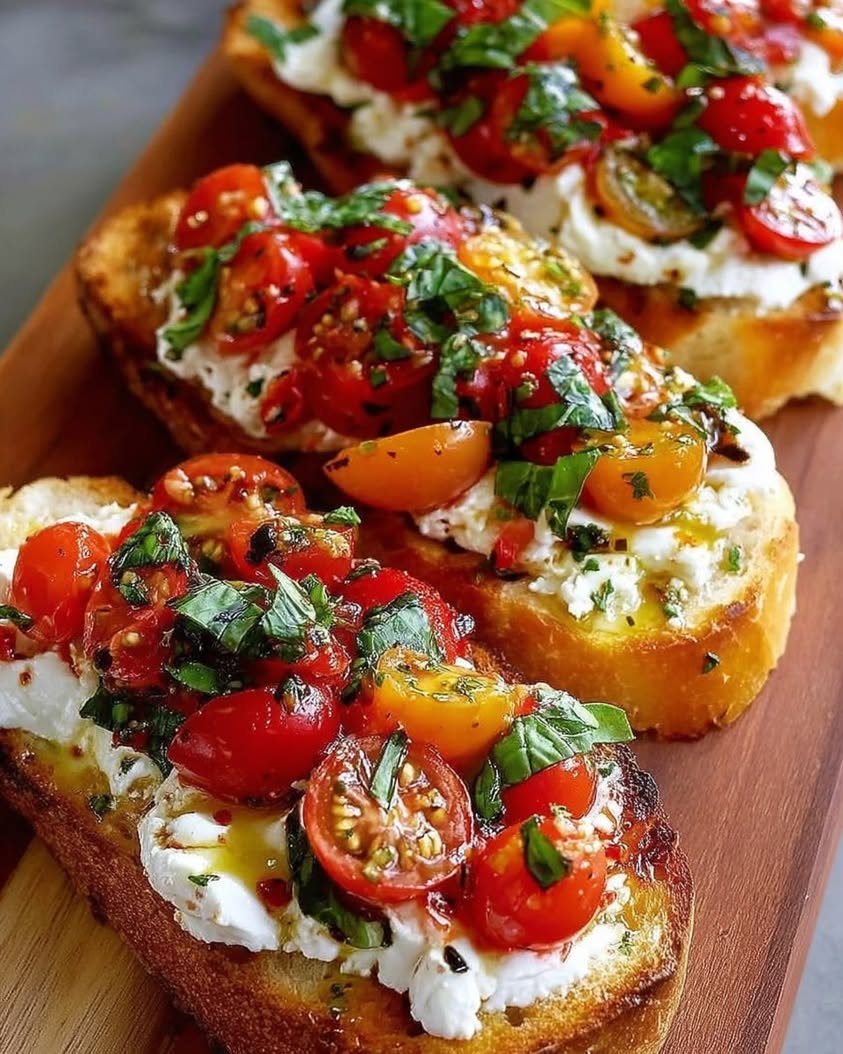
Creamy Burrata Bruschetta: An Elegant Appetizer Recipe
This creamy burrata bruschetta recipe transforms a classic Italian starter into a show-stopping centerpiece. Imagine the perfect bite: a crisp, golden slice of toasted bread, a layer of sweet, garlicky tomatoes, and finally, a luxurious dollop of creamy burrata cheese. This appetizer is not just food; it’s an experience that marries rustic charm with gourmet elegance. Consequently, it’s guaranteed to impress your guests with minimal effort. Whether you’re hosting a summer soiree or a cozy winter gathering, this dish delivers vibrant flavor and sophisticated presentation every single time.
The magic of this recipe lies in its beautiful contrast of textures and temperatures. You get the warm, crunchy base from the toasted bread, the cool, juicy burst from the marinated tomatoes, and the rich, room-temperature creaminess of the burrata. Moreover, the fresh basil adds a final aromatic punch that ties everything together. This creamy burrata bruschetta is incredibly versatile, acting as a perfect pre-dinner snack, a light lunch, or even a stunning addition to a brunch buffet. Ultimately, it proves that the best dishes are often the simplest, letting high-quality ingredients shine.
Furthermore, this recipe is a celebration of seasonal produce. While you can make it year-round, it truly sings in the summer with ripe, garden-fresh tomatoes and fragrant basil. The process is straightforward and forgiving, making it ideal for both novice cooks and seasoned chefs looking for a reliable crowd-pleaser. In essence, this creamy burrata bruschetta recipe is your secret weapon for effortless entertaining. It delivers restaurant-quality results from your own kitchen, creating memorable moments around the table with friends and family.
Quick Recipe Highlights
- Flavor Profile: This dish offers a harmonious balance of bright, acidic tomatoes, rich and milky burrata, and the aromatic, peppery finish of fresh basil and extra virgin olive oil. The garlic-infused bread provides a savory foundation that complements the other components perfectly.
- Texture: Experience a delightful symphony of textures: the shatteringly crisp crust of the toasted bread, the juicy pop of the tomatoes, and the impossibly creamy, soft interior of the burrata cheese that oozes luxuriously with each bite.
- Aroma: The aroma is instantly inviting, featuring the earthy scent of toasted bread, the sweet acidity of ripe tomatoes, the pungent note of fresh garlic, and the unmistakable herbal fragrance of torn basil leaves.
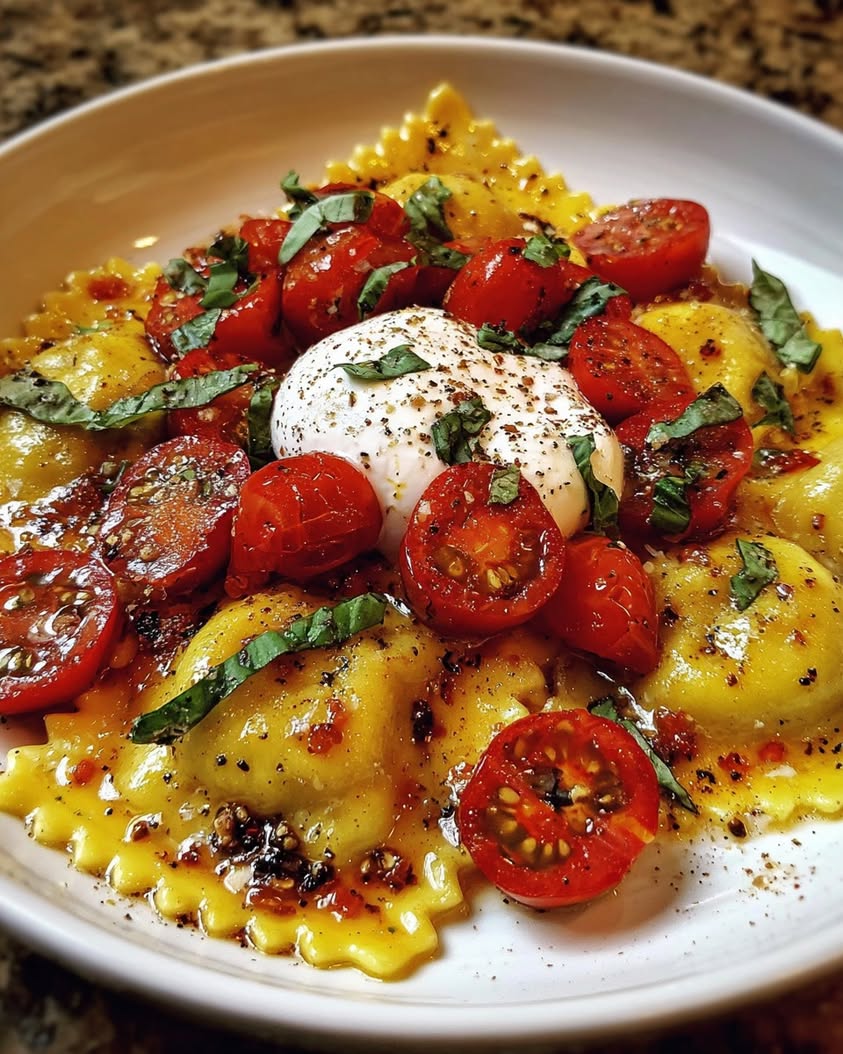
- Visual Appeal: This appetizer is a feast for the eyes with its vibrant red tomatoes, snowy white burrata, and emerald green basil against the golden-brown toast. It’s rustic yet elegant, promising deliciousness before the first bite is taken.
- Skill Level Needed: This recipe requires only basic kitchen skills like chopping, mixing, and toasting. It’s an excellent choice for beginners, as there’s no complex technique involved, yet it allows for creative presentation.
- Special Equipment: No special tools are required. You simply need a good chef’s knife, a cutting board, a mixing bowl, and a baking sheet or grill pan for toasting the bread. A bread knife helps achieve clean slices.
Recipe Overview
- Difficulty Level: This creamy burrata bruschetta recipe is rated “Easy” because it involves no cooking beyond toasting bread and requires simple assembly. The steps are sequential and hard to mess up. Even if you’re unfamiliar with burrata, the assembly is intuitive. Therefore, it’s a fantastic confidence-builder for new cooks.
- Category: This dish falls squarely into the appetizer or starter category, perfect for kicking off a meal. Additionally, it can serve as a light lunch or a standout component on a party platter. Its flexibility makes it a valuable recipe for various dining situations.
- Cuisine: This is a modern twist on classic Italian cuisine, specifically from the regions of Puglia (famous for burrata) and central Italy (home of bruschetta). It respects traditional flavors while introducing the luxurious texture of fresh burrata cheese for a contemporary update.
- Cost: The cost is moderate, primarily driven by the quality of the burrata and extra virgin olive oil. Using seasonal, local tomatoes can reduce cost and increase flavor. Overall, it’s a cost-effective way to create a gourmet-tasting dish at home.
- Season: This recipe is best in late summer when tomatoes are at their peak sweetness and basil is most fragrant. However, with quality year-round ingredients like cherry tomatoes and fresh herbs, it can be enjoyed successfully in any season.
- Occasion: It’s ideal for casual gatherings, dinner parties, holiday appetizers, or even a romantic at-home date night. Its elegant appearance and shareable nature make it perfect for social events where food is a centerpiece.
Why You’ll Love This Recipe
First and foremost, you will adore the incredible taste and texture of this creamy burrata bruschetta. Each bite delivers a complex yet balanced flavor journey. You experience the initial crunch, followed by the bright tomato mixture, and finally the rich, creamy finish of the burrata. This contrast is not just satisfying; it’s downright addictive. Furthermore, the use of fresh, simple ingredients means every flavor is clear and distinct, creating a dish that feels both wholesome and indulgent simultaneously.
Next, consider the sheer convenience and preparation benefits. This recipe comes together in about twenty minutes with minimal active cooking time. You can prepare the tomato mixture ahead of time, allowing the flavors to meld beautifully. Then, simply toast the bread and assemble when ready to serve. This make-ahead flexibility is a game-changer for hosts. Moreover, it requires no fancy equipment, making it accessible to anyone with a basic kitchen setup.
From a nutritional standpoint, this appetizer offers several advantages. Tomatoes are rich in lycopene and vitamin C, while high-quality olive oil provides heart-healthy fats. Burrata, though rich, offers a good source of protein and calcium. When served on whole-grain bread, you add beneficial fiber. Consequently, this dish is a more balanced choice compared to many heavy, fried appetizers. It satisfies without leaving you feeling overly full before the main course.
The social and entertaining value of this creamy burrata bruschetta cannot be overstated. It is inherently a shareable, communal dish that encourages conversation. Placing a beautiful board of assembled bruschetta in the center of the table creates an interactive dining experience. Guests can help themselves, breaking the ice and setting a relaxed, convivial tone for the meal. It looks impressive and tastes even better, guaranteeing compliments for the host.
Finally, this recipe is remarkably cost-effective and accessible. While burrata can be a premium ingredient, a little goes a long way in this application. You can often find excellent burrata at well-stocked grocery stores or local Italian markets. The remaining ingredients—bread, tomatoes, garlic, basil, oil—are pantry and garden staples. Therefore, you can create a luxurious-tasting appetizer without the luxury restaurant price tag. It democratizes gourmet flavor for everyday cooking and entertaining.
Historical Background and Cultural Significance
The story of bruschetta begins humbly in central Italy, particularly in the regions of Tuscany and Lazio. Originally, it was a practical way for farmers to test the quality of their newly pressed olive oil at the end of the harvest season. They would toast slices of stale bread over an open fire, rub them with a raw garlic clove, and drizzle the fresh oil on top. This simple snack highlighted the oil’s flavor and provided sustenance. Over time, this base became a canvas for regional toppings, from tomatoes in the south to beans in the north.
Burrata, on the other hand, has a more specific and recent origin. It was invented in the 1920s on the Bianchini farm in the Puglia region, as a clever way to use up the leftover scraps of mozzarella production (stracciatella). Cheese makers would create a pouch from fresh mozzarella, fill it with these creamy shreds mixed with cream, and tie it closed. The name “burrata” literally means “buttered” in Italian, a nod to its rich, buttery texture and flavor. For decades, it remained a local delicacy before gaining worldwide popularity.
The evolution of this recipe, merging bruschetta with burrata, is a modern innovation in Italian-American and contemporary Italian cooking. It represents the beautiful fusion of two iconic regional specialties: the rustic, garlicky bread of central Italy with the luxurious, creamy cheese of the south. This combination elevates the simple tomato bruschetta into a more substantial and decadent appetizer. It reflects a global culinary trend of blending textures and elevating traditional dishes with premium ingredients.
Regional variations of this concept abound today. In Puglia, you might find bruschetta topped with pureed fava beans and a dollop of burrata. In Campania, chefs might use San Marzano tomatoes and add anchovies. Modern interpretations include toppings like roasted peaches with prosciutto and burrata or a pesto base instead of tomatoes. This adaptability is a testament to the strength of the core concept: a sturdy, flavorful base paired with a rich, creamy cheese. The creamy burrata bruschetta recipe is a delicious example of culinary evolution honoring its roots.
Ingredient Deep Dive
Burrata Cheese: Burrata is a fresh Italian cheese made from mozzarella and cream. The outer shell is solid mozzarella, while the inside contains stracciatella and cream, giving it an extraordinarily soft, almost liquid texture. Culturally, it’s a symbol of Italian cheesemaking ingenuity, born from the principle of “no waste.” Nutritionally, it provides protein, calcium, and fats. For the best quality, seek burrata stored in liquid, and use it within a day or two of purchase for peak creaminess. If unavailable, fresh mozzarella (bufala or fior di latte) combined with a drizzle of heavy cream can be a substitute, though the texture will differ.
Ripe Tomatoes: Tomatoes are the soul of traditional bruschetta topping. Historically, they were introduced to Italy from the Americas in the 16th century and were initially grown ornamentally before becoming a culinary staple. They are rich in vitamins C and K, potassium, and the antioxidant lycopene. For this recipe, choose ripe, in-season tomatoes like Roma, Campari, or heirloom varieties for the best flavor. Off-season, sweet cherry or grape tomatoes are a reliable choice. Never refrigerate ripe tomatoes, as cold temperatures degrade their texture and flavor. Store them stem-side down at room temperature.
Crusty Bread: The bread acts as the essential edible plate. A sturdy, country-style loaf with a thick crust and open crumb is ideal because it holds up to the juicy topping without becoming soggy. Sourdough, ciabatta, or a rustic Italian boule are perfect choices. From a nutritional standpoint, opting for a whole-grain version adds fiber and nutrients. The bread should be sliced about 1/2 to 3/4-inch thick. Stale bread actually toasts better than fresh. If you only have fresh bread, you can dry the slices in a low oven before the final toasting to achieve the necessary structure.
Fresh Basil: Basil is synonymous with Italian cuisine, especially the Genovese variety used for pesto. It brings a vital aromatic, slightly sweet, and peppery note that cuts through the richness of the cheese and oil. Basil contains antioxidants and has anti-inflammatory properties. Always choose bright green, perky leaves without black spots. To store, treat it like a bouquet: trim the stems and place in a glass of water on the counter, loosely covering the leaves with a bag. For the best flavor and appearance, tear the leaves by hand just before serving rather than chopping them with a knife.
High-Quality Extra Virgin Olive Oil: This is the unifying ingredient that carries flavor and adds luxurious mouthfeel. True extra virgin olive oil (EVOO) is cold-pressed, unrefined, and has a distinct fruity or peppery flavor. It is a cornerstone of the Mediterranean diet, packed with monounsaturated fats and antioxidants. Use your best oil for drizzling at the end. A more affordable, still decent EVOO can be used in the tomato mixture. Store oil in a cool, dark place to prevent rancidity. For a flavor variation, try a lemon-infused or robust Tuscan oil to finish your creamy burrata bruschetta.
Common Mistakes to Avoid
- Soggy Bread: Toasting the bread properly is critical. Ensure your bread slices are thick enough and toasted until deeply golden and crisp all over. Additionally, avoid assembling the bruschetta too far in advance. The tomato juices will quickly soften the bread. Always assemble just before serving.
- Watery Tomato Mixture: Seeds and excess pulp contain most of the water in tomatoes. Always take a moment to scoop out and discard the seed pockets from larger tomatoes. For cherry tomatoes, simply halve them. This simple step prevents a puddle on your plate and keeps the bread crisp.
- Using Cold Burrata: Burrata’s magical creamy texture is best appreciated at room temperature. Taking it straight from the refrigerator results in a firm, less flavorful cheese. Always remove the burrata from the fridge at least 30 minutes before you plan to assemble and serve your bruschetta.
- Over-Garlicing the Bread: Rubbing the toast with raw garlic is traditional, but a little goes a very long way. One gentle pass with a cut clove is sufficient. Rubbing too vigorously can make the bread unpleasantly pungent and overpower the other delicate flavors in this creamy burrata bruschetta recipe.
- Chopping Basil Too Early: Basil bruises and turns black when cut with a knife and left to sit. The volatile oils that provide its beautiful aroma dissipate. For the brightest color and flavor, always tear the basil leaves by hand at the very last moment before garnishing.
- Skimping on Seasoning: Each component needs proper seasoning. Season the tomato mixture generously with salt and pepper. Do not forget to season the burrata itself with a flaky sea salt and black pepper after placing it on the bread. Layered seasoning builds depth of flavor.
- Using a Dull Knife to Cut Burrata: A dull knife will shred the delicate mozzarella pouch and make a mess. Use a very sharp knife or a piece of dental floss to cleanly slice through the burrata ball, preserving its beautiful presentation as the creamy center spills out.
- Not Letting the Tomato Mixture Marinate: While you shouldn’t combine tomatoes and bread early, you should let the tomato, garlic, and oil mixture sit for at least 10-15 minutes. This brief marination time allows the flavors to marry and intensify, creating a more cohesive topping.
Essential Techniques
Preparing the Tomatoes: Properly preparing the tomatoes is crucial for preventing a soggy bruschetta. The goal is to maximize flavor while minimizing excess liquid. Start by coring the tomato. Then, cut it in half horizontally and gently squeeze each half over the sink or a bowl to eject the seed pockets and jelly. Finally, dice the remaining firm flesh. This technique concentrates the tomato’s sweet, tangy flavor and ensures your topping is juicy but not watery. The visual cue for success is a pile of clean, diced tomato flesh without visible seeds or runny pulp.
Toasting the Bread: Achieving the perfect toast is about creating a sturdy, flavorful base that resists sogginess. Whether using an oven, grill pan, or broiler, the key is dry heat. Brush the bread lightly with olive oil to promote even browning and flavor. Then, toast until the surface is deeply golden brown and crisp to the touch, with the edges slightly darker. You should hear a firm, hollow sound when tapping the center. This creates a protective “seal” on the bread’s surface. Under-toasting leads to immediate sogginess, while over-toasting can make the bread too hard and difficult to bite.
Handling Burrata: Burrata is a delicate cheese that requires gentle handling to preserve its presentation. Always use a very sharp knife or unflavored dental floss to cut it. Place the ball on a cutting board and slice cleanly through the center in one smooth motion. The visual cue for perfect burrata is a clean cut through the outer mozzarella shell, revealing the glorious, oozing creamy center (stracciatella) within. Tearing or sawing with a dull knife will ruin this effect. Then, use a spoon to gently lift and place each portion onto the waiting toast.
Layering and Assembly: The order of assembly directly impacts the final texture and eating experience. First, place the warm, garlic-rubbed toast on your serving platter. Next, add a generous spoonful of the marinated tomato mixture, using a slotted spoon to drain any excess juice. Then, place a portion of room-temperature burrata on top. Finally, garnish with torn basil, a final drizzle of premium olive oil, and a sprinkle of flaky salt and cracked pepper. This sequence ensures the bread stays crisp, the flavors layer correctly, and the burrata remains the star of your creamy burrata bruschetta.
Pro Tips for Perfect Creamy Burrata Bruschetta
Salt Your Tomatoes Early: Toss your diced tomatoes with a pinch of salt and let them sit in a colander for 10 minutes. This draws out excess moisture through osmosis. Then, pat them dry gently before mixing with the other ingredients. This extra step guarantees an even drier, more concentrated tomato topping.
Infuse Your Oil: For an extra flavor boost, gently warm your extra virgin olive oil with the garlic clove (smashed) and a few basil stems for 5 minutes over very low heat. Let it cool, then strain. Use this infused oil for both brushing the bread and drizzling at the end.
Warm Your Platter: If you have time, warm your serving platter or board slightly. This helps keep the assembled bruschetta at an ideal temperature for a minute or two longer, especially if you’re serving them immediately to a group.
Add a Touch of Acidity: A tiny splash (about 1/2 teaspoon) of good balsamic vinegar or a squeeze of lemon juice in the tomato mixture can brighten all the flavors and balance the richness of the cheese beautifully. Add it just before assembling.
Use Different Tomato Colors: For stunning visual appeal, use a mix of red, yellow, and orange cherry tomatoes. The varied colors make the dish look even more vibrant and appetizing, and they often have slightly different flavor profiles.
Finish with Flaky Salt: Always finish your assembled bruschetta with a pinch of flaky sea salt (like Maldon) and freshly cracked black pepper. The crunchy texture of the salt and the sharpness of the pepper provide the perfect final seasoning layer.
Grill for Smoky Flavor: If you have access to a grill, toast your bread slices directly over the coals or gas flames. The slight char and smokiness add a fantastic rustic dimension to your creamy burrata bruschetta recipe.
Variations and Adaptations
Regional Variations: Explore Italy through your toppings. For a Tuscan twist, top the garlic-rubbed toast with a smear of chicken liver pate or white bean puree before adding the burrata and tomatoes. A Sicilian version might include a topping of caponata (eggplant relish) with the burrata. In the north, try sautéed wild mushrooms and thyme as a base beneath the cheese.
Seasonal Adaptations: Embrace the seasons. In spring, use roasted asparagus tips and fresh peas with mint. For autumn, top with roasted squash or figs and a drizzle of honey. Winter calls for a topping of roasted grapes and rosemary. The creamy burrata provides a constant, luxurious backdrop for any seasonal produce.
Dietary Modifications: For a gluten-free version, use your favorite sturdy gluten-free bread or even thick slices of grilled polenta. To make it dairy-free, substitute the burrata with a high-quality vegan mozzarella or a rich cashew cream. For a lower-carb option, serve the tomato and burrata mixture in endive leaves or on thick slices of roasted portobello mushroom caps.
Flavor Variations: Introduce new flavor profiles. Add chopped Calabrian chilis or red pepper flakes to the tomato mix for heat. Incorporate finely chopped shallots or capers for briny complexity. A smear of pesto (basil, sun-dried tomato, or kale) on the toast before adding tomatoes creates a herbal foundation. A drizzle of truffle oil at the end adds instant decadence.
Texture Modifications: Play with textures. Add toasted pine nuts or chopped walnuts on top for crunch. Include crispy prosciutto or pancetta crumbles for a salty, meaty bite. Mix microgreens or arugula with the basil for a different green element. You can also blend a portion of the tomatoes into a smooth spread for a different mouthfeel.
Presentation Alternatives: Think beyond the slice. Create a “deconstructed” bruschetta board: serve a bowl of tomato mixture, a whole burrata ball, a pile of toasted bread slices, and small bowls of garnishes. Let guests build their own. Alternatively, cut the toast into smaller crostini for a one-bite cocktail party version.
Serving and Presentation Guide
Plating Techniques: For a family-style presentation, arrange the fully assembled bruschetta on a large wooden board or a rustic slate platter. Overlap them slightly in a casual, abundant display. For individual plating, place one or two pieces on a small appetizer plate, perhaps with a swipe of reduced balsamic glaze underneath for visual drama. Always consider the backdrop; a dark plate makes the red, white, and green colors pop brilliantly.
Garnishing Ideas: Beyond basil, consider other edible garnishes. A few leaves of micro basil or edible flowers add sophistication. A light dusting of finely grated lemon zest brightens the plate. For color contrast, add a sprinkle of pomegranate seeds in the fall or finely diced yellow pepper in the summer. A final grind of colorful peppercorns (pink, green, white) looks beautiful.
Traditional Accompaniments: In Italy, this would be served as a standalone antipasto, perhaps followed by a pasta course. Traditionally, it might be accompanied by other simple antipasti like marinated olives, cured meats (prosciutto, salami), and marinated vegetables (artichokes, peppers). A glass of crisp white wine is the essential liquid accompaniment.
Modern Serving Suggestions: For a modern twist, serve it as part of a “bruschetta bar” at a party. Provide different toppings (the tomato mixture, sautéed mushrooms, olive tapenade) and let guests top their own toasted bread and burrata portions. It also pairs wonderfully with a simple arugula salad dressed with lemon vinaigrette for a light lunch.
Temperature Considerations: Serve immediately after assembly. The toast should still be slightly warm to the touch, the tomatoes and oil at room temperature, and the burrata cool but not cold. This temperature contrast is a key part of the experience. If you must hold them, assemble on a wire rack set over a sheet pan to prevent steam from softening the bottom of the bread.
Portion Control Tips: As an appetizer, plan for 1-2 pieces per person. If serving as part of a larger cocktail party spread with other items, one piece per person is sufficient, as it is rich. For a light lunch or main course, 2-3 pieces paired with a salad is a perfect portion. Remember that burrata is filling, so a little goes a long way.
Wine and Beverage Pairing
Wine Pairings: The bright acidity of the tomatoes and the rich creaminess of the burrata call for wines with good acidity and clean fruit flavors. A classic Italian pairing is a Vermentino or a Pinot Grigio from Alto Adige—crisp, mineral-driven, and refreshing. For a more complex option, a dry Rosé from Provence or a lighter-style Chardonnay (unoaked or lightly oaked) works beautifully. If you prefer red, choose a low-tannin, high-acid red like a Frappato from Sicily or a chilled Beaujolais.
Non-Alcoholic Alternatives: Sparkling water with a twist of lemon or a cucumber ribbon is always a clean, palate-cleansing choice. For something more crafted, try a basil-infused lemonade or a virgin sparkling grape juice (like a non-alcoholic Prosecco). Iced herbal teas, such as mint or verbena, complement the fresh herbal notes in the dish without overpowering them.
Coffee/Tea Pairings: While not a traditional pairing for this appetizer, if serving at a brunch, a light roast coffee with bright citrus notes can stand up to the tomatoes. A cup of delicate green tea, like a Sencha, can also be a pleasant, cleansing accompaniment after the rich cheese, preparing the palate for the next course.
Temperature Considerations: White and rosé wines should be served well-chilled, between 45-50°F (7-10°C). Red wine, if chosen, should be lightly chilled to about 55°F (13°C) to emphasize its freshness and acidity, which cuts through the fat of the cheese. Non-alcoholic sparkling drinks should be ice-cold for maximum refreshment.
Serving Suggestions: Always offer beverages in appropriate glassware to enhance the experience. Serve white wine in a standard white wine glass. Present sparkling water or non-alcoholic bubbly in a flute or coupe to make the occasion feel special. Having a chilled carafe of water on the table is essential, as the saltiness of the dish will make guests thirsty.
Storage and Shelf Life
Storage Methods: The components of creamy burrata bruschetta must be stored separately. The assembled dish does not keep. Store any leftover tomato mixture in an airtight container in the refrigerator for up to 2 days. Leftover burrata should be kept in its original liquid or fresh water in a sealed container in the fridge for 1-2 days, though its texture is best when fresh. Untoasted bread can be kept at room temperature in a bread bag.
Temperature Requirements: Tomatoes and assembled mixtures should always be refrigerated at or below 40°F (4°C). Burrata is a fresh cheese and must be refrigerated until use. Bread is best stored at cool room temperature. Never leave assembled bruschetta or its dairy components at room temperature for more than 2 hours to prevent bacterial growth.
Container Recommendations: Use glass or BPA-free plastic containers with tight-fitting lids. For the tomato mixture, a container with a small vent for any residual moisture is helpful. To store burrata, place it in a small bowl and cover it with its liquid or fresh, lightly salted water, then seal the bowl with plastic wrap or a lid.
Signs of Spoilage: Discard the tomato mixture if it develops an off smell, becomes excessively watery with separation, or shows any signs of mold. Burrata is spoiled if it smells sour or ammonia-like, if the outer shell becomes slimy or discolored, or if the liquid becomes cloudy. Always trust your senses.
Reheating Instructions: Only the bread component can be “reheated.” If you have leftover toasted bread that has softened, you can re-crisp it in a 350°F (175°C) oven for 3-5 minutes. The tomato mixture and burrata should never be reheated, as heat will ruin their texture and flavor. Use them cold or at room temperature.
Freezing Guidelines: Freezing is not recommended for any component of this recipe. Freezing will utterly destroy the texture of the tomatoes, basil, and burrata, making them mushy and unappetizing upon thawing. Bread can be frozen, but it’s best to freeze it untoasted and then toast from frozen when needed.
Make Ahead Strategies
Prep Timeline: You can prepare almost everything 2-4 hours in advance. Dice the tomatoes, mince the garlic, and combine them with olive oil, salt, and pepper. Store this mixture in the refrigerator. Remove it 30 minutes before serving to take the chill off. Tear the basil leaves and keep them wrapped in a damp paper towel at room temperature. Have your burrata draining on a plate at room temperature for the final 30 minutes.
Storage Between Steps: Keep the tomato mixture in a sealed container in the fridge. Store the bread, unsliced and untoasted, in a bread bag. Keep the burrata in its packaging in the refrigerator until the final 30-minute rest. Keep all components completely separate until the moment of final assembly to preserve textures.
Quality Impact Assessment: Prepping the tomato mixture ahead actually improves its flavor as the ingredients marinate. The bread will be fine if sliced ahead and kept covered. The only component that suffers from being prepped too early is the basil (it wilts and discolors) and the assembled final product (the bread gets soggy). Therefore, final assembly is the non-negotiable last step.
Assembly Tips: Set up an assembly line: warm toasted bread, tomato mixture (drained with a slotted spoon), room-temp burrata, garnishes. Work quickly to assemble all pieces just before guests arrive or just before you plan to sit down to eat. If serving over a longer period, toast bread in batches and assemble in smaller quantities to maintain crispness.
Reheating Guidelines: If you pre-toast the bread and it softens, re-crisp it in a 400°F (200°C) oven for 2-3 minutes immediately before assembly. Do not microwave, as this will make the bread tough and chewy. The other components require no reheating.
Fresh Element Additions: The basil is the most time-sensitive element. Always tear and add it at the very last second. Similarly, the final drizzle of high-quality olive oil and sprinkle of flaky salt should be done after plating, just before serving, to maximize their aromatic and textural impact.
Scaling Instructions
Halving the Recipe: Halving this creamy burrata bruschetta recipe is straightforward. Use half a ball of burrata, cutting it carefully. Reduce tomato, bread, and other ingredients by half. The preparation method remains identical. Be mindful that toasting fewer bread slices might require a toaster oven or a smaller baking sheet in the oven to ensure even browning. Assembly time will be quicker due to fewer pieces.
Doubling or Tripling: For larger crowds, simply multiply the ingredients. Key considerations: you may need to toast bread in multiple batches to avoid steaming in the oven. Use multiple baking sheets or work in shifts. Prepare the tomato mixture in a large bowl. You may need 2-3 balls of burrata; slice them just before assembly. Consider setting up a dedicated assembly station to streamline the process for a large quantity.
Equipment Adjustments: Scaling up requires planning. Ensure you have a large enough mixing bowl for the tomato topping. You may need multiple baking sheets and oven racks, rotating them halfway through toasting for even color. For very large batches, consider using the broiler function cautiously, watching closely to prevent burning. Have several serving platters ready.
Timing Modifications: While prep time scales linearly, active cooking time does not. Toasting three batches of bread takes three times as long as one batch. Factor this in. The tomato mixture, however, takes the same time to chop whether it’s for 6 or 12 servings. Start your bread toasting earlier when scaling up to ensure all components are ready simultaneously.
Storage Considerations: When making a large batch, you are less likely to have leftovers. However, if you do, the storage rules remain the same: components separate. You will simply have larger containers of tomato mixture and more leftover burrata to store properly. Plan your fridge space accordingly.
Nutritional Deep Dive
Macro Breakdown: A typical serving of creamy burrata bruschetta (one piece) provides a balance of macronutrients. The bread contributes complex carbohydrates for energy. The olive oil and burrata provide healthy fats, including monounsaturated fats from the oil. Burrata also offers a moderate amount of protein and saturated fat. The tomatoes add minimal calories but valuable micronutrients and fiber. This combination provides sustained energy release rather than a simple sugar spike.
Micronutrient Analysis: This dish is a good source of several vitamins and minerals. Tomatoes are famously rich in vitamin C and lycopene, a powerful antioxidant. Olive oil contains vitamin E. Burrata provides calcium for bone health and phosphorus. Basil contributes vitamin K, essential for blood clotting. Using whole-grain bread would further increase the B-vitamin, iron, and fiber content of the recipe.
Health Benefits: The Mediterranean diet principles are evident here. The monounsaturated fats from olive oil support heart health. Lycopene from tomatoes is linked to reduced risk of certain cancers. The antioxidants in all the fresh components combat oxidative stress. When enjoyed in moderation as part of a balanced diet, this appetizer contributes to overall wellness with its focus on fresh, whole foods.
Dietary Considerations: This dish contains gluten (bread), dairy (burrata), Print
Burrata Bruschetta
- Total Time: 25 minutes
- Yield: 4
Description
A fresh and creamy twist on classic bruschetta, featuring creamy burrata cheese on toasted bread topped with a vibrant tomato-basil mixture.
Ingredients
- 1 loaf crusty bread (like ciabatta or baguette), sliced
- 2 large ripe tomatoes, diced
- 1/4 cup fresh basil leaves, chopped
- 2 cloves garlic, minced
- 2 tablespoons extra virgin olive oil, plus more for drizzling
- 1 tablespoon balsamic vinegar
- Salt and black pepper to taste
- 8 ounces burrata cheese, drained
Instructions
- Preheat the oven to 400°F (200°C). Arrange the bread slices on a baking sheet, brush lightly with olive oil, and toast for 8-10 minutes until golden and crisp.
- In a medium bowl, combine the diced tomatoes, chopped basil, minced garlic, 2 tablespoons olive oil, and balsamic vinegar. Season with salt and pepper, then stir gently to mix.
- Place the toasted bread slices on a serving platter. Tear the burrata into pieces and divide evenly among the slices.
- Spoon the tomato-basil mixture over the burrata on each slice. Drizzle with additional olive oil if desired and serve immediately.
Notes
You can customize the seasonings to taste.
- Prep Time: 15 minutes
- Cook Time: 10 minutes
- Method: Appetizer
- Cuisine: Italian