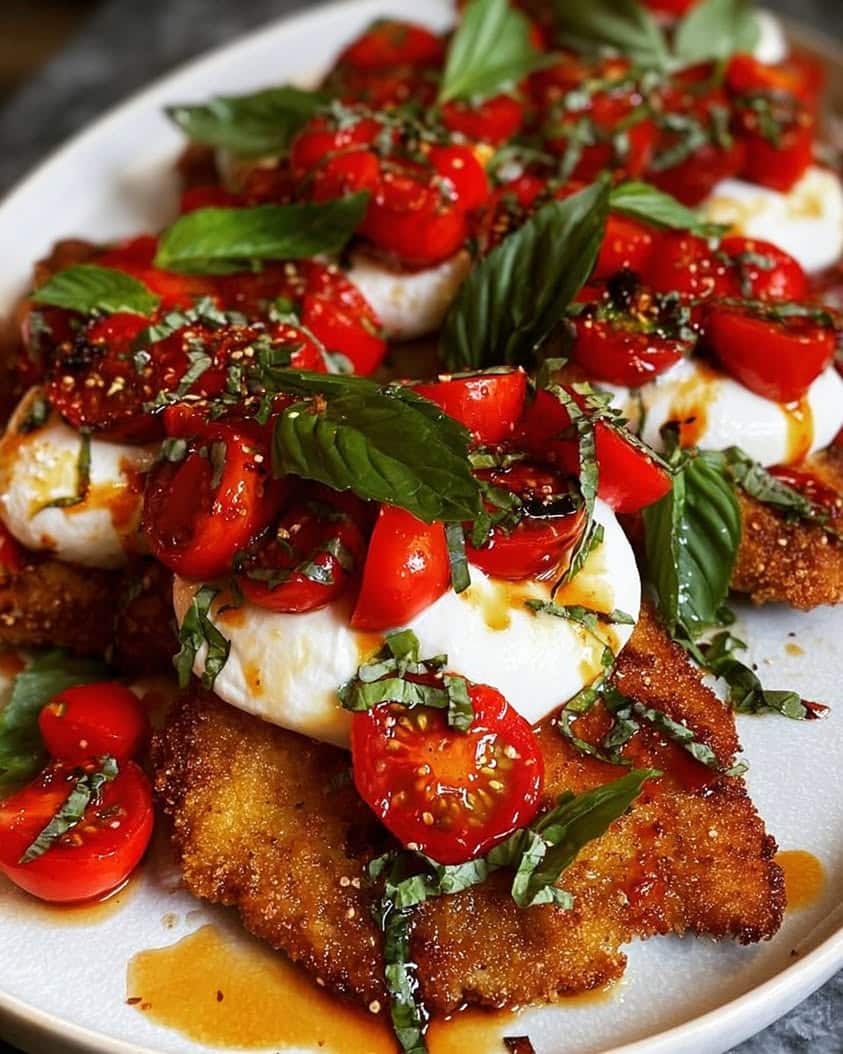
Italian Basil Chicken Cutlets with Tomato and Burrata Topping: A Restaurant-Quality Dinner in 30 Minutes
Imagine a dish that delivers the vibrant, sun-drenched flavors of an Italian summer on a single plate. This recipe for Italian Basil Chicken Cutlets with Tomato and Burrata Topping does exactly that. It transforms simple chicken breasts into a stunning, flavor-packed meal that looks and tastes like it came from a trattoria. The combination of juicy, herb-crusted chicken with a cool, creamy burrata and a bright tomato salad is simply irresistible. Furthermore, it is a perfect solution for busy weeknights when you crave something special without spending hours in the kitchen.
The magic of this Italian Basil Chicken Cutlets with Tomato and Burrata Topping lies in its beautiful contrasts. You get the savory, golden-brown sear on the chicken, the sweet acidity of ripe tomatoes, the fresh punch of basil, and the luxurious, milky richness of burrata cheese. Each component complements the others perfectly, creating a symphony of textures and tastes. Consequently, this dish is guaranteed to impress family and guests alike, proving that elegant food can be incredibly straightforward to prepare. It is a celebration of high-quality, fresh ingredients coming together with minimal fuss.
Quick Recipe Highlights
- Flavor Profile: This dish is a masterclass in balance. The savory, garlicky chicken provides a hearty base, while the tomato topping offers sweet and tangy notes. Finally, the creamy burrata adds a decadent, rich finish that ties everything together beautifully.
- Texture: You will experience a delightful contrast in every bite. The chicken cutlets are tender with a lightly crisp exterior. Meanwhile, the tomatoes are juicy, and the burrata provides an incredibly soft, almost molten center that melts on your tongue.
- Aroma: As the chicken cooks, the kitchen fills with the warm, inviting scent of garlic and toasted breadcrumbs. Then, the fresh aroma of torn basil and the bright scent of ripe tomatoes add a layer of garden-fresh fragrance just before serving.
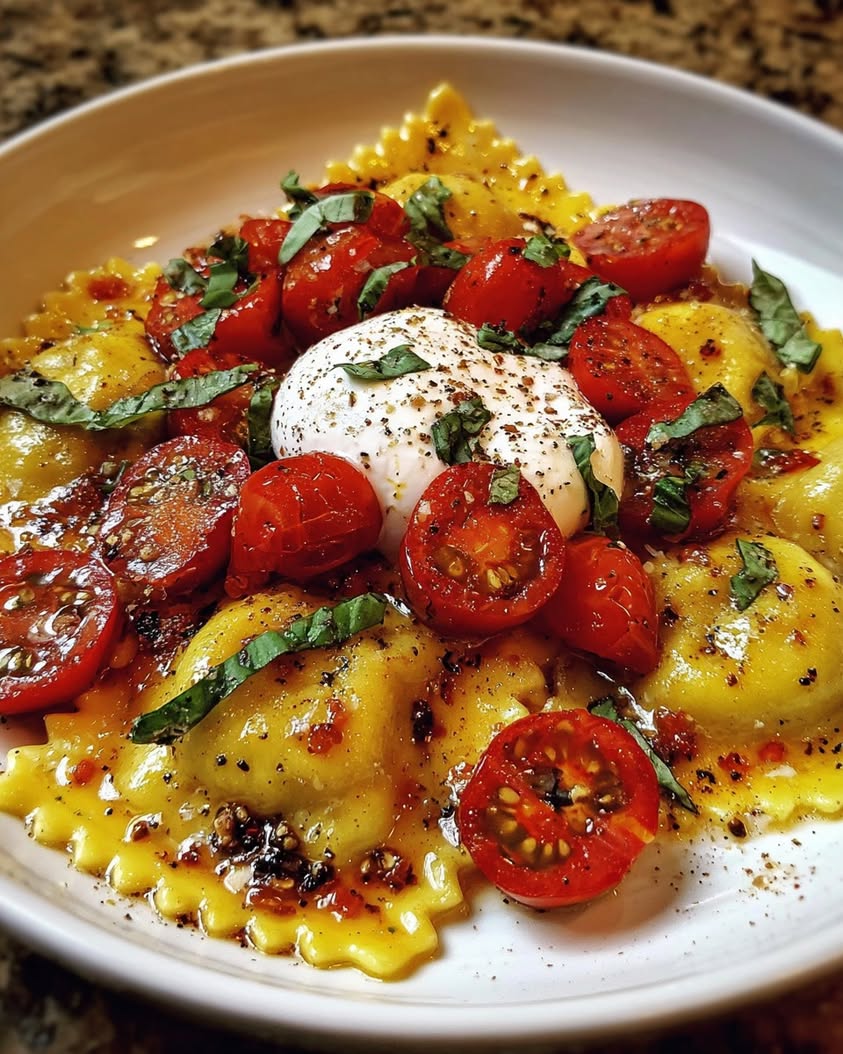
- Visual Appeal: The presentation is stunning. Golden-brown chicken cutlets act as a canvas for the vibrant red tomatoes, green basil, and snowy-white burrata. It is a colorful, restaurant-worthy plate that is perfect for photographing.
- Skill Level Needed: This is a beginner-friendly recipe. The techniques involve basic pan-frying and simple assembly. Therefore, even novice cooks can achieve fantastic results by following a few key steps for perfect chicken and a balanced topping.
- Special Equipment: You need only standard kitchen tools. A sharp knife, a cutting board, a heavy-bottomed skillet (like cast iron or stainless steel), and a meat mallet or rolling pin for pounding the chicken are the essentials for success.
Recipe Overview
- Difficulty Level: This recipe is rated easy because it uses fundamental cooking techniques. Pounding chicken to an even thickness is simple, and pan-frying is a core skill. The topping requires no cooking, just assembly. However, attention to timing ensures the chicken stays juicy and the burrata remains cool and creamy.
- Category: This dish is incredibly versatile. It functions perfectly as a quick weeknight dinner, a fancy date-night meal, or a impressive yet simple dish for entertaining guests. It sits comfortably between everyday cooking and special occasion fare.
- Cuisine: The recipe draws direct inspiration from the rustic, ingredient-focused cooking of Southern Italy. It celebrates classic Mediterranean flavors like basil, tomato, garlic, and olive oil, while the use of burrata adds a touch of modern luxury to a traditional flavor combination.
- Cost: This is a cost-effective way to enjoy a luxurious meal. Chicken breasts are an affordable protein. While burrata can be a splurge, a little goes a long way. Seasonal tomatoes and homegrown basil can significantly reduce the cost, making it accessible for most budgets.
- Season: This dish shines brightest in late summer when tomatoes and basil are at their peak flavor. Nevertheless, it can be enjoyed year-round using quality greenhouse tomatoes and fresh herbs from the store, bringing a taste of summer to any table.
- Occasion: It is ideal for casual al fresco dinners, romantic meals at home, or when you need a show-stopping main course without complex preparation. It is also excellent for meal prep, as components can be prepared ahead for easy assembly.
Why You’ll Love This Recipe
First and foremost, the taste and texture appeal is undeniable. Each forkful delivers a perfect harmony. You get the savory, satisfying protein from the chicken, the juicy burst of tomato, the aromatic freshness of basil, and the indulgent creaminess of burrata. This combination is universally loved because it hits all the right notes. The dish feels both comforting and sophisticated, making it a reliable choice for pleasing diverse palates. Ultimately, it is a crowd-pleaser that never fails to deliver on its promise of big flavor.
Secondly, the convenience factor is a major win. From start to finish, this Italian Basil Chicken Cutlets with Tomato and Burrata Topping takes about 30 minutes. The active cooking time is short and manageable. Moreover, the ingredient list is short and features items you can often find at a standard grocery store. The process is straightforward, with most of the effort going into prepping the simple topping while the chicken cooks. This efficiency makes it a perfect after-work dinner solution that feels special.
From a nutritional standpoint, this recipe offers a well-rounded meal. Chicken breast is an excellent source of lean protein. Tomatoes provide vitamin C, potassium, and the antioxidant lycopene. Basil adds vitamins A and K, along with beneficial plant compounds. Using olive oil for cooking contributes heart-healthy monounsaturated fats. By controlling the amount of breadcrumbs and cheese, you can easily tailor the dish to fit various dietary goals, making it both delicious and nourishing.
For social and entertaining value, this dish is a superstar. It presents beautifully on a platter, encouraging a family-style serving that feels warm and inviting. It is impressive enough for guests but not so fussy that the host is stuck in the kitchen all night. You can easily double or triple the recipe for a larger group. Additionally, the components can be prepared in advance, so final assembly is quick and stress-free, allowing you to enjoy your own party.
Finally, it is cost-effective and accessible. Compared to ordering a similar dish at a restaurant, making this at home saves a significant amount of money. Chicken is an economical protein choice. While burrata is a premium ingredient, a single ball can top four cutlets, making its cost per serving reasonable. You can use the best seasonal produce you can find, and the recipe remains forgiving. This accessibility ensures that a taste of Italian-inspired luxury is never out of reach.
Historical Background and Cultural Significance
The origins of this dish are rooted in the cucina povera tradition of Italy, which means “poor kitchen.” This style of cooking emphasizes transforming humble, readily available ingredients into extraordinary meals. Chicken cutlets, or “cotoletta,” are a staple throughout Italy, often simply prepared with breadcrumbs and pan-fried. The addition of tomato and basil reflects the classic “insalata Caprese” combination from the island of Capri, symbolizing the colors of the Italian flag: red, white, and green. This recipe is a modern fusion of these two beloved concepts.
Culturally, meals in Italy are centered around fresh, high-quality ingredients and sharing. A dish like this embodies that philosophy perfectly. It is meant to be shared from a central platter, encouraging conversation and connection. The use of burrata, a fresh cheese from the Puglia region, adds a touch of indulgence. Burrata, meaning “buttered,” was historically a way for cheesemakers to use up leftover curds, creating a luxurious product from simple beginnings. This ethos of making the most of what you have is at the heart of the recipe.
The evolution of the recipe follows the global appreciation for Italian cuisine. As ingredients like burrata and fresh basil became more widely available outside Italy, home cooks and chefs began experimenting. The idea of topping a protein with a Caprese-style salad is a natural progression, adding freshness and richness to a simple cutlet. This version represents a contemporary take that respects tradition while embracing modern accessibility and presentation styles. It is a testament to the adaptability of Italian culinary principles.
Regional variations of this concept abound. In Milan, a “cotoletta alla Milanese” is a breaded veal cutlet, often served with a simple wedge of lemon. In the south, you might find chicken “alla pizzaiola,” topped with a cooked tomato sauce. The uncooked tomato and basil topping is distinctly Southern Italian, celebrating raw, sun-ripened produce. Some modern variations might include a balsamic glaze drizzle, toasted pine nuts in the topping, or using mozzarella di bufala instead of burrata. Each variation highlights local preferences and ingredients.
Ingredient Deep Dive
Chicken Breasts: Chicken is a globally cherished protein, prized for its versatility and mild flavor. For this recipe, boneless, skinless breasts are ideal because they cook quickly and provide a lean, blank canvas for the other flavors. Nutritionally, they are an excellent source of complete protein, niacin, and selenium. When selecting, look for plump, pink breasts with minimal liquid in the package. To ensure even cooking, pound them to a uniform 1/2-inch thickness. You can substitute with chicken thighs for a richer flavor, though cooking time will increase slightly.
Burrata Cheese: Burrata is a fresh Italian cheese from Puglia, with an outer shell of solid mozzarella and a luscious, creamy interior of stracciatella and cream. Its name means “buttered,” which perfectly describes its rich, milky flavor and texture. It is a good source of calcium and protein. Always seek the freshest burrata possible, sold in liquid, and use it within a day or two of purchase. For storage, keep it in its liquid in the refrigerator. If unavailable, fresh mozzarella (mozzarella di bufala is excellent) or a creamy goat cheese can be used, though the experience will be different.
Fresh Basil: Basil is synonymous with Italian cooking and is revered for its sweet, peppery, and slightly minty aroma. It contains antioxidants and essential oils like eugenol, which have anti-inflammatory properties. For the best flavor, choose vibrant green leaves with no dark spots or wilting. Tear the leaves by hand just before using to prevent bruising and blackening. Store basil like a bouquet of flowers: stems in water at room temperature. While other herbs like oregano or mint could provide a different twist, basil is non-negotiable for the authentic Caprese spirit of this topping.
Heirloom or Cherry Tomatoes: Tomatoes are the heart of the topping, providing sweetness and acidity. Heirloom varieties offer complex flavors, while cherry or grape tomatoes are reliably sweet year-round. They are rich in lycopene, vitamin C, and potassium. Select tomatoes that are heavy for their size, fragrant, and free of bruises. In summer, use whatever is locally ripe. Off-season, cherry tomatoes are often the best bet. Never refrigerate tomatoes, as cold temperatures degrade their texture and flavor. Keep them on the counter until ready to use.
Panko Breadcrumbs: Panko are Japanese-style breadcrumbs known for their light, airy, and crisp texture. They create a crunchier, less dense coating than traditional breadcrumbs. They are typically made from crustless bread, resulting in a flakier finish. For a gluten-free version, use certified gluten-free panko or crushed gluten-free crackers. Toasting the panko in a dry pan with a little garlic before breading the chicken adds an extra layer of nutty flavor and ensures maximum crispiness that stands up to the juicy topping.
Common Mistakes to Avoid
- Not Pounding the Chicken Evenly: Skipping this step leads to uneven cooking. The thin parts will overcook and dry out before the thick parts are done. Always pound chicken to a uniform 1/2-inch thickness for perfect, juicy results every time.
- Using Cold Burrata Straight from the Fridge: Burrata tastes best when slightly cooler than room temperature. Taking it out of the fridge 15-20 minutes before serving allows its creamy center to soften and its delicate flavors to shine, enhancing the overall dish.
- Overcrowding the Pan: Adding too many chicken cutlets to the skillet at once drops the pan temperature dramatically. This causes the chicken to steam instead of sear, resulting in a soggy, pale coating. Cook in batches for a perfect golden-brown crust.
- Salting the Tomato Topping Too Early: If you mix the tomatoes, basil, and salt long before serving, the salt will draw out excessive moisture, creating a watery pool on your chicken. Assemble the tomato mixture just before you are ready to plate.
- Using Stale or Low-Quality Breadcrumbs: Old breadcrumbs can taste musty and won’t crisp up properly. For the best flavor and texture, use fresh panko and consider toasting them lightly in a dry pan with a minced garlic clove before breading.
- Cutting the Burrata with a Knife on the Chicken: This mashes the beautiful cheese and can scratch your plate. Tear the burrata gently with your hands or two spoons directly over the chicken for a rustic, appealing presentation that preserves its texture.
- Not Letting the Chicken Rest: Slicing into the chicken immediately after cooking lets all the precious juices run out. Let it rest for 5 minutes on a wire rack. This allows the juices to redistribute, ensuring every bite is moist.
- Forgetting to Season the Flour: The seasoning process starts with the first layer of your breading station. Season the flour generously with salt and pepper. This builds layers of flavor directly into the crust of the chicken cutlet.
Essential Techniques
Pounding Chicken Cutlets: This technique is crucial for even cooking and tenderness. Place a chicken breast between two sheets of plastic wrap or in a zip-top bag. Using the flat side of a meat mallet or a rolling pin, start from the center and pound outward to your desired thickness. The goal is an even, uniform piece of meat. This not only ensures consistent cooking but also tenderizes the fibers, resulting in a more enjoyable texture. Avoid pounding too thin, or the chicken may become tough and dry.
The Standard Breading Procedure: This three-step method creates the perfect adhesive crust. First, dredge in seasoned flour, shaking off excess. This dry layer helps the next layer stick. Second, dip in beaten egg, letting the excess drip off. The egg acts as the glue. Third, press firmly into the panko breadcrumbs, ensuring full coverage. Let the breaded cutlets rest on a wire rack for 5-10 minutes before frying. This rest allows the coating to set, which prevents it from falling off during cooking.
Pan-Frying for a Perfect Sear: Use a heavy-bottomed skillet and enough oil to lightly coat the bottom. Heat the oil over medium-high heat until it shimmers. Carefully add the chicken, laying it away from you to avoid oil splatter. Do not move it for the first 2-3 minutes to allow a golden crust to form. Then, flip and cook the other side. The key is maintaining the right oil temperature; if it’s too low, the chicken absorbs oil and gets greasy; if too high, the coating burns before the chicken cooks through.
Tearing Herbs vs. Chopping: For delicate herbs like basil, tearing is superior to chopping. A knife’s blade bruises the leaves, causing them to blacken quickly and releasing bitter chlorophyll. Tearing by hand along the natural leaf veins preserves the herb’s essential oils, color, and fresh flavor. This technique is especially important for a dish where basil is a primary flavor component and visual garnish. Tear the basil just moments before scattering it over the dish for maximum impact.
Pro Tips for Perfect Italian Basil Chicken Cutlets with Tomato and Burrata Topping
First, toast your panko breadcrumbs in a dry skillet with a little minced garlic before using them for breading. This simple step deepens their flavor to a nutty golden brown and ensures they stay extra crisp even under the juicy tomato topping.
For the most flavorful chicken, create a compound butter with softened butter, minced garlic, and chopped basil. After cooking, place a small slice on top of each hot cutlet and let it melt over the surface before adding the cold topping.
If your tomatoes are not at peak sweetness, a tiny pinch of sugar in the tomato-basil mixture can help balance their acidity. This trick mimics the natural sugar content of perfectly ripe summer tomatoes.
Use a wire rack set over a baking sheet for resting the cooked chicken. This prevents the bottom crust from getting soggy from trapped steam, which happens if you rest it on a plate.
For a beautiful presentation, slice the chicken cutlets on a bias after resting, then fan the slices on the plate before topping. This makes the dish easier to eat and shows off the juicy interior.
Add a textural contrast by sprinkling a few flaky sea salt crystals (like Maldon) and a crack of black pepper over the assembled dish just before serving. The salt crystals provide a delightful crunch.
Warm your serving plates slightly. This keeps the chicken hot longer after the cool burrata and tomato topping is added, ensuring the ideal temperature contrast throughout the meal.
If making for a crowd, keep components separate until the last moment. Serve the chicken on a platter with the tomato salad and whole burrata ball in bowls, allowing guests to assemble their own plates.
Variations and Adaptations
Regional Variations: For a Neapolitan twist, add a few tablespoons of rinsed capers and chopped Gaeta olives to the tomato mixture. A Sicilian version might include toasted pine nuts and raisins for a sweet-and-savory note. In Northern Italy, you might find a similar dish using veal (vitello) instead of chicken and perhaps topped with arugula (rucola) alongside the tomatoes.
Seasonal Adaptations: In summer, use a mix of heirloom tomatoes in different colors. In fall, try roasted cherry tomatoes with a touch of balsamic glaze. For winter, a quick relish of sun-dried tomatoes (rehydrated and chopped) with basil offers intense flavor when fresh tomatoes are lackluster.
Dietary Modifications: For a gluten-free version, use gluten-free panko or crushed pork rinds. To make it dairy-free, omit the burrata or use a high-quality vegan mozzarella-style cheese that softens well. A keto adaptation would use crushed pork rinds or almond flour for breading and increase the fat content with an extra drizzle of robust olive oil.
Flavor Variations: Infuse the olive oil for the tomato salad with red pepper flakes for a spicy kick. Add finely chopped shallot or a minced anchovy fillet to the tomato mixture for depth. A drizzle of aged balsamic reduction or a squeeze of lemon juice over the finished plate can brighten all the flavors.
Texture Modifications: For extra crunch, mix finely grated Parmesan cheese into the panko breadcrumbs. Alternatively, skip breading altogether and simply season and sear the chicken for a lighter, gluten-free version, focusing on a beautiful sear instead of a crust.
Presentation Alternatives: Serve the chicken whole on a large platter family-style, or slice it and arrange it on individual plates. For an appetizer, use smaller chicken tenders or even large shrimp. You can also deconstruct the salad and serve the components in separate bowls for a interactive dining experience.
Serving and Presentation Guide
Plating Techniques: For individual servings, place a chicken cutlet slightly off-center on a warm plate. Spoon the tomato and basil mixture over the top, allowing some to spill onto the plate. Tear pieces of burrata and nestle them artfully into the tomatoes. The goal is a casual, abundant look rather than a perfectly stacked tower. This rustic presentation is inviting and highlights all the components.
Garnishing Ideas: Beyond the basil in the salad, add a few whole small basil leaves or tiny sprigs for a fresh pop of green. A final drizzle of your best extra-virgin olive oil adds shine and flavor. Microgreens, edible flowers, or a light sprinkle of smoked paprika can add color and a subtle flavor twist.
Traditional Accompaniments: In Italy, a simple protein like this might be served with a side of seasonal vegetables or a light salad. Roasted asparagus, sautéed spinach with garlic, or a simple arugula salad with lemon vinaigrette are perfect choices that won’t compete with the main dish.
Modern Serving Suggestions: For a complete meal, serve over a bed of creamy polenta, which soaks up the delicious juices. Alternatively, alongside crispy roasted potatoes or a slice of crusty, grilled bread to mop up the tomato and burrata remnants is always a crowd-pleaser.
Temperature Considerations: The magic of this dish is the contrast between the hot, savory chicken and the cool, creamy, fresh topping. Ensure the chicken is served piping hot straight from the skillet after its brief rest. The tomato salad and burrata should be cool, not ice-cold, for the best texture and flavor melding.
Portion Control Tips: One standard chicken breast, pounded, is typically one serving. A single 8-ounce ball of burrata is perfect for topping four cutlets. For the tomato salad, about 1 cup of chopped tomatoes per person is a good guideline. These ratios ensure a balanced plate where no single ingredient overwhelms the others.
Wine and Beverage Pairing
Wine Pairings: A medium-bodied Italian white wine like Vermentino or Falanghina is ideal. Their crisp acidity cuts through the richness of the burrata, while their citrus and herbal notes complement the basil and tomato. For red wine lovers, a lighter, low-tannin red like a Barbera or a chilled Frappato works beautifully without overpowering the chicken’s delicate crust.
Non-Alcoholic Alternatives: Sparkling water with a twist of lemon or a few basil leaves is refreshing. A basil-infused lemonade or an iced herbal tea (like hibiscus or peppermint) pairs wonderfully. For a more complex option, try a non-alcoholic Italian-style bitter soda or a seedlip garden spirit with tonic.
Coffee/Tea Pairings: After the meal, an espresso or a macchiato is a classic Italian finish. For tea, a light, floral white tea or a peppermint herbal tea can cleanse the palate nicely without conflicting with the meal’s lingering savory and creamy notes.
Temperature Considerations: White wines should be served well-chilled, around 45-50°F. Light reds can be served slightly cooler than room temperature, around 55-60°F. Non-alcoholic sparkling drinks should be ice-cold to provide the best contrast and refreshment alongside the rich dish.
Serving Suggestions: Pour wine into appropriate stemware to appreciate its aroma. For non-alcoholic options, use tall glasses with plenty of ice. Always offer water on the table to cleanse the palate between bites, especially given the variety of textures and flavors in this dish.
Storage and Shelf Life
Storage Methods: Store components separately for best results. Place cooled chicken cutlets in an airtight container in the refrigerator for up to 3 days. Keep the tomato-basil mixture (without salt) in a separate container for 1-2 days. Burrata should remain in its original liquid in the fridge and be used within 2 days of opening.
Temperature Requirements: All components must be refrigerated at or below 40°F. Do not leave the assembled dish at room temperature for more than two hours, as the dairy and protein create a risk for bacterial growth.
Container Recommendations: Use shallow containers for the chicken to prevent condensation from making the crust soggy. A glass container is best for the tomato mixture. Always keep burrata submerged in its liquid in a sealed container.
Signs of Spoilage: Discard the chicken if it develops an off odor, slimy texture, or unusual color. The tomato salad is bad if it becomes excessively watery, mushy, or smells fermented. Burrata is spoiled if the outer shell is slimy, the liquid is cloudy, or it smells sour.
Reheating Instructions: Reheat chicken only. Place on a wire rack over a baking sheet and warm in a 350°F oven for 10-15 minutes until hot. This method helps re-crisp the coating. Avoid the microwave, as it will make the breading soggy. Assemble with fresh tomato salad and burrata after reheating.
Freezing Guidelines: Freezing is not recommended for the assembled dish. You can freeze the cooked, breaded chicken cutlets before adding topping. Cool completely, wrap individually in plastic, and freeze in a single layer before transferring to a bag. Reheat from frozen in a 375°F oven until hot and crisp. The tomato salad and burrata cannot be frozen.
Make Ahead Strategies
Prep Timeline: You can prep most components 1 day ahead. Pound and season the chicken, then store it covered in the fridge. Mix the tomato salad ingredients (except salt) and store separately. Toast the panko breadcrumbs and set up your breading station ingredients. This leaves only breading, frying, and assembly for the day of serving.
Storage Between Steps: Keep the prepped chicken on a plate covered with plastic wrap in the fridge. The dry ingredients for breading (flour, toasted panko) can be kept in bowls at room temperature. The egg wash should be mixed and stored in the fridge in a sealed container.
Quality Impact Assessment: Pre-pounding and seasoning the chicken actually improves flavor as the salt penetrates the meat. The tomato salad will soften slightly overnight but remains tasty if not salted early. Toasted panko stays crisp. The final dish’s quality remains very high with this make-ahead approach.
Assembly Tips: On serving day, bread and cook the chicken. While it rests, salt the tomato salad and tear the burrata. This workflow ensures everything comes together at its peak. Assemble the plates just before serving to maintain the ideal temperature contrast and prevent a soggy crust.
Reheating Guidelines: If you must cook the chicken ahead, follow the oven reheating method described in storage. It is always best to cook it fresh, but reheated can still be excellent if done properly to restore crispness.
Fresh Element Additions: Always add the final elements at the last second. Tear the basil and mix it with the tomatoes right before assembling. Add the burrata at the very end. A final drizzle of fresh, high-quality olive oil should be done just before the dish hits the table.
Scaling Instructions
Halving the Recipe: Halving is straightforward for smaller servings. Use one large chicken breast, halved and pounded. Reduce all other ingredients by half. Cooking time remains similar, but you may use a smaller skillet. The tomato and burrata topping is easy to scale down proportionally.
Doubling or Tripling: For larger groups, double or triple all ingredients. Use multiple skillets or cook the chicken in batches, keeping finished cutlets warm on a wire rack in a 200°F oven. Mix the tomato salad in a large bowl. You may need multiple balls of burrata. Consider pre-tearing the burrata into a bowl for easier serving.
Equipment Adjustments: When scaling up, ensure you have a large enough vessel for the tomato salad and enough space on sheet trays for holding cooked chicken. A large electric griddle can be excellent for cooking many cutlets at once. Have extra plates and serving platters ready.
Timing Modifications: The prep time will increase linearly with the quantity. However, efficient organization is key. Set up an assembly line for breading. While one batch of chicken cooks, bread the next. The actual cook time per batch does not change significantly.
Storage Considerations: Leftovers scale proportionally. Ensure you have enough appropriate-sized containers to store components separately if you have leftovers from a large batch. This prevents food waste and maintains quality for next-day meals.
Nutritional Deep Dive
Macro Breakdown: A typical serving provides a balanced mix of macros. The chicken offers high-quality protein essential for muscle repair. The olive oil and burrata contribute healthy fats, including monounsaturated fats from the oil. The panko and tomatoes provide carbohydrates, primarily in the form of fiber and natural sugars. This balance helps keep you full and energized.
Micronutrient Analysis: This dish is rich in several vitamins and minerals. Tomatoes are an excellent source of vitamin C, potassium, and the antioxidant lycopene. Basil provides vitamin K, essential for blood clotting, and vitamin A. Chicken offers B vitamins like niacin and B6, crucial for energy metabolism. Burrata contributes calcium for bone health.
Health Benefits: The combination of lean protein, healthy fats, and antioxidants supports overall wellness. Lycopene from tomatoes is linked to heart health. The monounsaturated fats in olive oil are anti-inflammatory. The meal is satiating, which can aid in weight management by preventing overeating. The fresh ingredients also promote good digestive health.
Dietary Considerations: The recipe is naturally low in sugar, especially if you choose ripe, sweet tomatoes. It can be adapted to be gluten-free and lower in carbs by modifying the breading. For those monitoring sodium, control the amount of added salt in the breading and tomato salad.
Portion Analysis: One chicken cutlet with a quarter of the topping is a satisfying single portion. The protein portion is roughly the size of your palm. The fat from the oil and cheese is substantial but comes from quality sources. The vegetable portion from the tomato salad is generous, contributing to your daily fiber and nutrient goals.
Weight Management Tips: To lighten the dish, use cooking spray instead of oil for pan-frying or bake the breaded chicken on a wire rack at 400°F until crisp. Reduce the amount of burrata or use part-skim fresh mozzarella. Increase the volume of the tomato salad with added diced cucumber or bell peppers for more bulk without many calories.
Dietary Adaptations
Gluten-Free: Substitute the all-purpose flour with a gluten-free all-purpose blend or almond flour. Use certified gluten-free panko breadcrumbs. Ensure all other ingredients, like spices, are certified gluten-free. The cooking method remains identical, resulting in a crispy cutlet safe for those with celiac disease or gluten sensitivity.
Dairy-Free: Omit the burrata cheese entirely. The dish will still be delicious with just the tomato and basil topping. For a creamy element, consider a dollop of dairy-free pesto or a drizzle of vegan cashew cream. Alternatively, use a high-quality vegan mozzarella-style cheese that softens well.
Vegan: Replace the chicken with thick slices of pressed, extra-firm tofu or large portobello mushroom caps. Use a vegan egg wash (like flax egg or aquafaba) for breading. Omit the burrata or use a vegan mozzarella. The tomato-basil topping remains the same. Pan-fry or bake the breaded vegan cutlets until golden.
Low-Carb/Keto: Replace the flour and panko with a mixture of finely grated Parmesan cheese and crushed pork rinds or almond flour. This creates a flavorful, crispy, low-carb crust. Ensure the tomatoes are used in moderation to stay within carb limits, and focus on the fat from olive oil and burrata.
Paleo: Use almond flour and crushed nuts (like almonds or pecans) for the breading. Ensure the chicken is pasture-raised if following strict paleo guidelines. Omit the cheese, as dairy is not paleo. Increase the amount of olive oil and add avocado slices to the topping for healthy fats.
Low-FODMAP: Use garlic-infused olive oil instead of fresh garlic in the breading and tomato salad to impart flavor without the high-FODMAP garlic fructans. Ensure the panko is gluten-free. Limit the tomato portion to 1/2 cup per serving if sensitive to fructose. Omit the burrata or use a lactose-free fresh cheese if lactose is a trigger.
Troubleshooting Guide
Texture Issues (Soggy Coating): A soggy crust is usually caused by overcrowding the pan, oil that isn’t hot enough, or not letting the breaded chicken rest before frying. Ensure your oil shimmers before adding chicken, cook in batches, and let the breaded cutlets sit for 5-10 minutes to set the coating. Using a wire rack to rest cooked chicken also prevents sogginess from steam.
Flavor Balance (Bland Chicken): If the chicken lacks flavor, the seasoning likely didn’t penetrate. Always season the chicken directly with salt and pepper before starting the breading process. Furthermore, season the flour layer generously. Finally, using a flavorful fat like a mixture of olive oil and butter for frying can add another layer of taste.
Temperature Problems (Burrata Too Cold/Cold Chicken): To fix cold burrata, Print
Italian Basil Chicken Cutlets with Tomato and Burrata Topping
- Total Time: 45 minutes
- Yield: 4
Description
Juicy chicken cutlets pan-seared with garlic and fresh basil, topped with a vibrant tomato salad and creamy burrata cheese for a simple yet elegant Italian-inspired meal.
Ingredients
- 4 boneless, skinless chicken cutlets (about 1.5 lbs)
- 1/2 cup all-purpose flour
- 2 large eggs, beaten
- 1 cup panko breadcrumbs
- 1/2 cup grated Parmesan cheese
- 1/4 cup fresh basil leaves, chopped, plus more for garnish
- 3 cloves garlic, minced
- 1/2 tsp salt
- 1/4 tsp black pepper
- 1/4 cup olive oil
- 2 cups cherry tomatoes, halved
- 8 oz burrata cheese
- 2 tbsp balsamic glaze
- Extra virgin olive oil for drizzling
Instructions
- Pound chicken cutlets to an even 1/2-inch thickness using a meat mallet or rolling pin.
- Set up a breading station: place flour in one shallow dish, beaten eggs in another, and mix panko, Parmesan, chopped basil, garlic, salt, and pepper in a third dish.
- Dredge each cutlet in flour, dip in egg, then coat thoroughly in the panko mixture, pressing gently to adhere.
- Heat olive oil in a large skillet over medium-high heat. Cook cutlets for 4-5 minutes per side until golden brown and cooked through. Transfer to a plate.
- In a bowl, toss cherry tomatoes with a pinch of salt and a drizzle of olive oil.
- Place chicken cutlets on serving plates, top each with a portion of burrata cheese and the tomato mixture. Drizzle with balsamic glaze and extra olive oil, garnish with fresh basil leaves.
Notes
You can customize the seasonings to taste.
- Prep Time: 15 minutes
- Cook Time: 30 minutes
- Method: Main
- Cuisine: Italian