Creamy Shrimp Linguine Recipe: A Restaurant-Quality Explosion of Flavors
Imagine a pasta dish that delivers a true explosion of flavors in every single bite. This creamy shrimp linguine recipe does exactly that, transforming simple ingredients into a luxurious and satisfying meal. The combination of plump, juicy shrimp with a velvety, garlic-infused sauce creates a symphony of taste that feels both comforting and elegant. Furthermore, the entire dish comes together in about thirty minutes, making it a perfect solution for a busy weeknight or an impressive last-minute dinner party.
The magic of this shrimp linguine lies in its beautiful balance. You get the sweet, delicate flavor of perfectly cooked shrimp, the rich depth of a creamy Parmesan sauce, and the bright, fresh finish of lemon and herbs. Each element complements the others without overpowering. Consequently, you achieve a restaurant-quality result right in your own kitchen, without any complicated techniques or hard-to-find ingredients. This recipe proves that incredible food doesn’t require hours of labor, just a focus on quality and timing.
Ultimately, this dish is a celebration of texture and taste. The al dente linguine provides the perfect vehicle to soak up the luscious sauce, while the shrimp adds a delightful pop with each mouthful. The aroma alone, as the garlic and white wine hit the pan, will draw everyone into the kitchen. This creamy shrimp linguine is more than just dinner; it’s an experience that turns an ordinary evening into something special. Let’s dive into how you can create this masterpiece.
Quick Recipe Highlights
- Flavor Profile: This dish offers a complex yet harmonious blend. You experience the sweet, oceanic taste of shrimp first, followed by the rich, savory notes of garlic, Parmesan, and cream. Finally, a bright acidity from lemon and white wine cuts through the richness, creating a perfectly balanced explosion of flavors.
- Texture: The texture is a key part of the experience. You get the satisfying chew of al dente linguine noodles coated in a silky, clingy sauce. Meanwhile, the shrimp provide a firm, juicy bite that contrasts beautifully with the creamy base, ensuring every forkful is interesting.
- Aroma: The cooking process fills your kitchen with an irresistible fragrance. First, the scent of sautéing garlic and shallots builds a savory foundation. Then, the aroma of white wine deglazing the pan adds a fruity sharpness, followed by the comforting smell of cream and fresh herbs like parsley.
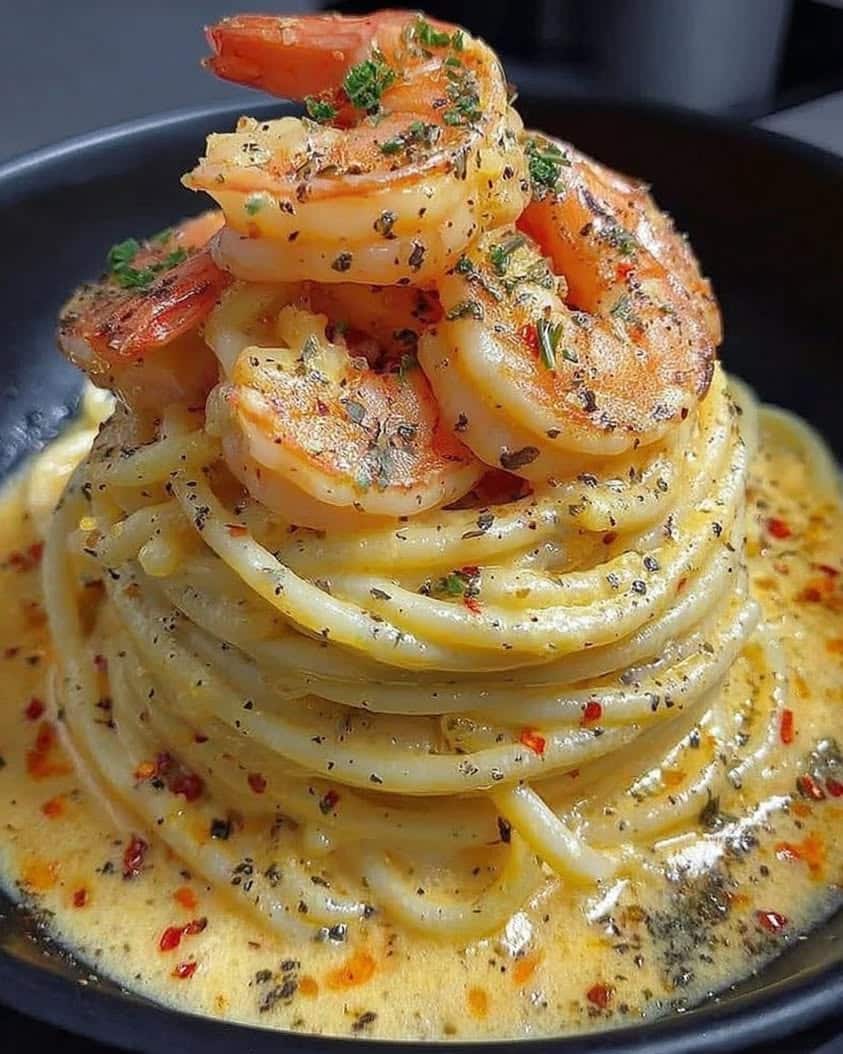
- Visual Appeal: This dish is a feast for the eyes. The pale pink shrimp nestle among the creamy, pale yellow pasta, creating a beautiful color palette. Vibrant green parsley or basil sprinkled on top adds a fresh pop, making the plate look as delicious as it tastes.
- Skill Level Needed: This is an accessible recipe for most home cooks. You need basic skills like sautéing, boiling pasta, and making a simple pan sauce. However, mastering the timing—cooking the shrimp perfectly and reducing the sauce to the right consistency—is the key to elevating it from good to great.
- Special Equipment: You only need standard kitchen tools. A large pot for boiling pasta and a large, deep skillet or sauté pan are essential. Additionally, a good set of tongs for handling the pasta and a microplane for fresh Parmesan cheese will make the process smoother and more enjoyable.
Recipe Overview
- Difficulty Level: We rate this creamy shrimp linguine recipe as “Easy.” The steps are straightforward and logical. You primarily perform sequential tasks: prep ingredients, cook pasta, sauté shrimp, and build the sauce. While it requires attention to prevent overcooking the shrimp or breaking the sauce, the techniques are fundamental and easy to master with this guide.
- Category: This dish fits perfectly into several meal categories. Primarily, it’s a fantastic main course for lunch or dinner. It also works wonderfully as a special occasion meal or a date-night-in recipe. Because it’s both hearty and elegant, it transitions seamlessly from a casual family meal to a more formal gathering.
- Cuisine: This recipe draws inspiration from Italian-American cuisine. It uses the classic Italian foundation of pasta and garlic, then incorporates the rich, creamy sauce style popular in American adaptations. The use of shrimp and white wine also nods to coastal Italian cooking, resulting in a delicious fusion that celebrates the best of both worlds.
- Cost: Making this creamy shrimp linguine at home is significantly more cost-effective than ordering it at a restaurant. The most expensive ingredient is typically the shrimp. By using large, frozen raw shrimp and basic pantry staples like pasta, garlic, and cream, you can create a luxurious meal for four at a fraction of the dine-out price.
- Season: This is a versatile dish for any season. It feels light and fresh for spring and summer, especially with the bright lemon and herbs. Conversely, the creamy, comforting sauce makes it equally suitable for cozy fall and winter evenings. You can enjoy this shrimp pasta explosion year-round without hesitation.
- Occasion: This recipe is incredibly versatile for different occasions. It’s quick enough for a Tuesday night dinner yet impressive enough for entertaining guests. It makes a wonderful romantic meal for two, a celebratory family dinner, or a centerpiece for a small dinner party where you want to showcase your cooking skills without stress.
Why You’ll Love This Recipe
First and foremost, the taste and texture of this creamy shrimp linguine are utterly irresistible. Each forkful delivers a perfect harmony: the sweet, tender shrimp, the rich and garlicky sauce, and the perfectly cooked pasta. The lemon zest and juice provide a crucial bright note that prevents the dish from feeling too heavy. Consequently, you get a restaurant-quality explosion of flavors that is both sophisticated and deeply satisfying. The contrast between the silky sauce and the juicy shrimp creates a mouthfeel that keeps you coming back for more.
From a convenience standpoint, this recipe is a true weeknight hero. It requires only about thirty-five minutes from start to finish, with most of that time being active cooking. The ingredient list is simple and often already in your pantry or easy to find. Moreover, the process is mostly contained to two pots, minimizing cleanup. This efficiency means you can create a spectacular, from-scratch meal even on your busiest days, proving that delicious food doesn’t have to be complicated or time-consuming.
Nutritionally, this dish offers several benefits when enjoyed in moderation. Shrimp is an excellent source of lean protein and important nutrients like selenium and vitamin B12. Using a moderate amount of heavy cream and Parmesan provides richness without going overboard. You can also easily incorporate vegetables like spinach or peas for added fiber and vitamins. Therefore, this creamy shrimp linguine can be part of a balanced diet, offering both indulgence and valuable nutrients.
For social and entertaining value, this recipe is a guaranteed crowd-pleaser. Its visual appeal and incredible aroma make it perfect for serving to guests. The act of twirling pasta and sharing a flavorful meal is inherently communal and joyful. Furthermore, because you can do much of the prep ahead of time, you won’t be stuck in the kitchen while your company waits. You can be present, enjoying the conversation, confident that your main course will dazzle everyone at the table.
Finally, the cost-effectiveness and accessibility of this dish are major wins. Dining out on a similar seafood pasta can be very expensive. By cooking at home, you control the quality of ingredients, especially the shrimp, and save a substantial amount of money. Most ingredients are pantry staples or available at any grocery store. This accessibility means you can enjoy a taste of luxury anytime the craving strikes, making gourmet-style eating an affordable and regular part of your life.
Historical Background and Cultural Significance
The story of shrimp and pasta coming together has deep roots in the coastal regions of Italy, particularly in the South. Italian cuisine has long celebrated the fruits of the sea, combining them with locally grown wheat in the form of pasta. Dishes like “spaghetti ai gamberi” from Sicily showcase simple preparations of shrimp with garlic, olive oil, and sometimes tomato. The creamy version, however, is more indicative of Italian-American innovation, where abundant dairy met Old World traditions to create richer, more indulgent dishes in the new world.
Culturally, pasta with seafood holds a place of honor in Italian food tradition, often reserved for festive occasions and Sundays. The combination represents a marriage of land and sea, a celebration of regional bounty. In America, shrimp linguine in a creamy sauce became a staple on the menus of “red sauce” joints and finer Italian restaurants alike, symbolizing both comfort and a touch of elegance. It bridged the gap between familiar, hearty food and something perceived as special and luxurious.
The evolution of this specific recipe reflects broader trends in home cooking. As heavy cream and Parmesan became more readily available in post-war America, home cooks began experimenting with creating restaurant-style sauces at home. The “cream sauce” explosion in the 1980s and 1990s saw dishes like fettuccine Alfredo rise to fame, and shrimp was a natural, premium addition to that rich base. Today’s versions often lighten the approach with wine, lemon, and herbs, adapting to modern tastes while keeping the core comforting elements.
Regional variations of this concept are fascinating. In Italy, you’d more likely find a “linguine ai gamberi” with a sauce based on olive oil, white wine, and maybe a touch of tomato or chili. The French have their “crevettes à la crème,” often served with rice. The American creamy shrimp linguine sits comfortably between these, taking the Italian pasta, the French technique for a cream reduction, and the American love for generous, flavorful sauces. This global fusion is what makes the dish so beloved and adaptable to personal taste.
Ingredient Deep Dive
Linguine Pasta: Linguine, meaning “little tongues” in Italian, is a long, flat pasta that originated in the Liguria region. Its shape provides the perfect surface area for creamy sauces to cling to, ensuring every bite is coated. Made from durum wheat semolina, it offers a firm texture and a slight chew when cooked al dente. For the best results, use a high-quality brand and reserve a cup of the starchy pasta water before draining; this water is liquid gold for adjusting your sauce’s consistency at the end.
Raw Shrimp (Large, 21/25 count): Opt for raw, peeled, and deveined shrimp for the best flavor and texture. The “21/25” count means you get 21 to 25 shrimp per pound, a perfect size for a pasta dish. Shrimp are a great source of lean protein, iodine, and antioxidants. For maximum sweetness and a better bite, buy frozen shrimp and thaw them slowly in the refrigerator. Pat them completely dry before cooking to ensure a good sear and to prevent them from steaming in their own moisture.
Heavy Cream: Heavy cream, or heavy whipping cream, contains at least 36% milk fat. This high fat content is what allows the sauce to become luxuriously thick and silky when reduced, without breaking or curdling. It provides the rich, velvety base that defines the dish. For a slightly lighter version, you can substitute half-and-half, but be aware the sauce will be thinner and more prone to breaking if boiled vigorously. Always bring your cream to room temperature before adding it to the pan to prevent shocking the sauce.
Parmesan Cheese: Authentic Parmigiano-Reggiano, aged for at least 24 months, is worth the investment for this recipe. Its complex, nutty, and salty flavor dissolves into the sauce, adding depth and umami that pre-grated cheese cannot match. Grate it freshly with a microplane just before using. Parmesan is rich in calcium and protein. Store any leftover cheese wrapped in parchment paper in the refrigerator, not in plastic, which can cause it to sweat and develop off-flavors.
White Wine: A dry white wine like Sauvignon Blanc or Pinot Grigio serves multiple purposes. First, it deglazes the pan, lifting the flavorful browned bits (fond) left from cooking the shrimp and garlic. Second, its acidity balances the richness of the cream and cuts through the fat. The alcohol cooks off, leaving behind a nuanced fruity flavor. If you prefer not to cook with wine, you can substitute with an equal amount of low-sodium chicken or seafood broth mixed with a tablespoon of fresh lemon juice.
Common Mistakes to Avoid
- Overcooking the Shrimp: This is the most common error. Shrimp cook incredibly quickly, becoming rubbery and tough if left in the pan too long. Cook them just until they turn opaque and pink, which usually takes only 1-2 minutes per side. Remove them immediately from the pan and set aside while you make the sauce, adding them back at the very end just to warm through.
- Using Pre-Grated Parmesan: Pre-grated cheese contains anti-caking agents like cellulose, which prevent it from melting smoothly into a sauce. It can leave a grainy, clumpy texture. Always buy a block of real Parmigiano-Reggiano or Grana Padano and grate it yourself just before using. The difference in flavor and sauce silkiness is dramatic and non-negotiable for a restaurant-quality result.
- Skipping the Pasta Water: The starchy, salty water left from boiling the pasta is a magical ingredient. It helps bind the sauce to the noodles, adds a subtle seasoning, and adjusts consistency without making the sauce taste watery. Before you drain your linguine, always scoop out at least one cup of this water. You may not need it all, but having it ready is essential.
- Adding Cheese to a Boiling Sauce: If you add your freshly grated Parmesan directly into a violently bubbling sauce, the high heat can cause the proteins to seize up, creating a stringy, clumpy mess. To avoid this, remove the pan from the heat or turn it down to very low before stirring in the cheese. Let the residual heat melt it gently into the creamy base.
- Not Drying the Shrimp Thoroughly: If your shrimp are wet when they hit the hot pan, they will steam instead of sear. This prevents the development of flavorful browning and can make the shrimp watery, which will then dilute your sauce. Take the time to pat the shrimp completely dry with paper towels after thawing. This simple step ensures a better sear and a more concentrated flavor.
- Using a Pan That’s Too Small: Crowding the pan is a recipe for failure. If you try to cook all the shrimp in a small skillet, they’ll release too much moisture and steam. Similarly, you need a large, deep skillet or sauté pan to comfortably toss the cooked pasta with the sauce. A cramped pan makes even cooking and proper saucing nearly impossible.
- Forgetting to Season in Layers: Seasoning only at the end results in a flat-tasting dish. Instead, season in layers: salt the pasta water generously, season the shrimp before cooking, and taste and adjust the sauce before finishing. This builds a foundation of flavor throughout every component, leading to a perfectly seasoned final dish where every element sings.
- Boiling the Cream Sauce: Once you add the cream to the pan, you should bring it to a gentle simmer, not a rolling boil. Boiling heavy cream can cause it to separate or become greasy. A gentle simmer is sufficient to reduce the sauce to your desired thickness while keeping it smooth and velvety.
Essential Techniques
Preparing “Mise en Place”: This French term means “everything in its place.” Before you turn on the stove, chop all your aromatics (garlic, shallots), zest and juice your lemon, grate your cheese, and pat your shrimp dry. Having everything measured and ready is crucial for a recipe with fast-moving steps like this one. This organization prevents you from burning your garlic while you frantically juice a lemon, ensuring a smooth, stress-free cooking process and a perfect final dish.
Cooking Pasta Al Dente: “Al dente” translates to “to the tooth,” meaning the pasta should offer a slight resistance when bitten. To achieve this, cook the linguine in a large pot of generously salted boiling water for 1-2 minutes less than the package instructions suggest. The pasta will finish cooking in the sauce, absorbing its flavors and reaching perfect doneness. This technique prevents mushy pasta and integrates the noodles fully into the dish.
Searing Shrimp Properly: The goal is a quick, high-heat sear that develops flavor without overcooking. Ensure your pan is hot before adding the oil, then add the shrimp in a single layer without crowding. Let them cook undisturbed for about 90 seconds until the bottoms turn pink and develop a slight crust, then flip and cook for another 60-90 seconds. Immediately remove them to a plate to stop the cooking process.
Building a Pan Sauce (Deglazing): After sautéing the aromatics, you’ll add white wine to the hot pan. As you pour it in, use a wooden spoon to scrape up all the browned bits (fond) stuck to the bottom. These bits are packed with concentrated flavor. Deglazing not only cleans the pan but also incorporates those delicious caramelized notes into your sauce, adding a depth that you cannot achieve otherwise.
Reducing a Cream Sauce: After adding the cream and broth, allow the mixture to simmer gently. This process evaporates excess water, thickening the sauce and intensifying its flavor. Watch for the sauce to coat the back of a spoon. It should be thick enough to cling to the pasta but still fluid. Remember, it will thicken further when you add the cheese and pasta water, so don’t reduce it too much initially.
Pro Tips for Perfect Creamy Shrimp Linguine
Use Frozen Shrimp: Surprisingly, high-quality frozen shrimp are often fresher than “fresh” shrimp at the counter, as they are flash-frozen on the boat immediately after being caught. Thaw them overnight in the refrigerator for the best texture and flavor.
Salt Your Pasta Water Like the Sea: The water should taste as salty as seawater. This is the only chance you have to season the pasta itself from the inside out, which is fundamental for a well-seasoned final dish.
Don’t Rinse the Pasta: After draining, never rinse your cooked linguine. Rinsing washes away the surface starch that helps the sauce adhere to the noodles. Simply drain it and add it directly to the sauce.
Finish Cooking the Pasta in the Sauce: Add the al dente linguine to the skillet with the simmering sauce. Toss and cook for the final 1-2 minutes. This allows the pasta to absorb the sauce’s flavors and finish cooking to perfection.
Use Unsalted Butter: If your recipe calls for butter, use unsalted. This gives you complete control over the salt level, especially since Parmesan cheese and potentially salted broth are also adding sodium.
Reserve Pasta Water Liberally: Always save more pasta water than you think you’ll need—at least one full cup. You can add it a splash at a time to loosen the sauce if it becomes too thick after adding the cheese.
Add Fresh Herbs at the End: Stir in delicate herbs like parsley or basil right before serving. This preserves their bright color and fresh flavor, which can become dull if cooked for too long.
Let the Dish Rest: After plating, let the creamy shrimp linguine sit for just a minute or two before serving. This brief rest allows the sauce to settle and cling to the pasta even better.
Variations and Adaptations
Regional Variations: For a more authentic Italian touch, omit the cream and create a sauce with olive oil, white wine, garlic, and a splash of the pasta water to create an emulsion. Add a pinch of red pepper flakes for heat. For a French twist, use a splash of brandy instead of white wine and finish with tarragon instead of parsley.
Seasonal Adaptations: In spring, add fresh peas and asparagus tips with the cream. For summer, incorporate cherry tomatoes and fresh basil. In fall, sautéed mushrooms make a wonderful earthy addition. Winter calls for heartier greens like kale or spinach stirred in at the end to wilt.
Dietary Modifications: For a gluten-free version, use your favorite gluten-free linguine. To make it dairy-free, substitute the heavy cream with full-fat coconut milk and use nutritional yeast or a vegan Parmesan alternative, though the flavor profile will shift accordingly.
Flavor Variations: Add a tablespoon of sun-dried tomato paste for a rosé-style sauce. Incorporate a teaspoon of Old Bay seasoning with the shrimp for a Chesapeake Bay flair. For a richer, deeper flavor, add a few anchovy fillets to melt into the garlic at the beginning.
Texture Modifications: For extra texture, toast panko breadcrumbs in butter with a little garlic and sprinkle on top before serving. You can also add crispy pancetta or bacon bits. For a smoother sauce, blend a portion of the cooked sauce with an immersion blender before adding the shrimp back in.
Presentation Alternatives: Serve the creamy shrimp linguine family-style in a large, warm bowl for a casual feel. For individual plating, use tongs to twirl neat nests of pasta into the center of shallow bowls and artfully arrange the shrimp around the edges. Garnish with a whole lemon wedge and a sprig of fresh herb.
Serving and Presentation Guide
Plating Techniques: For the most appealing presentation, use a pair of tongs or a pasta fork to lift and twirl a portion of linguine into the center of a warm, shallow bowl. This creates height and visual interest. Drape the shrimp around the pasta or nestle them on top. Finally, spoon a little extra sauce over everything to ensure it looks glossy and inviting.
Garnishing Ideas: A final flourish makes the dish pop. A generous sprinkle of freshly chopped flat-leaf parsley or basil adds color and freshness. A light dusting of extra grated Parmesan is always welcome. A few twists of freshly cracked black pepper, a drizzle of high-quality extra virgin olive oil, or a few thin slices of fresh red chili can all elevate the visual and taste appeal.
Traditional Accompaniments: In Italy, a pasta course like this might be preceded by a light antipasto and followed by a simple protein or vegetable. A crisp, green salad with a sharp vinaigrette is the perfect accompaniment to cut through the richness of the creamy sauce. Crusty bread is essential for sopping up every last bit of sauce left on the plate.
Modern Serving Suggestions: For a contemporary, lighter meal, serve a smaller portion of the pasta alongside a large, grilled vegetable like asparagus or broccolini. You can also deconstruct the elements for a stylish appetizer by serving a few shrimp atop a small mound of sauced linguine in a martini glass or small bowl.
Temperature Considerations: Pasta is best served immediately, piping hot. Ensure your serving bowls are warmed (run them under hot water and dry them quickly) to keep the food hot longer at the table. Conversely, any accompanying salad should be chilled to provide a refreshing contrast.
Portion Control Tips: This recipe yields four generous restaurant-style portions. For a lighter meal or as part of a multi-course dinner, it can easily serve six. Remember that a standard single serving of dry pasta is about 2 ounces, but in a rich dish like this, 1.5 to 2 ounces per person is often sufficient when paired with salad and bread.
Wine and Beverage Pairing
Wine Pairings: The richness and subtle sweetness of this dish call for wines with good acidity to cleanse the palate. A crisp Italian Pinot Grigio or Vermentino complements the shrimp and lemon beautifully. A French Chablis or other unoaked Chardonnay also works wonderfully, offering a clean, mineral contrast to the cream. For those who prefer red, a light-bodied, low-tannin red like a Pinot Noir can be surprisingly successful if served slightly chilled.
Non-Alcoholic Alternatives: Sparkling water with a twist of lemon or lime is a classic and refreshing choice. For something more complex, try a ginger beer or a craft ginger ale, as the spice cuts through richness. An iced herbal tea, like lemon verbena or mint, also pairs nicely. A virgin spritzer made with grape juice and soda water can mimic the experience of a wine pairing.
Coffee/Tea Pairings: After the meal, a cup of espresso or a strong Americano can help digest the rich meal. For tea, consider a light, floral green tea like jasmine or a peppermint tea, which is known for its digestive properties. Avoid heavy, creamy coffees or overly sweet teas that would compete with the lingering flavors of the dish.
Temperature Considerations: White wines should be served well-chilled, between 45-50°F (7-10°C). If you choose a light red, serve it at a “cellar temperature” around 55°F (13°C). Non-alcoholic sparkling drinks should be ice-cold. The contrast between the cool beverage and the warm pasta creates a delightful sensory experience.
Serving Suggestions: Always serve wine in appropriate glassware to enhance its aroma and taste. Provide a water glass for each guest as well, as staying hydrated helps reset the palate between bites of the rich pasta. If serving multiple beverages, offer them in sequence—perhaps sparkling water during the meal and coffee or tea afterward.
Storage and Shelf Life
Storage Methods: Store any leftover creamy shrimp linguine in a shallow, airtight container. Shallow containers allow the food to cool quickly and evenly, which is critical for safety. Let the pasta cool to room temperature (no more than 2 hours) before sealing and refrigerating. Do not leave it out on the counter for extended periods.
Temperature Requirements: Refrigerate leftovers promptly at 40°F (4°C) or below. For longer storage, you can freeze the pasta, though the texture of the cream sauce and shrimp may change upon thawing. The refrigerator is the best short-term option for maintaining quality.
Container Recommendations: Glass containers with tight-fitting lids are ideal as they don’t absorb odors and allow you to see the contents. If using plastic, ensure it is BPA-free and designed for food storage. Avoid storing in the pan you cooked in, as the metal can sometimes impart off-flavors.
Signs of Spoilage: Discard the pasta if you notice an off or sour smell, visible mold, or significant discoloration. If the shrimp develop a slimy texture or an ammonia-like odor, they have spoiled. When in doubt, it is always safer to throw it out.
Reheating Instructions: The best way to reheat is on the stovetop. Add the leftovers to a skillet with a splash of water, broth, or milk. Gently heat over medium-low, stirring frequently, until warmed through. The added liquid will help reconstitute the sauce. Avoid the microwave if possible, as it can overcook the shrimp and make the sauce separate.
Freezing Guidelines: Freezing is possible but not ideal. The cream sauce may separate or become grainy upon thawing, and the shrimp can become rubbery. If you must freeze, do so in an airtight container for up to 1 month. Thaw overnight in the refrigerator and reheat gently on the stovetop, vigorously stirring to re-emulsify the sauce as much as possible.
Make Ahead Strategies
Prep Timeline: You can complete several components 1-2 days in advance. Peel and devein the shrimp, pat them dry, and store them in a sealed container in the fridge. Grate the Parmesan cheese and store it in a separate container. Chop the garlic and shallots, and zest and juice the lemon, storing each in small containers. This advance prep turns the actual cooking into a quick 20-minute assembly.
Storage Between Steps: Keep prepped ingredients in separate, clearly labeled containers in the refrigerator. This prevents cross-contamination of flavors and ensures everything stays fresh. The shrimp should be kept on a plate or bowl lined with paper towels and covered with more paper towels to absorb any excess moisture.
Quality Impact Assessment: Prepping aromatics ahead has no negative impact. Pre-grated cheese may dry out slightly, so keep it sealed tightly. The biggest risk is with the shrimp; they must be kept very cold and dry. Overall, make-ahead prep significantly improves the cooking experience without sacrificing the final dish’s quality.
Assembly Tips: When ready to cook, simply pull your prepped ingredients from the fridge. Start your pasta water, then proceed with the recipe as written. Having everything measured and ready means you can focus entirely on the cooking techniques—searing, deglazing, and saucing—without any frantic chopping.
Reheating Guidelines: This dish is best served fresh. However, if you must cook the entire dish ahead, undercook the pasta slightly and store it tossed with a little oil to prevent sticking. Store the sauce and shrimp separately. To serve, gently reheat the sauce, add the shrimp to warm through, then toss with the pasta and a splash of hot water to bring it all together.
Fresh Element Additions: No matter how much you prep ahead, always add certain elements at the last minute for maximum impact. Stir in fresh herbs like parsley or basil right before serving. Give the dish a final squeeze of lemon juice and a drizzle of good olive oil on the plate to wake up all the pre-prepared flavors.
Scaling Instructions
Halving the Recipe: To serve two, simply divide all ingredient quantities by two. Use a medium skillet instead of a large one to ensure the sauce reduces properly. The cook times for the shrimp and sauce reduction will be slightly shorter, so keep a close eye on them. You may need slightly less pasta water to adjust the sauce consistency.
Doubling or Tripling: For a crowd, multiply the ingredients accordingly. The key is to cook in batches. Sear the shrimp in multiple batches to avoid overcrowding. You may need to use a very large pot or two separate skillets for the sauce, or make the sauce in batches as well. Boil the pasta in a very large pot or in two separate pots to ensure it cooks evenly.
Equipment Adjustments: Scaling up requires larger equipment. Use your biggest Dutch oven or a large stockpot for both sauce and final tossing if doubling. For tripling, consider using two large skillets simultaneously. Ensure you have a colander large enough to drain a big batch of pasta and plenty of prep bowls for scaled-up ingredient quantities.
Timing Modifications: While prep time scales linearly, active cooking time may increase slightly due to batch cooking. The sauce may take a few minutes longer to reduce in volume when doubled. Factor this in and keep the first batches of cooked shrimp warm in a low oven (200°F) covered with foil while you finish the rest.
Storage Considerations: A larger batch means more potential leftovers. Plan your storage containers in advance. Consider if you want to freeze portions for later. When scaling up, it’s even more important to cool leftovers quickly; spread the pasta in a thin layer on a baking sheet before transferring to shallow containers for the fridge.
Nutritional Deep Dive
Macro Breakdown: A serving of this creamy shrimp linguine provides a balance of macronutrients. The pasta offers complex carbohydrates for energy. The shrimp and Parmesan contribute high-quality protein for muscle repair and satiety. The heavy cream and olive oil provide fats, which are essential for nutrient absorption and creating the luxurious mouthfeel. The dish is moderately high in calories, primarily from the fats and carbohydrates, making portion awareness key.
Micronutrient Analysis: This dish is a good source of several important micronutrients. Shrimp provide selenium, a powerful antioxidant, and iodine, crucial for thyroid function. Parmesan cheese is rich in calcium and phosphorus for bone health. Garlic contains allicin, which has noted health benefits. The lemon juice offers vitamin C. Using whole-wheat linguine would further increase the fiber and mineral content.
Health Benefits: When consumed as part of a balanced diet, this meal offers benefits. The protein from shrimp supports metabolism and muscle health. The fats help with the absorption of fat-soluble vitamins. The antioxidants in garlic, lemon, and parsley support immune function. Choosing smaller portions and pairing it with a large salad can make it a very balanced meal.
Dietary Considerations: This standard recipe contains gluten (pasta), dairy (cream, cheese), and shellfish (shrimp). It is not suitable for individuals with allergies or intolerances to these items. The sodium content can be moderate to high depending on the cheese and broth used, so those on sodium-restricted diets should adjust accordingly by using low-sodium broth and less cheese.
Portion Analysis: A standard serving from this recipe is satisfying and designed to be a complete main course. For those managing calorie intake, consider serving a slightly smaller portion of pasta (about 1.5 oz dry per person) and loading the plate with a large side of non-starchy vegetables like a big green salad or steamed broccoli. This increases volume and nutrients without excessive calories.
Weight Management Tips: To enjoy this dish while managing weight, focus on portion control and accompaniments. Use a kitchen scale to measure dry pasta. Increase the ratio of shrimp to pasta for more protein, which is more satiating. Incorporate vegetables directly into the dish, like spinach or zucchini noodles mixed with half the regular linguine. Use a light hand with the Parmesan garnish.