Creamy Asiago Mustard Chicken and Mushroom Skillet Recipe: A Weeknight Wonder
Imagine a dinner that feels like a cozy restaurant meal but comes together in one pan on your stovetop. This Creamy Asiago Mustard Chicken and Mushroom Skillet recipe delivers exactly that experience. Tender chicken and earthy mushrooms bathe in a luxuriously smooth sauce, a perfect balance of nutty, sharp cheese and the gentle tang of mustard. Ultimately, this dish transforms simple ingredients into something spectacular with minimal effort.
Furthermore, the beauty of this recipe lies in its elegant simplicity. You need only a handful of pantry staples and one trusty skillet. The process flows seamlessly from browning the chicken to sautéing the aromatics and finally, bringing together the creamy sauce. As a result, you get a complete, satisfying meal that’s perfect for busy evenings yet impressive enough for weekend guests. The aroma alone, as the garlic, thyme, and mustard mingle, will have everyone gathered in the kitchen.
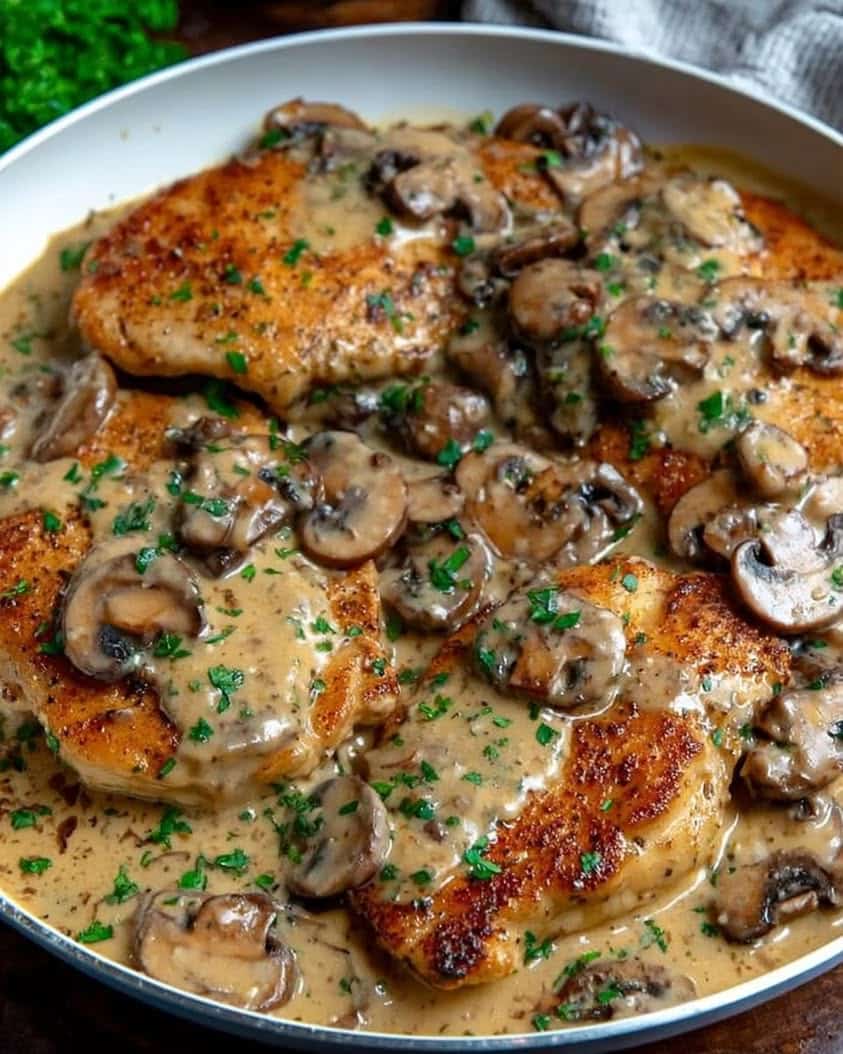
Specifically, the Creamy Asiago Mustard Chicken and Mushroom Skillet recipe masterfully combines comfort and sophistication. The sauce clings to every piece of chicken and mushroom, creating a rich coating that’s irresistible. Served over pasta, mashed potatoes, or crusty bread, it’s a guaranteed crowd-pleaser. This is the kind of dependable, flavorful dish that earns a permanent spot in your weekly rotation.
Quick Recipe Highlights
- Flavor Profile: This dish features a robust, savory base from the seared chicken and mushrooms, elevated by the sharp, nutty notes of Asiago cheese. The Dijon mustard adds a bright, tangy depth that cuts through the richness, while fresh thyme and garlic provide aromatic warmth. Every bite is a harmonious blend of creamy, tangy, and earthy flavors.
- Texture: You will enjoy succulent, juicy chicken paired with meaty, tender mushrooms. The sauce itself is velvety and luxurious, coating each component perfectly without being overly thick or gloppy. It clings beautifully to pasta or soaks into mashed potatoes, offering a wonderfully satisfying mouthfeel.
- Aroma: As the chicken browns, it releases savory notes, quickly followed by the earthy scent of mushrooms and onions sautéing. The moment you add the garlic, thyme, and mustard, the kitchen fills with a complex, inviting fragrance that promises a delicious meal. Finally, the simmering cream and melting cheese create a rich, comforting aroma.
- Visual Appeal: This skillet meal boasts beautiful golden-brown chicken nestled among caramelized mushrooms in a creamy, pale yellow sauce. Vibrant green thyme leaves or a sprinkle of fresh parsley provide a stunning color contrast, making the dish look as good as it tastes. Serving it directly from the skillet adds a rustic, home-cooked charm.
- Skill Level Needed: This is a fantastic recipe for cooks of all levels. Beginners will appreciate the straightforward, one-pan process and clear steps, while more experienced cooks can perfect their searing and sauce-making techniques. Importantly, it teaches foundational skills like building flavor in layers and creating a pan sauce.
- Special Equipment: You need only a large, heavy-bottomed skillet or braiser (like cast iron or stainless steel) to ensure even cooking and proper fond development. A sturdy wooden spoon or spatula, a sharp knife for prepping, and a measuring cup for liquids are the only other essentials. No fancy gadgets are required.
Recipe Overview
- Difficulty Level: We rate this Creamy Asiago Mustard Chicken and Mushroom Skillet recipe as “Easy.” The steps are logical and sequential, with no advanced techniques like tempering or complex knife work required. However, paying attention to cooking times for the chicken and mushrooms is key to achieving the best texture and flavor. Overall, it’s an accessible dish that builds cooking confidence.
- Category: This recipe fits perfectly into several categories: a quick and easy weeknight dinner, a comforting one-pan meal, and a special occasion entrée. It’s a hearty main course that pairs with simple sides. Additionally, it belongs to the family of creamy skillet chicken dishes, known for their convenience and crowd-pleasing nature.
- Cuisine: While not strictly traditional to one region, the dish draws inspiration from French and Italian-American cooking. The use of Dijon mustard and a pan sauce technique has French roots, while the incorporation of Asiago cheese nods to Italian flavors. Consequently, it’s a beautiful fusion that creates a uniquely delicious result.
- Cost: This is a moderately priced meal that feels luxurious. Chicken thighs are an affordable cut, and mushrooms and onions are inexpensive vegetables. The cream, cheese, and mustard are pantry items often already on hand. For a family of four, the total cost is very reasonable compared to dining out, offering fantastic value.
- Season: This Creamy Asiago Mustard Chicken and Mushroom Skillet recipe is truly a year-round favorite. It provides warmth and comfort during fall and winter. Conversely, in spring and summer, it feels lighter than heavy stews but still substantial. The earthy mushrooms make it feel particularly autumnal, yet it’s never out of place.
- Occasion: It’s incredibly versatile for any occasion. Serve it for a casual Tuesday family dinner, a cozy date night at home, or even a small gathering with friends. Because it’s mostly hands-off after initial prep, you can socialize with guests while it simmers. It’s a reliably impressive dish that suits many settings.
Why You’ll Love This Recipe
First and foremost, the taste and texture of this Creamy Asiago Mustard Chicken and Mushroom Skillet are utterly irresistible. The chicken stays incredibly moist and tender, especially when using thighs, while the mushrooms soak up all the savory flavors of the sauce. Meanwhile, the Asiago cheese melts into a smooth, nutty backdrop, and the mustard provides a subtle kick that wakes up your palate. Every forkful is a perfect balance of creamy, tangy, and savory elements that comfort and delight in equal measure.
From a convenience standpoint, this recipe is a weeknight hero. Everything cooks in a single skillet, meaning less cleanup and more time to relax. The prep work is minimal—mostly just chopping an onion and slicing mushrooms. Furthermore, the cooking process is largely hands-off once you get the sauce simmering. You can easily prepare a side salad or cook some pasta while the dish finishes. It’s the definition of efficient, satisfying cooking.
Nutritionally, this dish offers a good balance of macronutrients. Chicken thighs provide high-quality protein and essential B vitamins, while mushrooms are a fantastic source of antioxidants and minerals like selenium. Using heavy cream adds richness, but you control the portion size. To make it lighter, you can substitute half-and-half. Ultimately, it’s a wholesome meal made from recognizable ingredients, far superior to processed alternatives.
For entertaining, this Creamy Asiago Mustard Chicken and Mushroom Skillet recipe is a secret weapon. It looks and tastes like you spent hours in the kitchen, yet it comes together in under an hour. You can prepare components in advance, then simply assemble and simmer before guests arrive. Serving it family-style in the skillet creates a warm, inviting tablescape. It’s a dish that encourages sharing and conversation.
Finally, this recipe is remarkably cost-effective and accessible. The ingredients are not exotic or expensive; you can find them at any standard grocery store. Chicken thighs are often more affordable than breasts, and they deliver more flavor. A little bit of Asiago and Dijon mustard goes a long way in creating big flavor. Therefore, you can create a restaurant-quality meal on a home cook’s budget, which is always a winning proposition.
Historical Background and Cultural Significance
The concept of cooking chicken in a creamy sauce has roots in many European peasant traditions, where making a luxurious meal from humble ingredients was essential. French cuisine perfected the “supreme” sauce—a velvety chicken velouté—often enriched with cream. Meanwhile, Italian cooks have long used sharp, hard cheeses like Asiago and Parmesan to add depth to simple pasta dishes and stews. This Creamy Asiago Mustard Chicken and Mushroom Skillet recipe is a modern fusion of these time-honored techniques.
Culturally, skillet meals hold a special place in American home cooking, symbolizing practicality and comfort. The one-pan method minimizes cleanup and maximizes flavor, as all the juices and browned bits (fond) become part of the sauce. This particular recipe reflects a contemporary desire for meals that are both gourmet and convenient. It takes the classic “cream of mushroom chicken” concept and elevates it with bolder, more sophisticated flavors from mustard and aged cheese.
The evolution of this recipe is also tied to the wider availability of ingredients. Dijon mustard, once a specialty import, is now a pantry staple. Similarly, Asiago cheese, originating from the Veneto region of Italy, is commonly found grated or in blocks in supermarkets worldwide. This accessibility allows home cooks to experiment with global flavors. Consequently, dishes like this one represent the democratization of gourmet cooking, bringing international flair to the everyday dinner table.
Regional variations of this idea abound. In the American South, a similar dish might use a roux-based gravy and serve it over biscuits. In Switzerland, a version might feature Gruyère cheese and white wine. The use of mushrooms connects it to Eastern European traditions where forest mushrooms are foraged and preserved. Our version, with its specific blend of Asiago and Dijon, sits comfortably within this global tapestry, offering a uniquely satisfying take on a universal idea: comforting, creamy chicken.
Ingredient Deep Dive
Chicken Thighs: We prefer bone-in, skin-on chicken thighs for maximum flavor and juiciness. The skin renders fat for cooking and becomes beautifully crispy, while the bone adds depth to the sauce as it simmers. Chicken thighs are forgiving and stay moist even if slightly overcooked, unlike breasts. For a leaner option, you can use boneless, skinless thighs or even chicken breasts, but adjust cooking time downward to prevent dryness. Always pat the chicken dry before seasoning to ensure a proper sear.
Cremini Mushrooms: Also known as baby bellas, cremini mushrooms have a deeper, earthier flavor than white button mushrooms. They hold their shape well during cooking and provide a meaty texture. Look for mushrooms that are firm with closed caps. Avoid any that are slimy or wrinkled. You don’t need to wash them under water; simply wipe them clean with a damp paper towel or use a soft brush to remove any dirt. Slicing them evenly ensures they cook at the same rate.
Asiago Cheese: Asiago is a semi-hard Italian cheese that comes in two main varieties: fresh (Asiago Pressato) and aged (Asiago d’Allevo). For this Creamy Asiago Mustard Chicken and Mushroom Skillet recipe, you want the aged version, which is harder, sharper, and perfect for grating. It melts beautifully into the sauce, providing a nutty, slightly tangy flavor. If you can’t find Asiago, a good substitute is freshly grated Parmesan or Pecorino Romano, though the flavor profile will shift slightly. Pre-grated cheese often contains anti-caking agents that can make your sauce grainy, so always grate your own.
Dijon Mustard: This French mustard, made from brown mustard seeds and white wine, adds a complex tang and slight heat without the vinegary punch of yellow mustard. It acts as an emulsifier, helping to stabilize the creamy sauce. For the best flavor, use a good-quality Dijon. Whole grain mustard can be used for a different texture with visible seeds. Avoid substituting with yellow mustard, as its sharper vinegar flavor can overpower the delicate balance of the dish.
Heavy Cream: Heavy cream (or heavy whipping cream) is essential for creating a luxuriously thick and rich sauce that won’t break or separate when simmered. Its high fat content allows it to reduce slightly and coat the back of a spoon. For a lighter version, you can use half-and-half, but be careful not to let it boil vigorously, as it has a lower fat content and can curdle. Let the cream come to room temperature before adding it to the pan to prevent temperature shock.
Common Mistakes to Avoid
- Crowding the Skillet When Browning Chicken: Adding all the chicken pieces at once will steam them instead of searing them. You need space for moisture to evaporate. Consequently, cook in batches if necessary to get that perfect golden-brown crust, which is the foundation of flavor for the entire dish.
- Using Cold Cream: Adding cold heavy cream directly to a hot pan can cause it to seize or curdle. To prevent this, let the cream sit out for 10-15 minutes to take the chill off before incorporating it into the sauce. Stir it in gently over medium-low heat.
- Overcooking the Chicken After Adding the Sauce: Once the creamy sauce is assembled, the chicken only needs to simmer gently to heat through and let the flavors meld. Prolonged boiling can overcook the chicken and cause the sauce to break or become too thick.
- Substituting Pre-Grated Cheese: Pre-grated cheeses contain cellulose to prevent clumping, which can make your sauce gritty and prevent it from melting smoothly. Always buy a block of Asiago and grate it yourself just before adding it to the skillet for the creamiest result.
- Not Deglazing the Pan Properly: After sautéing the mushrooms and onions, those browned bits (fond) at the bottom of the pan are flavor gold. Use the chicken broth to scrape them all up thoroughly. If you skip this step, you leave a tremendous amount of savory depth behind.
- Adding Salted Butter and Over-Salting: Many chicken broths and mustards contain sodium. Since you’re also using cheese, which is salty, be cautious with additional salt. Season in layers and taste the sauce before adding a final pinch at the end. Using unsalted butter gives you better control.
- Slicing Mushrooms Too Thinly or Thickly: Very thin slices can become mushy, while very thick slices won’t cook through properly. Aim for even, ¼-inch slices so they sauté evenly and retain a pleasant, meaty texture in the final dish.
- Using High Heat for the Sauce: After adding the cream and cheese, maintain a gentle simmer. High heat can cause the dairy to separate, creating a greasy, broken sauce. Patience is key for a velvety, cohesive texture.
Essential Techniques
Pan Searing for Flavor: Achieving a proper sear on the chicken is the first and most critical technique. Pat the chicken completely dry with paper towels. Heat your oil in the skillet until it shimmers. Then, place the chicken skin-side down and do not move it for several minutes. This allows a flavorful crust, called the Maillard reaction, to form. If you try to lift it too early, the skin will stick and tear. Wait until it releases naturally from the pan.
Building a Pan Sauce (Deglazing): After removing the chicken and sautéing the vegetables, you’ll see browned bits stuck to the bottom of the pan. This is fond, and it’s packed with concentrated flavor. Deglazing is the process of adding a liquid (like chicken broth) and using a wooden spoon to scrape those bits loose. They dissolve into the liquid, creating an instant flavor base for your sauce. This step transforms simple drippings into a complex foundation.
Simmering and Reducing: Once all sauce ingredients are combined, you must bring it to a gentle simmer. A simmer is characterized by small bubbles breaking the surface occasionally, not a rolling boil. This gentle heat allows the sauce to thicken slightly as water evaporates (reducing) and the flavors to concentrate and meld together. It also heats the chicken through without overcooking it. Controlling your heat at this stage ensures a smooth, unbroken sauce.
Pro Tips for Perfect Creamy Asiago Mustard Chicken and Mushroom Skillet
Bring your chicken to room temperature for 15-20 minutes before cooking. This simple step helps it cook more evenly, preventing a cold center and overcooked edges when you sear it.
Use a mix of mushrooms like cremini, shiitake, and oyster for a more complex, woodsy flavor profile. Different textures and tastes will make the dish even more interesting.
After adding the cream and cheese, finish the sauce with a small pat of cold butter off the heat. This French technique, called “monter au beurre,” gives the sauce an extra layer of gloss and richness.
If your sauce seems too thin after simmering, create a quick slurry by mixing a teaspoon of cornstarch with a tablespoon of cold water. Stir this into the simmering sauce and cook for one minute to thicken it gently.
For the best herb flavor, add fresh thyme sprigs whole while the sauce simmers, then remove the woody stems before serving. Alternatively, stir in finely chopped fresh thyme leaves at the very end for a brighter pop of flavor.
Let the cooked dish rest for 5 minutes off the heat before serving. This allows the chicken to reabsorb some juices and the sauce to settle to a perfect, spoon-coating consistency.
If using boneless chicken, dredge the pieces lightly in flour before browning. The little bit of flour left in the pan will help thicken the sauce naturally as it simmers.
Always taste and adjust seasoning at the very end, after the cheese has melted in. The saltiness of the cheese can vary, so a final adjustment with salt and pepper is crucial for balance.
Variations and Adaptations
Regional Variations: For a French twist, substitute the Asiago with Gruyère and add a splash of dry white wine when deglazing. For an Italian-American version, use Parmesan cheese and add a pinch of red pepper flakes with the garlic. A German-inspired take could use whole grain mustard and serve the dish over spaetzle.
Seasonal Adaptations: In spring, add fresh peas or asparagus tips during the last few minutes of cooking. For summer, use lighter cherry tomatoes and fresh basil. In autumn, incorporate diced squash or use wild mushrooms. During winter, stir in a handful of hearty spinach or kale to wilt into the sauce for added greens.
Dietary Modifications: For a gluten-free version, ensure your chicken broth is certified gluten-free and serve with gluten-free pasta or rice. To make it keto or low-carb, serve over cauliflower rice or zucchini noodles. For a dairy-free adaptation, use full-fat coconut milk and nutritional yeast in place of the cream and cheese, though the flavor will be different.
Flavor Variations: Add a teaspoon of smoked paprika with the garlic for a smoky depth. Stir in a tablespoon of sun-dried tomato paste for a sweet-tangy note. For a richer, deeper flavor, use a combination of Dijon and a touch of whole grain mustard. A squeeze of fresh lemon juice at the end can brighten the entire dish.
Texture Modifications: For a chunkier, heartier texture, use chicken breast cut into large cubes instead of thighs. To make it more stew-like, add diced potatoes or carrots with the onions. For an ultra-smooth sauce, you can blend a portion of the cooked mushrooms and broth before adding the cream.
Presentation Alternatives: Instead of serving family-style in the skillet, plate individual portions over a pool of creamy polenta. For an elegant presentation, slice the chicken off the bone and fan it over pasta, spooning the sauce and mushrooms around. Serve in shallow bowls with crusty bread on the side for dipping.
Serving and Presentation Guide
Plating Techniques: For a rustic, home-style presentation, bring the entire skillet to the table—it keeps the food warm and looks inviting. For individual plates, place a bed of your chosen starch (pasta, mashed potatoes, polenta) in the center. Arrange one or two pieces of chicken atop the starch, then spoon the mushrooms and sauce generously over and around the chicken, allowing some to pool on the plate.
Garnishing Ideas: A simple sprinkle of freshly chopped parsley or chives adds a necessary pop of color and freshness. For more flavor, try a light dusting of extra grated Asiago, a few cracks of black pepper, or a drizzle of high-quality olive oil. A single fresh thyme sprig placed on top signals the herbal notes within the dish.
Traditional Accompaniments: This Creamy Asiago Mustard Chicken and Mushroom Skillet recipe is classically served over egg noodles, fettuccine, or mashed potatoes to soak up every drop of sauce. Crusty bread like a baguette or ciabatta is non-negotiable for mopping the plate. A simple green salad with a vinaigrette dressing provides a crisp, acidic contrast to the rich main course.
Modern Serving Suggestions: For a lighter take, serve it over cauliflower mash, quinoa, or roasted spaghetti squash. Turn it into a bowl meal by adding a layer of sautéed greens like kale or Swiss chard underneath. You can also use it as a luxurious filling for a savory crepe or puff pastry vol-au-vent for a special appetizer.
Temperature Considerations: Serve this dish immediately while it is piping hot. The sauce is at its best texture when freshly made—creamy and fluid. If it sits too long, it will continue to thicken. Warm your serving plates slightly to keep the food hot longer at the table. Conversely, ensure your side salad is well-chilled for contrast.
Portion Control Tips: One generous chicken thigh per person is standard, along with a hearty scoop of mushrooms and sauce. If serving with a rich side like pasta or potatoes, you may find a single thigh is sufficient. For larger appetites or if using boneless meat, plan for 1.5 portions per person. Remember, the sauce is rich, so a little goes a long way in terms of satisfaction.
Wine and Beverage Pairing
Wine Pairings: The rich, creamy sauce and tangy mustard call for a white wine with good acidity to cut through the fat. An unoaked Chardonnay, a French Chablis, or a Pinot Gris would be excellent. If you prefer red, choose a light-bodied, low-tannin option like Pinot Noir or Beaujolais, which won’t clash with the cream. The key is to avoid heavily oaked wines or big, bold reds that would overwhelm the dish’s nuances.
Non-Alcoholic Alternatives: Sparkling water with a twist of lemon or lime cleanses the palate between bites. For a more flavorful option, try a tart cherry or pomegranate juice spritzer. An herbal iced tea, like lemon-thyme or mint, can mirror and complement the herbal notes in the dish. Even a simple glass of cold whole milk can be a surprisingly comforting pairing with the creamy flavors.
Coffee/Tea Pairings: After the meal, a cup of medium-roast coffee can be a nice finish, as its brightness contrasts the savory richness. For tea, consider an Earl Grey; the bergamot citrus notes provide a lovely lift. Avoid overly sweet or spiced beverages that might compete with the lingering flavors of the Asiago and mustard.
Temperature Considerations: White wines should be served well-chilled, between 45-50°F. Red wines should be slightly cooler than room temperature, around 55-60°F, especially a light Pinot Noir. Non-alcoholic sparkling drinks are best served very cold. Ultimately, the right temperature ensures your beverage refreshes rather than dulls your palate.
Serving Suggestions: Pour wine into appropriate stemware to enhance the aroma and tasting experience. For non-alcoholic options, use a tall glass with plenty of ice. Always offer water on the side to hydrate and cleanse the palate. Setting the table with the right glassware elevates the entire meal from a simple dinner to a considered dining experience.
Storage and Shelf Life
Storage Methods: Allow the Creamy Asiago Mustard Chicken and Mushroom Skillet to cool completely to room temperature before storing, but do not leave it out for more than two hours. Transfer it to an airtight container. You can store the chicken, mushrooms, and sauce together. For best results, refrigerate within one hour of cooking to prevent bacterial growth.
Temperature Requirements: This dish must be stored in the refrigerator at 40°F or below. It is not safe to leave it on the countertop due to the dairy content. When reheating, ensure the internal temperature reaches 165°F as measured by a food thermometer to ensure safety.
Container Recommendations: Use shallow, airtight containers rather than deep ones. This allows the food to cool more quickly and evenly. Glass containers are ideal as they don’t absorb odors and allow you to see the contents. If using plastic, ensure it is BPA-free and designated for food storage.
Signs of Spoilage: Discard the dish if you notice an off or sour smell, significant separation of the sauce into curds and liquid, or any visible mold. If the chicken or mushrooms develop a slimy texture, that is also a clear sign of spoilage. When in doubt, it is always safer to throw it out.
Reheating Instructions: Reheat gently to prevent the sauce from breaking. The best method is on the stovetop over low heat, stirring frequently. Add a small splash of chicken broth or cream to loosen the sauce if it has thickened too much. You can also reheat in the microwave using 50% power in 60-second intervals, stirring between each interval.
Freezing Guidelines: You can freeze this dish, but be aware that the dairy-based sauce may separate or become grainy upon thawing. To minimize this, cool the dish completely, then freeze in an airtight container for up to 2 months. Thaw overnight in the refrigerator before reheating gently on the stovetop, whisking constantly to re-emulsify the sauce.
Make Ahead Strategies
Prep Timeline: You can prep components 1-2 days in advance. Slice the mushrooms and onions, mince the garlic, and grate the cheese. Store each in separate airtight containers in the refrigerator. You can also season the chicken thighs and keep them on a plate, covered, in the fridge. This “mise en place” turns active cooking time into a simple assembly process.
Storage Between Steps: Keep prepped vegetables in the fridge. Store grated cheese in a sealed bag with as much air pressed out as possible to prevent drying. Keep the chicken on the bottom shelf of the fridge to prevent cross-contamination. Bring the cream to room temperature for 15 minutes before you start cooking if it was refrigerated.
Quality Impact Assessment: Prepping vegetables ahead has no negative impact. Pre-grating cheese is fine if stored properly, though freshly grated is always ideal. Pre-seasoning the chicken can actually enhance flavor as the salt penetrates the meat. The only step that must be done just before cooking is searing the chicken to ensure the skin is crisp.
Assembly Tips: When ready to cook, simply follow the recipe steps from the beginning. Having everything measured and chopped means you can focus on the cooking techniques—searing, sautéing, and sauce building—without pause. This leads to better results and a more relaxed cooking experience.
Reheating Guidelines: If you fully cook the dish ahead of time, reheat it gently as described in the storage section. For the best texture, consider reheating just the sauce and mushrooms, then searing fresh chicken thighs to order and combining them. This preserves the ideal texture of the crispy chicken skin.
Fresh Element Additions: If making ahead, add any fresh herbs like parsley or chives after reheating, just before serving. This maintains their vibrant color and fresh flavor. A final squeeze of lemon juice or a drizzle of olive oil added at service can also brighten up a make-ahead dish.
Scaling Instructions
Halving the Recipe: To serve two, simply divide all ingredient quantities by two. Use a medium skillet instead of a large one to maintain the proper depth for sautéing and simmering. Cooking times for searing the chicken and sautéing vegetables will be slightly shorter, so rely on visual cues (golden-brown color, softened onions) rather than strict timers.
Doubling or Tripling: For a crowd, multiply the ingredients accordingly. The key is to not overcrowd the pan during the initial sear. You will need to brown the chicken in multiple batches, setting each aside. Use a very large Dutch oven or braiser, or consider using two skillets simultaneously. The simmering time for the sauce may increase by a few minutes to allow it to reduce and thicken properly.
Equipment Adjustments: Scaling up requires a larger cooking surface. If you don’t have a pan large enough, cook in batches as mentioned, or transfer everything to a large pot after deglazing to finish simmering. Ensure your pot has a thick bottom to prevent scorching when making a larger volume of sauce.
Timing Modifications: The prep time will increase linearly with more ingredients. The active cooking time for steps like browning chicken will also increase due to batch cooking. However, the simmering time for the sauce may not double; it will just take slightly longer to come to a simmer and reduce. Always taste and adjust seasoning at the end, as scaling can affect salt perception.
Storage Considerations: A larger batch means more leftovers. Plan your storage containers in advance. Consider freezing portions in meal-sized containers for future quick dinners. Label them with the date so you use them within the recommended two-month freezer window.
Nutritional Deep Dive
Macro Breakdown: A serving of this Creamy Asiago Mustard Chicken and Mushroom Skillet provides a substantial amount of protein from the chicken, essential for muscle repair and satiety. The fat content comes primarily from the chicken skin, cream, and cheese, offering energy and helping absorb fat-soluble vitamins. Carbohydrates are minimal in the dish itself, coming mainly from the onions and mushrooms, making it easy to pair with your preferred carb source like pasta or potatoes.
Micronutrient Analysis: This dish is a good source of several key micronutrients. Chicken provides B vitamins, particularly B6 and B12, crucial for energy metabolism. Mushrooms offer selenium, potassium, and B vitamins as well. Asiago cheese contributes calcium and phosphorus for bone health. The garlic and onions provide antioxidants and compounds that support immune function.
Health Benefits: The protein promotes fullness and supports a healthy metabolism. The mushrooms contain beta-glucans, which may support immune health. Using bone-in chicken can provide trace minerals like collagen when simmered in the sauce. The herbs and garlic offer anti-inflammatory properties. As a whole, it’s a nutrient-dense meal made from whole foods.
Dietary Considerations: This recipe is naturally gluten-free if you use a certified gluten-free broth. It is high in saturated fat due to the cream and cheese, so those monitoring cholesterol intake may wish to enjoy it in moderation. It is not suitable for dairy-free, vegan, or low-fat diets without significant modification.
Portion Analysis: One serving (one chicken thigh with a quarter of the mushrooms and sauce) is satisfying and calorie-dense. Paying attention to portion size is key, especially if you are adding a starchy side. The richness of the sauce means you may be satisfied with less than you think. Listening to your hunger cues is important.
Weight Management Tips: To make this dish more weight-conscious, use boneless, skinless chicken thighs and swap half the heavy cream for half-and-half or whole milk. Increase the volume of mushrooms and serve over a large portion of steamed vegetables or a salad instead of pasta. These adjustments reduce calories and fat while maintaining flavor and satisfaction.
Dietary Adaptations
Gluten-Free: This recipe is naturally gluten-free as written, provided you use a gluten-free chicken broth. Always check the labels of your Dijon mustard and chicken broth, as some brands may contain hidden gluten or be processed in facilities with wheat. Serve with gluten-free pasta, rice, or polenta to complete the meal.
Dairy-Free: Replace the heavy cream with full-fat canned coconut milk for a rich, creamy texture. Substitute the Asiago cheese with 3-4 tablespoons of nutritional yeast, which will provide a cheesy, umami flavor. You may also want to add a teaspoon of white miso paste for depth. Use olive oil or dairy-free butter for sautéing.
Vegan: Use thick slices of cauliflower steaks or seared king oyster mushrooms in place of chicken. For the sauce, use full-fat coconut milk, nutritional yeast, and a teaspoon of white miso. Sauté a mix of hearty mushrooms and vegetables. The Dijon mustard and thyme will still provide the signature flavor profile. Vegetable broth replaces chicken broth.
Low-Carb/Keto: This dish is already excellent for low-carb diets. Simply serve it over cauliflower rice, mashed cauliflower, or zucchini noodles instead of pasta or potatoes. Ensure your chicken broth has no added sugar. You can also increase the fat content by using more cream or adding a pat of butter at the end for extra satiety.
Paleo: Omit the dairy. For the creamy component, use a blend of coconut milk and pureed cauliflower or cashews. Use ghee or avocado oil for cooking instead of butter. Ensure your mustard and broth are compliant with no added Print
Chicken and Mushroom Skillet in a Creamy Asiago and Mustard Sauce
- Total Time: 45 minutes
- Yield: 4
Description
A one-pan wonder featuring tender chicken and earthy mushrooms simmered in a rich, tangy sauce of Asiago cheese and Dijon mustard.
Ingredients
- 4 boneless, skinless chicken breasts, pounded to even thickness
- 8 oz cremini mushrooms, sliced
- 1 small yellow onion, finely chopped
- 2 cloves garlic, minced
- 1 cup chicken broth
- 1/2 cup heavy cream
- 1/2 cup grated Asiago cheese
- 2 tablespoons Dijon mustard
- 2 tablespoons olive oil
- 1 teaspoon dried thyme
- Salt and black pepper to taste
- Fresh parsley, chopped (for garnish)
Instructions
- Season chicken breasts with salt, pepper, and dried thyme. Heat olive oil in a large skillet over medium-high heat. Cook chicken for 5-6 minutes per side until golden and cooked through. Remove and set aside.
- In the same skillet, add mushrooms and onion. Sauté for 5-7 minutes until softened and mushrooms release their juices. Add garlic and cook for 1 minute until fragrant.
- Pour in chicken broth to deglaze the pan, scraping up any browned bits. Stir in heavy cream, Dijon mustard, and Asiago cheese until the cheese melts and the sauce is smooth.
- Return chicken to the skillet, spooning sauce over it. Simmer for 3-5 minutes until heated through and sauce thickens slightly. Garnish with fresh parsley before serving.
Notes
You can customize the seasonings to taste.
- Prep Time: 15 minutes
- Cook Time: 30 minutes
- Method: Main
- Cuisine: American