Honey Lime Shrimp with Pineapple Rice: A Tropical Dinner Recipe
Imagine a dinner that instantly transports you to a sun-drenched beach. This honey lime shrimp with pineapple rice recipe does exactly that. It masterfully combines sweet, tangy, and savory flavors into a stunning and satisfying meal. Furthermore, it comes together in about thirty minutes, making it a perfect solution for busy weeknights when you crave something special. Ultimately, this dish proves that gourmet flavor doesn’t require hours in the kitchen.
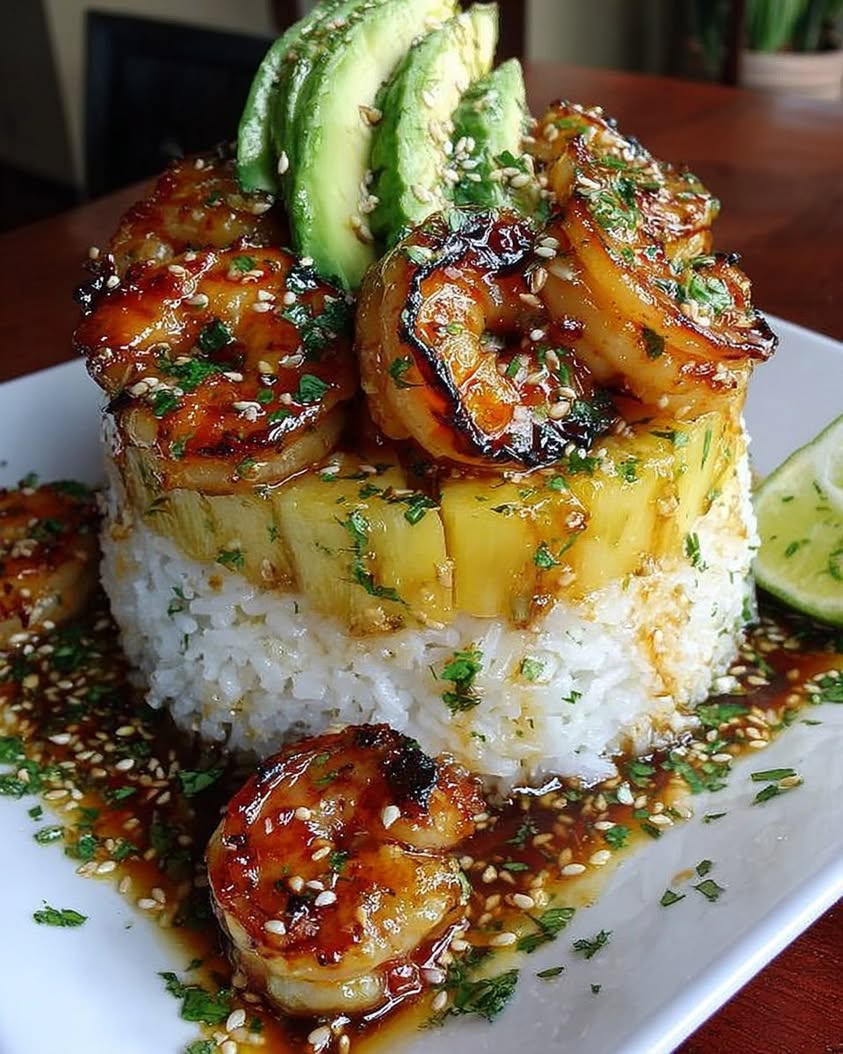
The star of this show is undoubtedly the succulent shrimp, glazed in a sticky honey lime sauce. Meanwhile, the pineapple rice provides a vibrant, slightly sweet, and aromatic base. Each component complements the other perfectly, creating a harmonious bite. The visual appeal is also incredible, with the pink shrimp and golden rice creating a beautiful contrast. Consequently, this recipe is as much a feast for the eyes as it is for the palate.
This honey lime shrimp with pineapple rice is more than just a meal; it’s an experience. It’s ideal for casual family dinners, yet impressive enough for entertaining guests. The tropical flavors are universally appealing, offering a welcome escape from routine. Additionally, the recipe is highly adaptable to various dietary preferences. In short, it’s a versatile, flavorful, and quick dish that deserves a permanent spot in your dinner rotation.
Quick Recipe Highlights
- Flavor Profile: This dish offers a perfect balance of sweet honey, bright lime, and savory garlic. The pineapple rice adds a subtle tropical sweetness, while the soy sauce provides a salty umami depth. Every bite is a complex and delightful symphony of flavors.
- Texture: You get tender, juicy shrimp with a slightly caramelized exterior from the honey glaze. The rice is fluffy and studded with bits of soft, sweet pineapple and crisp vegetables. Ultimately, the combination creates a wonderfully satisfying mouthfeel.
- Aroma: As it cooks, your kitchen will fill with the irresistible scent of garlic and ginger sizzling. Then, the sweet fragrance of honey and lime joins in, followed by the tropical notes of pineapple. It’s an aromatic preview of the delicious meal to come.
- Visual Appeal: The dish is a colorful masterpiece. Pink shrimp glistening with amber glaze sit atop vibrant yellow rice flecked with red bell pepper and green herbs. This presentation is naturally beautiful and requires minimal effort to plate elegantly.
- Skill Level Needed: This is a beginner-friendly recipe. The techniques involve simple sautéing and simmering. As long as you can chop vegetables and watch a pan, you can successfully create this restaurant-quality meal at home.
- Special Equipment: You only need basic kitchen tools: a large skillet for the shrimp and a medium saucepan with a lid for the rice. A good chef’s knife and cutting board are helpful for prep, but no specialized gadgets are required.
Recipe Overview
- Difficulty Level: We rate this honey lime shrimp with pineapple rice as easy. The steps are straightforward and sequential. Most importantly, there’s no complex technique like baking or intricate sauce-making. Even novice cooks can achieve excellent results by following the clear instructions.
- Category: This recipe falls squarely into the main course category. It’s a complete, protein-and-carb-balanced meal in one dish. Additionally, it can be classified as a quick dinner, a tropical recipe, and a healthy weeknight meal.
- Cuisine: The dish is inspired by tropical and Asian fusion cuisines. The use of soy sauce, ginger, and garlic nods to Asian flavors. Meanwhile, the honey, lime, and pineapple evoke Caribbean and Pacific Rim culinary traditions, creating a delicious fusion.
- Cost: This is a moderately priced meal. Shrimp can be the most expensive component, but using medium-sized or frozen shrimp keeps costs down. The remaining ingredients like rice, pineapple, bell pepper, and basic pantry staples are very affordable.
- Season: While delicious year-round, this honey lime shrimp with pineapple rice truly shines in spring and summer. The bright, fresh flavors match the season. Furthermore, it’s a fantastic way to use summer’s abundant fresh pineapple and herbs.
- Occasion: It’s perfect for a quick Tuesday family dinner or a casual weekend gathering with friends. The stunning presentation also makes it suitable for a date night at home. It’s a versatile dish that fits many occasions.
Why You’ll Love This Recipe
First and foremost, the taste is absolutely unforgettable. The honey lime shrimp delivers a powerful punch of sweet and tangy flavor that clings to every bite. Meanwhile, the pineapple rice is not just a side; it’s a flavor-packed component that stands on its own. The combination is more than the sum of its parts, creating a dining experience that feels both indulgent and fresh. You’ll find yourself savoring each forkful, amazed that such complex taste came from your own kitchen in under forty minutes.
From a practical standpoint, the convenience factor is a major win. This entire honey lime shrimp with pineapple rice recipe uses just two main pots. You can have the rice cooking while you prepare the shrimp, making the process incredibly efficient. The ingredient list is also simple, with no hard-to-find items. Consequently, you can decide to make this for dinner and likely have most components already in your pantry or freezer. It eliminates the stress of last-minute grocery runs.
Nutritionally, this dish is a well-rounded choice. Shrimp is an excellent source of lean protein and important minerals like selenium and iodine. Brown rice adds fiber and complex carbohydrates for sustained energy. Pineapple provides vitamin C and bromelain, an enzyme with anti-inflammatory properties. By using a moderate amount of honey and healthy oils, you create a meal that satisfies cravings without excessive empty calories. It’s a guilt-free way to enjoy incredibly vibrant flavors.
For social and entertaining value, this recipe is a superstar. It looks incredibly impressive when plated, suggesting you spent far more time than you actually did. Guests will be delighted by the tropical, restaurant-quality presentation. Moreover, the flavors are universally appealing to both adults and children. You can easily double or triple the recipe to feed a crowd without significantly increasing your kitchen time. It’s a surefire way to become known as the host who makes amazing, effortless meals.
Finally, the cost-effectiveness and accessibility are key benefits. While shrimp can be pricey, using frozen shrimp is a fantastic and often more sustainable option that cuts cost. The rest of the ingredients are pantry staples and inexpensive fresh produce. Compared to ordering similar fusion cuisine at a restaurant, making this honey lime shrimp with pineapple rice at home saves you a considerable amount of money. You get a gourmet experience for a fraction of the price, all from the comfort of your own kitchen.
Historical Background and Cultural Significance
The concept of pairing sweet and savory seafood has ancient roots across coastal cultures. In Asian cuisine, for instance, glazes combining honey or sugar with citrus and soy have been used for centuries in dishes like teriyaki. Similarly, Caribbean cooks have long utilized the natural sweetness of tropical fruits like pineapple to balance the briny flavor of shrimp and fish. This honey lime shrimp with pineapple rice recipe is a modern fusion that respectfully draws from these diverse culinary traditions. It represents a contemporary global pantry where ingredients and techniques from different parts of the world come together harmoniously.
Pineapple rice itself has significant cultural importance in several regions. In Thai cuisine, “Khao Op Sapparot” is a fragrant baked pineapple rice often served in the hollowed-out fruit shell. In Latin America, rice cooked with pineapple is a common side dish. The use of pineapple symbolizes hospitality and welcome in many cultures, making it a fitting centerpiece for a shared meal. This recipe adapts that celebratory spirit into a quick, accessible format for the home cook. It carries the cultural significance of using local, vibrant ingredients to create something special.
The evolution of this specific recipe format is a product of the modern desire for fast, flavorful, and visually appealing meals. Food blogs and cooking shows have popularized the “bowl” or “stack” presentation, where components are artfully layered. The honey lime shrimp with pineapple rice fits perfectly into this trend. It takes traditional flavor pairings that have stood the test of time and presents them in a contemporary, Instagram-worthy way. This evolution speaks to how home cooking adapts to new trends while respecting foundational flavor principles.
Regional variations of this concept are endless. In the American South, you might find a similar dish with a Cajun spice blend on the shrimp and pecans in the rice. A Hawaiian poke bowl influence might add fresh mango and macadamia nuts. A Southeast Asian twist could incorporate lemongrass and fish sauce into the marinade and use jasmine rice. This versatility is a testament to the strong foundational flavor profile. The basic template of sweet citrus shrimp with fruity rice is a canvas for culinary creativity across the globe.
Ingredient Deep Dive
Shrimp: Shrimp is one of the world’s most popular seafoods, farmed and caught globally for millennia. Nutritionally, it’s a powerhouse of lean protein, low in calories yet rich in selenium, vitamin B12, and iodine. When selecting shrimp for your honey lime shrimp with pineapple rice, look for firm, translucent flesh with a mild sea smell. Avoid any with black spots or a strong ammonia odor. For convenience and sustainability, consider frozen wild-caught shrimp; thaw them overnight in the fridge. You can substitute with large scallops or even firm tofu for a vegetarian version.
Fresh Pineapple: Pineapple originated in South America and was spread around the world by European explorers, becoming a symbol of luxury and hospitality. It’s packed with vitamin C, manganese, and bromelain, an enzyme that aids digestion. Choose a pineapple that feels heavy for its size and has sweet scent at the base; the leaves should pull out easily. Store whole pineapple at room temperature for a day or two, then refrigerate cut pieces in an airtight container. For a quicker option, high-quality canned pineapple in juice (not syrup) works perfectly well in the rice.
Honey: Honey’s use dates back over 8,000 years, depicted in ancient cave paintings. It’s a natural sweetener containing antioxidants and trace enzymes. In this recipe, it creates the irresistible sticky glaze on the shrimp. For the best flavor, use a mild, runny honey like clover or orange blossom. Raw, local honey can add complex floral notes. Store honey at room temperature in a sealed container. If you need a substitute, pure maple syrup or agave nectar will work, though they will impart a slightly different flavor profile to your honey lime shrimp.
Lime: Limes are believed to have originated in Southeast Asia and were carried by Arab traders into the Mediterranean. They are an excellent source of vitamin C and their acidity is crucial for balancing the sweetness in the dish. You’ll need both the zest and the juice for maximum flavor impact. Choose limes that feel heavy and have smooth, bright green skin. Roll them on the counter under your palm before juicing to get the most liquid out. In a pinch, bottled lime juice can be used, but fresh is vastly superior for the vibrant punch it provides.
Jasmine Rice: Jasmine rice is a long-grain variety known for its delicate floral aroma and slightly sticky texture when cooked, making it perfect for this pineapple rice. It hails from Thailand and is a staple in Southeast Asian cuisine. It provides easily digestible carbohydrates and is naturally gluten-free. Rinse the rice thoroughly in cold water until it runs clear to remove excess starch and prevent gumminess. For a whole-grain alternative, brown jasmine rice can be used but will require more water and a longer cooking time. The nutty flavor of brown rice pairs wonderfully with the other ingredients.
Common Mistakes to Avoid
- Overcooking the Shrimp: Shrimp cook very quickly and become rubbery if left on the heat too long. They are done when they turn opaque and form a loose “C” shape. Remove them from the pan immediately at this stage, as they will continue to cook slightly from residual heat.
- Not Patting the Shrimp Dry: If you add wet shrimp to the hot pan, they will steam instead of sear. This prevents the beautiful caramelization from the honey glaze. Always pat shrimp thoroughly dry with paper towels before seasoning and cooking.
- Using Pineapple Packed in Syrup: Canned pineapple in heavy syrup will make your rice overly sweet and cloying. Always opt for pineapple packed in its own juice or, better yet, use fresh pineapple. The natural sweetness is more balanced and complex.
- Forgetting to Rinse the Rice: Skipping the rinse leaves excess surface starch on the jasmine rice grains. Consequently, your pineapple rice may become gummy or gluey instead of fluffy and separate. Rinsing is a non-negotiable step for perfect texture.
- Adding Lime Juice Too Early: If you add the fresh lime juice to the honey sauce at the beginning of cooking, much of its bright, fresh flavor will cook off and become bitter. Always add citrus juice at the very end, just before serving, to preserve its vibrant acidity.
- Crowding the Pan: Adding all the shrimp to a skillet that’s too small will cause them to release liquid and steam. Cook in batches if necessary to ensure each piece gets direct contact with the hot surface for a proper sear and glaze.
- Neglecting to Season in Layers: Seasoning only at the end results in bland food. Remember to season the shrimp before cooking, season the rice cooking water, and taste and adjust the final dish. Building layers of salt is key to deep flavor.
- Using Pre-Minced Garlic from a Jar: The flavor of fresh garlic is far superior to the often-harsh taste of jarred, pre-minced garlic. Taking the minute to freshly mince a clove of garlic makes a significant difference in the aroma and taste of your honey lime sauce.
Essential Techniques
Searing Shrimp: Searing is crucial for developing flavor through the Maillard reaction, which creates complex, savory notes. To master it, ensure your skillet is properly preheated over medium-high heat before adding oil. The shrimp should sizzle immediately upon contact. Do not move them for the first minute, allowing a golden crust to form. The common pitfall is a pan that’s not hot enough, leading to steaming. Success is visually confirmed by a light golden-brown color on one side before flipping.
Deglazing a Pan: After cooking the shrimp, you’ll have flavorful browned bits stuck to the pan. Deglazing involves adding a liquid (like the sauce mixture) to the hot pan and using a wooden spoon to scrape those bits up. This technique is important because it incorporates all the concentrated savory flavor into your sauce. The key is to do it immediately after removing the shrimp while the pan is still hot. You’ll know you’ve succeeded when the liquid bubbles and the fond dissolves completely, creating a rich, cohesive sauce base for your honey lime shrimp.
Fluffing Rice: Once your pineapple rice is cooked and has rested with the lid on, fluffing it with a fork is essential. This technique separates the grains that have stuck together during steaming, giving you light and fluffy rice instead of a dense block. Use a fork and gentle, lifting motions rather than stirring aggressively, which can break the grains and make them mushy. Properly fluffed rice will have a better texture and will more evenly distribute the pineapple and other mix-ins throughout.
Pro Tips for Perfect Honey Lime Shrimp with Pineapple Rice
For the most vibrant lime flavor, use both the zest and the juice. The zest contains aromatic oils that pack a huge punch without adding liquid. Simply grate the lime’s outer green skin (avoiding the bitter white pith) before you cut and juice it.
Let your cooked shrimp rest for a minute before adding them back to the sauce. This allows the juices to redistribute, ensuring each bite is juicy. Then, toss them gently in the reduced glaze just to coat, not to cook further.
Toast your jasmine rice in the pot with a little oil before adding water. This simple step adds a subtle nutty flavor and helps the grains stay separate after cooking, elevating your pineapple rice from good to exceptional.
If using fresh pineapple, save a few pretty pieces for garnish. A couple of thin slices or small chunks placed on top of the finished stack adds a professional touch and signals the fresh ingredients inside.
Add a pinch of red pepper flakes to the honey lime sauce while it simmers. This introduces a very subtle warmth that beautifully contrasts the sweetness and acidity, adding another layer of complexity to the dish.
Use the residual heat from the cooked rice to warm your mix-ins. After fluffing the rice, immediately stir in the diced pineapple, bell pepper, and herbs. The heat from the rice will take the raw edge off the vegetables without making them soggy.
Invest in a good microplane grater for your ginger and garlic. It creates a fine, almost paste-like consistency that disperses flavor evenly throughout the sauce and rice, ensuring no one bites into a large, pungent chunk.
Variations and Adaptations
Regional Variations: Give the dish a Thai twist by adding a tablespoon of red curry paste to the honey lime sauce and using coconut milk instead of water to cook the rice. For a Caribbean vibe, add a teaspoon of jerk seasoning to the shrimp marinade and use black beans in the rice. A Mediterranean version could feature oregano and lemon instead of lime, with olives and feta cheese stirred into the rice.
Seasonal Adaptations: In summer, use fresh, sweet corn kernels and cherry tomatoes in the rice. For fall, try roasted sweet potato cubes and a dash of cinnamon in the rice, with a splash of orange juice in the glaze. Winter calls for heartier greens; stir sautéed kale or spinach into the rice just before serving.
Dietary Modifications: For a gluten-free version, ensure your soy sauce is labeled gluten-free or use tamari. To make it dairy-free, the recipe is already compliant as written. For a vegan adaptation, replace shrimp with extra-firm tofu or king oyster mushroom slices, and use maple syrup instead of honey.
Flavor Variations: Swap the honey for pure maple syrup or orange marmalade for a different sweetness profile. Add a tablespoon of sriracha or gochujang to the sauce for a spicy kick. Infuse the rice cooking water with a stalk of lemongrass or a few kaffir lime leaves for an aromatic lift.
Texture Modifications: For crunchier rice, use basmati or long-grain white rice and let it develop a slight crust at the bottom of the pot (a “tahdig”). For extra tender shrimp, marinate them in a little baking soda and water for 15 minutes before rinsing and patting dry—this is a Chinese restaurant technique called “velveting.”
Presentation Alternatives: Instead of a stack, serve the components deconstructed in a large, shallow bowl. For individual portions, pack the rice into a small bowl or ramekin, invert it onto the plate, and arrange the shrimp around it. For a fun, casual approach, serve everything in lettuce cups for a low-carb “wrap.”
Serving and Presentation Guide
Plating Techniques: The classic stack is visually striking. Use a round measuring cup or small bowl as a mold. Pack the pineapple rice firmly into the cup, then invert it onto the center of a plate. Carefully arrange the glazed honey lime shrimp around the base or lean them artfully against the rice tower. Wipe any drips from the plate rim for a clean look.
Garnishing Ideas: Fresh herbs are your best friend. A scattering of chopped cilantro, thinly sliced green onion, or fresh Thai basil adds color and a fresh aroma. A final sprinkle of toasted sesame seeds or chopped roasted peanuts provides texture and a nutty flavor. A thin lime wheel or wedge on the side is both functional and decorative.
Traditional Accompaniments: In many tropical cuisines, a dish like this might be served with a simple, crisp side salad to cut through the richness. Think of a cucumber salad with a rice vinegar dressing or a slaw with a lime vinaigrette. A small bowl of extra lime wedges and chili sauce on the side allows guests to customize their heat and acidity.
Modern Serving Suggestions: For a family-style meal, present the fluffy pineapple rice in a large serving bowl and the glazed honey lime shrimp on a platter, letting everyone build their own plate. This interactive style is great for gatherings. You can also serve it as a premium filling for burrito bowls or as a topping for a vibrant salad.
Temperature Considerations: This dish is best served immediately while the shrimp are hot and the glaze is sticky. The rice should also be hot or very warm. If you must hold components, keep the rice covered in a warm oven and cook the shrimp at the last possible moment. Cold shrimp become tough and the glaze congeals.
Portion Control Tips: A standard serving is about 3/4 to 1 cup of rice and 5-6 large shrimp per person. Using a measuring cup for the rice helps ensure even portions. If you’re watching calories, you can increase the ratio of vegetable-laden rice to shrimp. The dish is filling but not heavy, striking a good balance.
Wine and Beverage Pairing
Wine Pairings: The sweet, tangy, and savory profile of honey lime shrimp pairs beautifully with off-dry white wines. A Riesling or Gewürztraminer with a hint of sweetness will complement the pineapple and honey without overpowering the dish. For a drier option, a Sauvignon Blanc with its citrusy notes mirrors the lime and cuts through the richness. A rosé with bright acidity and berry notes can also be a delightful match, especially for al fresco dining.
Non-Alcoholic Alternatives: Sparkling water with a squeeze of fresh lime and a few muddled mint leaves is a refreshing choice. Ginger beer or a homemade ginger-lemonade provides a spicy-sweet counterpoint that cleanses the palate. Iced hibiscus or passionfruit tea offers a tart, floral note that aligns perfectly with the tropical theme of the meal.
Coffee/Tea Pairings: While not a traditional pairing for the meal itself, a light, citrusy tea like Earl Grey or a jasmine green tea would be lovely served afterward. The bergamot in Earl Grey echoes the citrus in the dish. Avoid heavy, bitter coffees or teas immediately after, as they can clash with the residual sweet and tangy flavors.
Temperature Considerations: White wines, rosés, and non-alcoholic sparklers should be served well-chilled, around 45-50°F. This crisp temperature provides a refreshing contrast to the warm, glazed shrimp and rice. Iced teas and lemonades should be cold but not overly diluted; consider using tea or juice ice cubes to keep them flavorful.
Serving Suggestions: Always offer water alongside any other beverage. The dish has balanced saltiness, and hydration is key. If serving wine, pour just a small initial taste for guests to try with their first bite before filling the glass, allowing them to experience how the pairing evolves.
Storage and Shelf Life
Storage Methods: Store leftover honey lime shrimp and pineapple rice separately in airtight containers. This prevents the shrimp from becoming soggy from the rice’s moisture. Allow both components to cool to room temperature before sealing and refrigerating. Do not leave the combined dish at room temperature for more than two hours to ensure food safety.
Temperature Requirements: Refrigerate leftovers promptly at 40°F or below. The shrimp is a highly perishable protein, so consistent cold temperature is crucial. For longer storage, freezing is an option, though the texture of the shrimp and rice will change upon thawing.
Container Recommendations: Use shallow containers rather than deep ones. This allows the food to cool quickly and evenly, reducing the time it spends in the “danger zone” (40-140°F) where bacteria multiply rapidly. Glass containers with locking lids are ideal as they don’t absorb odors.
Signs of Spoilage: Discard the food if you detect any sour, ammonia-like, or otherwise off odors. Visually, look for significant discoloration or slimy texture on the shrimp or rice. If in doubt, it is always safer to throw it out, especially with seafood.
Reheating Instructions: Reheat the rice and shrimp gently. Sprinkle a few drops of water over the rice and microwave in 30-second intervals, fluffing with a fork in between. For the shrimp, reheat them in a skillet over low heat with a tiny splash of water or broth to loosen the glaze without overcooking them.
Freezing Guidelines: Freeze for up to one month. Place the cooled, cooked shrimp in a single layer on a parchment-lined baking sheet to freeze individually, then transfer to a freezer bag. The rice can be frozen in portion-sized bags. Thaw overnight in the refrigerator before reheating. Note that the pineapple in the rice may become softer upon thawing.
Make Ahead Strategies
Prep Timeline: You can prep most components 1-2 days in advance. Dice the pineapple, bell pepper, and onions. Mince the garlic and ginger and store them together in a small container. Measure out the dry rice and the sauce ingredients (except the fresh lime juice). Even peel and devein the shrimp, storing them dry on paper towels in a sealed container in the fridge.
Storage Between Steps: Keep pre-chopped vegetables in separate airtight containers in the refrigerator. The minced aromatics (garlic, ginger) can be combined. Keep the sauce mixture (honey, soy, etc.) in a jar or bowl, but wait to add the fresh lime juice until you’re ready to cook. This preserves its bright flavor.
Quality Impact Assessment: Prepping vegetables and aromatics ahead has no negative impact and saves crucial time. Pre-measuring sauce ingredients is also fine. However, cooking the rice more than a few hours ahead can lead to drying or staleness. Cooking the shrimp ahead is not recommended, as they are best served immediately after searing.
Assembly Tips: When ready to serve, start the rice first. While it simmers, you can cook the shrimp, which takes less than 10 minutes. This staggered approach ensures both components finish hot at the same time. Have your prepped ingredients lined up next to the stove for seamless cooking.
Reheating Guidelines: If you must reheat a fully assembled dish, do so gently in a covered skillet with a tablespoon of water or broth over low heat. Stir frequently to prevent sticking and to warm evenly. The microwave can also be used in short bursts, but may make the shrimp rubbery if overheated.
Fresh Element Additions: Always add your final fresh elements after reheating. Stir in fresh herbs like cilantro or green onion just before serving. Squeeze the fresh lime juice over the dish at the very end. This restores the bright, vibrant notes that can diminish during storage or reheating.
Scaling Instructions
Halving the Recipe: Halving this honey lime shrimp with pineapple rice is straightforward for a meal for two. Simply divide all ingredient quantities by two. Use a medium skillet for the shrimp to maintain proper heat distribution. The cook times will remain roughly the same, though you may need to reduce the sauce simmering time by a minute or two as there will be less volume to reduce.
Doubling or Tripling: For a crowd, doubling or tripling works well. Use a very large skillet or cook the shrimp in multiple batches to avoid overcrowding. For the rice, if your pot isn’t large enough, cook it in two separate batches to ensure even cooking and proper water absorption. You may need to add a minute or two to the sauce reduction time when making a larger volume.
Equipment Adjustments: Scaling up requires larger equipment. A wide Dutch oven or paella pan can be excellent for cooking a large batch of shrimp. For rice, ensure your pot has enough headspace (at least double the volume of rice and water) to prevent boil-overs. Have multiple serving platters and utensils ready.
Timing Modifications: While active cook time per batch remains similar, the total time will increase due to batch cooking. To manage timing for a party, cook the rice ahead and keep it warm in a low oven (covered with a damp towel). Cook the shrimp in the largest batches possible just before serving to preserve their perfect texture.
Storage Considerations: Leftovers from a scaled-up recipe are fine, but remember that seafood is best eaten within 1-2 days. Store in multiple smaller containers rather than one giant one for faster cooling and easier reheating of individual portions. Consider if your fridge has space for the increased volume before you start cooking.
Nutritional Deep Dive
Macro Breakdown: A serving of this honey lime shrimp with pineapple rice provides a balanced mix of macronutrients. The shrimp offers high-quality, lean protein essential for muscle repair and satiety. The jasmine rice contributes complex carbohydrates, which are the body’s primary energy source. The honey and pineapple add natural sugars, while the cooking oil provides healthy fats necessary for nutrient absorption and flavor. This balance helps keep you full and energized.
Micronutrient Analysis: This dish is rich in several key micronutrients. Shrimp provides selenium for thyroid function and antioxidants, plus vitamin B12 for nerve health. Pineapple is an excellent source of vitamin C and manganese. The lime juice boosts vitamin C intake further, supporting immunity. Garlic and ginger contribute trace amounts of various minerals and bioactive compounds with anti-inflammatory properties.
Health Benefits: The combination of lean protein, fiber from the rice and vegetables, and healthy fats supports stable blood sugar levels. The antioxidants from the herbs, citrus, and pineapple combat oxidative stress. Ginger and garlic have been linked to supporting heart health and digestion. Overall, it’s a meal that nourishes the body with whole-food ingredients while satisfying the palate.
Dietary Considerations: The recipe is naturally dairy-free. It can be made gluten-free by using tamari instead of soy sauce. For those monitoring sodium, you can use low-sodium soy sauce. The dish contains shellfish, a common allergen, so be mindful when serving guests. The carbohydrate content is moderate, primarily from the rice.
Portion Analysis: A standard portion as described provides a satisfying meal without being overly heavy. The protein from the shrimp promotes fullness, helping to prevent overeating. The volume from the vegetable-studded rice adds bulk with relatively low calorie density. Paying attention to the rice portion size is the easiest way to adjust the calorie count of the meal up or down.
Weight Management Tips: To make this dish even more weight-conscious, increase the ratio of non-starchy vegetables. Add a full cup of diced bell peppers, onions, or even zucchini to the rice. You can also use a bit less honey in the glaze or increase the lime juice for flavor without added sugar. Using a spray of oil instead of pouring can reduce fat content minimally.
Dietary Adaptations
Gluten-free: This adaptation is very simple. The only potential source of gluten is the soy sauce. Substitute it with an equal amount of gluten-free tamari or coconut aminos. Ensure all other packaged ingredients, like broth if used, are certified gluten-free. The rest of the recipe—shrimp, rice, fruits, and vegetables—is naturally gluten-free.
Dairy-free: The standard recipe for honey lime shrimp with pineapple rice contains no dairy whatsoever. No modifications are needed. It’s an excellent choice for those avoiding dairy, as the creaminess comes from the sticky glaze and fluffy rice, not from any milk, butter, or cheese.
Vegan: Replace the shrimp with a plant-based protein like extra-firm tofu (pressed and cubed), tempeh, or even hearty king oyster mushroom slices. Use maple syrup or agave nectar instead of honey. For the savory element, use tamari or a vegan “fish” sauce. The vegetable-based rice remains the same, creating a completely plant-based tropical bowl.
Low-carb/Keto: Replace the jasmine rice with cauliflower rice. Sauté the cauliflower rice in a pan until tender, then mix in the pineapple and other ingredients. For the sauce, use a sugar-free maple syrup or a keto-friendly sweetener in place of honey, and be mindful of the carb count in the pineapple, using a smaller amount.
Paleo: Use cauliflower rice as the base instead of grain-based rice. Ensure your soy sauce substitute is coconut aminos. The honey is paleo-approved. Double-check that your shrimp are wild-caught if following strict paleo guidelines. The dish then aligns with paleo principles of avoiding grains, legumes, and processed ingredients.
Low-FODMAP: This requires more careful modification. Shrimp are low-FODMAP. Use garlic-infused oil for flavor instead of garlic cloves. Replace the onion in the rice with the green tops of green onions (scallions) only. Limit the pineapple to a 1/2 cup serving per person, as larger amounts of fructose can be an issue. Use a gluten-free soy sauce (tamari).
Troubleshooting Guide
Texture Issues (Soggy Rice): If your pineapple rice is mushy, you likely used too much water or didn’t rinse the rice. Solution: Next time, measure water precisely and rinse thoroughly. For now, spread the cooked rice on a baking sheet and dry it in a low oven for a few minutes. If the shrimp are rubbery, they were overcooked Print
Honey Lime Shrimp & Pineapple Rice Stack
- Total Time: 45 minutes
- Yield: 4
Description
A vibrant, tropical-inspired dish featuring succulent shrimp glazed in a sweet and tangy honey-lime sauce, served over a fluffy pineapple-infused rice stack for a refreshing and satisfying meal.
Ingredients
- 1 lb large shrimp, peeled and deveined
- 1 cup jasmine rice
- 1 cup fresh pineapple, diced
- 1/4 cup honey
- 3 tbsp fresh lime juice
- 2 cloves garlic, minced
- 1 tbsp soy sauce
- 1 tbsp olive oil
- 1/4 cup chopped cilantro
- Salt and black pepper to taste
- Lime wedges for serving
Instructions
- Cook jasmine rice according to package instructions, then fluff and gently fold in diced pineapple and half of the chopped cilantro.
- In a small bowl, whisk together honey, lime juice, minced garlic, and soy sauce to create the glaze.
- Heat olive oil in a large skillet over medium-high heat, season shrimp with salt and pepper, and cook for 2-3 minutes per side until pink.
- Pour the honey-lime glaze over the shrimp in the skillet, stir to coat, and simmer for 1-2 minutes until the sauce thickens slightly.
- To serve, pack the pineapple rice into a small bowl or mold, invert onto a plate to form a stack, top with glazed shrimp, garnish with remaining cilantro, and serve with lime wedges.
Notes
You can customize the seasonings to taste.
- Prep Time: 15 minutes
- Cook Time: 30 minutes
- Method: Main
- Cuisine: American