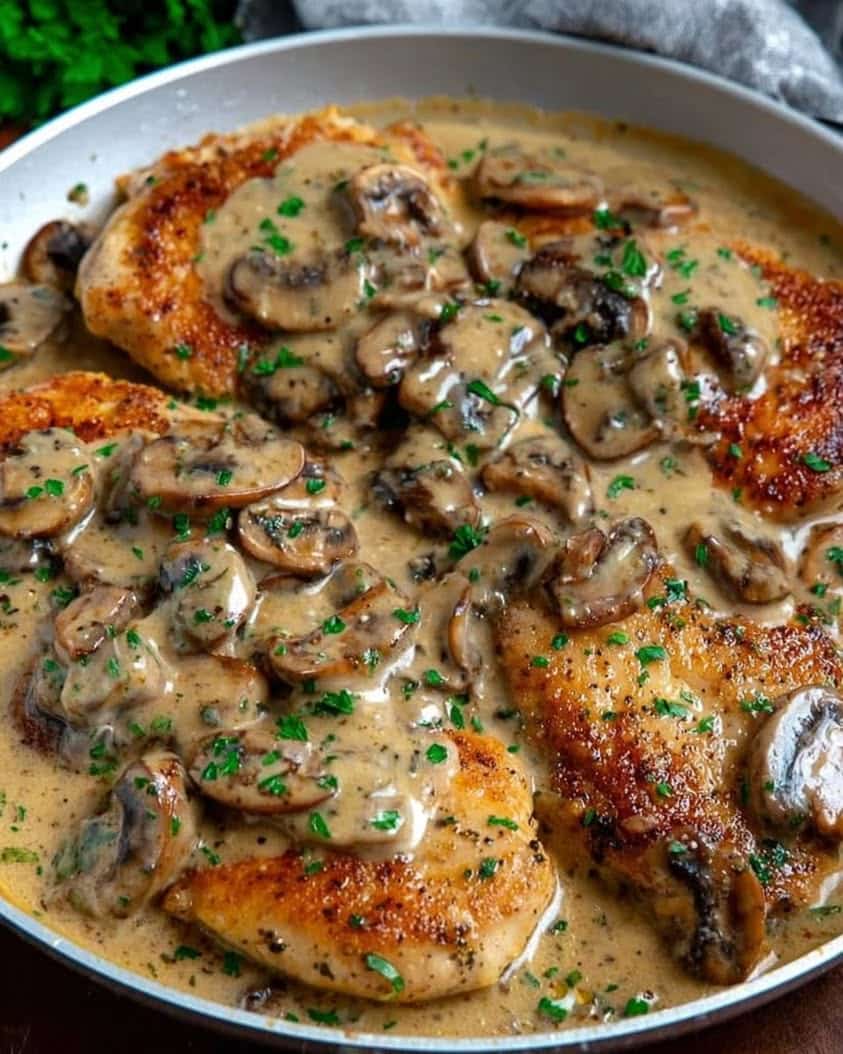
Creamy Asiago Mustard Chicken and Mushroom Skillet Recipe: A One-Pan Weeknight Wonder
Imagine a dinner that feels like a cozy restaurant meal but cooks in a single pan on your stovetop. This Creamy Asiago Mustard Chicken and Mushroom Skillet recipe delivers exactly that. Tender chicken breasts nestle among savory mushrooms, all bathed in a luxuriously smooth sauce. The sauce itself is a masterpiece, blending the nutty, sharp notes of Asiago cheese with the warm, tangy punch of Dijon mustard. Ultimately, this dish transforms simple ingredients into a comforting and impressive meal with minimal cleanup.
The magic of this recipe lies in its beautiful balance. First, the chicken gets a perfect sear, creating a golden crust that locks in juices. Next, the mushrooms soak up those delicious pan drippings, becoming little flavor bombs. Finally, the creamy Asiago mustard sauce brings everything together, coating each component in a velvety, savory blanket. The entire process flows seamlessly from one step to the next, making it an ideal choice for a busy weeknight or a relaxed weekend supper. You will find yourself returning to this reliable skillet dinner again and again.
Furthermore, this Creamy Asiago Mustard Chicken and Mushroom Skillet is incredibly versatile. You can serve it over pasta, mashed potatoes, rice, or with a crusty loaf of bread to soak up every last drop of sauce. The aroma that fills your kitchen as it cooks is absolutely irresistible, promising a meal that is both satisfying and sophisticated. Let us dive into how to create this simple yet spectacular dish that is sure to become a new family favorite.
Quick Recipe Highlights
- Flavor Profile: This dish features a rich, savory sauce with distinct layers. The Asiago cheese provides a sharp, nutty backbone, while the Dijon mustard adds a bright, tangy complexity that cuts through the creaminess. Additionally, the fond from searing the chicken and mushrooms builds a deep, umami base.
- Texture: You will enjoy a wonderful contrast of textures. The chicken remains juicy and tender inside with a lightly seared exterior. Meanwhile, the mushrooms become soft and meaty, and the sauce is luxuriously smooth and velvety, clinging perfectly to every bite.
- Aroma: As it cooks, your kitchen will fill with an inviting, savory scent. Initially, you will smell the savory browning of chicken and garlic. Then, the earthy aroma of mushrooms wilting follows. Finally, the melding of cream, mustard, and melting cheese creates a truly mouthwatering fragrance.
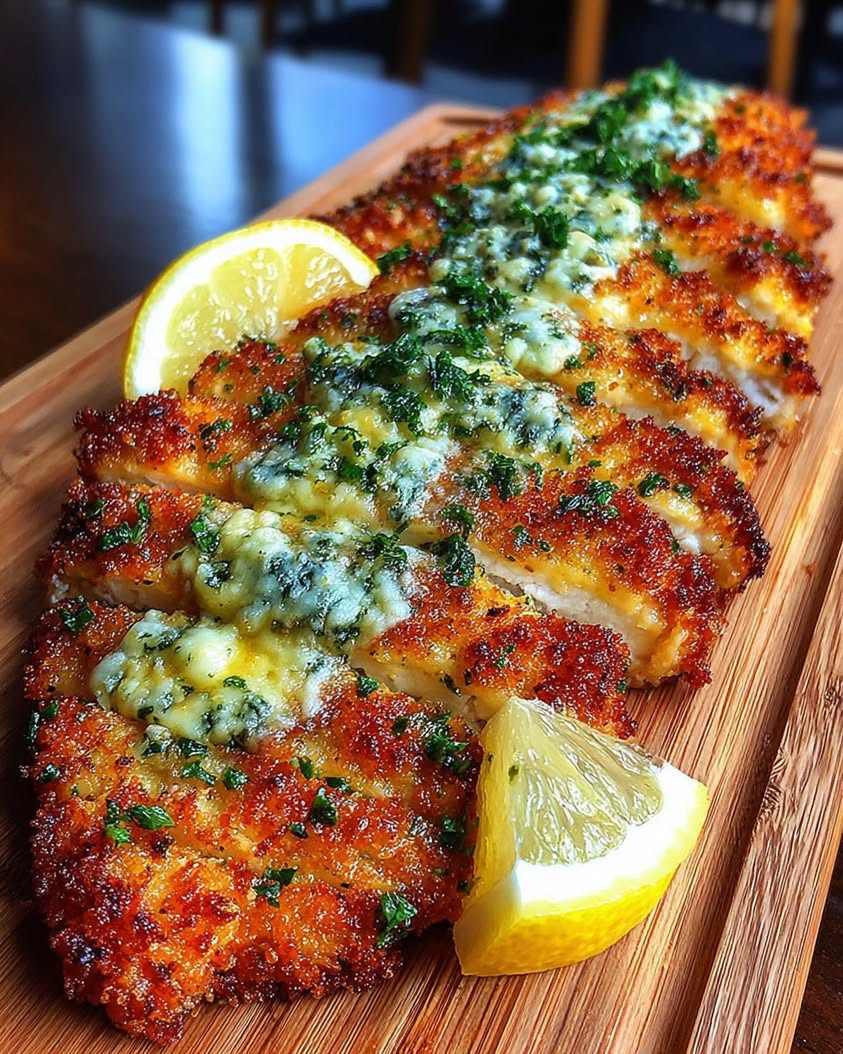
- Visual Appeal: This skillet dinner presents beautifully with its golden-brown chicken pieces and creamy, speckled sauce. The fresh green garnish of parsley or thyme adds a pop of color, making the dish look as good as it tastes, straight from the pan to the table.
- Skill Level Needed: This is a fantastic recipe for cooks of all levels. It uses fundamental techniques like pan-searing and building a pan sauce. Consequently, even beginner cooks can achieve excellent results by following the clear steps, while more experienced cooks can appreciate its efficient, one-pan elegance.
- Special Equipment: You only need one large, oven-safe skillet. A 12-inch cast iron or stainless steel skillet is ideal for achieving a good sear and holding all the ingredients comfortably. Other than that, basic kitchen tools like a cutting board, knife, and whisk are all you require.
Recipe Overview
- Difficulty Level: We rate this recipe as “Easy” because it follows a logical, sequential cooking process common to many skillet meals. The steps are straightforward: prepare ingredients, sear protein, cook vegetables, and make a sauce. There is no complicated knife work or advanced culinary skills required. However, paying attention to cooking times ensures the chicken stays juicy and the sauce perfectly emulsified.
- Category: This dish fits perfectly into several comforting categories. Primarily, it is a hearty main course or entree. It also qualifies as a quick one-pan meal, ideal for weeknight dinners. Moreover, it serves as a fantastic comfort food recipe, offering rich flavors and creamy textures that feel indulgent yet are simple to prepare.
- Cuisine: While not strictly traditional to one region, this recipe draws inspiration from rustic European cooking styles. The use of Dijon mustard nods to French cuisine, and the creamy, cheesy sauce is reminiscent of Italian Alfredo or Swiss fondue influences. Ultimately, it is a modern, fusion-style dish that prioritizes flavor and convenience.
- Cost: This is a moderately priced meal that feels luxurious. Chicken breasts and common mushrooms are budget-friendly proteins and vegetables. The Asiago cheese and heavy cream are the splurge items, but a little goes a long way in creating the rich sauce. Overall, it is a cost-effective way to enjoy a restaurant-quality dinner at home.
- Season: This Creamy Asiago Mustard Chicken and Mushroom Skillet is truly a year-round recipe. It is particularly comforting in fall and winter when creamy, hearty dishes are most craved. Conversely, it is light enough for spring and summer, especially when served with a simple side salad, making it a versatile seasonal choice.
- Occasion: This skillet meal is wonderfully adaptable for any occasion. It is quick enough for a casual Tuesday family dinner yet elegant enough for a weekend date night at home. Furthermore, it is an excellent option for casual entertaining because you can prepare most of it in one pan while chatting with guests.
Why You’ll Love This Recipe
First and foremost, the taste and texture combination is utterly irresistible. Each forkful delivers tender, well-seasoned chicken, earthy mushrooms, and that incredible creamy Asiago mustard sauce. The sauce is the true star, striking a perfect balance between rich, cheesy decadence and the sharp, bright note of mustard. It is a flavor profile that feels both familiar and excitingly new. You will love how the components complement each other, creating a harmonious and deeply satisfying dish that pleases a wide range of palates.
From a practical standpoint, the convenience factor is a major win. This entire meal comes together in one skillet, meaning minimal dishes to wash afterward. The prep work is simple and mostly involves slicing mushrooms and mincing garlic. The cooking process is also very manageable, with a clear progression of steps that flow naturally. You can have a impressive dinner on the table in about 40 minutes, making it a lifesaver on busy evenings. This recipe proves that you do not need to sacrifice flavor for the sake of simplicity and speed.
Nutritionally, this Creamy Asiago Mustard Chicken and Mushroom Skillet offers several advantages. Chicken breast is an excellent source of lean protein, which helps keep you full and supports muscle maintenance. Mushrooms contribute valuable nutrients like B vitamins, selenium, and antioxidants. While the sauce is indulgent, you control the portions. Serving it over a bed of whole-grain pasta, quinoa, or with a large side of vegetables can create a well-rounded meal. It is a satisfying dish that fits into a balanced diet.
For social and entertaining value, this recipe is a gem. It is impressive enough to serve to guests but not so fussy that you will be stuck in the kitchen all night. You can easily double the recipe in a larger skillet or cook in batches to serve a crowd. Presenting a sizzling skillet at the table always creates a sense of occasion. Your guests will be delighted by the restaurant-quality presentation and complex flavors, never guessing how straightforward it was to prepare.
Finally, this dish is cost-effective and accessible. The ingredients are easy to find at any standard grocery store. You likely have many of the pantry staples like mustard, garlic, and broth on hand already. While Asiago is a special cheese, you can often find it pre-grated or in small blocks. Compared to the cost of taking a family out for a similar meal, this homemade version saves significant money. It demonstrates how a few quality ingredients, cooked with care, can yield a spectacular result without breaking the bank.
Historical Background and Cultural Significance
The concept of cooking meat and vegetables in a single pan with a creamy sauce has roots in peasant cooking traditions across Europe. Specifically, the method of creating a sauce from the browned bits left in the pan after searing, known as “deglazing,” is a classic French technique. This foundational practice, called “faire un fond,” is the starting point for countless sauces and gravies. Our Creamy Asiago Mustard Chicken and Mushroom Skillet recipe is a modern descendant of these efficient, flavor-maximizing methods. It represents the practical need to create a hearty, complete meal with minimal equipment and cleanup.
Culturally, the inclusion of mustard and cheese points to specific regional influences. Dijon mustard, originating from the Burgundy region of France, has been a staple condiment and cooking ingredient since the Middle Ages. Its sharp, clean flavor was historically used to preserve and enhance meats. Asiago cheese hails from the Alpine region of Northern Italy, where dairy farming has been central for centuries. The practice of melting aged cheeses into sauces for pasta and polenta is deeply Italian. This recipe, therefore, represents a delicious fusion of French technique and Italian ingredient sensibility, a common theme in modern Euro-American cuisine.
The evolution of this recipe style is directly tied to the popularity of the skillet or frying pan in home kitchens. As cast iron and later, stainless steel cookware became household staples, one-pan meals gained prominence. They offered a solution for home cooks seeking efficiency without sacrificing flavor. The addition of cream and cheese to pan sauces became especially popular in mid-20th century American cooking, often seen in recipes like “chicken divan” or various stroganoffs. Our version updates this concept with more pronounced, adult-friendly flavors like Asiago and Dijon, moving away from the canned soup bases of earlier generations.
Regional variations of this concept are endless. In the American South, a similar dish might use a cream gravy with black pepper. In Switzerland, it could feature Gruyère cheese and white wine. In Hungary, paprika and sour cream might be the key players. The beauty of the basic formula—seared protein, aromatics, deglazing liquid, and dairy—is its incredible adaptability. Our specific combination of chicken, mushrooms, Asiago, and mustard creates a uniquely savory and tangy profile that has become a favorite in its own right. It stands as a testament to how global culinary ideas merge and evolve in the home kitchen.
Ingredient Deep Dive
Chicken Breasts: Boneless, skinless chicken breasts are the lean protein anchor of this dish. Historically, chicken was a luxury meat, but modern farming made it a weeknight staple. Nutritionally, it is high in protein and low in fat, especially when the skin is removed. For best results, select breasts of even thickness to ensure uniform cooking. You can also pound them slightly to an even ½-inch thickness. For storage, keep raw chicken in the coldest part of your fridge and use within 1-2 days, or freeze for longer storage. For substitution, chicken thighs offer more flavor and moisture, though they will increase the cook time slightly.
Cremini Mushrooms: Often called “baby bellas,” cremini mushrooms are simply the brown, younger version of portobellos. They have been foraged and cultivated for thousands of years across many cultures. They offer a deeper, earthier flavor than white button mushrooms. Nutritionally, they are a good source of B vitamins, selenium, and antioxidants like ergothioneine. When selecting, choose firm mushrooms with closed caps, avoiding any that are slimy or shriveled. Store them in a paper bag in the refrigerator. You can substitute with white button mushrooms or sliced portobellos. For a richer flavor, wild mushrooms like shiitake or oyster make excellent, albeit pricier, alternatives.
Asiago Cheese: Asiago is an Italian cow’s milk cheese that comes in two main styles: fresh (Asiago Pressato) and aged (Asiago d’Allevo). For this recipe, the aged variety, which is harder, sharper, and nuttier, is ideal for grating into the sauce. Its history dates back to around the year 1000 in the Alpine region of Italy. It melts beautifully, contributing both flavor and a smooth texture. Grate it yourself from a block for the best meltability, as pre-grated cheese often contains anti-caking agents. Store leftover cheese tightly wrapped in the fridge. Substitutions include Parmesan, Pecorino Romano, or a sharp white cheddar, though each will alter the flavor profile slightly.
Dijon Mustard: Originating from Dijon, France, this mustard is made from brown mustard seeds, white wine, and spices. Its smooth texture and sharp, clean heat make it a premier cooking ingredient, as it adds acidity and complexity without visible seeds. In cooking, it acts as an emulsifier, helping to bind the fat and liquid in the sauce. Always use a good-quality Dijon for the best flavor. Store it in the refrigerator after opening. While you can substitute with whole-grain mustard for texture or a milder yellow mustard in a pinch, the distinct tang of Dijon is central to this recipe’s character.
Heavy Cream: Heavy cream, or heavy whipping cream, is the dairy base that creates the luxurious sauce. It has a high butterfat content (36% or more), which prevents it from curdling when heated and allows it to reduce into a thick, velvety consistency. It provides the rich mouthfeel that makes the sauce so satisfying. For storage, always keep it refrigerated and check the expiration date. For a lighter version, you can use half-and-half, but the sauce will be thinner and more prone to breaking. For a dairy-free alternative, full-fat canned coconut cream can work, though it will impart a coconut flavor.
Common Mistakes to Avoid
- Crowding the Skillet: Adding too many chicken pieces at once is a critical error. Consequently, the chicken will steam instead of sear, resulting in pale, rubbery meat without the flavorful brown crust. Always cook in batches if your skillet is not large enough to fit all pieces with ample space between them.
- Underseasoning the Chicken: Seasoning is not just a final step. Salting the chicken breasts generously on both sides before cooking is essential. This process draws out moisture initially, but then the salt penetrates the meat, seasoning it from the inside out and resulting in a much more flavorful final dish.
- Moving the Chicken Too Soon: After placing the chicken in the hot pan, resist the urge to poke or move it for at least 3-4 minutes. This allows a proper sear to form, which will naturally release from the pan when ready. If you try to flip it too early, it will stick and tear.
- Using High Heat for the Sauce: Once you add the cream and cheese, high heat is your enemy. It can cause the sauce to break, meaning the fat will separate from the liquid, creating a greasy, grainy texture. Always reduce the heat to a gentle simmer when incorporating dairy.
- Adding Cold Cream to a Hot Pan: Adding ice-cold heavy cream directly to the hot skillet can shock the dairy and increase the chance of curdling. For a smoother result, let the cream sit out for 10-15 minutes to take the chill off before adding it to the recipe.
- Overcooking the Chicken: Chicken breasts cook quickly and can become dry and tough if left in the pan too long. Use a meat thermometer to check for an internal temperature of 165°F. Remember, the chicken will continue to cook slightly while resting and when returned to the warm sauce.
- Using Pre-Grated Cheese with Additives: Pre-grated bagged cheese often contains cellulose or other anti-caking agents. These additives can prevent the cheese from melting smoothly into the sauce, leading to a grainy texture. For a silky sauce, always grate your Asiago cheese fresh from a block.
- Skipping the Deglazing Step: After cooking the mushrooms, those browned bits (fond) on the bottom of the pan are packed with flavor. Pouring in the chicken broth and scraping vigorously dissolves this fond into your sauce, building a deep, savory base. Do not let this flavor go to waste.
- Not Letting the Sauce Thicken: Patience is key after adding the cream. Letting the sauce simmer gently for a few minutes allows it to reduce and thicken naturally, coating the back of a spoon. Serving it immediately after adding the cream will result in a thin, runny sauce.
- Forgetting to Taste and Adjust: Always taste your sauce before serving. You may find it needs another pinch of salt, a crack of black pepper, or even an extra teaspoon of mustard to brighten the flavors. Seasoning in layers, and adjusting at the end, is the mark of a great cook.
Essential Techniques
Pan Searing: Pan searing is the high-heat cooking method used to brown the chicken, creating a flavorful crust through the Maillard reaction. This technique is crucial because it develops complex flavors and an appealing texture. To master it, ensure your skillet is properly preheated before adding oil, and then add the seasoned chicken. Do not move it until it releases easily from the pan. A common pitfall is using a pan that is not hot enough, leading to steaming. Visual cues for success include a golden-brown, caramelized exterior and chicken that moves freely when nudged with tongs.
Deglazing: Deglazing is the process of adding a liquid to a hot pan to dissolve the browned bits of food stuck to the bottom. This technique is important because it incorporates all the flavorful fond into your sauce, maximizing taste. To do it, after removing the chicken and cooking the mushrooms, pour in your chicken broth or wine. Immediately use a wooden spoon or whisk to scrape the pan bottom vigorously. The common mistake is using too little liquid or not scraping thoroughly. Success is visible when the liquid becomes a dark, flavorful base and the pan bottom is clean.
Building a Cream Sauce: Constructing a creamy pan sauce involves reducing liquids and emulsifying dairy with the pan juices. This technique creates the luxurious, cohesive texture of the final dish. After deglazing, you add the cream and mustard, then simmer gently to reduce and thicken. The key is to maintain a low simmer after adding the cream to prevent curdling. A common pitfall is boiling the sauce, which can cause it to break. Success is evident when the sauce coats the back of a spoon and has a velvety, smooth consistency without any separated fat on the surface.
Pro Tips for Perfect Creamy Asiago Mustard Chicken and Mushroom Skillet
- Bring your chicken to room temperature for 15-20 minutes before cooking. This simple step helps it cook more evenly, preventing a raw center and overcooked edges.
- Pat your chicken breasts completely dry with paper towels before seasoning. Moisture on the surface creates steam, which is the enemy of a good, crispy sear.
- Do not wash your mushrooms; simply wipe them clean with a damp paper towel or use a soft brush. Washing them makes them soggy, and they will not brown properly in the pan.
- Let your heavy cream sit on the counter while you prep and start cooking. Adding room-temperature cream to the hot pan significantly reduces the risk of the sauce curdling or breaking.
- Grate your own Asiago cheese from a block. Pre-shredded cheese contains additives that prevent clumping but also prevent smooth melting, leading to a grainy sauce texture.
- Use a meat thermometer to ensure perfect doneness. Insert it into the thickest part of the chicken; it should read 165°F. This guarantees juicy, safe-to-eat chicken every single time.
- If your sauce seems too thin, let it simmer for an extra 2-3 minutes to reduce further. If it seems too thick, simply stir in a splash of additional chicken broth until it reaches your desired consistency.
- Finish the dish with a fresh element. A sprinkle of chopped fresh parsley, thyme, or chives just before serving adds a burst of color and a bright flavor that cuts through the richness beautifully.
Variations and Adaptations
Regional Variations: You can easily adapt this recipe to mimic different regional flavors. For a French twist, use Gruyère cheese and a splash of white wine for deglazing. For an Italian-inspired version, use Parmesan cheese and add a pinch of red pepper flakes and some sun-dried tomatoes. For a German-style dish, substitute whole-grain mustard for Dijon and add a little caraway seed to the mushrooms.
Seasonal Adaptations: Embrace seasonal produce by swapping or adding vegetables. In spring, add fresh asparagus tips or peas during the last few minutes of cooking. In summer, stir in a handful of fresh spinach or cherry tomatoes. In fall, incorporate cubed butternut squash or use wild mushrooms. This keeps the recipe exciting and aligned with what is fresh at the market.
Dietary Modifications: For a gluten-free meal, ensure your chicken broth is certified gluten-free and serve over rice, quinoa, or gluten-free pasta. For a keto or low-carb version, serve the skillet over cauliflower rice or zucchini noodles. For a dairy-free adaptation, use full-fat canned coconut milk instead of heavy cream and a dairy-free Parmesan-style cheese alternative.
Flavor Variations: Experiment with different flavor profiles by changing the cheese and aromatics. Try smoked Gouda for a smoky note, or blue cheese for a bold, tangy kick. Add minced shallots along with the garlic, or stir in a teaspoon of fresh thyme or rosemary with the mushrooms. A dash of Worcestershire sauce or a squeeze of lemon juice at the end can also add wonderful depth.
Texture Modifications: Alter the texture to suit your preference. For a chunkier sauce, use sliced or torn chicken thighs instead of breasts. For a smoother, more decadent sauce, blend a portion of the cooked mushrooms into the cream before adding it back to the pan. To add crunch, top the finished dish with toasted breadcrumbs or chopped walnuts.
Presentation Alternatives: Instead of serving family-style from the skillet, plate individually for a more refined look. Slice the chicken breasts on the bias and fan them out over a bed of polenta. Spoon the mushrooms and sauce over the top, and garnish with microgreens. Alternatively, serve the chicken and sauce in shallow bowls over pappardelle pasta for a classic bistro presentation.
Serving and Presentation Guide
Plating Techniques: For elegant plating, slice the cooked chicken breasts on a diagonal and arrange the slices slightly overlapping on one side of a warm plate or shallow bowl. Spoon the mushrooms and creamy Asiago mustard sauce over and around the chicken, allowing some of the chicken to peek through. This showcases the beautiful sear on the chicken and makes for easier eating.
Garnishing Ideas: A simple garnish elevates the visual appeal and adds a fresh flavor note. Chopped fresh flat-leaf parsley is a classic, bright choice. Fresh thyme leaves or chives also work wonderfully. For a touch of color and subtle onion flavor, thinly slice the green parts of a scallion and scatter them over the top. A final light grating of extra Asiago cheese just before serving adds a professional touch.
Traditional Accompaniments: This rich, creamy dish pairs beautifully with simple starches that soak up the sauce. Buttered egg noodles, creamy mashed potatoes, or soft polenta are traditional and comforting choices. A crusty baguette or slices of garlic bread are also perfect for mopping up every last bit of sauce from the plate.
Modern Serving Suggestions: For a lighter, modern take, serve the chicken and sauce over cauliflower puree, quinoa, or a bed of wilted greens like spinach or kale. You can also deconstruct the dish for a salad by slicing the chicken and serving it cool over mixed greens with the sauce used as a warm dressing for the mushrooms.
Temperature Considerations: Serve this dish immediately while the sauce is hot and creamy and the chicken is tender. Warm your serving plates or bowls slightly to keep the food hot longer at the table. If the sauce thickens too much upon standing, you can always loosen it with a tiny splash of warm chicken broth or cream.
Portion Control Tips: This recipe generously serves four. For smaller appetites or if serving with multiple hearty sides, one chicken breast can comfortably serve two people when sliced. You can also stretch the meal by adding more mushrooms or serving it over a larger portion of your chosen starch, ensuring the flavorful sauce coats everything well.
Wine and Beverage Pairing
Wine Pairings: The rich, creamy sauce and savory mushrooms call for wines with good acidity to cut through the fat. A classic Chardonnay with balanced oak, like those from Burgundy or California, complements the cheese and cream beautifully. For red wine lovers, a lighter Pinot Noir with earthy notes pairs wonderfully with the mushrooms without overpowering the chicken. An off-dry Riesling can also be a fantastic choice, as its sweetness contrasts the mustard’s tang.
Non-Alcoholic Alternatives: Sparkling water with a twist of lemon or lime provides a clean, palate-cleansing effervescence. For a more crafted option, try a tart cherry juice spritzer mixed with soda water. A warm, savory broth-based drink can also be a cozy complement. Alternatively, a creamy, non-dairy milk like oat milk can mirror the dish’s texture in a beverage form.
Coffee and Tea Pairings: While not a typical pairing for the meal itself, a post-dinner coffee or tea can work well. A medium-roast coffee with low acidity won’t clash with the rich flavors. For tea, consider an earthy Pu-erh or a robust English Breakfast tea. The key is to choose beverages that are not overly bitter or acidic, which could contrast unpleasantly with the residual creaminess.
Temperature Considerations: White wines should be served chilled, between 45-50°F, to provide a refreshing contrast to the warm, rich food. Red wines like Pinot Noir are best served slightly cool, around 55°F. Non-alcoholic sparkling drinks should be well-chilled. The goal is to use the beverage temperature to create a pleasing contrast with the hot skillet meal.
Serving Suggestions: Always offer water on the table alongside any other beverage. It helps cleanse the palate between bites of the rich sauce. If serving wine, pour a modest initial portion to allow guests to taste the pairing before committing to a full glass. For non-alcoholic options, consider serving them in elegant glassware to make the experience feel just as special.
Storage and Shelf Life
Storage Methods: Allow the leftover Creamy Asiago Mustard Chicken and Mushroom Skillet to cool completely to room temperature before storing. Do not leave it out for more than two hours. Transfer the cooled chicken, mushrooms, and sauce to an airtight container. You can store all components together, as the chicken will absorb more of the sauce flavor.
Temperature Requirements: Refrigerate leftovers promptly. The dish must be stored at a consistent temperature of 40°F or below. Use the middle or bottom shelves of your refrigerator, not the door, where temperatures fluctuate more. Proper refrigeration is crucial for food safety due to the dairy and poultry content.
Container Recommendations: Use shallow, airtight containers made of glass or BPA-free plastic. Shallow containers allow the food to cool quickly and evenly, reducing the risk of bacterial growth. If using a large container, consider dividing the leftovers into smaller portions for faster cooling and easier reheating later.
Signs of Spoilage: Before consuming leftovers, inspect and smell the food. Discard if you notice an off or sour smell, significant separation of the sauce (beyond normal settling), or any visible mold. If the chicken has a slimy texture, it is a definite sign of spoilage. When in doubt, throw it out.
Reheating Instructions: Reheat leftovers gently to prevent the sauce from breaking. The best method is on the stovetop over low heat, stirring frequently. Add a small splash of chicken broth or cream to loosen the sauce if it has thickened too much. You can also reheat in the microwave using 50% power in 60-second intervals, stirring between each interval.
Freezing Guidelines: This dish can be frozen, but the texture of the cream sauce may change slightly upon thawing, potentially becoming grainy or separating. If you choose to freeze, store in a freezer-safe container for up to 2 months. Thaw overnight in the refrigerator and reheat gently on the stovetop, whisking vigorously to re-emulsify the sauce.
Make Ahead Strategies
Prep Timeline: You can prepare several components up to a day in advance to streamline dinner time. Slice the mushrooms and mince the garlic, storing them separately in airtight containers in the refrigerator. Grate the Asiago cheese and keep it chilled. You can also trim and lightly pound the chicken breasts, then store them on a plate wrapped in the fridge.
Storage Between Steps: If prepping ingredients ahead, keep them organized and labeled. Raw chicken must be stored on the bottom shelf of the fridge to prevent cross-contamination. Keep dairy products like cream and cheese in their original packaging until ready to use. Having everything measured and ready (mise en place) will make the cooking process incredibly fast and smooth.
Quality Impact Assessment: Pre-slicing mushrooms may cause them to dry out slightly, but this does not significantly impact the final dish. Pre-grating cheese is fine, but avoid the pre-bagged kind with additives. The chicken may release a little more liquid if salted too far in advance, so for best results, season it just before cooking.
Assembly Tips: When ready to cook, simply pull your prepped ingredients from the fridge. Have your skillet, utensils, and measuring cups ready. The cooking process will move quickly, so having everything within arm’s reach is key. Follow the recipe steps as written, enjoying the efficiency of your advance preparation.
Reheating Guidelines: This dish is best served fresh, but if you must fully cook it ahead, follow the gentle reheating instructions mentioned in the storage section. The chicken may dry out slightly upon reheating, so extra sauce is your friend. Consider undercooking the chicken by a minute or two if you know you will be reheating it later.
Fresh Element Additions: If making the entire dish ahead, wait to add any fresh herb garnishes until you reheat and serve. The vibrant color and flavor of fresh parsley, chives, or thyme will fade if added before storage. Stir them in just before serving to maximize their impact and brighten up the flavors of the pre-made meal.
Scaling Instructions
Halving the Recipe: To serve two, simply divide all ingredient quantities in half. Use a 10-inch skillet instead of a 12-inch. Cooking times will be slightly shorter, especially for reducing the sauce, so keep a close eye on it. The chicken may cook a minute or two faster, so use a meat thermometer to check for doneness at 165°F.
Doubling or Tripling: For a crowd, double or triple the ingredients. Do not attempt to cook all the chicken at once; you will need to sear it in multiple batches to avoid overcrowding. Use the largest skillet you have, or cook in two separate skillets simultaneously. You may need to slightly increase the sauce reduction time when making a larger volume.
Equipment Adjustments: Scaling up requires planning. For a double batch, a 12-inch skillet may still work if you sear chicken in two batches. For tripling, consider using a large Dutch oven or a wide braiser pan. Ensure you have a large enough vessel to comfortably hold all the sauce ingredients without risk of boiling over.
Timing Modifications: When increasing the recipe, the prep time will increase linearly, but the active cooking time may not. Searing multiple batches of chicken adds time. The sauce may take a few extra minutes to reduce and thicken due to the larger volume. Factor this in when planning your meal schedule.
Storage Considerations: If you have scaled up and have leftovers, store them in multiple smaller containers rather than one giant one. This promotes faster, safer cooling and makes it easier to reheat single servings later without having to thaw a massive block of food.
Nutritional Deep Dive
Macro Breakdown: A serving of this Creamy Asiago Mustard Chicken and Mushroom Skillet provides a balanced mix of macronutrients. The chicken breast is an excellent source of high-quality, lean protein, essential for muscle repair and satiety. The heavy cream and cheese contribute healthy fats, which aid in nutrient absorption and provide sustained energy. The mushrooms add a small amount of complex carbohydrates and dietary fiber. The overall dish is moderately high in calories, primarily from the rich sauce, making portion awareness important.
Micronutrient Analysis: This dish delivers several key vitamins and minerals. Chicken provides B vitamins, particularly B6 and niacin, which support energy metabolism. Mushrooms are a notable source of selenium, an important antioxidant, and B vitamins like riboflavin. Asiago cheese contributes calcium for bone health and phosphorus. Garlic adds trace amounts of manganese and vitamin C. Using a fortified chicken broth can also increase the mineral content.
Health Benefits: When consumed as part of a balanced diet, this meal offers several benefits. The high protein content promotes fullness and can aid in weight management by reducing snacking. The selenium from mushrooms supports immune function and thyroid health. The compounds in garlic have been linked to cardiovascular benefits. The dish is also naturally low in sugar, which is beneficial for blood sugar regulation.
Dietary Considerations: This recipe is naturally gluten Print
Chicken and Mushroom Skillet in a Creamy Asiago and Mustard Sauce
- Total Time: 45 minutes
- Yield: 4
Description
A comforting one-pan meal featuring tender chicken and earthy mushrooms smothered in a rich, tangy Asiago and mustard cream sauce.
Ingredients
- 1.5 lbs boneless, skinless chicken thighs, cut into 1-inch pieces
- 8 oz cremini mushrooms, sliced
- 1 medium yellow onion, diced
- 3 cloves garlic, minced
- 1 cup chicken broth
- 1 cup heavy cream
- 1 cup grated Asiago cheese
- 2 tbsp Dijon mustard
- 2 tbsp olive oil
- 1 tsp dried thyme
- Salt and black pepper to taste
- Fresh parsley, chopped (for garnish)
Instructions
- Season chicken pieces with salt, pepper, and dried thyme.
- Heat olive oil in a large skillet over medium-high heat. Add chicken and cook until browned on all sides, about 5-7 minutes. Remove chicken and set aside.
- In the same skillet, add mushrooms and onion. Cook until softened and mushrooms release their liquid, about 5 minutes. Add garlic and cook for 1 minute until fragrant.
- Pour in chicken broth to deglaze the pan, scraping up any browned bits. Stir in Dijon mustard.
- Reduce heat to medium-low. Stir in heavy cream and Asiago cheese until the cheese is melted and the sauce is smooth.
- Return the chicken to the skillet. Simmer for 10-15 minutes, until the sauce has thickened slightly and the chicken is cooked through.
- Garnish with fresh parsley and serve hot over mashed potatoes, rice, or pasta.
Notes
You can customize the seasonings to taste.
- Prep Time: 15 minutes
- Cook Time: 30 minutes
- Method: Main
- Cuisine: American