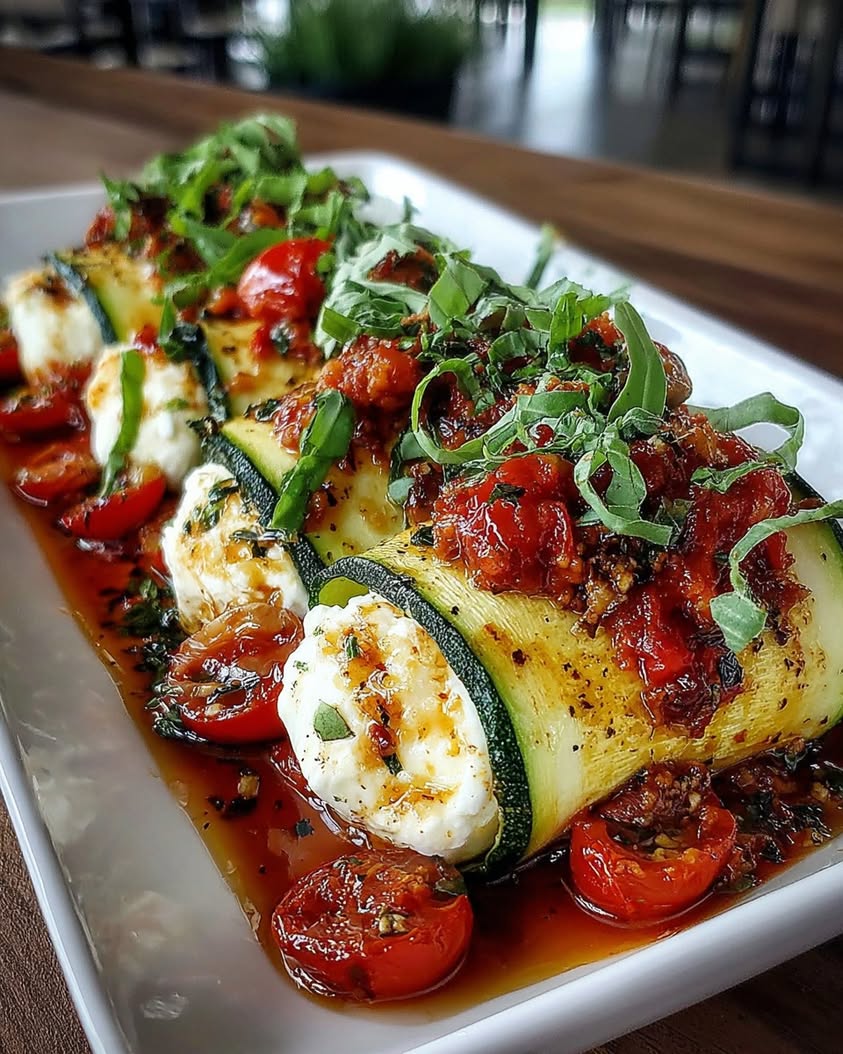
Creamy Burrata Stuffed Zucchini Rolls with Tomato Glaze: An Elegant Summer Appetizer
Imagine a dish that captures the essence of a sun-drenched Italian garden on a single plate. These Creamy Burrata Stuffed Zucchini Rolls with Tomato Glaze do exactly that. They transform humble summer squash into elegant, restaurant-worthy bites perfect for entertaining. The recipe combines delicate, tender zucchini ribbons with the luxurious, creamy texture of fresh burrata cheese. Finally, a sweet and tangy tomato glaze ties everything together with a beautiful, glossy finish.
This dish is a celebration of seasonal produce at its peak. Each component shines individually yet harmonizes perfectly. The zucchini provides a fresh, slightly sweet base. Meanwhile, the burrata filling offers a rich and decadent contrast. Consequently, the tomato glaze adds a necessary pop of acidity and vibrant color. Ultimately, these rolls are a testament to how simple ingredients, when treated with care, can create something truly spectacular.
Perfect for a light lunch, a stunning appetizer, or a sophisticated side dish, these zucchini rolls are incredibly versatile. They feel special without requiring days of preparation. Moreover, they showcase a beautiful balance of flavors and textures that will impress any guest. Let’s explore how to create this masterpiece in your own kitchen.
Quick Recipe Highlights
- Flavor Profile: These rolls offer a sophisticated balance. The natural sweetness of zucchini and tomato glaze contrasts with the creamy, mild tang of burrata. Fresh basil adds a final aromatic punch that brightens the entire dish.
- Texture: Experience a delightful textural journey. Tender yet firm zucchini ribbons encase a luscious, molten burrata center. The reduced tomato glaze provides a slightly sticky, jam-like consistency that clings beautifully to each roll.
- Aroma: The cooking process fills your kitchen with an irresistible fragrance. You’ll smell the sweet, caramelizing notes of the tomato glaze mingling with the earthy scent of roasted zucchini and the fresh, peppery aroma of basil.
- Visual Appeal: This dish is a feast for the eyes. Vibrant green zucchini rolls are arranged elegantly on a plate, draped in a deep red glaze, and garnished with green basil and white cheese. The colors mimic the Italian flag, promising a delicious experience.
- Skill Level Needed: This recipe is accessible to confident home cooks. It requires some knife skills for slicing the zucchini and a bit of patience for reducing the glaze. However, the steps are straightforward and well within reach for a weekend cooking project.
- Special Equipment: A mandoline slicer is highly recommended for achieving perfectly even, thin zucchini ribbons. Additionally, you’ll need a good non-stick skillet or grill pan for cooking the zucchini and a small saucepan for reducing the tomato glaze.
Recipe Overview
- Difficulty Level: We rate this recipe as intermediate. While the ingredient list is short, success hinges on technique. Specifically, slicing the zucchini thinly and evenly without breaking it is crucial. Furthermore, reducing the tomato glaze to the perfect syrupy consistency requires attention. Therefore, a basic comfort level in the kitchen is beneficial.
- Category: This dish is wonderfully flexible. It functions perfectly as a show-stopping appetizer for a dinner party. Alternatively, it serves as a light vegetarian main course for a summer lunch. It can also accompany grilled proteins like chicken or fish as an elegant side dish.
- Cuisine: The recipe draws direct inspiration from the rustic yet refined flavors of Italian cuisine. It utilizes classic Mediterranean ingredients—zucchini, tomato, basil, and fresh cheese—in a modern, plated presentation. The focus on fresh, high-quality components is quintessentially Italian.
- Cost: The cost is moderate and depends largely on the price of burrata, which can vary. Zucchini and canned tomatoes are very affordable. Fresh basil is inexpensive if grown at home or bought in a small bunch. Overall, it’s a cost-effective way to create a dish that feels luxurious.
- Season: This is a quintessential summer recipe. It is best made when zucchini is in peak season, being plentiful, sweet, and affordable. Likewise, fresh basil is most aromatic in the warmer months. The dish is light and refreshing, ideal for warm-weather dining.
- Occasion: These zucchini rolls are perfect for occasions where presentation matters. Think dinner parties, holiday appetizers, anniversary dinners, or bridal showers. They also make a wonderful special weekend lunch or a creative way to use a garden bounty of zucchini.
Why You’ll Love This Recipe
First and foremost, the taste and texture combination is utterly irresistible. The creamy burrata stuffed zucchini rolls provide a luxurious mouthfeel that is both rich and refreshing. Each bite delivers the fresh, green flavor of zucchini, immediately followed by the cool, creamy burst of burrata. The sweet tomato glaze cuts through the richness, creating a perfectly balanced flavor profile. This harmony of sweet, creamy, and fresh is what makes the dish so memorable and crave-worthy.
From a convenience standpoint, this recipe is a entertainer’s dream. You can prepare major components ahead of time. For instance, you can slice the zucchini and make the glaze hours in advance. Then, assembly before serving is quick and simple. Consequently, you spend less time in the kitchen during your event and more time with your guests. The rolls look intricate but the process is logical and manageable, making you feel like a professional chef.
Nutritionally, these zucchini rolls offer several advantages. Zucchini is low in calories and carbohydrates but high in fiber and antioxidants like vitamin C. Burrata provides a good source of protein and calcium, though it is higher in fat. Using part-skim ricotta in the filling can lighten it up if desired. Ultimately, you’re eating a dish centered on vegetables and fresh cheese, which is a wholesome choice compared to many heavy, pastry-based appetizers.
The social and entertaining value of this dish cannot be overstated. Visually, it creates an immediate “wow” factor on any table. Guests are always impressed by the elegant presentation of these creamy burrata stuffed zucchini rolls. They are easy to eat as finger food or with a fork, making them suitable for both seated dinners and cocktail parties. Serving them sparks conversation and shows your guests you’ve put thought and care into the meal.
Finally, this recipe is cost-effective and accessible. While burrata feels luxurious, the rest of the ingredients are pantry and garden staples. If burrata is unavailable or too pricey, a high-quality fresh mozzarella can be substituted. A single batch yields a generous amount of food for a fraction of the cost of a similar appetizer at a restaurant. This accessibility allows you to create a gourmet experience at home anytime.
Historical Background and Cultural Significance
The concept of stuffing and rolling vegetables is deeply rooted in Mediterranean and Middle Eastern culinary traditions. Dishes like Greek dolmades (stuffed grape leaves) and Italian involtini (thinly sliced meat or eggplant rolls) showcase this ancient technique. Our creamy burrata stuffed zucchini rolls are a modern, vegetarian twist on this classic idea. They borrow the elegant rolling presentation but use contemporary ingredients like burrata, which itself is a relatively recent invention in cheese-making history.
Zucchini, or courgette, has a long history in Italian cuisine, though it originated in the Americas. It was brought to Europe in the late 15th century and was enthusiastically adopted in Italian cooking. Italian cooks mastered the art of preparing zucchini in countless ways—fried, grilled, stuffed, and baked. Using it as a wrapper or ribbon is a natural progression, highlighting its versatility and mild flavor that pairs well with robust fillings.
The star ingredient, burrata, has a much shorter but fascinating history. It was invented in the early 20th century in the Puglia region of Italy as a way to use up the ritagli (clippings) of mozzarella. Cheese makers created a pouch of fresh mozzarella and filled it with these clippings mixed with cream, stracciatella. The result was “burrata,” meaning “buttered” in Italian, referring to its rich, creamy interior. Its use in a dish like this represents a fusion of old-world technique with a newer, luxurious ingredient.
Cultural significance lies in the dish’s embodiment of “cucina povera” or “poor kitchen” philosophy turned elegant. It takes inexpensive, abundant summer squash and elevates it with a special cheese and a carefully crafted glaze. This reflects a core Italian value: creating extraordinary food from ordinary ingredients through skill and care. The creamy burrata stuffed zucchini rolls are a celebration of seasonality, simplicity, and artistry on a plate.
Ingredient Deep Dive
Zucchini: Choose medium-sized, firm zucchini with glossy, unblemished skin. Larger zucchini can be seedy and watery, while very small ones are difficult to slice into long ribbons. Zucchini is over 95% water, making it low in calories but a good source of manganese, vitamin C, and fiber. Its mild flavor makes it the perfect vehicle for the rich filling. Store whole zucchini unwashed in a plastic bag in the refrigerator crisper for up to a week. For a variation, yellow summer squash can be used for a beautiful color contrast.
Burrata Cheese: Burrata is a fresh Italian cheese made from mozzarella and cream. The outer shell is solid mozzarella, while the inside contains stracciatella and cream, giving it an unforgettable, rich texture. Look for burrata packed in water or whey, and always check the “made on” date for maximum freshness. It is perishable and should be used within a few days of purchase. Store it in its liquid in the refrigerator. If unavailable, substitute with fresh mozzarella (bocconcini) mixed with a tablespoon of ricotta or cream for moisture.
Canned Crushed Tomatoes: Using high-quality canned tomatoes is crucial for a vibrant, sweet glaze. San Marzano tomatoes, grown in the volcanic soil near Naples, are prized for their sweet flavor, low acidity, and few seeds. They create a superior glaze. Canned tomatoes are packed at peak ripeness and often provide more consistent flavor than off-season fresh tomatoes. They are an excellent source of lycopene, an antioxidant. Store unused tomatoes in a non-reactive container in the fridge for up to a week. For a fresh twist, you can use ripe, peeled, and crushed Roma tomatoes in season.
Fresh Basil: Basil is the soul of this dish, providing a critical aromatic high note. Its sweet, peppery flavor with hints of anise and mint is irreplaceable. For the best flavor, buy live basil plants or very fresh bunches with perky, bright green leaves. Tear the leaves rather than chop them to prevent bruising and blackening. Basil is rich in vitamin K and antioxidants. Store basil stems in a glass of water on the counter (like a bouquet) for short-term use. As a last-resort substitute, fresh mint or parsley can provide a different but pleasant herbal note.
Common Mistakes to Avoid
- Slicing Zucchini Too Thick: Thick slices will not roll properly and will be too crunchy. They also won’t cook through as quickly, risking a raw texture. Always use a mandoline or a very sharp knife to achieve thin, pliable ribbons.
- Not Salting the Zucchini Ribbons: Skipping the salting step leads to watery, soggy rolls. Salt draws out excess moisture, which concentrates flavor and prevents the final dish from becoming a puddle. Let them drain on paper towels as directed.
- Overfilling the Rolls: Using too much burrata mixture will cause it to ooze out during cooking and make rolling difficult. A modest tablespoon per ribbon is sufficient. Remember, the burrata will soften and spread slightly when heated.
- Under-Reducing the Tomato Glaze: A runny glaze will not coat the rolls and will water down the plate. Cook it until it thickens to a jam-like consistency that coats the back of a spoon. It will continue to thicken as it cools.
- Overcooking the Zucchini Ribbons: Zucchini cooks very quickly. Overcooking makes the ribbons mushy and prone to tearing when you try to roll them. Cook just until pliable and slightly translucent at the edges.
- Using Cold Burrata Straight from the Fridge: Very cold burrata is stiff and difficult to work with. Let it sit at room temperature for 15-20 minutes before mixing the filling. This makes it creamier and easier to spread.
- Skipping the Fresh Basil Garnish: The basil garnish is not just decoration; it provides a necessary fresh, aromatic counterpoint to the rich cheese and sweet glaze. Adding it just before serving preserves its vibrant color and flavor.
- Not Preheating the Pan: Adding zucchini ribbons to a cold pan will cause them to steam and become soggy instead of getting those nice, light grill marks or a quick sear. Ensure your skillet or grill pan is properly heated.
Essential Techniques
Slicing Zucchini into Ribbons: This is the foundational technique for successful creamy burrata stuffed zucchini rolls. Using a mandoline slicer set to 1/8-inch thickness ensures uniform, long ribbons. If using a knife, steady the zucchini and use a long, smooth slicing motion. The goal is a ribbon that is thin enough to bend without breaking but thick enough to hold the filling. Practice on the first zucchini to get a feel for it. Properly sliced ribbons will be flexible and slightly translucent when held up to the light.
Salting and Draining Zucchini: Salting is not for seasoning alone; it’s a crucial moisture-control step. Generously salt the ribbons and let them sit for 10 minutes. The salt draws out excess water via osmosis. Then, pat them thoroughly dry with paper towels. This step prevents a watery final dish, concentrates the zucchini’s flavor, and ensures the rolls hold their shape. Do not rinse the salt off; simply pat it away along with the moisture.
Reducing the Tomato Glaze: Reduction is a process of simmering a liquid to evaporate water, concentrating flavors and thickening consistency. Start with crushed tomatoes, garlic, and a touch of sweetener. Simmer over medium-low heat, stirring occasionally to prevent scorching. As water evaporates, the sauce will thicken and darken in color. It’s done when it leaves a clear trail on the bottom of the pan when you drag a spoon through it. This creates an intensely flavorful, glossy glaze.
Rolling the Zucchini: Place a ribbon on a clean surface. Spread a line of filling along one short end. Gently but firmly roll the zucchini around the filling, tucking it in as you go. The ribbon should stick to itself. Place the roll seam-side down on your serving platter or baking dish. If a ribbon tears, don’t worry; you can overlap two shorter pieces slightly to form a longer base for rolling.
Pro Tips for Perfect Creamy Burrata Stuffed Zucchini Rolls
Select zucchini that are straight and uniform in diameter for the most consistent, easy-to-roll ribbons. Curved or bulbous zucchini will yield uneven slices.
If you don’t have a mandoline, use a Y-peeler. It can create beautiful, thin ribbons, though they may be slightly narrower than those from a mandoline.
For a deeper flavor, lightly grill the zucchini ribbons instead of pan-searing them. This adds a subtle smokiness that pairs wonderfully with the sweet tomato glaze.
Add a pinch of red pepper flakes to the tomato glaze while it simmers for a gentle, warming heat that balances the sweetness.
Let the assembled rolls sit for 5 minutes before serving. This allows the residual heat to gently warm the burrata filling without making it runny.
Use a piping bag or a small zip-top bag with the corner snipped off to neatly and evenly distribute the burrata filling onto the zucchini ribbons.
For the ultimate presentation, drizzle the tomato glaze in a zig-zag pattern across the plate first, then arrange the rolls on top. This creates a professional, restaurant-style look.
If preparing for a crowd, assemble the rolls in a baking dish, drizzle with glaze, and keep warm in a 200°F oven for up to 20 minutes before garnishing and serving.
Variations and Adaptations
Regional Variations: In the south of France, consider adding Herbes de Provence to the filling and using a ratatouille-inspired vegetable tapenade as a base instead of tomato glaze. For a Greek twist, substitute the burrata with a mixture of feta cheese, dill, and lemon zest, and serve with a drizzle of olive oil and Kalamata olives.
Seasonal Adaptations: In autumn, replace the zucchini with thin slices of butternut squash or sweet potato, roasting them until pliable. For a winter version, use hearty greens like blanched Swiss chard or kale leaves as the wrapping element. In spring, try using thinly shaved asparagus ribbons for a truly seasonal treat.
Dietary Modifications: For a vegan version, use a high-quality vegan mozzarella or ricotta mixed with cashew cream. A dairy-free version can utilize kite hill ricotta. To make it keto-friendly, ensure the tomato glaze uses a sugar substitute like erythritol and be mindful of the tomato quantity to manage carbs.
Flavor Variations: Infuse the burrata filling with different herbs like chopped chives, tarragon, or oregano. Add finely chopped sun-dried tomatoes or toasted pine nuts to the filling for extra texture and umami. For a richer flavor, mix a tablespoon of prepared pesto into the burrata filling.
Texture Modifications: For added crunch, sprinkle toasted breadcrumbs or chopped walnuts over the assembled rolls before serving. To make the rolls more substantial, add a layer of thinly sliced prosciutto or smoked salmon under the burrata filling before rolling.
Presentation Alternatives: Instead of individual rolls, create a zucchini “lasagna” by layering the ribbons and burrata filling in a baking dish, topping with glaze, and baking until bubbly. Alternatively, serve the components deconstructed: a pile of grilled zucchini ribbons, a dollop of burrata, and the tomato glaze on the side for dipping.
Serving and Presentation Guide
Plating Techniques: For a formal presentation, arrange three creamy burrata stuffed zucchini rolls in a straight line slightly offset from the center of a white plate. Drizzle the tomato glaze in a sweeping arc over and around them. Alternatively, for a family-style presentation, arrange all rolls snugly in a radiating circle on a large platter and pour the glaze over the center, letting it cascade down.
Garnishing Ideas: Fresh basil leaves are classic and necessary. Add microgreens for a delicate, modern touch. A light snowfall of finely grated Parmigiano-Reggiano adds saltiness. A final drizzle of high-quality extra virgin olive oil or a balsamic reduction adds shine and complexity. Edible flowers like nasturtiums or pansies make a stunning special-occasion garnish.
Traditional Accompaniments: In Italy, such a dish might be served as part of a “antipasto” spread alongside cured meats, marinated olives, and crusty bread. A simple arugula salad dressed with lemon juice and olive oil complements the rolls perfectly. Grilled ciabatta or focaccia points are ideal for scooping up any leftover glaze and filling.
Modern Serving Suggestions: Serve the rolls as a composed first course on a bed of lightly dressed pea shoots or watercress. For a cocktail party, spear each roll with a decorative skewer after cutting them in half, creating easy-to-eat, two-bite portions. Present them in individual spoons or on small tasting plates for a passed hors d’oeuvre.
Temperature Considerations: These rolls are best served warm or at room temperature. The burrata should be slightly softened but not hot and runny. The tomato glaze should be warm or at room temperature so it remains fluid enough to drizzle. Avoid serving them cold from the refrigerator, as the cheese will be too firm and the flavors muted.
Portion Control Tips: As an appetizer, plan for 2-3 rolls per person. As a light main course, 4-5 rolls are appropriate alongside a salad. If serving as part of a larger buffet with other substantial items, 1-2 rolls per person is sufficient. Remember, they are rich, so a little goes a long way.
Wine and Beverage Pairing
Wine Pairings: The creamy burrata stuffed zucchini rolls pair beautifully with white wines that have good acidity to cut through the richness. A crisp Pinot Grigio from Alto Adige or a Verdicchio from Marche are excellent Italian choices. For a more aromatic option, a Sauvignon Blanc with its grassy notes complements the zucchini. If you prefer red, choose a light, low-tannin red like a chilled Beaujolais or a Frappato from Sicily, served slightly cool.
Non-Alcoholic Alternatives: Sparkling water with a twist of lemon or a cucumber ribbon is a classic, cleansing choice. A homemade basil lemonade mirrors the herbal notes in the dish. For something more complex, try a chilled tomato-based shrub or a non-alcoholic sparkling wine (dealcoholized Prosecco) to maintain the celebratory feel.
Coffee and Tea Pairings: While not a traditional pairing for this course, if serving for a brunch or lunch, a light roast coffee with bright, citrusy notes can work. For tea, consider a green tea like Sencha, which has vegetal notes that echo the zucchini, or a floral white tea that won’t overpower the delicate flavors.
Temperature Considerations: White and rosé wines should be served well-chilled, between 45-50°F. Light reds should be served cool, around 55°F. Non-alcoholic beverages should also be served cold to refresh the palate between bites of the rich, creamy filling.
Serving Suggestions: Always offer water alongside any beverage pairing to cleanse the palate. When serving wine, pour a small taste first to allow guests to experience the pairing. For a crowd, consider offering one white and one red option, or a signature non-alcoholic cocktail that incorporates basil or tomato.
Storage and Shelf Life
Storage Methods: Store leftover creamy burrata stuffed zucchini rolls in a single layer in an airtight container in the refrigerator. Place parchment paper between layers if stacking is unavoidable. Store any remaining tomato glaze separately in its own container. This prevents the rolls from becoming soggy.
Temperature Requirements: Refrigeration is mandatory. This dish contains dairy and fresh vegetables and should not be left at room temperature for more than two hours. Keep it refrigerated at 40°F or below until ready to serve or store.
Container Recommendations: Use a shallow, glass or BPA-free plastic container with a tight-fitting lid. Shallow containers prevent the rolls from being crushed under their own weight. Storing the glaze in a small jar or squeeze bottle makes for easy reheating and reapplication.
Signs of Spoilage: Discard the rolls if you notice an off or sour smell, significant liquid separation (beyond normal moisture), or any visible mold. The zucchini may become excessively slimy, and the cheese may develop an unpleasant aroma if spoiled.
Reheating Instructions: Reheating is tricky, as the burrata will melt completely. The best method is to let the rolls come to room temperature for 20 minutes, then warm them very gently in a microwave at 30% power for 15-20 seconds, just to take the chill off. Alternatively, place them in a warm (not hot) oven for 5 minutes. Reheat the glaze separately in a saucepan or microwave until warm, then drizzle over the rolls.
Freezing Guidelines: Freezing is not recommended. The high water content in the zucchini will cause it to become mushy and watery upon thawing. The dairy-based filling may also separate and become grainy. This dish is best enjoyed fresh or refrigerated for a short period.
Make Ahead Strategies
Prep Timeline: You can prepare almost all components 24 hours in advance. Slice and salt the zucchini ribbons, then store them layered between paper towels in an airtight container in the fridge. Prepare the tomato glaze and refrigerate it separately. Mix the burrata filling and keep it in a sealed container. Assemble the rolls just before you plan to cook and serve them for the best texture.
Storage Between Steps: Keep the patted-dry zucchini ribbons in the fridge. The tomato glaze will thicken when cold; let it come to room temperature and give it a stir or a brief re-warm to return to a drizzle-able consistency. The burrata filling may firm up in the fridge; let it sit at room temperature for 15 minutes to soften before assembling.
Quality Impact Assessment: Pre-slicing the zucchini may cause it to lose a minimal amount of crispness, but salting and proper storage mitigate this. The glaze’s flavor often improves after sitting, allowing the flavors to meld. The burrata filling is best made fresh, but overnight storage is acceptable if well-covered.
Assembly Tips: For a dinner party, have all your components prepped and lined up on the counter. Quickly sear the zucchini ribbons, let them cool slightly, then assemble the rolls. This final assembly takes only 10 minutes and ensures the zucchini is perfectly textured and the cheese is fresh.
Reheating Guidelines: If you must assemble fully ahead, do not reheat the rolls in a conventional way. Instead, let them come to room temperature for 30-45 minutes before serving. The goal is to take the edge off the chill without melting the cheese. Warm the glaze and drizzle it over just before serving.
Fresh Element Additions: Always add the final garnishes—fresh basil, a drizzle of oil, a crack of pepper—immediately before serving. This ensures they look vibrant and provide their maximum aromatic impact to the finished dish.
Scaling Instructions
Halving the Recipe: Halving is straightforward for small gatherings. Use one medium zucchini, half a ball of burrata, and half a can of tomatoes. The cooking times for the zucchini and glaze will be slightly shorter due to less volume in the pan. Keep a close eye to prevent burning. All other steps remain identical.
Doubling or Tripling: For larger parties, you can easily double or triple the recipe. The key is to work in batches. Do not overcrowd the pan when cooking the zucchini ribbons; cook them in single-layer batches to ensure proper searing and prevent steaming. Use a larger saucepan for the tomato glaze to allow for safe bubbling and reduction. Mix the filling in a large bowl.
Equipment Adjustments: When scaling up, you may need multiple baking sheets for holding cooked zucchini ribbons. A large, wide platter or multiple serving platters will be necessary for presentation. Consider using a blender to puree the tomatoes for the glaze if making a very large batch, ensuring a smooth consistency.
Timing Modifications: While prep time increases linearly, cooking time does not. You will spend more time batch-cooking zucchini, but the glaze may take slightly longer to reduce if the pot is very full. Factor in at least 50% more active cooking time when doubling the recipe.
Storage Considerations: Scaling up means more leftovers. Plan your storage containers in advance. It’s often better to store components separately (zucchini, filling, glaze) if you anticipate having a significant amount left over, as assembled rolls do not keep as well.
Nutritional Deep Dive
Macro Breakdown: A serving of these creamy burrata stuffed zucchini rolls provides a balance of macronutrients. The zucchini contributes minimal carbohydrates and calories but adds fiber. The burrata is the primary source of fat and protein, making the dish satisfying. The tomato glaze adds a small amount of natural sugars and carbohydrates. Overall, it’s a moderate-calorie dish that is higher in fat due to the cheese, but these are largely saturated fats from dairy.
Micronutrient Analysis: This dish is a good source of several vitamins and minerals. Zucchini provides vitamin C, vitamin B6, and manganese. Tomatoes in the glaze are rich in lycopene, a powerful antioxidant, and vitamin C. Burrata offers calcium, which is crucial for bone health, and phosphorus. The fresh basil adds vitamin K, essential for blood clotting.
Health Benefits: The combination of vegetables and cheese offers a range of benefits. The antioxidants (lycopene, vitamin C) support immune function and may reduce inflammation. The calcium supports bone density. The fiber from the zucchini aids in digestion and promotes satiety. Using healthy fats from the cheese can help with the absorption of fat-soluble vitamins present in the dish.
Dietary Considerations: This recipe is naturally gluten-free and vegetarian. It is not suitable for a vegan or dairy-free diet without modification. Those on a low-carb or keto diet can enjoy it, but should be mindful of the natural sugars in the tomato glaze and potentially reduce or substitute the sweetener. It is not low-FODMAP due to the garlic and potentially the lactose in the cheese.
Portion Analysis: As an appetizer portion (2-3 rolls), this dish is a light and elegant start to a meal. As a main course (4-5 rolls with a side salad), it provides a balanced meal with protein, vegetables, and fat. Controlling portion size is easy due to the individual roll format, helping with mindful eating.
Weight Management Tips: To lighten the dish for weight management, you can use part-skim ricotta mixed with a smaller amount of burrata for the filling. Reduce or omit the olive oil used for brushing the zucchini. Ensure you are accurately portioning the filling—a measured tablespoon per roll. Pair with a large green salad to increase volume and fiber without adding significant calories.
Dietary Adaptations
Gluten-Free: This recipe is naturally gluten-free as written. Ensure all packaged ingredients, like canned tomatoes, are certified gluten-free if you have celiac disease or a severe sensitivity, as cross-contamination can sometimes occur in processing facilities.
Dairy-Free: Create a dairy-free filling using a high-quality vegan mozzarella or ricotta alternative. Brands like Kite Hill or Miyoko’s work well. Mix with a tablespoon of nutritional yeast and a splash of unsweetened plant milk to achieve a creamy, tangy consistency. Use olive oil instead of butter if any is called for in the glaze.
Vegan: Follow the dairy-free adaptation for the filling. For the glaze, ensure no animal-derived products are used (some canned tomato products may contain dairy, so check labels). Use maple syrup or agave instead of honey if the recipe calls for it. Garnish with vegan parmesan or simply fresh herbs.
Low-Carb/Keto: The zucchini base is excellent for low-carb diets. For the filling, ensure full-fat burrata is used. In the tomato glaze, substitute the sweetener with a keto-friendly option like erythritol or allulose, or omit it entirely and rely on the natural sweetness of reduced tomatoes. Be mindful of the tomato quantity, as they contain some carbs.
Paleo: The main challenge is the dairy. Omit the burrata and create a filling from mashed avocado mixed with fresh herbs and lemon juice for a creamy, paleo-friendly alternative. Ensure the canned tomatoes have no added sugar or undesirable additives. Use coconut sugar or omit the sweetener in the glaze.
Low-FODMAP: Replace the garlic in the tomato glaze with garlic-infused oil (the fructans are not oil-soluble, so the flavor remains without the FODMAPs). Use only the green tops of spring onions instead of garlic. Lactose-free ricotta can be substituted for burrata, as burrata is high in lactose.
Troubleshooting Guide
Zucchini Ribbons are Breaking: This usually means they are either too thick or you are trying to roll them too tightly. Ensure your ribbons are a consistent 1/8-inch thickness. If they still crack, they may be undercooked; cook them a touch longer until more pliable. Handle them gently and roll with a light touch, just enough to seal.
Filling is Too Runny: If your burrata filling is oozing out, it may be too warm or the burrata may have been overly wet. Drain the burrata well after removing it from its liquid. If the kitchen is very hot, chill the filling for 15 minutes before assembling. Use a slotted spoon to drain any excess liquid from the filling mixture.
Tomato Glaze is Too Thin: Simply return it to the saucepan and continue simmering over low heat, stirring frequently, until more liquid evaporates. If it’s too thin after cooling, it likely needed more reduction time. Remember, it will thicken slightly as it cools, so aim for a syrup that coats the spoon.
Tomato Glaze is Too Thick/Burnt: If it becomes too thick or starts to stick, remove it from the heat immediately. Stir in a tablespoon of water or vegetable broth to loosen it. If it has a slightly burnt taste, unfortunately, it’s best to start over, as that flavor will permeate the entire dish.
Rolls are Watery After Serving: This is likely due to insufficient salting and drying of the zucchini ribbons, or assembling the rolls while the zucchini was still Print
Creamy Burrata Stuffed Zucchini Rolls with Tomato Glaze
- Total Time: 45 minutes
- Yield: 4
Description
Elegant, low-carb zucchini rolls filled with creamy burrata and herbs, topped with a sweet and tangy tomato glaze for a light yet indulgent dish.
Ingredients
- 2 medium zucchinis, sliced lengthwise into thin strips
- 8 oz burrata cheese, drained
- 1/4 cup fresh basil, chopped
- 2 cloves garlic, minced
- 1 tbsp olive oil
- 1 cup cherry tomatoes, halved
- 1/4 cup balsamic vinegar
- 1 tbsp honey
- Salt and black pepper to taste
- Fresh basil leaves for garnish
Instructions
- Preheat oven to 375°F (190°C). Lightly brush zucchini strips with olive oil, season with salt, and bake for 8-10 minutes until pliable. Let cool.
- In a bowl, mix burrata, chopped basil, minced garlic, salt, and pepper until creamy. Spread mixture onto each zucchini strip and roll up tightly.
- For the glaze, simmer cherry tomatoes, balsamic vinegar, and honey in a saucepan over medium heat for 10-15 minutes until thickened. Blend until smooth.
- Arrange zucchini rolls on a serving plate, drizzle with tomato glaze, and garnish with fresh basil leaves. Serve immediately.
Notes
You can customize the seasonings to taste.
- Prep Time: 15 minutes
- Cook Time: 30 minutes
- Method: Appetizer
- Cuisine: Italian-American