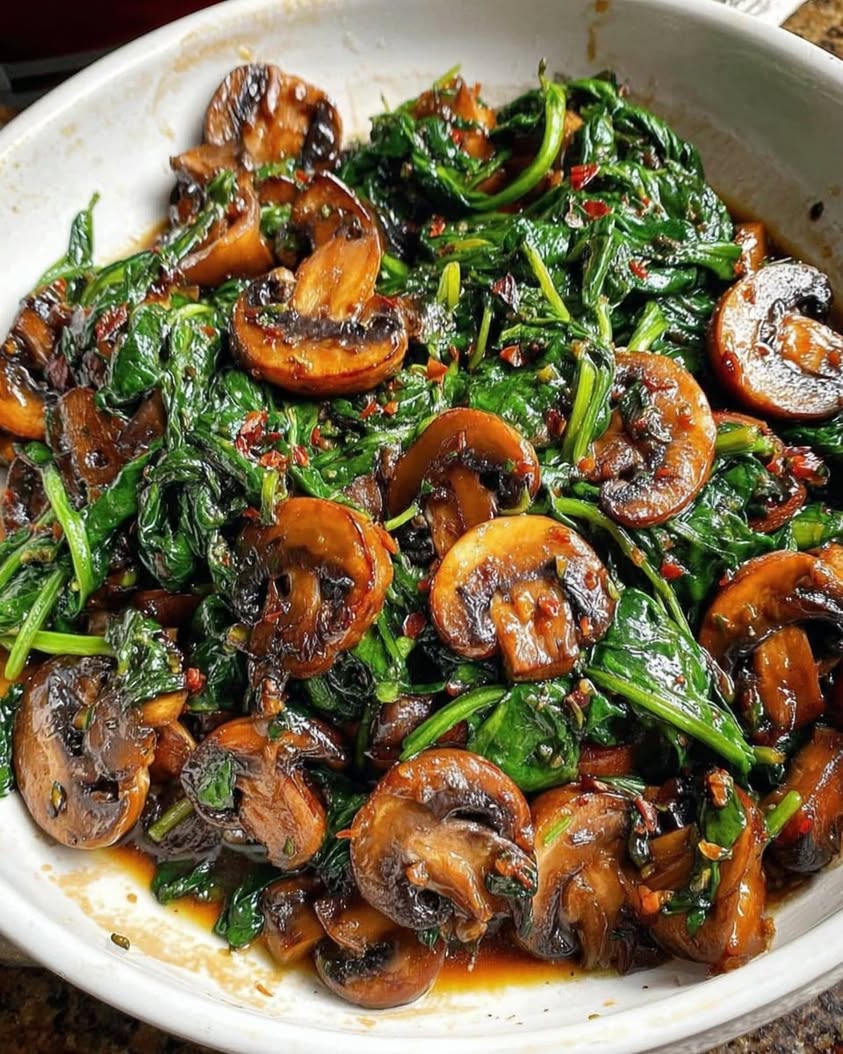
Sautéed Garlic Spinach and Mushrooms: A Simple, Flavorful Side Dish
This simple yet elegant recipe for Sautéed Garlic Spinach and Mushrooms transforms humble ingredients into a restaurant-worthy side dish in under twenty minutes. Furthermore, it delivers a powerful punch of flavor and nutrition, making it a perfect accompaniment to any main course. The combination of earthy mushrooms, tender spinach, and aromatic garlic creates a symphony of tastes and textures that will impress your family and guests alike.
Imagine a dish where the deep, savory notes of browned mushrooms mingle with the sweet, nutty fragrance of toasted garlic. Then, fresh spinach wilts into the mix, absorbing all those wonderful flavors while adding a vibrant green color and a tender bite. Consequently, this Sautéed Garlic Spinach and Mushrooms recipe is not just food; it’s a quick culinary experience that feels both rustic and refined. Ultimately, it proves that the best dishes often come from the simplest preparations.
Whether you need a fast weeknight vegetable or an impressive side for a dinner party, this recipe delivers. It pairs beautifully with grilled chicken, seared steak, baked salmon, or even a simple bowl of pasta. Moreover, the process is straightforward and forgiving, allowing even novice cooks to achieve fantastic results. So, let’s dive into the world of this delicious and versatile sautéed garlic spinach and mushrooms dish.
Quick Recipe Highlights
- Flavor Profile: This dish features a robust, savory foundation from the mushrooms, perfectly balanced by the sweet, pungent kick of fresh garlic. A splash of lemon juice or a sprinkle of red pepper flakes at the end can add a bright, finishing note that lifts all the flavors.
- Texture: You get a wonderful contrast between the meaty, slightly chewy sautéed mushrooms and the soft, silky wilted spinach. Each bite offers a satisfying mouthfeel that is neither too crunchy nor too mushy, achieving a perfect textural harmony.
- Aroma: As soon as the garlic hits the hot oil, your kitchen will fill with an irresistible, nutty fragrance. This aroma deepens as the mushrooms cook, releasing their earthy scents and creating an olfactory promise of the delicious meal to come.
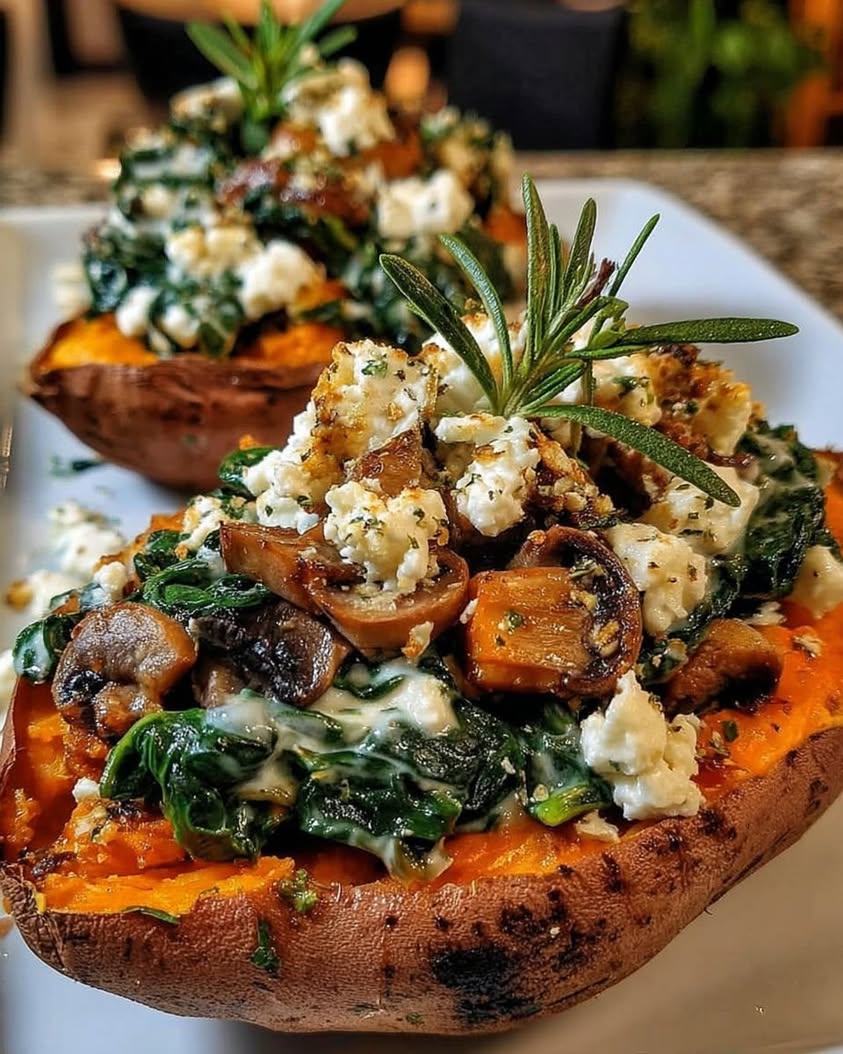
- Visual Appeal: The final plate is a feast for the eyes with rich, golden-brown mushrooms nestled against vibrant, emerald-green spinach. This colorful combination makes the dish look professionally plated and incredibly appetizing.
- Skill Level Needed: This recipe requires only basic kitchen skills like chopping and sautéing. Therefore, it’s absolutely perfect for beginners looking to build confidence, yet it offers enough nuance to keep experienced cooks engaged.
- Special Equipment: You need just a large skillet or sauté pan and a sturdy spatula. A pan with a wide surface area is ideal because it allows the mushrooms to brown properly instead of steaming.
Recipe Overview
- Difficulty Level: We rate this recipe as “Easy” because it involves fundamental techniques like chopping and sautéing. The steps are sequential and logical, with clear visual cues for doneness. Additionally, there’s no tricky timing or advanced culinary methods required, making it highly accessible.
- Category: This dish fits perfectly into the “Side Dishes” category, complementing proteins like chicken, beef, or fish. It can also serve as a hearty topping for grains like quinoa or farro, or even as a filling for omelets and crepes.
- Cuisine: While the combination of garlic and greens is universal, this preparation leans into a modern, healthy American or European bistro style. It draws inspiration from Italian contorni (side dishes) and French techniques for cooking vegetables.
- Cost: This is an incredibly budget-friendly recipe. Spinach and mushrooms are affordable, especially in season, and garlic is a pantry staple. You can prepare a generous amount to serve four people for just a few dollars.
- Season: This dish works year-round, but it truly shines in the spring and fall. These seasons often offer the freshest, most flavorful spinach and a great variety of mushrooms at the market.
- Occasion: It’s versatile enough for a casual Tuesday night dinner yet elegant enough for holiday meals like Thanksgiving or Easter. You can easily double or triple the recipe to feed a crowd.
Why You’ll Love This Recipe
First and foremost, the taste and texture appeal is immediate and undeniable. The savory, umami-rich mushrooms create a deep flavor base, while the garlic adds a fragrant pungency that is mellowed by cooking. Meanwhile, the spinach brings a mild, slightly sweet earthiness that soaks up all the delicious pan juices. Every forkful delivers a complex yet harmonious blend that feels both wholesome and indulgent. Consequently, this dish satisfies the palate without feeling heavy or overly complicated.
Secondly, the convenience factor is a major win. From start to finish, you can have this sautéed garlic spinach and mushrooms side on the table in about twenty minutes. The prep work is minimal—mostly just slicing mushrooms and mincing garlic. Furthermore, the cooking process is active but not demanding, allowing you to multitask in the kitchen. This makes it an ideal solution for busy evenings when you want a healthy, homemade component without spending hours cooking.
Nutritionally, this dish is a powerhouse. Spinach is loaded with iron, vitamins A, C, and K, as well as antioxidants. Mushrooms provide B vitamins, selenium, and are a unique plant-based source of vitamin D when exposed to sunlight. Garlic, of course, is renowned for its allicin content, which has been studied for its potential immune-boosting properties. Together, they create a side dish that supports overall health without sacrificing an ounce of flavor.
For social and entertaining value, this recipe is a true gem. It looks impressive on a shared table, adding a pop of color and a sophisticated element. Guests often appreciate a well-prepared vegetable side, and this one is universally liked. You can also customize it easily—add a pinch of chili flake for heat or a sprinkle of Parmesan cheese for richness—to suit your guests’ preferences. It’s a reliable, crowd-pleasing option that never fails to receive compliments.
Finally, the cost-effectiveness and accessibility are unbeatable. The ingredients are readily available at any grocery store, year-round. You don’t need expensive or exotic components. Even if you choose organic spinach or fancy wild mushrooms, the total cost remains reasonable compared to pre-made sides or dining out. This recipe empowers you to create a restaurant-quality dish in your own kitchen for a fraction of the price, making delicious, healthy eating accessible to everyone.
Historical Background and Cultural Significance
The practice of sautéing greens and mushrooms with garlic spans countless cultures, making a definitive origin story elusive. However, we can trace the core technique to peasant cooking traditions across Europe and Asia, where foraged mushrooms and wild greens were cooked simply with available aromatics. In France, the method of “sauter” (to jump) describes the quick cooking in a shallow pan, a technique perfected for tender vegetables. Similarly, Italian “contorni” often feature spinach or chard sautéed with garlic and oil, showcasing the Mediterranean reverence for fresh, seasonal produce.
Culturally, this combination represents a fundamental principle of resourceful cooking: transforming abundant, inexpensive ingredients into something deeply flavorful and nourishing. In many Eastern European countries, wild mushrooms foraged from the forest are a prized ingredient, often preserved and used throughout the year. Sautéing them with garlic and onions was a way to celebrate their earthy flavor. Meanwhile, in Asian cuisines, similar stir-fry techniques with garlic, leafy greens, and mushrooms like shiitake form the backbone of countless everyday meals, emphasizing balance and texture.
The evolution of this recipe in modern times is fascinating. Originally a rustic, family-style dish, it has been elevated to bistro and fine-dining status. Chefs began emphasizing the quality of each component—using specific mushroom varieties like cremini or oyster, selecting young, tender spinach, and carefully controlling the garlic’s cook time to avoid bitterness. This evolution reflects a broader food movement that honors simplicity, quality ingredients, and technique. The basic formula remains, but the potential for refinement is endless.
Regional variations are plentiful and exciting. In the American South, one might find spinach and mushrooms cooked with a dash of vinegar or hot sauce. In Greece, a sprinkle of oregano and feta cheese might be added. A Japanese adaptation could use sesame oil and soy sauce. In Italy, a finish of lemon zest and chili flake is common. This global footprint proves the universal appeal of the combination. Our version of sautéed garlic spinach and mushrooms sits comfortably within this rich, global tradition of simple, flavorful vegetable cookery.
Ingredient Deep Dive
Fresh Spinach: Spinach has a storied history, originating in ancient Persia before spreading to India, China, and eventually Europe via the Silk Road. Catherine de Medici famously adored spinach so much that dishes served on a bed of it became known as “Florentine.” Nutritionally, it’s a superstar, packed with iron, calcium, magnesium, and vitamins A, C, and K. For the best results, look for vibrant, deep green leaves without yellowing or sliminess. Store it unwashed in a plastic bag with a paper towel in the crisper drawer. If you need a substitute, Swiss chard, kale, or even arugula will work, though cooking times will vary slightly.
Mushrooms (Cremini or Button): Mushrooms have been foraged and cultivated for thousands of years, valued for their meaty texture and savory umami flavor. Cremini mushrooms are simply a more mature version of the common white button mushroom, offering a deeper color and slightly richer taste. They are a good source of B vitamins, selenium, potassium, and even contain some protein. Select mushrooms that are firm, dry, and smooth, avoiding any that are slimy or shriveled. Store them in a paper bag in the refrigerator. For a more intense flavor, try shiitake or oyster mushrooms as a variation.
Garlic: Garlic’s use dates back over 5,000 years, with origins in Central Asia. It has been prized not only as a food but also as medicine, currency, and even an aphrodisiac in various cultures. Its primary health compound, allicin, forms when the clove is crushed or chopped and has antimicrobial properties. Choose firm, plump heads with tight, unbroken skin. Avoid heads that are sprouting or feel light. Store in a cool, dark, dry place—not in the refrigerator. For a milder flavor, you can use roasted garlic, or for a punch, add a pinch of garlic powder at the end.
Olive Oil & Butter: Using a combination of olive oil and butter is a classic technique. The oil has a higher smoke point, allowing you to sauté the mushrooms at a good heat without burning the butter. The butter, added later, contributes irreplaceable richness and flavor. Olive oil, a cornerstone of the Mediterranean diet, is rich in heart-healthy monounsaturated fats. Butter adds vitamins A and E. For a dairy-free version, use all olive oil or a plant-based butter alternative. The fat is crucial for carrying flavors and achieving the proper sauté texture.
Common Mistakes to Avoid
- Crowding the Pan: Adding all the mushrooms at once to a small pan causes them to steam and release their liquid simultaneously. Consequently, they become soggy and won’t develop that desirable golden-brown sear. Always use a large enough pan and cook in batches if necessary.
- Burning the Garlic: Garlic burns incredibly quickly and turns bitter. You must add it to the pan only after the mushrooms have browned and the heat is moderate. Stir it constantly for just 30-60 seconds until fragrant, not brown.
- Overcooking the Spinach: Spinach wilts in a flash. If you cook it for more than a minute or two, it becomes mushy, loses its vibrant color, and can develop a metallic taste. Add it last and just cook until it’s barely wilted.
- Using Wet Spinach: If you don’t dry your washed spinach thoroughly, you’ll introduce excess water to the pan. This will prevent proper sautéing and will make your dish watery. Use a salad spinner or pat the leaves dry with towels.
- Not Seasoning in Layers: Seasoning only at the end results in flat flavor. Instead, season the mushrooms with salt as they cook to help draw out moisture and concentrate taste. Then, adjust the seasoning again at the very end.
- Using Pre-Minced Jarred Garlic: While convenient, jarred garlic often has a harsh, acidic flavor and can burn even faster than fresh. The minute it takes to mince fresh garlic makes a monumental difference in the final flavor of your sautéed garlic spinach and mushrooms.
- Skipping the Mushroom Browning: The key to deep flavor is letting the mushrooms sit undisturbed in the hot pan to develop a brown crust. Constantly stirring them steams them. Be patient and let the Maillard reaction work its magic.
- Adding Cold Butter at the End: If you add cold butter straight from the fridge to finish the dish, it can cool the pan and cause the sauce to break or become greasy. Let the butter soften slightly or add it in small pieces off the heat.
Essential Techniques
Searing Mushrooms: This technique is paramount for building flavor. High heat and minimal disturbance are key. When mushrooms hit a hot pan, their moisture quickly evaporates, allowing the surfaces to caramelize and brown. This Maillard reaction creates complex, savory, umami-rich compounds. To master it, ensure your pan is hot before adding the oil and mushrooms. Resist the urge to stir constantly; let them sit for a few minutes to develop a crust. A common pitfall is crowding the pan, which lowers the temperature and causes steaming. The visual cue for success is a deep golden-brown color on at least one side of the mushrooms.
Toasting Garlic: Toasting garlic gently in oil unlocks its sweet, nutty potential without the bitterness of burning. The technique involves cooking minced garlic over medium heat for a very short time. It’s important because raw garlic can be overly pungent, while burnt garlic ruins a dish. To master it, add the garlic only after other ingredients (like mushrooms) have cooked and the pan’s heat has moderated. Stir it constantly and remove it from the heat the moment it becomes fragrant and just starts to turn golden at the edges. The pitfall is distraction—garlic can burn in seconds. The success cue is a warm, aromatic smell and a light golden hue.
Wilting Spinach: Wilting is the rapid cooking of leafy greens until they just collapse and become tender. This technique preserves the spinach’s vibrant color, nutrients, and delicate texture. It’s important to add the spinach last, as it cooks in under two minutes. To master it, simply add the clean, dry leaves to the hot pan and use tongs to toss and fold them into the other ingredients. The residual heat and moisture from the leaves themselves are usually sufficient. The common pitfall is overcooking, which leads to a dull, mushy result. The visual cue for perfect sautéed garlic spinach and mushrooms is spinach that is uniformly wilted but still retains a bright green color.
Pro Tips for Perfect Sautéed Garlic Spinach and Mushrooms
First, always dry your mushrooms with a paper towel before slicing. Damp mushrooms will steam instead of sauté, hindering the browning process that is essential for deep flavor.
Second, slice your mushrooms evenly, about a quarter-inch thick. Consistent sizing ensures they all cook at the same rate, so you don’t end up with some pieces overcooked and others undercooked.
Third, mince your garlic finely just before you’re ready to use it. This maximizes the enzymatic reaction that creates allicin, the compound responsible for garlic’s health benefits and robust flavor.
Fourth, have all your ingredients prepped and within arm’s reach before you turn on the stove. This “mise en place” is crucial because the cooking process moves quickly once it starts.
Fifth, finish the dish with a splash of acid—a squeeze of fresh lemon juice or a dash of white wine vinegar. This brightens all the flavors and cuts through the richness beautifully.
Sixth, for an extra layer of flavor, deglaze the pan with a tablespoon of white wine or vegetable broth after browning the mushrooms. Scrape up the browned bits (fond) before adding the garlic.
Seventh, if you want a creamier version, stir in a couple of tablespoons of heavy cream, crème fraîche, or plain Greek yogurt off the heat at the very end.
Eighth, let the finished dish rest for a minute before serving. This allows the flavors to meld and any excess liquid to be reabsorbed by the spinach and mushrooms.
Variations and Adaptations
Regional Variations: Travel the world from your kitchen. For an Italian twist, add a pinch of red pepper flakes with the garlic and finish with lemon zest and grated Parmesan. A French version might include a splash of white wine and fresh herbs like tarragon. For an Asian-inspired take, use sesame oil, add a dash of soy sauce, and garnish with sesame seeds and sliced green onions.
Seasonal Adaptations: Embrace what’s fresh. In spring, use morel mushrooms and tender pea shoots alongside the spinach. Summer calls for adding sweet cherry tomatoes in the last minute of cooking. Autumn is perfect for wild mushrooms like chanterelles and a hint of fresh thyme. In winter, sturdy kale can stand in for spinach, requiring a slightly longer cooking time.
Dietary Modifications: This recipe is naturally gluten-free and vegetarian. For a vegan version, simply omit the butter and use all olive oil or a vegan butter substitute. To make it keto or low-carb, ensure you’re using full-fat ingredients and avoid any starchy additions. It’s also naturally Paleo-friendly when made with ghee instead of butter.
Flavor Variations: The flavor base is endlessly adaptable. Add aromatic foundations like minced shallot or ginger with the garlic. Incorporate umami boosters like a teaspoon of tomato paste or a dash of Worcestershire sauce (use a vegan brand if needed). Fresh herbs like thyme, rosemary, or oregano can be added with the mushrooms.
Texture Modifications: For more textural contrast, try using a mix of mushroom types—cremini for meatiness, shiitake for chew, and oyster for tenderness. You can also add toasted pine nuts or slivered almonds at the end for crunch. For a silkier texture, the aforementioned cream or yogurt finish works wonders.
Presentation Alternatives: Think beyond the side dish bowl. Serve the sautéed garlic spinach and mushrooms in a hollowed-out roasted acorn squash. Use it as a luxurious topping for creamy polenta or mashed potatoes. Stuff it into chicken breasts or portobello mushroom caps before baking. The possibilities are truly limitless.
Serving and Presentation Guide
Plating Techniques: For an elegant presentation, use tongs to create a small bed or nest of the spinach and mushrooms on the plate, allowing some of the more attractive mushroom slices to rest on top. Avoid dumping it in a heap. Alternatively, for family style, transfer the entire dish to a warm, shallow serving bowl or platter. The goal is to showcase the beautiful colors and textures.
Garnishing Ideas: A simple garnish elevates the visual appeal instantly. A final drizzle of high-quality extra virgin olive oil adds sheen. A sprinkle of flaky sea salt like Maldon provides texture. Freshly cracked black pepper, chopped fresh parsley, chives, or dill add a pop of green. For richness, a dusting of grated Parmesan or Pecorino cheese is classic.
Traditional Accompaniments: This side dish is a classic partner for simply prepared proteins. Think grilled or roasted chicken, pan-seared steak, baked salmon or cod, pork chops, or lamb. It also pairs wonderfully with eggs, making it an excellent component for a brunch frittata or a topping for eggs Benedict.
Modern Serving Suggestions: Get creative. Toss the warm sautéed garlic spinach and mushrooms with cooked pasta and a little pasta water for a quick sauce. Layer it into a grilled cheese sandwich for a gourmet twist. Use it as a filling for savory crepes or puff pastry turnovers. Mix it into cooked grains like farro or rice for a hearty pilaf.
Temperature Considerations: This dish is best served immediately, while it’s hot and the spinach is still vibrant. However, it can also be served at room temperature as part of an antipasto or salad spread. If you must hold it, keep it in a warm oven (lowest setting) for no more than 15-20 minutes, as the spinach will continue to cook and darken.
Portion Control Tips: As a side dish, a standard serving is about ¾ to 1 cup per person. If serving as a main component over grains or as a filling, plan for 1.5 to 2 cups per person. Remember, spinach wilts down dramatically, so what looks like a mountain of raw leaves becomes a modest, flavorful portion.
Wine and Beverage Pairing
Wine Pairings: The earthy, savory notes of the mushrooms and the slight bitterness of the spinach call for wines with good acidity and earthy characteristics themselves. A Pinot Noir from Oregon or Burgundy is a stellar match, with its red fruit and earthy undertones. For white wine lovers, an unoaked Chardonnay or a crisp Sauvignon Blanc works beautifully, as their acidity cuts through the dish’s richness. If you used a splash of white wine in the recipe, consider serving the same wine.
Non-Alcoholic Alternatives: Sparkling water with a twist of lemon or lime cleanses the palate between bites. For something more complex, try a chilled, non-alcoholic ginger beer—its spice complements the garlic and earthiness. A tart cherry juice spritzer (mixed with seltzer) can also provide a nice fruity counterpoint to the savory flavors.
Coffee/Tea Pairings: While not a typical pairing for this dish, if serving at brunch, a medium-roast coffee with low acidity can work. For tea, consider a green tea like Sencha, which has vegetal notes that echo the spinach, or a light oolong tea with its complex, floral character.
Temperature Considerations: Serve white wines and non-alcoholic sparklers well-chilled, around 45-50°F. Red wines like Pinot Noir should be served slightly cooler than room temperature, around 55-60°F, to keep their freshness and acidity prominent, which is key for pairing with vegetables.
Serving Suggestions: Always serve beverages in appropriate glassware to enhance the experience. Pour wine just before serving to preserve its aroma and bubbles. For non-alcoholic options, consider garnishing with a fresh herb sprig like rosemary or thyme to subtly connect the drink to the food on the table.
Storage and Shelf Life
Storage Methods: Allow the sautéed garlic spinach and mushrooms to cool completely to room temperature before storing. Do not leave it out for more than two hours. Transfer it to an airtight container. You can store it in a single layer or in a shallow container to promote rapid and even cooling, which is crucial for food safety.
Temperature Requirements: Refrigerate the leftovers promptly. The ideal refrigerator temperature is at or below 40°F (4°C). At this temperature, properly stored leftovers will maintain quality and safety for 3 to 4 days. Do not store the dish at room temperature or in a warm environment.
Container Recommendations: Glass containers with tight-sealing lids are ideal as they don’t retain odors and allow you to see the contents. Alternatively, use BPA-free plastic containers or a bowl tightly covered with plastic wrap. The key is to minimize air exposure to prevent the spinach from oxidizing and becoming slimy.
Signs of Spoilage: Before consuming leftovers, inspect them carefully. Discard the dish if you notice an off or sour smell, a significant change in color (the spinach turning very dark or brown), or a slimy texture on the mushrooms or spinach. When in doubt, throw it out.
Reheating Instructions: The best method is to reheat gently in a skillet over medium-low heat. This helps re-crisp the mushrooms slightly and prevents the spinach from turning to mush. You can also reheat in the microwave in 30-second intervals, stirring between each, but the texture will be softer. Add a tiny splash of water or broth if the mixture seems dry.
Freezing Guidelines: Freezing is not highly recommended for this dish, as the texture of the spinach and mushrooms will become very soft and watery upon thawing. However, if you must freeze it, cool it completely, pack it in a freezer-safe bag removing as much air as possible, and use within 1 month. Thaw in the refrigerator overnight before reheating.
Make Ahead Strategies
Prep Timeline: You can do nearly all the prep work 1-2 days in advance. Clean and dry the spinach, then store it in a sealed container in the fridge with a paper towel. Slice the mushrooms and store them in a separate airtight container. Mince the garlic and keep it in a small jar in the fridge. This “kit” approach means dinner comes together in just 10 minutes of active cooking.
Storage Between Steps: Keep prepped ingredients in separate containers. Do not mix the raw mushrooms and spinach, as the mushrooms’ moisture could wilt the spinach prematurely. The minced garlic can be covered with a thin layer of oil to prevent oxidation if you’re prepping more than a day ahead.
Quality Impact Assessment: Prepping the vegetables ahead has minimal impact on final quality. In fact, drying the spinach thoroughly in advance ensures a better sauté. The mushrooms may darken slightly where cut, but this doesn’t affect flavor. Freshly minced garlic is always best, but garlic prepped a day ahead is perfectly acceptable.
Assembly Tips: When ready to cook, have your prepped containers lined up next to the stove. Start with the mushrooms since they take the longest. The sequence remains the same: oil, mushrooms, garlic, spinach, season, finish. Having everything measured and ready turns the cooking process into a smooth, restaurant-style execution.
Reheating Guidelines: If you fully cook the dish ahead of time, follow the reheating instructions above. For the best texture, consider slightly undercooking the spinach if you plan to reheat, as it will continue to cook when warmed through.
Fresh Element Additions: To revive a make-ahead or leftover dish, add a fresh element just before serving. A fresh squeeze of lemon juice, a drizzle of new olive oil, a sprinkle of fresh herbs, or a handful of toasted nuts can make it taste freshly made.
Scaling Instructions
Halving the Recipe: Halving this recipe is straightforward for a smaller meal. Use a medium skillet instead of a large one to maintain the proper depth of ingredients in the pan. Reduce all ingredients by half precisely. The cook times will be slightly shorter, especially for the mushrooms, as there will be less volume to brown. Keep a close eye on the garlic and spinach, as they will cook very quickly in a less crowded pan.
Doubling or Tripling: To scale up for a crowd, do not simply double the ingredients in the same pan. The key is to cook the mushrooms in multiple batches to ensure proper browning. You can use two large skillets simultaneously, or cook one batch after another, transferring browned mushrooms to a bowl. Then, combine all batches back in the largest pot or Dutch oven to add the garlic and wilt the spinach. Total cook time will increase due to batch cooking.
Equipment Adjustments: Scaling up requires larger equipment. For a double batch, a very large skillet (14-inch) or a wide Dutch oven is ideal. For tripling or more, consider using a large electric skillet or a roasting pan on the stovetop over two burners to maximize surface area. Ensure you have a spatula or tongs large enough to manage the volume.
Timing Modifications: When doubling, the prep time increases linearly (more slicing). The cook time increases more than linearly because of batch cooking mushrooms. Allow at least 50% more active cook time for a double batch. For a triple batch, allow double the original cook time. Keep cooked batches warm in a low oven (200°F) while you finish the others.
Storage Considerations: A larger batch means more potential leftovers. Plan your storage containers in advance. It’s often better to store scaled-up batches in several smaller containers rather than one enormous one. This promotes faster cooling and provides convenient portion sizes for future meals.
Nutritional Deep Dive
Macro Breakdown: A serving of this sautéed garlic spinach and mushrooms is primarily composed of healthy fats from the olive oil and butter, with a modest amount of plant-based protein and fiber from the vegetables, and very few carbohydrates. The exact breakdown depends on the oil amount used, but it’s generally a low-carb, high-nutrient dish. The fats are crucial for absorbing the fat-soluble vitamins (A, D, E, K) present in the spinach and mushrooms.
Micronutrient Analysis: This dish is a micronutrient powerhouse. Spinach provides massive amounts of Vitamin K (for bone and blood health), Vitamin A (for vision and immunity), and folate. Mushrooms contribute B vitamins like riboflavin and niacin for energy metabolism, as well as selenium, a potent antioxidant. Garlic adds manganese and vitamin B6, along with its unique sulfur compounds.
Health Benefits: Consuming this combination supports heart health through the monounsaturated fats in olive oil and the potassium in spinach and mushrooms. The antioxidants (like vitamin C and selenium) combat oxidative stress. The fiber promotes digestive health and satiety. The compounds in garlic and mushrooms have been studied for their potential immune-modulating and anti-inflammatory properties.
Dietary Considerations: The recipe is naturally gluten-free, grain-free, and vegetarian. It can be made vegan and dairy-free with a simple swap. It’s suitable for Paleo and Whole30 diets if you use ghee or all olive oil. For low-FODMAP diets, garlic can be an issue; use garlic-infused oil instead and omit the actual garlic cloves.
Portion Analysis: A standard side-dish portion is satisfying without being excessive. The volume from the fiber-rich vegetables promotes fullness. Because it’s so flavorful, a little goes a long way in complementing a main protein, helping with overall portion control for the entire meal.
Weight Management Tips: This dish is an excellent addition to a weight-conscious diet. It’s low in calories but high in volume and nutrients, which helps you feel full. The healthy fats provide sustained energy. To reduce calories further, you can slightly reduce the oil or use a cooking spray for the pan and finish with just a teaspoon of good olive oil for flavor.
Dietary Adaptations
Gluten-Free: This recipe is naturally gluten-free as written. Simply ensure that any added sauces or condiments (like Worcestershire sauce) are certified gluten-free brands. It’s a safe and delicious side for anyone with celiac disease or gluten sensitivity.
Dairy-Free/Vegan: For a dairy-free and vegan version, omit the butter. Use all olive oil or a plant-based butter alternative for sautéing. To mimic the richness butter provides, consider finishing the dish with a tablespoon of tahini or a sprinkle of nutritional yeast for a cheesy, umami note.
Low-Carb/Keto: This dish is perfectly suited for low-carb and keto diets. The net carbohydrates are very low, primarily coming from the fiber-rich vegetables. Just be mindful of the portion of onions or shallots if you add them, and ensure you’re using full-fat cooking fats to align with keto macros.
Paleo/Whole30: To make this Paleo and Whole30 compliant, replace the butter with ghee (clarified butter) or use all extra virgin olive oil. Double-check that any added ingredients like vinegar or broth contain no sugar or non-compliant additives. It’s a fantastic way to add flavorful vegetables to a clean-eating plan.
Low-FODMAP: Garlic and mushrooms can be high in FODMAPs. For a low-FODMAP version, use garlic-infused olive oil (where the garlic is strained out) to capture the flavor without the fructans. Swap cremini mushrooms for canned, drained oyster mushrooms, which are low-FODMAP in smaller servings (about ½ cup per person).
Nut-Free: The base recipe is nut-free. If adding garnishes for crunch, avoid nuts and seeds like pine nuts or almonds. Instead, use toasted pumpkin seeds (pepitas) if tolerated, or simply omit for a completely nut-free dish.
Troubleshooting Guide
Texture Issues (Soggy Mushrooms): If your mushrooms turned out soggy, the pan was likely overcrowded or the heat was too low. Next time, ensure your pan is large and hot, and cook in batches. For now, you can try to salvage them by spreading the cooked mushrooms on Print
Sautéed Garlic Spinach and Mushrooms
- Total Time: 45 minutes
- Yield: 4
Description
A quick and healthy side dish featuring tender spinach and savory mushrooms sautéed with garlic and olive oil.
Ingredients
- 1 lb fresh spinach, washed and stems removed
- 8 oz cremini mushrooms, sliced
- 3 cloves garlic, minced
- 2 tbsp olive oil
- Salt and black pepper to taste
- 1 tbsp lemon juice
- 2 tbsp grated Parmesan cheese (optional)
Instructions
- Heat olive oil in a large skillet over medium heat.
- Add sliced mushrooms and sauté for 5-7 minutes until browned and tender.
- Add minced garlic and cook for 1 minute until fragrant.
- Add fresh spinach in batches, stirring until wilted, about 3-4 minutes.
- Season with salt, black pepper, and lemon juice, then toss to combine.
- Remove from heat, sprinkle with Parmesan cheese if desired, and serve immediately.
Notes
You can customize the seasonings to taste.
- Prep Time: 15 minutes
- Cook Time: 30 minutes
- Method: Main
- Cuisine: American