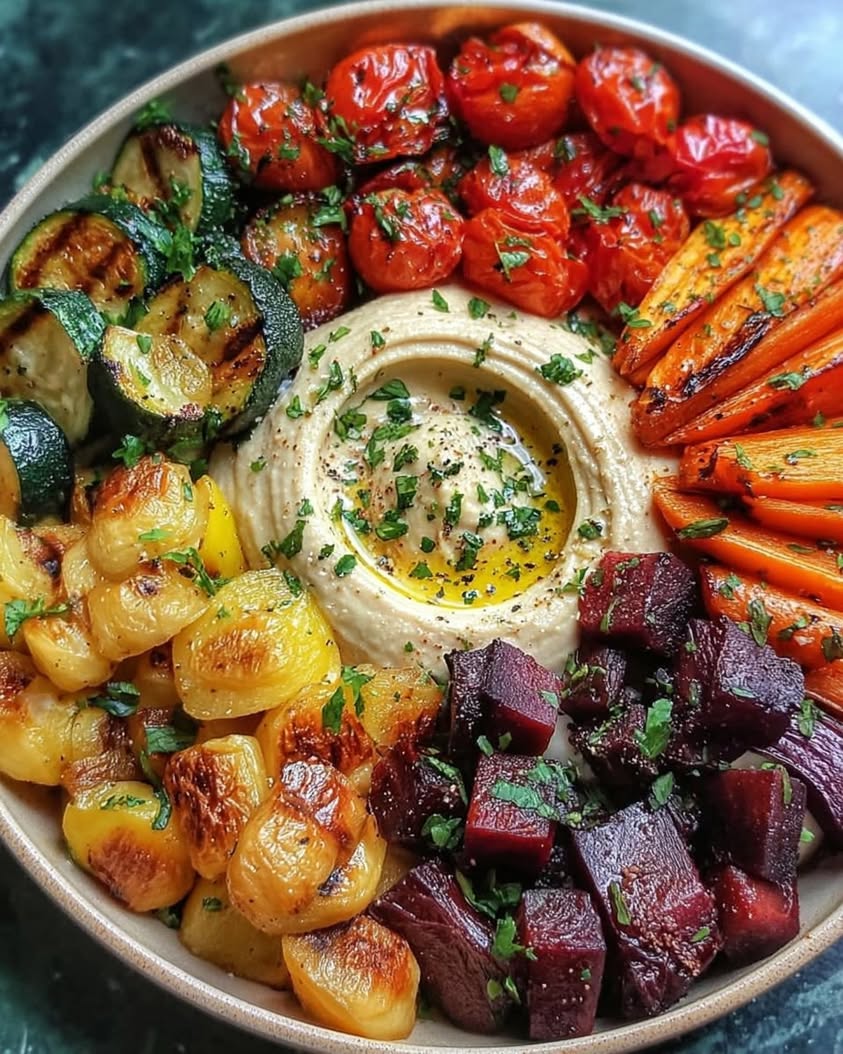
The Ultimate Roasted Veggie and Hummus Bowl Recipe for Easy Lunches
Imagine opening your lunch container to a vibrant explosion of color and flavor. This roasted veggie and hummus bowl recipe delivers exactly that experience. It combines caramelized, tender vegetables with creamy, garlicky hummus for a meal that feels indulgent yet is incredibly wholesome. Moreover, it is a perfect solution for busy weekdays when you crave something satisfying and nutritious without spending hours in the kitchen. The beauty of this dish lies in its simplicity and versatility. Ultimately, you can customize it endlessly based on what you have in your fridge.
The magic happens in the oven where high heat transforms humble vegetables. Sweet potatoes become candy-like, broccoli develops crispy florets, and bell peppers turn wonderfully sweet. Consequently, each bite offers a delightful mix of textures and tastes. When paired with the rich, smooth hummus and a sprinkle of seeds, it creates a complete and balanced meal. This roasted veggie and hummus bowl is not just food; it is a feel-good lunch that powers you through the afternoon. Furthermore, it is naturally packed with fiber, vitamins, and plant-based protein.
Let us talk about meal prep. This recipe is a superstar for making ahead. You can roast a big batch of vegetables on Sunday and assemble your bowls in minutes all week long. The components store beautifully, ensuring you always have a healthy option ready to go. Additionally, it travels well, making it ideal for office lunches or picnics. This roasted veggie and hummus bowl truly is the ultimate make-ahead lunch recipe for anyone seeking delicious, effortless eating.
Quick Recipe Highlights
- Flavor Profile: This bowl features a beautiful harmony of sweet, savory, and earthy notes. The roasted vegetables develop a natural caramelized sweetness that perfectly complements the creamy, tangy, and garlicky hummus. Finally, a squeeze of lemon juice adds a bright, fresh finish that ties everything together.
- Texture: You get a fantastic contrast in every mouthful. Expect tender, slightly charred vegetables against the ultra-smooth and creamy hummus base. The optional sprinkle of pumpkin seeds or pine nuts introduces a delightful, satisfying crunch that elevates the entire eating experience.
- Aroma: As the vegetables roast, your kitchen will fill with an irresistible, comforting scent. The sweet aroma of caramelizing sweet potatoes and onions mingles with the earthy scent of roasting broccoli and zucchini. When you add the hummus, its garlic and tahini notes create a deeply savory and inviting fragrance.
- Visual Appeal: This dish is a feast for the eyes with its rainbow of colors. Vibrant orange sweet potatoes, green broccoli, red bell peppers, and purple onions create a stunning presentation. The white or beige hummus acts as a beautiful canvas, making the final bowl look as incredible as it tastes.
- Skill Level Needed: This is a beginner-friendly recipe requiring only basic kitchen skills. You need to know how to chop vegetables evenly and operate an oven. There are no complicated techniques, making it a perfect entry point for new cooks or a reliable, stress-free option for experienced ones.
- Special Equipment: You only need a few standard kitchen tools. A good baking sheet is essential for roasting the vegetables evenly. Parchment paper is highly recommended for easy cleanup. Otherwise, a sharp knife, a cutting board, and a bowl for mixing are all you require.
Recipe Overview
- Difficulty Level: We rate this recipe as “Easy” for several clear reasons. First, the steps are straightforward: chop, toss, roast, and assemble. There is no intricate knife work or precise temperature control needed. Furthermore, the roasting process is forgiving; even if vegetables are slightly uneven in size, they will still cook well. This accessibility makes it a fantastic choice for any skill level.
- Category: This dish fits beautifully into multiple meal categories. Primarily, it is an ideal lunch bowl, but it also works wonderfully as a light dinner or a substantial side dish. It can be classified as a vegetarian main, a meal prep staple, or a healthy comfort food option. Its flexibility is one of its greatest strengths.
- Cuisine: While hummus has its roots in Middle Eastern cuisine, this bowl is a modern, global fusion creation. It takes the concept of a mezze platter—featuring hummus and vegetables—and transforms it into a hearty, composed meal. The roasting technique is universally loved, resulting in a dish that feels familiar and exciting to many palates.
- Cost: This is an incredibly cost-effective meal. The base ingredients like sweet potatoes, broccoli, and chickpeas for hummus are budget-friendly pantry staples. Bell peppers and red onion add flavor without breaking the bank. Making your own hummus saves money compared to store-bought versions, maximizing your grocery budget.
- Season: This roasted veggie and hummus bowl is truly a year-round recipe. In fall and winter, the warm, roasted components provide cozy comfort. During spring and summer, it serves as a vibrant, room-temperature or chilled lunch option. You can also adapt the vegetable selection based on what is fresh and seasonal at the market.
- Occasion: It is perfect for casual, everyday meals like work lunches or quick weeknight dinners. Conversely, it is impressive enough to serve for a relaxed weekend brunch or as part of a healthy spread for guests. Its make-ahead nature also makes it ideal for picnics, potlucks, or road trips.
Why You’ll Love This Recipe
First and foremost, the taste and texture are utterly irresistible. Each component brings something special to the table. The roasted vegetables become deeply flavorful with caramelized edges and tender interiors. Meanwhile, the hummus provides a cool, creamy, and garlicky base that balances the warmth of the veggies. The optional crunch from seeds adds a final textural dimension, ensuring every bite is interesting and satisfying. This combination is far from boring; it is a symphony of flavors that will make you look forward to lunchtime.
Convenience is another major winning point. This roasted veggie and hummus bowl is a meal prep dream. You can dedicate less than an hour on a weekend to prepare the components for several days of effortless lunches. The roasted vegetables store beautifully in the fridge for up to four days. Similarly, hummus can be made ahead or purchased for ultimate simplicity. When you are ready to eat, assembly takes mere minutes. This system eliminates the daily lunchtime scramble and helps you stick to healthy eating goals with zero stress.
Nutritionally, this bowl is a powerhouse. It is loaded with fiber from the assortment of vegetables and the chickpeas in the hummus, promoting good digestive health and keeping you full for hours. Additionally, it provides a substantial amount of plant-based protein from the hummus, which is essential for muscle repair and sustained energy. The variety of vegetables ensures a broad spectrum of vitamins, minerals, and antioxidants. This meal supports overall wellness, boosts your immune system, and provides clean energy without the afternoon crash associated with heavier, processed lunches.
This dish also holds significant social and entertaining value. While perfect for solo meals, it scales up effortlessly for a crowd. You can create a beautiful, colorful spread by arranging the roasted vegetables and hummus on a large platter and letting guests build their own bowls. It is a fantastic option for vegetarians and vegans, and it pleases even the most dedicated meat-eaters with its robust flavors. Serving this bowl shows thoughtfulness and care, making it ideal for casual gatherings, family dinners, or even a unique brunch item.
Finally, its cost-effectiveness and accessibility cannot be overstated. The ingredients are humble, affordable, and easy to find at any standard grocery store. You likely have many of the spices and oils already in your pantry. Making your own hummus from canned chickpeas is significantly cheaper than buying pre-made tubs. This recipe demonstrates that eating vibrant, restaurant-quality food does not require a fancy budget or exotic ingredients. It is an accessible gateway to healthier, more delicious eating for everyone.
Historical Background and Cultural Significance
The story of this bowl begins with its two core components: hummus and roasted vegetables. Hummus, a creamy dip made from chickpeas, tahini, lemon, and garlic, has a history spanning centuries across the Middle East. Its exact origin is fiercely debated, with claims from countries like Lebanon, Israel, Egypt, and Greece. Historically, hummus was a staple food, valued for its nutrition, affordability, and long shelf life. It was traditionally served as part of a mezze spread, shared among friends and family with warm pita bread for dipping. This communal aspect is a key part of its cultural DNA.
Roasting vegetables is one of humanity’s oldest cooking methods. Essentially, applying dry heat to food transforms its natural sugars and concentrates its flavors. While the specific combination in this bowl is modern, the technique is ancient and universal. Different cultures have their own versions of roasted vegetable dishes. For example, Mediterranean cuisine often features roasted peppers and eggplant, while root vegetable roasts are common in European and American fall harvest traditions. This recipe taps into that global, timeless practice of using fire and heat to create deliciousness from simple produce.
The evolution of the “bowl” as a meal format is a more recent phenomenon, largely popularized by modern health and wellness trends. Buddha bowls, grain bowls, and power bowls became staples in cafes and health-food blogs in the 2010s. They represent a desire for meals that are visually appealing, nutritionally complete, and highly customizable. This roasted veggie and hummus bowl is a direct descendant of that trend. It takes the ancient, culturally rich element of hummus and pairs it with the universal technique of roasting, presenting them in the contemporary “bowl” format for a balanced, Instagram-worthy meal.
Regional variations of this concept are endless, reflecting local ingredients and tastes. In the Eastern Mediterranean, you might find a similar bowl with roasted eggplant, sumac, and a drizzle of pomegranate molasses. A North African twist could include roasted carrots and squash with harissa-spiked hummus. In Western health-food scenes, adding quinoa or massaged kale is common. The beauty of this recipe’s framework is its adaptability. It honors the deep history of its components while inviting personalization, allowing everyone to create a bowl that reflects their own taste and culinary heritage.
Ingredient Deep Dive
Let us start with chickpeas, the heart of hummus. Also known as garbanzo beans, chickpeas are one of the earliest cultivated legumes, with a history dating back over 7,000 years in the Middle East. They are a nutritional powerhouse, packed with plant-based protein, fiber, iron, and folate. For the creamiest hummus, many pros recommend using dried chickpeas that you cook yourself, but canned chickpeas are a perfectly acceptable and convenient shortcut. Just be sure to rinse them well. Store dried chickpeas in your pantry for months; cooked or canned chickpeas should be refrigerated and used within a few days.
Tahini, a paste made from toasted sesame seeds, is what gives hummus its distinctive, rich flavor and luxurious texture. It is a staple in Levantine cuisine. Nutritionally, it is a great source of healthy fats, calcium, and B vitamins. When shopping, look for tahini made from 100% sesame seeds with no added oils. A good tahini should be pourable and have a deep, nutty aroma. Stir it well before using, as the oil naturally separates. Store tahini in a cool, dark place; some prefer to refrigerate it after opening to maintain freshness.
Sweet potatoes are a New World vegetable, now beloved globally. They provide the bowl with vibrant color and a sweet, earthy flavor that caramelizes beautifully when roasted. They are incredibly rich in beta-carotene (which converts to Vitamin A), Vitamin C, and potassium. Choose firm sweet potatoes with smooth, unbruised skin. You do not need to peel them; the skin is edible and adds extra fiber. Store them in a cool, dark, well-ventilated place—not the refrigerator, as cold temperatures can alter their taste and texture.
Broccoli, part of the cruciferous vegetable family, adds a wonderful green element and a slightly crunchy texture. It originated in Italy and was cultivated from wild cabbage. It is famous for its high levels of Vitamin C, Vitamin K, and sulforaphane, a compound with potent antioxidant properties. Look for broccoli with tight, dark green florets and firm stalks. Avoid any with yellowing buds. Store it unwashed in a loose plastic bag in your refrigerator’s crisper drawer, where it will keep for several days.
Common Mistakes to Avoid
- Crowding the Baking Sheet: This is the most common error. If you pile all the vegetables onto one pan, they will steam instead of roast. Consequently, you will get soggy, pale veggies instead of caramelized, crispy ones. Always use two sheets if necessary to ensure each piece has space.
- Uneven Vegetable Sizes: Chopping your vegetables into wildly different sizes leads to uneven cooking. Smaller pieces will burn before larger ones are tender. Aim for a uniform, bite-sized dice or chop to guarantee everything finishes roasting at the same time.
- Skipping the Preheating Step: Putting vegetables into a cold oven is a recipe for disappointment. A properly preheated oven provides an immediate blast of heat, which is crucial for creating that desirable sear and caramelization on the outside of the veggies.
- Underseasoning the Vegetables: Vegetables need ample seasoning to shine. Do not be shy with salt, pepper, and your chosen spices. Toss them thoroughly to ensure every piece is coated. Proper seasoning before roasting draws out moisture and builds layers of flavor.
- Using Old or Low-Quality Tahini: Tahini can go rancid or become bitter over time. Using old or poor-quality tahini will give your hummus an off flavor. Always taste your tahini before using it and invest in a good-quality brand for the best results.
- Not Blending the Hummus Long Enough: Grainy hummus often results from under-blending. You need to process the ingredients for a full two to three minutes to achieve that dreamy, cloud-like smoothness. Be patient and let the food processor do its work.
- Forgetting to Adjust for Vegetable Moisture: Vegetables like zucchini and mushrooms release more water. If using them, consider roasting them on a separate tray or adding them later in the process to prevent them from making other veggies soggy.
- Serving Immediately Without Resting: While you can eat the bowl right away, the flavors meld and improve if you let the roasted vegetables cool slightly before assembling. This rest period allows the intense heat to mellow, making the vegetable flavors more cohesive.
Essential Techniques
Uniform Chopping: This is the foundational technique for perfect roasting. Consistent size ensures even cooking, meaning no piece is underdone or burnt. Aim for 1-inch pieces for most vegetables. Use a sharp chef’s knife and take your time. This simple attention to detail dramatically improves the final texture and presentation of your roasted veggie and hummus bowl.
High-Heat Roasting: Roasting at a high temperature (around 425°F) is non-negotiable. This technique rapidly caramelizes the natural sugars on the surface of the vegetables, creating complex, sweet, and savory flavors and a slightly charred, crispy exterior. It also quickly cooks the interior to tender perfection. The key visual cue is golden-brown edges and a slight blistering on the vegetable surfaces.
Proper Pan Spacing: Giving your vegetables room on the pan is a critical technique for dry-heat cooking. Crowding causes steam, which inhibits browning and leads to mushiness. Spread the pieces in a single layer with a little space between each one. If needed, use two baking sheets and rotate them in the oven halfway through cooking for even results.
Blending for Smooth Hummus: Achieving ultra-creamy hummus requires patience and proper technique. Process the ingredients for several minutes, scraping down the sides as needed. The friction from prolonged blending helps break down the chickpea skins and emulsifies the tahini and oil into a silky-smooth paste. Do not rush this step; the texture transformation is worth the extra minute.
Pro Tips for Perfect Roasted Veggie and Hummus Bowl
First, toss your chopped vegetables with oil and seasoning in a large bowl instead of on the baking sheet. This method ensures a much more even coating on every single piece, leading to better flavor and browning.
Consider roasting different vegetable types on separate trays if their cooking times vary greatly. For instance, roast root vegetables like sweet potatoes first, then add quicker-cooking veggies like broccoli halfway through.
For next-level hummus, peel your chickpeas. Simply rub them between your hands or a kitchen towel after rinsing; the skins will slip off. This extra step removes a source of bitterness and creates an unbelievably smooth texture.
Add a simple “sauce” to your bowl. A quick drizzle of lemon-tahini sauce (thinned tahini with lemon juice and water) or a balsamic glaze over the assembled bowl adds a final layer of moisture and bright, tangy flavor.
Do not discard those crispy, flavorful bits left on the baking sheet after roasting. Scrape them up and sprinkle them over your bowl as a delicious, savory garnish that adds an extra textural punch.
If you love fresh herbs, add them after roasting. Tossing the warm vegetables with a handful of chopped parsley, cilantro, or dill just before serving introduces a burst of fresh flavor and color.
For a warm bowl, gently heat your hummus before assembling. You can microwave it for 30 seconds or warm it in a small saucepan over low heat, stirring constantly. This makes the bowl extra comforting on a cold day.
Always taste and adjust your hummus after blending. You may need more salt, lemon juice, or a splash of cold water to achieve the perfect balance of flavor and consistency for your palate.
Variations and Adaptations
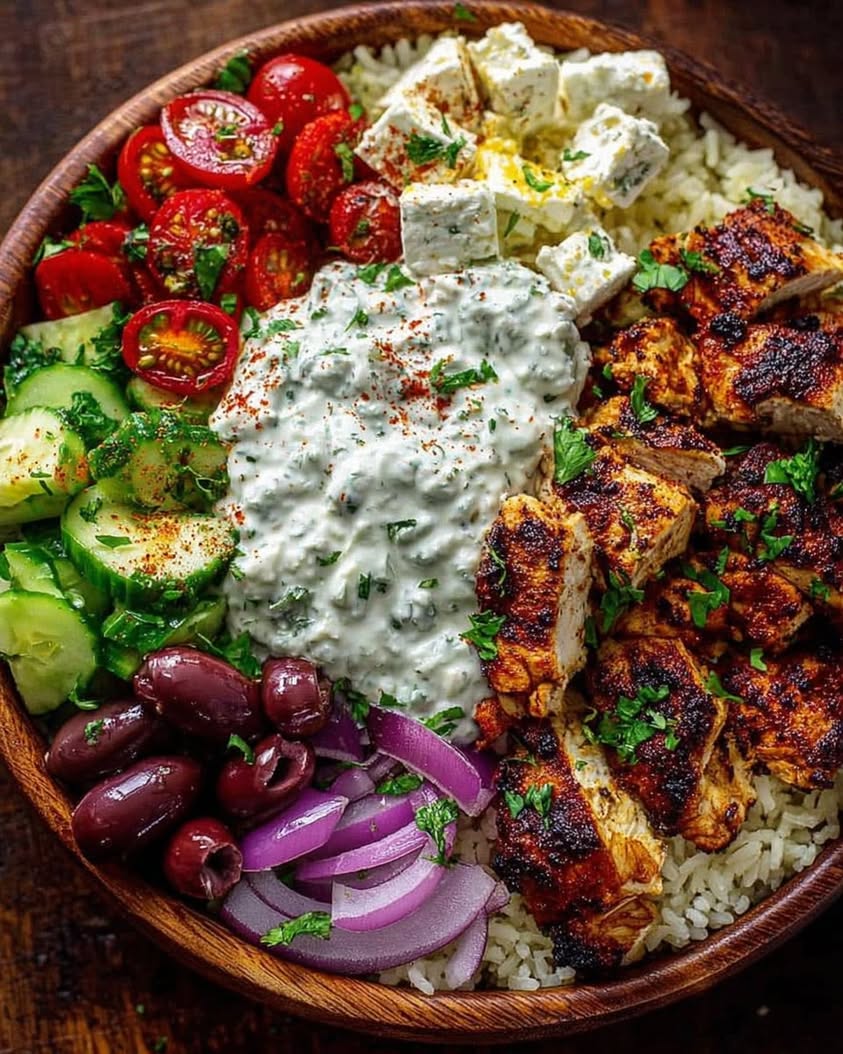
Regional Variations: Travel the world from your kitchen. For a Greek twist, use oregano and lemon on the veggies and add kalamata olives and crumbled feta. A Moroccan version could include roasted carrots, cumin, and paprika-spiced chickpeas with a harissa swirl in the hummus. For an Italian feel, roast cherry tomatoes with basil and use a sun-dried tomato hummus.
Seasonal Adaptations: Embrace what is fresh. In spring, use asparagus, snap peas, and radishes. Summer bowls can feature zucchini, eggplant, and cherry tomatoes. Fall is perfect for squash, Brussels sprouts, and parsnips. In winter, stick with hearty roots like potatoes, carrots, and beets. This practice keeps the recipe exciting and sustainable year-round.
Dietary Modifications: This bowl is naturally vegetarian and easily made vegan. For a gluten-free version, ensure your hummus and spices are certified GF. To add more protein for a keto or high-protein diet, include grilled chicken, shrimp, or baked tofu. For a lower-carb option, increase the volume of non-starchy veggies like broccoli and peppers while reducing or omitting the sweet potato.
Flavor Variations: Change the spice profile to suit your mood. Toss veggies with curry powder, smoked paprika, za’atar, or everything bagel seasoning. Infuse your hummus with roasted garlic, roasted red peppers, fresh herbs, or a spoonful of pesto. The base recipe is a perfect canvas for endless flavor experiments.
Texture Modifications: Play with mouthfeel. For extra crunch, add toasted nuts, seeds, or crispy chickpeas. For creaminess, include avocado slices or a dollop of tzatziki. For a grain-based bowl, add a base of quinoa, farro, or brown rice to make it even more hearty and filling.
Presentation Alternatives: Think beyond the bowl. Serve the components deconstructed on a large platter for a sharing-style meal. Pack it in a wrap or pita for a portable lunch. Layer it in a mason jar for a neat, portable option, putting the hummus at the bottom to keep the veggies crisp.
Serving and Presentation Guide
Plating Techniques: Start with a generous smear or scoop of hummus at the bottom of a wide, shallow bowl. This creates a flavorful base and prevents the veggies from sliding around. Artfully arrange the roasted vegetables in sections or a colorful pile on top of the hummus. This method showcases each component and makes the bowl visually stunning.
Garnishing Ideas: Garnishes add the final “wow” factor. A drizzle of high-quality extra virgin olive oil, a squeeze of fresh lemon juice, or a sprinkle of flaky sea salt are classic. Fresh herbs like parsley, mint, or dill add color and freshness. For crunch, use toasted pine nuts, pumpkin seeds, or sesame seeds. A dusting of paprika or sumac adds visual pop and flavor.
Traditional Accompaniments: To stay true to hummus’s roots, serve warm pita bread or pita chips on the side for scooping. Pickled vegetables like turnips, onions, or cucumbers provide a tangy, crunchy contrast that cuts through the richness of the hummus beautifully.
Modern Serving Suggestions: For a complete meal, add a protein like falafel, grilled halloumi, or a soft-boiled egg. A side salad of simple greens with a lemon vinaigrette complements the bowl perfectly. You can also offer various toppings in small bowls—like different seeds, sauces, and cheeses—for a DIY bowl bar at parties.
Temperature Considerations: This bowl is wonderfully versatile. Serve it warm, with the vegetables just out of the oven and the hummus at room temperature. Alternatively, serve it chilled, making it a fantastic cold lunch option. You can even serve it at room temperature, which is ideal for picnics or packed lunches.
Portion Control Tips: A standard serving is about 1.5 to 2 cups of roasted vegetables with 1/3 to 1/2 cup of hummus. Use measuring cups when prepping components for meal prep to ensure consistent portions. For a lighter meal, increase the ratio of vegetables to hummus. For a more substantial one, add a grain base or extra protein.
Wine and Beverage Pairing
Wine Pairings: The earthy, savory notes of the roasted vegetables and the creamy, nutty hummus pair beautifully with crisp, acidic white wines. A Sauvignon Blanc or a dry Riesling cuts through the richness and complements the charred veggie flavors. For a red option, choose a light-bodied, low-tannin wine like a Pinot Noir or a Beaujolais, which will not overpower the dish. Ultimately, the goal is a beverage that refreshes the palate between bites.
Non-Alcoholic Alternatives: Sparkling water with a squeeze of lemon or lime is a classic, refreshing choice. Iced herbal teas, like mint or lemon verbena, work wonderfully. For something more substantial, a tart and slightly sweet pomegranate juice or a ginger-based kombucha can stand up to the bold flavors of the bowl without competing.
Coffee/Tea Pairings: This is not a traditional pairing for coffee, but a lightly roasted, bright coffee could work after the meal. For tea, consider a green tea like sencha or a herbal tea such as chamomile or lemongrass if enjoying the bowl as a light dinner. These lighter teas cleanse the palate without heaviness.
Temperature Considerations: Chilled beverages are generally best, as they provide a refreshing contrast to the warm, roasted components of the bowl. If serving the bowl cold or at room temperature, ensure your drink is equally chilled to maintain a harmonious dining experience.
Serving Suggestions: Always serve wine slightly chilled, even reds, when pairing with this dish. For non-alcoholic options, consider garnishing with fresh herbs or citrus slices to elevate the presentation. Offering a choice of still and sparkling water allows guests to customize their experience.
Storage and Shelf Life
Storage Methods: Store the roasted vegetables and hummus separately in airtight containers in the refrigerator. This prevents the vegetables from becoming soggy from the hummus’s moisture. Properly stored, roasted vegetables will last for 3-4 days, while homemade hummus stays fresh for up to 5 days.
Temperature Requirements: Refrigeration is essential for both components. Never leave assembled bowls or the separate ingredients at room temperature for more than two hours. For longer storage, you can freeze roasted vegetables and hummus, though the vegetables’ texture may become softer upon thawing.
Container Recommendations: Use glass containers with tight-sealing lids for best results. Glass does not absorb odors and allows you to see the contents. For meal prep, consider using divided containers to keep the hummus and veggies separate until you are ready to eat, preserving optimal texture.
Signs of Spoilage: Discard the food if you notice any off smells, such as sourness or fermentation. Visible mold, significant discoloration, or an overly slimy texture on the vegetables are clear indicators of spoilage. If the hummus develops a watery, separated liquid on top that smells off, it is time to throw it out.
Reheating Instructions: Reheat roasted vegetables in a 350°F oven for 10-15 minutes or in an air fryer to restore crispiness. Avoid the microwave if you want to maintain texture, as it will steam them. Hummus is best served cold or at room temperature, but you can gently warm it in a microwave if desired.
Freezing Guidelines: You can freeze hummus successfully for up to 4 months. Thaw it overnight in the refrigerator and stir well before serving, as separation may occur. Roasted vegetables can be frozen but will lose their firm texture, becoming best suited for soups or stews after thawing.
Make Ahead Strategies
Prep Timeline: The ideal make-ahead timeline is 1-4 days before serving. Wash and chop all vegetables, storing them in sealed bags or containers in the fridge. You can also make the hummus during this prep window. Roast the vegetables 1-3 days in advance. This staggered approach spreads the work and ensures everything is fresh-tasting.
Storage Between Steps: Keep pre-chopped, uncooked vegetables in the crisper drawer. Store prepared hummus in the main part of the refrigerator. Once roasted, let the vegetables cool completely to room temperature before transferring them to airtight containers and refrigerating. This prevents condensation from making them soggy.
Quality Impact Assessment: Making components ahead has minimal impact on flavor, often allowing spices to meld and deepen. The primary trade-off is texture; roasted vegetables will lose some crispness over time. However, reheating them properly in an oven or air fryer can successfully restore much of their original appeal.
Assembly Tips: For the best meal prep, assemble your bowls the morning you plan to eat them or the night before. Keep the hummus at the bottom and layer the cooled vegetables on top. If including fresh greens or herbs, add those only at the very last minute to prevent wilting.
Reheating Guidelines: To reheat a pre-assembled bowl, remove any fresh garnishes first. Warm the bowl (without the lid) in the microwave for 60-90 seconds, or preferably, reheat the veggies separately in a toaster oven to keep them crispy before adding them back to the cold hummus.
Fresh Element Additions: Always add elements that degrade quickly just before serving. This includes fresh herbs, a squeeze of lemon juice, a drizzle of olive oil, crunchy seeds or nuts, and any creamy garnishes like avocado. This final step revitalizes the pre-made components and makes the bowl taste freshly made.
Scaling Instructions
Halving the Recipe: Halving is straightforward for solo meals. Simply divide all ingredient quantities by two. Use one standard baking sheet for the vegetables. Cooking time may be slightly reduced by 3-5 minutes, so start checking for doneness early. The hummus recipe can be halved, but consider making a full batch as it keeps well and is versatile.
Doubling or Tripling: For a crowd, multiply the ingredient amounts directly. The key is to use multiple baking sheets and roast in batches or on multiple oven racks. Rotate the sheets and swap their positions halfway through cooking to ensure even browning. You may need to increase roasting time by 5-10 minutes per batch due to a fuller oven.
Equipment Adjustments: Scaling up requires more baking sheets, larger mixing bowls, and potentially a larger food processor for big batches of hummus. If your oven is small, roast in consecutive batches and keep finished batches warm in a low oven (200°F) while the others cook.
Timing Modifications: When cooking multiple trays, the total active prep time remains similar, but the oven time will be longer if roasting in batches. Plan accordingly. For large events, roasting vegetables the day before and reheating them is a smart strategy to manage time and oven space.
Storage Considerations: Larger batches mean more leftovers. Ensure you have enough airtight containers for storage. Label containers with the date. Remember that the shelf life does not extend just because you made more; you will still need to consume or freeze the food within the standard 3-5 day window.
Nutritional Deep Dive
Macro Breakdown: This bowl provides a balanced macronutrient profile. The hummus and vegetables offer a good mix of complex carbohydrates for sustained energy. The chickpeas and tahini provide a substantial amount of plant-based protein, crucial for satiety and muscle maintenance. Healthy fats from the olive oil and tahini support nutrient absorption and hormone health. This balance helps regulate blood sugar and keeps you full for hours.
Micronutrient Analysis: The variety of vegetables ensures a wide spectrum of vitamins and minerals. Sweet potatoes are loaded with Vitamin A (as beta-carotene) and Vitamin C. Broccoli provides Vitamin K, folate, and potassium. Chickpeas are a great source of iron, magnesium, and B vitamins. Tahini contributes calcium and copper. Together, they create a micronutrient-dense meal that supports immune function, bone health, and overall cellular processes.
Health Benefits: Regular consumption of meals like this is linked to numerous health benefits. The high fiber content promotes digestive health and feeds beneficial gut bacteria. The antioxidants in the colorful vegetables combat oxidative stress and inflammation. The healthy fats support heart health and cognitive function. This bowl is a powerful tool for maintaining a healthy weight and reducing the risk of chronic diseases.
Dietary Considerations: This recipe is naturally vegetarian, vegan, gluten-free, and dairy-free, making it suitable for many common dietary restrictions. It is also nut-free (tahini is a seed butter), though always check labels on pre-made ingredients if allergies are a concern. Its whole-food, plant-based focus aligns with many popular health-focused eating patterns.
Portion Analysis: A standard serving provides a substantial volume of food with moderate calories, making it excellent for weight management or maintenance. The high fiber and water content of the vegetables creates physical bulk, promoting feelings of fullness without excessive caloric intake. You can easily adjust portions up or down based on your individual energy needs.
Weight Management Tips: This bowl is a weight-loss-friendly choice. To make it even lighter, you can reduce the amount of olive oil used in roasting by using an oil sprayer. Increase the proportion of non-starchy vegetables like broccoli and bell peppers. Be mindful of hummus portion size, as it is calorie-dense; a 1/3 cup serving is typically sufficient for a balanced meal.
Dietary Adaptations
Gluten-Free: This recipe is inherently gluten-free as written. The only potential source of gluten would be cross-contamination in spices or pre-made hummus. To be certain, use certified gluten-free spices and either make your own hummus or purchase a brand that is clearly labeled gluten-free. This adaptation requires no ingredient swaps.
Dairy-Free: The standard recipe contains no dairy. It is important to check store-bought hummus labels, as some brands may add yogurt or other dairy derivatives. Making hummus from scratch with chickpeas, tahini, lemon, and garlic guarantees it is dairy-free. All other components are plant-based.
Vegan: This is a perfect vegan meal. Ensure all ingredients are plant-based. The main watchpoint is, again, pre-made hummus—some might contain non-vegan additives. Homemade is always safest. Garnish with nutritional yeast instead of cheese for a cheesy flavor if desired.
Low-Carb/Keto: For a keto-friendly version, omit the sweet potato and focus on low-carb vegetables like broccoli, cauliflower, bell peppers, and zucchini. Increase the fat content by adding more olive oil or avocado. Be mindful of the carb count in chickpeas; you could replace the hummus with a base of mashed avocado or a tahini-lemon sauce.
Paleo: Traditional paleo diets exclude legumes. Replace the chickpea-based hummus with a “paleo hummus” made from steamed cauliflower or zucchini blended with tahini, lemon, and garlic. For vegetables, stick to non-starchy options and use approved fats like avocado oil or olive oil for roasting.
Low-FODMAP: This requires careful modification. Chickpeas and garlic are high in FODMAPs. Use a garlic-infused oil (with solids removed) for flavor. Replace the hummus with a low-FODMAP dip like a tahini-lemon sauce. Choose low-FODMAP vegetables such as carrot, bell pepper, zucchini Print
Roasted Veggie and Hummus Bowl
- Total Time: 45 minutes
- Yield: 4
Description
A vibrant and nutritious bowl featuring roasted seasonal vegetables, creamy hummus, and a zesty lemon-tahini drizzle, perfect for a quick and healthy meal.
Ingredients
- 2 cups chopped vegetables (e.g., bell peppers, zucchini, carrots, broccoli)
- 2 tablespoons olive oil
- 1 teaspoon garlic powder
- 1 teaspoon paprika
- Salt and black pepper to taste
- 1 cup hummus (store-bought or homemade)
- 1 cup cooked quinoa or brown rice
- 2 tablespoons tahini
- 1 tablespoon lemon juice
- 2 tablespoons water
- Fresh parsley or cilantro for garnish
Instructions
- Preheat the oven to 400°F (200°C). Toss the chopped vegetables with olive oil, garlic powder, paprika, salt, and pepper on a baking sheet.
- Roast the vegetables for 20-25 minutes, stirring halfway, until tender and slightly charred.
- While the vegetables roast, prepare the lemon-tahini drizzle by whisking together tahini, lemon juice, water, and a pinch of salt until smooth.
- Assemble the bowls by dividing the cooked quinoa or rice among four bowls. Top with roasted vegetables, a scoop of hummus, and drizzle with the lemon-tahini sauce. Garnish with fresh herbs before serving.
Notes
You can customize the seasonings to taste.
- Prep Time: 15 minutes
- Cook Time: 30 minutes
- Method: Main
- Cuisine: American