One-Pan Spinach and Turkey Skillet: A Quick, Healthy Weeknight Dinner
Do you ever crave a dinner that feels both nourishing and deeply satisfying without keeping you in the kitchen for hours? This One-Pan Spinach and Turkey Skillet is your answer. It is a vibrant, flavor-packed meal that comes together in one pan, making cleanup a breeze. Furthermore, it combines lean protein with fresh vegetables in a savory, aromatic sauce. Consequently, it is the perfect solution for busy evenings when you want something wholesome on the table fast. This recipe truly delivers a complete, balanced meal with minimal effort and maximum taste.
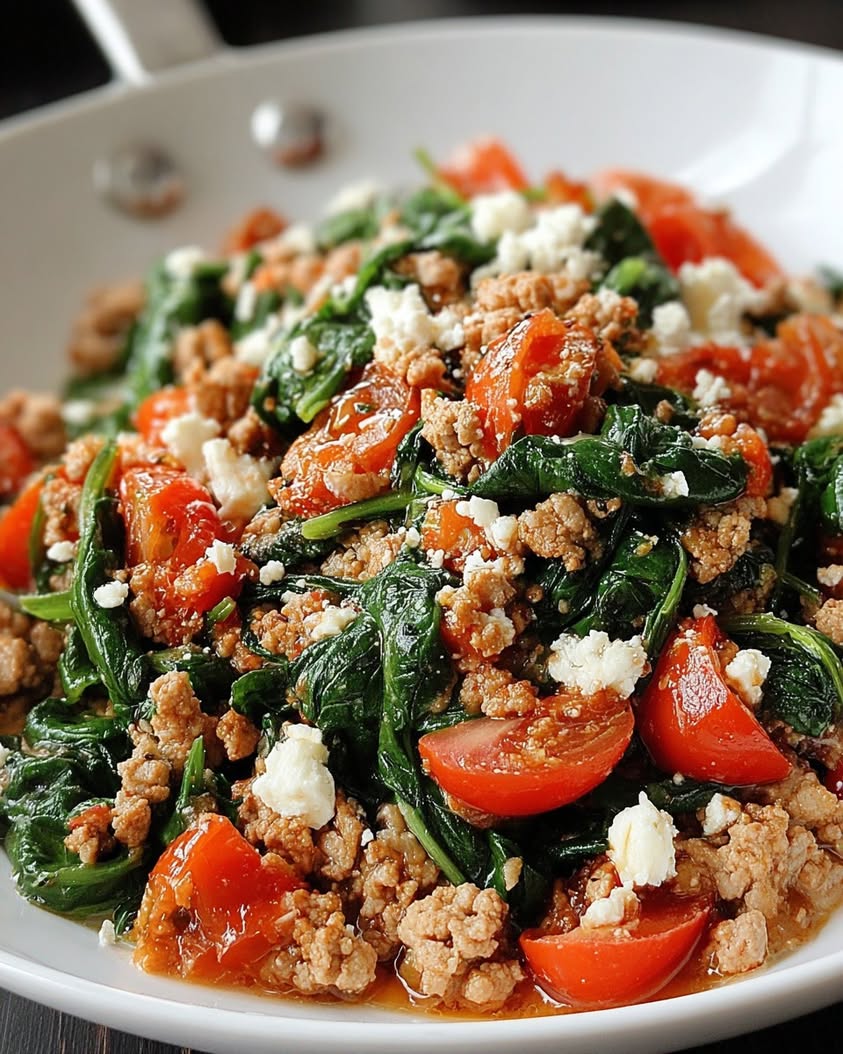
Imagine tender ground turkey, perfectly seasoned and browned, mingling with sweet cherry tomatoes and hearty spinach. The entire dish simmers in a rich, garlic-infused broth that lightly coats every ingredient. Ultimately, you get a comforting, skillet dinner that is as beautiful as it is delicious. The colors pop with vibrant greens and reds, promising a feast for the eyes as well as the stomach. This One-Pan Spinach and Turkey Skillet is more than just a quick fix; it is a reliable staple that will earn a permanent spot in your weekly rotation.
Quick Recipe Highlights
- Flavor Profile: This dish boasts a savory, umami-rich base from the turkey and garlic, balanced by the natural sweetness of cherry tomatoes. A hint of Italian seasoning and a sprinkle of Parmesan cheese add depth and a subtle salty finish.
- Texture: You will enjoy the tender, crumbled texture of the ground turkey against the juicy burst of tomatoes. The spinach wilts into silky ribbons, while the optional melted mozzarella adds a delightful, gooey element on top.
- Aroma: As it cooks, the skillet releases an irresistible fragrance of sautéing garlic and onion, followed by the earthy scent of browning turkey and the sweet, herbal notes of the tomatoes and seasoning.
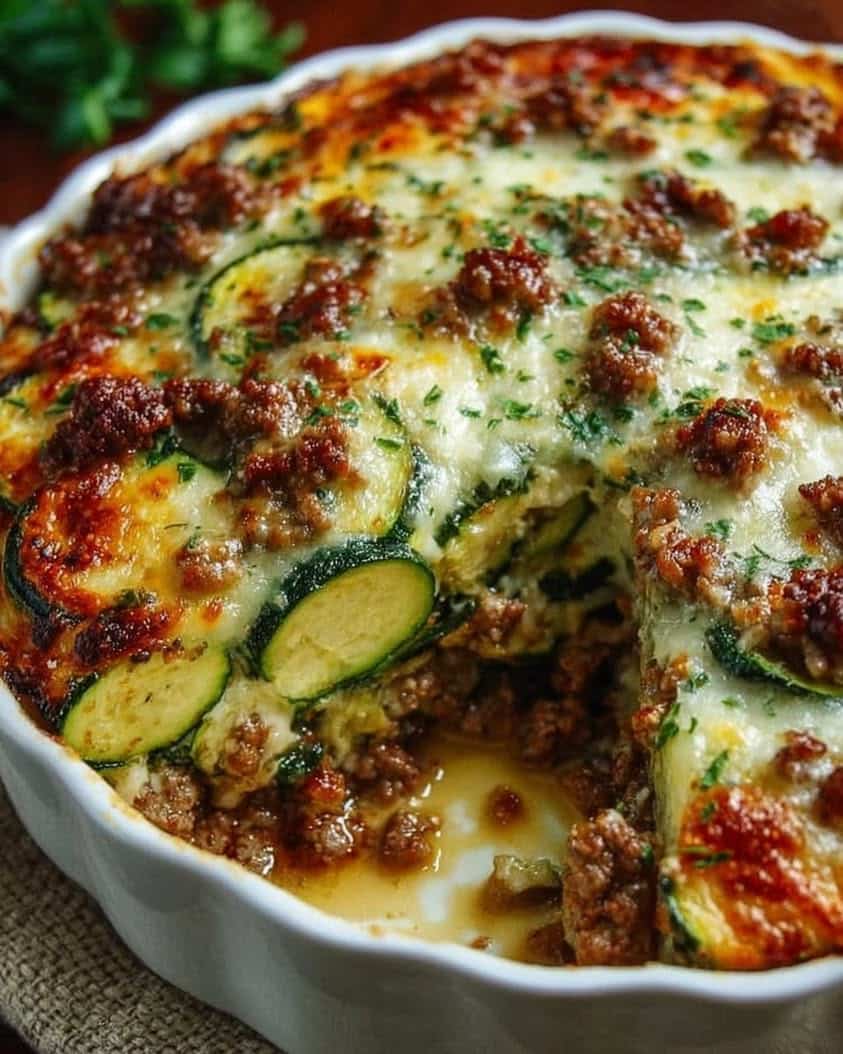
- Visual Appeal: The final presentation is a colorful mosaic of deep green spinach, bright red tomato halves, and golden-brown turkey, often topped with white, bubbling cheese. It is rustic and inviting straight from the pan.
- Skill Level Needed: This is a beginner-friendly recipe. The skills required are basic: chopping, sautéing, and simmering. If you can brown meat and stir ingredients in a pan, you can master this healthy turkey skillet.
- Special Equipment: You only need one large skillet or frying pan with a lid. A 12-inch cast iron or stainless steel skillet works perfectly to ensure everything cooks evenly without overcrowding.
Recipe Overview
- Difficulty Level: We rate this One-Pan Spinach and Turkey Skillet as “Easy” because it involves straightforward, sequential steps with no advanced techniques. You simply brown the meat, sauté the aromatics, and simmer the vegetables. There is no intricate knife work or precise temperature control needed, making it accessible for cooks of all levels.
- Category: This recipe falls squarely into the categories of healthy dinners, weeknight meals, and one-pan wonders. It is a complete main course that provides protein, vegetables, and sauce in a single dish, eliminating the need for complicated sides.
- Cuisine: While not strictly traditional, this skillet dinner draws inspiration from Italian-American and modern home cooking traditions. The use of garlic, tomatoes, spinach, and Italian seasoning creates a familiar, Mediterranean-leaning flavor profile that is universally appealing.
- Cost: This is a budget-friendly meal. Ground turkey is often more affordable than other lean meats, and spinach and cherry tomatoes are inexpensive, especially in season. The pantry staples like broth and seasoning keep the cost per serving very low.
- Season: This One-Pan Spinach and Turkey Skillet is excellent year-round. However, it shines in spring and summer when fresh spinach and tomatoes are at their peak sweetness. Conversely, it also provides a comforting, warm meal during the cooler fall and winter months.
- Occasion: It is ideal for casual weeknight family dinners, effortless meal prep for lunches, or a simple yet impressive dish for informal gatherings. It is versatile enough for daily nourishment but tasty enough to serve to guests.
Why You’ll Love This Recipe
First and foremost, the taste and texture of this One-Pan Spinach and Turkey Skillet are incredibly satisfying. The savory, well-seasoned turkey forms a hearty foundation. Meanwhile, the tomatoes offer little bursts of acidity and sweetness that cut through the richness. Finally, the wilted spinach adds a fresh, green element that makes each bite interesting. The optional cheese topping creates a creamy, luxurious layer that brings all the components together harmoniously. Every forkful delivers a perfect balance of protein, vegetable, and savory sauce.
Secondly, the convenience factor is unbeatable. This entire meal cooks in one pan, which means you have minimal dishes to wash afterward. The prep work is quick, involving just some simple chopping. Furthermore, the cooking process is largely hands-off after the initial sautéing, allowing you to multitask. You can easily prepare a side salad or set the table while the skillet simmers. This efficiency makes the One-Pan Spinach and Turkey Skillet a lifesaver on evenings when time and energy are in short supply.
Nutritionally, this dish is a powerhouse. Lean ground turkey provides high-quality protein to keep you full and support muscle health. Spinach is loaded with iron, vitamins A, C, and K, as well as fiber. Tomatoes contribute vitamin C, potassium, and the antioxidant lycopene. By using broth as the base of the sauce, you keep the dish lower in fat and calories compared to cream-based sauces. Therefore, this skillet is a guilt-free choice that supports your wellness goals without sacrificing flavor.
For social and entertaining value, this recipe is surprisingly adaptable. You can easily double the ingredients to feed a crowd, still using just one extra-large skillet or two regular ones. It presents beautifully when served directly at the table in the skillet, offering a rustic, family-style dining experience. Guests will appreciate the home-cooked, wholesome nature of the meal. Additionally, it is generally a crowd-pleaser, appealing to both adults and children with its familiar, comforting flavors.
Finally, the cost-effectiveness and accessibility of this One-Pan Spinach and Turkey Skillet are major wins. The ingredients are common and affordable, available at any standard grocery store. You can make substitutions based on what you have on hand without ruining the dish. For instance, you can use kale instead of spinach or chicken broth instead of vegetable. This flexibility makes it a practical recipe for stretching your grocery budget while still eating a delicious, home-cooked meal.
Historical Background and Cultural Significance
The concept of the one-pan meal is ancient, rooted in the practical need to cook efficiently over a single heat source. However, the modern iteration of dishes like this One-Pan Spinach and Turkey Skillet finds its direct lineage in 20th-century American home cooking. As kitchens modernized and home cooks, particularly women entering the workforce, sought faster solutions, the “skillet supper” became a staple. These recipes prioritized convenience, affordability, and nutrition, often featuring ground meat and canned or fresh vegetables cooked together in a savory sauce.
Culturally, this dish represents a fusion of influences. The use of spinach and tomato echoes Mediterranean cuisine, while the technique of browning ground meat is a cornerstone of American comfort food. It is a testament to adaptive cooking, where traditional methods meet contemporary needs. This skillet dinner does not belong to one specific culture but rather to the global community of busy people who value health, flavor, and simplicity. It is a modern classic born from necessity and creativity.
The evolution of this recipe is ongoing. Originally, similar dishes might have relied on cream-of-something soups for sauce. The current version reflects a shift toward fresher, whole-food ingredients. Using fresh spinach and cherry tomatoes, along with broth, aligns with today’s nutritional awareness. The inclusion of ground turkey as a leaner alternative to beef also marks this evolution. Consequently, the One-Pan Spinach and Turkey Skillet is a contemporary update on a mid-century concept, optimized for modern palates and health consciousness.
Regional variations of this concept are endless. In the American South, you might find a version with black-eyed peas and collard greens. In Italy, a similar “saltata in padella” might feature ground pork and chard. The beauty of the one-pan formula is its adaptability to local ingredients and tastes. Our version leans into widely available, universally liked flavors, making it a versatile template. You can take this basic framework and infuse it with the spices and vegetables of your own culinary heritage, creating a personalized family favorite.
Ingredient Deep Dive
Ground Turkey: A relatively modern supermarket staple, ground turkey gained popularity as a lean alternative to ground beef. It is an excellent source of high-quality protein, B vitamins, and selenium. When selecting ground turkey, look for packages labeled 93% lean for the best balance of flavor and leanness. Avoid anything with added salt or solutions. Store it in the coldest part of your refrigerator and use within 1-2 days of purchase, or freeze immediately. For substitution, ground chicken, lean ground beef, or even plant-based crumbles work well.
Fresh Spinach: Spinach has a storied history, cultivated for centuries in Persia before spreading to Europe and Asia. It is a nutritional superstar, packed with iron, calcium, magnesium, and vitamins A, C, and K. For this One-Pan Spinach and Turkey Skillet, choose fresh, crisp leaves with a vibrant green color, avoiding any that are wilted or slimy. Store spinach loosely in a plastic bag in the refrigerator crisper. If you need to substitute, baby kale, Swiss chard, or even chopped broccoli florets can be used, though cooking times may vary slightly.
Cherry Tomatoes: These sweet, small tomatoes are a cultivar developed for their flavor and convenience. They are rich in vitamin C, potassium, and the antioxidant lycopene, which is more bioavailable when cooked. Select tomatoes that are firm, brightly colored, and free of wrinkles or cracks. They can be stored at room temperature until ripe, then refrigerated. In a pinch, you can substitute with diced Roma tomatoes or even a can of drained, fire-roasted diced tomatoes for a deeper flavor in your turkey skillet.
Garlic and Onion: These aromatic alliums form the essential flavor base for countless global cuisines. Garlic offers potential cardiovascular benefits and immune support, while onions provide quercetin, a powerful antioxidant. Choose firm garlic heads with tight skin and onions that feel heavy for their size without soft spots. Store them in a cool, dark, dry place with good air circulation. If you are out of fresh garlic, garlic powder can work in a reduced quantity. Similarly, onion powder or even a dash of asafoetida can stand in for fresh onion.
Broth (Chicken or Vegetable): Broth is the foundation of the simple sauce, adding moisture and savory depth without excess fat. Homemade broth is ideal, but a good-quality, low-sodium store-bought version is a fantastic timesaver. It contributes minerals and a subtle protein richness. Always taste before adding extra salt, as broths vary in sodium content. For a substitution, you can use water mixed with a teaspoon of bouillon paste or powder. The broth is key to creating the cohesive, saucy element that defines this one-pan meal.
Common Mistakes to Avoid
- Overcrowding the Skillet: Adding all the turkey at once to a small pan will steam it instead of browning it. Cook in batches if necessary to get that desirable caramelized, flavorful crust on the meat, which is essential for depth in your One-Pan Spinach and Turkey Skillet.
- Not Browning the Aromatics: Rushing the garlic and onion step is a common error. You must sauté them until fragrant and translucent. This process, called sweating, unlocks their sugars and foundational flavors that permeate the entire dish.
- Using Wet Spinach: If you wash your spinach and do not dry it thoroughly, you will add excess water to the skillet. This extra moisture can make the final dish watery instead of saucy. Always use a salad spinner or pat spinach dry with towels.
- Overcooking the Spinach: Adding spinach too early or cooking it for too long results in a mushy, dull-green mess. Stir it in at the very end, just until wilted. The residual heat will continue to cook it slightly after you turn off the burner.
- Underseasoning in Layers: Season only at the end, and your dish will taste flat. Season the turkey while browning, then adjust again after adding the broth and finally before serving. Building layers of seasoning is the secret to a flavorful skillet.
- Choosing the Wrong Tomato: Large, watery beefsteak tomatoes will make the dish soupy. Cherry or grape tomatoes are ideal because they are sweet, firm, and hold their shape well, offering juicy bursts without diluting the sauce.
- Skipping the Rest Time: Serving the One-Pan Spinach and Turkey Skillet immediately from the burner is tempting. However, letting it sit for 5 minutes off the heat allows the flavors to meld and the sauce to thicken slightly for a better texture.
- Using a Pan That Is Too Small: A cramped pan prevents proper evaporation and browning. A 12-inch skillet is the minimum recommended size. This gives the ingredients space to cook correctly and ensures the sauce reduces properly.
Essential Techniques
Browning Ground Turkey: This technique, known as the Maillard reaction, is crucial for developing deep, savory flavor. Break the turkey into small crumbles as it cooks, but resist the urge to stir constantly. Let it sit in contact with the hot pan to develop a golden-brown crust. The visual cue for success is seeing browned bits (fond) stuck to the pan bottom. This fond will later deglaze with broth, creating the sauce’s base. A common pitfall is moving the meat too much, which leads to gray, steamed turkey instead of flavorful, browned crumbles.
Sweating Aromatics: Sweating garlic and onion means cooking them gently in fat until they soften and release their moisture and aroma without taking on color. This technique builds a sweet, mellow flavor foundation. Use medium heat and stir frequently to prevent burning. The onions should become translucent and soft, and the garlic should be fragrant. If they start to brown quickly, your heat is too high. Mastering this step ensures your One-Pan Spinach and Turkey Skillet has a complex, rounded flavor profile from the very first bite.
Deglazing: After browning the turkey and aromatics, you will add broth to the hot pan. As you pour it in and scrape the bottom with a wooden spoon, you loosen the flavorful browned bits. This process, called deglazing, incorporates those concentrated flavors into the liquid, creating an instant, rich sauce. It is a simple but transformative technique that turns pan drippings into culinary gold. Ensure you scrape thoroughly across the entire pan surface to capture every bit of flavor for your turkey skillet.
Wilting Leafy Greens: Adding a large volume of spinach to a hot pan and wilting it down requires proper technique. Add the spinach in batches, stirring constantly. As the first batch wilts and reduces in volume, add the next. This ensures even cooking and prevents the bottom from overcooking while the top remains raw. The spinach is done when it is just uniformly wilted and bright green—this takes only a minute or two. Overcooking leads to loss of color, nutrients, and texture.
Pro Tips for Perfect One-Pan Spinach and Turkey Skillet
First, pat your ground turkey dry with a paper towel before adding it to the pan. Removing surface moisture promotes better browning and prevents steaming. This small step makes a significant difference in developing a rich, meaty flavor.
Second, consider toasting your dried Italian seasoning in the pan for 30 seconds after the onions are soft. This “blooms” the spices in the hot oil, releasing their essential oils and creating a more potent, aromatic base for the entire dish.
Third, if you have white wine on hand, deglaze the pan with a quarter cup before adding the broth. The wine adds a layer of acidity and complexity that elevates the sauce from simple to sophisticated.
Fourth, for a thicker, more cohesive sauce, mix a teaspoon of cornstarch with a tablespoon of cold broth and stir it in during the last two minutes of simmering. This creates a lightly thickened sauce that clings beautifully to the turkey and spinach.
Fifth, finish the dish with a splash of fresh acidity. A squeeze of lemon juice or a drizzle of balsamic glaze just before serving brightens all the flavors and adds a final touch of freshness that cuts through the richness.
Sixth, let the skillet rest off the heat for five minutes after cooking. This allows the ingredients to absorb the sauce fully and makes serving cleaner and easier, as the mixture will set slightly.
Seventh, invest in a good-quality, heavy-bottomed skillet. Even heat distribution prevents hot spots that can burn the garlic or cause uneven cooking, ensuring every component of your turkey skillet is perfectly done.
Eighth, garnish thoughtfully. Freshly grated Parmesan, a sprinkle of red pepper flakes, and some chopped fresh basil or parsley add contrasting color, texture, and bursts of fresh flavor that make the presentation pop.
Variations and Adaptations
Regional Variations: Give this One-Pan Spinach and Turkey Skillet a Greek twist by adding oregano, Kalamata olives, and feta cheese. For a Mexican-inspired version, use cumin and chili powder, swap spinach for bell peppers and corn, and top with cilantro and avocado. An Asian fusion take could include ginger, soy sauce, and sesame oil, finishing with a sprinkle of green onions.
Seasonal Adaptations: In summer, use fresh garden tomatoes and basil. For fall, incorporate diced sweet potatoes or butternut squash, adding them with the onions to soften. In winter, use heartier greens like kale or Swiss chard, adding them a few minutes earlier to ensure they become tender.
Dietary Modifications: For a dairy-free version, simply omit the cheese or use a nutritional yeast or vegan Parmesan alternative. To make it gluten-free, ensure your broth is certified gluten-free—this recipe is naturally gluten-free otherwise. For a lower-carb or keto adaptation, you can reduce or omit the tomatoes and increase the spinach and other low-carb vegetables like zucchini or mushrooms.
Flavor Variations: Introduce different flavor profiles easily. Add sun-dried tomatoes and a pinch of red pepper flakes for a spicy, tangy kick. Stir in a tablespoon of pesto at the end for a herby, nutty dimension. A dash of smoked paprika can impart a subtle, smoky depth that complements the turkey beautifully.
Texture Modifications: For more texture, reserve a handful of raw spinach to stir in right at the end for a fresh, crisp contrast. You can also add a can of drained and rinsed white beans or chickpeas with the tomatoes for extra heartiness and fiber. Toasted pine nuts or slivered almonds sprinkled on top add a delightful crunch.
Presentation Alternatives: Instead of serving directly from the skillet, spoon the mixture over creamy polenta, mashed cauliflower, or whole-grain rice for a more composed plate. You can also use it as a hearty filling for stuffed bell peppers or as a topping for baked potatoes, transforming the basic skillet into a new meal entirely.
Serving and Presentation Guide
Plating Techniques: For individual servings, use a shallow bowl or rimmed plate. Spoon a generous portion, ensuring you get a mix of turkey, tomatoes, and spinach in each scoop. If you added cheese, make sure some of the melted, bubbly topping is visible on top. Avoid overfilling the plate; leaving a clean border makes the dish look more appetizing and intentional.
Garnishing Ideas: Garnishes are the final touch that elevates presentation. Freshly chopped parsley or basil adds a pop of green and freshness. A light dusting of grated Parmesan or Pecorino Romano cheese provides a salty, umami finish. A drizzle of high-quality extra virgin olive oil or a balsamic reduction adds shine and complexity. A sprinkle of red pepper flakes offers both color and a hint of heat.
Traditional Accompaniments: This One-Pan Spinach and Turkey Skillet is a complete meal on its own. However, traditional pairings include a simple side salad with a vinaigrette to cut the richness, or a slice of crusty bread, garlic bread, or a breadstick to soak up the delicious sauce. These sides complement without competing with the main event.
Modern Serving Suggestions: For a contemporary twist, serve the skillet mixture over a bed of quinoa, farro, or cauliflower rice for added whole grains or a low-carb option. You can also use it as a protein-packed filling for whole-wheat wraps or lettuce cups for a handheld meal. Presenting it in the skillet at the table on a trivet creates a rustic, family-style centerpiece.
Temperature Considerations: This dish is best served hot, immediately after its brief rest. The cheese should be melty, and the sauce should be steaming. If serving family-style, the cast iron skillet will retain heat well at the table. For individual plates, ensure they are warmed to prevent the food from cooling too quickly.
Portion Control Tips: This recipe yields four generous servings. To ensure even portions, you can visually divide the skillet into quarters before serving. Using a measuring cup or ladle can also help serve consistent amounts, especially useful for meal prep. Remember that the dish is nutrient-dense, so a satisfying portion may be smaller than you think.
Wine and Beverage Pairing
Wine Pairings: A medium-bodied red wine like Pinot Noir or Sangiovese pairs beautifully with this One-Pan Spinach and Turkey Skillet. Their bright acidity and red fruit notes complement the tomatoes and cut through the savory turkey. If you prefer white wine, opt for an unoaked Chardonnay or a Pinot Grigio with good acidity; they won’t overpower the dish and will balance the garlic and herbs. Rosé is another excellent choice, especially in warmer months, offering the freshness of white wine with a hint of red fruit character that matches the tomatoes.
Non-Alcoholic Alternatives: Sparkling water with a squeeze of lemon or lime provides a crisp, clean palate cleanser. For something more flavorful, try a ginger beer or a tart cherry juice spritzer (mix cherry juice with club soda). Herbal iced teas, like mint or hibiscus, offer refreshing, non-sweet options that won’t compete with the meal’s savory notes.
Coffee/Tea Pairings: While not a typical dinner pairing, a cup of herbal tea after the meal can be delightful. A peppermint or ginger tea can aid digestion. For coffee lovers, a small espresso after dinner works, but the bitter notes might clash if consumed during the meal. It is best saved for afterward.
Temperature Considerations: Serve red wines slightly below room temperature, around 60-65°F. White wines and rosés should be well-chilled, around 45-50°F. Non-alcoholic sparkling drinks are best served ice-cold to maximize their refreshing quality against the warm, savory skillet.
Serving Suggestions: Always serve wine in appropriate glassware to enhance the aroma and experience. For non-alcoholic options, a tall glass with ice and a garnish (like a citrus wedge or sprig of mint) makes the drink feel special. Pairing is about balance; the beverage should refresh the palate between bites of the flavorful, saucy turkey and spinach.
Storage and Shelf Life
Storage Methods: Allow the One-Pan Spinach and Turkey Skillet to cool completely to room temperature before storing. Do not leave it out for more than two hours to prevent bacterial growth. Transfer the cooled mixture to an airtight container. You can store the entire batch together or divide it into individual portion-sized containers for easy grab-and-go meals.
Temperature Requirements: Refrigerate the stored skillet meal promptly. It must be kept at or below 40°F (4°C) to remain safe. If you are preparing meals for later in the week, place the containers in the back of the refrigerator where the temperature is most consistent, not in the door.
Container Recommendations: Glass containers with tight-sealing lids are ideal as they do not absorb odors or stains and are microwave-safe for reheating. If using plastic, ensure it is BPA-free and designated for food storage. For freezing, use heavy-duty freezer bags or containers specifically designed to prevent freezer burn.
Signs of Spoilage: Before consuming leftovers, check for any off odors, such as a sour or unpleasant smell. Visually inspect for mold, which can appear as fuzzy spots. If the texture seems excessively slimy or the color has darkened significantly, it is best to discard it. When in doubt, throw it out.
Reheating Instructions: The best method is to reheat portions in a skillet over medium heat, adding a splash of broth or water to loosen the sauce. You can also microwave it in a covered, microwave-safe dish, stirring every 60 seconds until heated through. Ensure the internal temperature reaches 165°F (74°C) for food safety.
Freezing Guidelines: This dish freezes reasonably well for up to 2-3 months. Cool it completely, then portion it into freezer-safe containers, leaving about half an inch of headspace for expansion. Thaw overnight in the refrigerator before reheating. Note that the texture of the spinach may become softer upon thawing, but the flavor will remain excellent.
Make Ahead Strategies
Prep Timeline: You can prep components 1-2 days in advance. Brown the ground turkey and sauté the onions and garlic. Let this mixture cool, then store it in an airtight container in the refrigerator. Wash and dry the spinach, and halve the cherry tomatoes, storing them separately. When ready to cook, you will simply need to reheat the turkey base and proceed with adding broth, tomatoes, and spinach, cutting your active cooking time in half.
Storage Between Steps: Keep pre-cooked components in separate containers. Combining everything before cooking, especially raw tomatoes with the cooked meat, can lead to excess moisture and texture issues. Storing the aromatics and turkey together is fine, but keep the fresh vegetables separate until you are ready to finish the dish.
Quality Impact Assessment: Pre-browning the turkey and onions has minimal negative impact on flavor; in fact, it can deepen over time. The fresh elements—tomatoes and spinach—must be added fresh to preserve their texture and bright color. Pre-cutting tomatoes is fine, but pre-wilting spinach will result in a soggy, unappealing final product.
Assembly Tips: For fastest assembly, have your prepped ingredients measured and lined up. Start by reheating the turkey base in your skillet. Once hot, add the broth and tomatoes from their fresh state. This method ensures you get the benefit of advanced prep without sacrificing the quality of the final One-Pan Spinach and Turkey Skillet.
Reheating Guidelines: If you fully cook the entire dish ahead of time, reheat it gently on the stovetop with added liquid. The spinach will overcook if microwaved aggressively. For best results, reheat only the portion you plan to eat immediately to maintain the integrity of the leftovers.
Fresh Element Additions: Even if you make the entire dish ahead, consider adding a handful of fresh, raw spinach right at the end of reheating. It will wilt slightly and provide a brighter green color and fresher flavor, revitalizing the pre-made meal.
Scaling Instructions
Halving the Recipe: To serve two, simply divide all ingredient quantities by two. Use a 10-inch skillet to maintain the proper cooking depth and browning efficiency. Cooking times will be slightly shorter, so keep a close eye on the turkey browning and the sauce reduction. The spinach will wilt very quickly. This scaling is straightforward and works perfectly for smaller households.
Doubling or Tripling: For a crowd, double or triple the ingredients. Do not attempt to cook a triple batch in one skillet; instead, use two large skillets simultaneously or cook in batches. Browning the turkey will take longer if done in batches. You may need to simmer the sauce a few minutes longer to reach the desired consistency due to the increased volume of liquid.
Equipment Adjustments: Scaling up requires appropriate equipment. For a double batch, a very large (14-inch) skillet or a wide, deep sauté pan is necessary. If you only have standard skillets, cook in two separate pans and combine them at the end in a large serving dish. This ensures proper evaporation and browning, which are key to flavor.
Timing Modifications: When doubling, the initial browning time for the turkey will increase, as you should still avoid overcrowding the pan. The simmering time to reduce the sauce may also increase by 3-5 minutes. Taste and adjust seasoning carefully, as larger volumes require more tasting to ensure balance.
Storage Considerations: A larger batch means more leftovers. Plan your storage containers in advance. Consider freezing portions of a large batch immediately after cooling to preserve quality. Label containers with the date, as it is easy to lose track of larger quantities in the fridge or freezer.
Nutritional Deep Dive
Macro Breakdown: A serving of this One-Pan Spinach and Turkey Skillet provides an excellent balance of macronutrients. The ground turkey is a rich source of lean protein, essential for muscle repair and satiety. The minimal added fat comes primarily from healthy cooking oil. The carbohydrates are present in modest amounts, sourced from the vegetables (tomatoes and onions), making it a balanced option that fits into various dietary approaches.
Micronutrient Analysis: This dish is a micronutrient powerhouse. Spinach delivers high doses of vitamin K for bone health, vitamin A for vision, and folate. Tomatoes contribute vitamin C and the antioxidant lycopene. Garlic and onions provide compounds like allicin and quercetin, which have anti-inflammatory properties. Together, they create a meal dense in vitamins, minerals, and beneficial plant compounds.
Health Benefits: Regularly consuming meals like this supports heart health due to the lean protein, fiber from vegetables, and healthy fats. The antioxidants combat oxidative stress, while the low glycemic impact helps maintain steady blood sugar levels. The high protein and fiber content also promote prolonged feelings of fullness, which can aid in weight management.
Dietary Considerations: This recipe is naturally gluten-free and can be made dairy-free by omitting cheese. It is suitable for diabetic diets due to its low sugar and high fiber content. It aligns well with Mediterranean diet principles, emphasizing vegetables, lean protein, and healthy fats.
Portion Analysis: One serving, approximately one-quarter of the skillet, is a satisfying and volumous meal due to the high vegetable content. This allows you to feel full on a reasonable calorie count. The portion size is visually generous, promoting psychological satisfaction alongside physical satiety.
Weight Management Tips: To make this dish even more weight-conscious, use a measured amount of oil (one tablespoon is sufficient), choose extra-lean ground turkey, and skip the cheese topping. The high water and fiber content of the vegetables add bulk without many calories, making it an ideal choice for those focusing on calorie density.
Dietary Adaptations
Gluten-free: This One-Pan Spinach and Turkey Skillet is naturally gluten-free as written. The only potential source of gluten would be in the broth or any added seasonings. Always use broth that is certified gluten-free and check your Italian seasoning blend to ensure no gluten-containing additives are present.
Dairy-free: Omitting the Parmesan and mozzarella cheese makes this recipe completely dairy-free. The dish remains flavorful from the herbs, garlic, and savory turkey. For a cheesy flavor without dairy, stir in a tablespoon of nutritional yeast at the end or top with a sprinkle of vegan Parmesan alternative.
Vegan: To create a vegan version, substitute the ground turkey with two cans of drained and rinsed brown lentils or a plant-based ground “meat” crumble. Use vegetable broth. The lentils will provide a similar texture and protein content, making a hearty and satisfying plant-based skillet dinner.
Low-carb/Keto: For a strict keto adaptation, reduce the cherry tomato quantity by half or substitute them with lower-carb vegetables like sliced mushrooms and bell peppers. Ensure you use full-fat broth and consider adding a dollop of cream cheese at the end to enrich the sauce and increase healthy fats.
Paleo: This recipe is nearly Paleo-compliant. Omit any cheese and ensure your broth contains no sugar or non-Paleo additives. That is it! The combination of meat and vegetables cooked in healthy fat fits perfectly within Paleo guidelines for a wholesome, grain-free meal.
Low-FODMAP: For a Low-FODMAP version, use garlic-infused oil instead of fresh garlic (remove the solid garlic before eating). Substitute the onion with the green tops of scallions (green parts only). Use a FODMAP-friendly broth. These swaps eliminate the high-FODMAP ingredients while preserving much of the intended flavor profile.
Troubleshooting Guide
Texture Issues (Too Watery): If your skillet is soupy, the likely culprits are wet spinach or very juicy tomatoes. Solution: Continue simmering the dish uncovered Print
Spinach and Turkey Skillet
- Total Time: 45 minutes
- Yield: 4
Description
A quick and healthy one-pan meal featuring lean ground turkey, fresh spinach, and savory seasonings, perfect for a weeknight dinner.
Ingredients
- 1 lb lean ground turkey
- 2 tbsp olive oil
- 1 medium onion, diced
- 2 cloves garlic, minced
- 4 cups fresh spinach
- 1 can (14.5 oz) diced tomatoes
- 1 tsp dried oregano
- 1/2 tsp paprika
- Salt and black pepper to taste
- 1/2 cup shredded mozzarella cheese (optional)
Instructions
- Heat olive oil in a large skillet over medium heat. Add diced onion and cook until softened, about 3-4 minutes.
- Add ground turkey to the skillet, breaking it up with a spoon. Cook until browned and no longer pink, about 6-8 minutes. Stir in minced garlic and cook for 1 minute more.
- Add diced tomatoes, dried oregano, paprika, salt, and pepper. Stir to combine and simmer for 5 minutes.
- Fold in fresh spinach and cook until wilted, about 2-3 minutes. If using, sprinkle mozzarella cheese on top and cover until melted, about 2 minutes. Serve hot.
Notes
You can customize the seasonings to taste.
- Prep Time: 15 minutes
- Cook Time: 30 minutes
- Method: Main
- Cuisine: American