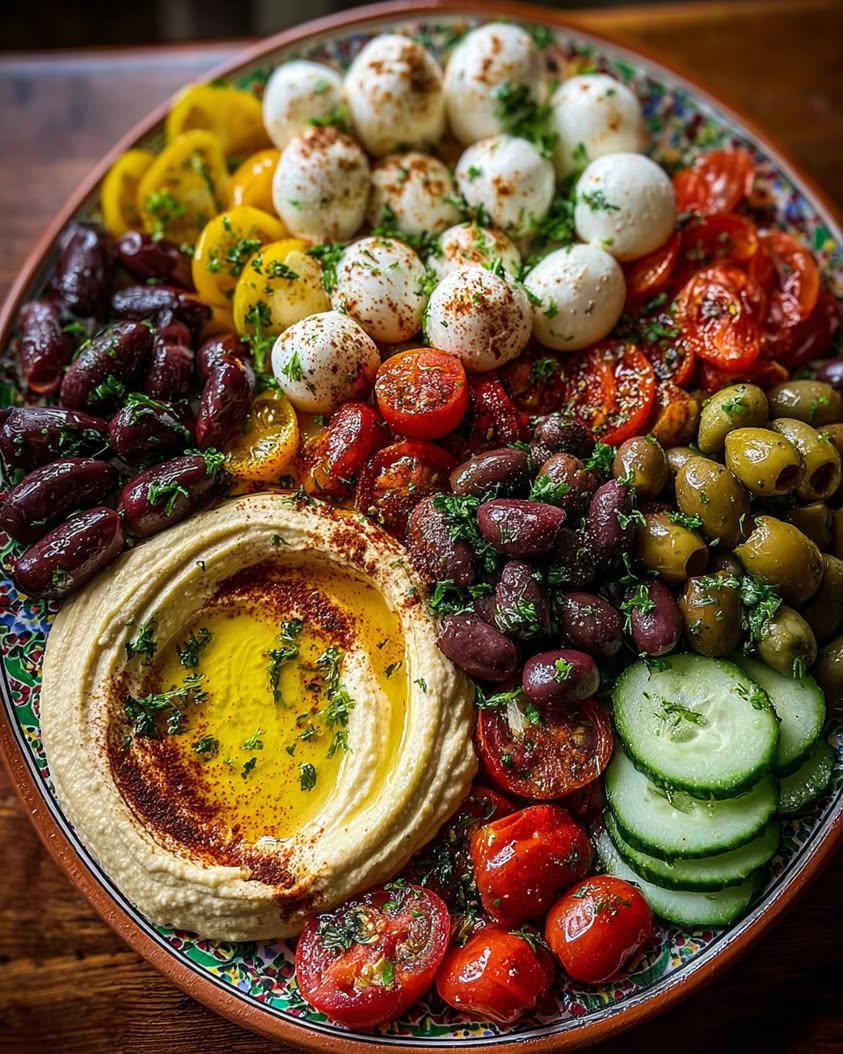
Mediterranean Mezze Platter with Hummus & Burrata: Your Ultimate Guide to Effortless Entertaining
Imagine a vibrant, colorful spread that invites conversation and shared enjoyment. This Mediterranean mezze platter with hummus and burrata is exactly that. It is a celebration of fresh flavors and communal dining. Moreover, it transforms simple ingredients into a stunning centerpiece for any gathering. The combination of creamy, dreamy textures with briny, crisp elements creates a symphony for the senses. Ultimately, this platter is not just food. It is an experience that brings people together around a table of abundance.
Creating a stunning Mediterranean mezze platter is surprisingly simple. In fact, it requires no cooking at all. The magic lies in the artful arrangement of high-quality, flavorful components. You will find that this approach takes the stress out of hosting. Consequently, you can spend less time in the kitchen and more time with your guests. The beauty of a mezze spread is its flexibility. You can easily tailor it to your preferences and what you have available. This guide will walk you through crafting a visually impressive and delicious platter that will wow everyone.
The star of this particular Mediterranean mezze platter is the luxurious pairing of classic hummus with rich burrata cheese. Hummus provides a familiar, creamy, and garlicky base. Meanwhile, burrata offers an indulgent, milky contrast that feels special. Surround these with a selection of olives, marinated vegetables, and warm pita bread. The result is a perfect balance of flavors and textures. This platter is ideal for a casual appetizer, a light lunch, or the main event at a party. Let’s dive into how you can assemble your own masterpiece.
Quick Recipe Highlights
- Flavor Profile: This Mediterranean mezze platter delivers a harmonious blend of earthy, creamy, briny, and fresh notes. The hummus offers a savory, garlicky depth. Meanwhile, the burrata provides a mild, milky richness that contrasts beautifully with salty olives and tangy marinated artichokes.
- Texture: Expect a delightful play of textures in every bite. You will experience the ultra-creamy smoothness of the hummus and burrata. Additionally, you will enjoy the meaty chew of olives, the crisp snap of fresh vegetables, and the soft, pillowy give of warm pita bread.
- Aroma: The aroma is inviting and complex. It features the nutty scent of tahini from the hummus, the herbal fragrance of good olive oil, and the bright, grassy notes of fresh herbs like parsley or dill used for garnish.
- Visual Appeal: A great mezze platter is a feast for the eyes before the palate. Aim for a riot of color. Use vibrant red peppers, green cucumbers, purple Kalamata olives, and white burrata. Arrange them with intention for a stunning, abundant presentation.
- Skill Level Needed: This recipe is beginner-friendly. It requires absolutely no cooking skills, only assembly. The key skills are organization, a bit of knife work for slicing vegetables, and an eye for colorful presentation.
- Special Equipment: You need no special equipment. A large wooden board, slate, or platter is ideal for serving. Additionally, a few small bowls for dips and a sharp knife for slicing vegetables are helpful.
Recipe Overview
- Difficulty Level: This Mediterranean mezze platter is rated “Easy” because it involves assembly, not cooking. There is no heat application or complex techniques. The challenge, if any, lies in presentation. However, even that is forgiving and creative. Anyone can achieve beautiful results by following simple guidelines for color and texture placement.
- Category: This dish falls squarely into the appetizer and snack category. It is perfect for sharing. Furthermore, it can also serve as a light main course for a summer lunch or a vegetarian dinner centerpiece. Its flexibility is one of its greatest strengths.
- Cuisine: The platter is inspired by the broad culinary traditions of the Eastern Mediterranean. It draws specifically from Lebanese, Greek, and Turkish meze cultures. These traditions emphasize shared small plates, fresh ingredients, and vibrant flavors meant for social dining.
- Cost: The cost is variable and depends on ingredient quality. Using store-bought hummus and standard olives keeps it very economical. Conversely, opting for premium burrata, imported olives, and homemade hummus increases the cost. On average, it is a mid-range appetizer that delivers high perceived value.
- Season: This Mediterranean mezze platter is truly a year-round dish. It shines in spring and summer with the freshest crisp vegetables. However, it is equally welcome in fall and winter. The bright flavors offer a cheerful contrast to heavier seasonal fare.
- Occasion: It is incredibly versatile for occasions. It is perfect for casual game-day gatherings, elegant cocktail parties, potlucks, picnics, or a simple family movie night. It suits almost any event where sharing food is part of the fun.
Why You’ll Love This Recipe
First and foremost, the taste and texture appeal is undeniable. Every component on this Mediterranean mezze platter has a purpose. The creamy hummus delights with its savory depth. Then, the luxurious burrata bursts with fresh cream. Salty olives and tangy artichokes cleanse the palate. Finally, crisp vegetables add a refreshing crunch. This combination ensures that no single bite is boring. Instead, it is a journey through contrasting and complementary sensations that keep you coming back for more.
From a convenience standpoint, this recipe is a host’s dream. You can prepare almost every element ahead of time. Simply store dips in containers, wash and chop vegetables, and keep olives in their brine. When guests arrive, the assembly takes mere minutes. This means you are free to enjoy your own party. There is no last-minute cooking panic. Additionally, the platter is naturally gluten-free and vegetarian-friendly. It accommodates many dietary preferences with minimal extra effort.
Nutritionally, this Mediterranean mezze platter is a powerhouse. Hummus provides plant-based protein and fiber from chickpeas. Olive oil and olives offer heart-healthy monounsaturated fats. Fresh vegetables deliver essential vitamins, minerals, and antioxidants. Choosing whole-grain pita adds complex carbohydrates. This balance makes the platter satisfying without being heavy. It is a perfect example of how delicious food can also be genuinely nourishing for your body.
The social and entertaining value of a shared platter cannot be overstated. A Mediterranean mezze platter naturally encourages interaction. Guests gather around, select their favorites, and engage in conversation. It breaks the formal ice of a seated dinner. This style of eating is relaxed, interactive, and communal. It sets a tone of warmth and generosity. Your guests will feel welcomed by the abundant, beautiful spread you have created just for them.
Finally, this platter is cost-effective and accessible. You control the budget by choosing store-bought or homemade elements. Many ingredients, like cucumbers and bell peppers, are inexpensive year-round. You can also easily scale the recipe up or down based on your guest count. There is no waste. Leftover components can be repurposed into salads, sandwiches, or snacks throughout the week. This makes it a smart choice for both your wallet and your time.
Historical Background and Cultural Significance
The concept of “mezze” or “meze” has deep roots in the Eastern Mediterranean and Middle East. Historically, it refers to a selection of small dishes served before a main meal or as the meal itself alongside drinks. The tradition likely originated in Persia. It then spread through the Ottoman Empire, influencing the culinary customs of Turkey, Greece, Lebanon, and beyond. These small plates were designed to stimulate the appetite and encourage leisurely socializing. They represented hospitality and community at their core.
Culturally, the mezze table is a symbol of generosity and sharing. In many regions, it is inseparable from social life. Friends and family gather for hours, talking and grazing from a constantly replenished array of dishes. Each bite is meant to be savored. Conversation is as important as the food. This style of dining fosters connection. A Mediterranean mezze platter with hummus and burrata modernizes this tradition. It brings its spirit of communal enjoyment to contemporary tables around the world.
The recipe has evolved significantly from its origins. Traditional mezze might include dozens of intricate, labor-intensive dishes. The modern interpretation, especially outside its native region, often simplifies. It focuses on key, recognizable components like hummus, olives, and cheese. The addition of burrata is a recent, innovative twist. Burrata, from Italy, is not traditional. However, its creamy texture and mild flavor harmonize perfectly with Mediterranean flavors. This fusion exemplifies how food traditions adapt and cross-pollinate in our global kitchen.
Regional variations of the mezze platter are fascinating. A Greek platter might feature tzatziki, dolmades, and feta cheese. A Lebanese version would likely include baba ghanoush, falafel, and pickled turnips. Turkish meze often boasts haydari (a yogurt dip) and various seafood preparations. Our Mediterranean mezze platter with hummus and burrata takes a pan-Mediterranean approach. It borrows the best-loved elements from these cultures. The goal is to create a universally appealing spread that honors the tradition while being accessible to all home cooks.
Ingredient Deep Dive
Hummus: This creamy chickpea dip is a cornerstone of Levantine cuisine. Its history dates back to ancient Egypt. Nutritionally, it is a superstar. Chickpeas provide plant-based protein, fiber, and iron. Tahini (sesame paste) adds healthy fats, calcium, and magnesium. Olive oil contributes monounsaturated fats. For the best flavor, seek out hummus with a short ingredient list or make your own. Store it in an airtight container in the fridge. If it separates, a quick stir will re-emulsify it. For a substitution, try baba ghanoush (smoky eggplant dip) or white bean spread.
Burrata Cheese: Burrata is a fresh Italian cheese. It features a solid mozzarella outer shell filled with stracciatella (cream and soft cheese shreds). Its invention in the early 20th century was a clever way to use up mozzarella scraps. It is rich in calcium and protein but also high in saturated fat. Therefore, enjoy it in moderation. Select burrata that feels heavy for its size and is stored in liquid. Use it within a day or two of purchase for peak freshness. If unavailable, fresh mozzarella (mozzarella di bufala) or a creamy feta can stand in.
Kalamata Olives: These dark purple, almond-shaped olives hail from Greece. They are typically brine-cured, giving them a distinctive fruity, wine-like flavor and meaty texture. They are rich in vitamin E, antioxidants, and healthy fats. Look for olives with a deep color, stored in brine or olive oil. Avoid canned, tasteless varieties. Pitted olives are convenient. However, olives with pits often have better flavor and texture. Store them in their liquid in the fridge. Other excellent olives for your Mediterranean mezze platter include Castelvetrano (bright green and buttery) or Niçoise (small and pungent).
Marinated Artichokes: Artichokes have been cultivated in the Mediterranean for millennia. Marinating them in oil with herbs preserves them and infuses flavor. They are a good source of fiber, vitamin C, and folate. When buying jarred marinated artichokes, check for firm, not mushy, hearts. The marinade should smell herbal, not sour. You can also use grilled artichokes for a smokier note. After opening, keep them submerged in oil in the refrigerator. Roasted red peppers or sun-dried tomatoes make flavorful alternatives on your platter.
Pita Bread: This soft, slightly leavened flatbread is a staple across the Middle East and Mediterranean. It is perfect for scooping up dips. Whole-wheat pita offers more fiber and nutrients than white. For serving, warm the pita briefly in an oven or toaster. Then, cut it into wedges. This makes it soft and pliable. Stale pita can be cut and baked into crispy chips. If pita is unavailable, other flatbreads like lavash, naan, or even sturdy crackers can work. However, warm pita provides the most authentic experience.
Common Mistakes to Avoid
- Crowding the Platter: Avoid dumping ingredients into one messy pile. Crowding makes it difficult for guests to access items. Instead, create intentional sections with space between them. This approach looks more elegant and is more functional.
- Serving Cold, Hard Pita: Never serve pita bread straight from the package. Cold pita is tough and unappealing. Always warm it gently. This simple step transforms its texture, making it soft, fragrant, and perfect for dipping.
- Using Low-Quality Olive Oil: Since many components are uncooked, the quality of your olive oil is paramount. Avoid using bland, old, or “light” olive oil. Drizzle a flavorful extra-virgin olive oil over the hummus and burrata just before serving for a flavor boost.
- Neglecting Color and Height: A flat, monochromatic platter is visually dull. Incorporate vegetables of different colors—red, green, yellow, purple. Additionally, use small bowls for dips to create varying heights. This adds drama and visual interest to your Mediterranean mezze platter.
- Forgetting the Garnish: Plain hummus or a bare ball of burrata looks unfinished. Always add a garnish. A drizzle of oil, a sprinkle of paprika or sumac, or a few fresh herb leaves make the platter look professionally prepared and cared for.
- Not Draining Wet Ingredients: Placing wet marinated vegetables or olives directly on the board can create a soggy, oily mess. Always drain them well on a paper towel first. This keeps your presentation clean and prevents flavors from running together.
- Skipping the Acid: Rich dips and cheeses need brightness to balance them. Forgetting an acidic element like lemon wedges, pickles, or marinated artichokes can make the platter taste heavy. Always include something tangy to cleanse the palate.
- Making Everything Homemade: While admirable, trying to make every component from scratch can lead to host burnout. The beauty of a Mediterranean mezze platter is its mix of homemade and quality store-bought items. Buy the hummus and marinated vegetables to save time.
Essential Techniques
Artful Arrangement: This is the most important technique for a stunning platter. Start by placing your anchor items—the bowls of hummus and burrata—on opposite sides. Then, build outwards, grouping similar items together. Create little “nests” for olives and artichokes. Fan out vegetable slices and pita wedges. The goal is balance and abundance without clutter. A common pitfall is placing all the heavy items on one side. Instead, distribute weight and color evenly for a harmonious look.
Proper Vegetable Prep: How you cut your vegetables affects both presentation and ease of eating. For cucumbers and carrots, aim for uniform sticks or rounds. Slice bell peppers into strips, removing the white pith. Cherry tomatoes can be left whole or halved. The key is consistency. Ragged, uneven cuts look messy. Use a sharp knife for clean slices. Furthermore, pat vegetables dry after washing to prevent a watery platter. This attention to detail elevates the entire presentation.
Garnishing for Impact: Garnishing is not just decoration. It adds flavor and signals freshness. For hummus, use the back of a spoon to create a swirl. Then, drizzle with olive oil and sprinkle with paprika or sumac. For burrata, place it whole, tear it open slightly to reveal the creamy center, and add a crack of black pepper and fresh basil. Fresh herbs like parsley or dill should be sprinkled last. Avoid over-garnishing. A few deliberate touches are more effective than a haphazard pile.
Pro Tips for Perfect Mediterranean Mezze Platter
Choose a large, neutral-colored board or platter as your canvas. Wood, slate, or white ceramic all work beautifully. They make the colors of the food pop.
Prepare all your components before you start assembling. Wash, chop, drain, and have everything ready to go. This makes the assembly process quick and stress-free.
Add a small bowl of high-quality extra-virgin olive oil to the platter. Guests can drizzle it over their bites for an extra layer of luxurious flavor.
Include a few unexpected elements for surprise. Things like honey for drizzling over the burrata, toasted pine nuts for crunch, or a sprinkle of za’atar spice blend add unique character.
If serving outdoors, keep the platter in a cool, shaded area. Consider placing bowls of dips on smaller dishes filled with ice to keep them chilled and food-safe.
Label any unusual items if you have guests who might not recognize them. A simple tag saying “Marinated Artichokes” or “Castelvetrano Olives” can be a helpful and elegant touch.
Remember that negative space is your friend. Do not feel you must cover every inch of the board. Empty space makes the food look more abundant and appealing.
Set out small plates, napkins, and plenty of cocktail forks or spreaders near the platter. This makes it easy for guests to serve themselves without double-dipping.
Variations and Adaptations
For regional variations, lean into specific cuisines. A Greek version could feature tzatziki, feta cubes, dolmades, and pepperoncini. A Lebanese-inspired platter might include baba ghanoush, falafel bites, pickled turnips, and mint. For a Spanish twist, add manchego cheese, marcona almonds, and chorizo slices. These thematic shifts allow you to explore different flavor profiles while using the same assembly framework.
Seasonal adaptations keep your platter fresh year-round. In summer, use heirloom cherry tomatoes, fresh figs, and grilled zucchini. In fall, incorporate roasted squash, pomegranate arils, and walnuts. Winter calls for heartier items like roasted beet dip and preserved lemons. Spring is perfect for fresh radishes, snap peas, and asparagus tips. Let the produce guide your choices.
Dietary modifications are straightforward. For a vegan platter, omit the burrata or use a vegan almond or cashew-based “cheese.” Ensure the pita is vegan (no honey or dairy). For gluten-free guests, serve with gluten-free crackers or veggie sticks instead of pita. For a keto or low-carb focus, increase the olives, cheeses, and vegetables while skipping the pita and carrots.
Flavor variations can come from your dips and spices. Instead of plain hummus, try roasted red pepper hummus or beet hummus for vibrant color. Add heat with harissa paste drizzled on the burrata or spicy stuffed peppers. Experiment with different spice blends like dukkah (an Egyptian nut and spice mix) for dipping.
Texture modifications involve adding crunch. Scatter toasted pita chips, crispy chickpeas, or walnut pieces across the platter. The contrast with the creamy elements is delightful. You can also offer both soft pita and crispy crackers to cater to different preferences.
Presentation alternatives include using individual small boards for each guest at a dinner party. Alternatively, create a “mezze grazing table” on a larger surface for a big crowd. You can also serve components in unique vessels like hollowed-out bell peppers or small ceramic dishes for a rustic feel.
Serving and Presentation Guide
Begin plating by strategically placing your anchor pieces—the bowls of hummus and burrata. Position them diagonally from each other to create visual balance. Next, add the larger items like bunches of grapes or piles of pita wedges. Then, fill in the gaps with smaller components like olives and artichoke hearts. Use the “odd numbers” rule for groupings—clusters of three or five items often look more natural than even numbers.
Garnishing is the final, crucial step. Drizzle olive oil over the hummus and burrata. Sprinkle with fresh herbs, spices, or edible flowers. Add lemon wedges not just for looks but for functionality. Their bright yellow color adds cheer, and guests can squeeze juice over their food. Place small spoons or spreaders in each dip bowl to prevent cross-contamination.
Traditional accompaniments include warm pita bread, of course. Also consider serving a small dish of flaky sea salt for guests to season tomatoes or cheese. A bowl of labneh (strained yogurt) is another classic addition. For a modern touch, include a small pot of hot honey or a balsamic glaze for drizzling.
Modern serving suggestions might involve interactive elements. Let guests build their own bites with mini plates. Or, provide small tasting spoons for sampling each dip. For a cocktail party, offer pre-assembled bites on crackers or endive leaves. The key is to make it easy and enjoyable for people to eat while mingling.
Temperature considerations are simple but important. Dips and cheeses should be served cool, not ice-cold, to allow their flavors to shine. Vegetables should be crisp and fresh. Pita bread should be warm. If the platter will be out for a while, keep dips on nested bowls of ice. Remove the platter from the fridge 15 minutes before serving to take the chill off the cheese.
Portion control is easy with a shared platter. As a guide, plan for about 1/2 cup of hummus, one ball of burrata, a handful of olives, and a cup of assorted veggies per 3-4 guests. It is always better to have a little extra. Leftovers are easily repurposed. Remember, an abundant-looking platter is part of the appeal, so do not skimp.
Wine and Beverage Pairing
Wine pairings for a Mediterranean mezze platter should be versatile and refreshing. A crisp, dry white wine like Sauvignon Blanc or Pinot Grigio cuts through the richness of the hummus and cheese. A Greek Assyrtiko or a Spanish Albariño, with their bright acidity and mineral notes, are perfect authentic choices. For red wine lovers, a light-bodied, low-tannin red like a Beaujolais or a chilled Gamay works well. It will not overpower the delicate flavors. Rosé is another excellent, festive option that bridges all the components beautifully.
Non-alcoholic alternatives should be just as considered. Sparkling water with lemon or cucumber slices is always refreshing. For something more special, try a minty lemonade, a pomegranate spritzer, or iced herbal tea like hibiscus or Moroccan mint. These drinks offer complexity without alcohol. They cleanse the palate between bites of creamy and briny foods.
While not traditional, certain coffees and teas can pair wonderfully if serving the platter as a lunch. A light, citrusy Ethiopian coffee or a mint tea (like Moroccan touareg tea) complements the herbal and earthy notes on the board. Serve coffee black or tea unsweetened to avoid clashing with the savory food.
Temperature is critical for beverages. White wines, rosés, and non-alcoholic spritzers should be well-chilled. Red wines should be served slightly cooler than room temperature. Always have plenty of ice and water available. The salty olives and rich dips will naturally make guests thirsty.
Serving suggestions include setting up a separate drink station if space allows. Provide a variety of options in clearly labeled dispensers or bottles. Offer both wine glasses and highball glasses for different drinks. Having a large pitcher of infused water on the table is a thoughtful, hydrating touch that guests will appreciate.
Storage and Shelf Life
Proper storage methods are key for leftovers. First, deconstruct the platter. Transfer each type of food to its own airtight container. Hummus will keep for up to 5 days in the refrigerator. Burrata is best consumed within 1-2 days of opening. Store it in its liquid or fresh water in a sealed container. Olives and marinated vegetables can last for weeks in their brine or oil in the fridge.
Temperature requirements are straightforward. Everything except the bread must be refrigerated. Do not leave the assembled platter at room temperature for more than 2 hours to prevent bacterial growth. If you are prepping ahead, keep all components chilled until just before serving.
Container recommendations include glass or BPA-free plastic with tight-fitting lids. For burrata, a small container that allows it to be fully submerged is ideal. For hummus, press a piece of plastic wrap directly onto the surface before sealing the lid. This prevents a dry skin from forming.
Signs of spoilage to watch for include an off or sour smell, especially in dairy products like burrata. Mold growth on dips or cheeses is a definite discard. Olives that become overly soft or slimy should be thrown out. If any item develops an unusual color or texture, err on the side of caution.
Reheating instructions only apply to the pita bread. Leftover pita can be refreshed in a warm oven for a few minutes or briefly microwaved wrapped in a damp paper towel. Do not attempt to reheat the hummus, cheese, or vegetables, as this will ruin their texture.
Freezing is not recommended for most components. Hummus can be frozen, but the texture may become grainy upon thawing. Burrata and fresh vegetables do not freeze well. Olives and marinated artichokes can technically be frozen, but the texture will suffer. It is best to enjoy this platter fresh or store leftovers in the fridge for short-term consumption.
Make Ahead Strategies
Creating a prep timeline reduces day-of stress. Two days before your event, shop for all non-perishable and long-lasting items: olives, jarred artichokes, crackers, and dips if store-bought. The day before, purchase fresh vegetables, herbs, and burrata. You can wash and chop the vegetables, storing them in separate airtight containers with a damp paper towel to maintain crispness. Make hummus from scratch, if using, and store it covered.
Storage between steps is simple. Keep all prepped ingredients in the refrigerator. Store chopped vegetables in sealed containers or bags. Keep herbs wrapped in a damp paper towel inside a bag. Do not slice tomatoes more than a few hours ahead, as they release water. Keep the burrata in its packaging until the last moment.
Assessing quality impact is important. Pre-chopped vegetables will lose some crispness after 24 hours but are still perfectly good. Homemade hummus tastes better after the flavors meld overnight. The burrata, however, must be fresh and added at the last minute. Its delicate texture does not hold up to extended storage after opening.
Assembly tips for efficiency: Have your clean board or platter ready. Place your dip bowls on the board first. Then, working quickly from the fridge, add each component to its designated spot. Add the burrata and any delicate herbs last. The entire assembly process should take no more than 10-15 minutes if everything is prepped.
If you must assemble hours ahead, cover the entire platter loosely with plastic wrap and refrigerate. However, wait to add fresh herbs, a final drizzle of oil, and the burrata until just before serving. The condensation from the cold platter meeting warm air can make items look wet, so pat things dry if needed.
For fresh element additions, keep a small “garnish station” with your good olive oil, lemons, spices, and herbs. In the final minutes before guests arrive, perform the finishing touches: tear open the burrata, drizzle oil, sprinkle herbs. This makes the platter look freshly made and vibrant.
Scaling Instructions
Halving the recipe is simple for a small, intimate gathering. Use one small ball of burrata, a half-cup of hummus, and reduce vegetables and olives by half. Choose a smaller board or even a large plate. The assembly principles remain the same. This is perfect for a romantic appetizer or a snack for two.
Doubling or tripling the recipe for a crowd requires a bit more planning. You will need a very large surface—consider using a clean table covered with parchment or multiple boards placed together. Offer two or three varieties of dips and multiple balls of burrata placed around the spread. Increase vegetable quantities proportionally. The key is to create multiple “stations” of similar items so guests can access them from different points.
Equipment adjustments are necessary when scaling. For a large crowd, you will need more small bowls for dips and olives. Use tiered stands to add height and save space. Ensure you have enough serving utensils so every dip bowl has its own spoon. For a very small platter, ramekins or even small glass jars can serve as dip containers.
Timing modifications are minimal since there is no cooking. However, prepping a large quantity of vegetables will take more time. Start your vegetable chopping a day in advance. For a huge party, consider buying pre-cut vegetable platters from a grocery store to save time, then augment with your special items like burrata and high-quality olives.
Storage considerations change with scale. For a large event, you may have significant leftovers. Plan to have enough storage containers on hand to properly separate and store everything after the party. Label containers with contents and dates. Having a plan for leftovers (like making a Mediterranean salad the next day) prevents waste.
Nutritional Deep Dive
This Mediterranean mezze platter offers a balanced macro breakdown. The hummus and chickpeas provide a solid source of plant-based protein and complex carbohydrates. The olive oil, olives, and burrata contribute healthy fats, though the burrata’s are more saturated. Fresh vegetables are low in calories but high in fiber and micronutrients. The pita bread adds additional carbohydrates for energy. Overall, it is a mix that provides sustained energy without spiking blood sugar.
The micronutrient analysis is impressive. Hummus is rich in iron, folate, and B vitamins from the chickpeas and tahini. Olives provide vitamin E, a potent antioxidant. Fresh vegetables like bell peppers and cucumbers are loaded with vitamins A, C, and K. The olive oil is a great source of polyphenols. Burrata offers calcium and phosphorus for bone health. Together, they create a nutrient-dense eating experience.
Health benefits are linked to the Mediterranean diet, one of the most studied and recommended dietary patterns in the world. This platter embodies its principles: emphasis on vegetables, healthy fats from olives and olive oil, legumes, and moderate cheese. Regular consumption of these foods is associated with reduced risk of heart disease, improved brain health, and better weight management.
Dietary considerations are mostly positive. The platter is naturally vegetarian and can be made gluten-free and vegan with simple swaps. It is not suitable for a strict low-carb or keto diet due to the chickpeas and pita, but modifications are possible. Those with lactose intolerance should be cautious with the burrata or choose a lactose-free cheese alternative.
Portion analysis is important for mindful eating. A serving might include a few tablespoons of hummus, a quarter of a burrata ball, a handful of vegetables, and a piece of pita. This provides a satisfying mix of flavors and nutrients without excessive calories. The variety helps prevent overeating any one item.
For weight management, this platter is an excellent tool. The fiber from vegetables and hummus promotes satiety. The healthy fats help you feel full. By focusing on whole, minimally processed ingredients, you avoid empty calories. The key is to be mindful of portions, especially with the calorie-dense pita bread, olives, and cheese. Enjoy it as part of a balanced diet.
Dietary Adaptations
Gluten-Free: Adapting this Mediterranean mezze platter for gluten-free needs is simple. Omit the traditional pita bread. Instead, serve with gluten-free crackers, rice cakes, or simply use vegetable crudités as your dippers. Ensure that any store-bought hummus or marinated vegetables are certified gluten-free, as cross-contamination can occur.
Dairy-Free/Vegan: For a vegan or dairy-free platter, replace the burrata. Excellent options include a vegan cashew or almond-based “cheese ball,” marinated tofu cubes, or a dollop of dairy-free tzatziki made with coconut yogurt. Check that the hummus is made without dairy (most are). Use vegan-friendly pita bread.
Low-Carb/Keto: To make this platter keto-friendly, focus on high-fat, low-carb items. Increase the olives, cheeses (like feta or halloumi), and add avocado slices. Serve with low-carb vegetables like cucumber, bell peppers, and celery. Omit the hummus (or use just a tiny amount) and definitely skip the pita bread. Add nuts like macadamias for extra fat.
Paleo: A Paleo adaptation avoids legumes, grains, and dairy. Omit the hummus and pita. Instead, include guacamole or an eggplant dip. Replace burrata with grilled chicken skewers or sardines. Load up on olives, nuts, and every vegetable imaginable. Use olive oil and vinegar for dressing.
Low-FODMAP: For those following a Low-FODMAP diet, modify carefully. Use a garlic-free hummus (or make your own without garlic). Limit artichoke hearts and chickpeas to small, Monash University-approved serving sizes. Choose safe vegetables like cucumber, carrot, and bell pepper. Olives and burrata are generally safe in moderation. Skip the wheat-based pita.
Nut-Free: This platter is naturally nut-free if you use store-bought hummus that does not contain tahini (though tahini is a seed butter, not a nut butter, it is often processed in facilities with nuts). To be safe, make your own hummus without tahini or use a bean dip. Double-check all packaged items for “may contain Print
Mediterranean Mezze Platter with Hummus, Olives & Burrata
- Total Time: 15 minutes
- Yield: 4
Description
A vibrant, shareable platter featuring creamy hummus, rich burrata, briny olives, and fresh vegetables, perfect for appetizers or light meals.
Ingredients
- 1 cup store-bought or homemade hummus
- 8 oz burrata cheese
- 1 cup mixed Mediterranean olives (such as Kalamata and Castelvetrano)
- 1 cucumber, sliced
- 1 cup cherry tomatoes, halved
- 1/2 red onion, thinly sliced
- 1/4 cup fresh mint leaves
- 2 tbsp extra virgin olive oil
- 1 tsp za'atar seasoning
- Pita bread or flatbread, warmed and sliced
Instructions
- Arrange the hummus in a shallow bowl or directly on a large platter. Drizzle with 1 tbsp olive oil and sprinkle with za'atar.
- Place the burrata whole or torn into pieces next to the hummus. Surround with olives, cucumber slices, cherry tomatoes, red onion, and mint leaves.
- Drizzle the remaining olive oil over the vegetables and burrata. Serve immediately with warm pita bread or flatbread on the side.
Notes
You can customize the seasonings to taste.
- Prep Time: 15 minutes
- Cook Time: 0 minutes
- Method: Appetizer
- Cuisine: Mediterranean