Caprese Stuffed Avocados: A Creamy, Fresh, and Easy Appetizer
Imagine a dish that perfectly captures the essence of summer on a plate. These Caprese Stuffed Avocados deliver exactly that experience. They combine the rich, creamy texture of ripe avocado with the classic, beloved flavors of an Italian Caprese salad. Consequently, you get a no-cook appetizer that feels both indulgent and refreshingly light. Moreover, this recipe transforms simple, high-quality ingredients into a stunning presentation that will impress any guest.
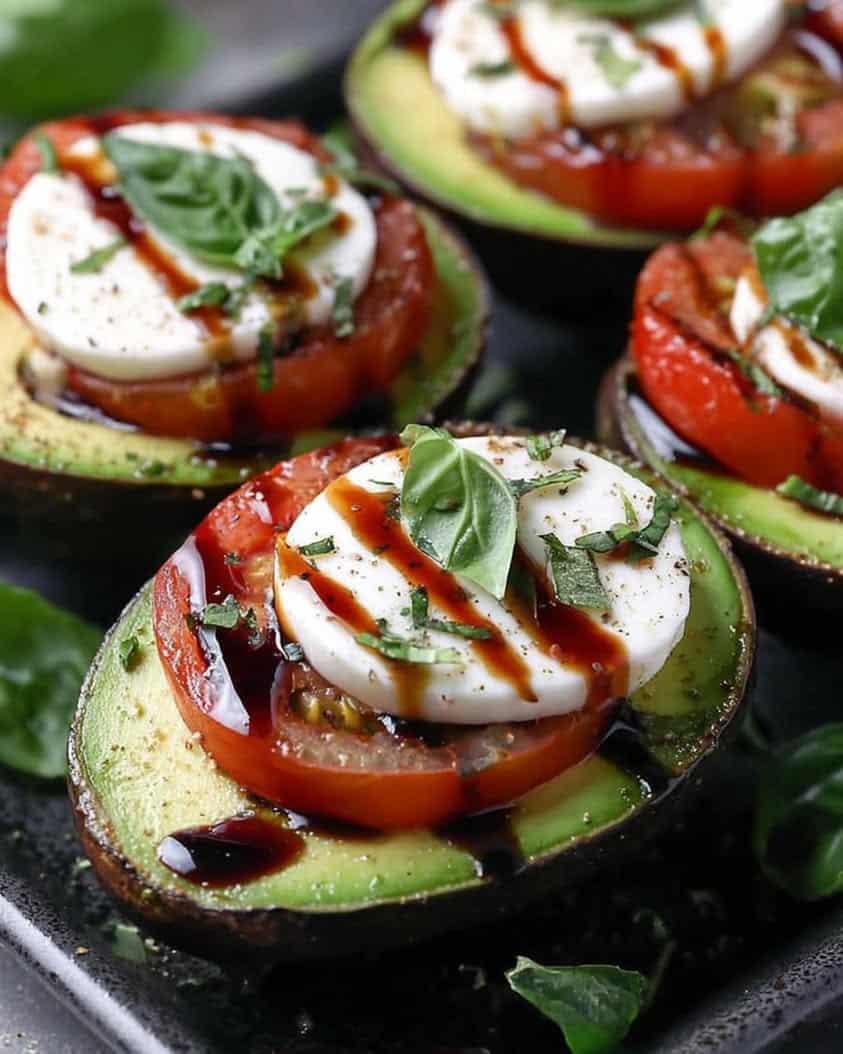
The beauty of these creamy avocado boats lies in their elegant simplicity. You need only a handful of fresh components. For instance, you combine juicy cherry tomatoes, milky fresh mozzarella, and fragrant basil. Then, you nestle them into halved avocados. Finally, a drizzle of syrupy balsamic glaze ties everything together. The result is a harmonious blend of flavors and textures in every single bite. Ultimately, this dish proves that the most impressive recipes often require the least amount of effort.
This recipe is a fantastic solution for busy hosts and health-conscious eaters alike. It requires zero cooking, which means you can assemble it in minutes. Furthermore, it leverages the natural creaminess of avocado as a healthy base. This eliminates the need for heavy dressings or complicated sauces. Whether you need a quick lunch, a elegant starter, or a vibrant side dish, these stuffed avocados fit the bill perfectly. They are a testament to the power of letting fantastic ingredients shine on their own.
Quick Recipe Highlights
- Flavor Profile: These Caprese Stuffed Avocados offer a brilliant balance. The creamy, mild fat of the avocado beautifully complements the sweet acidity of the tomatoes. Meanwhile, the fresh mozzarella adds a delicate, milky richness, and the basil provides a peppery, aromatic finish. The balsamic drizzle introduces a tangy sweetness that elevates every component.
- Texture: This dish is a masterclass in textural contrast. You experience the cool, buttery smoothness of the ripe avocado first. Then, you encounter the juicy pop of the tomatoes and the soft, yielding bite of the mozzarella. The final result is a wonderfully satisfying mouthfeel that is never monotonous.
- Aroma: The aroma is fresh and herbaceous, dominated by the sweet scent of torn basil leaves. Subtle notes of the ripe avocado and the tangy balsamic reduction add depth. This fragrant profile immediately signals a fresh, healthy, and delicious dish.
- Visual Appeal: The presentation is stunningly colorful. The vibrant green avocado halves create a perfect edible bowl. They showcase the bright red tomatoes and white mozzarella pearls beautifully. The dark balsamic drizzle and green basil leaves provide striking visual contrast, making the dish Instagram-worthy.
- Skill Level Needed: This recipe is perfect for absolute beginners. It requires no technical cooking skills whatsoever. You only need basic knife skills for chopping and a gentle hand for assembling. Therefore, anyone can achieve restaurant-quality results with minimal effort.
- Special Equipment: You need no special equipment. A sharp knife, a cutting board, and a small spoon for scooping are entirely sufficient. If you make your own balsamic reduction, a small saucepan is helpful. However, store-bought glaze works perfectly.
Recipe Overview
- Difficulty Level: We rate this recipe as “Easy” because it involves no cooking, baking, or complex techniques. The steps are purely about assembly and presentation. The most challenging aspect is selecting perfectly ripe avocados. With a little practice, anyone can master this simple, foolproof dish.
- Category: This dish fits multiple categories seamlessly. It works wonderfully as a no-cook appetizer or starter for a dinner party. Additionally, it serves as a fantastic light lunch or a substantial side salad. Its flexibility makes it a valuable addition to any home cook’s repertoire.
- Cuisine: The recipe draws direct inspiration from Italian cuisine, specifically the iconic Insalata Caprese from the island of Capri. However, it incorporates the avocado, a New World fruit, creating a delightful fusion. This blend honors Italian tradition while embracing modern, global ingredients.
- Cost: This is a moderately priced recipe, depending on ingredient quality. Avocados, fresh mozzarella (like mozzarella pearls or bocconcini), and cherry tomatoes are the main costs. Fortunately, basil is often inexpensive, especially if you grow your own. Using a store-bought balsamic glaze keeps costs down versus reducing it yourself.
- Season: This dish truly shines in late spring and summer. This is when tomatoes and basil are at their peak flavor and most affordable. Ripe avocados are available year-round. Therefore, you can enjoy it anytime, but it tastes absolute best with in-season, sun-ripened produce.
- Occasion: These stuffed avocados are incredibly versatile for entertaining. They are perfect for summer barbecues, bridal showers, holiday parties, or a fancy weekend brunch. Furthermore, they make an elegant yet simple dinner party starter. Their no-cook nature is ideal for hot days when you don’t want to turn on the oven.
Why You’ll Love This Recipe
First and foremost, you will adore the incredible taste and texture of these Caprese Stuffed Avocados. Each bite delivers a party of flavors in your mouth. The creamy avocado base mellows the bright tomato and tangy balsamic. Simultaneously, the fresh mozzarella adds a lovely softness. The fragrant basil ties it all together with a clean, herbal note. This combination is universally appealing and never fails to satisfy. It feels indulgent yet remains refreshingly light.
Next, the sheer convenience of this recipe is a major win. You can prepare these creamy avocado boats in about fifteen minutes with zero cooking. This makes them a lifesaver for last-minute guests or busy weeknights. Moreover, the assembly process is simple and even fun. You can easily involve kids or guests in the kitchen. Consequently, you spend less time preparing and more time enjoying your company. It is the ultimate minimalist recipe that delivers maximum impact.
From a nutritional standpoint, this dish is a powerhouse. Avocados provide heart-healthy monounsaturated fats, fiber, and potassium. Tomatoes offer vitamin C, potassium, and the antioxidant lycopene. Fresh mozzarella contributes protein and calcium. Basil brings vitamins A and K. Together, they create a balanced, nutrient-dense meal. Importantly, it is naturally gluten-free and low-carb. Therefore, it fits beautifully into various healthy eating plans without feeling restrictive.
For social and entertaining value, this recipe is a star. The individual avocado halves make for perfect, portion-controlled servings. They look elegant and thoughtful on a plate. Guests always appreciate the beautiful presentation. Furthermore, because it is a cold dish, you can prepare it ahead of time. This allows you to be present with your guests instead of stuck in the kitchen. It is a surefire way to impress without stress.
Finally, this dish is remarkably cost-effective and accessible. The ingredient list is short and uses whole foods. You can often find ripe avocados, cherry tomatoes, and fresh mozzarella at any major grocery store. If fresh mozzarella pearls are unavailable, you can easily cube a larger ball. Similarly, you can substitute regular basil for more expensive varieties. This accessibility ensures you can whip up this gourmet-tasting appetizer anytime the craving strikes.
Historical Background and Cultural Significance
The story of this dish begins with two culinary traditions. The primary inspiration is the Insalata Caprese, a simple salad from the Italian island of Capri. Legend says restaurateurs created it in the 1950s to showcase the colors of the Italian flag: green basil, white mozzarella, and red tomato. It was a patriotic and fresh dish for tourists. The salad celebrated the island’s superb buffalo mozzarella and sun-ripened tomatoes. It quickly became a symbol of Italian summer cuisine.
Conversely, the avocado has a much different history. It originated in south-central Mexico thousands of years ago. The Aztecs called it “ahuacatl.” Spanish explorers brought it to Europe and other parts of the world. However, its use in mainstream Western cuisine, particularly in dishes like guacamole and salads, exploded in the late 20th century. The avocado’s creamy texture and healthy fat profile made it a global superstar. Its neutral flavor makes it a versatile canvas for other ingredients.
The evolution of the Caprese Stuffed Avocados recipe is a modern fusion story. As avocados gained popularity, creative cooks began using them as edible bowls or bases for salads. The logical step was to fill them with other classic flavor combinations. The Caprese salad, with its complementary textures and colors, was a perfect match. This fusion represents contemporary cooking trends. It blends Old World tradition with New World ingredients for a fresh, modern take on a classic.
Regarding regional variations, the core concept remains adaptable. In Mexico, one might add cilantro and lime instead of basil and balsamic. In California, a sprinkle of hemp seeds or a drizzle of chili oil could be common. Some versions mash the avocado slightly with the other ingredients for a chunkier salad filling. Others keep the components distinct for clear visual appeal. This adaptability is the recipe’s strength. It welcomes personalization based on local tastes and available ingredients.
Ingredient Deep Dive
Let’s start with the star: the avocado. This fruit, often mistaken for a vegetable, has a rich history in Mesoamerican cultures. It was prized for its richness and believed to have aphrodisiac qualities. Nutritionally, avocados are loaded with monounsaturated fats, which support heart health. They are also an excellent source of fiber, potassium, and vitamins C, E, and K. For this recipe, select Hass avocados that yield slightly to gentle pressure near the stem. Store unripe avocados at room temperature. To speed ripening, place them in a paper bag with a banana. Once ripe, refrigerate to slow further ripening for a few days.
Fresh mozzarella is the heart of the Caprese element. Traditionally, it is made from the milk of water buffalo (mozzarella di bufala) or cow’s milk (fior di latte). The best quality is often stored in whey or water to maintain freshness. It provides a good source of protein and calcium with a milder flavor and higher moisture content than aged cheeses. For Caprese Stuffed Avocados, seek out small “pearls” or “ciliegine” (cherry-sized) for perfect, bite-sized pieces. If unavailable, simply cut a larger ball of fresh mozzarella into small cubes. Store it in its liquid in the refrigerator and use it within a few days of opening for the best texture and flavor.
Cherry or grape tomatoes are ideal for this recipe. They offer a concentrated burst of sweetness and acidity. Tomatoes originated in western South America. Spanish colonization spread them worldwide, and they became central to Italian cuisine centuries later. They are rich in lycopene, an antioxidant linked to reduced risk of certain cancers and heart disease. Look for tomatoes that are firm, deeply colored, and fragrant. Avoid any with wrinkled skin or soft spots. For the best flavor, never refrigerate tomatoes; the cold damages their texture and dulls their taste. Keep them at room temperature, stem-side down, and use them within a few days.
Fresh basil is the aromatic soul of the dish. This herb is native to tropical regions from central Africa to Southeast Asia. It holds significant cultural importance in Italy and other Mediterranean cuisines. Basil contains antioxidants and essential oils like eugenol, which have anti-inflammatory properties. For the brightest flavor, choose bunches with vibrant green leaves, avoiding any that are black or wilted. To store, treat it like a bouquet of flowers. Trim the stems and place them in a glass of water on the counter, loosely covering the leaves with a plastic bag. Alternatively, wrap it in a slightly damp paper towel and place it in a loosely sealed bag in the refrigerator.
The balsamic drizzle, or glaze, provides the essential sweet-tangy finish. Authentic traditional balsamic vinegar (Aceto Balsamico Tradizionale) is a protected, aged product from Modena or Reggio Emilia, Italy. The commercial glaze is typically made by simmering balsamic vinegar with sugar until it reduces and thickens. It adds a complex acidity and a touch of sweetness that balances the fat of the avocado and cheese. You can easily make your own by simmering one cup of balsamic vinegar over low heat until it reduces by half and coats the back of a spoon. Store-bought glaze is a perfectly convenient alternative. Keep it sealed at room temperature or in the refrigerator after opening.
Common Mistakes to Avoid
- Using Under or Over-Ripe Avocados: An under-ripe avocado will be hard, tasteless, and difficult to scoop. An over-ripe avocado will be brown, mushy, and potentially stringy. The perfect avocado yields gently to pressure but still feels firm. Check by removing the small stem nub; if it’s green underneath, it’s ready.
- Not Draining the Mozzarella Properly: Fresh mozzarella stored in water can make your stuffed avocados watery and dilute the flavors. Always drain the cheese pearls thoroughly on a paper towel before adding them to the recipe. This simple step ensures your dish isn’t soggy.
- Dicing Ingredients Too Large: The beauty of this dish is the combination of flavors in each bite. If your tomato or mozzarella pieces are too large, they will overwhelm the avocado and fall out. Aim for small, uniform pieces that easily fit onto a spoon with the avocado.
- Adding Salt Too Early: Salt draws moisture out of ingredients. If you salt the avocado halves too far in advance, they will weep and become watery. Always add salt as the final seasoning step, just before serving, to maintain the perfect creamy texture.
- Using a Low-Quality Balsamic: A harsh, overly acidic balsamic vinegar can ruin the balance of the dish. If making a reduction, start with a decent mid-range balsamic. For a glaze, choose one that is thick, sweet, and syrupy. A good glaze should coat the back of a spoon without being sticky.
- Overhandling the Avocado: When scooping out a bit of the avocado to make room for filling, be gentle. You want to create a well, not mash the entire half. Use a small spoon and carefully remove just enough flesh to create a stable cavity for the Caprese mixture.
- Skipping the Fresh Basil: Dried basil cannot substitute for fresh in this recipe. The fresh herb provides a crucial aromatic and flavor component that dried basil lacks. If you must substitute, try fresh parsley or cilantro for a different but still fresh herbal note.
- Assembling Too Far in Advance: Avocados oxidize and turn brown when exposed to air. For the best appearance and texture, assemble your Caprese Stuffed Avocados no more than 30 minutes before serving. You can prep all components separately and combine them at the last moment.
- Neglecting the Presentation: This dish is visually driven. Haphazardly piling ingredients into the avocado looks messy. Take a moment to artfully arrange the tomatoes, mozzarella, and basil. The final drizzle of balsamic should be deliberate, not just a splash. The extra care makes a huge difference.
- Forgetting to Taste as You Go: Even simple recipes need seasoning balance. Before adding the final drizzle, taste a component. Does the tomato need a pinch of salt? Is the basil vibrant? Adjusting the seasoning of individual elements ensures the final dish is perfectly balanced.
Essential Techniques
Selecting and Preparing the Perfect Avocado: This is the most critical technique for Caprese Stuffed Avocados. First, choose Hass avocados with pebbly, dark skin. Gently press near the stem end; it should yield slightly. To prepare, slice the avocado lengthwise around the pit. Twist the halves to separate. Safely remove the pit by tapping it with a chef’s knife’s heel and twisting. Use a large spoon to cleanly scoop the half from the skin, keeping it intact. To prevent browning, a light brush of lemon or lime juice on the exposed flesh helps, though assembly just before serving is the best defense.
Creating a Stable “Boat”: To ensure your avocado half sits flat and holds filling, you need a stable base. If the avocado is very rounded, carefully slice a very thin piece off the bottom skin. Be cautious not to cut into the flesh. This creates a flat surface. Next, use a small spoon or a melon baller to gently enlarge the cavity left by the pit. Remove just enough flesh to create a well, but leave sturdy sides. You can mix this scooped-out avocado with the other ingredients for a creamier filling or save it for another use.
Making a Balsamic Reduction (Glaze): While store-bought is fine, homemade glaze is simple and allows you to control sweetness. Pour one cup of balsamic vinegar into a small saucepan. Simmer over low to medium-low heat. Do not boil vigorously, as this can make the vinegar bitter. Stir occasionally. The vinegar will reduce by about half in 10-15 minutes. It’s ready when it coats the back of a spoon and has a syrupy consistency. It will thicken further as it cools. Let it cool completely before drizzling. This technique concentrates the flavor and creates the perfect texture for an elegant finish.
Chiffonade of Basil: This knife cut creates beautiful, thin ribbons of basil that distribute flavor evenly without bruising the leaves. Stack several basil leaves on top of each other. Roll them tightly lengthwise into a cigar shape. Using a very sharp knife, slice the roll perpendicularly into thin strips. Unfurl the strips to reveal delicate ribbons. This technique maximizes the herb’s aroma and visual appeal. For this recipe, you can also simply tear small leaves, which releases even more aromatic oils.
Pro Tips for Perfect Caprese Stuffed Avocados
Tip 1: For ultra-creamy avocado boats, mash the small amount of avocado you scoop out with a fork. Then, mix it gently with the tomatoes, mozzarella, and a pinch of salt. Spoon this creamy mixture back into the avocado halves. This helps the filling adhere and creates a more cohesive bite.
Tip 2: Add a layer of flavor by marinating your mozzarella pearls. Toss them in a small bowl with a teaspoon of extra virgin olive oil, a pinch of salt, and some cracked black pepper for 15 minutes before assembling. This simple step infuses the cheese with seasoning.
Tip 3: Prevent slipping by placing each prepared avocado half on a small bed of coarse sea salt or a lettuce leaf on the serving plate. This stabilizes the boat and adds a decorative touch. It also makes the dish easier for guests to eat.
Tip 4: If your cherry tomatoes are less than stellar, enhance them. Halve them and toss with a tiny pinch of sugar and salt. Let them sit for 10 minutes. This draws out their natural juices and intensifies their sweetness, compensating for lackluster flavor.
Tip 5: For a professional drizzle, put your balsamic glaze in a small squeeze bottle. Alternatively, use the tip of a spoon. Hold it high over the avocado and let the glaze fall in a thin, controlled stream. This gives you artistic control over the final presentation.
Tip 6: Introduce a subtle crunch for textural contrast. Sprinkle the finished dish with a few toasted pine nuts (pignoli), chopped walnuts, or even a small handful of garlicky croutons. This extra element elevates the eating experience significantly.
Tip 7: For a flavor boost, rub the inside of the avocado cavity with a cut clove of garlic before adding the filling. This imparts a gentle, aromatic garlic essence that complements all the other ingredients without overpowering them.
Tip 8: Keep your knives sharp. A dull knife will crush avocado flesh and bruise basil leaves. A sharp knife ensures clean cuts through tomato skin and avocado, preserving the integrity and fresh appearance of every ingredient.
Variations and Adaptations
Regional Variations: Travel the world with your avocado boats. For a Greek twist, use diced cucumber, Kalamata olives, crumbled feta cheese, and a drizzle of tzatziki sauce. For a Mexican-inspired version, fill with corn, black beans, cotija cheese, cilantro, and a lime crema. An American picnic style could include cooked chopped bacon, diced red onion, and a ranch dressing drizzle. The basic formula is endlessly adaptable to your favorite flavor profiles.
Seasonal Adaptations: While summer is prime time, adapt the recipe year-round. In fall, use roasted cubed butternut squash and sage with goat cheese. For winter, try a combination of pomegranate arils, citrus segments, and pistachios. In spring, incorporate blanched asparagus tips, fresh peas, and mint. The avocado base provides a constant creamy canvas for seasonal produce.
Dietary Modifications: This dish is naturally gluten-free. For a vegan version, substitute the fresh mozzarella with a plant-based mozzarella alternative or creamy white beans like cannellini. For a dairy-free option, simply omit the cheese and add extra tomatoes or some diced cucumber for bulk. To make it Whole30 or Paleo, ensure your balsamic glaze contains no added sugar, or use a compliant alternative like a splash of apple cider vinegar.
Flavor Variations: Experiment with different herbs and condiments. Try using mint or tarragon instead of basil for a different aromatic profile. Add a spicy element with a sprinkle of red pepper flakes or a drizzle of chili-infused oil. Incorporate umami with a few slivers of sun-dried tomato or a sprinkle of nutritional yeast over the top.
Texture Modifications: If you prefer more texture, turn the dish into a chopped salad. Dice the avocado and mix it with the other chopped ingredients. Serve the mixture in a bowl or on a bed of greens. Alternatively, for a smoother, dip-like consistency, blend all ingredients (except balsamic) in a food processor for a sophisticated Caprese avocado spread for crostini.
Presentation Alternatives: Instead of serving on a plate, present individual avocado halves on a small bed of mixed greens or arugula. For a family-style appetizer, slice avocados and arrange them on a platter, then pile the Caprese mixture in the center for guests to assemble themselves. You can also use smaller avocados for a true bite-sized appetizer portion.
Serving and Presentation Guide
Plating Techniques: Individual plating is elegant for these Caprese Stuffed Avocados. Place each half on a small, colorful appetizer plate or a sleek slate board. Ensure the avocado sits flat; use a small lettuce leaf or a sprinkle of coarse salt as a nest. Angle the avocado slightly to showcase the colorful filling. Arrange any extra basil leaves or tomato halves around the plate for a finished, chef-inspired look.
Garnishing Ideas: The final garnish elevates the dish. Beyond the balsamic drizzle, add a light swirl of high-quality extra virgin olive oil. Place a whole small basil leaf or flower on top. A light grating of black pepper or a tiny pinch of flaky sea salt (like Maldon) adds visual texture and a burst of seasoning. A single edible flower makes it exceptionally special for a celebration.
Traditional Accompaniments: In an Italian meal, this would serve as a starter (antipasto). Follow it with a simple pasta dish, grilled fish, or chicken. It pairs beautifully with a crusty baguette or grissini (breadsticks) to scoop up any leftover filling and balsamic that escapes onto the plate. A simple green salad with a lemon vinaigrette would complement it without competing.
Modern Serving Suggestions: For a modern brunch, serve one stuffed avocado half alongside poached eggs and sourdough toast. For a light summer dinner, make it the main course by serving two halves per person with a side of grilled shrimp or a quinoa salad. They also make fantastic passed appetizers at a standing cocktail party if you use small avocados and provide small spoons.
Temperature Considerations: All components should be served cool, not ice-cold. Taking the avocado, mozzarella, and tomatoes out of the refrigerator 15-20 minutes before assembling allows their true flavors to shine. Cold temperatures mute taste and aroma. The contrast between the cool filling and the creamy, slightly less cool avocado is part of the appeal.
Portion Control Tips: One standard Hass avocado half is a perfect single serving for an appetizer or side. For a light main course, plan for two halves per person. If using very large avocados, consider cutting each half in half again for quarter servings, especially if serving alongside other rich dishes. This helps manage calorie intake and ensures everyone gets a taste.
Wine and Beverage Pairing
Wine Pairings: The creamy fat of the avocado and the fresh acidity of the tomatoes call for a wine with good acidity and minimal oak. A crisp Italian white like Pinot Grigio or Vermentino is a classic choice. A New Zealand Sauvignon Blanc with its grassy, citrus notes complements the herbal basil beautifully. For a rosé option, a dry Provençal rosé provides strawberry notes that work well with the balsamic’s sweetness. If you prefer red, opt for a light, chilled red like a Beaujolais or a Frappato.
Non-Alcoholic Alternatives: Sparkling water with a twist of lime or a cucumber ribbon is always refreshing. For something more crafted, try a basil-infused lemonade or iced tea. Simply muddle a few basil leaves in the bottom of a glass before adding your beverage. A virgin Bloody Mary or a tomato-based gazpacho shooter would pick up on the tomato flavors in the dish in a fun way.
Coffee and Tea Pairings: This dish is not typically paired with coffee or tea as a main accompaniment. However, if serving for brunch, a light roast coffee or a citrusy herbal tea like lemon verbena could follow the meal nicely. The key is to avoid heavy, bitter beverages that would clash with the dish’s fresh, clean profile.
Temperature Considerations: White and rosé wines should be served well-chilled, between 45-55°F (7-13°C). Non-alcoholic sparkling drinks should be ice-cold. This contrast between the cool beverage and the cool, creamy dish is refreshing but not jarring. Avoid serving warm drinks alongside this cold appetizer.
Serving Suggestions: Pour wine into appropriate stemware to enhance aroma. Serve sparkling water in a tall glass with plenty of ice. For non-alcoholic cocktails, use a nice glass and garnish to make the experience feel special. Presentation of the drink should match the care put into presenting the Caprese Stuffed Avocados.
Storage and Shelf Life
Storage Methods: Unfortunately, assembled Caprese Stuffed Avocados do not store well due to avocado oxidation. The best strategy is to store components separately. Place diced avocado in an airtight container with a squeeze of lemon juice, pressing plastic wrap directly on the surface. Keep drained mozzarella and chopped tomatoes in their own containers. Store basil wrapped in a damp paper towel in a bag. The balsamic glaze can stay at room temperature.
Temperature Requirements: All prepped ingredients must be refrigerated. Keep them at or below 40°F (4°C). Only take them out 15-20 minutes before you plan to assemble and serve. This maintains food safety and optimal texture. Never leave the assembled dish at room temperature for more than two hours.
Container Recommendations: Use shallow, airtight containers for prepped ingredients. This minimizes air exposure. Glass containers are ideal as they don’t absorb odors. For the avocado, a small container where the pieces fit snugly helps limit the surface area exposed to air.
Signs of Spoilage: Discard the dish if the avocado develops extensive brown or gray discoloration, becomes slimy, or develops an off odor. Mold on any component, especially the cheese or tomatoes, is a clear sign of spoilage. If the mozzarella becomes overly sour or the tomatoes become mushy and leaky, they should not be consumed.
Reheating Instructions: This is a cold dish and should never be reheated. Attempting to warm it will cause the avocado to become bitter and the mozzarella to melt into an unappealing texture. It is meant to be enjoyed fresh and cool.
Freezing Guidelines: Do not freeze this dish or its main components. Freezing destroys the cellular structure of avocados and tomatoes, turning them into a watery, grainy mess upon thawing. Fresh mozzarella also does not freeze well, becoming rubbery and crumbly. This recipe is strictly a “make and eat fresh” creation.
Make Ahead Strategies
Prep Timeline: You can prep almost everything 1-2 hours in advance. Wash and halve the cherry tomatoes. Drain and pat dry the mozzarella pearls. Chiffonade the basil and store it in a damp paper towel in a bag. Have your balsamic glaze ready. The only task for the last minute is cutting and preparing the avocados to prevent browning.
Storage Between Steps: Keep all prepped ingredients in separate, labeled containers in the refrigerator. This modular approach gives you the speed of assembly without the degradation of a fully made dish. Set up a “mise en place” station with all your containers for quick, last-minute putting together.
Quality Impact Assessment: Prepping tomatoes and cheese ahead has no negative impact. Basil may wilt slightly but will revive if kept damp. The avocado is the limiting factor. Once cut, it has a very short window of peak quality. Therefore, the make-ahead strategy focuses on everything except the avocado.
Assembly Tips: When ready to serve, cut and prepare your avocados. Have your serving plates ready. Quickly mix the tomatoes, mozzarella, and basil in a bowl. Spoon the mixture into the avocado halves, drizzle with glaze, and serve immediately. This final assembly should take no more than 5 minutes.
Reheating Guidelines: Not applicable. This dish is served cold. The goal of make-ahead is to have cold components ready, not to reheat anything.
Fresh Element Additions: The basil is best added at the very end. If you mix it with the tomatoes and cheese too early, it can bruise and blacken. Add it to the mixture just before spooning it into the avocados. The final garnish of a whole basil leaf should always be added on the plate.
Scaling Instructions
Halving the Recipe: Halving is straightforward for a small snack or couple. Use one avocado, halve the amounts of tomatoes, mozzarella, and basil. The balsamic drizzle is to taste, so you can easily use less. No equipment adjustments are needed. The timing remains the same—just less chopping. Be mindful that a smaller batch may be consumed even faster!
Doubling or Tripling: For a party, scaling up is easy. The key is preparation space. Use a large bowl to mix the tomato and mozzarella filling. You will need a large cutting board and multiple bowls for prepped ingredients. The most time-consuming part will be preparing many avocados at once. To manage this, enlist help or prepare them in batches, keeping the cut halves covered with plastic wrap pressed directly on the surface until assembly.
Equipment Adjustments: When scaling up significantly, consider using a commercial-style sheet pan to hold all the assembled avocado boats before transferring them to serving platters. Have multiple spoons and squeeze bottles for the balsamic glaze to streamline the process. Ensure you have enough refrigerator space to chill all components before assembly.
Timing Modifications: Prep time scales linearly. For double the recipe, expect prep to take about 25 minutes. For triple, allow 35-40 minutes. The assembly time also increases. To save time, focus on batch tasks: halve all tomatoes, then drain all cheese, then chop all basil, rather than completing one full portion at a time.
Storage Considerations: When making a large batch, the “make ahead” strategy is even more critical. You cannot assemble dozens of avocados hours ahead. Instead, have all filling components pre-mixed in large bowls. Set up an assembly line: avocados, filling bowl, balsamic glaze, serving platters. Assemble in the final 15 minutes before guests arrive for the best quality.
Nutritional Deep Dive
Macro Breakdown: One serving (one stuffed avocado half) is a balanced mix of macronutrients. The avocado provides healthy fats (approximately 15g) and fiber (7g). The fresh mozzarella contributes protein (about 7g) and a modest amount of saturated fat. The tomatoes add minimal carbohydrates (4g) primarily from natural sugars. The balsamic glaze adds a small amount of sugar. This combination provides sustained energy, promotes satiety, and supports stable blood sugar levels.
Micronutrient Analysis: This dish is a micronutrient powerhouse. Avocados are rich in potassium (more than bananas), vitamin K, folate, and vitamin E. Tomatoes provide vitamin C, vitamin A (as lycopene), and more potassium. Mozzarella offers calcium and phosphorus for bone health. Basil contributes vitamin K, iron, and calcium. Together, they deliver a wide spectrum of vitamins and minerals essential for bodily functions.
Health Benefits: The monounsaturated fats in avocado support Print
Caprese Stuffed Avocados Creamy Avocado Boats with Fresh Mozzarella, Tomatoes & Balsamic Drizzle
- Total Time: 15 minutes
- Yield: 4
Description
A fresh and creamy twist on classic Caprese salad, served in avocado halves for a light, elegant appetizer or side dish.
Ingredients
- 2 ripe avocados, halved and pitted
- 1 cup fresh mozzarella balls (ciliegine), drained
- 1 cup cherry tomatoes, halved
- 1/4 cup fresh basil leaves, chopped
- 2 tablespoons extra virgin olive oil
- 2 tablespoons balsamic glaze
- Salt and black pepper to taste
Instructions
- Scoop out a small amount of avocado flesh from each half to create a larger cavity, then mash the scooped avocado in a bowl.
- In a separate bowl, combine the mozzarella balls, cherry tomatoes, chopped basil, and mashed avocado. Drizzle with olive oil, season with salt and pepper, and gently mix.
- Spoon the mixture evenly into the avocado halves, mounding slightly.
- Drizzle each stuffed avocado with balsamic glaze just before serving.
- Garnish with extra basil leaves if desired and serve immediately.
Notes
You can customize the seasonings to taste.
- Prep Time: 15 minutes
- Cook Time: 0 minutes
- Method: Appetizer
- Cuisine: Italian