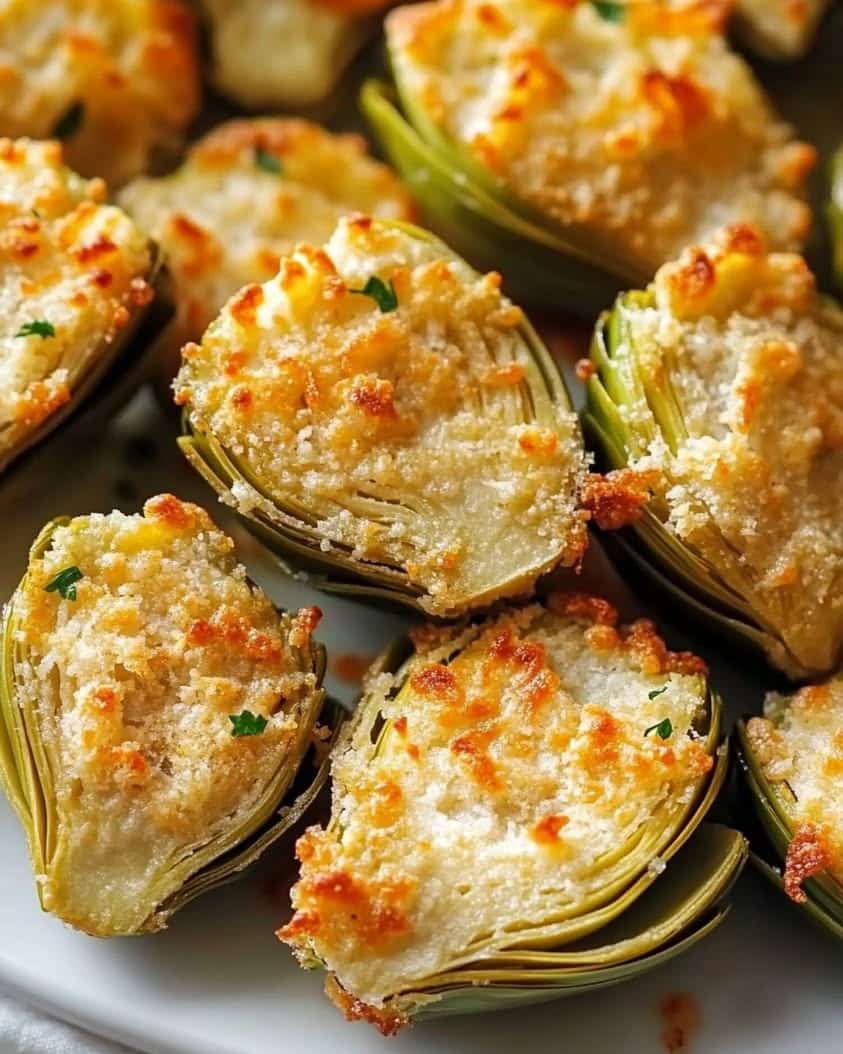
Crispy Parmesan Artichoke Hearts: An Irresistible Appetizer Recipe
Imagine biting into a golden, crunchy morsel that gives way to a tender, savory heart. That is the magic of these Crispy Parmesan Artichoke Hearts. This recipe transforms the humble canned artichoke into a show-stopping appetizer that disappears from the plate in minutes. Moreover, the combination of nutty Parmesan cheese, aromatic garlic, and crispy panko creates a flavor and texture sensation that is simply addictive. Whether you are hosting a game day party or need a quick family snack, this dish delivers impressive results with minimal effort. Consequently, it has become a staple in my entertaining repertoire, and I am excited to share all my secrets for perfecting it.
The beauty of these Crispy Parmesan Artichoke Hearts lies in their simplicity and versatility. You only need a handful of pantry staples to create a gourmet-tasting treat. First, the artichokes are patted dry and coated in a flavorful mixture of Parmesan, panko, and spices. Then, they are baked until irresistibly golden and crisp. The result is a fantastic contrast between the crunchy exterior and the soft, briny interior of the artichoke. Furthermore, this recipe is a fantastic way to introduce more vegetables in a fun and delicious format. Ultimately, these little bites are guaranteed to earn you rave reviews from every guest at your table.
Quick Recipe Highlights
- Flavor Profile: These bites offer a savory, umami-rich taste from the Parmesan and garlic, perfectly balanced by the mild, slightly tangy flavor of the artichoke hearts. The seasoning blend adds a subtle herbal note that complements the main ingredients without overpowering them.
- Texture: You get a fantastic textural play with an ultra-crispy, golden-brown panko and Parmesan crust that shatters with each bite. Inside, the artichoke heart remains wonderfully tender and moist, creating a satisfying contrast that keeps you reaching for more.
- Aroma: As they bake, your kitchen will fill with the irresistible scent of toasting cheese, garlic, and herbs. This aromatic promise builds anticipation and makes these Crispy Parmesan Artichoke Hearts impossible to resist straight from the oven.
- Visual Appeal: The finished dish is a feast for the eyes, featuring artichoke halves with a beautifully even, deep golden-brown crust. They look elegant yet rustic on a serving platter, especially when garnished with a sprinkle of fresh parsley or a lemon wedge.
- Skill Level Needed: This is a beginner-friendly recipe that requires no special culinary skills. The process involves simple steps like patting dry, mixing, and coating. As long as you can operate an oven, you can achieve perfect, restaurant-quality results at home.
- Special Equipment: You need only basic kitchen tools: a baking sheet, parchment paper, a couple of mixing bowls, and a fork or whisk. A wire rack for the baking sheet can promote extra crispiness but is not mandatory for success.
Recipe Overview
- Difficulty Level: We rate this recipe as “Easy” because it involves straightforward, sequential steps with no complex techniques. The primary tasks are drying ingredients, mixing a coating, and baking. There is no fussy frying or intricate timing, making it perfect for novice cooks and seasoned chefs alike.
- Category: This dish fits perfectly into the appetizer and snack categories. It is also an excellent side dish for proteins like grilled chicken or fish. Additionally, you can serve it as a vegetarian main course over a bed of greens for a light lunch.
- Cuisine: While artichokes are central to Mediterranean cuisine, this preparation with Parmesan and panko has a modern American twist. It draws inspiration from Italian flavors but uses a Japanese breadcrumb for an extra-crispy texture, creating a delicious fusion appetizer.
- Cost: This is a very cost-effective recipe, especially when using canned or jarred artichoke hearts. Parmesan and panko are inexpensive pantry staples. Overall, you can create an impressive platter for a party for a fraction of the cost of store-bought frozen appetizers.
- Season: These Crispy Parmesan Artichoke Hearts are truly a year-round recipe. They are light enough for spring and summer gatherings yet comforting and warm for fall and winter parties. Artichokes are typically harvested in spring, but canned varieties make them accessible anytime.
- Occasion: This recipe is incredibly versatile for any occasion. It is perfect for casual game day spreads, elegant holiday cocktail parties, potlucks, or even a fancy movie night at home. They are always a welcome addition to any food table.
Why You’ll Love This Recipe
First and foremost, the taste and texture are utterly irresistible. The savory, cheesy crust provides a powerful crunch that gives way to the soft, flavorful artichoke heart. Each bite delivers a perfect harmony of saltiness, umami, and a hint of garlic. Furthermore, the contrast keeps your palate engaged and makes these far superior to any soggy, frozen appetizer you might buy. You will find them incredibly moreish, and they have a sophisticated flavor profile that belies their simple preparation. Ultimately, they satisfy that craving for something crispy, cheesy, and deeply savory in the best possible way.
Next, consider the sheer convenience. You can go from pantry to plate in well under an hour. The prep work is minimal and mostly involves mixing a few dry ingredients. There is no need for a deep fryer or special equipment. Additionally, you can easily prepare the coating mixture ahead of time and store it in the fridge. When guests arrive, simply coat the artichokes and pop them in the oven. This makes it an ideal stress-free recipe for entertaining. You get to spend time with your company instead of being stuck in the kitchen all evening.
From a nutritional standpoint, these Crispy Parmesan Artichoke Hearts offer some great benefits. Artichokes are a fantastic source of fiber, antioxidants, and vitamins like C and K. Baking instead of deep-frying significantly reduces the fat content compared to traditional fried appetizers. Parmesan cheese adds protein and calcium. While it is still a treat, it is a smarter choice than many other party foods. You are serving a vegetable-based dish that feels indulgent. Consequently, you can feel good about sharing this with family and friends.
The social and entertaining value of this dish is exceptionally high. A platter of these golden bites encourages conversation and sharing. They are perfectly finger-food sized and pair wonderfully with a variety of dips. Moreover, they have a universal appeal that pleases both vegetarians and meat-eaters alike. Serving a homemade appetizer always impresses guests and shows you put thought into the menu. These artichoke hearts create a warm, welcoming atmosphere and often become the talking point of the party. They are a guaranteed crowd-pleaser.
Finally, the cost-effectiveness and accessibility are major wins. Canned artichoke hearts are affordable and available in any grocery store year-round. The other ingredients are common pantry items. For the price of one small takeout appetizer, you can make a whole batch to feed a group. This recipe democratizes gourmet flavor, making it accessible to home cooks on any budget. You do not need expensive or exotic ingredients to create something truly special. It is an economical way to elevate your everyday meals or party spreads.
Historical Background and Cultural Significance
The story of the artichoke is a long and storied one, dating back to ancient times. Originally native to the Mediterranean region, the artichoke was cultivated by the Greeks and Romans who prized it for its perceived medicinal and digestive properties. In fact, the name itself is derived from the Arabic “al-kharshuf.” Over centuries, the artichoke spread throughout Europe, becoming particularly beloved in Italian cuisine. The practice of preserving artichoke hearts in oil or brine made them a valuable pantry staple for coastal communities. This history sets the stage for the modern, convenient canned artichoke heart we use today in recipes like these Crispy Parmesan Artichoke Hearts.
Culturally, the artichoke holds significant symbolic and culinary weight. In Italy, it is celebrated in festivals, especially in Rome where the “carciofo alla romana” is a classic dish. In the United States, California’s Castroville proudly calls itself the “Artichoke Center of the World.” The vegetable’s unique structure, requiring effort to get to the tender heart, has made it a symbol of patience and reward. Transforming this noble vegetable into a crispy, shareable appetizer is a modern interpretation of its communal role in dining. It takes an ingredient with deep historical roots and presents it in a new, accessible format for contemporary gatherings.
The evolution of this specific recipe is a testament to modern cooking trends. The concept of coating and baking vegetables for a crispy texture gained massive popularity with the rise of health-conscious eating and the desire to avoid deep frying. Parmesan, with its low moisture and high flavor, became a natural partner for creating a crunchy crust without excess oil. The introduction of Japanese panko breadcrumbs to Western markets provided an even crispier, lighter texture than traditional breadcrumbs. Consequently, the fusion of these elements—Mediterranean vegetable, Italian cheese, and Japanese crumb—created a perfect storm for an iconic modern appetizer.
Regional variations of crispy artichokes abound, showcasing the ingredient’s versatility. In Rome, you might find “carciofi alla giudia,” which are whole artichokes deep-fried until crispy. In American sports bars, fried artichoke hearts with dipping sauce are a common menu item. Our baked version with Parmesan is a healthier, home-cook friendly adaptation that captures the essential spirit of those dishes. Some variations might include adding lemon zest to the coating, using pecorino cheese instead of Parmesan, or incorporating different herbs like oregano or thyme. This adaptability ensures the Crispy Parmesan Artichoke Hearts recipe can be personalized to any taste or regional preference.
Ingredient Deep Dive
Let us start with the star: canned artichoke hearts. Artichokes are the immature flower buds of a thistle plant, and the “heart” is the tender, meaty base. Canning makes this nutritious vegetable available year-round and pre-trimmed, saving significant prep time. Nutritionally, they are rich in fiber, vitamin C, vitamin K, folate, and minerals like magnesium and potassium. They also contain cynarin, a compound linked to supporting liver health and digestion. When selecting canned artichoke hearts, look for those packed in water or brine with minimal added ingredients. After opening, store unused portions in a covered container in the refrigerator for up to a week. You can substitute with frozen, thawed artichoke hearts or marinated artichoke hearts, though the latter will need thorough drying and will add more oil and vinegar flavor.
Parmesan cheese is the flavor powerhouse in the coating. Authentic Parmigiano-Reggiano, aged for over 24 months, has a complex, nutty, and savory taste that intensifies when baked. It is a hard, granular cheese that grates beautifully and melts into a crispy layer rather than a gooey one. Nutritionally, it is an excellent source of protein and calcium. Because it is so flavorful, you need less salt in the recipe. Always grate your own Parmesan from a block for the best texture and melt; pre-grated cheese often contains anti-caking agents that can hinder crisping. Store leftover Parmesan tightly wrapped in the fridge. For a dairy-free version, nutritional yeast can provide a similar umami flavor, though the texture will differ.
Panko breadcrumbs are the secret to the incredible crunch. These are Japanese-style breadcrumbs made from crustless white bread, resulting in larger, flakier, drier crumbs than traditional breadcrumbs. They create a lighter, airier, and crispier coating that does not get soggy as easily. Panko absorbs less oil, which is perfect for a baked recipe aiming for a fried texture. You can find them in the Asian aisle or breadcrumb section of any major grocery store. For a gluten-free alternative, use certified gluten-free panko or crushed gluten-free crackers or cereal. Store an open package in a sealed bag in the pantry. Do not substitute with regular fine breadcrumbs, as they will create a denser, sandier coating instead of the desired shatteringly crisp shell.
Common Mistakes to Avoid
- Not Drying the Artichokes Thoroughly: This is the number one mistake. Excess moisture is the enemy of crispiness. If your artichoke hearts are wet, the coating will slide off and steam instead of bake, resulting in a soggy exterior. Always pat them aggressively with paper towels until completely dry.
- Using Pre-Grated Parmesan Cheese: Pre-grated cheese contains cellulose to prevent clumping. This additive can prevent the cheese from melting and crisping properly. For the best texture and flavor, always buy a block of Parmesan and grate it fresh yourself just before using.
- Overcrowding the Baking Sheet: Placing the coated artichokes too close together on the pan causes them to steam each other. This moisture prevents proper browning and crisping. Ensure there is at least half an inch of space between each piece for optimal hot air circulation.
- Skipping the Oil in the Coating: The oil in the coating mixture is crucial. It helps the crumbs brown and crisp up in the oven, mimicking the effect of frying. If you omit it or reduce it too much, your crust may be dry and pale instead of golden and delicious.
- Using Fine, Dry Breadcrumbs Instead of Panko: Traditional fine breadcrumbs create a dense, compact coating that can taste sandy. Panko breadcrumbs are essential for achieving the light, airy, and ultra-crispy texture that makes this recipe special. Do not make this substitution.
- Not Preheating the Oven: Putting the artichokes into a cold oven will cause them to cook unevenly and become greasy as the fat melts before the heat activates. Always allow your oven to fully preheat to the specified temperature before baking for perfect results.
- Forgetting to Flip Halfway Through: Baking on one side only will give you a crisp top and a soft, pale bottom. For all-around golden perfection, gently flip each artichoke heart halfway through the baking time. This ensures even cooking and color on all sides.
- Using Marinated Artichokes Without Adjusting: Marinated artichokes are packed in oil and vinegar. If you use them without modification, the coating will not adhere, and the flavor will be overly tangy. If you must use them, rinse, dry thoroughly, and reduce or omit added salt in the coating.
Essential Techniques
The first essential technique is thorough drying. Why is it so important? Moisture on the surface of the artichoke creates a barrier that prevents the coating from sticking properly. More critically, during baking, that water turns to steam, which softens the crust from underneath, leading to sogginess. To master it, drain the canned artichokes well, then place them on a triple layer of paper towels. Gently press another layer of towels on top, absorbing all visible liquid. For extra insurance, you can let them air-dry on the towels for 10 minutes. The visual cue for success is a matte, dry surface with no shiny wet spots. Your artichokes should feel dry to the touch, not slippery.
Next is creating the perfect coating mixture. The goal is a homogeneous blend where the oil evenly coats the dry ingredients, creating small clumps that will adhere to the artichokes and bake up crispy. To achieve this, whisk the dry ingredients (Parmesan, panko, spices) together first in a medium bowl. Then, drizzle in the olive oil while stirring continuously with a fork. Keep mixing until the mixture resembles wet sand and holds together slightly when pinched. A common pitfall is adding too much oil, which makes the coating heavy and greasy. The right consistency should be crumbly, not pasty. This technique ensures every bite has a consistent, flavorful crust.
Finally, mastering the baking process is key. Proper baking transforms the coated artichokes from pasty to perfectly crisp. The high heat (400°F) is necessary to quickly set the crust and promote Maillard browning—the chemical reaction that creates complex flavor and golden color. Using parchment paper prevents sticking without needing excess oil. The essential step here is flipping halfway through. Around the 12-minute mark, the bottoms should be lightly golden. Use tongs to gently turn each piece over. This allows hot air to crisp all sides evenly. The visual cue for doneness is a deep, uniform golden-brown color across the entire surface. If they are pale, they need more time; if they are dark brown, they may be overdone.
Pro Tips for Perfect Crispy Parmesan Artichoke Hearts
For an extra flavor boost, add a teaspoon of lemon zest to the panko and Parmesan mixture. The bright citrus notes cut through the richness of the cheese and complement the artichoke’s flavor beautifully. Additionally, a pinch of red pepper flakes will introduce a subtle heat that elevates the entire dish.
Ensure your baking sheet is not warped. A warped pan can cause uneven heating and oil pooling, leading to spots that are burnt and others that are undercooked. If your only sheet is warped, consider using a heavy-duty rimmed baking sheet or a pizza stone for more consistent heat distribution.
Let the coated artichokes rest on the baking sheet for 5 minutes before placing them in the oven. This brief rest allows the coating to set and adhere more firmly to the artichoke surface. Consequently, you will have less coating fall off during the flipping process, resulting in a more complete crust.
If you desire maximum crispiness, place a wire rack on top of your parchment-lined baking sheet. Arrange the coated artichokes on the rack. This allows hot air to circulate underneath them during baking, preventing any steam from softening the bottom. The result is an all-around shatteringly crisp texture.
Do not discard the oil from the artichoke coating bowl. After you have coated all the pieces, there will be deliciously seasoned crumbs and cheese left at the bottom. Sprinkle this leftover mixture over the artichokes on the pan for extra coverage and crunch. It is a zero-waste flavor enhancer.
For a beautiful presentation, garnish with more than just parsley. Try a light drizzle of high-quality extra virgin olive oil or a squeeze of fresh lemon juice right before serving. You can also offer lemon wedges on the side so guests can add a bright pop of acidity to their liking.
If making a large batch for a party, use two oven racks and rotate the baking sheets top-to-bottom and front-to-back halfway through baking. Ovens often have hot spots, and this rotation ensures every single Crispy Parmesan Artichoke Heart cooks evenly and achieves the same perfect golden color.
Variations and Adaptations
For regional variations, take inspiration from different cuisines. A Greek version could use crumbled feta cheese and dried oregano in the coating. A Spanish twist might include smoked paprika and Manchego cheese. An Italian-American spin could mix in some finely chopped pepperoni or sun-dried tomatoes with the crumbs. These adaptations let you travel with your taste buds using the same simple technique as the base.
Seasonal adaptations are easy and fun. In the spring, add fresh chopped chives or dill to the coating. For summer, incorporate lemon zest and serve with a yogurt-dill dip. In the fall, a pinch of ground sage or rosemary pairs wonderfully. During the winter holidays, a dash of nutmeg in the crumb mix adds a warm, festive note that complements hearty meals.
Dietary modifications are straightforward. For a gluten-free version, use certified gluten-free panko breadcrumbs. To make it dairy-free, substitute the Parmesan with a combination of nutritional yeast and a tablespoon of white miso paste for umami depth. For a vegan version, use the dairy-free cheese substitute and ensure your panko is vegan-friendly (check for dairy derivatives).
Experiment with flavor variations by changing the cheese. Try using sharp Pecorino Romano for a saltier bite, or Asiago for a slightly milder flavor. For a richer crust, substitute half the Parmesan with finely grated Romano. You can also add different spices like onion powder, cayenne pepper, or even a touch of curry powder for a completely unique profile.
Texture modifications can cater to different preferences. For an extra-crunchy shell, double-coat the artichokes: dip in beaten egg after drying, then into the panko mixture. For a finer, crispier coating, pulse the panko in a food processor a few times before mixing. If you prefer a thicker crust, press the coating mixture firmly onto the artichokes to create a more substantial layer.
Presentation alternatives can elevate the dish. Instead of serving on a plain platter, present them on a bed of kale or arugula lightly dressed with lemon vinaigrette. Skewer two or three pieces on small appetizer sticks for easy grabbing. Alternatively, serve them in individual mini cast-iron skillets or on slate boards for a rustic, restaurant-style presentation.
Serving and Presentation Guide
Plating techniques matter for visual impact. Avoid piling the artichokes in a high heap, which can cause the bottom pieces to lose their crispness from steam. Instead, arrange them in a single layer on a large, flat platter or a long rectangular board. Leave a little space between each piece to showcase their individual beauty. Place a small bowl of dipping sauce in the center or at one end for easy access. This layout is inviting and practical.
Garnishing adds the final professional touch. A simple sprinkle of finely chopped fresh parsley or chives provides a pop of green color. For more elegance, add delicate microgreens. A light dusting of flaky sea salt, such as Maldon, just before serving enhances flavor and adds a subtle texture contrast. Remember, the garnish should complement, not hide, the beautiful golden crust you worked so hard to achieve.
Traditional accompaniments include creamy, tangy dips that contrast the crispy, savory bites. Classic garlic aioli, lemon herb yogurt sauce, or a simple marinara are all perfect partners. For a richer option, a quick blender sauce of roasted red peppers, garlic, and walnuts is divine. Offering two different dips allows guests to choose their favorite and adds variety to your appetizer spread.
Modern serving suggestions integrate these Crispy Parmesan Artichoke Hearts into larger meals. Crumble them over a Caesar salad for an incredible crunchy topping. Serve them alongside a soft cheese board with grapes and crackers. Alternatively, place them on top of a bowl of creamy tomato soup instead of croutons. They can even be a fantastic addition to a brunch menu alongside eggs and smoked salmon.
Temperature considerations are crucial. These are best served immediately, straight from the oven, when the crust is at its peak crispiness. If you must hold them, keep them in a single layer on a cooling rack set over a baking sheet in a warm oven (around 200°F) for up to 20 minutes. Avoid covering them with foil, as the trapped steam will make them soggy very quickly.
Portion control tips are helpful for planning. This recipe yields about 16 pieces, which serves 4 as a generous appetizer. For a large party where multiple foods are served, plan for 3-4 pieces per person. If they are the star of the show, you may want to double the recipe. They are so moreish that people often eat more than they anticipate, so it is better to have a few extra.
Wine and Beverage Pairing
Wine pairings should complement the dish’s savory, salty, and crispy characteristics. A crisp, high-acid white wine like Sauvignon Blanc or Pinot Grigio cuts through the richness of the Parmesan beautifully. The citrus notes in these wines also mirror a squeeze of lemon. For a red wine option, choose a light-bodied, low-tannin red like a Beaujolais or a chilled Pinot Noir. The fruitiness balances the umami without overpowering the delicate artichoke flavor. Sparkling wines like Prosecco or Cava are also fantastic; their bubbles and acidity cleanse the palate between each delicious bite.
Non-alcoholic alternatives can be just as sophisticated. A sparkling lemonade or limeade provides the necessary acidity and sweetness to balance the savory notes. For an herbal touch, a chilled rosemary-infused iced tea is unexpectedly delightful. Craft sodas with citrus or ginger flavors also work well. The key is to choose a beverage with some brightness or effervescence to contrast the dish’s richness and reset the taste buds.
While not a classic pairing, certain coffees and teas can work if serving these as part of a brunch or lunch. A light roast coffee with bright acidity won’t clash with the flavors. For tea, consider a green tea like Sencha, which has vegetal notes that harmonize with the artichoke, or an Earl Grey, where the bergamot citrus complements the dish similarly to lemon.
Temperature considerations for beverages are straightforward. White wines, sparklings, and non-alcoholic fizzy drinks should be served well-chilled, between 45-50°F. Light reds can be slightly chilled, around 55°F. Iced teas and lemonades should be cold with plenty of ice. The contrast between the warm, crispy appetizer and a cool, refreshing drink is part of the enjoyable experience.
Serving suggestions for your beverage pairing enhance the overall experience. Offer wine in appropriate glassware to show care for your guests. For non-alcoholic options, serve in elegant pitchers with citrus slices or herb sprigs as garnish. Always ensure drinks are within easy reach of the appetizer platter to encourage guests to enjoy them together. Proper pairing elevates the humble Crispy Parmesan Artichoke Hearts into a truly gourmet experience.
Storage and Shelf Life
Storage methods for leftovers are important, though these are best fresh. Allow any uneaten artichoke hearts to cool completely on a wire rack to prevent sogginess. Once cool, transfer them to a single layer in an airtight container. Do not stack them, as the pressure will crush the crispy coating. Place a piece of parchment paper between layers if you must stack. Store in the refrigerator for up to 2 days. The refrigerator’s humidity is the enemy of crispiness, so expect some softening.
Reheating instructions are crucial for restoring texture. Never microwave leftovers, as this will make them rubbery and soggy. To recrisp, preheat your oven or toaster oven to 375°F. Place the artichokes in a single layer on a baking sheet. Heat for 5-10 minutes, until warmed through and the exterior is crisp again. An air fryer is an excellent tool for this, reheating them at 370°F for 3-4 minutes. This method will bring them closest to their original glory.
Freezing guidelines are possible but with managed expectations. Freeze the baked and cooled artichoke hearts in a single layer on a parchment-lined baking sheet until solid (about 2 hours). Then transfer to a freezer-safe bag or container, removing as much air as possible. They can be frozen for up to 2 months. To reheat, bake from frozen at 400°F for 10-15 minutes, flipping halfway, until hot and crisp. The texture will be slightly less perfect than fresh but still very good.
Signs of spoilage are typical for cooked vegetables and dairy. Discard if you notice any off odors, such as sourness or rancidity. Visible mold growth is an obvious sign. If the artichokes have been left at room temperature for more than 2 hours (or 1 hour in hot weather), they should be discarded due to food safety concerns. When in doubt, it is always safer to throw it out.
Make Ahead Strategies
You can implement an efficient prep timeline to minimize last-minute work. The day before your event, drain and thoroughly dry the artichoke hearts. Store them, layered between paper towels, in an airtight container in the refrigerator. In a separate container, mix the dry coating ingredients (panko, Parmesan, spices). Store this at room temperature. When ready to cook, simply mix the oil into the dry coating, coat the pre-dried artichokes, and bake. This splits the work and saves significant time.
Storage between steps is simple with the right approach. For the dried artichokes in the fridge, ensure the paper towels are changed if they become damp. The dry coating mix can sit in a sealed container or zip-top bag for up to 3 days. Keep the oil separate until the final assembly. This method preserves the texture integrity of both components and prevents the panko from absorbing moisture and becoming stale.
The quality impact assessment of make-ahead steps is positive. Pre-drying the artichokes actually benefits the recipe, as it gives more time for surface moisture to evaporate, potentially leading to a crispier result. Preparing the dry mix ahead has no negative impact. The only step that must be done just before baking is combining the oil with the dry mix and coating the artichokes, as this ensures the coating adheres properly and bakes up crisp.
Assembly tips for make-ahead include having your station ready. Line your baking sheet with parchment. Place your bowl of dry mix and oil next to it. Have a fork ready for mixing. This assembly-line approach makes the final coating process quick and efficient, getting the appetizers into the oven with minimal fuss while you attend to other hosting duties.
If you have pre-coated the artichokes, it is not recommended to hold them for long before baking. The moisture from the artichoke will eventually seep into the coating, making it gummy. If you must, arrange the coated pieces on the parchment-lined sheet and refrigerate, uncovered, for no more than 30 minutes before baking. This is the absolute maximum hold time for acceptable results.
For fresh element additions, prepare any garnishes or dips ahead. Chop parsley, make aioli or marinara, and have lemon wedges cut. Store these separately. Adding the fresh green garnish and serving with cold dips just before presenting the hot artichokes creates the perfect contrast of temperatures, textures, and flavors that defines a well-executed appetizer.
Scaling Instructions
Halving the recipe is simple for smaller households. Use one 14-ounce can of artichoke hearts (about 8-9 pieces). Halve all other ingredient quantities precisely. Use a standard quarter-sheet pan or a smaller baking dish for baking. The cook time may reduce slightly, so start checking for doneness around the 18-minute mark. This is a perfect way to enjoy a smaller batch without leftovers.
Doubling or tripling the recipe for a crowd requires slight adjustments. Double or triple all ingredients uniformly. You will need multiple baking sheets. Do not try to cram all pieces onto one sheet, as overcrowding is the enemy of crispiness. Bake in batches if necessary, or use two oven racks and rotate the sheets top-to-bottom and front-to-back halfway through cooking. The total cook time may increase by a few minutes per batch due to the oven being more full.
Equipment adjustments for scaling are important. For a double batch, ensure you have two large rimmed baking sheets that fit in your oven together with space for air circulation. If baking in batches, have a wire rack ready to keep the first batch warm and crisp. You may also need a larger mixing bowl for the coating mixture. Planning your equipment setup before you start prevents mid-recipe scrambling.
Timing modifications when scaling are minimal but present. When baking multiple sheets at once, the total oven time might be the same, but you need to account for the time to coat the second batch. If baking in succession, the second batch may bake slightly faster in the already-hot oven, so keep a close eye. Always go by visual cues (golden-brown color) rather than strict timer adherence when scaling.
Storage considerations for large batches are practical. If you have leftovers from a doubled recipe, follow the storage guidelines but be mindful of container space. It is better to use several shallow containers with single layers than one deep container where they will be crushed. Consider reheating in batches as well to ensure each piece gets properly recrisped without steaming.
Nutritional Deep Dive
A macro breakdown per serving (approx. 4 pieces) reveals a balanced snack. You can expect around 12-15 grams of carbohydrates, primarily from the artichokes and panko, providing energy. There are about 8-10 grams of protein, thanks to the Parmesan cheese and a small amount from the artichokes. The fat content is roughly 10-12 grams, coming from the olive oil and Parmesan, which are sources of healthy monounsaturated and saturated fats. This combination makes them moderately filling and satisfying.
The micronutrient analysis is impressive due to the artichokes. They are an excellent source of vitamin C, an antioxidant that supports immune function, and vitamin K, essential for blood clotting and bone health. You also get a good dose of folate, important for cell growth, and minerals like magnesium and potassium, which support muscle and nerve function. The Parmesan cheese contributes significant calcium for bone strength.
Health benefits extend beyond basic nutrition. The high fiber content from the artichokes promotes digestive health and can aid in maintaining healthy cholesterol levels. The antioxidants in artichokes, such as cynarin and silymarin, are linked to liver health support. Using olive oil, a cornerstone of the Mediterranean diet, provides heart-healthy fats. Baking instead of frying reduces the overall calorie and fat load compared to similar restaurant appetizers.
Dietary considerations are varied. This recipe is naturally vegetarian. With a gluten-free panko swap, it becomes celiac-friendly. It is not suitable for a strict vegan diet due to the Parmesan cheese, but a modification is possible. For those on a low-carb or keto diet, the panko breadcrumbs pose a challenge, though a coating of just Parmesan and spices can be a viable adaptation. Always check labels for specific dietary needs.
Portion analysis shows that four pieces make a satisfying appetizer serving. This portion provides a meaningful amount of vegetables and protein to help curb hunger before a main meal. Compared to other fried appetizers like mozzarella sticks or wings, this portion is typically lower in calories and saturated fat while offering more fiber and essential nutrients, making it a smarter choice for mindful eating.
Weight management tips include being mindful of the dipping sauce, which can add significant calories. Opt for a lighter yogurt-based dip or simply a squeeze of lemon. Remember that while these are a healthier appetizer option, they are Print
Crispy Parmesan Artichoke Hearts
- Total Time: 45 minutes
- Yield: 4
Description
Golden, crunchy artichoke hearts coated in a savory Parmesan and breadcrumb mixture, baked until crispy and perfect as an appetizer or snack.
Ingredients
- 1 (14 oz) can artichoke hearts, drained and patted dry
- 1/2 cup grated Parmesan cheese
- 1/2 cup panko breadcrumbs
- 1 teaspoon garlic powder
- 1/2 teaspoon paprika
- 1/4 teaspoon black pepper
- 2 large eggs, beaten
- 2 tablespoons olive oil
- Fresh parsley, chopped (for garnish)
Instructions
- Preheat the oven to 400°F (200°C). Line a baking sheet with parchment paper and lightly grease with olive oil.
- In a shallow bowl, mix together Parmesan cheese, panko breadcrumbs, garlic powder, paprika, and black pepper.
- Dip each artichoke heart into the beaten eggs, then coat thoroughly in the Parmesan breadcrumb mixture, pressing gently to adhere.
- Place the coated artichoke hearts on the prepared baking sheet in a single layer. Drizzle lightly with olive oil.
- Bake for 20-25 minutes, flipping halfway through, until golden brown and crispy. Garnish with fresh parsley before serving.
Notes
You can customize the seasonings to taste.
- Prep Time: 15 minutes
- Cook Time: 30 minutes
- Method: Appetizer
- Cuisine: American