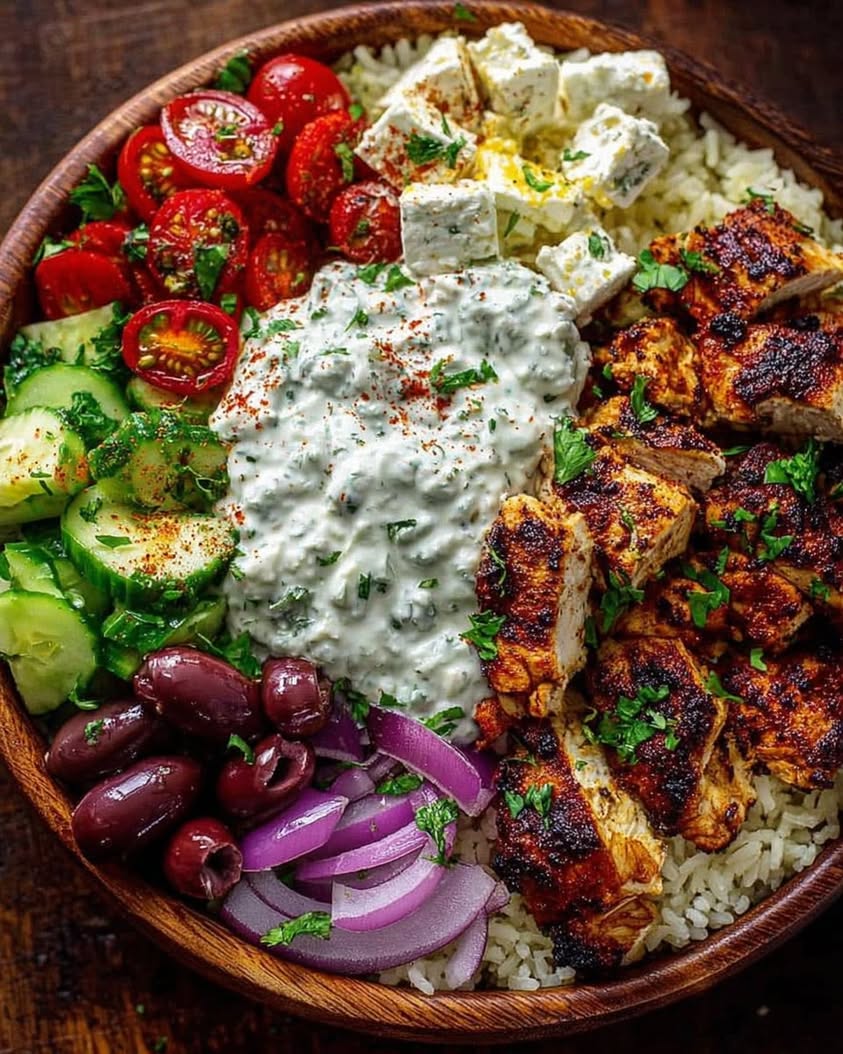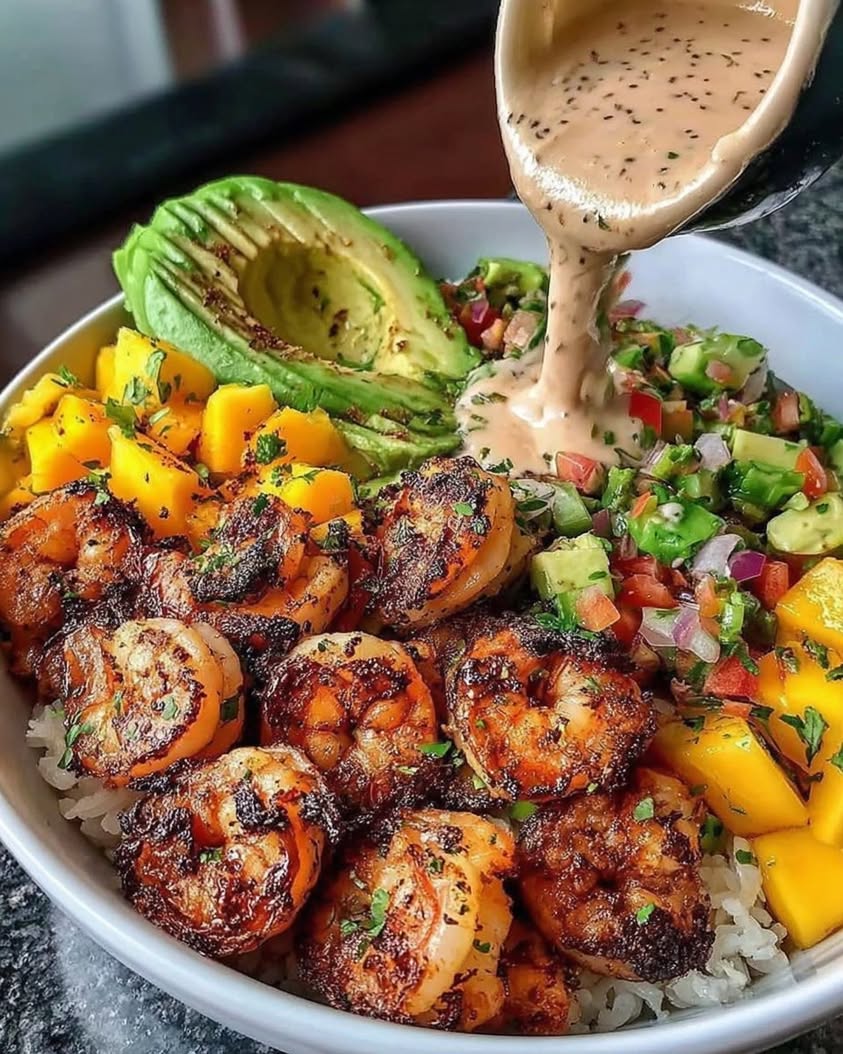
Zesty Shrimp and Avocado Bowls with Mango Salsa: A Tropical Weeknight Wonder
Imagine a meal that feels like a vacation on a plate. That is exactly what these Zesty Shrimp and Avocado Bowls with Mango Salsa deliver. This recipe is a vibrant symphony of fresh ingredients, combining succulent shrimp with creamy avocado and a sweet-tart mango salsa. Ultimately, it is a perfect solution for busy weeknights when you crave something healthy, flavorful, and fast.
The beauty of these shrimp and avocado bowls lies in their incredible balance. For instance, the warm, garlicky shrimp contrasts beautifully with the cool, creamy avocado. Meanwhile, the bright mango salsa adds a juicy pop of sweetness that cuts through the richness. Finally, a drizzle of tangy lime-chili sauce ties every component together with a delightful kick. This dish is not just a meal; it is a colorful, textural experience that will brighten any dinner table.
Furthermore, this recipe is incredibly versatile and forgiving. You can easily customize the spice level, swap in different grains, or use whatever fresh herbs you have on hand. Whether you are cooking for a family dinner or prepping lunches for the week, these bowls are a guaranteed hit. They are a testament to how simple, whole ingredients can create a restaurant-quality meal in your own kitchen with minimal effort.
Quick Recipe Highlights
- Flavor Profile: These bowls offer a masterful balance of sweet, savory, spicy, and tangy notes. The shrimp are seasoned with warm spices, while the mango salsa provides tropical sweetness. Consequently, the lime-chili sauce adds a sharp, acidic finish that elevates the entire dish.
- Texture: You will enjoy a wonderful contrast of textures in every bite. The shrimp are tender and juicy, the avocado is luxuriously creamy, and the mango salsa is pleasantly chunky and juicy. Additionally, the base of rice or greens adds a satisfying foundational texture.
- Aroma: As you cook, the kitchen fills with the irresistible scent of garlic and cumin sizzling with shrimp. The fresh cilantro and lime zest from the salsa contribute a bright, herbaceous fragrance that makes the dish smell as good as it tastes.
- Visual Appeal: This dish is a feast for the eyes with its stunning color palette. Think of the pink shrimp, green avocado, vibrant orange mango, and red onion all arranged together. Therefore, it is a meal that looks incredibly impressive and appetizing on social media or your dinner table.
- Skill Level Needed: This is a beginner-friendly recipe requiring only basic kitchen skills like chopping, mixing, and sautéing. There is no complicated technique involved, making it perfect for novice cooks or anyone seeking a stress-free cooking experience.
- Special Equipment: You need only standard kitchen tools: a good knife, a cutting board, a mixing bowl, and a large skillet. A microplane for zesting lime is helpful but not essential. Ultimately, no special appliances are required.
Recipe Overview
- Difficulty Level: We rate this recipe as “Easy” because it involves straightforward techniques like chopping vegetables and sautéing shrimp. The steps are sequential and simple, with no advanced culinary skills required. Moreover, most components can be prepared simultaneously, streamlining the process. Even a first-time cook can achieve excellent results by following the clear instructions.
- Category: This dish fits perfectly into several meal categories. Primarily, it is a fantastic healthy dinner or lunch option. It also works wonderfully as a meal prep recipe because the components store well separately. Furthermore, it can be served as a light yet satisfying main course for any occasion.
- Cuisine: While not strictly authentic to one region, these bowls draw inspiration from coastal and tropical cuisines, particularly Latin American and Caribbean flavors. The use of shrimp, lime, chili, and mango is common in many seaside communities. The result is a fusion dish that celebrates fresh, vibrant ingredients from sun-drenched locales.
- Cost: This is a moderately priced meal that delivers high value. Shrimp is typically the most expensive ingredient, but you can often find frozen options on sale. Avocados, mangoes, and limes are generally affordable, especially when in season. Overall, you can create a restaurant-quality meal for a fraction of the cost of dining out.
- Season: This recipe shines brightest in late spring and summer when mangoes and limes are at their peak. However, thanks to global availability, you can enjoy these shrimp and avocado bowls year-round. They are particularly welcome in winter as a bright, healthy escape from heavier comfort foods.
- Occasion: These bowls are incredibly versatile for different events. They are ideal for a quick weeknight family dinner, a healthy lunch, or a casual dinner party with friends. You can even deconstruct them for a fun, interactive build-your-own-bowl gathering.
Why You’ll Love This Recipe
First and foremost, the taste and texture appeal is undeniable. Each component of these Zesty Shrimp and Avocado Bowls with Mango Salsa is designed to complement the others. You get the savory umami from perfectly cooked shrimp, the rich creaminess from ripe avocado, and the explosive sweetness from the mango salsa. Then, the lime-chili sauce adds a necessary zing that wakes up all the flavors. Every forkful is a different combination, ensuring you never get bored. The harmony of flavors is sophisticated yet achieved with simple ingredients, making it a deeply satisfying eating experience.
Next, consider the convenience and preparation benefits. This entire meal comes together in about 30 minutes, making it a champion of weeknight cooking. The prep work is mostly chopping, which you can do while the shrimp cook. Moreover, the recipe is incredibly flexible. You can use pre-cooked rice or swap it for quinoa, cauliflower rice, or mixed greens. If you are short on time, you can even use a pre-made pico de gallo and just add diced mango. This adaptability means the recipe works for you, not the other way around.
From a nutritional standpoint, these shrimp and avocado bowls are a powerhouse. Shrimp provides lean protein and important nutrients like selenium and iodine. Avocado contributes heart-healthy monounsaturated fats and fiber. Meanwhile, mango is packed with vitamins A and C. Together, they create a balanced meal that supports energy, satiety, and overall wellness. It is a meal that makes you feel good both during and after eating, without any heaviness or guilt.
Furthermore, this dish has tremendous social and entertaining value. It is visually stunning, so it always impresses guests. You can easily scale the recipe up for a crowd by prepping the components in larger batches. Setting up a “bowl bar” where guests can assemble their own creations adds a fun, interactive element to any gathering. It is a meal that feels special and considerate, showing you care about offering something fresh and delicious.
Finally, the cost-effectiveness and accessibility are major wins. You do not need expensive or hard-to-find ingredients. Most items are available at any standard grocery store. By cooking at home, you save significantly compared to ordering a similar bowl at a restaurant or specialty café. This recipe proves that eating well does not have to be complicated or costly. It is an accessible gateway to more adventurous, healthy home cooking.
Historical Background and Cultural Significance
The concept of the “bowl meal” has ancient roots, but its modern iteration is a global phenomenon. While our specific Zesty Shrimp and Avocado Bowls with Mango Salsa is a contemporary creation, its components tell a rich story. Bowl-based eating can be traced to traditions across Asia and the Pacific, where rice served as a base for various toppings. The idea of combining protein, vegetables, and a sauce in one vessel is a practical and balanced approach to dining that cultures worldwide have embraced in their own way.
In terms of cultural importance, shrimp is a staple protein in many coastal communities, from the Gulf of Mexico to Southeast Asia. Meanwhile, the avocado, native to south-central Mexico, has been cultivated for thousands of years. The mango, originating in South Asia, spread across the tropics through trade routes. This recipe, therefore, is a delicious fusion of ingredients that have traveled the globe. It represents a modern, borderless cuisine that celebrates the best flavors from different food traditions, united by a common sense of freshness and vitality.
The evolution of this recipe mirrors broader food trends towards customization, health-consciousness, and vibrant presentation. The rise of fast-casual restaurants offering build-your-own grain bowls in the 2010s popularized this format for Western audiences. Home cooks began adapting the concept, using seasonal and accessible ingredients. Our version with shrimp, avocado, and mango salsa is a direct result of this trend. It takes the convenient bowl format and fills it with bright, tropical flavors that feel both indulgent and nourishing.
Regarding regional variations, the core idea is endlessly adaptable. In Hawaii, you might find a similar bowl with a teriyaki glaze and pineapple. In Mexico, the shrimp could be cooked with adobo and served with a tomatillo salsa. In the Caribbean, Scotch bonnet peppers might add heat, and the mango could be paired with black beans. Our recipe sits comfortably among these variations, offering a specific combination that highlights the magic of shrimp paired with creamy avocado and sweet, acidic fruit. It is a testament to the universal appeal of simple, high-quality ingredients prepared with care.
Ingredient Deep Dive
Shrimp: Shrimp are decapod crustaceans enjoyed worldwide. They are an excellent source of lean protein, low in calories, and rich in selenium, vitamin B12, and iodine, which supports thyroid function. When selecting shrimp, look for firm, translucent flesh with a mild sea smell. Avoid any with black spots or a strong ammonia odor. For sustainability, choose wild-caught or responsibly farmed shrimp certified by organizations like the Marine Stewardship Council. Store fresh shrimp in the coldest part of your fridge and use within 1-2 days, or freeze for longer storage. For a substitution, try scallops, chicken, or firm tofu.
Avocado: The avocado is a fruit native to Mexico, prized for its creamy texture and healthy fats. It is packed with monounsaturated fats (good for heart health), fiber, potassium, and vitamins C, E, and K. To select a perfect avocado, gently press near the stem; it should yield slightly to gentle pressure. To speed ripening, place it in a paper bag with a banana. Store cut avocado with the pit in place and drizzle with lime juice to prevent browning. For a substitution in these bowls, try a dollop of Greek yogurt or a handful of roasted chickpeas for creaminess.
Mango: Mangos are the national fruit of several countries and have been cultivated in South Asia for over 4,000 years. They are rich in vitamins A and C, which support immunity and eye health. A ripe mango will give slightly when squeezed and have a fragrant aroma at the stem end. Common varieties like Ataulfo (champagne) or Tommy Atkins work well. To cube a mango, slice off the cheeks, score the flesh in a grid, and scoop it out. For a substitution, try peaches, nectarines, or pineapple for a similar sweet-tart balance in the salsa.
Lime: Limes are a key acidic component in many tropical and Mexican cuisines. They provide a burst of vitamin C and antioxidants. The juice and zest are both used here, with the zest containing potent aromatic oils. Choose limes that feel heavy for their size and have a vibrant green, smooth skin. Roll them on the counter before juicing to maximize yield. In a pinch, lemon can substitute for lime juice, though the flavor profile will shift slightly. Bottled lime juice lacks the fresh zest and can taste metallic, so fresh is always best for this recipe.
Cilantro: Cilantro, the leaves of the coriander plant, is a love-it-or-hate-it herb central to Latin American and Asian cooking. It contains antioxidants and may help with detoxification. For those with the genetic trait that makes it taste soapy, flat-leaf parsley is a common substitute, though it will lack cilantro’s distinctive citrusy note. To store, treat it like flowers: trim the stems and place in a jar of water in the fridge, covered loosely with a bag. Use the tender stems and leaves for maximum flavor in your mango salsa.
Common Mistakes to Avoid
- Overcooking the Shrimp: Shrimp cook very quickly and become rubbery if left on the heat too long. They are done when they turn opaque and form a loose “C” shape. Immediately remove them from the pan once they reach this stage, as residual heat will continue cooking them.
- Using Unripe Avocado or Mango: The success of this dish hinges on ripe, creamy avocado and sweet, juicy mango. An unripe avocado will be hard and flavorless, while an unripe mango will be tart and fibrous. Plan ahead and purchase fruit a few days before you plan to cook to ensure perfect ripeness.
- Neglecting to Pat Shrimp Dry: If shrimp are wet when they hit the hot pan, they will steam instead of sear. This prevents the development of flavorful browning. Always pat shrimp thoroughly dry with paper towels before seasoning and cooking for the best texture and taste.
- Forgetting the Lime Zest: The zest of the lime holds incredibly fragrant oils that provide a more complex citrus flavor than the juice alone. Always zest your lime before juicing it. Adding zest to the salsa or the sauce elevates the entire dish with a bright, aromatic punch.
- Mincing Garlic Too Far in Advance: Minced garlic can develop a harsh, bitter flavor if it sits too long before cooking. For the best, sweetest garlic flavor, mince your garlic just before you are ready to sauté it with the shrimp.
- Combining Components Too Early: If you assemble the entire bowl hours before serving, the avocado will brown and the salsa will make the base soggy. For meal prep or best results, store the shrimp, salsa, avocado (squeezed with lime), and sauce separately. Assemble just before eating.
- Skimping on Seasoning: Each component needs to be properly seasoned. Season the shrimp generously with salt and spices. Taste and season the mango salsa with salt and lime juice. A well-seasoned base (like rice) is also crucial. Underseasoned food will taste bland despite using great ingredients.
- Using a Crowded Pan: If you overcrowd the skillet with shrimp, they will release moisture and steam instead of searing. Cook in a single layer, possibly in two batches if necessary. This ensures each shrimp gets proper contact with the hot surface for a nice caramelized exterior.
Essential Techniques
How to Properly Sear Shrimp: Searing shrimp is crucial for developing flavor through the Maillard reaction. First, ensure your shrimp are very dry. Next, heat your skillet over medium-high heat with a thin layer of oil until it shimmers. Add shrimp in a single layer without touching. Let them cook undisturbed for 1-2 minutes to develop a golden sear before flipping. This technique creates a flavorful crust while keeping the interior tender and juicy. The visual cue for success is a pink, opaque exterior with slight browning.
How to Dice an Avocado: Dicing avocado neatly is key for presentation. Cut the avocado in half lengthwise around the pit. Twist to separate. Safely remove the pit by tapping it with a chef’s knife and twisting. While the avocado is still in the skin, make lengthwise and crosswise cuts through the flesh down to the skin. Then, use a spoon to scoop out the perfect cubes. This method prevents messy mashing and gives you uniform pieces for your bowls.
How to Make a Balanced Salsa: A great salsa is about harmony. For mango salsa, balance the sweet mango with acidic lime juice, sharp red onion, spicy jalapeño, and herbal cilantro. The key technique is to dice everything to a similar, small size for consistent texture in every bite. Always taste and adjust seasoning with salt, which amplifies all the other flavors. Letting the salsa sit for 10-15 minutes before serving allows the flavors to meld beautifully.
How to Emulsify a Simple Sauce: The lime-chili sauce is a simple emulsion. Whisking the lime juice vigorously with olive oil and seasonings helps temporarily bind them together for a cohesive sauce. The technique is to start with the acid and seasonings, then slowly drizzle in the oil while whisking constantly. For a creamier, more stable emulsion, you can add a small spoonful of mayonnaise or Greek yogurt. The sauce should be slightly thickened and uniform in color.
Pro Tips for Perfect Zesty Shrimp and Avocado Bowls
First, use frozen shrimp that you thaw yourself. Often, “fresh” shrimp at the counter were previously frozen and thawed. Buying frozen allows you to control the thawing process (in the fridge overnight) and ensures peak freshness. Secondly, add a pinch of sugar to your mango salsa if your mango isn’t perfectly sweet. This tiny trick balances acidity and enhances the fruit’s natural flavor. Third, warm your serving bowls. Placing warm rice and hot shrimp into a warm bowl keeps the entire meal at an ideal temperature longer.
Fourth, reserve a few pretty cilantro leaves and mango cubes for garnish. Sprinkling these on top after assembly adds a professional, finished look. Fifth, if you have time, marinate the shrimp for 15 minutes in the spice mix before cooking. This allows the flavors to penetrate more deeply. Sixth, for an extra layer of texture, sprinkle each bowl with toasted sesame seeds, chopped peanuts, or crispy fried shallots just before serving.
Variations and Adaptations
Regional Variations: To take these bowls on a trip, try different regional twists. For a Hawaiian poke bowl vibe, marinate the shrimp in a soy-sesame-ginger mixture and use pineapple instead of mango. For a Mexican-inspired version, coat the shrimp in chipotle powder and serve with a corn and black bean salsa. A Mediterranean take could feature oregano-seasoned shrimp, a cucumber-tomato salsa, and a tzatziki-style sauce.
Seasonal Adaptations: When mangoes are out of season, other fruits make excellent salsa bases. In summer, try a peach or nectarine salsa. In fall, roasted sweet potato cubes can provide a sweet contrast. For winter, a citrus salsa with orange and grapefruit segments brings bright acidity. The recipe framework remains the same; simply swap the starring fruit or vegetable based on what is freshest.
Dietary Modifications: This recipe is naturally gluten-free. For a vegan version, replace the shrimp with seasoned, roasted chickpeas or cubed tempeh. To make it lower-carb or keto, serve the toppings over a bed of cauliflower rice or fresh spinach instead of grain. For a paleo version, use coconut aminos in the sauce and ensure all other ingredients comply. The basic bowl structure is highly adaptable to nearly any dietary need.
Flavor Variations: Experiment with the seasoning profile for the shrimp. Use Cajun seasoning for a blackened effect, or a blend of smoked paprika and cumin for a deeper, earthier taste. For the sauce, replace the chili powder with sriracha for a different kind of heat, or add a teaspoon of honey for a sweet-chili glaze. A splash of coconut milk in the sauce can create a creamy, tropical dressing.
Serving and Presentation Guide
Start with a warm, wide, shallow bowl for the best presentation. First, create a base layer with your chosen grain or greens, spreading it evenly. Artfully arrange the seasoned shrimp in one section of the bowl. Place a generous scoop of mango salsa in another section, allowing the colors to remain distinct. Fan out the avocado slices or neatly pile the cubes in a third section. This “clock” method of plating showcases each component beautifully.
For garnishing, a final drizzle of the lime-chili sauce over everything adds gloss and flavor. Sprinkle with the reserved fresh cilantro leaves and perhaps a light dusting of chili powder or paprika for color. A lime wedge on the side is both functional and decorative. If using, add crunchy toppings like seeds or nuts last so they stay crisp. The goal is a bowl that looks abundant, colorful, and thoughtfully composed, inviting the diner to dig in and mix the flavors together.
Wine and Beverage Pairing
The bright, sometimes spicy flavors of these Zesty Shrimp and Avocado Bowls pair wonderfully with crisp, acidic white wines. A Sauvignon Blanc, with its notes of citrus and grass, complements the lime and herbs perfectly. A dry Riesling or Vinho Verde also works well, as their slight sweetness can balance any heat from the chili. For a rosé option, choose a dry Provençal style. Serve these wines well-chilled to contrast the dish’s flavors.
For non-alcoholic pairings, consider sparkling water with a squeeze of lime or a homemade agua fresca. A mango or hibiscus iced tea would echo the tropical themes beautifully. A ginger beer or spicy ginger ale can stand up to the bold flavors and provide a refreshing bite. The key is to choose beverages that are refreshing and either complement or cleanse the palate between bites of the flavorful shrimp and rich avocado.
Storage and Shelf Life
Store all components separately in airtight containers in the refrigerator for best results. Cooked shrimp will keep for 3-4 days. The mango salsa is best within 2-3 days, as the onion flavor will intensify and the mango may soften. Sliced avocado, tossed with extra lime juice, can be stored for 1 day before significant browning occurs. The lime-chili sauce can be refrigerated for up to a week. Signs of spoilage include a sour smell, slimy texture on the shrimp or avocado, or mold.
Reheating should be done gently. Reheat shrimp in a skillet over low heat or in the microwave at a reduced power to prevent overcooking. It is often best to eat them cold or at room temperature in the reassembled bowl. The salsa, avocado, and sauce should not be reheated. This dish does not freeze well due to the high water content of the shrimp and salsa and the delicate texture of the avocado.
Make Ahead Strategies
You can efficiently prep this meal over a couple of days. Two days ahead, cook your rice and store it. One day ahead, make the mango salsa and the lime-chili sauce; both benefit from the flavors melding. Also, thaw your shrimp in the refrigerator. On the day of serving, all you need to do is cook the shrimp (which takes minutes), slice the avocado, and assemble the bowls. This strategy makes a 30-minute meal into a 10-minute assembly job, perfect for busy evenings.
When storing between steps, ensure components are cooled completely before covering and refrigerating. For the avocado, wait to slice it until just before assembly. If you must slice it ahead, submerge the pieces in a container of water with a squeeze of lime juice; this can prevent browning for several hours. Drain and pat dry before using. This make-ahead approach ensures maximum freshness and flavor with minimal last-minute effort.
Scaling Instructions
This recipe scales up or down very easily. To halve it, simply divide all ingredient quantities by two. Use a medium skillet instead of a large one for the shrimp. To double or triple for a crowd, use a very large skillet or cook the shrimp in multiple batches to avoid steaming. You may need to mix the mango salsa in a larger bowl. Consider setting up an assembly line for building the bowls. The timing remains largely the same, as shrimp cook quickly regardless of batch size.
When scaling up, be mindful of seasoning. It is easy to under-salt a large batch. Taste as you go, especially with the salsa and the cooked shrimp. For large gatherings, consider setting up a build-your-own-bowl station with all components in separate serving dishes. This allows guests to customize their portions and keeps elements like the avocado from sitting out and browning. It is a fun, interactive, and practical way to serve a scaled-up recipe.
Nutritional Deep Dive
One serving of these Zesty Shrimp and Avocado Bowls provides a well-rounded macronutrient profile. The shrimp offer high-quality, lean protein essential for muscle repair and satiety. The avocado contributes healthy monounsaturated fats, which support heart health and help absorb fat-soluble vitamins from the salsa. The mango and any base grain provide complex carbohydrates for sustained energy. This balance helps regulate blood sugar and keeps you feeling full and satisfied for hours after eating.
Micronutrient-wise, this meal is a powerhouse. Shrimp are an excellent source of selenium, a potent antioxidant, and iodine, crucial for thyroid function. Avocado provides potassium, folate, and vitamins K and E. Mango delivers a huge dose of vitamin C and vitamin A (as beta-carotene), vital for immune function and eye health. The lime juice adds more vitamin C and aids in iron absorption. Together, they create a meal that supports overall wellness, from cellular function to inflammation reduction.
Dietary Adaptations
Gluten-Free: This recipe is naturally gluten-free as written. Simply ensure that any packaged spices or sauces you use are certified gluten-free, as cross-contamination can sometimes occur. Use tamari instead of soy sauce if making any Asian-inspired variations.
Dairy-Free: The standard recipe contains no dairy. The creamy element comes solely from the avocado. Any sauces are based on lime juice and oil, making it suitable for a dairy-free diet without modification.
Vegan: For a vegan version, replace the shrimp with a plant-based protein. Cubed extra-firm tofu, seasoned and pan-fried until crispy, works wonderfully. Jackfruit, shredded and sautéed with the same spices, can mimic a pulled texture. Use agave instead of honey if your chili-lime sauce recipe calls for a sweetener.
Low-Carb/Keto: Omit the grain base entirely. Serve the shrimp, avocado, and salsa over a bed of fresh spinach, kale, or cauliflower rice. Be mindful of the mango in the salsa, as it contains natural sugars. For a stricter keto approach, reduce the mango quantity significantly or replace it with lower-carb berries like diced strawberries.
Troubleshooting Guide
Shrimp are Tough and Rubbery: This is a classic sign of overcooking. Shrimp cook in just 2-4 minutes total. Next time, cook them for less time and remove them from the pan the moment they turn opaque and form a “C” shape. Remember, they continue to cook from residual heat after being removed from the skillet.
Dish Tastes Bland: Underseasoning is the likely culprit. Season each component individually. Salt the shrimp generously before cooking. Taste and season the mango salsa with salt and lime juice. Even the base (rice, greens) should have a pinch of salt. Acid (lime) and salt are flavor amplifiers; do not be shy with them.
Sauce is Too Thin or Separates: A simple oil-and-acid sauce can separate quickly. Whisk it vigorously just before drizzling. For a thicker, more stable emulsion, add a binding agent. A teaspoon of mayonnaise, Greek yogurt, Dijon mustard, or even a few avocado cubes blended in will help create a creamier, cohesive sauce that clings to the ingredients.
Avocado Browns Before Serving: Enzymatic browning happens when avocado is exposed to air. To prevent it, coat the diced avocado immediately in lime juice from the recipe. If prepping ahead, store the avocado submerged in water with lime juice in an airtight container. The water barrier limits oxygen exposure. Drain and pat dry before use.
Recipe Success Stories
Readers and home cooks consistently rave about how this recipe becomes a regular in their rotation. Many report that it is their “go-to” meal for impressing guests with minimal stress. One home cook shared that she now makes a double batch of the mango salsa weekly because her family loves it so much, using it on tacos and grilled chicken as well. Another mentioned that the tutorial on properly searing shrimp was a game-changer, improving all of her seafood cooking.
Adaptation stories are also common. A reader following a Whole30 diet used the spice mix on chicken and served it over cauliflower rice for a compliant version. Another with a cilantro aversion used mint and basil for a refreshing twist. Several have successfully made it for large gatherings by setting up a bowl bar, noting that it was a huge hit and allowed everyone to customize their meal. These stories highlight the recipe’s flexibility and universal appeal.
Frequently Asked Questions
Can I use pre-cooked shrimp? Yes, you can. Add them to the skillet just to warm through and coat with the spices, about 1-2 minutes. Be very careful not to overcook, as they can become tough quickly. Using raw shrimp is preferred for optimal texture and flavor absorption.
What can I use instead of mango? Excellent substitutes include diced pineapple, peaches, nectarines, or even papaya. In a pinch, well-drained canned pineapple tidbits can work. For a non-fruit version, try a corn and black bean salsa or a classic tomato pico de gallo.
How do I know when an avocado is ripe? Gently press the avocado near the stem end. It should yield to gentle, firm pressure but not feel mushy. If it feels rock hard, it needs a few days. If the stem nub pops off easily and you see green underneath, that is another good sign of ripeness.
Can I make this spicy? Absolutely. To increase heat, add more chili powder to the shrimp seasoning, include the jalapeño seeds in your salsa, use a hotter chili powder like cayenne in the sauce, or drizzle with sriracha or your favorite hot sauce at the end.
What is the best rice to use? Long-grain white rice like Jasmine or Basmati is light and fragrant. Brown rice adds more fiber and a nutty flavor. Cilantro-lime rice is a fantastic enhancement. For a different grain, try quinoa, farro, or couscous.
How far in advance can I assemble the bowls? For the best texture, assemble just before eating. You can prep all components separately 1-2 days ahead. If you must assemble ahead, keep the avocado and salsa separate from the base and add them right before serving to prevent sogginess.
Is this recipe good for meal prep? It is excellent for meal prep. Store the cooked shrimp, salsa, sauce, and sliced avocado (in lime water) in separate containers. Pack a base of rice or greens. Assemble your bowl at lunchtime for a fresh, delicious meal.
Can I grill the shrimp instead? Definitely. Thread shrimp onto skewers (soak wooden ones first) and grill over medium-high heat for 2-3 minutes per side. The smoky flavor from the grill adds a wonderful new dimension to the dish.
My sauce is too acidic. How can I fix it? Balance the acidity with a touch of sweetness. Whisk in a small amount of honey, agave, or even a pinch of sugar. Alternatively, add a bit more olive oil to mellow it out, or stir in a spoonful of plain yogurt or mayonnaise to create a creamier dressing.
What size shrimp should I use? Medium (41/50 count per pound) or large (31/40 count) shrimp work best. They are easy to cook evenly and provide a satisfying bite. Avoid tiny shrimp, which can overcook in seconds, or colossal shrimp, which may require longer cooking and can throw off the component balance.
Additional Resources
If you loved the flavors in these Zesty Shrimp and Avocado Bowls, explore other recipes that use similar ingredients. Try a classic shrimp ceviche, a creamy avocado pasta sauce, or a tropical mango smoothie bowl. For technique guides, we have detailed posts on how to cook perfect rice every time, master the art of searing, and safely cut tricky fruits like mangoes and avocados.
For ingredient information, deep dives into selecting sustainable seafood and understanding avocado varieties can help you shop smarter. Equipment-wise, a good quality chef’s knife and a reliable non-stick or cast-iron skillet are the true heroes of this recipe. Finally, remember that this bowl is a template. Let the seasons guide you—swap in strawberries in spring, peaches in summer, and roasted squash in fall to enjoy vibrant, healthy bowls all year long.
PrintShrimp and Avocado Bowls with Mango Salsa & Lime-Chili Sauce
- Total Time: 25 minutes
- Yield: 4
Description
A vibrant and healthy bowl featuring juicy shrimp, creamy avocado, fresh mango salsa, and a zesty lime-chili sauce, perfect for a quick and flavorful meal.
Ingredients
- 1 lb large shrimp, peeled and deveined
- 2 ripe avocados, sliced
- 1 cup cooked quinoa or rice
- 1 mango, diced
- 1/2 red onion, finely chopped
- 1 jalapeño, seeded and minced
- 1/4 cup fresh cilantro, chopped
- Juice of 2 limes
- 2 tbsp olive oil
- 1 tsp chili powder
- Salt and pepper to taste
- 1/4 cup Greek yogurt or sour cream
- 1 tbsp honey
Instructions
- Prepare the mango salsa by combining diced mango, red onion, jalapeño, cilantro, and juice of 1 lime in a bowl. Season with salt and set aside.
- In a small bowl, mix Greek yogurt, juice of 1 lime, chili powder, honey, and a pinch of salt to make the lime-chili sauce. Adjust to taste.
- Heat olive oil in a skillet over medium-high heat. Season shrimp with salt, pepper, and chili powder. Cook for 2-3 minutes per side until pink and opaque.
- Assemble bowls by dividing cooked quinoa or rice among four bowls. Top with shrimp, avocado slices, and mango salsa.
- Drizzle the lime-chili sauce over each bowl and serve immediately.
Notes
You can customize the seasonings to taste.
- Prep Time: 15 minutes
- Cook Time: 10 minutes
- Method: Main
- Cuisine: Fusion