Avocado Toast with Feta, Cherry Tomatoes, Cranberries, and Walnuts: The Ultimate Gourmet Breakfast Upgrade
Elevate your morning routine with this stunning Avocado Toast with Feta, Cherry Tomatoes, Cranberries, and Walnuts. This recipe transforms a simple classic into a vibrant, restaurant-worthy meal bursting with flavor and texture. Moreover, it combines creamy avocado with tangy feta, sweet-tart cranberries, and crunchy walnuts for a truly unforgettable experience. Ultimately, this dish proves that a quick breakfast can also be a gourmet delight.
Imagine the perfect bite: the rich, buttery spread of ripe avocado on warm, crusty bread. Then, you get the salty pop of crumbled feta cheese followed by the juicy burst of a roasted cherry tomato. Next, a sweet note from dried cranberries cuts through the richness, while toasted walnuts provide a satisfying crunch. Consequently, every element works in harmony, creating a complex flavor profile that wakes up your senses. This Avocado Toast with Feta, Tomatoes, Cranberries, and Walnuts is not just food; it’s a celebration on a plate.
This recipe is incredibly versatile, serving as a brilliant breakfast, a light lunch, or an impressive brunch centerpiece. Furthermore, it requires minimal cooking skill but delivers maximum visual and taste appeal. The combination of healthy fats, protein, and fiber makes it a nutritionally balanced choice that will keep you energized for hours. Whether you’re cooking for yourself or entertaining guests, this gourmet avocado toast is guaranteed to impress. Let’s dive into how to create this masterpiece in just fifteen minutes.
Quick Recipe Highlights
- Flavor Profile: This Avocado Toast with Feta, Tomatoes, Cranberries, and Walnuts delivers a masterful balance. The creamy, mild avocado forms a perfect base for the sharp, salty feta. Simultaneously, the sweet-tart cranberries and acidic tomatoes cut through the richness, creating a bright and complex taste.
- Texture: The experience is a delightful textural journey. You encounter the creamy smoothness of mashed avocado against the crisp, hearty bread. Then, you discover the juicy pop of tomatoes, the pleasant chew of cranberries, and the definitive, earthy crunch of toasted walnuts.
- Aroma: Fresh, grassy notes from the ripe avocado hit you first. Next, the warm, nutty fragrance of toasted walnuts fills the air, complemented by the subtle tang of feta. Finally, a hint of earthiness from the bread and a fresh finish from any added herbs complete the aromatic profile.
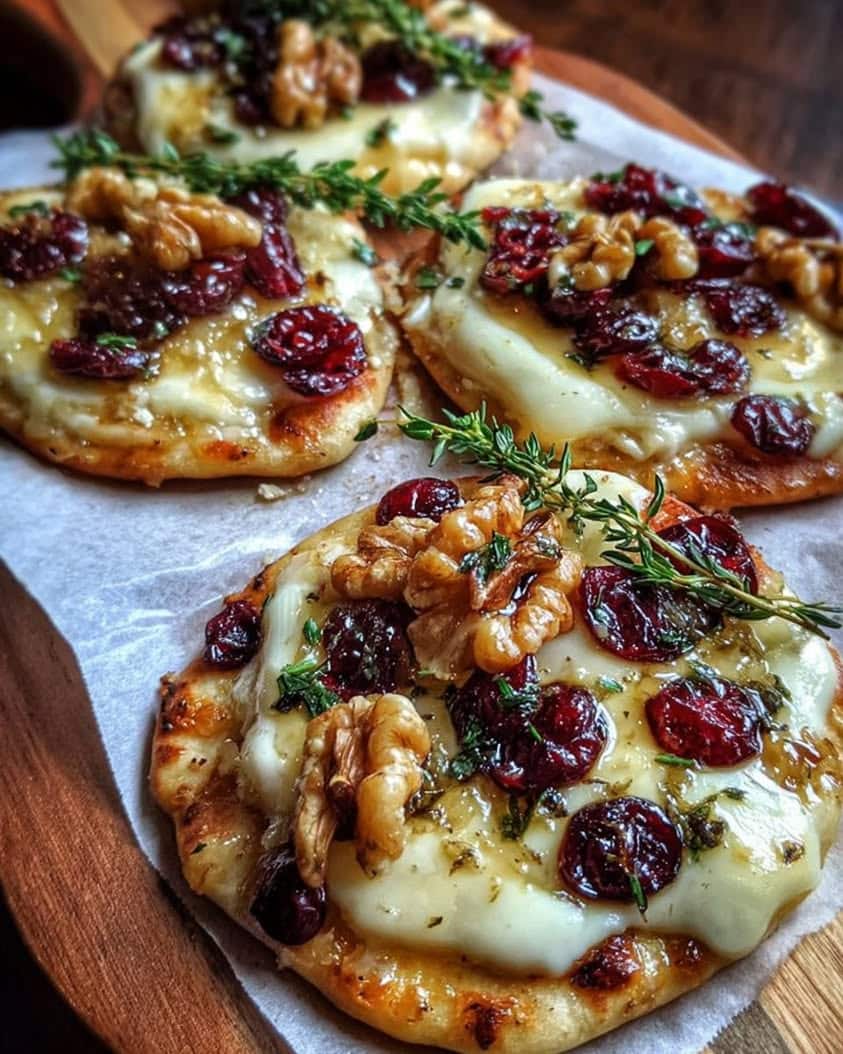
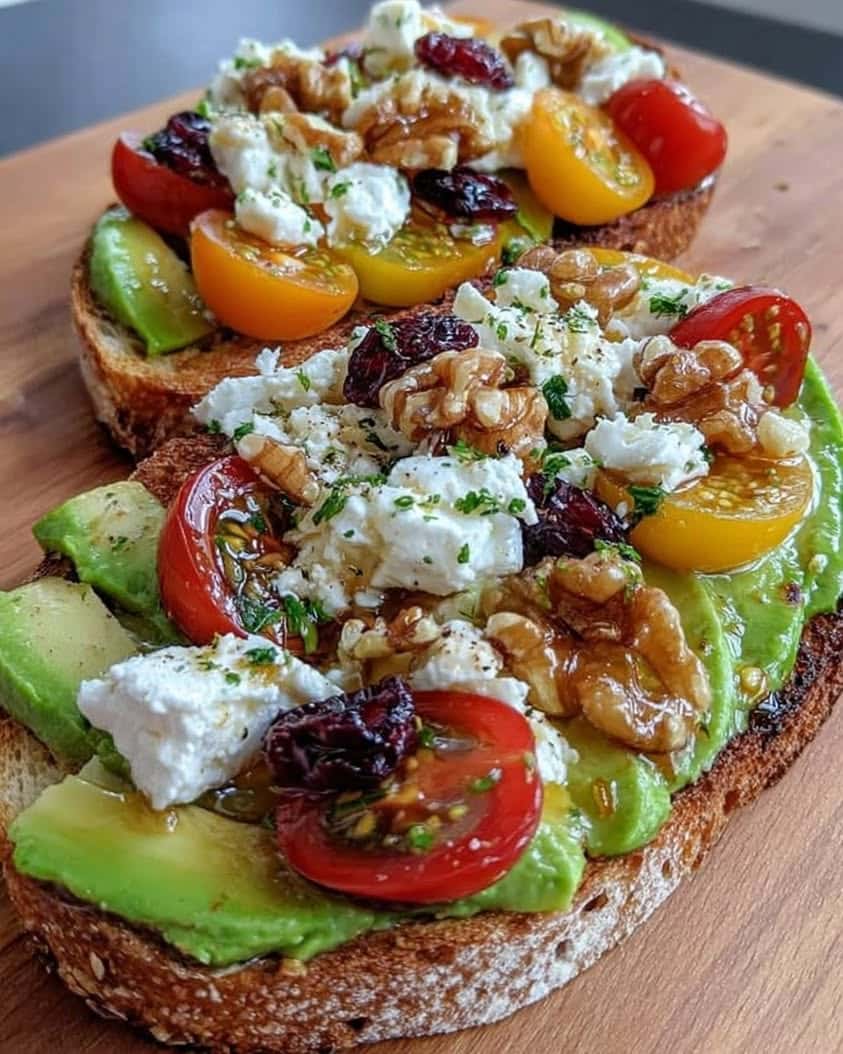
- Visual Appeal: This toast is a feast for the eyes with its vibrant color palette. The bright green avocado creates a stunning canvas for the red tomatoes, white feta, ruby-red cranberries, and brown walnuts. Consequently, the presentation is rustic, artful, and incredibly inviting.
- Skill Level Needed: This is a beginner-friendly recipe requiring no advanced techniques. Essentially, you need basic skills like toasting bread, mashing avocado, and assembling ingredients. Therefore, it’s perfect for novice cooks or anyone seeking a quick, beautiful meal.
- Special Equipment: No special equipment is required. You only need a toaster or oven for the bread, a small bowl and fork for mashing, and a knife for slicing. A small skillet is helpful for toasting the walnuts but is optional.
Recipe Overview
- Difficulty Level: We rate this Avocado Toast with Feta, Tomatoes, Cranberries, and Walnuts as “Easy” for clear reasons. The steps are sequential and simple, involving no complex cooking methods. There is no precise baking or delicate sauce work required. Essentially, success hinges on using quality ingredients and assembling them with care.
- Category: This dish fits perfectly into multiple meal categories. Primarily, it’s an ideal breakfast or brunch item that feels luxurious. Additionally, it works wonderfully as a light lunch, a substantial snack, or even a stylish appetizer when cut into smaller portions. Its flexibility is a key part of its appeal.
- Cuisine: While avocado toast has global popularity, this specific iteration leans into modern Californian or fusion cuisine. It takes inspiration from Mediterranean flavors with the feta and olive oil. Meanwhile, the use of cranberries adds a North American twist, creating a contemporary, health-focused dish without strict traditional boundaries.
- Cost: This is a moderately priced recipe depending on ingredient quality. Avocados, cherry tomatoes, and bread are typically affordable staples. Meanwhile, good feta cheese, walnuts, and dried cranberries may represent a slightly higher cost. Fortunately, all components are used in small amounts, making the cost per serving very reasonable for a gourmet result.
- Season: This Avocado Toast with Feta, Tomatoes, Cranberries, and Walnuts shines year-round but is particularly excellent in summer and fall. Summer provides peak cherry tomatoes and the creamiest avocados. Conversely, the cranberries and walnuts evoke cozy fall flavors, making it a versatile choice for any season with minor adaptations.
- Occasion: It’s perfect for a leisurely weekend brunch, a quick yet special weekday breakfast, or a light lunch al fresco. Furthermore, it’s impressive enough for casual entertaining, allowing you to create a beautiful platter for guests. It also makes for a delightful solo treat when you want to elevate an ordinary moment.
Why You’ll Love This Recipe
First and foremost, the taste and texture combination is utterly addictive. This Avocado Toast with Feta, Tomatoes, Cranberries, and Walnuts engages every part of your palate. The initial creaminess gives way to salty, tangy, sweet, and crunchy notes in quick succession. Each bite is slightly different, keeping your interest from start to finish. Ultimately, it satisfies cravings for something rich, fresh, and complex all at once, far surpassing any basic avocado toast.
From a convenience standpoint, this recipe is a lifesaver. You can prepare a restaurant-quality meal in about fifteen minutes with minimal cleanup. The process is straightforward: toast, mash, and assemble. Consequently, it’s ideal for busy mornings when you want something nutritious and delicious without spending an hour in the kitchen. Moreover, the ingredients are easy to keep on hand, making spontaneous gourmet breakfasts entirely possible.
Nutritionally, this dish is a powerhouse. Avocado provides heart-healthy monounsaturated fats and fiber. Walnuts add omega-3 fatty acids and protein. Feta offers calcium and protein with a lower fat content than many cheeses. Tomatoes contribute vitamin C and lycopene. Therefore, this Avocado Toast with Feta, Tomatoes, Cranberries, and Walnuts is a balanced meal that supports sustained energy, brain health, and overall wellness. It’s indulgence that genuinely feels good for your body.
For social and entertaining value, this toast is a star. It looks incredibly impressive on a brunch table, sparking conversation and admiration. You can easily double or triple the recipe to feed a crowd. Additionally, you can set up a “toast bar” with separate bowls of toppings, allowing guests to customize their own creations. It’s interactive, beautiful, and universally appealing, making you look like a hosting pro with minimal effort.
Finally, it’s cost-effective and accessible. While it tastes luxurious, the ingredients are common and relatively inexpensive. You likely have olive oil, salt, and pepper already. A single avocado, a small block of feta, and a handful of nuts and dried fruit go a long way. Compared to ordering a similar dish at a cafe, making this Avocado Toast with Feta, Tomatoes, Cranberries, and Walnuts at home saves significant money. You gain control over quality and portion size while enjoying a fantastic meal.
Historical Background and Cultural Significance
The story of avocado toast is a fascinating tale of culinary evolution. While mashed avocado on bread seems simple, its journey to global fame is recent. Avocados themselves have been cultivated in Central and South America for thousands of years. However, the specific concept of “avocado toast” as a trendy dish gained massive traction in Australia in the early 1990s, particularly in Sydney’s cafes. From there, it spread to the west coast of the United States, where it became synonymous with California’s health-conscious and innovative food culture.
Culturally, avocado toast has become more than a meal; it’s a symbol. It represents modern, clean-eating trends and a move towards visually appealing, Instagram-worthy food. It bridges the gap between fast food and fine dining, offering gourmet qualities in a casual format. This specific recipe with feta, cranberries, and walnuts exemplifies the next wave of avocado toast evolution. It moves beyond the basic salt-and-pepper version into a realm of intentional flavor pairing and textural contrast, reflecting our growing desire for complex, plant-forward dishes.
The evolution of the recipe is a story of customization and fusion. The original avocado toast was likely just avocado, citrus, and salt on sourdough. As it gained popularity, chefs and home cooks began experimenting with toppings. The addition of feta brings a Mediterranean influence, while dried cranberries are a distinctly North American ingredient. Walnuts add a global, rustic touch. This Avocado Toast with Feta, Tomatoes, Cranberries, and Walnuts is a product of this global culinary conversation, where traditions blend to create something new and exciting.
Regional variations are endless, which speaks to the dish’s adaptability. In Mexico, you might find avocado toast with cotija cheese, pickled onions, and chili. In the Middle East, a version with za’atar and sumac is popular. Our version sits comfortably in a Californian-Mediterranean fusion category. The core principle remains: a creamy, fatty base adorned with contrasting flavors and textures. This particular combination celebrates sweet, salty, tangy, and crunchy in perfect harmony, a testament to the creative potential of simple ingredients.
Ingredient Deep Dive
Avocado: Cultivated since 5000 BC in Mexico, the avocado was revered by the Aztecs for its richness. Nutritionally, it’s a superstar, packed with monounsaturated fats, potassium, fiber, and vitamins C, E, and K. These fats help absorb nutrients from other foods. For selection, choose an avocado that yields slightly to gentle pressure near the stem. To speed ripening, place it in a paper bag with a banana. Store ripe avocados in the refrigerator to pause ripening. For a substitute, try mashed edamame or a white bean spread, though the flavor will differ.
Feta Cheese: A brined curd cheese with origins in Greece, feta is traditionally made from sheep’s milk or a sheep-goat blend. It has a crumbly texture and tangy, salty flavor that cuts through rich foods. It provides protein, calcium, and probiotics. When selecting feta, opt for blocks packed in brine for superior flavor and texture over pre-crumbled varieties. Store it submerged in its brine in the refrigerator. For a dairy-free version, use crumbled firm tofu marinated in lemon juice and salt, or a vegan feta alternative.
Cherry Tomatoes: These sweet, small tomatoes are a cultivated variety developed for their snackable size and concentrated flavor. They are rich in vitamin C, potassium, and the antioxidant lycopene, especially when cooked. Choose tomatoes that are firm, deeply colored, and fragrant. Avoid any with wrinkled skin or soft spots. Store them at room temperature away from direct sunlight to preserve flavor; refrigeration can make them mealy. For a substitute, try sun-dried tomatoes (chopped) for an intense flavor, or roasted red pepper strips for sweetness.
Dried Cranberries: Native to North America, cranberries were used by Indigenous peoples for food and medicine. Dried cranberries add a chewy texture and a vital sweet-tart note that balances salty feta and rich avocado. They contain fiber and antioxidants. Look for varieties with no added sugar or juice-sweetened options to avoid excessive sugar. Store them in a cool, dark pantry in an airtight container. As a substitute, try chopped dried apricots for sweetness, or dried cherries for a similar tart profile.
Walnuts: One of the oldest tree foods, walnuts have been prized since 7000 BC. They are an excellent source of plant-based omega-3 fatty acids, protein, and antioxidants. Toasting walnuts is crucial; it deepens their flavor and enhances crunch. Heat them in a dry skillet over medium heat for 3-5 minutes until fragrant. Store walnuts in an airtight container in the refrigerator or freezer to prevent their oils from turning rancid. For a substitute, pecans or almonds would work well, though they offer a different flavor profile.
Bread (Sourdough Recommended): Sourdough, with its natural fermentation, has a history dating back to ancient Egypt. It has a robust, tangy flavor and a chewy, crisp crust that stands up to hearty toppings. The fermentation may also aid digestion. Choose a thick-cut, sturdy artisan loaf. For the best texture, toast it until golden and crisp. Gluten-free bread or a whole-grain seeded loaf are excellent alternatives. The key is using a bread that won’t become soggy under the weight of the avocado.
Common Mistakes to Avoid
- Using Unripe Avocado: A hard, unripe avocado is impossible to mash smoothly and lacks flavor. It will ruin the creamy base of your toast. Always ensure your avocado yields to gentle pressure. If you’re in a pinch, you can soften a hard avocado by microwaving it for 15-20 seconds, but flavor won’t develop fully.
- Skipping the Toast on the Bread: Untoasted bread becomes soggy and limp almost immediately after adding avocado. Proper toasting creates a essential moisture barrier and provides necessary textural contrast. Toast your bread until it is genuinely crisp and golden brown for the best structural integrity.
- Over-Toasting or Burning the Walnuts: Walnuts toast quickly and can go from golden to burnt in moments. Burnt nuts taste bitter and will overpower the other delicate flavors. Toast them in a dry pan over medium heat, shaking frequently, and remove them the moment you smell their nutty aroma.
- Not Seasoning the Avocado: Avocado on its own can be bland. Simply mashing and spreading it is a missed opportunity. Always season your mashed avocado generously with salt, pepper, and a squeeze of lemon or lime juice. This simple step elevates the entire dish from flat to fantastic.
- Using Pre-Crumbled Feta: Pre-crumbled feta is often drier, less flavorful, and coated with anti-caking agents. A block of feta stored in brine is far superior in taste and texture. Take the extra moment to crumble it yourself for a creamier, tangier result.
- Neglecting Texture Balance: The magic of this Avocado Toast with Feta, Tomatoes, Cranberries, and Walnuts lies in its textural interplay. If you chop the walnuts too finely or skip toasting them, you lose the crunch. Similarly, using mushy tomatoes ruins the juicy pop. Pay attention to each element’s texture.
- Assembling Too Early: If you assemble the entire toast long before serving, the bread will steam and soften under the toppings. For optimal results, prepare your components and assemble just before eating. This keeps the bread crisp and the flavors bright.
- Forgetting the Acid: The richness of avocado and walnuts needs balance. A missing acidic component makes the toast taste heavy. The lemon juice in the avocado mash and the tang of the feta are crucial. You can add an extra drizzle of balsamic glaze or a splash of vinegar for more brightness.
Essential Techniques
Selecting and Ripening Avocados: Mastering avocado selection is the first critical technique. Look for fruit that is dark in color and yields to gentle, firm pressure near the stem end. If it feels mushy, it’s overripe. To ripen a hard avocado quickly, place it in a paper bag with a banana or apple; the ethylene gas they emit accelerates the process. Once ripe, refrigerate to slow further ripening. A perfectly ripe avocado will mash smoothly without stringy bits, creating the ideal creamy canvas for your toppings.
Toasting Nuts for Maximum Flavor: Toasting walnuts is non-negotiable for depth of flavor. Raw walnuts can be somewhat bitter and lack aroma. Spread them in a single layer in a dry skillet over medium heat. Shake the pan or stir frequently for 3-5 minutes until they become fragrant and slightly darker. Listen for a faint crackling sound. Immediately transfer them to a plate to stop the cooking process. This technique unlocks their oils, enhances crunch, and provides a warm, nutty foundation that complements the other ingredients perfectly.
Mashing and Seasoning Avocado: Proper mashing ensures the right texture. Scoop the avocado flesh into a bowl and use a fork to mash it to your desired consistency—some prefer it smooth, others slightly chunky. Immediately add a squeeze of citrus juice (lemon or lime), salt, and pepper. The acid seasons the avocado and also prevents it from oxidizing and turning brown too quickly. Mash until just combined; over-mixing can make it gummy. This seasoned mash is the flavorful glue that holds your gourmet toast together.
Assembling for Structural Integrity: The order of assembly matters. First, spread the seasoned avocado mash evenly to the edges of the warm, crisp toast. This creates a seal. Next, add the crumbled feta, as it will stick to the avocado. Then, scatter the tomatoes and cranberries. Finally, sprinkle the toasted walnuts on top. This layering ensures each bite contains all components and prevents the heavier walnuts from sinking and making the toast soggy. A final drizzle of olive oil over everything brings it all together.
Pro Tips for Perfect Avocado Toast with Feta, Cherry Tomatoes, Cranberries, and Walnuts
1. Warm Your Bread in the Oven: For the ultimate crisp base, toast your bread in a toaster first, then finish it in a preheated 400°F oven for 2-3 minutes. This drives out extra moisture and ensures an shatteringly crisp crust that won’t soften quickly.
2. Season in Layers: Don’t just season the avocado. Lightly salt your cherry tomatoes and your toasted walnuts separately with a tiny pinch of flaky sea salt. This builds seasoned complexity throughout every component of the dish.
3. Use a Microplane for Citrus Zest: Before juicing your lemon, zest a little of the peel directly over the assembled toast. The fragrant citrus oils in the zest add an incredible aroma and a burst of bright flavor without extra liquid.
4. Consider a Flavorful Oil: Instead of regular olive oil, finish your toast with a infused oil. A drizzle of chili oil, garlic oil, or truffle oil can add a whole new dimension to the flavor profile with minimal effort.
5. Add Fresh Herbs at the End: A scattering of fresh chopped herbs like basil, chives, or dill after assembly adds a pop of color and a fresh, aromatic finish that elevates the dish from homemade to chef-crafted.
6. Roast Your Cherry Tomatoes: For a deeper flavor, toss cherry tomatoes with olive oil, salt, and pepper and roast at 400°F for 10-15 minutes until they burst. Their concentrated sweetness pairs beautifully with the salty feta and tart cranberries.
7. Mash Avocado with a Mortar and Pestle: For an exceptionally smooth and creamy texture, use a mortar and pestle to mash your avocado with the salt and lemon juice. This method emulsifies the ingredients slightly, creating a richer spread.
8. Toast Your Bread from Frozen: If using artisan bread, slice and freeze it. You can toast slices directly from frozen, which often results in a better internal texture and a very crisp exterior.
Variations and Adaptations
Regional Variations: Travel the world through your toast. For a Mexican twist, swap feta for cotija, use pomegranate seeds instead of cranberries, and add pickled red onion and a sprinkle of chili powder. For a Middle Eastern version, replace feta with labneh, use za’atar instead of walnuts, and top with mint and pomegranate molasses. A French-inspired take could feature herbed goat cheese, sliced radishes, and fresh tarragon.
Seasonal Adaptations: Embrace what’s fresh. In spring, use fresh peas and mint with lemon zest. For summer, try heirloom tomato slices, fresh corn, and basil. In autumn, roasted squash or pumpkin puree can replace half the avocado, topped with toasted pecans and a maple drizzle. Winter calls for a heartier version with roasted mushrooms and a fried egg on top.
Dietary Modifications: This recipe is wonderfully adaptable. For a vegan version, use a plant-based feta or seasoned tofu crumble. Make it gluten-free with your favorite GF bread. To reduce carbs, serve the avocado mixture and toppings on a thick slice of roasted sweet potato or a portobello mushroom cap. For a nut-free option, substitute toasted sunflower or pumpkin seeds for the walnuts.
Flavor Variations: Experiment with different cheese and fruit pairings. Try creamy goat cheese with chopped figs and honey. Sharp cheddar with apple slices and arugula is another winning combination. For a more savory route, add everything bagel seasoning, capers, and smoked salmon (making it non-vegetarian). A spoonful of pesto mixed into the avocado mash introduces a herbal, garlicky note.
Texture Modifications: Play with textures for a new experience. Instead of mashing, slice the avocado thinly and fan it out on the toast. Use crushed pistachios for a finer, brighter green crunch. Swap dried cranberries for a cranberry relish or chutney for a juicier, spicier element. Add crispy fried shallots or garlic chips for an extra layer of crunch.
Presentation Alternatives: Think beyond the slice. Cut the toasted bread into soldiers or dippers for a shareable appetizer. Create a deconstructed “avocado toast” salad by tearing the toast into croutons and tossing with chopped avocado, tomatoes, feta, and greens. For a canapé, use small, toasted baguette rounds and assemble miniature versions for a party.
Serving and Presentation Guide
Plating Techniques: For a casual, rustic look, serve the toast directly on a wooden cutting board or a simple plate. For a more refined presentation, use a white or neutral-colored plate to make the vibrant colors pop. Place the toast slightly off-center for visual interest. If serving multiple toasts, angle them against each other or stack them with a layer of parchment in between for height.
Garnishing Ideas: The final garnish adds a professional touch. A light drizzle of high-quality extra virgin olive oil or balsamic glaze in a zigzag pattern looks beautiful. A sprinkle of flaky sea salt (like Maldon) adds texture and highlights flavors. Fresh microgreens, edible flowers, or delicate herb leaves (chive blossoms, tiny basil) provide color and freshness. A final grind of black pepper is both functional and decorative.
Traditional Accompaniments: While delicious alone, this toast pairs wonderfully with other brunch items. Serve it alongside a simple green salad dressed with lemon vinaigrette. A bowl of fresh fruit or a fruit salad complements the sweet notes. For a heartier meal, add a side of scrambled eggs or breakfast potatoes. A glass of fresh-squeezed orange juice or a Bloody Mary completes the classic brunch experience.
Modern Serving Suggestions: For a contemporary twist, serve deconstructed components in small bowls for a DIY avocado toast bar. Offer different bread options (rye, sourdough, seeded), a variety of cheeses, and multiple toppings like different nuts, seeds, and fresh herbs. This is fantastic for entertaining. Alternatively, cut the toast into small squares and spear with cocktail picks for a passed appetizer.
Temperature Considerations: Temperature contrast is key. The toast should be warm and crisp, straight from the toaster or oven. The avocado mash should be cool or room temperature. The feta, tomatoes, and cranberries are also best at room temp. The walnuts should be warm from toasting. This interplay of warm and cool textures makes each bite more dynamic and enjoyable.
Portion Control Tips: One standard slice of bread with toppings makes a perfect light meal or substantial snack. For a more filling meal, serve two slices or add a protein-rich side like a hard-boiled egg. If serving as an appetizer, consider using smaller bread bases like baguette slices or crackers. Remember, the rich avocado and nuts are satiating, so you may need less than you think.
Wine and Beverage Pairing
Wine Pairings: The creamy, tangy, and nutty flavors in this toast call for wines with good acidity and brightness. A crisp, dry Rosé from Provence is a fantastic match—its red fruit notes complement the tomatoes and cranberries while cutting through the fat. A New Zealand Sauvignon Blanc with its grassy, citrusy profile echoes the avocado and lemon. For a red option, a light, chilled Pinot Noir with low tannins won’t overpower the dish and pairs nicely with the earthy walnuts and feta.
Non-Alcoholic Alternatives: Sparkling water with a twist of lemon or lime is a classic, cleansing choice. For something more special, try a tart cranberry spritzer made with unsweetened cranberry juice, soda water, and a mint sprig. A ginger beer or ginger kombucha provides a spicy kick that contrasts the creaminess beautifully. Iced herbal tea, like hibiscus or lemon verbena, offers refreshing acidity without caffeine.
Coffee and Tea Pairings: For a breakfast or brunch setting, coffee is a natural partner. A medium-roast pour-over or Americano with its clean, bright notes won’t clash with the food. Avoid very dark, bitter roasts. For tea, consider a green tea like Sencha, which has vegetal notes that align with the avocado, or an Earl Grey, where the bergamot citrus complements the lemon in the dish. A herbal peppermint tea can be a refreshing, palate-cleansing finish.
Temperature Considerations: Generally, serve beverages chilled or at the temperature they are intended to be enjoyed. Iced drinks are refreshing, but ensure they are not so cold they numb your palate to the toast’s subtle flavors. White and rosé wines should be properly chilled (45-50°F). If serving a light red like Pinot Noir, a slight chill (55°F) can be pleasant.
Serving Suggestions: Present beverages in clear glassware to showcase their color alongside the vibrant toast. A wine glass for Rosé, a highball glass for spritzers, or a elegant teacup all enhance the experience. Always offer water on the side to cleanse the palate. If hosting, you might prepare a signature mocktail or cocktail that incorporates flavors from the toast, like a walnut-infused simple syrup or a basil-garnished lemonade.
Storage and Shelf Life
Storage Methods: This dish is best enjoyed immediately. However, you can store components separately for quick assembly later. Store mashed avocado with the pit placed on top and pressed plastic wrap directly on the surface to limit browning; it will last 1 day in the fridge. Keep crumbled feta in an airtight container with a splash of water for 3-5 days. Toasted walnuts can be stored at room temperature in an airtight container for a week or refrigerated for longer.
Temperature Requirements: All components except the bread should be refrigerated. The avocado mash, feta, and chopped tomatoes must be kept at or below 40°F. The toasted walnuts are fine in a cool, dark pantry. Assembled toast does not store well and should not be refrigerated, as the bread will become irreversibly soggy.
Container Recommendations: Use small, airtight glass containers for individual components. A mason jar is perfect for avocado mash with the plastic wrap trick. For feta, a container that allows it to be submerged in a little brine is ideal. For walnuts, a simple sealed jar or bag works. Never store assembled toast in a sealed container, as it will trap moisture and accelerate sogginess.
Signs of Spoilage: Discard avocado mash if it turns grayish-brown throughout (surface browning is okay) or develops an off smell. Feta should be discarded if it develops mold (different from harmless natural spots) or a strong ammonia odor. Walnuts are rancid if they smell like paint or chemicals. Cherry tomatoes are bad if they become mushy, leaky, or moldy.
Reheating Instructions: Only the bread component can be reheated. If you have pre-toasted bread, re-toast it to re-crisp. Do not attempt to reheat assembled toast in a microwave or oven, as this will wilt the fresh toppings and overcook the avocado. The strategy is to re-crisp the bread and then re-assemble with cold toppings.
Freezing Guidelines: Freezing is not recommended for any component of this fresh dish. Avocado mash becomes watery and grainy when thawed. Feta’s texture suffers, becoming crumbly and dry. Tomatoes turn to mush. Toasted walnuts can be frozen for up to a year in an airtight bag, which is useful for bulk nut storage but not specifically for this recipe’s make-ahead plan.
Make Ahead Strategies
Prep Timeline: You can prep nearly everything 1 day in advance. The night before, toast and cool your walnuts, storing them at room temperature. Wash and dry cherry tomatoes. Crumble the feta cheese and store it in brine. You can even slice your bread. The avocado must be mashed the day of, but you can prep the lemon juice and have your seasoning ready.
Storage Between Steps: Keep all components in separate, labeled containers in the refrigerator (except walnuts). This prevents cross-contamination of flavors and textures and allows you to control assembly. Have your serving plates and utensils ready. This “mise en place” approach turns the final assembly into a quick, stress-free process, perfect for serving guests or a speedy morning routine.
Quality Impact Assessment: Pre-toasting walnuts actually improves their flavor. Pre-crumbling feta has no negative impact if stored properly. Pre-washing tomatoes is fine. The only element that suffers with advance prep is the avocado, which is why it’s the last thing you do. Pre-slicing bread is fine if it’s stored in a bread bag at room temperature. Overall, advance prep has a highly positive impact on ease and a minimal negative impact on quality.
Assembly Tips: When ready to serve, follow this assembly line: Toast bread. While bread is toasting, mash and season avocado. Pull other containers from the fridge. Spread avocado on hot toast, then quickly add feta, tomatoes, cranberries, and walnuts. The warm toast will slightly melt the feta, which is desirable. This streamlined process takes less than 5 minutes when everything is prepped.
Reheating Guidelines: The only element that may need reheating is the bread if you pre-toasted it. Use a toaster or a 400°F oven for 2-3 minutes to re-crisp. Do not attempt to reheat any of the cold toppings. The contrast between warm bread and cool, fresh toppings is part of the appeal.
Fresh Element Additions: Even with advance prep, always add a final “fresh” touch right before serving. This could be a last-minute drizzle of excellent olive oil, a sprinkle of flaky salt, a grind of black pepper, or a scattering of freshly chopped herbs. This step revives the visual appeal and adds a layer of bright flavor that makes the dish taste freshly made.
Scaling Instructions
Halving the Recipe: Halving this Avocado Toast with Feta, Tomatoes, Cranberries, and Walnuts is straightforward for a single serving. Use half a ripe avocado, one slice of bread, and proportionally reduce all other toppings. The key is to use a small bowl for mashing the avocado to ensure even seasoning. Toasting a small batch of walnuts can be tricky; do it in a small skillet and watch closely, or use pre-toasted nuts from your pantry stash. All techniques and timings remain the same.
Doubling or Tripling: For a crowd, scaling up is easy. Multiply all ingredients by your desired number of servings. Use a large bowl to mash multiple avocados at once, seasoning generously and tasting as you go. Toast walnuts in batches in the oven on a sheet pan at 350°F for 8-10 minutes, shaking once, for even results. Consider using your oven’s broiler to toast multiple bread slices at once on a sheet pan. Set up an assembly line for efficient building.
Equipment Adjustments: When scaling up, your equipment needs change. For mashing several avocados, a potato masher or a pastry blender is faster than a fork. Use sheet pans for oven-toasting bread and walnuts instead of a small skillet. Have multiple serving platters ready. For a large group, consider keeping the avocado mash in a bowl and letting guests assemble their own toasts to ensure perfect crispness for everyone.
Timing Modifications: While prep time scales linearly, assembly time does not. It takes only marginally longer to assemble six toasts than two if you’re organized. The main time increase comes in the prep: peeling more avocados, toasting more nuts, etc. Start by toasting all walnuts and prepping all dry ingredients, then move to the avocado and final assembly to keep everything fresh.
Storage Considerations: When making a large batch, you may have leftover components. Store them separately as outlined in the storage section. Note that mashed avocado for a crowd may brown slightly on top even Print
Avocado Toast with Feta, Cherry Tomatoes, Cranberries, and Walnuts
- Total Time: 20 minutes
- Yield: 2
Description
A vibrant and nutritious avocado toast topped with creamy feta, juicy cherry tomatoes, sweet dried cranberries, and crunchy walnuts for a perfect balance of flavors and textures.
Ingredients
- 2 ripe avocados, mashed
- 4 slices of whole-grain bread, toasted
- 1/2 cup cherry tomatoes, halved
- 1/4 cup crumbled feta cheese
- 2 tablespoons dried cranberries
- 1/4 cup walnuts, roughly chopped
- 1 tablespoon fresh lemon juice
- Salt and black pepper to taste
- 1 tablespoon olive oil (optional for drizzling)
Instructions
- Toast the whole-grain bread slices until golden and crisp.
- In a bowl, mash the avocados with lemon juice, salt, and pepper until smooth.
- Spread the mashed avocado evenly over each toast slice.
- Top with halved cherry tomatoes, crumbled feta, dried cranberries, and chopped walnuts.
- Drizzle with olive oil if desired and season with additional black pepper.
- Serve immediately for the best texture and flavor.
Notes
You can customize the seasonings to taste.
- Prep Time: 15 minutes
- Cook Time: 5 minutes
- Method: Breakfast
- Cuisine: American