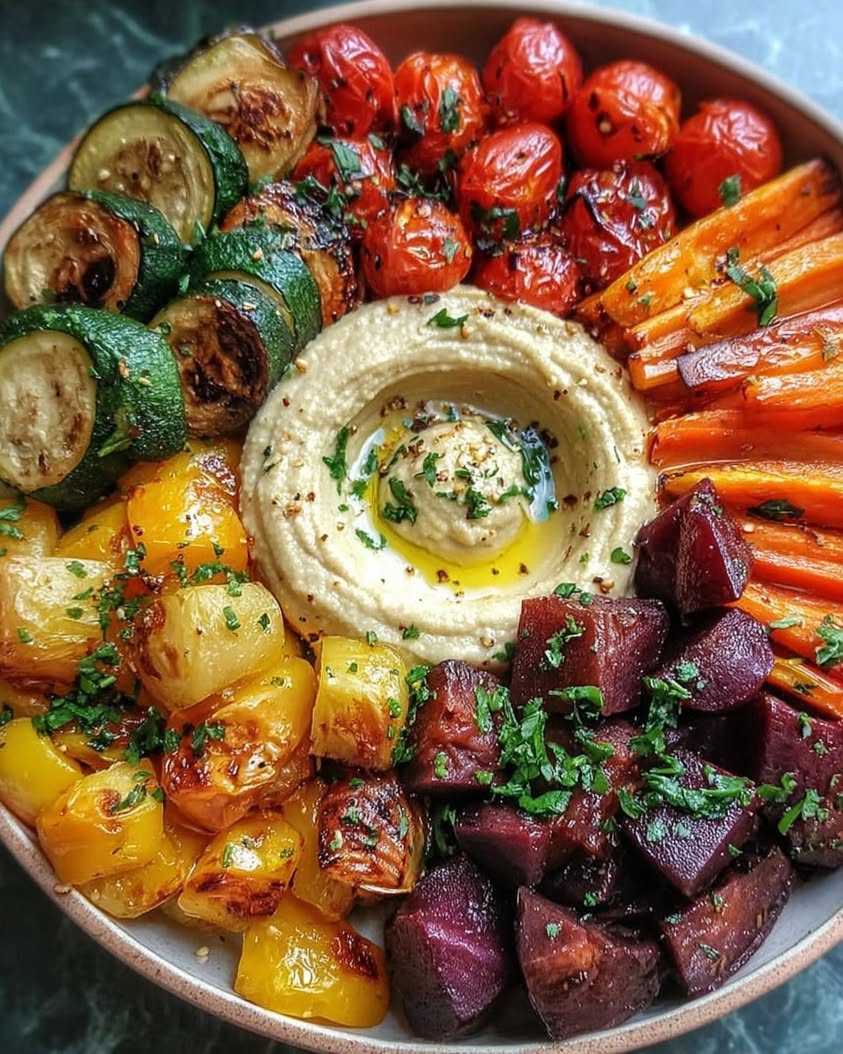
The Ultimate Roasted Veggie and Hummus Bowl Recipe for Easy Lunches
Imagine opening your lunch container to a vibrant, colorful feast that tastes as incredible as it looks. This roasted veggie and hummus bowl recipe delivers exactly that experience. Furthermore, it combines the deep, caramelized sweetness of oven-roasted vegetables with the creamy, savory tang of homemade hummus. Ultimately, it creates a meal that is both deeply satisfying and wonderfully nutritious.
This recipe is a perfect solution for busy weekdays, meal prep Sundays, or whenever you crave a healthy lunch that doesn’t skimp on flavor. The process is wonderfully straightforward. You simply chop your favorite vegetables, toss them with oil and spices, and let the oven work its magic. Meanwhile, you can whip up a quick batch of smooth hummus. The result is a complete, balanced meal packed with fiber, protein, and healthy fats.
Beyond its practicality, this dish is a celebration of texture and color. You get the tender-crisp bite of roasted broccoli, the soft sweetness of cherry tomatoes, and the hearty chew of chickpeas, all brought together by the luxurious hummus. Each component plays a vital role, creating a symphony of flavors in every single bite. This roasted veggie and hummus bowl is more than just food; it’s a feel-good lunch that fuels your body and delights your senses.
Quick Recipe Highlights
- Flavor Profile: This bowl offers a complex harmony of tastes. You experience the savory, earthy depth of roasted vegetables and chickpeas, perfectly balanced by the bright, lemony creaminess of the hummus. Additionally, a sprinkle of fresh herbs adds a final, fragrant note that ties everything together beautifully.
- Texture: The texture contrast is a key highlight. Creamy hummus forms the luxurious base, while the roasted vegetables provide a satisfying mix of tender interiors and slightly crisp edges. The whole chickpeas add a delightful pop, creating a wonderfully dynamic eating experience from start to finish.
- Aroma: As the vegetables roast, your kitchen fills with an irresistible, warm fragrance. The scent of caramelizing onions and garlic mingles with the earthy notes of cumin and paprika. This aromatic promise makes the wait for this healthy lunch absolutely worthwhile.
- Visual Appeal: This dish is a feast for the eyes with its rainbow of colors. The deep green of broccoli, vibrant red of tomatoes, golden brown of chickpeas, and creamy beige of hummus create stunning visual contrast. Consequently, it’s a meal you’ll be excited to eat and proud to share.
- Skill Level Needed: This recipe is ideal for beginners. It requires only basic knife skills for chopping and simple mixing techniques. The roasting process is forgiving, and the hummus comes together in minutes with a food processor or blender. Anyone can achieve delicious, restaurant-quality results with minimal effort.
- Special Equipment: You need very little specialized gear. A good baking sheet, a sharp knife, and a cutting board are essential. For the hummus, a food processor or high-speed blender creates the smoothest texture, but a sturdy fork and some elbow grease can work in a pinch for a more rustic version.
Recipe Overview
- Difficulty Level: We rate this recipe as “Easy” for several important reasons. First, the techniques involved—chopping, tossing, roasting, and blending—are fundamental. Second, the recipe is incredibly forgiving; slightly over or under-roasted vegetables are still delicious. Finally, there’s no precise timing for assembly, allowing you to cook with confidence and ease.
- Category: This dish falls perfectly into multiple meal categories. It is an ideal main course for a light lunch or dinner. Alternatively, it serves as a stellar side dish for grilled proteins. Its components also make it a fantastic candidate for weekly meal prep, ensuring you have healthy options ready all week long.
- Cuisine: While hummus has its roots in Middle Eastern cuisine, this bowl is a modern, global fusion creation. It takes inspiration from Mediterranean flavors—like olive oil, lemon, and garlic—and combines them with a versatile, build-your-own-bowl format popular in contemporary health-focused cooking. The result is a universally appealing dish.
- Cost: This is a remarkably budget-friendly meal. The base ingredients like chickpeas, carrots, and onions are inexpensive pantry staples. Using seasonal vegetables can lower the cost even further. Preparing hummus from scratch, rather than buying it pre-made, offers significant savings while delivering superior flavor and quality.
- Season: This recipe shines year-round due to its adaptability. In summer, use zucchini, bell peppers, and eggplant. During fall and winter, switch to hardier options like sweet potatoes, Brussels sprouts, and cauliflower. The constant is the method: roasting brings out the natural sweetness in any vegetable, making every season the right season for this bowl.
- Occasion: Its versatility makes it suitable for countless occasions. Pack it for a work lunch that will make your colleagues jealous. Serve it as a casual, healthy weeknight dinner. Alternatively, double the recipe and arrange a beautiful spread for a relaxed weekend brunch or gathering with friends. It’s always a crowd-pleaser.
Why You’ll Love This Recipe
First and foremost, the taste and texture of this roasted veggie and hummus bowl are utterly irresistible. The roasting process transforms simple vegetables into sweet, caramelized morsels with complex depth. Paired with the creamy, garlicky hummus, each bite is a perfect balance. You get savory, tangy, and sweet notes all at once. Moreover, the combination of soft, crisp, and creamy textures keeps your palate engaged and satisfied from the first spoonful to the last.
Next, consider the sheer convenience this recipe offers. It requires minimal active cooking time. Once the vegetables are in the oven, you are free to prepare the hummus, set the table, or simply relax. Furthermore, it is a complete meal in one bowl, meaning fewer dishes to wash. This streamlined approach makes healthy eating effortless, even on your busiest days. You can also easily double or triple the quantities for efficient meal prep.
From a nutritional standpoint, this bowl is a powerhouse. It is packed with plant-based protein and fiber from the chickpeas, keeping you full and energized for hours. The variety of vegetables delivers a broad spectrum of vitamins, minerals, and antioxidants. Using healthy fats from olive oil promotes nutrient absorption and supports heart health. This meal proves that eating well can be deeply delicious and profoundly satisfying.
This dish also holds significant social and entertaining value. It is visually stunning and easily customizable for guests with different dietary preferences. You can create a “bowl bar” with separate components, allowing everyone to build their own perfect combination. Consequently, it takes the stress out of hosting. The vibrant colors and fresh flavors are guaranteed to impress, making it a fantastic choice for any casual get-together.
Finally, its cost-effectiveness and accessibility are major wins. You can make a luxurious, restaurant-quality lunch for a fraction of the price. The ingredients are easy to find at any standard grocery store. Additionally, you can adapt the recipe based on what you already have in your fridge, reducing food waste. This roasted veggie and hummus bowl is proof that eating healthy, flavorful food doesn’t require a special trip to the store or a hefty budget.
Historical Background and Cultural Significance
The story of this dish begins with its two core components: hummus and roasted vegetables. Hummus, a spread made from chickpeas, tahini, lemon, and garlic, has ancient roots in the Middle East. Historians trace similar dishes back to 13th-century Egypt. For centuries, it has been a staple across Levantine cuisine, valued for its nutrition, affordability, and delicious flavor. It represents communal eating, often shared from a central plate with warm pita bread.
Roasting vegetables is one of humanity’s oldest cooking methods. However, the modern trend of roasting a medley of vegetables for a grain bowl or salad is a more recent development. It aligns with contemporary health and wellness movements that emphasize whole, plant-based foods. The “bowl” format itself gained massive popularity in the 2010s, inspired by Hawaiian poke bowls and Japanese donburi. It emphasizes balanced, visually appealing meals in a single vessel.
The fusion of these two elements—traditional hummus and modern roasted veggie bowls—creates a beautiful culinary bridge. It respects the deep history of its core ingredients while embracing a current, global style of eating. This recipe is a testament to how food traditions evolve. It takes a classic, beloved preparation and presents it in a new, accessible way that fits modern lifestyles and dietary preferences perfectly.
Regional variations of this concept are endless. In the Eastern Mediterranean, you might find roasted vegetables served with hummus as part of a mezze spread. In California, the same combination forms the heart of a fresh, health-conscious lunch bowl. This global adoption highlights the universal appeal of combining creamy, protein-rich dips with flavorful, charred vegetables. Our specific recipe is a streamlined, weeknight-friendly version of this timeless and borderless idea.
Ingredient Deep Dive
Chickpeas (Garbanzo Beans): Chickpeas are a culinary cornerstone with a history spanning over 7,000 years, first cultivated in the Middle East. They are incredibly nutritious, offering a stellar combination of plant-based protein, dietary fiber, and essential minerals like iron and folate. For the best texture, choose dried chickpeas soaked overnight, but canned chickpeas are a fantastic, convenient alternative. Just be sure to rinse them thoroughly to remove excess sodium. Store dried chickpeas in a cool, dark pantry, and keep canned chickpeas in your cupboard until opened.
Tahini: Tahini is a smooth paste made from toasted, ground sesame seeds and is a non-negotiable ingredient for authentic hummus. It originated in Persia and is rich in healthy fats, calcium, and antioxidants. A good tahini should be pourable and have a deep, nutty aroma without bitterness. Stir the oil back in if it separates. Store an opened jar in the refrigerator to prevent rancidity. If you need a substitute, smooth almond or peanut butter can work in a pinch, though the flavor profile will shift.
Fresh Vegetables (Broccoli, Carrot, Red Onion, Cherry Tomatoes): This colorful vegetable quartet provides texture, sweetness, and vital nutrients. Broccoli and carrots bring crunch and beta-carotene, while red onions caramelize beautifully, adding depth. Cherry tomatoes burst with juicy acidity. Select firm, brightly colored vegetables for the best roasting results. Store them unwashed in your refrigerator’s crisper drawer. You can freely substitute based on seasonality—think zucchini, bell peppers, sweet potato, or cauliflower. The roasting method works magic on almost any vegetable.
Extra Virgin Olive Oil: High-quality extra virgin olive oil is crucial for both roasting and the hummus. It carries a fruity, peppery flavor that defines Mediterranean cuisine. Rich in monounsaturated fats and antioxidants, it’s a heart-healthy choice. Use a robust oil for roasting and a smoother, fruitier one for the hummus dressing. Store it in a cool, dark place away from the stove. For roasting, avocado oil is a good high-heat alternative, but olive oil’s distinct taste is ideal for the final drizzle.
Spices (Cumin, Paprika, Garlic): This spice blend builds the dish’s warm, savory foundation. Cumin adds earthy warmth, paprika provides subtle sweetness and color, and fresh garlic delivers pungent aroma. Toasting whole cumin seeds and grinding them fresh will elevate the flavor immensely. Store spices in airtight containers away from light and heat. For variations, try smoked paprika for a deeper note or add a pinch of cayenne for heat. These spices are not just flavor agents; they also offer various anti-inflammatory benefits.
Common Mistakes to Avoid
- Crowding the Baking Sheet: Overloading your pan is a common error. When vegetables are packed too tightly, they steam instead of roast. This results in soggy, rather than caramelized, veggies. Always use a large enough sheet and spread the pieces in a single layer with space between them for optimal browning and texture.
- Underseasoning the Vegetables: Vegetables need ample seasoning before roasting. A light sprinkle of salt is not enough. Be generous with salt, pepper, and your chosen spices. The seasoning should coat every piece evenly. Remember, some flavor will mellow during cooking, so season confidently to ensure a flavorful final bowl.
- Using Low-Quality or Stale Tahini: The tahini makes or breaks the hummus. Old or poorly made tahini can be unpleasantly bitter. Always taste your tahini before using it. It should be smooth, nutty, and creamy. Investing in a good-quality brand from a Middle Eastern grocery store will dramatically improve your hummus flavor and texture.
- Skipping the Ice Water in Hummus: Adding a few tablespoons of ice-cold water while blending is a pro secret. The cold water helps the tahini and chickpeas emulsify into an unbelievably smooth, light, and creamy consistency. Skipping this step often leads to hummus that is thick, pasty, or grainy, rather than luxuriously smooth.
- Not Preheating the Oven: Placing vegetables in a cold oven drastically changes the cooking process. A properly preheated oven ensures immediate searing, which locks in flavor and creates those desirable crispy edges. Always allow your oven to fully reach the specified temperature, which usually takes about 15-20 minutes, before adding your baking sheet.
- Neglecting to Toss the Vegetables Midway: For even cooking and browning, you must toss or flip the vegetables about halfway through the roasting time. This simple step prevents burning on one side and ensures all pieces cook uniformly. Set a timer as a reminder to give the pan a good shake or stir.
- Overprocessing the Hummus: While blending is key for smoothness, going too long can overheat the mixture and make the hummus gluey. Blend in short pulses until smooth, frequently scraping down the sides. The goal is a creamy puree, not a warm, gummy paste.
- Forgetting the Acid Balance: Both the roasted veggies and the hummus need a bright acid component. For the vegetables, a squeeze of lemon after roasting lifts all the flavors. In the hummus, enough fresh lemon juice is critical to cut through the richness of the tahini and oil. Taste and adjust until the flavor sings.
Essential Techniques
Uniform Chopping: Cutting your vegetables into consistent sizes is the most important step for even roasting. Pieces that are too large will remain hard inside while smaller pieces burn. Aim for bite-sized chunks, about 1 to 1.5 inches. This ensures every piece of carrot, broccoli, and onion cooks at the same rate, giving you a perfect mix of tender interiors and caramelized edges in every bite.
High-Heat Roasting: Roasting at a high temperature, typically between 400°F and 425°F, is essential. This high heat quickly caramelizes the natural sugars on the surface of the vegetables, creating complex, sweet, and savory flavors. It also evaporates surface moisture rapidly, leading to a desirable crispy texture instead of a steamed, soggy one. A hot oven is the engine that transforms simple veggies into the star of your bowl.
Emulsifying Hummus: Creating a smooth, creamy hummus relies on proper emulsification. This means blending the tahini and lemon juice first until thick and pale, a step that builds a stable base. Then, adding the chickpeas and oil slowly while the processor runs allows everything to combine into a homogeneous, silky spread. The final addition of ice water loosens the mixture to a perfect, scoopable consistency.
Seasoning in Layers: Great flavor comes from seasoning at multiple stages. Season the vegetables generously with salt and spices before they go in the oven. Season the hummus base with salt, cumin, and garlic as you blend it. Finally, finish the assembled bowl with a final pinch of flaky salt, a drizzle of oil, and a squeeze of fresh lemon. This layered approach builds depth and ensures every component is perfectly seasoned.
Pro Tips for Perfect Roasted Veggie and Hummus Bowl
First, pat your chopped vegetables completely dry with a clean kitchen towel before tossing them with oil. Any excess water will steam the veggies, preventing that crucial crispy, caramelized exterior you’re after. Dry vegetables roast better, every single time.
For the hummus, always reserve some of the liquid from the can of chickpeas, known as aquafaba. Adding a tablespoon or two of this starchy water while blending can make your hummus incredibly light, fluffy, and smooth, acting as a magical emulsifier.
Don’t be afraid to mix vegetable types with similar cooking times on the same pan, but consider cutting denser vegetables, like carrots, slightly smaller than quicker-cooking ones, like broccoli florets, to ensure everything finishes at the same moment.
Let your roasted vegetables rest for a few minutes after taking them out of the oven. This allows them to firm up slightly and makes them easier to handle and arrange in your bowl without falling apart. It also lets the flavors settle.
Toast your spices. If using whole cumin seeds, toast them in a dry skillet for 30-60 seconds until fragrant before grinding. This simple step unlocks exponentially more flavor and aroma, adding a professional touch to both the veggies and the hummus.
Garnish with intention. A final sprinkle of fresh herbs like parsley or cilantro, a dusting of paprika or sumac, and a drizzle of good olive oil don’t just look pretty. They add fresh flavor, color contrast, and a final layer of richness that elevates the entire dish.
If meal prepping, store the hummus and roasted vegetables in separate airtight containers. Combine them only when you’re ready to eat. This prevents the vegetables from becoming soggy and keeps the hummus’s texture perfect for up to four days.
For an extra flavor boost, add a whole, unpeeled garlic clove or two to the sheet pan with your vegetables. The roasted garlic becomes sweet, spreadable, and can be squeezed right into your hummus or onto your veggies for a deep, mellow garlic flavor.
Variations and Adaptations
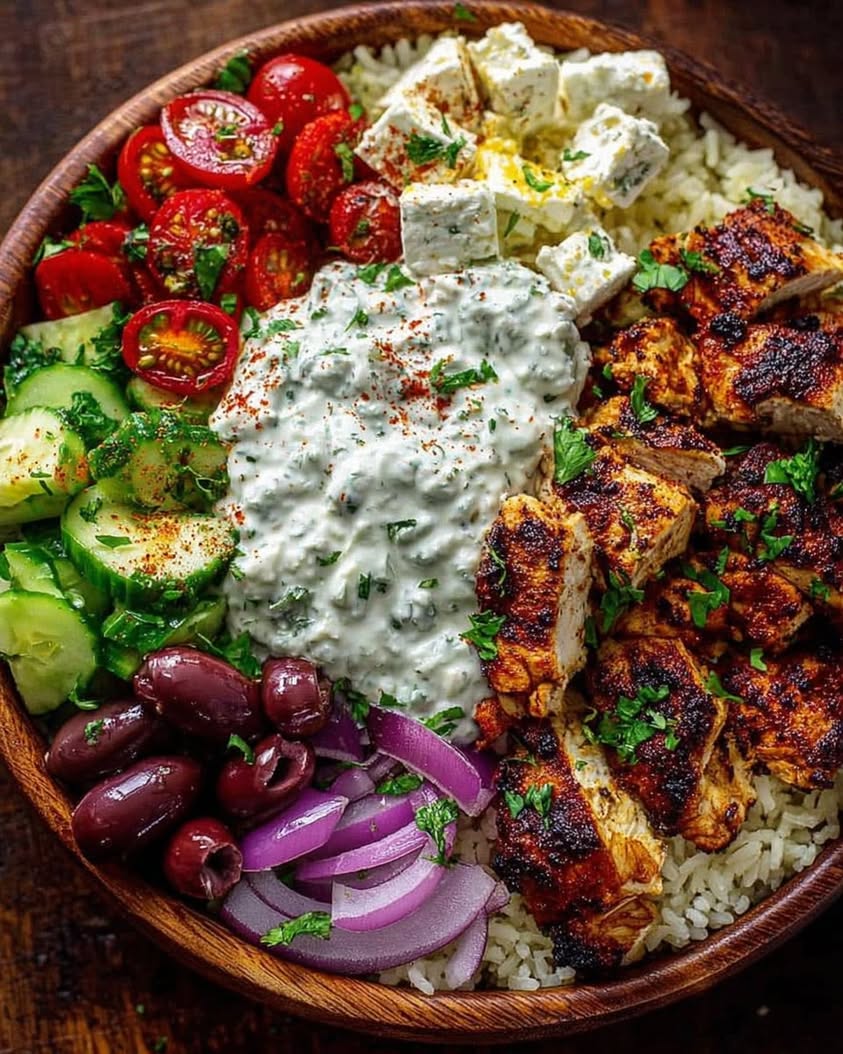
Regional Variations: Travel the world from your kitchen by tweaking the spices. For a Moroccan twist, add ras el hanout to the veggies and preserved lemon to the hummus. For a Greek version, use oregano and lemon zest on the vegetables and serve the hummus with kalamata olives and cucumber. An Indian-inspired bowl could feature curry powder-roasted veggies and a hummus flavored with turmeric and ginger.
Seasonal Adaptations: Embrace what’s fresh. In spring, use asparagus, radishes, and fresh peas. Summer calls for zucchini, eggplant, and bell peppers. Fall is perfect for cubed butternut squash, Brussels sprouts, and beets. In winter, rely on sturdy cauliflower, sweet potatoes, and parsnips. The roasting method works beautifully for all, making this a perennial favorite.
Dietary Modifications: This bowl is naturally vegetarian and easily made vegan. For a gluten-free meal, ensure your tahini and spices are certified GF and serve with gluten-free crackers or more veggies instead of pita. To lower the carbs, increase the ratio of non-starchy vegetables like broccoli and peppers, and be mindful of the carrot portion.
Flavor Variations: Experiment with different hummus flavors. Blend in roasted red peppers, a handful of fresh herbs like basil or dill, a spoonful of harissa paste for heat, or some sun-dried tomatoes for tangy sweetness. Each variation creates a completely new bowl experience with the same roasted vegetable base.
Texture Modifications: Love crunch? Top your bowl with toasted pine nuts, pumpkin seeds, or crispy chickpeas. Prefer extra creaminess? Add a dollop of Greek yogurt or tzatziki alongside the hummus. For a heartier bowl, mix in a scoop of cooked quinoa, farro, or brown rice before adding the roasted vegetables.
Presentation Alternatives: Instead of a bowl, serve the components as a vibrant platter for sharing. Spread the hummus thickly on a large plate, artfully arrange the roasted vegetables on top, and drizzle generously with olive oil. This “deconstructed” style is perfect for entertaining and allows guests to scoop as they please.
Serving and Presentation Guide
Start your plating with the hummus. Using the back of a spoon, swipe a generous layer across the bottom of a wide, shallow bowl. This creates a flavorful base and a beautiful canvas. Creating swirls in the hummus not only looks professional but also creates pockets to catch garnishes and olive oil.
Arrange the roasted vegetables thoughtfully over the hummus. Group them by color or type for a organized, artful look, or mix them together for a more rustic, hearty appearance. Leave some of the creamy hummus visible around the edges for contrast. The goal is to make the bowl look abundant and inviting.
Garnishing is the final, crucial step. A bright green sprinkle of fresh chopped parsley, cilantro, or dill adds life. A dusting of paprika or sumac provides a pop of color and earthy flavor. A final drizzle of your best extra virgin olive oil adds sheen and richness. Don’t forget a wedge of lemon on the side for a fresh squeeze.
For traditional accompaniments, warm pita bread or pita chips are classic for scooping. For a modern, low-carb option, serve with endive leaves, cucumber slices, or carrot sticks for dipping. A side of mixed olives or a simple feta cheese crumble can also complement the Mediterranean flavors beautifully.
Consider temperature for optimal enjoyment. This bowl is best served with the roasted vegetables still slightly warm or at room temperature, and the hummus cool from the fridge. The contrast between the warm, savory veggies and the cool, creamy hummus is part of the magic. Avoid serving the vegetables piping hot, as they can make the hummus too runny.
Portion control is intuitive with this dish. A good rule is to aim for about one to one and a half cups of roasted vegetables per person, along with a half-cup serving of hummus. This provides a satisfying, balanced meal. For a lighter snack or side, simply reduce the amounts proportionally. The beauty of a bowl is its built-in portion guide.
Wine and Beverage Pairing
For wine pairings, focus on whites and rosés that complement the earthy, creamy elements without overpowering them. A crisp, dry Sauvignon Blanc with its herbal notes cuts beautifully through the richness of the hummus. Alternatively, a Grenache-based rosé from Provence offers bright acidity and red fruit flavors that harmonize with the roasted vegetables. A light-bodied, citrusy Pinot Grigio is another excellent, versatile choice that won’t clash with the garlic and lemon.
Non-alcoholic alternatives offer just as much pairing pleasure. Sparkling water with a squeeze of lemon or lime cleanses the palate between bites. A tart, unsweetened pomegranate juice mirrors the earthy sweetness of the beets and carrots. For a creamy counterpoint, a cool, glass of mint-infused iced tea or a lightly sweetened ginger beer provides refreshing contrast to the savory bowl.
While not a typical pairing, certain teas can work wonderfully after the meal. A cup of peppermint tea aids digestion, which is perfect after a fiber-rich meal. A light, floral green tea can be a soothing, palate-cleansing finish. Avoid heavy, tannic black teas immediately after eating, as they might compete with the complex flavors of the dish.
Temperature is key for beverages. Serve white wines and rosés well-chilled, between 45-55°F. Non-alcoholic sparkling drinks should be ice-cold. This contrast between the cool drink and the room-temperature or slightly warm bowl is refreshing and highlights the different flavors in both the food and the beverage.
Ultimately, keep serving suggestions simple. Pour wine into appropriate stemware to appreciate its aroma. Serve sparkling waters in tall glasses with plenty of ice. The goal is to choose a drink that acts as a refreshing complement, not a distraction, to the star of the show: your delicious roasted veggie and hummus bowl.
Storage and Shelf Life
For optimal storage, keep the hummus and roasted vegetables in separate airtight containers. This is the single most important rule. Storing them together will cause the vegetables to release steam and moisture, making the hummus watery and the veggies soggy. Glass containers with tight-fitting lids are ideal for both freshness and visibility.
Refrigerate both components promptly. The hummus will stay fresh for up to 4-5 days when stored properly. The roasted vegetables are best consumed within 3-4 days for optimal texture and flavor. Always place them in the coldest part of your refrigerator, not in the door, to maintain a consistent temperature.
Look for clear signs of spoilage before eating leftovers. For hummus, watch for an off smell, a sour taste, or any signs of mold, which can appear as fuzzy spots. For vegetables, discard them if they develop an unpleasant odor, become excessively slimy, or show visible mold. When in doubt, it’s safest to throw it out.
Reheating instructions are simple but important. To reheat the roasted vegetables, spread them on a baking sheet and warm them in a 350°F oven for 5-10 minutes, or until heated through. This method helps restore some crispness. You can also use an air fryer for a few minutes. Avoid microwaving, as it will make them soft and soggy. The hummus should be served cold or at room temperature; do not reheat it.
Freezing is possible but with caveats. You can freeze hummus for up to 4 months, though the texture may become slightly grainy upon thawing. Stir it well after defrosting. Roasted vegetables can be frozen, but they will lose their pleasing texture and become quite soft, making them better suited for soups or stews after freezing. For best quality, enjoy this bowl fresh or from the fridge.
Make Ahead Strategies
You can successfully prep this entire bowl up to three days in advance with smart planning. The key is a staged approach. First, prepare the hummus and store it in an airtight container in the fridge. The flavors actually meld and improve over 24 hours. Next, wash and chop all your vegetables. You can store the chopped, dry veggies in a sealed container or zip-top bag in the fridge for 1-2 days before roasting.
For the best quality, roast the vegetables no more than one day before you plan to eat the bowl. After roasting, let them cool completely on the baking sheet to stop the cooking process. Then, transfer them to a storage container without sealing it tightly until they reach refrigerator temperature. This prevents condensation from making them soggy.
Assemble your bowls just before serving or eating. If you are meal prepping for lunches, assemble individual portions in containers the morning you plan to eat them, or even the night before. Keep any wet garnishes, like lemon wedges, in a separate small bag or container to add at the last minute to prevent sogginess.
When you’re ready to eat a pre-assembled bowl, you have a couple of options. You can eat it cold straight from the fridge, which is still delicious. For a better experience, let it sit at room temperature for 10-15 minutes to take the chill off. If possible, remove the cold vegetables and give them a quick warm-up in a toaster oven or air fryer before placing them back on the cold hummus for a pleasant temperature contrast.
For fresh element additions, always add delicate herbs, a final drizzle of oil, a sprinkle of seeds, or a squeeze of lemon juice right before serving. These “finishing touches” don’t hold up well in the fridge and are responsible for the bright, fresh flavors that make the bowl taste newly made, even on day three.
Scaling Instructions
Halving this recipe for a single serving is straightforward. Simply divide all ingredient quantities by two. Use a smaller baking sheet or quarter sheet pan for roasting to prevent the veggies from drying out. The hummus can still be made in a full-sized food processor; you may just need to stop and scrape down the sides more frequently. Cooking times may be slightly shorter, so start checking for doneness around the 15-minute mark.
Doubling or tripling the recipe for a crowd is easy. Multiply all ingredients consistently. The main consideration is roasting space. Use multiple baking sheets and rotate them between oven racks halfway through cooking to ensure even browning. You may need to roast in batches. For the hummus, you can make a large batch in a standard food processor by blending in two stages if needed, then combining them at the end.
Equipment adjustments are crucial when scaling. For larger vegetable quantities, ensure you have enough large baking sheets and oven space. For very large batches of hummus, a high-powered blender may be more effective than a standard food processor. Always taste and adjust seasoning at the end when scaling, as spice perception can change with volume.
Timing modifications are minimal. The roasting time for vegetables may increase slightly when the pans are very full, as the added moisture can slow browning. Add 5-10 minutes and rely on visual cues—golden brown edges and tender flesh—rather than strict timer adherence. Hummus blending time remains largely the same regardless of batch size.
Storage considerations change with scale. A large batch of hummus will stay fresh just as long as a small one if kept in a clean, airtight container. For large amounts of roasted veggies, spread them out on a tray to cool completely before transferring to storage containers to avoid steaming and sogginess. Consider freezing portions of hummus if you’ve made a very large batch.
Nutritional Deep Dive
This bowl provides an excellent macronutrient balance. The chickpeas in the hummus are a fantastic source of plant-based protein and complex carbohydrates, offering sustained energy. The olive oil and tahini contribute healthy monounsaturated and polyunsaturated fats, which are crucial for nutrient absorption and satiety. The vegetables add minimal calories but significant volume and fiber, making this a filling meal that supports stable blood sugar levels.
Micronutrient analysis reveals a wealth of vitamins and minerals. You get vitamin C from broccoli and tomatoes, vitamin A from carrots, and a range of B vitamins from the chickpeas. The tahini and leafy green garnishes provide calcium and iron. The garlic and onions offer beneficial sulfur compounds and antioxidants. This diverse nutrient profile supports immune function, eye health, bone strength, and overall cellular protection.
The combined health benefits are substantial. The high fiber content promotes digestive health and feeds beneficial gut bacteria. The healthy fats support heart health and reduce inflammation. The antioxidants combat oxidative stress. Furthermore, this meal is naturally cholesterol-free and low in saturated fat. Regularly eating meals like this can contribute to weight management, improved energy levels, and reduced risk of chronic disease.
For specific dietary considerations, this bowl is naturally vegetarian, vegan, and gluten-free (with verified ingredients). It is also dairy-free and soy-free. The main considerations would be for low-carb or keto diets, due to the carb content from chickpeas and carrots. For a lower-carb version, you could increase the non-starchy vegetables and slightly reduce the portion of hummus or use it as a condiment rather than a base.
Portion analysis shows one serving provides a satisfying meal for most adults. If you are very active, you might add a side of whole-grain pita or a scoop of quinoa. For weight management, this bowl is ideal as its high fiber and protein content promote fullness with a moderate calorie load. Paying attention to the amount of olive oil used is the easiest way to adjust the calorie content up or down based on your personal goals.
Dietary Adaptations
Gluten-Free: This recipe is naturally gluten-free, but vigilance is key. Always check labels on your tahini, spices, and canned chickpeas to ensure they are processed in a certified gluten-free facility. Serve with gluten-free crackers, rice cakes, or simply more fresh vegetables for dipping instead of traditional pita bread.
Dairy-Free: The standard recipe contains no dairy whatsoever. The creaminess comes entirely from blended chickpeas and tahini. This makes it a perfect choice for those avoiding dairy due to lactose intolerance, allergy, or personal preference. No substitutions are needed.
Vegan: This dish is inherently vegan. All ingredients are plant-based. To maintain its vegan status, simply ensure any garnishes or sides you choose, like bread or crackers, are also made without animal products like butter, milk, or honey.
Low-Carb/Keto: For a keto-friendly version, significantly reduce or omit the carrots and chickpeas. Focus on roasting low-carb vegetables like cauliflower, broccoli, zucchini, and bell peppers. Replace the hummus base with a fatty dip like mashed avocado mixed with tahini and lemon, or a “hummus” made from steamed cauliflower instead of chickpeas.
Paleo: Traditional hummus is not Paleo due to the legumes (chickpeas). Create a Paleo-compliant “hummus” by using steamed zucchini or cauliflower as the base, blended with tahini (sesame seeds are generally accepted), lemon, garlic, and olive oil. Roast a variety of approved vegetables like sweet potatoes, Brussels sprouts, and onions to serve on top.
Low-FODMAP: For a Low-FODMAP adaptation, omit garlic and onion entirely. Use garlic-infused olive oil for flavor instead. Limit chickpeas to a 1/4 cup canned, drained and rinsed portion per serving. Choose low-FODMAP vegetables like carrots, bell pepper, zucchini, and cherry tomatoes (limit to 1-2 per serving). Ensure the tahini is pure sesame with no added high-FODMAP ingredients.
Nut-Free: The recipe is nut-free as written, using sesame Print
Roasted Veggie and Hummus Bowl
- Total Time: 45 minutes
- Yield: 4
Description
A vibrant and healthy bowl featuring roasted seasonal vegetables, creamy hummus, and fresh herbs, perfect for a quick lunch or dinner.
Ingredients
- 2 cups mixed vegetables (e.g., bell peppers, zucchini, carrots, broccoli), chopped
- 2 tablespoons olive oil
- 1 teaspoon garlic powder
- 1 teaspoon paprika
- Salt and black pepper to taste
- 1 cup hummus (store-bought or homemade)
- 1/2 cup cooked quinoa or brown rice
- Fresh parsley or cilantro for garnish
- Lemon wedges for serving
Instructions
- Preheat the oven to 400°F (200°C). Toss the chopped vegetables with olive oil, garlic powder, paprika, salt, and pepper on a baking sheet.
- Roast the vegetables for 20-25 minutes, stirring halfway, until tender and slightly charred.
- While the vegetables roast, prepare the quinoa or brown rice according to package instructions if not already cooked.
- Assemble the bowls by dividing the quinoa or rice among four bowls, topping with roasted vegetables and a generous scoop of hummus.
- Garnish with fresh herbs and serve with lemon wedges on the side.
Notes
You can customize the seasonings to taste.
- Prep Time: 15 minutes
- Cook Time: 30 minutes
- Method: Main
- Cuisine: American