Whipped Feta with Roasted Strawberries: A Sweet and Savor Appetizer
Imagine a dish that perfectly balances creamy, salty, and tangy flavors with the deep, jammy sweetness of caramelized fruit. This whipped feta with roasted strawberries is exactly that kind of culinary magic. Consequently, it has become a favorite for entertaining and simple, elegant snacking. The process transforms humble ingredients into a stunning spread that feels both rustic and refined. Ultimately, it is a versatile appetizer that promises to impress your guests with minimal effort.
The beauty of this recipe lies in its stunning contrast. You start with a base of luxuriously smooth and tangy whipped feta cheese. Then, you top it with warm, roasted strawberries that have intensified in flavor. The berries release their natural sugars in the oven, creating a syrup that mingles with balsamic vinegar and herbs. As a result, every bite offers a complex dance of savory and sweet notes. This dish is a true celebration of seasonal produce and simple, impactful cooking techniques.
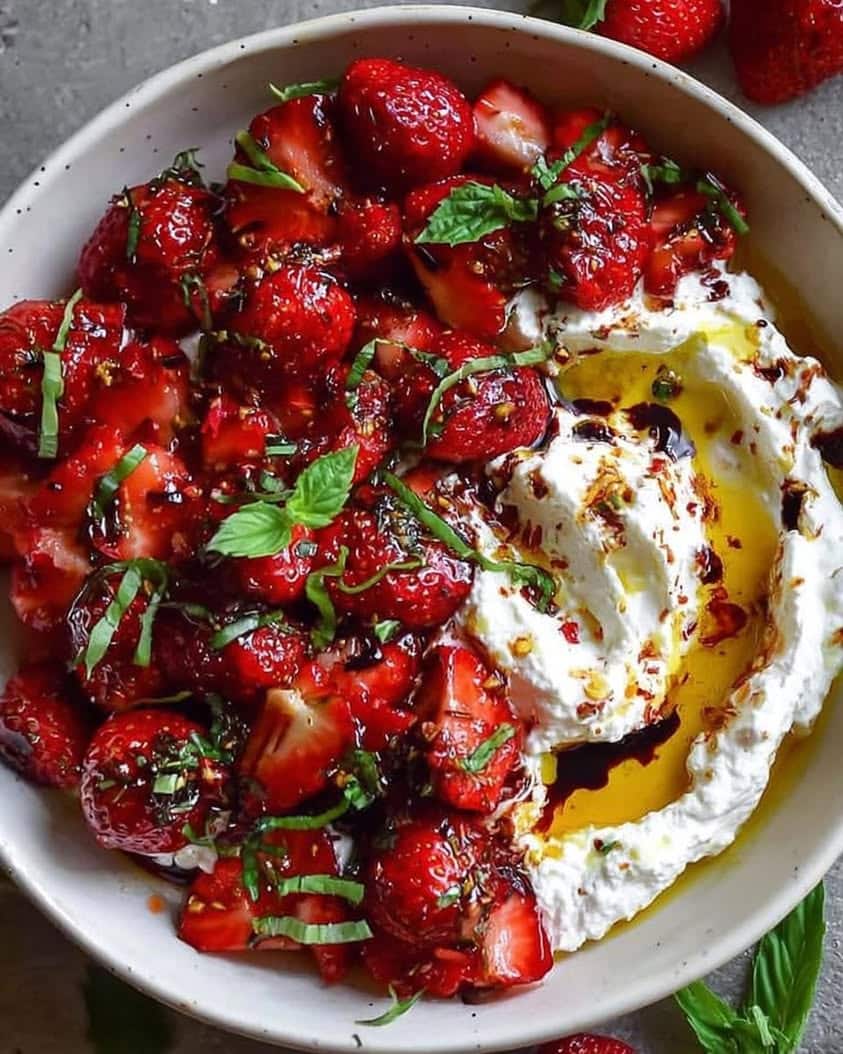
Furthermore, this whipped feta with roasted strawberries is incredibly adaptable. You can serve it with crusty bread, crisp crackers, or fresh vegetable crudités. It works beautifully as a starter for a dinner party, a centerpiece for a brunch board, or even a unique condiment for grilled meats. The visual appeal is undeniable, with the vibrant red strawberries cascading over the snowy white cheese. This recipe proves that the most memorable dishes are often the simplest ones to prepare.
Quick Recipe Highlights
- Flavor Profile: This dish masterfully combines the salty, tangy punch of feta cheese with the concentrated, caramelized sweetness of roasted strawberries. A hint of balsamic vinegar adds a pleasant acidity, while fresh thyme contributes an earthy, aromatic note. The overall taste is complex, sophisticated, and utterly addictive.
- Texture: The texture is a delightful study in contrasts. The feta becomes impossibly light, airy, and spreadable after whipping. Conversely, the roasted strawberries soften but retain a slight bite, swimming in a thick, syrupy glaze. Together, they create a luxurious mouthfeel that is both creamy and juicy.
- Aroma: While roasting, the kitchen fills with the incredible scent of sweet berries and woody thyme. The balsamic vinegar reduces slightly, adding a rich, caramelized note to the air. When combined with the sharp, briny aroma of the feta, the overall fragrance is deeply inviting and savory.
- Visual Appeal: This appetizer is a feast for the eyes. The bright white, cloud-like whipped feta provides a perfect canvas for the glossy, deep-red strawberries and their ruby syrup. A final drizzle of olive oil and a sprinkle of fresh herbs create a restaurant-worthy presentation that is rustic yet elegant.
- Skill Level Needed: This is a beginner-friendly recipe requiring no advanced techniques. The primary skills are simple knife work for hulling strawberries and operating a food processor or blender. Roasting is a hands-off process, making this an ideal recipe for new cooks or anyone seeking a stress-free, impressive dish.
- Special Equipment: You only need a baking sheet, a food processor or high-powered blender, and a mixing bowl. Parchment paper for the baking sheet is helpful for easy cleanup. A microplane for zesting the optional lemon is useful but not essential.
Recipe Overview
- Difficulty Level: We classify this whipped feta with roasted strawberries recipe as easy. The steps are straightforward and sequential without any complicated techniques. You simply prepare the strawberries, roast them, and blend the feta. There is no fussy timing or precision required, making it very forgiving for cooks of all levels.
- Category: This dish falls primarily into the appetizer and snack category. It is perfect for starting a meal or as part of a grazing board. Additionally, it can function as a unique brunch item, a flavorful sandwich spread, or even a sophisticated topping for crostini at a cocktail party. Its versatility is a key part of its appeal.
- Cuisine: While not tied to one specific tradition, the recipe draws inspiration from Mediterranean and modern American fusion cuisine. Feta cheese is a staple of Greek cooking, and the technique of roasting fruit with balsamic has Italian roots. The combination, however, feels fresh, contemporary, and designed for today’s palate.
- Cost: This is a very cost-effective appetizer. A block of feta cheese and a pint of strawberries are relatively inexpensive, especially when strawberries are in season. The other ingredients—olive oil, balsamic, honey, and herbs—are pantry staples for many. Therefore, you can create a luxurious-tasting dish without a luxurious price tag.
- Season: Late spring and early summer are the prime seasons for this recipe when strawberries are at their peak flavor and most affordable. However, you can make it year-round with good-quality grocery store berries. Roasting intensifies the flavor of less-perfect off-season strawberries, making this a versatile dish for any month.
- Occasion: This whipped feta is perfect for casual gatherings, holiday parties, bridal or baby showers, and romantic date nights at home. It is elegant enough for formal entertaining yet simple enough for a weekend treat. It is also an excellent contribution to potlucks, as it travels well and stands out on any table.
Why You’ll Love This Recipe
First and foremost, the taste and texture of this whipped feta with roasted strawberries are simply unforgettable. The creamy, salty cheese base provides a rich foundation that perfectly offsets the jammy, sweet-tart fruit. Each component enhances the other, creating a harmonious blend that is greater than the sum of its parts. Moreover, the contrast between the light, fluffy feta and the syrupy berries is a textural delight. You will find yourself reaching for just one more cracker, again and again, because the flavor combination is so moreish and satisfying.
From a practical standpoint, the convenience of this recipe is a major win. The active prep time is under ten minutes, and the oven does most of the work. You can easily prepare the components ahead of time and assemble them just before serving. This makes it a lifesaver for hosts who want to spend time with guests rather than stuck in the kitchen. Furthermore, it uses minimal dishes—a baking sheet, a food processor, and a bowl—which means cleanup is a breeze.
Nutritionally, this appetizer offers some surprising benefits. Feta cheese is a good source of calcium and protein, and it is typically lower in fat than many creamy cheeses. Strawberries are packed with vitamin C, antioxidants, and fiber. When you choose whole-grain crackers or fresh vegetables for dipping, you add even more nutritional value. Consequently, this feels like an indulgent treat that also provides genuine nourishment, which is always a bonus.
The social and entertaining value of this dish is incredibly high. It is a guaranteed conversation starter due to its beautiful presentation and unique flavor profile. It encourages sharing and interaction as guests gather around the board to scoop up the delicious spread. Serving something this visually impressive shows care and thoughtfulness, making your guests feel special. It is a simple way to elevate any gathering from ordinary to memorable.
Finally, this whipped feta with roasted strawberries is wonderfully cost-effective and accessible. You do not need any rare or expensive ingredients. The recipe is highly adaptable based on what you have on hand; for instance, you can use different herbs or a different type of vinegar. This accessibility means anyone can make it, regardless of their cooking experience or budget. It delivers gourmet results with grocery store ingredients, which is the hallmark of a truly great recipe.
Historical Background and Cultural Significance
The story of this dish begins with its two core components, each with a deep history. Feta cheese, a brined curd cheese, has been produced in Greece for thousands of years. In fact, it is often considered one of the oldest cheeses in the world. Its name, “feta,” derives from the Italian word “fetta,” meaning slice, which speaks to how it is traditionally cut and served. Protected by EU law, true feta must come from specific regions of Greece and be made primarily from sheep’s milk, sometimes with added goat’s milk. This cheese was a practical way to preserve milk nutrients and has been a dietary staple in the Balkans and Eastern Mediterranean for centuries.
Meanwhile, the cultivation of strawberries has a global history. While the small, wild European strawberry has been eaten since Roman times, the large, juicy berry we know today is a hybrid developed in 18th-century France. Roasting fruit is an ancient technique used to concentrate flavor and sweetness, especially before the widespread availability of refined sugar. The practice of pairing cheese with fruit is also timeless, seen in everything from Italian figs with pecorino to British apple pie with cheddar. This recipe sits at the intersection of these long, delicious traditions.
The specific combination of whipped feta and roasted fruit is a more modern innovation, likely born from the contemporary food movement that celebrates bold flavors and simple, quality ingredients. The technique of whipping feta to create a smooth, spreadable dip gained popularity in recent decades, often paired with ingredients like honey, chili, or herbs. Adding roasted strawberries is a natural, seasonal progression of this idea. It reflects a current culinary preference for balancing savory and sweet elements in unexpected ways, moving beyond the classic cheese board into composed, shareable appetizers.
Regionally, you can find countless variations on this theme. In the Eastern Mediterranean, you might find feta served with preserved figs or quince paste. In American restaurants, chefs often pair whipped goat cheese with roasted cherries or peaches. This recipe for whipped feta with roasted strawberries borrows from these influences but carves its own niche. It is a testament to how global food traditions can merge and evolve in home kitchens, creating new classics that feel both familiar and excitingly novel.
Ingredient Deep Dive
Feta Cheese: Authentic Greek feta is made from at least 70% sheep’s milk, blended with goat’s milk. This combination gives it a distinctive tangy, salty, and slightly earthy flavor with a crumbly yet creamy texture. Nutritionally, it is a good source of calcium, protein, and vitamins B2 and B12. Importantly, it is lower in fat than many soft cheeses. For the best results in whipping, choose a block of feta packed in brine, not pre-crumbled. The brine keeps it moist and flavorful. Store an opened block in its brine in the refrigerator for up to a week. For a milder taste, you can briefly soak the feta in cold water or milk before whipping.
Fresh Strawberries: Strawberries are not true berries but aggregate accessory fruits, with the seeds on the outside. They are renowned for their high vitamin C content, even surpassing oranges per serving. They also provide manganese, folate, potassium, and powerful antioxidants like anthocyanins, which give them their red color. When selecting strawberries, look for firm, bright red berries with fresh green caps. Avoid containers with stains or mushy berries. For roasting, size is less important than flavor. Store unwashed strawberries in a single layer on a paper towel in the refrigerator for a few days. Wash and hull them only just before using.
Balsamic Vinegar: True traditional balsamic vinegar, Aceto Balsamico Tradizionale, is a protected product from Modena or Reggio Emilia, Italy, aged for years in wooden casks. For cooking, a good-quality “condimento” or “balsamic vinegar of Modena” is perfect. It adds a complex sweetness and acidity that balances the cheese and fruit. The acetic acid can help with blood sugar control, and the vinegar contains antioxidants. A thicker, aged balsamic will yield a richer, sweeter syrup. Store balsamic in a cool, dark place. If you do not have balsamic, a reduction of red wine vinegar with a touch of honey makes a suitable substitute.
Honey: Honey has been used as a sweetener and medicine for millennia. In this recipe, it encourages the strawberries to caramelize and adds a floral depth to the syrup. Raw honey contains trace enzymes, antioxidants, and vitamins. Its flavor varies dramatically based on the flowers the bees visited. For this recipe, a mild, light honey like clover or orange blossom works well, allowing the strawberry flavor to shine. For a vegan version, maple syrup or agave nectar are excellent substitutes. Store honey at room temperature to prevent crystallization.
Fresh Thyme: This woody, aromatic herb is a classic pairing with both fruit and cheese. Its subtle minty, lemony flavor complements the strawberries without overpowering them. Thyme contains thymol, a compound with antioxidant properties. Always choose fresh thyme over dried for this recipe, as the dried herb cannot replicate the bright, earthy note. To store, wrap fresh thyme sprigs in a damp paper towel and place them in a sealed bag in the refrigerator. Rosemary or oregano can work as bold alternatives, but use them sparingly.
Common Mistakes to Avoid
- Using Pre-Crumbled Feta: Pre-crumbled feta often contains anti-caking agents that can make your whipped feta grainy and dry. Always start with a solid block of feta packed in brine for the creamiest, smoothest texture.
- Overcrowding the Baking Sheet: If you pile the strawberries on top of each other, they will steam instead of roast. For proper caramelization, spread them in a single layer with a little space between each piece.
- Skipping the Hulling Step: The strawberry hull (the green stem and core) is tough and bitter. Taking the time to fully remove it with a paring knife or huller ensures every piece of roasted strawberry is tender and pleasant to eat.
- Whipping Cold Feta: Taking your feta straight from the fridge to the food processor can result in a clumpy blend. Let the cheese sit at room temperature for 15-20 minutes beforehand to soften slightly for optimal smoothness.
- Over-Roasting the Strawberries: Roasting for too long can turn your strawberries into leathery chips. You want them softened and juicy, with a thickened syrup. Watch them closely in the last five minutes of cooking.
- Not Tasting Before Serving: Feta brands vary in saltiness. After whipping, always taste your feta spread. You can adjust with a pinch of black pepper, a drizzle of olive oil, or a squeeze of lemon juice to balance the flavors perfectly.
- Adding the Strawberries While Hot: Placing piping hot strawberries and syrup directly onto the whipped feta can cause the cheese to melt and become oily. Let the roasted strawberries cool for at least 10-15 minutes to warm rather than hot.
- Using a Weak Blender: A small, low-powered blender might struggle to break down the firm feta cheese. A food processor is ideal, but a high-powered blender also works. If using a regular blender, you may need to stop and scrape down the sides frequently.
Essential Techniques
Roasting Fruit: Roasting strawberries is a transformative technique that intensifies their natural sugars and deepens their flavor. The dry heat of the oven causes the water in the berries to evaporate, concentrating their taste. Simultaneously, the sugars caramelize, creating complex, rich notes and a beautiful syrup. The key is to use a high enough temperature (400°F is perfect) to get some browning without burning the delicate fruit. Tossing the berries in honey and balsamic vinegar before roasting adds another layer of flavor and aids in creating a glossy, thick sauce. The visual cue for success is softened berries swimming in a bubbling, reduced syrup.
Whipping Cheese: Whipping feta changes its texture from crumbly and dense to light, airy, and spreadable. This is achieved by breaking down the cheese’s protein structure with the mechanical force of a food processor blade. Adding a liquid, like olive oil or a touch of the feta brine, is crucial. This liquid helps emulsify the mixture, creating a smooth, homogenous spread instead of a pasty clump. The technique’s importance lies in creating a luxurious base that can be easily scooped onto bread. The pitfall is under-processing; blend until completely smooth, stopping to scrape the sides as needed.
Balancing Sweet and Savory: This recipe is a masterclass in balancing flavor profiles. The technique involves layering and adjusting. The savory element comes from the salty, tangy feta. The sweet element comes from the strawberries and honey. The acidic counterpoint comes from the balsamic vinegar. The goal is for no single note to dominate. After preparing each component, taste them separately and together. You can fine-tune by adding a pinch of flaky salt to the strawberries or a crack of black pepper to the feta. Success is achieved when each bite is a harmonious blend that keeps you coming back for more.
Pro Tips for Perfect Whipped Feta with Roasted Strawberries
For an extra-smooth whipped feta, add a tablespoon of full-fat Greek yogurt, cream cheese, or ricotta to the food processor. This adds richness and guarantees a silky texture.
Enhance the flavor of your strawberries by adding a strip of lemon zest or a pinch of black pepper to the roasting pan. These subtle additions add incredible depth.
If your strawberry syrup is too thin after roasting, transfer just the berries to a bowl. Then, pour the syrup into a small saucepan and simmer for 2-3 minutes until it thickens to a glaze consistency.
Toast the bread or crackers you plan to serve alongside. The warmth and crunch provide a fantastic textural contrast to the cool, creamy cheese and soft berries.
Garnish with texture and color. A final sprinkle of chopped pistachios, fresh thyme leaves, or a drizzle of high-quality olive oil makes the presentation pop.
Let the assembled dish sit for 5-10 minutes before serving. This allows the flavors to meld slightly and the warmth of the berries to gently take the chill off the feta.
For a beautiful individual presentation, spoon the whipped feta into small ramekins or shallow bowls and top each with a portion of the roasted strawberries.
If your feta seems too salty, soak the block in cold water or milk for 10-15 minutes before whipping. Pat it dry thoroughly afterward to avoid a watery dip.
Variations and Adaptations
Regional Variations: Explore global flavors by changing the seasoning profile. For a Middle Eastern twist, add a teaspoon of za’atar to the whipped feta and use pomegranate molasses instead of balsamic. For a French-inspired version, use herbes de Provence with the strawberries and serve with baguette.
Seasonal Adaptations: This recipe template works with almost any fruit. In summer, try roasted peaches, cherries, or apricots. In fall, roasted figs or plums are sublime. For winter, roasted grapes or a compote of cranberries and orange zest would be stunning.
Dietary Modifications: For a vegan whipped feta, use a block of firm tofu pressed and crumbled, blended with nutritional yeast, lemon juice, and salt. Roast the strawberries with maple syrup instead of honey. The result is surprisingly creamy and flavorful.
Flavor Variations: Infuse the olive oil for the feta with garlic or chili flakes for a spicy kick. Add a tablespoon of fresh chopped basil or mint to the roasted strawberries after they come out of the oven for a fresh, herbal burst.
Texture Modifications: For a chunkier, more rustic spread, pulse the feta in the food processor just until combined but not perfectly smooth. Alternatively, fold in some whole roasted pine nuts or chopped walnuts after whipping for added crunch.
Presentation Alternatives: Instead of a dip, use the components as a topping. Spread the whipped feta on a large platter, top with the strawberries, and wrap it all in grilled flatbread for a stunning tear-and-share appetizer.
Serving and Presentation Guide
Plating is key for this visually driven dish. Choose a wide, shallow bowl or a decorative board as your canvas. Use the back of a spoon to swirl the whipped feta, creating peaks and valleys that will catch the strawberry syrup. Carefully spoon the warm strawberries and all their glorious syrup over the center, allowing it to cascade naturally toward the edges. This creates an inviting, abundant look.
Garnishing adds the final touch of professionalism. A drizzle of high-quality extra virgin olive oil adds sheen and fruitiness. Fresh thyme or mint leaves provide a pop of green. For crunch and color, a sprinkle of chopped pistachios, toasted almonds, or even a few crumbles of the reserved unwhipped feta works beautifully. A final grind of black pepper or a pinch of flaky sea salt enhances all the flavors.
For traditional accompaniments, offer a variety of vessels for scooping. Warm, sliced baguette is a classic choice. Additionally, provide an array of crackers—water crackers, seeded crisps, and whole-grain options. For a lighter option, include fresh vegetable crudités like endive leaves, cucumber rounds, and bell pepper strips. The variety ensures there is something for every guest’s preference.
Consider modern serving suggestions for different events. For a brunch, serve it alongside other dips, smoked salmon, and hard-boiled eggs. For a cocktail party, pre-assemble small crostini for easy one-bite enjoyment. As part of a cheese board, let this be the star, surrounded by nuts, olives, and dried fruits.
Temperature considerations are important. The whipped feta should be cool or at room temperature, and the strawberries should be warm or at room temperature. Avoid serving the berries scalding hot, as they will melt the cheese. Conversely, do not refrigerate the assembled dish for hours, as it can become too firm. Assemble just before serving for the ideal texture contrast.
For portion control, plan for about 1/3 to 1/2 cup of the total spread per person as part of an appetizer course. If it is one of several items on a board, a little goes a longer way. Remember, this is a rich and flavorful spread, so guests will likely eat less than they would of a lighter dip like hummus.
Wine and Beverage Pairing
The sweet and savory nature of this dish calls for versatile wines. A sparkling wine like Prosecco or Cava is a fantastic choice. The bubbles cut through the richness of the cheese, and the wine’s slight sweetness complements the strawberries. A dry Rosé, especially from Provence, is another perfect match. Its berry notes and crisp acidity mirror the ingredients on the plate. For white wine lovers, an off-dry Riesling or a Gewürztraminer handles the flavor contrast beautifully with their aromatic profiles and touch of sweetness.
For non-alcoholic alternatives, consider drinks that balance sweetness and acidity. A sparkling lemonade or ginger beer provides a refreshing, zippy contrast. A homemade strawberry-basil infused water or iced tea echoes the fruit component without competing. For a more sophisticated option, a non-alcoholic sparkling rosé or a shrub (drinking vinegar) soda can mimic the complexity of a wine pairing.
If serving this for brunch, coffee and tea pairings work wonderfully. A medium-roast coffee with low acidity won’t clash with the tangy feta. A black tea like Earl Grey, with its citrus notes, or a fruity herbal tea such as hibiscus or berry blend, can be delightful. Serve coffee and tea on the side rather than expecting them to be direct pairing partners.
Always consider serving temperature. Serve white, rosé, and sparkling wines well-chilled, between 45-55°F. Non-alcoholic sparkling drinks should also be served cold. Iced tea and infused water are best with plenty of ice. This ensures the beverages refresh the palate between bites of the rich, flavorful spread.
Presentation of the beverages matters too. Serve wine in appropriate glassware to enhance the experience. For non-alcoholic options, use pretty pitchers and glasses with garnishes like lemon slices or fresh berries. Offering a thoughtful beverage pairing completes the sensory experience of enjoying this whipped feta with roasted strawberries.
Storage and Shelf Life
Store the whipped feta and roasted strawberries separately for best results. Place the whipped feta in an airtight container in the refrigerator, where it will keep for up to 4-5 days. The strawberries should be cooled completely, then stored in a separate sealed container in the fridge for 3-4 days. The syrup will thicken when cold but will loosen again when warmed.
Temperature is crucial. Both components must be refrigerated. Do not leave the assembled dish at room temperature for more than two hours to prevent bacterial growth. The cheese base, containing dairy, is particularly perishable.
Use glass or rigid plastic containers with tight-fitting lids. For the strawberries, a container that holds the syrup and berries together is ideal. Avoid storing the whipped feta in a very wide, shallow container, as it can dry out on the surface.
Signs of spoilage include an off or sour smell, visible mold (often blue or green fuzz), or a significant change in texture, such as the feta becoming watery or the strawberries developing a slimy film. When in doubt, throw it out.
Reheating instructions apply only to the strawberries. Gently warm them in a saucepan over low heat or in the microwave in short bursts. Do not reheat the whipped feta, as it can separate and become oily. To serve leftovers, spoon cool feta onto a plate and top with warmed strawberries.
Freezing is not recommended for the complete dish. The whipped feta’s texture will become grainy and separate upon thawing. The roasted strawberries can be frozen for up to 2 months, but they will be very soft when thawed, best used as a topping for oatmeal or yogurt rather than for this appetizer.
Make Ahead Strategies
This recipe is ideal for making ahead, which reduces day-of stress. You can prepare both components up to two days in advance. Whip the feta, store it in a sealed container, and keep it chilled. Roast the strawberries, let them cool, and store them separately. This timeline ensures flavors remain bright and textures intact.
For storage between steps, follow the guidelines above. Keeping the elements separate is the golden rule. If you assemble them too far in advance, the strawberry syrup will seep into the feta, making it watery and altering its color and texture.
Assessing quality impact, the flavors often improve after a day in the fridge. The strawberries’ syrup thickens, and the flavors meld. The feta holds its texture perfectly. In fact, making it ahead often results in a more cohesive and developed final dish.
For assembly, take the feta out of the fridge 20-30 minutes before serving to take the chill off. Gently warm the strawberries to just above room temperature. Then, swirl the feta onto your serving dish and top with the warm berries and syrup. This method gives you the perfect serving temperature and texture.
If you need to reheat the strawberries, do so gently. A microwave in 15-second intervals or a saucepan over low heat works well. Stir them halfway through to ensure even warming without cooking them further.
For the freshest presentation, add your garnishes—like fresh herbs, a drizzle of oil, or nuts—right before serving. This preserves their color, texture, and aroma, giving the dish a just-made appearance and taste.
Scaling Instructions
Halving the recipe is simple for a smaller gathering. Use 4 ounces of feta and 1/2 pound (about 1 1/2 cups) of strawberries. Halve all other ingredient quantities proportionally. Use a smaller baking sheet for the berries. The roasting time may be slightly less, so check at the 15-minute mark.
Doubling or tripling the recipe is easy for a crowd. Use a full pound block of feta and 2-3 pints of strawberries. You may need to roast the strawberries in two batches or on two separate baking sheets to avoid overcrowding and steaming. For whipping the feta, ensure your food processor is large enough, or work in batches, then combine them.
Equipment adjustments are necessary when scaling up. A standard 7-cup food processor can handle a doubled feta recipe. For tripling, you may need to work in batches. For roasting, use multiple oven racks and rotate the baking sheets halfway through cooking for even caramelization.
Timing modifications are minimal. The roasting time for the strawberries may increase by 5-10 minutes when the pans are crowded, as more moisture is released into the oven. Keep a close eye on them after the 20-minute mark. The whipping time for a larger batch of feta may be slightly longer to achieve uniform smoothness.
Storage considerations remain the same: store components separately in appropriately sized containers. A large batch of whipped feta will keep just as well as a small one. Remember, the total shelf life does not change with quantity, so plan your make-ahead timeline accordingly.
Nutritional Deep Dive
Per serving, this dish offers a balance of macronutrients. The primary source of protein and fat comes from the feta cheese, providing sustained energy and satiety. The carbohydrates come mainly from the strawberries and honey, offering quick energy and fiber. The olive oil contributes healthy monounsaturated fats. This combination prevents a blood sugar spike, thanks to the protein and fat buffering the natural sugars.
Micronutrient analysis reveals a wealth of vitamins and minerals. Feta is rich in calcium for bone health, phosphorus, and B vitamins like B12 and riboflavin. Strawberries are an excellent source of vitamin C, crucial for immune function and collagen production, as well as manganese and folate. The herbs and olive oil add trace antioxidants and phytonutrients.
Health benefits include supporting bone density from the calcium, promoting skin health from the vitamin C and antioxidants, and providing anti-inflammatory compounds from the berries and olive oil. The fiber in the strawberries aids digestion. Furthermore, the protein in the cheese helps with muscle maintenance and keeps you feeling full.
For dietary considerations, this is naturally a gluten-free appetizer if served with gluten-free crackers or vegetables. It is vegetarian but not vegan due to the dairy and honey. Those on a low-sodium diet should be mindful, as feta is a salty cheese. The sugar content is primarily from natural fruit sugars and a small amount of honey.
Portion analysis is important for mindful eating. A serving is roughly 1/6th of the total recipe. While nutrient-dense, it is also flavorful and rich, so a little satisfies. Enjoying it as part of a balanced meal or appetizer spread is the best approach.
For weight management, this can be a smart choice. The protein and fat promote fullness, which can prevent overeating later. Pair it with high-volume, low-calorie vehicles like cucumber slices or bell pepper strips. Being mindful of portion size with the crackers or bread is the key to enjoying it as part of a healthy diet.
Dietary Adaptations
Gluten-Free: This recipe is inherently gluten-free. Simply ensure your serving vehicles are certified gluten-free. Many crackers and all fresh vegetables are naturally safe. Always check labels on pre-made items like crackers or breadsticks to avoid hidden gluten.
Dairy-Free: Create a dairy-free “feta” using a block of extra-firm tofu. Press, crumble, and blend it with nutritional yeast, lemon juice, olive oil, and salt. The texture is surprisingly similar, and the tang from the lemon mimics feta’s acidity. Use vegan butter or oil for roasting if avoiding all dairy.
Vegan: Follow the dairy-free adaptation above and substitute the honey with maple syrup or agave nectar for roasting the strawberries. Ensure your serving bread or crackers are vegan (no dairy or honey). The result is a fully plant-based, flavorful spread that everyone can enjoy.
Low-Carb/Keto: This can fit a low-carb lifestyle with modifications. Use full-fat feta and increase the olive oil slightly. For the strawberries, reduce the amount used and substitute the honey with a keto-friendly sweetener like erythritol or monk fruit. Serve with keto crackers, cheese crisps, or celery sticks.
Paleo: The cheese is not paleo-compliant. For a paleo version, make a base from soaked and blended cashews with lemon juice and salt to mimic the tangy creaminess. Sweeten the strawberries with raw honey, which is generally accepted on a paleo diet. Serve with plantain chips or sliced apples.
Low-FODMAP: Feta cheese is typically low-FODMAP in servings of 40g or less. Stick to a moderate portion. Strawberries are low-FODMAP, but honey is high in fructose. Replace the honey with maple syrup, which is low-FODMAP in moderate amounts. Use garlic-infused oil (without garlic solids) if you want that flavor note.
Troubleshooting Guide
Grainy Whipped Feta: If your feta is grainy, you likely used pre-crumbled cheese or under-processed it. Unfortunately, you cannot fix graininess from anti-caking agents. For under-processing, add a tablespoon of milk, yogurt, or cream and blend again on high until smooth. Starting with room-temperature cheese also prevents this issue.
Watery Whipped Feta: A watery texture usually means the feta was too wet before blending or you added too much liquid. To fix it, drain any visible liquid from the container. Then, add another small handful of crumbled feta or a spoonful of cream cheese and blend again to absorb the excess moisture.
Strawberries Too Soggy: Soggy berries result from overcrowding the pan or roasting at too low a temperature. For a quick fix, strain the berries from the syrup, reduce Print
Whipped Feta with Roasted Strawberries
- Total Time: 45 minutes
- Yield: 4
Description
A creamy, tangy whipped feta dip topped with sweet roasted strawberries, perfect as an appetizer or snack.
Ingredients
- 8 oz feta cheese, crumbled
- 1/2 cup Greek yogurt
- 2 tbsp olive oil
- 1 lb fresh strawberries, hulled and halved
- 2 tbsp honey
- 1 tsp balsamic vinegar
- Fresh mint leaves for garnish
- Crackers or toasted bread for serving
Instructions
- Preheat oven to 400°F (200°C). Toss strawberries with honey and balsamic vinegar, then spread on a baking sheet. Roast for 15-20 minutes until softened.
- In a food processor, combine feta, Greek yogurt, and olive oil. Blend until smooth and creamy, about 2-3 minutes.
- Spread whipped feta on a serving plate, top with roasted strawberries, garnish with mint, and serve with crackers or bread.
Notes
You can customize the seasonings to taste.
- Prep Time: 15 minutes
- Cook Time: 30 minutes
- Method: Appetizer
- Cuisine: American