Spring Ravioli with Asparagus, Tomatoes, and Fresh Herbs: A Lighter Pasta for Warmer Days
This Spring Ravioli with Asparagus, Tomatoes, and Fresh Herbs is a celebration of the season on a plate. It transforms simple ingredients into a vibrant, restaurant-quality meal in just about thirty minutes. The recipe is a perfect solution for busy weeknights when you crave something special yet effortless. Ultimately, it showcases how a few fresh components can create a symphony of flavor.
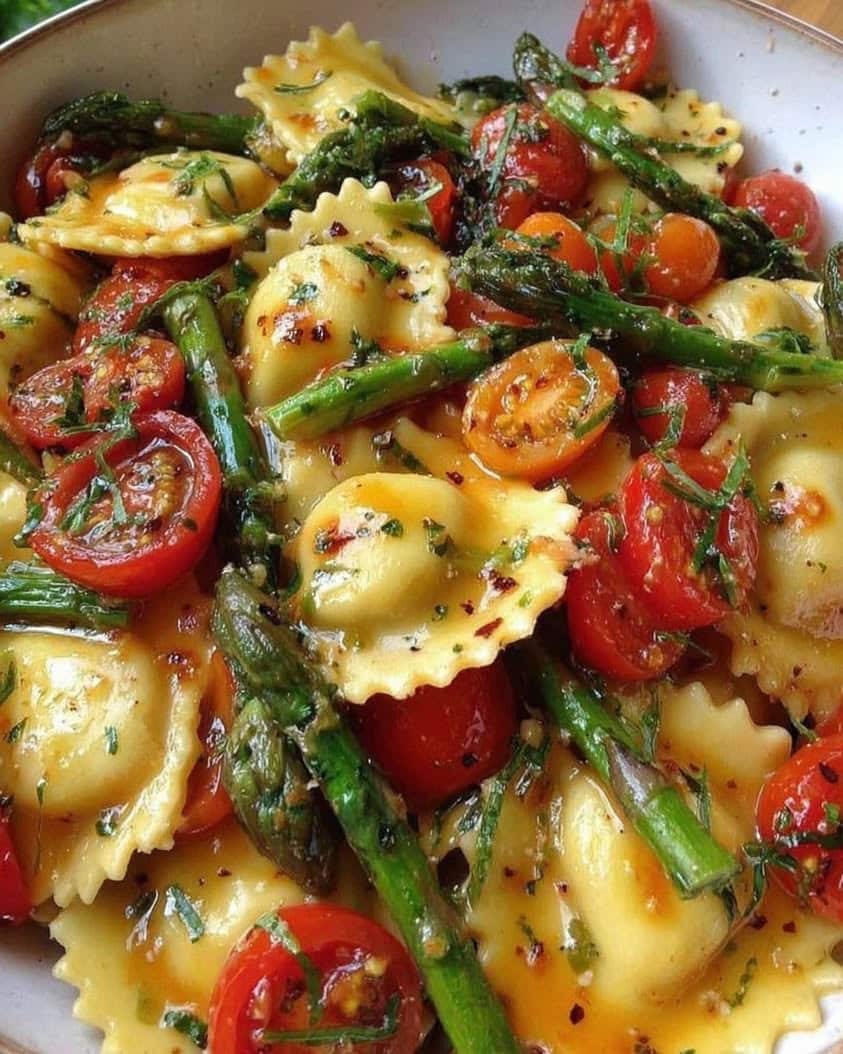
Imagine tender cheese ravioli enveloped in a light, garlicky sauce that clings perfectly. Then, picture crisp-tender asparagus and juicy cherry tomatoes adding pops of sweetness and texture. Finally, a generous shower of fresh herbs like basil and parsley brings everything to life with a fragrant finish. This dish is a true testament to the magic of spring produce. It feels indulgent yet remains surprisingly light and fresh.
Moreover, this recipe is incredibly versatile. You can easily adapt it based on what’s in your fridge or garden. For instance, swap the herbs or use a different stuffed pasta. Consequently, it becomes a reliable template for countless delicious dinners. The key is the quick, flavorful sauce built right in the pan, which means fewer dishes and more time to enjoy your meal.
Quick Recipe Highlights
- Flavor Profile: This Spring Ravioli with Asparagus, Tomatoes, and Fresh Herbs offers a beautiful balance. You get the savory richness of garlic and Parmesan, the bright acidity from white wine and tomatoes, and the sweet, grassy notes of fresh asparagus. The fresh herbs add a final, aromatic layer that ties everything together.
- Texture: The dish is a delightful textural journey. You experience the soft, pillowy bite of the cheese ravioli against the crisp-tender snap of the asparagus. Meanwhile, the tomatoes provide juicy bursts, and a sprinkle of grated cheese adds a slight granular finish that melts on the tongue.
- Aroma: As it cooks, the kitchen fills with an irresistible fragrance. First, the pungent, toasty scent of sautéing garlic hits you. Then, the sweet aroma of cooking tomatoes and the fresh, green scent of asparagus follow. Finally, the finishing herbs release their essential oils, creating a mouthwatering, garden-fresh perfume.
- Visual Appeal: This plate is a feast for the eyes with its vibrant color palette. The deep green of the asparagus and herbs contrasts beautifully with the red of the tomatoes and the pale yellow of the ravioli and sauce. It looks elegant and inviting, perfect for impressing guests or making a weeknight feel special.
- Skill Level Needed: This is a fantastic recipe for cooks of all levels. It requires basic sautéing and boiling techniques, with no complex skills. If you can chop vegetables and stir a pan, you can absolutely master this Spring Ravioli with Asparagus, Tomatoes, and Fresh Herbs. It’s nearly foolproof.
- Special Equipment: You only need standard kitchen tools: a large pot for boiling pasta, a large skillet or sauté pan, a sharp knife, and a grater for the cheese. A good pair of tongs is helpful for tossing everything together at the end. No special gadgets are required.
Recipe Overview
- Difficulty Level: We rate this Spring Ravioli with Asparagus, Tomatoes, and Fresh Herbs as “Easy” for good reason. The steps are sequential and simple: prep vegetables, cook pasta, build a quick pan sauce, and combine. There’s no intricate knife work or tricky timing. Essentially, it’s a one-pan sauce with boiled pasta added at the end, making cleanup a breeze.
- Category: This dish fits beautifully into several categories. Primarily, it’s a main course pasta dish. Additionally, it can serve as a hearty vegetarian entrée. It also works wonderfully as a side dish for a larger spring-inspired meal, perhaps alongside grilled chicken or fish.
- Cuisine: While ravioli is rooted in Italian cuisine, this preparation is a modern, seasonal American take. It uses classic Italian ingredients—garlic, Parmesan, basil—but combines them in a quick, light sauce that emphasizes fresh vegetables. The result is a fusion that feels both familiar and new.
- Cost: This is a very cost-effective meal, especially when asparagus and tomatoes are in season. Using store-bought ravioli keeps prep time and cost down. The other ingredients—garlic, herbs, wine, cheese—are pantry staples for many. Overall, you can create a restaurant-quality dish for a fraction of the price.
- Season: This recipe is ideal for late spring and early summer. That’s when asparagus is at its peak sweetness and tomatoes are starting to ripen. However, you can make it year-round with good-quality greenhouse asparagus and cherry tomatoes. It brings a taste of spring sunshine to any table.
- Occasion: It’s perfect for a quick yet elegant weeknight dinner. Furthermore, it’s impressive enough for a casual dinner party with friends. It also makes a lovely weekend lunch or a special Meatless Monday feature. Its versatility and short cook time make it suitable for almost any occasion.
Why You’ll Love This Recipe
First and foremost, you will adore the taste and texture of this Spring Ravioli with Asparagus, Tomatoes, and Fresh Herbs. Each forkful delivers a complex yet harmonious blend of flavors. The creamy cheese filling from the ravioli pairs perfectly with the bright, garlicky sauce. Meanwhile, the vegetables add freshness and a satisfying crunch. It’s a comforting dish that doesn’t feel heavy, making it ideal for warmer weather. The fresh herbs are not just a garnish; they are a vital component that lifts the entire dish.
Next, consider the sheer convenience. This entire meal comes together in about thirty minutes from start to finish. The process is straightforward and uses mostly one pan for the sauce. Because the ravioli cooks quickly, you can have a gourmet-feeling dinner on the table with minimal effort. This makes it a lifesaver on busy evenings. You don’t need to sacrifice flavor for speed with this recipe.
From a nutritional standpoint, this dish offers several advantages. Asparagus is a great source of fiber, folate, and vitamins A, C, and K. Tomatoes provide lycopene and vitamin C. Using a moderate amount of olive oil and cheese adds healthy fats and protein without overdoing it. Choosing whole-wheat or high-protein ravioli can boost the fiber and protein content even further. It’s a balanced meal that nourishes your body.
Furthermore, this Spring Ravioli with Asparagus, Tomatoes, and Fresh Herbs has fantastic social and entertaining value. It looks beautiful plated, giving the impression you spent hours in the kitchen. You can easily double the recipe to feed a crowd. Since most of the work is done at the last minute, you can spend more time with your guests. It’s a reliable, crowd-pleasing recipe that will earn you compliments.
Finally, it is remarkably cost-effective and accessible. You likely have many of the flavoring agents—garlic, olive oil, salt, pepper—already in your pantry. The main components are affordable, especially in season. Compared to ordering similar pasta at a restaurant, making this at home saves a significant amount of money. It proves that eating well doesn’t require a big budget or hard-to-find ingredients.
Historical Background and Cultural Significance
Ravioli, the star of this dish, has a rich and debated history in Italian cuisine. While its exact origin is unclear, references to similar stuffed pasta date back to the 14th century in various regions of Italy. Traditionally, ravioli was a way to use up leftovers, wrapping scraps of meat, cheese, or vegetables in simple pasta dough. This frugal beginning evolved into a celebrated culinary art form, with each Italian region developing its own signature fillings and shapes. Our Spring Ravioli with Asparagus, Tomatoes, and Fresh Herbs draws inspiration from this tradition of combining fresh, local ingredients within pasta.
The cultural significance of pasta in Italy cannot be overstated. It is a cornerstone of daily life and regional identity. Ravioli, in particular, is often associated with festive occasions and family gatherings. The act of making fresh ravioli is a labor of love, often involving multiple generations. While our recipe uses convenient store-bought ravioli, it honors the spirit of combining pasta with seasonal produce. It reflects a modern, global approach to cooking where convenience meets fresh, quality ingredients.
The evolution of the recipe for Spring Ravioli with Asparagus, Tomatoes, and Fresh Herbs is a story of adaptation. Classic Italian pasta dishes often feature hearty, slow-cooked sauces. This version represents a lighter, quicker style of cooking that has become popular worldwide. It emphasizes vibrant vegetables and a sauce built in minutes, aligning with contemporary desires for fast, fresh, and flavorful meals. The use of asparagus and cherry tomatoes signals a shift towards vegetable-forward pasta dishes that celebrate specific seasons.
Regarding regional variations, Italy itself offers countless versions. In Liguria, ravioli might be filled with herbs and served with a walnut sauce. In Emilia-Romagna, rich meat fillings are common. Our recipe is less about a specific region and more about a concept: pairing stuffed pasta with the best of spring. You could consider it a “primavera” style, which literally means “spring” in Italian. This style is celebrated in American Italian cuisine for its colorful, garden-fresh appeal.
Ingredient Deep Dive
Let’s start with the ravioli. Cheese ravioli provides a creamy, savory base that makes the dish feel substantial. Culturally, cheese-filled pasta is common in regions like Lombardy and Tuscany. Nutritionally, it offers protein and calcium. For selection, choose a high-quality fresh or frozen brand; the filling should taste good on its own. Store frozen ravioli until ready to use. For substitution, any stuffed pasta works—try mushroom, butternut squash, or even lobster ravioli for a different twist.
Asparagus is a quintessential spring vegetable, prized since ancient Roman times. It is a good source of fiber, folate, and vitamins A, C, and K, which support digestion and immune health. Select firm, bright green spears with tight tips. Avoid woody ends by snapping them off naturally. Store upright in a glass with an inch of water in the fridge. For a substitute, try green beans, snap peas, or broccolini, adjusting cook time accordingly.
Cherry tomatoes bring sweet acidity and juicy bursts. Tomatoes originated in the Americas and transformed European cuisine. They are rich in lycopene, an antioxidant linked to heart health. Choose tomatoes that are firm, brightly colored, and fragrant. Store at room temperature until ripe, then refrigerate. You can substitute with sun-dried tomatoes (chopped) for a more intense flavor or with diced ripe Roma tomatoes.
Fresh garlic is the flavor foundation. Historically, it has been used for both culinary and medicinal purposes for thousands of years. It contains allicin, a compound with potential health benefits. Choose firm, plump heads without sprouts. Store in a cool, dark place. If you must substitute, use about ½ teaspoon of garlic powder for each fresh clove, but fresh is highly recommended for the best flavor in this Spring Ravioli with Asparagus, Tomatoes, and Fresh Herbs.
Fresh herbs like basil and parsley are non-negotiable for the final bright note. Basil is synonymous with Italian cooking and offers anti-inflammatory properties. Parsley is a classic garnish rich in vitamin K. Select vibrant, unwilted bunches. Store them like flowers: stems in water, loosely covered with a bag. In a pinch, you can use 1 teaspoon of dried basil or parsley, but the flavor will be less vibrant. Fresh is always best here.
Common Mistakes to Avoid
- Overcooking the Ravioli: This is the most common error. Ravioli cooks very quickly, often in 3-4 minutes. Following the package instructions is crucial. Overcooked ravioli becomes mushy and can fall apart, ruining the texture of your entire Spring Ravioli with Asparagus, Tomatoes, and Fresh Herbs.
- Overcrowding the Pan: When sautéing the asparagus and tomatoes, give them space. If the pan is too crowded, the vegetables will steam instead of sauté. Consequently, you won’t get those lovely caramelized edges and they may become soggy. Cook in batches if necessary.
- Burning the Garlic: Garlic burns in a flash and turns bitter. Always add it to the pan after the heartier vegetables have started cooking, and stir constantly. The moment it becomes fragrant (about 30 seconds), it’s time to add the next ingredient, usually the wine or broth.
- Using Low-Quality Parmesan: The grated cheese is a finishing element, so its flavor matters. Pre-grated cheese in a canister often contains anti-caking agents and lacks freshness. For the best results in your Spring Ravioli with Asparagus, Tomatoes, and Fresh Herbs, buy a block of Parmigiano-Reggiano or Grana Padano and grate it yourself just before serving.
- Skipping the Pasta Water: The starchy water left from boiling the ravioli is liquid gold. It helps emulsify the sauce, making it silky and helping it cling to the pasta. Always reserve at least a half cup before draining. Add it gradually to achieve the perfect sauce consistency.
- Adding Herbs Too Early: Delicate fresh herbs like basil and parsley lose their vibrant color and flavor if cooked too long. They should always be stirred in at the very end, off the heat. This preserves their aroma and bright green color, elevating the final dish.
- Underseasoning: This sauce is simple, so each layer needs proper seasoning. Season the asparagus as it cooks. Season the sauce. Taste and adjust at the end with salt and pepper. Remember, the pasta water and cheese add salt, so season in stages.
- Not Prepping Everything First (Mise en Place): Because the cooking process is fast, you won’t have time to chop garlic or grate cheese while things are in the pan. Have all your ingredients washed, chopped, and measured before you turn on the stove. This ensures a smooth, stress-free cooking experience.
Essential Techniques
Sautéing Vegetables: This technique uses high heat and a small amount of fat to cook vegetables quickly, creating browning and concentrated flavor. It’s important for developing the base flavor of your Spring Ravioli with Asparagus, Tomatoes, and Fresh Herbs. Master it by ensuring your pan is hot before adding oil, and don’t stir too often—let the vegetables develop a sear. A common pitfall is adding vegetables to a cold pan, which leads to steaming. Success is visible when the asparagus is bright green and slightly blistered, and the tomatoes are just beginning to wrinkle.
Deglazing with Wine: After sautéing, adding white wine to the hot pan loosens the flavorful browned bits (fond) stuck to the bottom. This process dissolves those bits into the liquid, creating an instant, complex sauce base. The key is to pour in the wine and immediately use a wooden spoon to scrape the pan bottom. The pitfall is using too much wine, which can make the sauce acidic; a ¼ cup is usually sufficient. You’ll know it’s working when you hear a sizzle and see the steam, and the liquid becomes slightly syrupy as it reduces.
Emulsifying with Pasta Water: This is the secret to a restaurant-quality sauce. The starchy pasta water acts as a binder, helping the fat (olive oil/butter) and other liquids combine into a smooth, cohesive sauce that coats the ravioli. To master it, add the reserved water gradually while tossing the pasta vigorously over low heat. The pitfall is adding all the water at once, which can make the dish soupy. Success is achieved when the sauce looks glossy and clings to each piece of pasta without pooling at the bottom of the bowl.
Pro Tips for Perfect Spring Ravioli with Asparagus, Tomatoes, and Herbs
Snap, don’t cut, your asparagus. Hold the spear at both ends and bend; it will naturally break at the point where the tough, woody stem meets the tender part. This guarantees you won’t have any stringy ends in your dish.
Reserve more pasta water than you think you need. It’s easier to add a little more to loosen the sauce than to wish you had saved it after you’ve drained the pot. Start with ½ cup, but having a full cup is safe.
Use a slotted spoon or spider to transfer the ravioli directly from the boiling water into the sauce pan. This method brings along just enough starchy water to help with emulsification, and it’s more precise than draining.
If using wine, choose one you’d enjoy drinking. A dry, crisp white like Sauvignon Blanc or Pinot Grigio works perfectly. The flavor concentrates, so a harsh or overly sweet wine will negatively impact the sauce.
Finish with a drizzle of high-quality extra virgin olive oil. Adding a fresh, fruity oil off the heat enhances the aroma and adds a luxurious mouthfeel that cooked oil doesn’t provide.
Let the dish rest for a minute before serving. This allows the ravioli to absorb some of the sauce and the flavors to meld together beautifully, resulting in a more cohesive bite.
Toast your garlic slightly before adding other ingredients if you love a deeper flavor. Just watch it closely to prevent burning, as this can happen in seconds.
For extra richness, add a small pat of cold butter to the sauce at the very end, swirling it in off the heat. This French technique (monter au beurre) creates a velvety, glossy finish.
Variations and Adaptations
For regional variations, think of the flavors of Italy. Add toasted pine nuts and raisins for a Sicilian twist. Incorporate a few tablespoons of pesto at the end for a Ligurian flavor. For a Roman touch, use guanciale or pancetta, cooking it first to render fat, then using that fat to sauté the vegetables.
Seasonal adaptations are simple. In summer, use zucchini and bell peppers. For fall, swap in roasted butternut squash cubes and sage. In winter, use kale or broccoli rabe and sun-dried tomatoes. The method remains the same; just adjust vegetable cook times accordingly.
Dietary modifications are straightforward. For gluten-free, use gluten-free ravioli. For dairy-free, choose vegan cheese ravioli and omit the Parmesan or use a nutritional yeast substitute. To make it vegan, follow the dairy-free steps and ensure your pasta doesn’t contain egg.
Flavor variations can take this dish around the world. Add red pepper flakes for heat. Stir in a spoonful of capers or chopped olives for a briny kick. For an Asian fusion, use a splash of soy sauce and sesame oil, and garnish with scallions and sesame seeds.
Texture modifications can add interest. Top with toasted breadcrumbs or crushed nuts for crunch. Add creamy goat cheese or ricotta dollops at the end for extra richness. Include cannellini beans for more protein and a different, soft texture.
Presentation alternatives can elevate the meal. Serve the Spring Ravioli with Asparagus, Tomatoes, and Fresh Herbs in individual shallow bowls. Plate the ravioli first and artfully arrange the vegetables on top. For a family-style feast, present it on a large platter garnished with whole herb sprigs.
Serving and Presentation Guide
For plating, use warm, shallow bowls to keep the food hot. Toss the ravioli and vegetables gently in the pan to coat evenly, then use tongs to lift and twist portions into the bowl, creating height. Let some asparagus spears and tomatoes drape over the side for visual appeal. Drizzle any remaining sauce from the pan over the top.
Garnishing is key. Beyond grated cheese, add a few whole basil leaves or small sprigs of parsley. A final crack of black pepper adds visual contrast. A light sprinkle of flaky sea salt like Maldon just before serving enhances both flavor and texture with a subtle crunch.
Traditional accompaniments are simple. A crisp green salad with a lemon vinaigrette balances the richness. A slice of crusty bread is perfect for soaking up any remaining sauce. For a more substantial meal, add a simple protein like grilled shrimp or seared scallops on the side.
Modern serving suggestions might include serving the dish deconstructed for a fun, interactive meal. Place the cooked ravioli on a platter, the sautéed vegetables in a bowl, and the sauce in a pitcher, allowing guests to assemble their own plates. This works great for casual gatherings.
Temperature considerations are important. Serve immediately after assembling. The dish cools quickly, and the ravioli can become gummy if left to sit. Ensure your serving bowls are pre-warmed to maintain the ideal eating temperature for longer.
Portion control is easy. A standard serving is about 6-8 ravioli per person, depending on size and appetite. Since the dish is vegetable-forward, it can be quite filling. Start with a modest portion; you can always serve seconds if needed.
Wine and Beverage Pairing
Wine pairings should complement the dish’s fresh, herbal, and slightly creamy notes. A crisp, high-acid white wine like Sauvignon Blanc or Vermentino cuts through the richness and mirrors the herbal flavors. A light-bodied Pinot Noir, served slightly chilled, is an excellent red option that won’t overpower the delicate vegetables and cheese. The key is to avoid heavily oaked or tannic wines, which can clash with the dish’s brightness.
Non-alcoholic alternatives can be just as thoughtful. A sparkling water with a squeeze of lemon or a few muddled basil leaves is refreshing. For a more complex option, try a chilled herbal iced tea, like lemon verbena or mint. A non-alcoholic sparkling wine (dealcoholized brut) can also provide a celebratory feel without the alcohol.
While not traditional, certain coffees or teas could work if served after the meal. A light, floral tea like jasmine green tea would cleanse the palate beautifully. A cup of espresso after dinner is a classic Italian way to finish, though it’s not a direct pairing with the food itself.
Temperature is crucial for beverages. White wines and non-alcoholic sparklers should be well-chilled, around 45-50°F. Light reds like Pinot Noir are best served slightly cooler than room temperature, around 55°F. Iced teas and sparkling waters should be very cold to provide a refreshing contrast.
Serving suggestions include offering both a white and a red wine option if you have guests with different preferences. Always pour water as well. For a casual dinner, placing bottles on the table allows guests to serve themselves, creating a relaxed atmosphere.
Storage and Shelf Life
Storage methods for leftovers are straightforward but time-sensitive. Allow the Spring Ravioli with Asparagus, Tomatoes, and Fresh Herbs to cool to room temperature within two hours of cooking. Then, transfer it to an airtight container. Do not leave it sitting out, as the dairy and fresh ingredients can spoil quickly.
Temperature requirements are strict. The stored dish must be refrigerated promptly and kept at 40°F or below. It is not safe to leave this pasta dish at room temperature for extended periods due to the risk of bacterial growth from the cheese and eggs in the pasta.
Container recommendations include shallow, airtight containers. Shallow containers allow the food to cool more quickly and evenly, which is safer. Glass containers are ideal as they don’t absorb odors and allow you to see the contents. Ensure the lid seals tightly to prevent the pasta from drying out.
Signs of spoilage are usually apparent. Look for an off or sour smell, a slimy texture on the pasta or vegetables, or any visible mold. If the sauce has separated drastically and looks curdled, it’s best to discard it. When in doubt, throw it out.
Reheating instructions are gentle. The best method is on the stovetop. Add a splash of water, broth, or milk to a skillet over low heat. Add the leftovers and cover, stirring gently until heated through. This helps re-emulsify the sauce. Avoid the microwave, which can make the ravioli rubbery and cause uneven heating.
Freezing is not recommended for this specific dish. The cooked vegetables, especially asparagus and tomatoes, will become mushy and watery upon thawing. The dairy-based sauce may separate. The texture of the ravioli will suffer significantly. It’s best enjoyed fresh or refrigerated for short-term leftovers.
Make Ahead Strategies
Your prep timeline can save dinner. You can wash and trim the asparagus, halve the tomatoes, mince the garlic, and chop the herbs a day in advance. Store each component separately in airtight containers in the refrigerator. The garlic can be stored in a small jar with a bit of oil to prevent drying.
Storage between steps is simple. Keep prepped vegetables in the fridge. Keep herbs wrapped in a damp paper towel inside a bag. Have your wine measured and cheese grated. This advanced prep turns the active cook time into a mere 15-minute assembly, making weeknight execution seamless.
The quality impact of make-ahead prep is minimal if done correctly. Cut vegetables may lose a tiny amount of crispness but will still cook well. Chopped herbs are best done the day of, as they can wilt and darken. Grated cheese stored in an airtight container will be fine. The ravioli itself should always be cooked fresh.
Assembly tips for a make-ahead plan are key. When ready to cook, simply follow the recipe steps. Because your ingredients are prepped, you can focus on the cooking process without rushing. This leads to better results, as you’re less likely to burn the garlic or overcook the ravioli in a time crunch.
Reheating guidelines don’t apply to a make-ahead component strategy, as you are cooking from fresh. However, if you fully cooked the dish ahead, reheat as described in the storage section, adding liquid to refresh the sauce. The texture of the asparagus will be softer.
Fresh element additions are the final touch. Even if you pre-chopped herbs, give them a final rough chop right before adding to maximize aroma. Add a final grating of Parmesan off the heat. A last-minute drizzle of fresh olive oil can revive the flavors of a dish assembled from prepped components.
Scaling Instructions
Halving the recipe is simple for a cozy dinner for two. Use a medium skillet instead of a large one. Precisely halve all ingredient quantities. The cook times will remain roughly the same, but keep a closer eye as smaller volumes can cook faster. You may need slightly less pasta water to achieve the right sauce consistency.
Doubling or tripling the recipe for a crowd requires planning. Use your largest pot for boiling pasta in batches to avoid sticking. For the sauce, you may need to cook the vegetables in batches to prevent steaming, or use two large skillets simultaneously. Double or triple all ingredients proportionally. Have a very large bowl ready to toss everything together at the end.
Equipment adjustments are necessary when scaling up. Ensure you have a colander large enough to drain multiple batches of pasta. A Dutch oven can be used to combine the final large quantity. For serving, consider using a chafing dish or slow cooker on the “warm” setting to keep a large batch hot for a buffet.
Timing modifications become important for large batches. Start the sauce in the largest pan while the first batch of ravioli water comes to a boil. Cook ravioli in successive batches, transferring each cooked batch to the sauce pan and tossing with a little sauce and pasta water to prevent sticking. This keeps everything hot and well-coated.
Storage considerations for large batches are similar to a single batch, but cooling is more critical. Divide leftovers into several shallow containers instead of one deep one to promote rapid, safe cooling. This prevents the center of a large mass of food from staying in the “danger zone” temperature range for too long.
Nutritional Deep Dive
The macro breakdown of this Spring Ravioli with Asparagus, Tomatoes, and Fresh Herbs provides a balanced meal. The ravioli contributes carbohydrates and protein from the pasta and cheese filling. The olive oil adds healthy monounsaturated fats. The vegetables contribute complex carbohydrates and fiber. A typical serving offers a good mix of all three macronutrients, making it satisfying and energy-sustaining.
Micronutrient analysis reveals a wealth of vitamins and minerals. Asparagus is a standout, providing vitamin K for bone health, folate for cell function, and antioxidants. Tomatoes contribute vitamin C and lycopene. Garlic offers manganese and vitamin B6. The fresh herbs, though used in small amounts, add traces of vitamins A, C, and K. Using whole-wheat ravioli would further increase the fiber and mineral content.
Health benefits are linked to the fresh, whole-food ingredients. The dish is rich in antioxidants from the colorful vegetables, which combat oxidative stress. The fiber supports digestive health and promotes satiety. The monounsaturated fats from olive oil are heart-healthy. Together, these components support a balanced, nutrient-dense diet.
Dietary considerations are important to note. The dish contains gluten (from pasta), dairy (from cheese ravioli and Parmesan), and eggs (likely in the pasta dough). It is vegetarian. For those counting calories or macros, be mindful of portion size, as cheese-filled pasta and olive oil are calorie-dense. Using less oil or cheese can adjust the profile.
Portion analysis shows that a standard serving (about ¼ of the recipe) is a reasonable main course. The inclusion of two cups of vegetables significantly boosts the volume and nutrient density without adding many calories, helping you feel full. Balancing this dish with a light starter, like a salad, creates a complete and satisfying meal.
Weight management tips include being mindful of the sauce. You can reduce the olive oil by a tablespoon and use more pasta water for moisture. Opt for a lighter cheese filling or fewer ravioli per serving, bulking up the plate with extra asparagus and tomatoes. These small adjustments can lower the calorie count while keeping the flavor and satisfaction high.
Dietary Adaptations
For a gluten-free version, the only change needed is the pasta. Seek out high-quality gluten-free cheese ravioli, which are now widely available in the freezer or refrigerated section. Ensure all other ingredients, like broth or wine, are certified gluten-free if cross-contamination is a concern. The cooking method remains identical.
A dairy-free adaptation requires two swaps. First, find vegan cheese ravioli, made with plant-based cheeses and often without egg. Second, omit the Parmesan cheese at the end or use a vegan Parmesan alternative made from nuts or nutritional yeast. Check that the ravioli brand doesn’t use casein or other dairy derivatives.
To make this dish vegan, follow the dairy-free steps above. Additionally, ensure the white wine you use is vegan (some are processed with animal-derived fining agents). Use vegetable broth instead of chicken broth if the recipe calls for it. The base of vegetables, garlic, and herbs is naturally vegan, making the adaptation quite simple.
A low-carb or keto adaptation is more involved. Replace the ravioli with a low-carb alternative like sliced zucchini noodles (zoodles) or cheese-based “pasta” shells. Sauté the zoodles very briefly at the end. Increase the amount of asparagus and add other low-carb veggies like mushrooms. Use full-fat ingredients and ensure any broth used is sugar-free.
For a Paleo version, you must eliminate grains and dairy. Omit the ravioli entirely and serve the garlic-herb vegetable sauté over spiralized vegetable noodles or a bed of cauliflower rice. Use ghee or avocado oil instead of butter. Omit the Parmesan cheese. The flavorful vegetable sauté becomes the star of the plate.
A Low-FODMAP adaptation helps those with sensitivities. Use garlic-infused olive oil instead of sautéing fresh garlic to get the flavor without the fructans. Limit asparagus to the tips only (the stalks are higher in FODMAPs). Use a gluten-free ravioli. Omit the onion if used in any variation, and ensure the serving size of ravioli is within recommended limits.
Troubleshooting Guide
If your sauce is too watery, the issue is likely insufficient reduction or too much pasta water. Solution: Remove the ravioli and vegetables with a slotted spoon, then simmer the liquid left in the pan over medium-high heat until it reduces and thickens. Then return everything to the pan and toss to coat. Next time, add pasta water more gradually.
If your sauce is too dry or clumpy, you didn’t use enough pasta water or cooking liquid. Solution: Add warm water, broth, or a splash of the original cooking liquid (if you saved it) a tablespoon at a time, tossing constantly over low heat until the sauce becomes loose and creamy. The starch will help it emulsify.
If your vegetables are soggy, the pan was overcrowded or the heat was too low. Solution: Unfortunately, you can’t fix soggy vegetables in this dish. For next time, ensure your pan is large enough and the oil is hot before adding veggies. Cook in batches if needed to allow for proper searing and evaporation of moisture.
If the garlic tastes bitter, it was likely burned. Solution: The bitter flavor will permeate the dish. You can try adding a pinch of sugar or a squeeze of lemon juice to balance it, but it may not fully correct it. Prevention is key: add garlic later, after other veggies have cooked a bit, and stir constantly for only 30 seconds.
If the ravioli are sticking together after cooking, they were either not stirred initially or sat too long after draining. Solution: Toss them immediately with a bit of the sauce or a drizzle of olive oil to coat. If they’ve already stuck, gently separate them with your fingers under warm running water, then re-toss with sauce.
If the dish lacks flavor, it’s likely underseasoned. Solution: Season in layers. Add salt to the asparagus as it cooks. Season the sauce. Always do a final taste and adjust with salt, pepper, and a splash of acid (lemon juice or vinegar) before serving. Remember, cheese adds salt, so account for that in your final adjustment.
PrintRavioli with Tomatoes, Asparagus, Garlic, and Herbs
- Total Time: 45 minutes
- Yield: 4
Description
A vibrant and quick pasta dish featuring cheese ravioli tossed with fresh asparagus, cherry tomatoes, garlic, and aromatic herbs in a light olive oil sauce.
Ingredients
- 1 pound cheese ravioli (fresh or frozen)
- 1 bunch asparagus, trimmed and cut into 1-inch pieces
- 1 pint cherry tomatoes, halved
- 3 cloves garlic, minced
- 1/4 cup olive oil
- 1/4 cup fresh basil, chopped
- 2 tablespoons fresh parsley, chopped
- 1/2 teaspoon red pepper flakes (optional)
- Salt and black pepper to taste
- Grated Parmesan cheese for serving
Instructions
- Bring a large pot of salted water to a boil. Cook the ravioli according to package directions until al dente. Reserve 1/2 cup of pasta water, then drain the ravioli and set aside.
- While the ravioli cooks, heat olive oil in a large skillet over medium heat. Add asparagus and sauté for 4-5 minutes until tender-crisp.
- Add cherry tomatoes and garlic to the skillet. Cook for 2-3 minutes until tomatoes soften and garlic is fragrant.
- Add the cooked ravioli to the skillet. Toss gently to combine, adding reserved pasta water as needed to create a light sauce.
- Stir in basil, parsley, red pepper flakes (if using), salt, and black pepper. Cook for 1 minute more to let flavors meld.
- Serve immediately, topped with grated Parmesan cheese.
Notes
You can customize the seasonings to taste.
- Prep Time: 15 minutes
- Cook Time: 30 minutes
- Method: Main
- Cuisine: Italian