Chicken and Mushroom Skillet in a Creamy Asiago and Mustard Sauce: A One-Pan Wonder
Imagine a dinner that delivers restaurant-quality flavor with minimal cleanup. This chicken and mushroom skillet in a creamy Asiago and mustard sauce is precisely that kind of meal. It transforms simple, wholesome ingredients into a deeply satisfying dish that feels both rustic and elegant. The savory chicken and earthy mushrooms bathe in a luxuriously smooth sauce, creating a comforting yet sophisticated flavor profile. Ultimately, this recipe proves that a spectacular dinner doesn’t require hours in the kitchen or a pile of dirty pots.
The magic of this creamy Asiago mustard chicken and mushrooms skillet lies in its harmonious balance. Tender chicken breasts and meaty mushrooms form a hearty base. Meanwhile, the sauce combines the nutty, complex notes of Asiago cheese with the bright, tangy punch of Dijon mustard. This combination creates a rich, velvety coating that clings to every bite. Consequently, each forkful is a perfect blend of protein, vegetable, and decadent sauce. This dish is a true testament to the power of a well-crafted one-pan meal.
Furthermore, this recipe is incredibly versatile and forgiving. You can easily adapt it based on what you have in your refrigerator. For instance, feel free to swap the mushroom varieties or use a different hard cheese. The foundational technique of building a pan sauce is a valuable skill for any home cook. Mastering this chicken and mushroom skillet in a creamy Asiago and mustard sauce will give you confidence to tackle countless other recipes. It’s a foundational dish that belongs in your regular dinner rotation.
Quick Recipe Highlights
- Flavor Profile: This dish features a masterful blend of savory, tangy, and nutty notes. The umami from the seared chicken and mushrooms forms a perfect foundation. Then, the creamy Asiago and mustard sauce adds a sharp, complex finish that is both rich and bright.
- Texture: You will enjoy a wonderful contrast of textures in every bite. The chicken remains juicy and tender, while the mushrooms offer a satisfying, meaty bite. Meanwhile, the sauce is luxuriously smooth and velvety, coating each component perfectly.
- Aroma: As this chicken and mushroom skillet cooks, your kitchen will fill with an irresistible fragrance. First, you’ll smell the savory scent of browning chicken and garlic. Then, the earthy aroma of mushrooms melds with the sharp, inviting notes of melting Asiago and mustard.
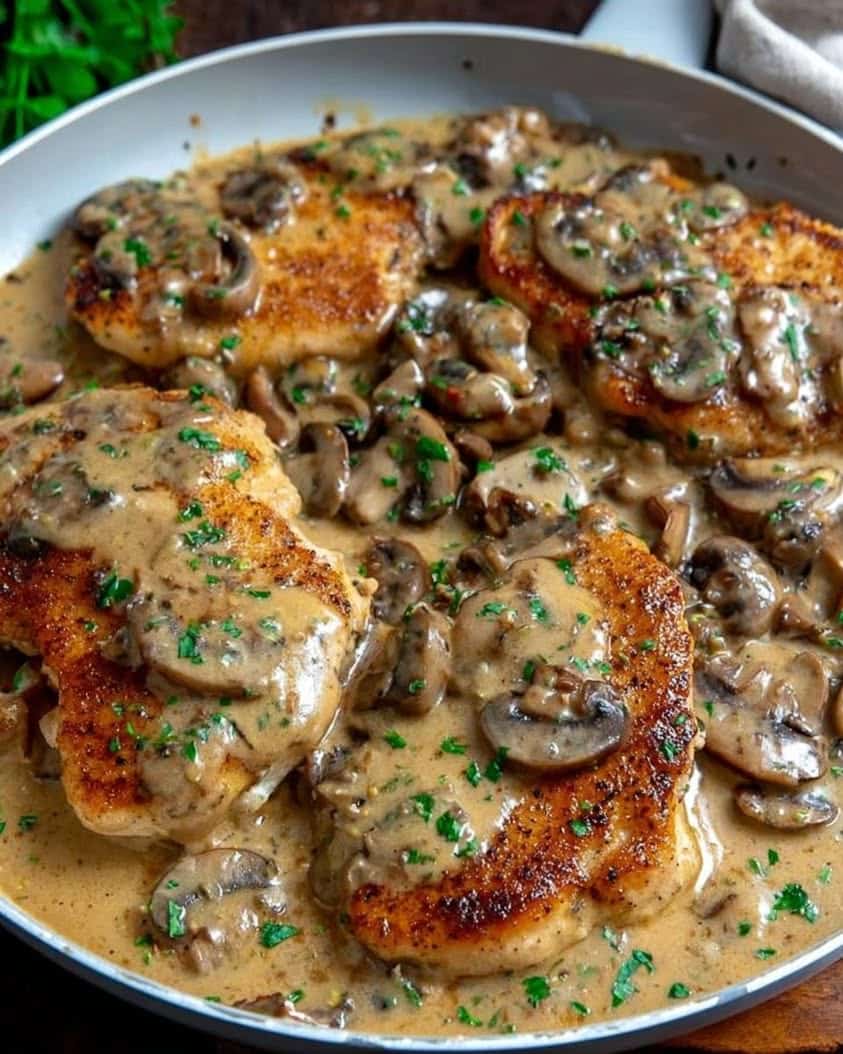
- Visual Appeal: This skillet meal presents beautifully with its golden-brown chicken and richly colored mushrooms. The creamy Asiago and mustard sauce has a gorgeous, speckled appearance from the mustard and herbs. Finally, a sprinkle of fresh parsley adds a vibrant pop of green for a restaurant-worthy plate.
- Skill Level Needed: This is an accessible recipe for cooks of most skill levels. It requires basic techniques like pan-searing and making a simple pan sauce. Therefore, even a beginner can achieve impressive results by following the clear, step-by-step instructions.
- Special Equipment: You only need one essential piece of cookware: a large, heavy-bottomed skillet or sauté pan. A cast-iron or stainless-steel skillet works perfectly for achieving a good sear. Additionally, a sturdy whisk is helpful for creating a smooth, lump-free sauce.
Recipe Overview
- Difficulty Level: We classify this creamy Asiago mustard chicken and mushrooms skillet as “Easy.” The steps are sequential and logical, primarily involving cooking one ingredient after another in the same pan. There are no advanced techniques like tempering or complex reductions. However, paying attention to cooking times ensures perfectly cooked chicken and a beautifully emulsified sauce.
- Category: This dish fits wonderfully into several meal categories. Primarily, it is a hearty main course protein dish. It also qualifies as a quick one-pan dinner and a comforting skillet meal. Furthermore, it’s an excellent option for a special weeknight dinner that feels indulgent.
- Cuisine: The recipe draws inspiration from rustic European and American home cooking traditions. The use of Dijon mustard nods to French cuisine, while the creamy pan sauce technique is classic French cooking. The incorporation of Asiago cheese adds an Italian touch. Ultimately, it’s a modern fusion dish designed for ease and maximum flavor.
- Cost: This is a very cost-effective meal to prepare at home. Chicken breasts and common mushrooms are typically affordable proteins and vegetables. Asiago cheese and broth are the only semi-specialty items, but they are used in modest quantities. Compared to dining out, this creamy Asiago mustard chicken and mushrooms skillet offers tremendous value for a gourmet-tasting dish.
- Season: This skillet recipe is truly a fantastic year-round option. It provides comforting warmth during the fall and winter months. Conversely, it’s light enough for spring and summer, especially when served with a crisp salad. The ingredients are generally available and fresh in every season, making it a reliable staple.
- Occasion: This dish is versatile enough for many occasions. It’s perfect for a busy weeknight family dinner due to its speed and simplicity. Simultaneously, it’s elegant enough to serve for a casual dinner party or date night at home. It’s a universally appealing recipe that suits both everyday and special moments.
Why You’ll Love This Recipe
First and foremost, the taste and texture of this chicken and mushroom skillet are utterly irresistible. The seared chicken develops a flavorful crust, locking in its natural juices. Meanwhile, the mushrooms soak up all the delicious pan drippings, becoming little flavor bombs. The creamy Asiago and mustard sauce is the star, however, tying everything together with its tangy, cheesy, and velvety character. Each component complements the others, creating a harmonious and deeply satisfying bite that will have everyone asking for seconds.
Next, consider the incredible convenience and preparation benefits. This entire meal comes together in one single skillet, meaning cleanup is an absolute breeze. The process is streamlined and efficient, with a logical flow from searing to sautéing to saucing. You can have a gourmet-tasting dinner on the table in well under an hour. For busy households, this creamy Asiago mustard chicken and mushrooms skillet is a lifesaver that doesn’t sacrifice flavor for speed.
From a nutritional standpoint, this dish offers several advantages. Chicken breast is a fantastic source of lean protein, essential for muscle repair and satiety. Mushrooms contribute valuable nutrients like B vitamins, selenium, and antioxidants. Using broth as the sauce base keeps it lighter than a cream-heavy alternative. When served with a side of vegetables or a whole grain, it becomes a well-rounded, balanced meal that fuels your body deliciously.
This recipe also holds significant social and entertaining value. It’s impressive enough to serve to guests but straightforward enough to prepare without stress. You can easily double the recipe in a larger pan to feed a crowd. The beautiful presentation and complex flavors make it seem like you spent far more time cooking than you actually did. Consequently, it’s a perfect dish for fostering connection over a shared, homemade meal.
Finally, the cost-effectiveness and accessibility of this creamy Asiago mustard chicken and mushrooms skillet cannot be overstated. It utilizes pantry staples and affordable fresh ingredients to create a meal that rivals a restaurant entrée at a fraction of the price. You control the quality of every component, from the chicken to the cheese. This recipe democratizes gourmet flavor, proving that eating well doesn’t require a lavish budget, just a bit of kitchen know-how.
Historical Background and Cultural Significance
The concept of cooking meat and vegetables in a single skillet is ancient and universal, rooted in practicality. Before modern stoves, cooking over an open hearth often involved a single pot or pan. The technique of deglazing a pan to create a sauce, however, has strong foundations in French cuisine. French cooks mastered the art of using fond—the browned bits left after searing—to build deeply flavored, wine- or broth-based sauces. This chicken and mushroom skillet in a creamy Asiago and mustard sauce is a direct descendant of that thrifty, flavor-maximizing tradition.
Culturally, skillet meals hold a special place in American home cooking, symbolizing comfort, simplicity, and resourcefulness. They evoke images of family farms and hearty, no-fuss dinners. The addition of mustard to creamy sauces is a hallmark of many European regions, particularly in France and Germany. Asiago cheese, hailing from the Veneto region of Italy, brings its own rich history of alpine dairy farming. This recipe, therefore, represents a beautiful fusion of culinary traditions that prioritize robust, satisfying flavors from humble ingredients.
The evolution of this specific recipe mirrors broader food trends. As home cooks sought ways to make weeknight dinners more exciting without increasing complexity, one-pan recipes surged in popularity. The inclusion of ingredients like Dijon mustard and Asiago cheese reflects a growing global pantry in the average kitchen. Today’s version of a creamy Asiago mustard chicken and mushrooms skillet is a modern interpretation. It balances classic technique with contemporary demands for speed, ease, and big, restaurant-inspired taste.
Regional variations of this concept abound, showcasing its adaptability. In parts of France, a similar dish might use crème fraîche and tarragon. In Italy, one might find a version with Parmesan and white wine. American Southern cooking might incorporate a cream gravy with black pepper. The beauty of this foundational method is its flexibility. You can take the core technique of searing protein, cooking aromatics and vegetables, and building a pan sauce, and spin it into countless regional and personal variations, making the creamy Asiago mustard chicken and mushrooms skillet a true global citizen.
Ingredient Deep Dive
Chicken Breasts: Chicken breast is a lean, versatile canvas that absorbs the flavors of the sauce beautifully. For best results, look for plump, evenly sized breasts. To ensure even cooking and tenderness, pound the thicker ends to a uniform ½-inch thickness before seasoning. This simple step prevents the thin end from drying out while the thick center cooks through. You can also substitute boneless, skinless chicken thighs for a richer, more forgiving option. Store raw chicken in the coldest part of your refrigerator and use within 1-2 days, or freeze for longer storage.
Cremini Mushrooms: Also known as baby bellas, cremini mushrooms offer a deeper, earthier flavor than white button mushrooms. They contain beneficial nutrients like potassium, B vitamins, and antioxidants. Select mushrooms that are firm with closed caps, avoiding any that are slimy or shriveled. Importantly, do not wash mushrooms under running water; instead, wipe them clean with a damp paper towel or use a soft brush to prevent them from becoming waterlogged. For a more intense flavor, you can use a mix of wild mushrooms like shiitake or oyster.
Asiago Cheese: Asiago is a semi-firm Italian cheese with a flavor that ranges from mild and sweet when young (Asiago Pressato) to sharp and granular when aged (Asiago d’Allevo). For this sauce, a freshly grated Asiago that melts well is ideal. It provides a nutty, slightly tangy depth that pairs perfectly with mustard. Nutritionally, it offers calcium and protein. Always grate your own cheese from a block for the best melt and flavor; pre-shredded cheese contains anti-caking agents that can make sauces grainy. Store leftover cheese tightly wrapped in the refrigerator.
Dijon Mustard: Dijon mustard, originating from Dijon, France, is made from brown mustard seeds and white wine. It provides a sharp, clean tang and acts as an emulsifier, helping to stabilize the creamy sauce. Its flavor is more complex and less vinegary than yellow mustard. A good-quality Dijon will elevate the entire dish. Mustard also contains compounds like selenium and may have anti-inflammatory properties. For a different twist, you could use a whole-grain Dijon for added texture and a milder, more rustic flavor profile.
Chicken Broth: Chicken broth forms the liquid base of the sauce, contributing essential savory depth (umami). Using a low-sodium broth is recommended, as it allows you to control the final salt level of the dish. For the most robust flavor, consider using a homemade broth. Alternatively, a high-quality store-bought broth works perfectly. Broth is a source of hydration and electrolytes. To store, keep unopened boxes in a cool pantry, and refrigerate any leftovers after opening for up to 4-5 days, or freeze in ice cube trays for easy use in future sauces.
Common Mistakes to Avoid
- Crowding the Pan: Adding all the chicken pieces at once will steam them instead of searing them. The chicken will release moisture and fail to develop a golden-brown crust. Always cook in batches if necessary to ensure each piece has ample contact with the hot pan surface.
- Using Cold Chicken: Placing ice-cold chicken directly into the hot pan can cause it to seize and cook unevenly. For a more consistent sear, let the seasoned chicken sit at room temperature for about 15 minutes before cooking. This helps it cook more evenly from edge to center.
- Not Getting a Good Sear: A proper sear is crucial for flavor. Ensure your pan is properly preheated before adding the oil and chicken. Listen for a definite sizzle upon contact. Avoid moving the chicken pieces around too soon; let them develop a crust before flipping.
- Overcooking the Chicken: Chicken breasts can quickly go from juicy to dry. They are done at an internal temperature of 165°F (74°C). Use a meat thermometer for accuracy. Remember, the chicken will continue to cook slightly while resting after being removed from the pan.
- Adding Garlic Too Early: Garlic burns easily and becomes bitter. Always add minced garlic to the pan after the mushrooms have softened and the heat has moderated. Cook it just for 30-60 seconds until fragrant, then immediately proceed with adding the liquid.
- Using Pre-Shredded Cheese: Pre-shredded cheese contains starches and cellulose to prevent clumping. These additives can prevent the cheese from melting smoothly into the sauce, resulting in a grainy or stringy texture. Always grate your Asiago cheese fresh from a block.
- Boiling the Sauce: Once the cream and cheese are added, the sauce should simmer gently. A rolling boil can cause the dairy to separate or curdle, breaking the emulsion and creating an oily, broken sauce. Keep the heat at a low simmer when finishing the dish.
- Seasoning at the End Only: Seasoning in layers builds depth. Season the chicken before searing, and taste the sauce before adding the chicken back in. The mustard and cheese add saltiness, so be cautious with additional salt until you’ve tasted the final combined sauce.
- Skipping the Deglazing Step: After cooking the mushrooms, those browned bits (fond) on the bottom of the pan are packed with flavor. Pouring in the broth and using a whisk to scrape them up is essential. This step forms the flavorful foundation of your creamy Asiago and mustard sauce.
- Not Letting the Sauce Thicken: Patience is key for a luxurious sauce. After adding the broth, allow it to reduce and thicken slightly before adding the cream and cheese. This concentrates the flavors and ensures your sauce has the proper body to coat the chicken and mushrooms beautifully.
Essential Techniques
Pan Searing: Pan searing is the high-heat cooking of protein in a small amount of fat to create a flavorful, caramelized crust. This technique, known as the Maillard reaction, is crucial for developing deep, savory flavors in the chicken. To master it, ensure your pan is fully preheated before adding oil, and pat the chicken completely dry. Do not move the chicken until it releases easily from the pan, indicating a proper sear. A common pitfall is crowding the pan, which lowers the temperature and causes steaming. The visual cue for success is a uniform, golden-brown color on the surface of the chicken.
Deglazing: Deglazing is the process of adding liquid to a hot pan to dissolve the flavorful browned bits (fond) left after searing. This technique is the secret to building a deeply flavored sauce with minimal effort. After sautéing the mushrooms, the fond contains concentrated essence from both the chicken and mushrooms. Use a whisk or wooden spoon to vigorously scrape the pan bottom as you pour in the broth. The liquid will bubble and steam, lifting the fond and incorporating it into the sauce base. The key is to do this while the pan is still hot to efficiently capture all that flavor.
Creating a Pan Sauce: A pan sauce is an emulsion built directly in the cooking vessel, utilizing the existing fats and flavors. After deglazing and reducing the broth, you incorporate dairy (cream) and a thickening agent (cheese). The mustard acts as an additional emulsifier. The technique requires gentle heat and constant stirring to encourage the cheese to melt evenly and the sauce to thicken without breaking. A common mistake is adding cheese to boiling liquid, which can cause separation. Success is achieved when the sauce is smooth, coats the back of a spoon, and has a velvety, unified texture that clings to the ingredients.
Pro Tips for Perfect Chicken and Mushroom Skillet
First, for the juiciest chicken, brine the breasts in a simple saltwater solution for 30 minutes before cooking. This step seasons the meat from the inside out and helps it retain moisture during the high-heat sear.
Second, slice your mushrooms evenly, about a quarter-inch thick. Uniform slices ensure they all cook at the same rate, preventing some from being undercooked while others turn rubbery.
Third, let your cream and grated cheese come closer to room temperature before adding them to the hot pan. Adding very cold dairy to a hot sauce increases the risk of curdling or separation.
Fourth, if your sauce seems too thin after adding the cheese, let it simmer gently for another minute or two. The reduction will naturally thicken it. Avoid adding flour or cornstarch, which can dull the bright flavors.
Fifth, for an extra layer of flavor, deglaze the pan with a splash of dry white wine before adding the chicken broth. Let the wine reduce by half to cook off the alcohol, leaving behind a wonderful acidity.
Sixth, always use a timer when cooking the chicken. Overcooking is the most common error. A digital meat thermometer is the most reliable tool to guarantee perfect doneness every single time.
Seventh, finish the dish with a squeeze of fresh lemon juice or a sprinkle of lemon zest. The bright acidity cuts through the richness of the creamy Asiago and mustard sauce, balancing the entire dish beautifully.
Eighth, allow the cooked skillet to rest off the heat for five minutes before serving. This lets the flavors meld further and allows the sauce to thicken slightly to its ideal consistency.
Variations and Adaptations
Regional Variations: To travel with your taste buds, consider these regional twists. For a French-inspired version, use crème fraîche instead of heavy cream and add a tablespoon of chopped fresh tarragon. For an Italian flair, substitute dry white wine for some of the broth and use freshly grated Parmesan or Pecorino Romano cheese. A German-style adaptation might incorporate whole-grain mustard and a pinch of caraway seeds for a heartier, earthier profile.
Seasonal Adaptations: Embrace seasonal produce to keep this dish fresh year-round. In spring, add a handful of fresh peas or asparagus tips during the last few minutes of cooking. Summer calls for finishing the dish with fresh cherry tomatoes and basil. For a cozy fall version, use wild mushrooms like chanterelles and add a touch of fresh thyme. In winter, stir in some chopped kale or spinach to boost the greens and color.
Dietary Modifications: This recipe is wonderfully adaptable for various dietary needs. For a gluten-free version, simply ensure your Dijon mustard and broth are certified gluten-free. To make it dairy-free, use full-fat coconut milk or a plain, unsweetened vegan cream alternative, and substitute nutritional yeast or a vegan Parmesan for the Asiago. For a lower-carb or keto option, serve the creamy Asiago mustard chicken and mushrooms over cauliflower rice or zucchini noodles instead of pasta.
Flavor Variations: Don’t be afraid to experiment with the flavor profile. Add a teaspoon of smoked paprika to the chicken seasoning for a subtle smoky depth. Stir in a tablespoon of prepared horseradish along with the mustard for an extra kick. For an herbal note, add a teaspoon of dried herbes de Provence or Italian seasoning to the mushrooms as they cook. A dash of Worcestershire sauce or a spoonful of sun-dried tomato paste can add another dimension of umami.
Texture Modifications: Play with textures to suit your preference. For a chunkier sauce, use whole-grain mustard and reserve some sautéed mushrooms to stir in at the end. For an ultra-smooth sauce, you can blend a portion of the cooked mushrooms with the broth before adding it back to the pan. To add crunch, top the finished dish with toasted breadcrumbs, chopped walnuts, or crispy fried shallots just before serving.
Presentation Alternatives: While serving directly from the skillet is charming, consider other presentations. For individual servings, spoon the chicken, mushrooms, and sauce over a bed of polenta in shallow bowls. For a family-style platter, arrange the sliced chicken on a long serving dish, top with the mushrooms and sauce, and garnish generously with fresh herbs. You can also deconstruct it for a modern look, placing each component separately on the plate with the sauce artfully drizzled around.
Serving and Presentation Guide
Plating Techniques: For an elegant presentation, slice the cooked chicken breasts on a bias before returning them to the skillet. This showcases the juicy interior and allows the sauce to penetrate. When plating, use a large spoon or tongs to place a portion of chicken and mushrooms in the center of a warm plate or shallow bowl. Then, ladle the creamy Asiago and mustard sauce generously over the top, allowing it to pool slightly around the edges. This method ensures every bite is sauced.
Garnishing Ideas: A simple garnish elevates the visual appeal and adds a fresh flavor note. Chopped fresh flat-leaf parsley or chives provide a vibrant green contrast. A final grating of fresh Asiago cheese over the top adds texture and reinforces the cheesy flavor. For a touch of color and brightness, a light sprinkle of paprika or a few twists of freshly cracked black pepper works beautifully. A small lemon wedge on the side allows guests to add a spritz of acidity if desired.
Traditional Accompaniments: This rich skillet dish pairs classically with starches that soak up the delicious sauce. Buttered egg noodles, mashed potatoes, or creamy polenta are timeless and comforting choices. For a lighter option, a simple crusty baguette is perfect for sopping up every last drop. A side of steamed green beans, roasted broccoli, or a simple arugula salad with a lemon vinaigrette provides a fresh, crisp counterpoint to the creamy main.
Modern Serving Suggestions: For a contemporary twist, serve this creamy Asiago mustard chicken and mushrooms over cauliflower puree or quinoa for a healthier, gluten-free base. You can also use it as a luxurious filling for a savory crepe or a topping for a baked potato. Consider turning leftovers into a fantastic filling for a next-day lunch wrap with some fresh spinach. The versatility of this dish makes it easy to adapt to modern eating trends.
Temperature Considerations: This dish is best served immediately while hot. Ensure your serving plates or bowls are warmed to prevent the food from cooling too quickly. If you need to hold it for a short time, keep the skillet covered over the lowest possible heat, but note the sauce may continue to thicken. If the sauce becomes too thick upon standing, you can thin it with a small splash of warm broth or cream just before serving.
Portion Control Tips: This recipe yields four generous servings. For lighter appetites or when serving multiple side dishes, one chicken breast can comfortably serve two people. Simply slice the chicken and divide it between plates. The sauce and mushrooms are so flavorful that a smaller portion of protein still feels very satisfying. Conversely, for heartier appetites, serving the skillet with a substantial side like mashed potatoes ensures everyone leaves the table fully satisfied.
Wine and Beverage Pairing
Wine Pairings: The rich, creamy sauce and savory flavors of this dish call for wines with good acidity to cut through the richness. A crisp, unoaked Chardonnay is a classic choice, as its citrus and apple notes complement the mustard and cheese. A Pinot Gris or Pinot Grigio with its bright acidity also works wonderfully. For red wine lovers, a light to medium-bodied red like Pinot Noir or a Grenache-based blend (like a Côtes du Rhône) can pair beautifully, provided they are not too tannic, as the sauce can amplify bitterness.
Non-Alcoholic Alternatives: Several non-alcoholic beverages make excellent pairings. A sparkling water with a squeeze of lemon or lime cleanses the palate between bites. For something more complex, try a tart cherry juice spritzer or a non-alcoholic ginger beer, which can contrast the creaminess with spice and fizz. Iced herbal teas, like lemon verbena or mint, offer a refreshing and light accompaniment that won’t compete with the dish’s robust flavors.
Coffee/Tea Pairings: While not a traditional dinner pairing, a post-meal coffee or tea can be delightful. A medium-roast coffee with low acidity would complement the meal’s savory notes without clashing. For tea, consider a smoky Lapsang Souchong, whose bold character can stand up to the dish, or a gentle, floral white tea to provide a clean, refreshing finish. These are best enjoyed after the meal as a digestif rather than alongside.
Temperature Considerations: Serve white wines well-chilled, between 45-50°F (7-10°C). Red wines should be served slightly cooler than room temperature, around 55-60°F (13-16°C), to keep their alcohol and tannins in check against the creamy sauce. Non-alcoholic sparkling drinks should be served ice-cold to maximize refreshment. The goal is to have the beverage provide a contrasting temperature and sensation to the warm, rich food.
Serving Suggestions: Always pour wine and other beverages into appropriate glassware to enhance the experience. Use stemmed glasses for white wine to keep your hand from warming it. For non-alcoholic options, a tall highball glass with plenty of ice is inviting. Encourage guests to take a sip of their beverage between bites to reset their palate, allowing them to fully appreciate the layered flavors of the creamy Asiago mustard chicken and mushrooms with each new taste.
Storage and Shelf Life
Storage Methods: Allow the leftover chicken and mushroom skillet to cool completely to room temperature before storing. Do not leave it out for more than two hours. Transfer the cooled leftovers to an airtight container. You can store the chicken, mushrooms, and sauce together. For best quality, press a piece of plastic wrap directly onto the surface of the sauce before sealing the container lid; this helps prevent a skin from forming.
Temperature Requirements: Refrigerate leftovers promptly. The dish must be kept at a consistent temperature of 40°F (4°C) or below to inhibit bacterial growth. Use the back of the refrigerator, which is typically the coldest and most stable area, rather than the door. Properly stored, the leftovers will maintain quality and safety for 3 to 4 days.
Container Recommendations: Glass containers with tight-fitting lids are ideal because they don’t absorb odors and allow you to see the contents. Alternatively, BPA-free plastic containers designed for food storage work well. Ensure the container is the right size to minimize empty air space, which can accelerate spoilage. For single servings, portioning the leftovers into individual containers makes reheating for lunches quick and easy.
Signs of Spoilage: Before consuming leftovers, always inspect them. Discard the food if you notice an off or sour smell, a significant change in texture (such as excessive sliminess), or visible mold. If the sauce has separated irreversibly and looks curdled even after reheating, it may still be safe but will have poor quality. When in doubt, follow the golden rule: when in doubt, throw it out.
Reheating Instructions: The best method is gentle reheating on the stovetop. Place the leftovers in a saucepan or skillet over low to medium-low heat. Add a small splash of broth, milk, or cream to loosen the sauce as it reheats. Stir frequently until heated through to an internal temperature of 165°F (74°C). You can also use a microwave, but heat in 30-second intervals, stirring between each, to prevent the sauce from separating or the chicken from becoming rubbery.
Freezing Guidelines: This dish can be frozen, though the texture of the creamy sauce may change slightly upon thawing due to the dairy. To freeze, cool completely and store in a freezer-safe airtight container, leaving about half an inch of headspace for expansion. Label with the date. It will keep for up to 2-3 months. Thaw overnight in the refrigerator before reheating gently on the stovetop, adding a little liquid to refresh the sauce consistency.
Make Ahead Strategies
Prep Timeline: You can prepare several components a day in advance to streamline dinner time. The day before, slice the mushrooms and store them in a paper towel-lined container in the fridge. Grate the Asiago cheese and keep it sealed in a bag. Trim and pound the chicken breasts, then store them on a plate covered with plastic wrap in the refrigerator. You can also mince the garlic. Having everything prepped and ready turns the actual cooking into a quick, 25-minute process.
Storage Between Steps: Keep prepped ingredients in separate containers to maintain freshness and prevent cross-contamination. Raw chicken must always be stored on the bottom shelf of the refrigerator. Keep the grated cheese and minced garlic in small sealed containers. The sliced mushrooms are best kept in a breathable container or bag with a paper towel to absorb excess moisture, which prevents sogginess.
Quality Impact Assessment: Prepping vegetables and cheese ahead has no negative impact on the final dish. Pre-salting the chicken and letting it rest in the fridge overnight can actually improve its flavor and texture through a dry brine effect. The key is to keep all components cold and covered until you’re ready to cook. The only step that must be done just before serving is the final assembly and simmering of the sauce to ensure optimal texture and freshness.
Assembly Tips: When ready to cook, take your prepped ingredients from the fridge about 15 minutes before starting (except the chicken, which can stay cold until the pan is hot). This takes the chill off, promoting more even cooking. Follow the recipe steps as written, knowing your mise en place is complete. This organized approach reduces stress and allows you to focus on the cooking techniques, like achieving the perfect sear and building the sauce.
Reheating Guidelines: If you fully cook the dish a day ahead, reheat it gently. Transfer the entire skillet contents to a baking dish, cover tightly with foil, and warm in a 325°F (163°C) oven until heated through, about 20-25 minutes. Alternatively, reheat on the stovetop over low heat with a splash of added liquid. Stir gently to avoid breaking up the chicken. The make-ahead method is excellent for dinner parties, freeing you to spend time with guests.
Fresh Element Additions: To make a pre-made or leftover dish taste freshly cooked, add a bright finishing element just before serving. A squeeze of fresh lemon juice, a sprinkle of freshly chopped herbs (like parsley or chives), or a final grating of Asiago cheese can revive and elevate the flavors. If the sauce has thickened too much in the fridge, thin it with a little warm broth or cream during reheating to restore its luxurious, silky consistency.
PrintChicken and Mushroom Skillet in a Creamy Asiago and Mustard Sauce
- Total Time: 45 minutes
- Yield: 4
Description
Tender chicken and earthy mushrooms are cooked in a rich, savory sauce made with Asiago cheese and Dijon mustard, all prepared in one skillet for easy cleanup.
Ingredients
- 4 boneless, skinless chicken breasts
- 8 oz cremini mushrooms, sliced
- 1 medium onion, diced
- 2 cloves garlic, minced
- 1 cup chicken broth
- 1/2 cup heavy cream
- 1/2 cup grated Asiago cheese
- 2 tbsp Dijon mustard
- 2 tbsp olive oil
- 1 tsp dried thyme
- Salt and black pepper to taste
- Fresh parsley for garnish
Instructions
- Season chicken breasts with salt, pepper, and dried thyme. Heat olive oil in a large skillet over medium-high heat. Add chicken and cook for 5-6 minutes per side until golden brown and cooked through. Remove chicken and set aside.
- In the same skillet, add mushrooms and onion. Sauté for 5-7 minutes until softened and mushrooms release their liquid. Add garlic and cook for 1 minute until fragrant.
- Pour in chicken broth, scraping up any browned bits from the bottom of the skillet. Stir in heavy cream, Dijon mustard, and grated Asiago cheese. Simmer for 3-4 minutes until sauce thickens slightly.
- Return chicken to the skillet, spooning sauce over the top. Cook for an additional 2-3 minutes to heat through. Garnish with fresh parsley before serving.
Notes
You can customize the seasonings to taste.
- Prep Time: 15 minutes
- Cook Time: 30 minutes
- Method: Main
- Cuisine: American