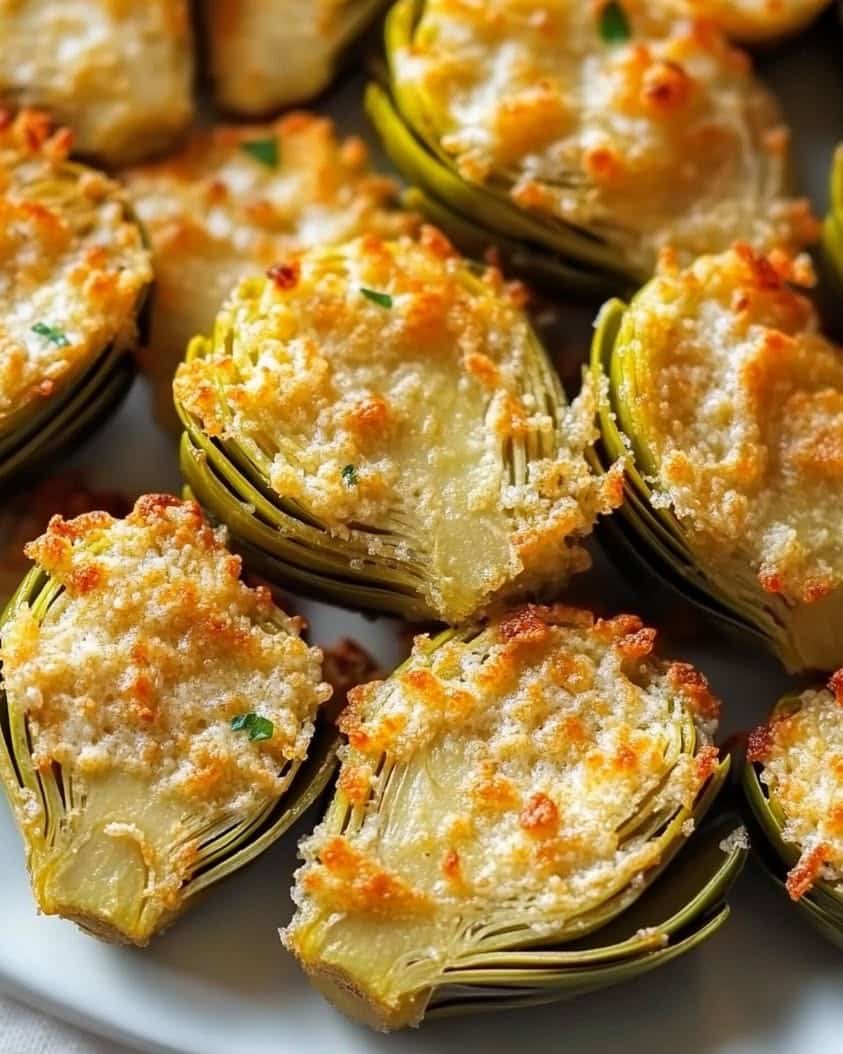
Crispy Parmesan Artichoke Hearts: An Irresistible Appetizer Recipe
Imagine biting into a golden, crunchy morsel that gives way to a tender, savory heart. That is the magic of these Crispy Parmesan Artichoke Hearts. This recipe transforms the humble canned artichoke into a show-stopping appetizer that will disappear from any platter in minutes. Moreover, the combination of nutty Parmesan cheese, aromatic garlic, and crispy panko breadcrumbs creates a flavor and texture symphony that is simply unforgettable. Consequently, you will find yourself making this easy recipe again and again for game days, parties, or even a fancy weeknight snack.
The beauty of this Crispy Parmesan Artichoke Hearts recipe lies in its perfect balance. The artichokes themselves offer a mild, slightly tangy flavor that acts as a perfect canvas for the bold, cheesy coating. Meanwhile, the frying process locks in moisture while creating an exterior that shatters delightfully with each bite. Ultimately, this dish proves that impressive appetizers do not need to be complicated. In fact, with just a handful of pantry staples and about thirty-five minutes, you can create a restaurant-quality treat right in your own kitchen.
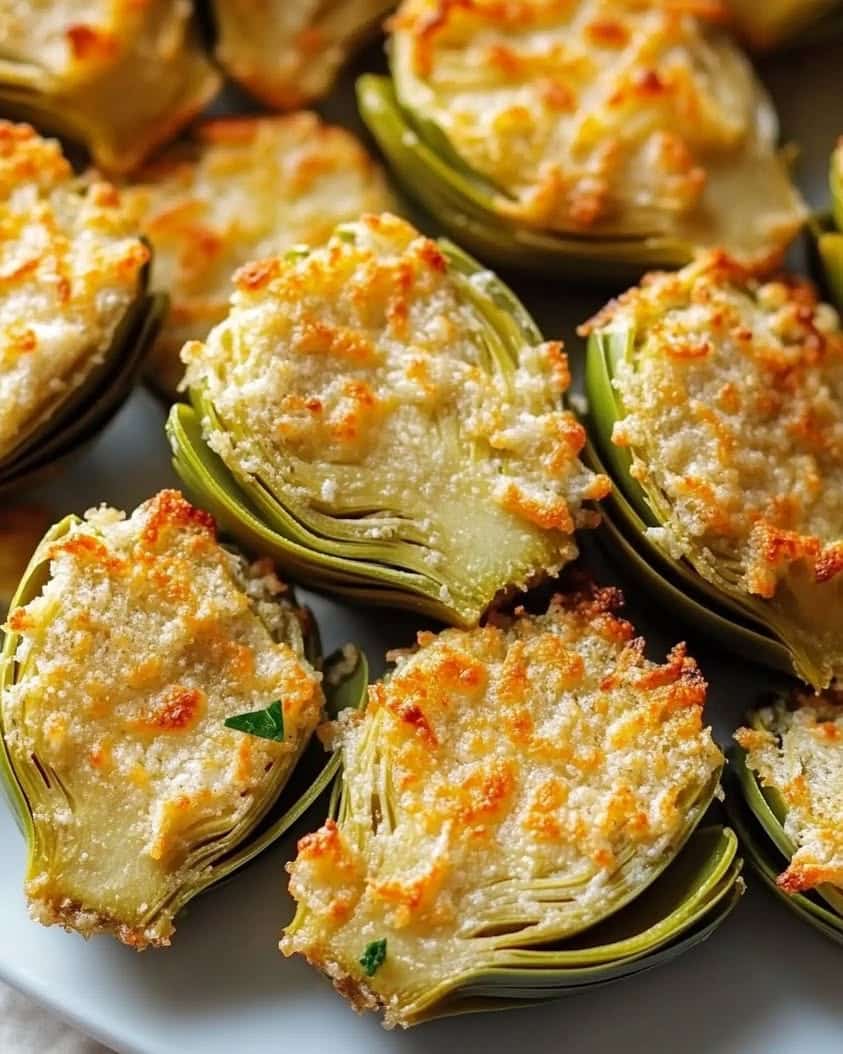
Everyone loves a good finger food, and these crispy artichoke hearts deliver on every front. They are visually appealing with their golden-brown crust, incredibly satisfying to eat, and surprisingly simple to prepare. Whether you are hosting a large gathering or just craving a savory bite, this recipe is your new secret weapon. Furthermore, the aroma of garlic and Parmesan frying will draw everyone into the kitchen, building anticipation for the delicious snack to come. Get ready to elevate your appetizer game with this foolproof favorite.
Quick Recipe Highlights
- Flavor Profile: These Crispy Parmesan Artichoke Hearts deliver a powerful umami punch from the Parmesan and garlic, perfectly complementing the artichoke’s subtle tang. Additionally, the seasoning blend creates a savory, well-rounded taste that is neither too salty nor too bland.
- Texture: The experience begins with a super crunchy, golden panko crust that audibly cracks. Then, you reach the uniquely tender, almost meaty interior of the artichoke heart, creating a magnificent contrast that is deeply satisfying.
- Aroma: As they cook, the kitchen fills with the irresistible scent of toasting garlic and nutty Parmesan cheese. This aromatic promise is a sure sign that a delicious treat is moments away from being served.
- Visual Appeal: The finished hearts are beautifully golden-brown and craggy, showcasing their crispy coating. Served with a bright lemon wedge or atop a bed of greens, they look as impressive as they taste.
- Skill Level Needed: This is a beginner-friendly recipe requiring basic techniques like dredging and pan-frying. Importantly, no special chef skills are needed, just a bit of patience for achieving that perfect golden crust.
- Special Equipment: You only need standard kitchen tools: a few bowls for dredging, a heavy-bottomed skillet or Dutch oven for frying, and a slotted spoon or spider for safe removal of the hot artichokes.
Recipe Overview
- Difficulty Level: We rate this recipe as “Easy” because it uses straightforward, sequential steps familiar to most home cooks. The dredging process is simple, and pan-frying is a fundamental technique. However, maintaining the correct oil temperature is the only point requiring slight attention for perfect results.
- Category: This dish fits perfectly into the appetizer and snack category, ideal for starting a meal or serving at a party. It can also be a fantastic side dish or a topping for a hearty salad when you want to add a crispy, flavorful element.
- Cuisine: While artichokes are central to Mediterranean cuisine, this preparation with Parmesan and panko has a modern American twist. It draws inspiration from Italian flavors but is executed in a popular, crowd-pleasing style found in contemporary eateries.
- Cost: This is a very cost-effective recipe, especially when using canned or jarred artichoke hearts. Parmesan and panko are inexpensive pantry items, and the oil can be strained and reused. Overall, you can make an impressive appetizer for four people for just a few dollars.
- Season: These Crispy Parmesan Artichoke Hearts are truly a year-round recipe. They are light enough for spring and summer gatherings yet comforting and warm for fall and winter events. Artichokes are generally always available canned or frozen, eliminating seasonal limitations.
- Occasion: They are incredibly versatile for any occasion, from casual game day watch parties and potlucks to more formal cocktail hours and holiday gatherings. Their elegant appearance and universally loved flavor make them a safe and impressive choice for any event.
Why You’ll Love This Recipe
First and foremost, the taste and texture are absolutely phenomenal. The initial crunch gives way to a tender, flavorful center in a way that is endlessly enjoyable. Each bite delivers a savory burst of garlic and Parmesan that perfectly enhances the artichoke without overwhelming it. Furthermore, the contrast between the crispy exterior and soft interior creates a mouthfeel that keeps you reaching for just one more. Ultimately, this combination makes these artichoke hearts dangerously addictive and guaranteed to be the first empty plate at any party.
Convenience is another major winning point for this recipe. You start with canned or jarred artichoke hearts, which means no tedious trimming or prepping of fresh artichokes. The dredging station is simple to set up, and the cooking time is under twenty minutes. Consequently, you can go from a craving to a platter of hot, crispy appetizers in well under an hour. This makes it a perfect last-minute solution when guests are on their way or when you need a quick, satisfying snack that feels special.
From a nutritional perspective, artichoke hearts offer several benefits. They are a good source of fiber, vitamin C, vitamin K, and folate. While frying adds fat, using a high-smoke-point oil like avocado or canola and ensuring proper drainage can help manage this. Additionally, baking is always a fantastic alternative for a lighter version. Compared to many frozen or restaurant appetizers, you control the quality of ingredients and the amount of salt, making this a smarter homemade choice.
The social and entertaining value of this dish cannot be overstated. Food that is meant to be shared from a central platter naturally brings people together. These crispy bites are perfect finger food, encouraging conversation and interaction. They pair wonderfully with a variety of dips and drinks, making them the cornerstone of a great appetizer spread. Serving something this visually appealing and delicious also makes you look like a culinary rockstar with minimal effort.
Finally, this recipe is remarkably cost-effective and accessible. Artichoke hearts, Parmesan, and breadcrumbs are not expensive ingredients, and the recipe requires no special equipment. You likely have most items in your pantry already. This accessibility means you can create a gourmet-tasting appetizer without a gourmet budget. Therefore, it’s a recipe you can turn to frequently, whether for a family treat or a large party, without worrying about the cost.
Historical Background and Cultural Significance
The story of the artichoke is a long and storied one, dating back to ancient times. Originally cultivated in the Mediterranean region, particularly around North Africa and Sicily, the artichoke was prized by Romans and Greeks for its perceived medicinal and digestive properties. Its journey to the appetizer plate, however, is a more modern tale. While artichokes have been eaten for millennia, the concept of battering and frying vegetables gained immense popularity in American cuisine during the 20th century, leading to classics like fried mushrooms and zucchini.
Culturally, the artichoke holds significant importance in places like Italy, where it is celebrated in numerous regional dishes, from Roman *carciofi alla giudia* (Jewish-style artichokes) to stuffed artichokes found in Sicilian cooking. The introduction of Parmesan cheese, a staple of Italian cuisine, into the breading mixture creates a fusion that honors this heritage. In the United States, the artichoke became widely popular in California after being introduced by Italian immigrants, eventually becoming the state vegetable and a symbol of its abundant produce.
The evolution of this specific recipe for Crispy Parmesan Artichoke Hearts is a testament to modern culinary trends favoring bold flavors and contrasting textures. It takes the simple concept of fried vegetables and elevates it with a flavorful, cheesy crust. This style of appetizer became a staple in casual dining restaurants and sports bars, beloved for its shareable, craveable quality. The use of panko breadcrumbs, a Japanese ingredient, further shows how global influences continue to shape and improve upon classic preparation methods.
Regional variations of fried artichokes abound. In Italy, you might find them simply fried whole or halved with just olive oil and herbs. In the American South, a buttermilk batter might be used. The Parmesan and garlic version has become a standard favorite for its powerful flavor payoff. Some adaptations include adding lemon zest to the breadcrumb mixture, using a blend of cheeses like Pecorino Romano, or incorporating herbs like oregano or thyme directly into the dredge. This versatility ensures the recipe can be personalized to any taste preference.
Ingredient Deep Dive
Artichoke Hearts (Canned or Jarred): Using canned or jarred artichoke hearts is the ultimate shortcut for this recipe. They are pre-trimmed, cooked, and ready to use, saving significant time and effort. Historically, the canning of vegetables revolutionized home cooking by making seasonal produce available year-round. Nutritionally, artichoke hearts are low in calories and fat but high in fiber, antioxidants, and minerals like potassium and magnesium. When selecting them, look for quarters or whole hearts packed in water or brine, not marinated. Be sure to drain them thoroughly and press them gently between paper towels to remove excess moisture, which is crucial for a crispy coating. They can be stored unopened in the pantry for years; once opened, transfer to a sealed container and refrigerate for up to a week.
Parmesan Cheese (Freshly Grated): Parmesan cheese, or Parmigiano-Reggiano, is a hard, granular cheese with a rich history dating back to the Middle Ages in the Italian regions of Parma and Reggio Emilia. It brings a deep, savory umami flavor and nuttiness to the breading. Freshly grating your own Parmesan from a block is non-negotiable for the best texture and meltability; pre-grated cheese often contains anti-caking agents that can make the coating gummy. Nutritionally, it is a good source of protein and calcium but also high in sodium, so season your flour mixture accordingly. Store a block of Parmesan tightly wrapped in the refrigerator for several weeks. For a sharper flavor, you can substitute Pecorino Romano, or for a dairy-free version, use nutritional yeast.
Panko Breadcrumbs: Panko are Japanese-style breadcrumbs made from crustless white bread, resulting in larger, flakier, drier crumbs than traditional breadcrumbs. They were introduced to Western cuisine in the latter half of the 20th century and are now prized for creating an exceptionally light and crunchy coating that doesn’t get soggy easily. Their neutral flavor makes them the perfect carrier for the Parmesan and garlic. For a gluten-free version, use certified gluten-free panko or crushed gluten-free crackers. Store panko in a cool, dry pantry; once opened, keep them in a sealed bag or container to prevent them from absorbing moisture and losing their crisp quality.
Garlic Powder: Garlic powder is dehydrated, ground garlic. It is used here instead of fresh garlic to distribute flavor evenly throughout the breading without the risk of burning in the hot oil, which fresh minced garlic would do. It provides a consistent, mellow garlic essence. For the best flavor, ensure your garlic powder is fresh (not clumpy or stale). You can find it in the spice aisle of any grocery store. While fresh garlic is wonderful in the accompanying dipping sauce, the powder is superior for the dredge. Store it in a cool, dark place with your other spices to maintain its potency.
Common Mistakes to Avoid
- Not Draining the Artichokes Enough: Excess moisture is the enemy of crispiness. If your artichoke hearts are wet, the coating will slide off and the breading will steam instead of fry. Always drain the canned hearts thoroughly and then press them firmly between layers of paper towels to remove as much liquid as possible.
- Using Pre-Grated Parmesan Cheese: Pre-grated cheese contains cellulose to prevent clumping, which can prevent it from melting properly into the breading. This results in a less cohesive, potentially gummy crust. For the best flavor and texture, always grate a block of Parmesan cheese yourself just before using.
- Incorrect Oil Temperature: Frying at oil that is too low will make the artichokes greasy and soggy as they absorb the oil. Conversely, oil that is too hot will burn the coating before the inside heats through. Use a thermometer and maintain a steady 350-375°F (175-190°C) for perfect results.
- Crowding the Pan: Adding too many artichoke hearts to the oil at once causes the temperature to plummet dramatically. This leads to uneven cooking and oily food. Fry in small, manageable batches to keep the oil hot and ensure each piece has space to crisp up evenly on all sides.
- Skipping the Dredging Steps: The three-step process (flour, egg, breadcrumbs) is essential. The flour helps the egg adhere, and the egg helps the breadcrumbs stick. Skipping a step or trying to combine them will result in a patchy, incomplete coating that falls off during frying.
- Not Seasoning the Flour: The flour layer is your first opportunity to build flavor. Season it generously with salt, pepper, and garlic powder. If you only season the breadcrumbs, the flavor won’t penetrate through the entire coating, leaving the inner layers bland.
- Using the Wrong Oil: Olive oil has a low smoke point and can burn at frying temperatures, imparting a bitter flavor. Choose a neutral oil with a high smoke point, such as canola, vegetable, peanut, or avocado oil. These oils can handle the heat without breaking down.
- Letting Them Sit on Paper Towels: While draining on paper towels is good, leaving them stacked on top of each other in a pile traps steam and makes the bottom ones soggy. For the crispiest result, spread them out in a single layer on a cooling rack set over a baking sheet after frying.
Essential Techniques
Proper Dredging and Breading: This technique creates the foundational crispy shell. First, ensure your workstation is organized: flour mixture, beaten eggs, and panko-Parmesan mixture in separate shallow bowls. Use one hand for dry ingredients and the other for wet to avoid creating a batter on your fingers. Thoroughly coat an artichoke piece in the seasoned flour, shaking off excess. Next, dip it fully into the egg wash, letting the excess drip off. Finally, press it firmly into the panko mixture, ensuring an even, generous coating. The key is a firm press to help the crumbs adhere, creating that craggy, textured crust that fries up so beautifully.
Maintaining Correct Frying Temperature: This is the most critical technique for achieving a non-greasy, perfectly crispy exterior. Use a deep-fry or candy thermometer clipped to the side of your pot. Heat the oil slowly over medium heat to your target range of 350-375°F (175-190°C). When you add the cold artichokes, the temperature will drop; adjust the heat to bring it back up. Fry in small batches, as adding too much food at once causes a drastic temperature plunge, leading to oily results. Between batches, allow the oil to fully recover its heat. Consistent temperature ensures quick cooking that seals the coating and cooks the interior without absorbing excess oil.
Draining for Maximum Crispiness: How you handle the artichokes after frying is just as important as the frying itself. Immediately transfer them from the hot oil to a waiting plate or tray lined with paper towels. However, do not let them pile up. For the absolute best, longest-lasting crunch, transfer them to a wire cooling rack set over a baking sheet. This allows air to circulate on all sides, preventing steam from getting trapped underneath and softening the bottom of your beautifully crispy Parmesan artichoke hearts. Let them rest for just a minute or two before serving hot.
Pro Tips for Perfect Crispy Parmesan Artichoke Hearts
Chill your breaded artichoke hearts for 15-20 minutes before frying. This helps the coating set and adhere better, reducing the chance of it falling off in the oil.
Double-coat for extra crunch. After the first egg wash and breadcrumb layer, dip the heart back into the egg and then into the breadcrumbs a second time for an ultra-thick, crunchy shell.
Add a teaspoon of cornstarch to your all-purpose flour. This small addition makes the initial dredge layer crispier and helps create a better barrier against moisture.
Season every layer. Don’t just season the breadcrumbs; add salt, pepper, and a pinch of garlic powder to the flour and even a little to the beaten eggs for flavor in every bite.
Use tongs or a spider skimmer for turning and removing the artichokes. Forks can puncture the coating, letting oil in and causing the filling to leak out.
Fry a single “test” artichoke heart first. This allows you to check your oil temperature, cooking time, and seasoning before committing the whole batch.
Keep finished batches warm in a 200°F (95°C) oven on a wire rack while you fry the rest. This preserves their crisp texture much better than covering them with foil, which creates steam.
Grate your Parmesan cheese in a food processor if you have one. It’s faster and creates the perfect light, fluffy grate that mixes beautifully with the panko.
Variations and Adaptations
Regional Variations: For an Italian-American twist, add a teaspoon of dried oregano and a pinch of red pepper flakes to the breadcrumb mixture. A Greek-inspired version could use crumbled feta cheese mixed with the Parmesan and dried mint. In the South, you might try a buttermilk soak before dredging for extra tang and tenderness.
Seasonal Adaptations: In the spring, add finely chopped fresh herbs like chives, parsley, or dill to the panko mix. For a summer party, serve them atop a bright salad of arugula and cherry tomatoes. In fall, incorporate a bit of smoked paprika into the seasoning. During the winter holidays, they pair wonderfully with a creamy, rich dip.
Dietary Modifications: For a gluten-free version, use a 1:1 gluten-free flour blend for the dredge and certified gluten-free panko breadcrumbs. To make them dairy-free, omit the Parmesan and use a combination of nutritional yeast and a bit of white miso paste for umami depth in the breading.
Flavor Variations: Experiment with different cheeses! Try Asiago, Pecorino Romano, or a sharp white cheddar. Add lemon zest to the breadcrumbs for a bright note. For a spicy kick, mix in cayenne pepper or chipotle powder with the garlic powder. A truffle salt finish after frying adds instant gourmet flair.
Texture Modifications: For an even crunchier texture, mix in some finely crushed cornflakes or potato chips with the panko. For a lighter, air-fried version, spray the breaded hearts generously with oil and cook in a single layer at 400°F (200°C) for 10-12 minutes, flipping halfway.
Presentation Alternatives: Skewer two or three crispy hearts on small appetizer picks for easy serving. Stack them in a tall, elegant glass for a dramatic centerpiece. Or, serve them deconstructed as a “DIY” station with separate bowls of breaded, raw hearts and a fondue pot of hot oil for guests to fry their own.
Serving and Presentation Guide
Plating Techniques: Presentation matters for these golden gems. Avoid piling them haphazardly on a plate. Instead, arrange them in a circular pattern or a neat row on a long rectangular platter. Leave a little space between each piece to showcase their individual crispiness and prevent them from steaming each other. Using a plain, white or dark-colored plate makes the golden-brown color of the Crispy Parmesan Artichoke Hearts truly pop.
Garnishing Ideas: A simple garnish elevates the look instantly. A generous wedge of fresh lemon is both functional and beautiful. Scatter finely chopped fresh parsley or chives over the top for a touch of green. For a restaurant-style finish, use a microplane to dust a light snow of extra Parmesan cheese over the platter just before serving.
Traditional Accompaniments: These hearts are classic with dipping sauces. A creamy lemon-garlic aioli, a spicy marinara, or a cool ranch dressing are all perfect partners. For a simpler route, offer a small bowl of high-quality balsamic glaze for drizzling. A side of peppery arugula lightly dressed with lemon vinaigrette makes a refreshing counterpoint.
Modern Serving Suggestions: Think beyond the appetizer platter. Place a few crispy hearts on top of a Caesar or Greek salad for a crunchy protein boost. Tuck them into a warm pita with tzatziki and veggies for a unique sandwich. Or, serve them as a side dish alongside grilled chicken or fish, replacing a standard starch.
Temperature Considerations: Crispy Parmesan Artichoke Hearts are best served immediately, piping hot from the oil. Their signature texture is at its peak within minutes of cooking. If you must hold them, keep them in a single layer on a rack in a very low oven (200°F/95°C). Never cover them with foil, as the trapped steam will ruin the crunch.
Portion Control Tips: As an appetizer, plan for 4-6 pieces per person. They are rich and flavorful, so a little goes a long way. If serving as part of a larger spread with other items, 2-3 pieces per person is sufficient. When plating for a party, consider using smaller plates to encourage guests to take a reasonable portion and come back for more if desired.
Wine and Beverage Pairing
Wine Pairings: The savory, umami-rich flavors of these artichokes call for wines with good acidity to cut through the richness. A crisp, unoaked Sauvignon Blanc with its herbal and citrus notes is a fantastic match. Alternatively, a dry Italian Prosecco or Spanish Cava offers refreshing bubbles that cleanse the palate. For red wine lovers, a light-bodied, low-tannin red like a Pinot Noir or a chilled Beaujolais works surprisingly well without overpowering the dish.
Non-Alcoholic Alternatives: Sparkling water with a twist of lemon or lime is a perfect, palate-cleansing choice. For more flavor, try a ginger beer or a craft lemonade, as the sweetness and spice balance the savory, salty notes beautifully. An iced herbal tea, such as mint or citrus blend, also complements the artichokes without competing.
Coffee/Tea Pairings: While not a traditional pairing for this appetizer, if serving later in the day, a light roast coffee with bright acidity can work. For tea, consider a green tea like Sencha, which has vegetal notes that harmonize with the artichoke, or a floral Earl Grey.
Temperature Considerations: White wines and sparkling wines should be served well-chilled, between 45-50°F (7-10°C). Red wine pairings should be served slightly cooler than room temperature, around 55-60°F (13-16°C). Non-alcoholic sparkling drinks are best ice-cold to provide the most refreshing contrast.
Serving Suggestions: Offer a variety of beverages to cater to all guests. Set up a small station with a bottle of Sauvignon Blanc, a bottle of Prosecco, a pitcher of sparkling water with citrus slices, and a cooler with craft sodas. This allows everyone to choose their perfect pairing for the Crispy Parmesan Artichoke Hearts.
Storage and Shelf Life
Storage Methods: Unfortunately, Crispy Parmesan Artichoke Hearts are truly at their best fresh. However, if you have leftovers, let them cool completely to room temperature after frying. Do not cover them while warm. Once cool, place them in a single layer in an airtight container, separating layers with parchment paper. Store in the refrigerator for up to 2 days.
Temperature Requirements: Always store leftovers in the refrigerator. The combination of dairy (Parmesan) and vegetable matter means they should not be left at room temperature for more than two hours after cooking to prevent bacterial growth.
Container Recommendations: A shallow, wide container is better than a deep one. This minimizes stacking and pressure on the crispy coating. If you must stack, use parchment paper between each layer to prevent them from sticking together and becoming soggy.
Signs of Spoilage: Discard any artichoke hearts that develop an off smell (sour or rancid), show visible mold, or have a slimy texture. The Parmesan in the coating can also cause the oil to go rancid over time, so trust your senses.
Reheating Instructions: To restore some crispiness, avoid the microwave. Instead, reheat in a 375°F (190°C) oven or toaster oven. Place them on a wire rack over a baking sheet and heat for 5-10 minutes, until hot throughout. An air fryer at 375°F (190°C) for 3-4 minutes also works excellently.
Freezing Guidelines: Freezing is not recommended for the fully cooked hearts, as the texture of the artichoke and the coating will become very soggy and unpleasant upon thawing and reheating. It’s best to enjoy them fresh or refrigerated for a short time.
Make Ahead Strategies
Prep Timeline: You can prepare the components up to a day in advance to streamline party day. The day before, drain and thoroughly dry the artichoke hearts. Grate the Parmesan cheese and store it in a sealed container in the fridge. Mix the seasoned flour and the panko-Parmesan mixture in separate airtight containers at room temperature.
Storage Between Steps: You can even bread the artichoke hearts ahead of time. After the final breading step, arrange them in a single layer on a parchment-lined baking sheet. Cover loosely with plastic wrap and refrigerate for up to 4 hours. This chilling step can actually help the coating adhere better.
Quality Impact Assessment: Pre-breading is the best make-ahead step with minimal quality loss. Avoid pre-mixing the egg wash more than a few hours ahead. Frying should always be done as close to serving as possible for peak crispiness.
Assembly Tips: On the day of serving, simply take your pre-breaded hearts from the fridge, let them sit at room temperature for 10 minutes (to take the chill off and prevent oil temperature shock), and fry as directed. Have your dipping sauces made and garnishes prepped.
Reheating Guidelines: If you must fry ahead by more than 30 minutes, use the oven/air fryer reheating method described above. They will still be tasty but will have lost the absolute pinnacle of just-fried texture.
Fresh Element Additions: Any fresh garnishes like chopped herbs or lemon wedges should always be prepared and added just before serving. The same goes for any cold dipping sauces—have them ready in the fridge and bring them out with the hot artichokes.
Scaling Instructions
Halving the Recipe: Halving this recipe is straightforward. Simply divide all ingredient quantities by two. Use a smaller skillet for frying to avoid using an excessive amount of oil for a small batch. The prep and cook times will remain roughly the same, as you’re just working with less volume. This is perfect for a snack for two.
Doubling or Tripling: For a crowd, you can easily double or triple the ingredients. The key adjustment is to use a large Dutch oven or heavy pot to hold more oil and maintain temperature stability. Fry in consistent, small batches to avoid overcrowding. You may need to replenish or change the oil halfway through if it becomes too dark with loose crumbs.
Equipment Adjustments: Scaling up requires a larger dredging station with bigger bowls. Have a second baking sheet with a wire rack ready to hold the fried batches while you continue cooking. A spider skimmer or large slotted spoon is essential for efficiently handling more pieces.
Timing Modifications: While prep time increases linearly with more ingredients, frying time does not. You will spend more total time frying because you must maintain small batches. Factor in at least 5-7 minutes of active frying time per batch. Keep finished batches warm in a 200°F (95°C) oven.
Storage Considerations: When making a large batch, be realistic about how many will be eaten immediately. It’s often better to fry in waves throughout an event than to fry everything at once, as the texture degrades over time. Have your mise en place ready to quickly bread and fry a second fresh batch if the first disappears.
Nutritional Deep Dive
Macro Breakdown: A serving of these Crispy Parmesan Artichoke Hearts provides a balance of macronutrients influenced by frying. You’ll get carbohydrates from the artichoke and breadcrumbs, protein and fat from the cheese and egg, and additional fat from the frying oil. The exact numbers vary based on oil absorption, but it’s a energy-dense appetizer best enjoyed in moderation as part of a varied diet.
Micronutrient Analysis: Artichokes are the nutritional star here, contributing dietary fiber, vitamin C, vitamin K, folate, and minerals like magnesium and potassium. Parmesan cheese adds calcium and phosphorus. However, the frying process can degrade some heat-sensitive vitamins like vitamin C.
Health Benefits: The artichoke hearts themselves offer digestive benefits due to their fiber and prebiotic inulin content. They are also rich in antioxidants. The dish, when baked instead of fried, can be part of a heart-healthy diet focusing on vegetables and controlled portions of cheese.
Dietary Considerations: This standard recipe contains gluten (flour, panko), dairy (Parmesan, egg wash), and is fried. It is not suitable for those with celiac disease, lactose intolerance, or those following a vegan or low-fat diet without significant modifications.
Portion Analysis: The serving size of 4-6 pieces is designed to satisfy as an appetizer without overindulging. Sticking to this portion allows you to enjoy the rich flavors and textures while managing calorie and fat intake. Pairing with a fresh, leafy salad can help balance the meal.
Weight Management Tips: If you’re watching your weight, the air fryer method is an excellent alternative, significantly reducing added fat. You can also reduce the amount of Parmesan in the breading slightly. Most importantly, be mindful of portion size and avoid going back for multiple helpings, as they are very moreish.
Dietary Adaptations
Gluten-Free: Replace the all-purpose flour with a 1:1 gluten-free baking flour blend. Use certified gluten-free panko breadcrumbs. Ensure all other ingredients, like spices, are certified gluten-free. The dredging and frying process remains exactly the same, resulting in equally delicious crispy artichoke hearts.
Dairy-Free: Omit the Parmesan cheese. To replicate the umami flavor, add 2-3 tablespoons of nutritional yeast to the panko breadcrumbs. For extra depth, you can also mix in a teaspoon of white miso paste into the egg wash (thin it with a drop of water first). Use a plant-based milk if a binder beyond egg is needed.
Vegan: Follow the dairy-free adaptations and replace the egg wash. Create a vegan “egg” by mixing 1 tablespoon of ground flaxseed with 2.5 tablespoons of water per “egg” needed; let it gel for 5 minutes. Alternatively, use aquafaba (the liquid from a can of chickpeas) or a commercial vegan egg replacer.
Low-Carb/Keto: Omit the flour and panko entirely. For the coating, use a mixture of finely grated Parmesan cheese and crushed pork rinds or almond flour. Dip the dried artichokes in beaten egg, then press firmly into the cheese-pork rind mixture. Fry or bake as usual. Note that artichokes themselves do contain some carbs.
Paleo: Use almond flour or coconut flour for the initial dredge. For the breading, a mixture of finely chopped nuts (like almonds or pecans) with nutritional yeast can work. Use egg as a binder. Ensure your oil is Paleo-approved, such as avocado oil or coconut oil.
Low-FODMAP: Artichoke hearts are high in FODMAPs (specifically fructans) and are not suitable for the elimination phase of a low-FODMAP diet. This recipe cannot be adapted to be low-FODMAP while still using artichokes. Consider using a low-FODMAP vegetable like zucchini or eggplant as a substitute.
PrintCrispy Parmesan Artichoke Hearts
- Total Time: 45 minutes
- Yield: 4
Description
A delightful appetizer featuring tender artichoke hearts coated in a crispy, cheesy breadcrumb and Parmesan crust, baked to golden perfection.
Ingredients
- 1 (14 oz) can artichoke hearts, drained and patted dry
- 1/2 cup grated Parmesan cheese
- 1/2 cup panko breadcrumbs
- 1/2 teaspoon garlic powder
- 1/2 teaspoon dried oregano
- 1/4 teaspoon black pepper
- 1/4 teaspoon salt
- 2 large eggs, beaten
- 2 tablespoons olive oil
- Lemon wedges for serving
Instructions
- Preheat the oven to 400°F (200°C). Line a baking sheet with parchment paper and lightly grease with olive oil.
- In a shallow bowl, mix together Parmesan cheese, panko breadcrumbs, garlic powder, oregano, pepper, and salt.
- Dip each artichoke heart into the beaten eggs, then coat thoroughly in the Parmesan breadcrumb mixture, pressing gently to adhere.
- Arrange the coated artichoke hearts in a single layer on the prepared baking sheet. Drizzle with olive oil.
- Bake for 20-25 minutes, flipping halfway through, until golden brown and crispy. Serve immediately with lemon wedges.
Notes
You can customize the seasonings to taste.
- Prep Time: 15 minutes
- Cook Time: 30 minutes
- Method: Appetizer
- Cuisine: American