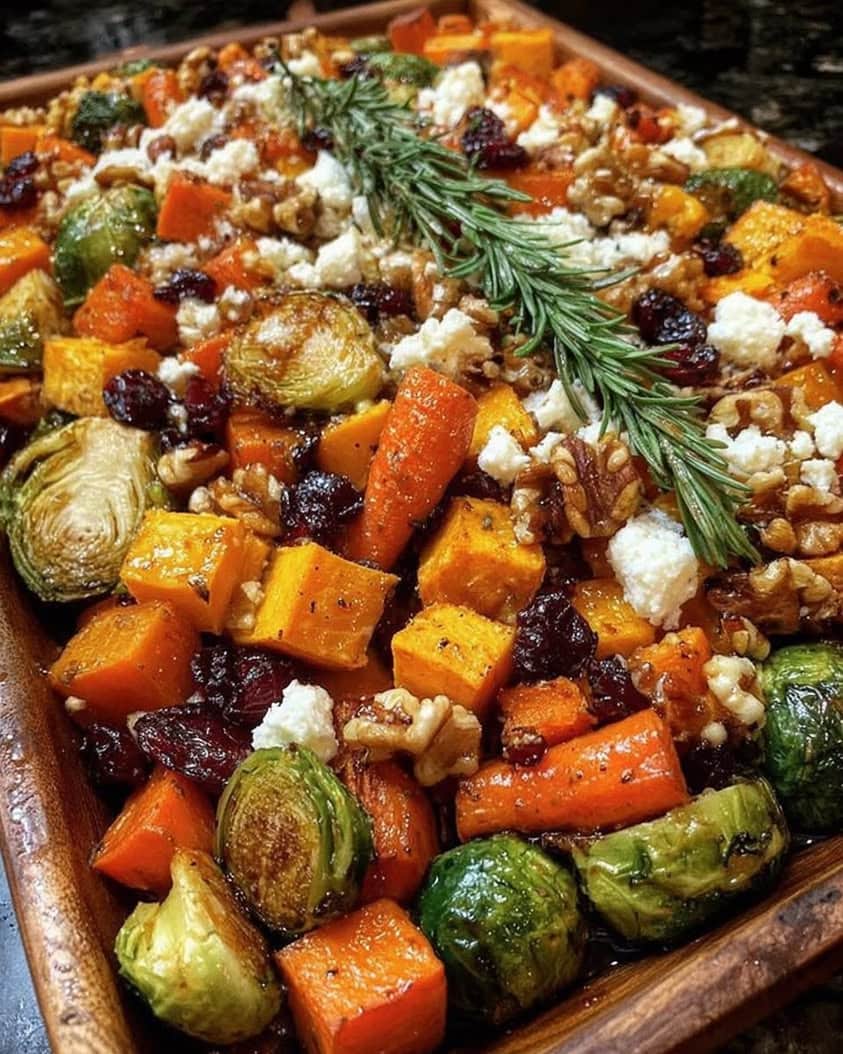
Roasted Harvest Vegetables with Feta, Walnuts & Cranberry Glaze: A Festive Fall Side Dish
This stunning dish of Roasted Harvest Vegetables with Feta, Walnuts & Cranberry Glaze is the ultimate celebration of autumn’s bounty. Imagine sweet butternut squash and carrots caramelizing alongside earthy Brussels sprouts and sweet potato. Then, picture them all tossed in a vibrant, tangy-sweet cranberry-honey glaze and finished with creamy feta and crunchy walnuts. The result is a symphony of fall flavors and textures that will steal the show at any holiday table or cozy weeknight dinner.
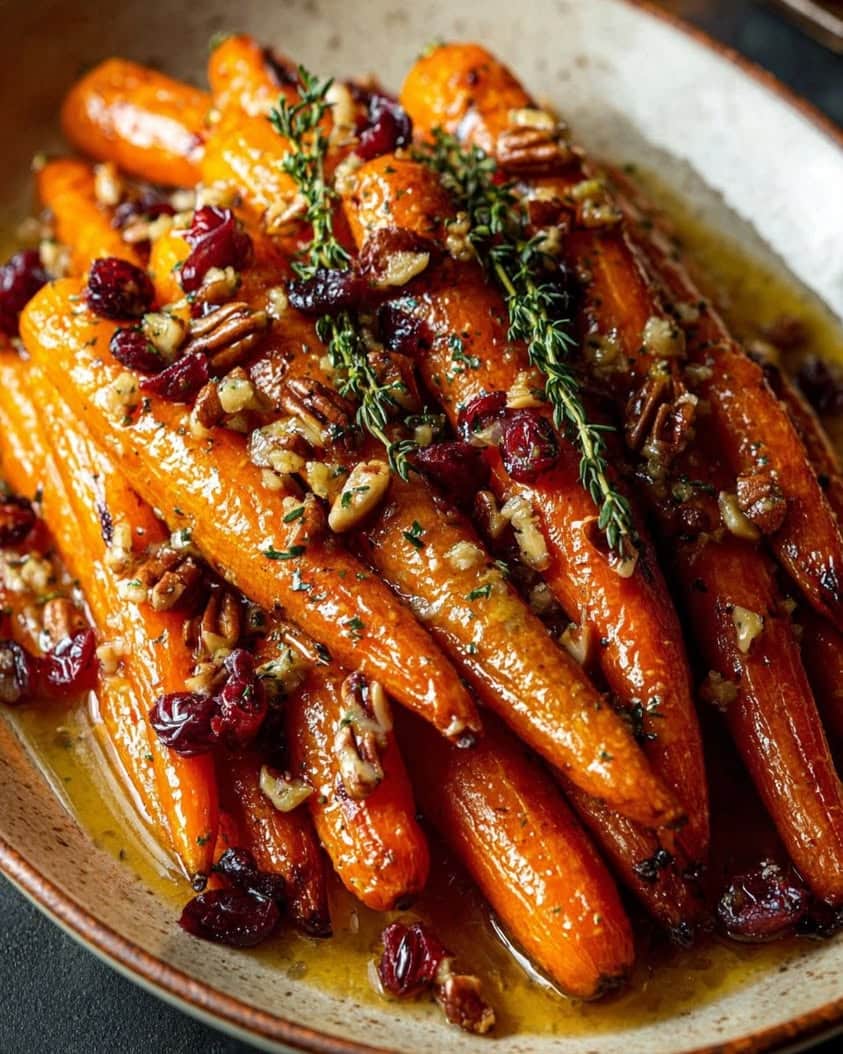
Furthermore, this recipe transforms simple, wholesome ingredients into something truly extraordinary. The high-heat roasting process deepens the natural sugars in the vegetables, creating those deliciously caramelized edges we all crave. Meanwhile, the quick glaze adds a glossy, festive touch that balances the savory elements perfectly. Ultimately, this dish is as beautiful to look at as it is delicious to eat, featuring a vibrant color palette of deep oranges, rich greens, and bright reds from the glaze and cranberries.
Finally, this recipe is incredibly versatile and forgiving. You can easily adapt it based on what’s in your pantry or adjust the sweetness to your liking. Whether you serve it as a hearty vegetarian main or a spectacular side to roasted turkey or ham, these Roasted Harvest Vegetables promise to become a seasonal favorite. Let’s explore how to create this perfect blend of sweet, savory, and tangy flavors.
Quick Recipe Highlights
- Flavor Profile: This dish masterfully balances sweet, savory, and tangy notes. The natural sweetness of the roasted vegetables meets the salty creaminess of feta and the bright pop of the cranberry-honey glaze. Additionally, the walnuts contribute a rich, toasty depth that ties everything together.
- Texture: You get a wonderful contrast in every bite. Expect tender, caramelized vegetables paired with the satisfying crunch of toasted walnuts. The feta adds a soft, crumbly element, while the glaze provides a sticky, glossy coating that enhances the mouthfeel.
- Aroma: As it roasts, your kitchen will fill with the warm, comforting scents of caramelizing squash and sweet potato, mingled with the earthy notes of Brussels sprouts. The final drizzle of the honey-infused cranberry glaze adds a final layer of fruity, festive fragrance.
- Visual Appeal: This dish is a feast for the eyes with its autumnal color palette. The deep orange of the squash, vibrant green of the Brussels sprouts, and red hue from the glaze create a stunning presentation that looks professional and inviting.
- Skill Level Needed: This is a beginner-friendly recipe that requires basic knife skills for chopping and the ability to use an oven. The techniques are straightforward, involving simple roasting and whisking a glaze, making it accessible for cooks of all levels.
- Special Equipment: You only need a large baking sheet, a good chef’s knife, and a mixing bowl. Parchment paper is highly recommended for easy cleanup and to prevent sticking, but it’s not strictly necessary if you grease your pan well.
Recipe Overview
- Difficulty Level: We rate this recipe as “Easy” because it involves fundamental cooking techniques. The primary skill is uniform vegetable chopping to ensure even cooking. Moreover, the process is largely hands-off once the vegetables are in the oven, requiring just occasional stirring. There are no complicated sauces or precise temperaments to manage, making it very approachable.
- Category: This dish shines brightest as a spectacular side dish for holiday meals like Thanksgiving or Christmas. However, it’s also substantial enough to serve as a vegetarian main course when paired with a grain like quinoa or farro. It fits perfectly into the “healthy comfort food” category for everyday fall and winter dining.
- Cuisine: While not tied to one specific tradition, this recipe draws inspiration from modern American and Mediterranean cuisines. The use of feta and olive oil nods to Mediterranean flavors, while the combination of roasted fall vegetables and cranberry is quintessentially North American, especially for Thanksgiving. It’s a beautiful fusion that highlights seasonal, local produce.
- Cost: This is a very cost-effective dish, especially when root vegetables are in season. Butternut squash, carrots, and sweet potatoes are typically inexpensive. Feta, walnuts, and fresh cranberries might be the pricier components, but a little goes a long way. Overall, you can create an impressive, restaurant-quality side for a fraction of the cost of dining out.
- Season: This recipe is perfect for late fall and winter when its core ingredients are at their peak freshness and flavor. Cranberries are a hallmark of the holiday season, and root vegetables are best after a frost. You can certainly make it year-round, but it will taste most authentic and vibrant from October through December.
- Occasion: It’s ideal for festive gatherings, potlucks, and holiday feasts due to its impressive presentation and make-ahead potential. Conversely, it also works wonderfully for a special weeknight dinner to bring a touch of celebration to an ordinary evening. It’s a versatile recipe that elevates any meal.
Why You’ll Love This Roasted Harvest Vegetables Recipe
First and foremost, the taste and texture combination is utterly irresistible. Each forkful delivers a complex experience: the deep, caramelized sweetness of the roasted vegetables, the sharp saltiness of the feta, the earthy crunch of walnuts, and the bright, tangy finish of the glaze. This harmony of flavors keeps your palate interested and makes the dish feel gourmet and special. Furthermore, the variety of textures—from soft and tender to crisp and crumbly—adds a delightful dimension that pureed or steamed sides often lack.
From a convenience standpoint, this recipe is a dream. Once the vegetables are chopped and tossed in oil, the oven does most of the work. This hands-off time allows you to prepare the rest of your meal, set the table, or simply relax. Additionally, the components can be prepped ahead of time. You can chop the vegetables a day in advance and store them in the fridge, making assembly on the day of serving incredibly quick and stress-free, which is a huge benefit for busy hosts.
Nutritionally, this dish is a powerhouse. It’s packed with vitamins, minerals, and fiber from its colorful array of vegetables. Butternut squash and sweet potatoes are excellent sources of Vitamin A and antioxidants. Brussels sprouts offer Vitamin C and K. Meanwhile, walnuts provide healthy fats and protein, and the olive oil contributes heart-healthy monounsaturated fats. This means you’re serving a side dish that is as nourishing as it is delicious, contributing to a balanced and healthful meal.
For entertaining, this recipe offers immense social value. Its stunning visual appeal is guaranteed to draw compliments from your guests. It’s a conversation starter that looks like you spent hours on it, yet the preparation is remarkably simple. Moreover, it caters to a variety of dietary preferences naturally—it’s vegetarian and can be made gluten-free and vegan with minor tweaks. Serving a dish that appeals to many without requiring separate meals is a major win for any host.
Finally, it is remarkably cost-effective and accessible. The base ingredients are humble root vegetables, which are some of the most affordable produce items, particularly in season. You can often find bags of carrots, sweet potatoes, and squash for a very low cost per serving. Even the “garnish” ingredients like feta, walnuts, and cranberries are used sparingly, so a small amount elevates the entire dish without breaking the bank. This allows you to create a luxurious-feeling meal on a sensible budget.
Historical Background and Cultural Significance
The tradition of roasting root vegetables stretches back centuries across many cultures, born from practicality and the need to preserve the harvest. Before modern refrigeration, communities relied on crops like squash, potatoes, and carrots that stored well through winter in cellars. Roasting these hard vegetables over an open fire or in communal ovens was a common method to make them palatable and nutritious. This practice evolved into the comforting, caramelized dishes we know today, where the slow application of heat transforms sturdy veggies into sweet, tender delights.
In North America, the combination of these specific vegetables with cranberry holds deep cultural significance, particularly tied to Thanksgiving. While the classic “green bean casserole” might be a mid-century invention, the use of native ingredients like squash, sweet potatoes, and cranberries connects directly to the harvest celebrations of Indigenous peoples and early colonists. This recipe modernizes that historical trinity, incorporating European influences like feta and walnuts, to create a dish that honors the past while appealing to contemporary tastes.
The recipe has evolved significantly with global trade and culinary innovation. Originally, such a dish would have been seasoned simply with salt, perhaps some animal fat, and cooked in a single pot. The introduction of olive oil from the Mediterranean, feta cheese from Greece, and the widespread availability of walnuts and fresh cranberries has allowed for this fusion of flavors. Today’s version represents a global pantry, showcasing how traditional cooking methods can be elevated with ingredients from around the world.
Regional variations of roasted vegetable medleys are endless. In the Mediterranean, you might find roasted vegetables with rosemary and lemon. In the American South, a touch of maple syrup or pecans could be added. This particular recipe with its cranberry glaze leans into a Northern European or North American holiday aesthetic. The beauty of such dishes is their adaptability; they provide a canvas for local flavors and seasonal availability, making them a timeless and universal aspect of home cooking and celebration.
Ingredient Deep Dive
Butternut Squash is a winter squash native to the Americas and has been cultivated for thousands of years. It was a staple food for many Indigenous nations, valued for its long storage life and nutritional density. Nutritionally, it’s incredibly rich in beta-carotene (which converts to Vitamin A), Vitamin C, and fiber. When selecting, choose squash that feels heavy for its size with a hard, matte rind and no soft spots. Store whole squash in a cool, dark place for months; once cut, wrap tightly and refrigerate for up to five days. For a substitution, try acorn squash or pumpkin.
Brussels Sprouts, believe it or not, are part of the cabbage family and were cultivated in ancient Rome, but gained their name from being popular in Brussels, Belgium, in the 16th century. They are packed with vitamins K and C, folate, and antioxidants. Look for firm, bright green sprouts that are similar in size for even cooking. Avoid those with yellowing leaves. Store them unwashed in a plastic bag in the refrigerator’s crisper drawer. If you’re not a fan, broccolini or cauliflower florets make a good textural substitute, though the flavor will differ.
Sweet Potatoes are a distinct species from yams and have a history rooted in Central and South America, dating back over 5,000 years. They are a fantastic source of complex carbohydrates, Vitamin A (from beta-carotene), Vitamin C, and manganese. Choose firm potatoes with smooth skin and no signs of decay. Store them in a cool, dark, well-ventilated place—not the refrigerator, as cold temperatures can alter their texture and flavor. Garnet yams or even carrots can be used for a similar sweet, orange-fleshed result.
Feta Cheese is a brined curd cheese with a crumbly texture and tangy, salty flavor, traditionally made from sheep’s milk or a sheep-goat milk blend in Greece. It adds a crucial salty, creamy contrast to the sweet vegetables. True Greek feta is a Protected Designation of Origin (PDO) product. For storage, keep it submerged in its brine in the refrigerator. If you need a dairy-free or vegan alternative, a firm, salty tofu crumble or a plant-based feta works well. For a different cheese profile, goat cheese or ricotta salata are excellent options.
The Cranberry-Honey Glaze is the festive crown of the dish. Cranberries are one of North America’s native fruits, used by Indigenous peoples for food, dye, and medicine. They are celebrated for their high vitamin C content and unique proanthocyanidins, which support urinary tract health. Honey, a natural sweetener used for millennia, helps balance the cranberry’s intense tartness. For this glaze, use fresh or frozen cranberries. Maple syrup or agave can replace honey for a vegan version. The glaze can be made ahead and gently reheated before serving.
Common Mistakes to Avoid
- Cutting Vegetables Unevenly: This is the most common pitfall. If your vegetable pieces are different sizes, the smaller ones will burn before the larger ones cook through. Always aim for a uniform ¾-inch to 1-inch dice or chop. Consequently, everything will roast evenly and achieve that perfect caramelization at the same time.
- Crowding the Pan: Overfilling your baking sheet causes the vegetables to steam instead of roast. They need space for moisture to evaporate and for hot air to circulate. If necessary, use two pans. This ensures you get those desirable crispy, caramelized edges rather than a soggy result.
- Neglecting to Preheat the Oven: Starting with a cold oven drastically changes the cooking process. A properly preheated oven immediately begins searing the outside of the vegetables, locking in flavor. Therefore, always wait for your oven to reach the full temperature, usually about 425°F, before putting your pan in.
- Skipping the Oil Toss: Oil is essential for conduction of heat and achieving browning. Make sure every piece of vegetable is lightly but thoroughly coated. Dry spots will not brown and may become tough. Use your hands to massage the oil in for the most even coverage.
- Forgetting to Season in Layers: Don’t just salt at the end. Season the vegetables with salt and pepper before they go into the oven. This draws out a bit of moisture and allows the seasoning to penetrate. You can always add a final pinch of flaky salt after roasting for an extra burst of flavor.
- Overcooking the Glaze: When making the cranberry-honey glaze, cook it just until the cranberries pop and the mixture thickens slightly. If you reduce it too much, it will become jam-like and difficult to drizzle. Remember, it will continue to thicken as it cools.
- Adding Cheese and Nuts Too Early: Feta will melt and walnuts can burn if added before or during roasting. These are finishing elements. Always add the crumbled feta and toasted walnuts after the vegetables are out of the oven and have been tossed with the glaze. This preserves their distinct textures and flavors.
- Not Tossing Midway: For even browning, you must toss or stir the vegetables about halfway through the roasting time. This moves the pieces from the edges of the pan (which are hotter) to the center, ensuring everything cooks uniformly. Set a timer so you don’t forget this crucial step.
Essential Techniques
Uniform Chopping: This is the foundational technique for success. Consistent size ensures even cooking, meaning no undercooked chunks or burnt pieces. Use a sharp chef’s knife for control. For butternut squash, first cut off the ends, peel it, slice it in half lengthwise, scoop out the seeds, and then cut into planks before dicing. For Brussels sprouts, trim the dry end and cut larger ones in half. Mastering this prep work is the single biggest factor in a perfect result.
High-Heat Roasting: Roasting at a high temperature (around 425°F) is key to caramelization, the Maillard reaction that creates deep, complex flavors and beautiful browning. This technique drives off moisture quickly, concentrating the vegetables’ natural sugars. The visual cue for success is golden-brown, slightly crisp edges on the vegetables. Avoid steaming by not overcrowding the pan, as mentioned previously. This method transforms humble ingredients into something rich and luxurious.
Creating an Emulsified Glaze: The cranberry-honey glaze relies on creating a cohesive mixture where the honey and olive oil bind with the cranberry juices. The technique involves gentle simmering until the cranberries burst, releasing their pectin, which naturally thickens the mixture. Whisking continuously as you stream in the olive oil helps it emulsify. The glaze should coat the back of a spoon and be pourable, not solid. If it separates, a quick whisk will bring it back together.
Pro Tips for Perfect Roasted Harvest Vegetables
First, for the sweetest flavor, use a combination of fresh, in-season vegetables. Their sugar content is highest at their peak. Secondly, consider par-cooking denser vegetables like the squash and sweet potato for 1-2 minutes in the microwave before roasting alongside the carrots and sprouts; this guarantees everything finishes at the same time.
Always line your baking sheet with parchment paper. This not only prevents sticking for easy cleanup but also promotes more even browning on the bottom of the vegetables compared to a greased, dark metal pan. Additionally, reserve a tablespoon of the uncooked, chopped walnuts to sprinkle on top at the very end for an extra layer of fresh crunch.
For a deeper flavor profile, toss the vegetables with a tablespoon of balsamic vinegar along with the olive oil before roasting. The acidity will balance the sweetness and add another layer of complexity. Furthermore, let the roasted vegetables rest for 5 minutes after adding the glaze before topping with feta and nuts; this allows the flavors to meld slightly.
If you’re making this for a holiday, prep the vegetables the day before. Store them chopped in separate airtight containers in the fridge. You can also make the glaze a day ahead and gently reheat it. This makes day-of assembly a matter of simply tossing and roasting, drastically reducing stress.
Finally, taste and adjust the seasoning right before serving. The sweetness of the vegetables and glaze might require an extra pinch of salt or a crack of black pepper to make all the flavors pop. Seasoning is not a one-time step but a process that ends at the table.
Variations and Adaptations
For regional variations, consider a Mediterranean twist by swapping the cranberry glaze for a lemon-oregano vinaigrette and using kalamata olives instead of walnuts. A Southern-inspired version could use a maple-Dijon glaze and toasted pecans. For seasonal adaptations, in spring, try asparagus, radishes, and new potatoes with a lemon-herb glaze. In summer, zucchini, bell peppers, and eggplant work beautifully with a basil pesto drizzle instead of the cranberry sauce.
Dietary modifications are straightforward. For a vegan version, omit the feta or use a plant-based alternative and ensure your sweetener in the glaze is maple syrup or agave. For a nut-free dish, substitute toasted pumpkin seeds (pepitas) or sunflower seeds for the walnuts. To make it gluten-free, simply verify that all packaged ingredients like pre-crumbled feta are certified gluten-free, though they naturally should be.
Flavor variations can personalize the dish immensely. Add warmth with spices tossed on the vegetables before roasting: smoked paprika, cumin, or a pinch of cayenne pepper. For an herbal note, toss in fresh rosemary or thyme sprigs with the vegetables before they go in the oven (remove the woody stems before serving). A sprinkle of orange zest in the glaze can brighten it up beautifully.
Texture modifications can cater to different preferences. If you love extra crunch, add the walnuts halfway through roasting (watch closely to avoid burning). For a creamier element, dollop with goat cheese instead of feta. Presentation alternatives include serving the vegetables in a large, hollowed-out roasted pumpkin for a dramatic centerpiece or arranging them in individual ramekins for a plated starter.
Serving and Presentation Guide
For plating, choose a wide, shallow bowl or a large platter with a slight lip to contain the glaze. Mound the warm vegetables in the center, allowing them to spill naturally for a rustic, abundant look. Drizzle any remaining glaze over the top artfully, rather than pouring it all on, to maintain visual appeal. Then, sprinkle the crumbled feta and toasted walnuts evenly over the top, letting some of the vibrant vegetables peek through.
Garnishing is the final touch. Beyond the feta and walnuts, a scattering of fresh pomegranate arils adds a gorgeous jewel-like color and a burst of tartness that complements the cranberry. Alternatively, a few fresh herb leaves like parsley, thyme, or even microgreens add a touch of green and freshness. A final drizzle of high-quality extra virgin olive oil or a sprinkle of flaky sea salt just before serving elevates the dish professionally.
Traditional accompaniments for this dish as a side include a simple roasted turkey, glazed ham, or herb-crusted pork loin. As a vegetarian main, serve it over a bed of creamy polenta, wild rice, or pearled couscous to soak up the delicious glaze. For a modern, lighter meal, pair it with a simple arugula salad dressed with lemon vinaigrette to cut through the richness.
Temperature is crucial. This dish is best served warm, not piping hot. Allowing it to sit for 5-10 minutes after assembling lets the flavors marry and prevents the feta from melting completely. If you must make it ahead, reheat the roasted vegetables (without toppings) gently in the oven, then add the glaze, cheese, and nuts fresh. For portion control, a standard serving is about 1 to 1.5 cups per person as a side dish.
Wine and Beverage Pairing
Wine pairings should complement the dish’s sweet, savory, and tangy balance. A medium-bodied white wine like an off-dry Riesling or Gewürztraminer is excellent; their slight sweetness mirrors the roasted vegetables and stands up to the tangy glaze. For red wine lovers, a fruity, low-tannin Pinot Noir or Beaujolais works beautifully without overpowering the vegetables. The berry notes in these reds harmonize with the cranberry element.
For non-alcoholic alternatives, consider a sparkling apple cider, which offers autumnal sweetness and effervescence to cleanse the palate. A tart cranberry spritzer (cranberry juice mixed with club water and a squeeze of lime) echoes the glaze’s flavor. Warm mulled cider with cinnamon and orange is another festive and cozy pairing that enhances the holiday feel of the meal.
While not a typical coffee dish, if serving for brunch or a late holiday breakfast, a medium-roast coffee with low acidity would pair nicely. For tea, a spiced chai or a fruity herbal tea like hibiscus or berry blend can complement the sweet and spiced notes in the food. Ultimately, the goal is to choose beverages that refresh the palate between bites of the rich, flavorful vegetables.
Storage and Shelf Life
Store leftovers in an airtight container in the refrigerator for up to 3-4 days. It’s best to store the components separately if possible: the roasted vegetables in one container and the feta/walnut topping in another. The glaze can be stored with the vegetables. The walnuts will lose their crunch over time, so adding fresh ones upon reheating is ideal.
Reheating instructions are important for quality. Avoid the microwave, as it will make the vegetables soggy. Instead, spread the vegetables on a baking sheet and reheat in a 350°F oven for 10-15 minutes until warmed through. You can also reheat in a skillet over medium heat, stirring occasionally. Add the feta and walnuts only after reheating to preserve their texture.
Freezing is possible but not ideal for the complete assembled dish, as the texture of the vegetables and cheese will suffer. However, you can freeze the plain roasted vegetables (without glaze or toppings) for up to 2 months. Spread them on a baking sheet to freeze solid first, then transfer to a freezer bag. Thaw in the refrigerator overnight and reheat in the oven, then add fresh glaze, feta, and nuts.
Make Ahead Strategies
You can prep this dish extensively in advance, making it a holiday lifesaver. Up to two days before, chop all the vegetables. Store them in separate airtight containers or zip-top bags in the refrigerator. The drier they stay, the better they will roast. You can also make the cranberry-honey glaze 2-3 days ahead; store it in a jar in the fridge and gently reheat it on the stovetop or in the microwave before using.
On the day of serving, simply toss the pre-chopped vegetables with oil, salt, and pepper, and roast. This cuts your active prep time down to just minutes. The quality impact is minimal if the vegetables are stored properly. For the best texture, add the walnuts and feta immediately before serving. If you need to assemble the entire dish an hour ahead, keep it warm in a very low oven (200°F) with the nuts and cheese added at the last moment.
Scaling Instructions
Halving the recipe is simple for smaller gatherings. Use one baking sheet and reduce all ingredients by half. The cook time may be slightly shorter by 5-10 minutes, so start checking for doneness early. Doubling or tripling for a crowd requires planning. Use multiple baking sheets and rotate them (top to bottom, front to back) halfway through roasting to ensure even cooking. You may need to roast in batches if your oven can’t accommodate multiple sheets with proper air circulation.
When scaling up, mix the vegetables with oil and seasoning in a very large bowl or even a clean sink liner to ensure even coating. Equipment adjustments are minimal, but having a large enough mixing vessel is key. Timing modifications are minor; larger batches may require a few extra minutes in the oven. Storage considerations remain the same, though you’ll obviously have more leftovers to manage.
Nutritional Deep Dive
This dish provides a well-rounded mix of macronutrients. The vegetables and cranberries offer complex carbohydrates and fiber for sustained energy. The olive oil and walnuts contribute healthy monounsaturated and polyunsaturated fats, including omega-3s from the walnuts. The feta adds a modest amount of protein and fat. It’s a nutrient-dense side that supports stable blood sugar due to its fiber and fat content, preventing the spikes that can come from starchier sides alone.
Micronutrient analysis reveals a powerhouse of vitamins and minerals. Butternut squash and sweet potatoes are exceptionally high in Vitamin A (as beta-carotene), crucial for vision and immune health. Brussels sprouts are loaded with Vitamin K for bone health and Vitamin C. Carrots add more beta-carotene. Walnuts provide magnesium and antioxidants. Together, they create a dish that supports overall wellness, from antioxidant protection to anti-inflammatory benefits.
For dietary considerations, this dish is naturally vegetarian and gluten-free. It can be adapted to be vegan and dairy-free. For those watching sodium, you can reduce the amount of feta or use a low-sodium variety. While the vegetables contain carbohydrates, they are the complex, high-fiber kind that are part of a healthy diet. Portion control is easy; a serving provides substantial volume and satisfaction for a reasonable calorie count, making it friendly for weight management goals when enjoyed as part of a balanced plate.
Dietary Adaptations
Gluten-Free: This recipe is naturally gluten-free as written. Simply double-check that any pre-packaged ingredients like pre-crumbled feta are certified gluten-free, though they typically are. Use tamari instead of soy sauce if any added umami flavor is desired.
Dairy-Free/Vegan: Omit the feta cheese. For a similar salty, tangy element, use a vegan feta alternative made from tofu or almonds, or simply add a sprinkle of nutritional yeast. Ensure the glaze is sweetened with maple syrup or agave nectar instead of honey.
Low-Carb/Keto: This dish is higher in carbs due to the root vegetables. For a keto adaptation, reduce or omit the sweet potato and carrot, and increase the proportion of Brussels sprouts. Use a sugar-free sweetener like monk fruit or erythritol in the glaze instead of honey, and be mindful of the cranberry quantity as they contain natural sugars.
Paleo: Omit the feta cheese and ensure the glaze is sweetened with raw honey. All other ingredients—vegetables, olive oil, nuts, cranberries—are paleo-friendly. This makes a compliant and satisfying side dish for a paleo meal plan.
Low-FODMAP: Butternut squash is low-FODMAP in servings of 1/2 cup, so portion control is key. Omit the sweet potato (high in mannitol) and use only the green tops of leeks if substituting for onions. Ensure the glaze is made without honey (use maple syrup) and that no garlic is added.
Troubleshooting Guide
Vegetables are Soggy: This is caused by overcrowding the pan or under-roasting. Solution: Spread vegetables in a single layer with space between them. If they’re still soggy after the suggested time, increase oven temperature to 450°F and roast for an additional 5-10 minutes, watching closely to avoid burning. Ensure your oven is properly calibrated with an oven thermometer.
Vegetables are Burning: Pieces are likely cut too small, the oven is too hot, or the pan is too close to the heating element. Solution: Check for uniform 1-inch pieces. Verify oven temperature with a thermometer. Move the rack to the center position. Toss the vegetables more frequently during roasting to prevent hot spots from scorching them.
Glaze is Too Thick/Jammy: You’ve over-reduced it. Solution: Whisk in a tablespoon of warm water or orange juice at a time until it returns to a drizzle-able consistency. If it’s too thin, simmer it for a few more minutes, but watch it carefully as it can thicken quickly once it starts to cool.
Flavor is Bland: The dish likely needs more salt or acid. Solution: Season in layers—salt before roasting and again after with flaky salt. A final squeeze of fresh lemon juice or a drizzle of balsamic vinegar can brighten all the flavors. Also, ensure your spices (like black pepper) are fresh, not stale.
Recipe Success Stories
Community feedback on this Roasted Harvest Vegetables recipe has been overwhelmingly positive. Many home cooks report it becoming the new “must-have” side dish for their Thanksgiving, often outshining the traditional green bean casserole. One reader shared how she made it vegan for her daughter and used smoked almonds instead of walnuts for a deeper flavor, which was a huge hit. Another mentioned doubling the glaze to have extra for serving alongside the turkey.
Adaptation stories are inspiring. A reader with a nut allergy successfully used toasted pumpkin seeds and said the texture was perfect. Several have turned it into a main course by adding chickpeas to the roasting pan for extra protein. Photography tips from successful makers include using natural light and a dark, rustic wooden board as a backdrop to make the vibrant colors of the vegetables and red glaze truly pop, creating a stunning image for social media.
Caramelized Butternut Squash, Carrots, Brussels Sprouts & Sweet Potato with Feta, Walnuts & Cranberry-Honey Glaze
- Total Time: 45 minutes
- Yield: 4
Description
A vibrant roasted vegetable medley with sweet caramelization, tangy feta, crunchy walnuts, and a glossy cranberry-honey glaze.
Ingredients
- 1 small butternut squash, peeled and cubed
- 2 large carrots, sliced into rounds
- 12 Brussels sprouts, halved
- 1 large sweet potato, peeled and cubed
- 3 tablespoons olive oil
- 1 teaspoon salt
- 1/2 teaspoon black pepper
- 1 teaspoon dried thyme
- 1/2 cup crumbled feta cheese
- 1/2 cup chopped walnuts
- 1/4 cup honey
- 1/4 cup dried cranberries
- 1 tablespoon balsamic vinegar
Instructions
- Preheat oven to 400°F (200°C). Line a baking sheet with parchment paper.
- In a large bowl, toss butternut squash, carrots, Brussels sprouts, and sweet potato with olive oil, salt, pepper, and thyme until evenly coated.
- Spread vegetables in a single layer on the baking sheet. Roast for 25-30 minutes, stirring halfway, until tender and caramelized.
- While vegetables roast, combine honey, dried cranberries, and balsamic vinegar in a small saucepan. Heat over low until warm and slightly thickened, about 5 minutes.
- Transfer roasted vegetables to a serving dish. Drizzle with cranberry-honey glaze, then top with crumbled feta and chopped walnuts. Serve warm.
Notes
You can customize the seasonings to taste.
- Prep Time: 15 minutes
- Cook Time: 30 minutes
- Method: Main
- Cuisine: American