Honey Lime Shrimp & Avocado Rice Stack: A Fresh 20-Minute Meal
Imagine a dish that captures the essence of a sunny coastal breeze on your dinner plate. This Honey Lime Shrimp & Avocado Rice Stack does exactly that. It combines plump, succulent shrimp with creamy avocado and fluffy rice into a beautiful, layered presentation. Moreover, the entire meal comes together in about twenty minutes, making it a perfect solution for busy weeknights. Ultimately, this recipe delivers restaurant-quality elegance with minimal effort and maximum flavor.
The magic of this dish lies in its perfect balance. Sweet honey, bright lime, and a hint of savory garlic create a marinade that transforms simple shrimp into something extraordinary. Meanwhile, the cool, rich avocado provides a creamy counterpoint to the warm, seasoned rice. Each bite offers a delightful contrast of temperatures and textures. Consequently, this Honey Lime Shrimp & Avocado Rice Stack feels both indulgent and refreshingly light, satisfying your cravings without weighing you down.
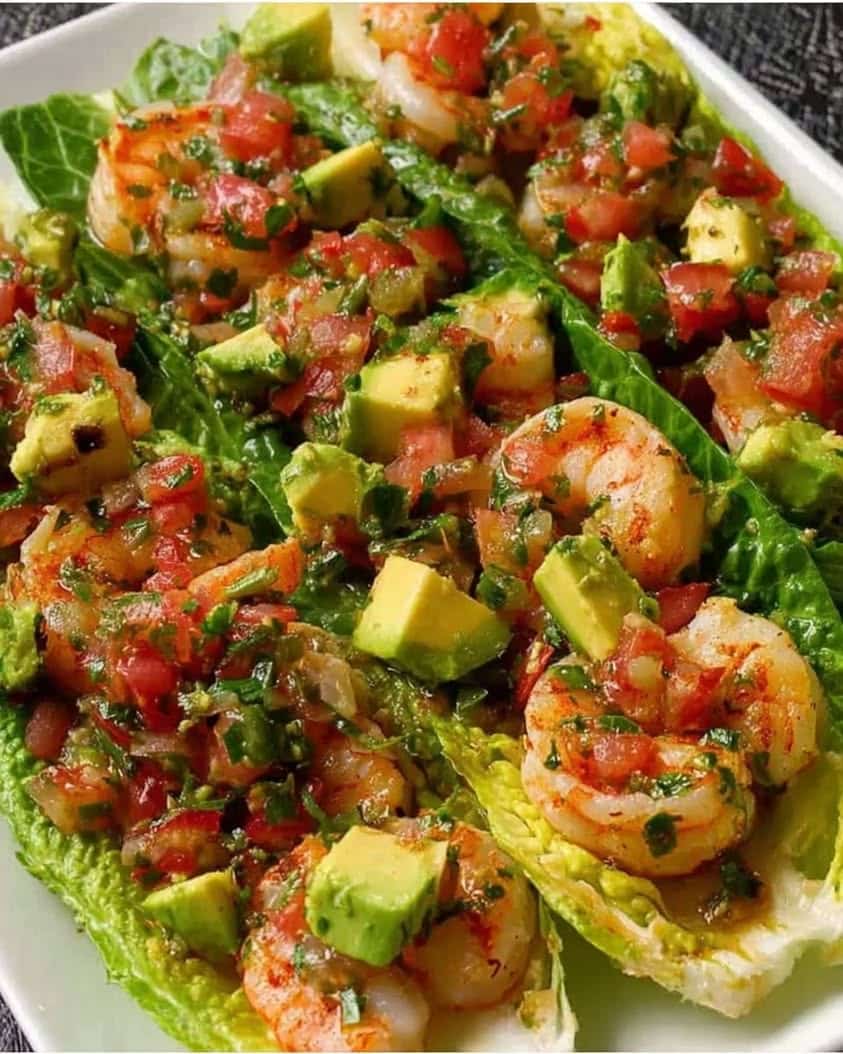
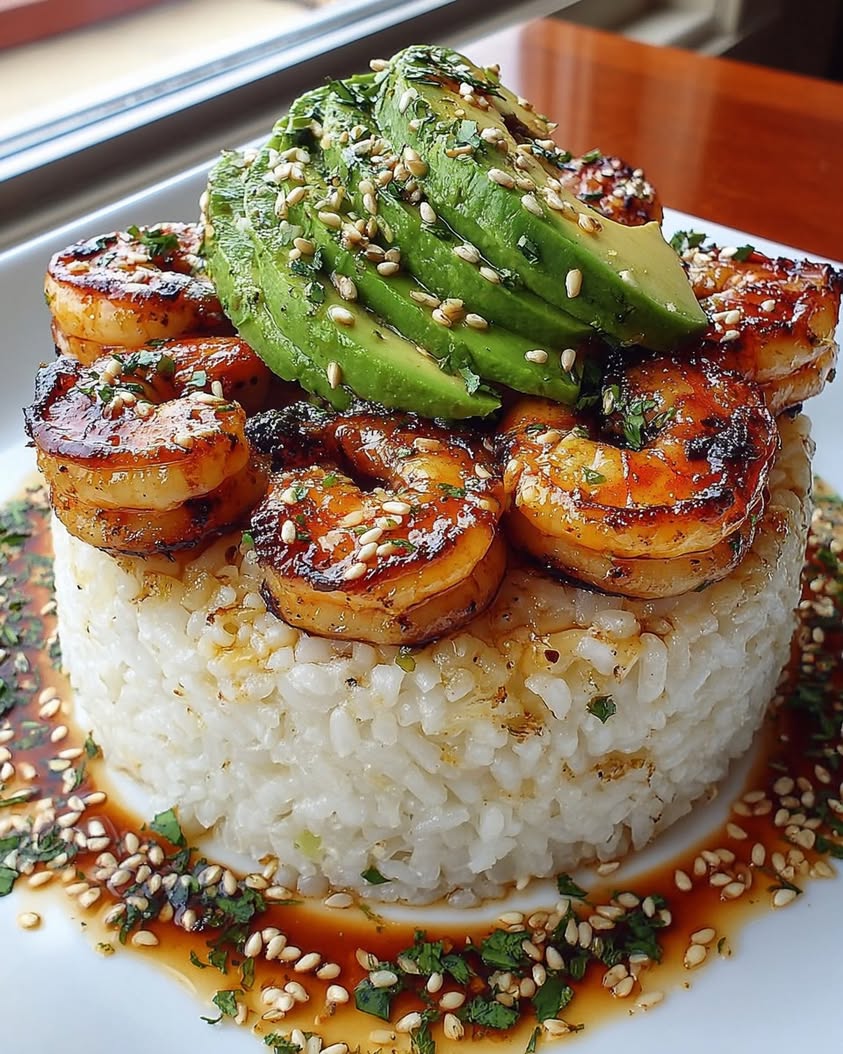
Visually, this stack is a showstopper. The vibrant pink shrimp, emerald green avocado, and white rice create a stunning color palette. It’s a dish that looks as incredible as it tastes, ideal for impressing guests or simply treating yourself. Furthermore, the recipe is incredibly versatile. You can easily adapt it for a quick lunch, an elegant appetizer, or a complete, healthy dinner. This Honey Lime Shrimp & Avocado Rice Stack truly proves that fast food can be both beautiful and nutritious.
Quick Recipe Highlights
- Flavor Profile: This dish bursts with a harmonious blend of sweet and tangy notes. The honey provides a gentle caramelized sweetness, while the fresh lime juice adds a necessary zesty punch. Additionally, garlic and cilantro introduce savory, herbal depth that rounds out every mouthful perfectly.
- Texture: You will experience a wonderful play of contrasting textures. The shrimp offer a satisfying, juicy bite with a slight sear. Conversely, the avocado is luxuriously soft and creamy, and the rice provides a comforting, fluffy base that holds the stack together beautifully.
- Aroma: As the shrimp cook, the kitchen fills with an irresistible fragrance. The scent of garlic sizzling blends with the bright, citrusy aroma of lime. Finally, fresh cilantro adds a final, fragrant note that makes the dish smell as fresh and inviting as it tastes.
- Visual Appeal: This stack is a feast for the eyes with its clean, architectural presentation. The distinct layers of white rice, green avocado, and pink shrimp create a striking vertical presentation. A final garnish of red pepper flakes and lime wedges adds pops of color for a truly professional finish.
- Skill Level Needed: This is a beginner-friendly recipe requiring only basic kitchen skills. You need to know how to cook rice, chop an avocado, and sauté shrimp in a hot pan. Therefore, even novice cooks can achieve impressive, delicious results with confidence on their first attempt.
- Special Equipment: You only need a few standard kitchen tools. A medium saucepan cooks the rice, and a large skillet is essential for searing the shrimp quickly. Additionally, a small bowl for the marinade and a sharp knife for prepping the avocado are the only other necessities.
Recipe Overview
- Difficulty Level: We classify this Honey Lime Shrimp & Avocado Rice Stack as an easy recipe for several reasons. First, the ingredient list is short and composed of common items. Second, the cooking techniques are fundamental, involving simple marinating and quick sautéing. Finally, the assembly is intuitive and forgiving, allowing for personal presentation touches without risk of failure.
- Category: This versatile dish fits multiple meal categories seamlessly. It serves perfectly as a light yet satisfying main course for dinner. Alternatively, you can present smaller stacks as an elegant appetizer for a dinner party. Furthermore, it makes an excellent lunch option, as the components pack well and stay fresh for hours.
- Cuisine: This recipe draws inspiration from coastal and tropical cuisines, particularly those of the Caribbean and California. The use of lime, cilantro, and avocado is reminiscent of fresh Latin American flavors. Meanwhile, the quick-cooking technique and focus on seafood align with modern, health-conscious American cooking styles for a fusion feel.
- Cost: Preparing this meal is surprisingly economical, especially when you consider its impressive presentation. Shrimp represents the primary cost, but buying frozen, peeled shrimp keeps the price reasonable. Other ingredients like rice, lime, avocado, and basic pantry staples are very affordable, making this a cost-effective gourmet experience at home.
- Season: This Honey Lime Shrimp & Avocado Rice Stack shines brightest in the spring and summer months. Its light, fresh profile complements warm weather perfectly. However, the recipe uses readily available ingredients year-round. Consequently, it also serves as a wonderful way to bring a taste of sunshine to your table during colder seasons.
- Occasion: This dish suits a wide variety of occasions due to its flexibility. It is ideal for a romantic date night at home because it feels special but is easy to prepare. Similarly, it works for a casual weeknight family dinner because it is fast and kid-friendly. Ultimately, its elegant look also makes it suitable for entertaining guests.
Why You’ll Love This Recipe
First and foremost, the taste and texture appeal is immediate and undeniable. Each forkful delivers a perfect symphony of flavors: the sweet stickiness of honey, the sharp tang of lime, the umami of perfectly cooked shrimp, and the cool creaminess of ripe avocado. The rice soaks up the delicious marinade juices, ensuring no flavor gets left behind. Moreover, the contrast between the warm shrimp and the cool avocado creates a dynamic eating experience that is far from boring. You will find yourself savoring every single bite from the top of the stack to the bottom.
Next, consider the sheer convenience and preparation benefits. In our busy lives, a twenty-minute meal that looks this good is a true lifesaver. The prep work is minimal, involving mostly measuring, squeezing lime juice, and chopping cilantro. Since the shrimp cook in just a few minutes, you avoid long hours over a hot stove. Furthermore, you can often find pre-cooked rice in the freezer section to cut the time down even more. This efficiency means you can have a gourmet-quality dinner on the table faster than you could get takeout delivered.
Nutritionally, this Honey Lime Shrimp & Avocado Rice Stack packs a powerful punch. Shrimp is an excellent source of lean protein and important nutrients like iodine and selenium. Avocado provides heart-healthy monounsaturated fats and a significant amount of fiber. Meanwhile, brown rice offers complex carbohydrates for sustained energy. Together, these ingredients create a balanced meal that fuels your body without excessive calories. Therefore, you can enjoy this dish feeling satisfied, nourished, and good about your food choices.
From a social and entertaining perspective, this recipe is a true gem. Its stunning presentation makes it look like you spent hours in the kitchen, guaranteeing compliments from your guests. You can easily double or triple the recipe to feed a crowd without much extra effort. Additionally, because the components are simple, you can accommodate various dietary preferences with minor tweaks. Serving this stack sparks conversation and makes any meal feel like a special occasion, elevating an ordinary Tuesday into something memorable.
Finally, the cost-effectiveness and accessibility of this dish cannot be overstated. Restaurant seafood dishes often come with a hefty price tag, but you can recreate this luxury at home for a fraction of the cost. All the ingredients are readily available at any standard grocery store. You likely already have many of the pantry staples like honey, garlic, and rice on hand. This accessibility means you can whip up an impressive, healthy meal without a special shopping trip or breaking your budget.
Historical Background and Cultural Significance
The origin story of stacked food presentations is somewhat modern, rooted in the culinary trend of deconstruction. Chefs began taking classic flavor combinations and presenting them in new, architectural forms. This Honey Lime Shrimp & Avocado Rice Stack draws direct inspiration from traditional Hawaiian poke bowls and Latin American ceviche tostadas. Essentially, it takes the familiar elements of a shrimp and avocado salad or rice bowl and reimagines them vertically. This style gained popularity for its visual drama and the way it allows each component to be tasted distinctly yet together.
Culturally, the significance lies in its fusion of ingredients from different parts of the world. Shrimp is a staple protein in coastal communities globally, from the Gulf of Mexico to Southeast Asia. Avocado, native to Central America, has become a beloved superfood in American cuisine. Lime and cilantro are cornerstones of Latin American and Caribbean cooking. By combining these elements, the recipe celebrates a global pantry. It reflects how modern home cooking freely borrows and blends traditions to create something new and personal.
The evolution of this specific recipe follows the broader trend towards fast, healthy, and photogenic meals. As social media platforms like Instagram and Pinterest grew, so did the desire for meals that were as beautiful as they were delicious. The stack format is inherently photogenic. Furthermore, the rise of the “bowl” trend—think Buddha bowls and grain bowls—paved the way for more structured presentations. This Honey Lime Shrimp & Avocado Rice Stack is a natural progression, offering the same balanced nutrition but with a more elegant, composed plate presentation.
Regional variations of this concept are endless, showcasing its adaptability. In the American South, you might find a version with a corn and black bean salsa layer. A Mediterranean twist could include feta cheese, kalamata olives, and a lemon-oregano dressing. In Asia, a version might feature a ginger-soy glaze on the shrimp and a layer of pickled vegetables. This versatility is a testament to the solid foundation of the original concept. The basic formula of a grain, a protein, a creamy element, and a bright sauce can travel across countless culinary landscapes with delicious results.
Ingredient Deep Dive
Let’s start with the star: shrimp. Culturally, shrimp has been harvested and enjoyed for thousands of years, with evidence of shrimp fishing dating back to ancient civilizations. Nutritionally, it is a powerhouse of lean protein, low in calories but rich in selenium, vitamin B12, and iodine, which supports thyroid health. When selecting shrimp, look for firm, translucent flesh with a mild sea smell; avoid any with a strong ammonia odor. For best storage, keep fresh shrimp on ice in the refrigerator and use within two days, or freeze them in an airtight bag. If you need a substitution, scallops or even cubed firm tofu can work with adjusted cooking times.
Next, consider the avocado. Historically revered by Aztec and Mayan cultures, the avocado was called “ahuacatl,” meaning testicle, likely due to its shape and perceived aphrodisiac qualities. It provides a wealth of monounsaturated fats, fiber, potassium, and vitamins C, E, and K. To select a perfect avocado, gently press the stem end; it should yield slightly to gentle pressure. For storage, keep unripe avocados on the counter and place ripe ones in the refrigerator to slow further ripening. If you cannot find avocado, a ripe mango can offer a different but similarly lush sweetness, or a dollop of Greek yogurt can provide creaminess.
The honey lime marinade is the flavor engine. Honey, one of humanity’s oldest sweeteners, has been used in cooking and medicine across Egyptian, Greek, and Roman histories. It offers antioxidants and can have mild antibacterial properties. Lime juice, rich in vitamin C, brings acidity that brightens the entire dish and helps “cook” the shrimp via denaturation in the marinade. For the best flavor, use raw, local honey and fresh lime juice—never bottled, which can taste metallic. Store honey at room temperature and limes in the refrigerator. For substitutions, pure maple syrup can replace honey, and lemon juice can stand in for lime, though the flavor profile will shift slightly.
Finally, the rice base. Rice cultivation began in China over 10,000 years ago and is now a staple for more than half the world’s population. It serves as an excellent source of energy-providing carbohydrates. For this stack, short-grain white rice or jasmine rice works best because of their sticky, clumping nature which helps the stack hold its shape. Brown rice is a healthier, fiber-rich alternative but may be less cohesive. Always rinse rice before cooking to remove excess starch. Store uncooked rice in a cool, dry pantry and cooked rice in the refrigerator for up to five days. For a low-carb alternative, cauliflower rice is an excellent, flavorful substitution that still provides the necessary structural layer.
Common Mistakes to Avoid
- Overcooking the Shrimp: This is the most common error. Shrimp cook incredibly fast, becoming rubbery and tough if left in the pan too long. They are done the moment they turn opaque and form a loose “C” shape. Always remove them from the heat immediately at this stage, as they will continue to cook slightly from residual heat.
- Using Unripe Avocado: A hard, unripe avocado will ruin the creamy texture contrast essential to the stack. It will be difficult to slice and lack flavor. Plan ahead by purchasing avocados a few days before you need them, allowing them to ripen fully on your counter until they yield gently to pressure.
- Skipping the Rice Rinse: Failing to rinse your rice before cooking can result in a gummy, sticky mess that is too wet to form a stable stack. Rinsing removes surface starch, leading to fluffier, more distinct grains. Simply place the rice in a fine-mesh strainer and run cold water over it until the water runs clear.
- Marinating the Shrimp Too Long: The lime juice in the marinade is acidic and will begin to “cook” the shrimp chemically (like ceviche) if left for more than 15-20 minutes. This can lead to a mushy texture once they hit the pan. For the best texture, marinate for just 10-15 minutes while you prep other ingredients.
- Not Patting the Shrimp Dry: Adding wet shrimp to a hot pan will cause them to steam instead of sear. You miss out on the delicious caramelization and slight crust that adds flavor and texture. After marinating, use a paper towel to thoroughly pat the shrimp dry before adding them to the skillet.
- Using a Cold Pan: For a proper sear, your skillet must be hot before the shrimp touch it. If the pan is not hot enough, the shrimp will release their moisture and boil in their own juices. Preheat your skillet over medium-high heat for a full minute or two until a drop of water sizzles and evaporates on contact.
- Forgetting to Season the Rice: Plain, unseasoned rice is a missed opportunity for flavor. The rice layer should be seasoned with a pinch of salt after cooking. For an extra flavor boost, consider cooking the rice in vegetable or chicken broth instead of plain water to add a savory depth that complements the shrimp.
- Assembling the Stack Too Early: If you build the stacks and let them sit, the heat from the shrimp and rice will wilt the avocado and make the rice soggy. For the best texture and presentation, assemble each stack individually just moments before you are ready to serve and eat.
Essential Techniques
Proper Searing of Shrimp: Mastering the sear is crucial for locking in juices and developing flavor. The key is high heat and a dry surface. After patting your marinated shrimp dry, add them to a preheated skillet with just a thin layer of oil. Do not overcrowd the pan; cook in batches if necessary. Let them sit undisturbed for about 60-90 seconds to develop a golden crust before flipping. The visual cue for success is a caramelized pink and golden exterior while the inside remains tender. The common pitfall is moving them around too much, which prevents proper browning.
Preparing the Perfect Avocado Layer: This technique ensures neat, creamy slices that hold their shape. First, slice the avocado in half around the pit and twist to separate. Carefully tap a sharp knife into the pit and twist to remove it. Then, while the avocado is still in its skin, make lengthwise slices about 1/4-inch thick. Finally, use a large spoon to scoop the sliced flesh out in one clean piece. This “fanning” method creates an elegant layer that is easy to place on the rice. The pitfall is slicing the avocado after scooping it out, which often leads to messy, broken pieces.
Creating a Stable Rice Base: The rice must be sticky enough to hold a shape but not mushy. After cooking and fluffing, let the rice cool slightly so it’s manageable to handle. Lightly grease the inside of your stacking ring or mold. Firmly pack the rice into the bottom of the mold using the back of a spoon or a tamper. Apply even pressure to create a dense, compact base that won’t collapse when you unmold it. The visual cue is a rice puck that holds its form when you lift the ring. The mistake is using rice that is too wet or not packing it firmly enough.
Building and Unmolding the Stack: This final assembly technique guarantees a picture-perfect presentation. Place your mold in the center of the plate. Add the packed rice first, then gently layer the fanned avocado on top. Carefully arrange the warm shrimp over the avocado. Gently press down with a spoon to lightly adhere the layers. Slowly and steadily lift the ring straight up. If it sticks, run a thin knife around the very edge between the food and the mold to release it. The success cue is a clean, vertical stack with defined layers. The pitfall is rushing and pulling the ring sideways, which can topple your creation.
Pro Tips for Perfect Honey Lime Shrimp & Avocado Rice Stack
Chill Your Plates: For an extra refreshing contrast, place your serving plates in the refrigerator for 10-15 minutes before assembling. A cool plate will help keep the avocado layer fresh and prevent the stack from getting too warm too quickly, preserving the delightful temperature difference.
Use a Mason Jar Lid as a Mold: If you don’t have a culinary ring mold, the ring from a standard wide-mouth mason jar works perfectly. Simply remove the inner lid and use the outer screw band as a free, readily available stacking tool for a perfect circular shape.
Add a Crunchy Element: Introduce a textural surprise by sprinkling a few toasted sesame seeds, chopped peanuts, or crispy fried shallots on top of the finished stack. This added crunch elevates the eating experience and provides a professional finishing touch.
Infuse the Oil: Before sautéing the shrimp, heat your oil with a smashed garlic clove and a strip of lime zest for 60 seconds. Remove the solids before adding the shrimp. This simple step infuses the entire dish with a subtle, aromatic background flavor.
Reserve Marinade for Drizzling: Before adding the shrimp to the marinade, set aside a tablespoon or two in a separate bowl. After cooking, you can reduce this reserved marinade in the pan for 30 seconds to create a flavorful, glossy sauce to drizzle around the plate.
Warm Your Serving Utensils: For the rice and shrimp layers, use a warm spoon or spatula. This prevents the warm ingredients from sticking to cold metal, making the transfer to the mold cleaner and easier, resulting in a neater final presentation.
Create an Avocado “Glue”: Mash a small portion of the avocado with a fork and spread a thin layer on top of the rice before adding the sliced avocado fan. This acts as edible glue, helping the avocado layer adhere securely to the rice base.
Time Your Cook: Execute in this order: cook rice first, then prepare avocado and marinade, then cook shrimp. This workflow ensures everything is ready at the right temperature—rice warm, avocado cool, shrimp hot—for perfect assembly just before serving.
Variations and Adaptations
Regional Variations: Take your stack on a world tour with simple tweaks. For a Thai-inspired version, use a marinade of coconut milk, red curry paste, and fish sauce, and top with chopped mint and crushed peanuts. A Mediterranean stack could feature oregano and lemon in the marinade, with a layer of diced cucumber and tomato salad and a sprinkle of feta cheese. For a taste of the American Southwest, add a layer of corn and black bean salsa and use a chipotle-lime marinade for the shrimp.
Seasonal Adaptations: Adapt the ingredients to what’s fresh. In summer, add a layer of juicy heirloom tomatoes or grilled corn. For fall, incorporate roasted sweet potato cubes into the rice layer and use a sage-infused honey. In winter, a layer of warm, citrus segments (like orange or grapefruit) can brighten the dish. Spring calls for fresh peas or asparagus tips mixed into the rice for a verdant touch.
Dietary Modifications: This recipe is wonderfully adaptable. For a vegan version, substitute the shrimp with thick slices of marinated and pan-seared king oyster mushrooms or extra-firm tofu. Use agave syrup instead of honey. To make it gluten-free, simply ensure your soy sauce or tamari (if used) is certified gluten-free—the base recipe naturally fits this need.
Flavor Variations: Experiment with the marinade profile. Swap honey for pure maple syrup or pomegranate molasses for a deeper sweetness. Add a teaspoon of grated fresh ginger or a tablespoon of finely chopped jalapeño for heat. Incorporate different herbs like basil, dill, or tarragon in place of cilantro to completely change the aromatic profile.
Texture Modifications: Play with the layers for new sensations. Instead of plain rice, use quinoa, couscous, or farro for a chewier, nuttier base. Replace the avocado layer with a creamy avocado mousse or a whipped feta spread. For added crunch, incorporate finely diced jicama or water chestnuts into the rice or sprinkle them between layers.
Presentation Alternatives: Ditch the ring mold for a deconstructed approach. Serve the components in a wide, shallow bowl, allowing everyone to build their own bite. Alternatively, create mini stacks in small molds for a passed appetizer. You can also present it as a “napoleon” by using large, round slices of cucumber or jicama as the structural layers instead of rice.
Serving and Presentation Guide
Plating Techniques: The classic presentation uses a ring mold for a tall, cylindrical stack centered on a white or neutral-colored plate to make the colors pop. For a modern, rustic look, use a rectangular mold. Alternatively, for a family-style serve, present all components separately in bowls and let everyone assemble their own stack or bowl at the table, which keeps elements fresh and crisp.
Garnishing Ideas: Garnishes should add flavor, color, and texture. A final sprinkle of flaky sea salt, red pepper flakes, and micro-cilantro is elegant. A lime wedge is essential for a last-minute squeeze. Thinly sliced radishes, edible flowers, or a drizzle of chili oil or sriracha crema in an artistic swirl around the plate adds restaurant-level flair.
Traditional Accompaniments: While the stack is a complete meal, light accompaniments complement it well. A simple green salad with a citrus vinaigrette balances the richness. A bowl of miso soup or a light corn and tomato salad works beautifully. For a more substantial meal, grilled vegetables like zucchini or asparagus make excellent side dishes.
Modern Serving Suggestions: For a brunch twist, top the stack with a perfectly poached egg, letting the yolk become a luxurious sauce. Serve it in a wide, shallow bowl with a moat of chilled gazpacho or a creamy cilantro-lime dressing surrounding it. For parties, create bite-sized versions on crispy wonton wrappers or cucumber rounds.
Temperature Considerations: The magic of this dish is in the temperature contrast. The rice should be warm or at room temperature, not piping hot. The shrimp should be hot off the pan. The avocado must be cool. Assemble immediately before serving to maintain these distinct temperatures, which dramatically enhances the eating experience.
Portion Control Tips: The standard stack is satisfying for one person as a main course. To control portions, use a smaller mold, such as a 3-inch ring for an appetizer or light lunch. You can also increase the ratio of vegetables (like adding a spinach layer) to bulk up the stack with fewer calories while maintaining visual height and satisfaction.
Wine and Beverage Pairing
Wine Pairings: The bright acidity and touch of sweetness in this dish call for wines with similar characteristics. A crisp, dry Riesling or a Sauvignon Blanc from New Zealand are excellent choices, as their citrus notes mirror the lime. For a rosé option, a dry Provençal rosé with its subtle minerality complements the shrimp beautifully. If you prefer red, opt for a light, chilled Pinot Noir with low tannins to avoid clashing with the shrimp’s delicate flavor.
Non-Alcoholic Alternatives: Sparkling water with muddled lime and a few mint leaves is a refreshing, palate-cleansing choice. For something sweeter, a homemade ginger-limeade (ginger syrup, fresh lime juice, and soda water) pairs wonderfully. Iced hibiscus tea offers a tart, floral note that contrasts nicely with the honey’s sweetness, making it a sophisticated alcohol-free pairing.
Coffee/Tea Pairings: While not a typical pairing for this meal, if serving for brunch or lunch, a light, citrusy tea like Earl Grey or a green tea with jasmine notes can be lovely after the meal. For coffee, a bright, acidic cold brew or a light roast pour-over would be preferable to a heavy, dark roast that could overwhelm the dish’s delicate flavors.
Temperature Considerations: Beverages should generally be served well-chilled to complement the dish’s refreshing quality. White wines and rosés should be at a proper cool temperature (45-50°F). Non-alcoholic sparkling drinks should be ice-cold. This ensures the drinks refresh the palate between bites of the rich avocado and savory shrimp.
Serving Suggestions: Serve wine in appropriate stemware to enhance aroma. Pour sparkling non-alcoholic drinks into tall, ice-filled glasses with a garnish that echoes the dish, like a lime wheel or a sprig of cilantro. Presentation of the beverage is part of the overall experience, making the meal feel more complete and thoughtfully curated.
Storage and Shelf Life
Storage Methods: Due to the different components, store them separately for best results. Place cooled rice in an airtight container. Store cooked shrimp in a separate sealed container. Keep sliced avocado with the pit and a squeeze of lime juice pressed directly on the surface, wrapped tightly in plastic wrap. Never store the assembled stack.
Temperature Requirements: All components must be refrigerated at or below 40°F (4°C). The shrimp and rice are particularly perishable and should go into the refrigerator within two hours of cooking. The avocado is best stored in the coolest part of the fridge, often the vegetable drawer, to slow oxidation.
Container Recommendations: Use shallow, airtight containers to allow for rapid cooling and to prevent condensation, which can make the rice soggy. Glass containers are ideal as they don’t retain odors. For the avocado, a small bowl covered with plastic wrap touching the surface is the best defense against browning.
Signs of Spoilage: Discard any component that develops an off or sour smell. Shrimp will become slimy and develop a strong ammonia odor. Rice may become dry, hard, or develop an unusual smell. Avocado will turn dark brown, become mushy, and develop a rancid smell. When in doubt, throw it out.
Reheating Instructions: Only reheat the rice and shrimp. Gently reheat shrimp in a skillet over low heat with a splash of water or broth to prevent drying out, just until warmed through. Reheat rice in the microwave with a damp paper towel over it to add moisture. Do not reheat the avocado; use it fresh from the fridge.
Freezing Guidelines: Freezing is not recommended for the complete dish. You can freeze uncooked, marinated shrimp in their marinade in a freezer bag for up to a month. Thaw in the refrigerator before cooking. Cooked rice freezes moderately well; spread it on a tray to flash-freeze, then transfer to a bag. Avocado does not freeze well for this application, as it becomes watery when thawed.
Make Ahead Strategies
Prep Timeline: You can prep nearly everything 1-2 hours in advance. Cook the rice and let it cool to room temperature, then refrigerate. Prepare the honey-lime marinade and chop the cilantro. Measure out all other ingredients. Wait to slice the avocado and cook the shrimp until just before serving for optimal freshness and texture.
Storage Between Steps: Keep the cooled rice covered at room temperature if using within 2 hours, or refrigerate. Refrigerate the prepared marinade in a sealed container. Keep herbs wrapped in a damp paper towel in a bag in the fridge. This staged prep minimizes last-minute chaos and streamlines the final 5-minute cook.
Quality Impact Assessment: Pre-cooking the shrimp significantly degrades texture, making it rubbery upon reheating. Therefore, avoid this step. Pre-slicing avocado leads to browning, even with acid. Pre-cooking rice is fine and can even improve texture as it dries slightly, making it easier to pack into the mold. The marinade’s flavor intensifies over time, which is a benefit.
Assembly Tips: Set up an assembly station: plates, ring molds, rice, sliced avocado (if sliced last minute), and a skillet ready to go. Have your garnishes prepped in small bowls. This allows you to cook the shrimp and build the stacks in a seamless, efficient flow, ensuring everything is at the perfect temperature when it hits the plate.
Reheating Guidelines: If you must reheat components, gently warm the refrigerated rice in the microwave with a sprinkle of water, covered loosely. Reheat shrimp very briefly in a hot skillet—just 30-60 seconds—to warm through without further cooking. Always assemble with freshly sliced avocado and cold garnishes to restore the intended contrast.
Fresh Element Additions: The key to a make-ahead plan is identifying which elements must be fresh. For this recipe, that is the avocado and the final garnish. Commit to slicing the avocado and chopping the final cilantro garnish right before assembly. This guarantees the vibrant green color and fresh aroma that define the dish.
Scaling Instructions
Halving the Recipe: Halving is straightforward for a single serving. Simply divide all ingredient quantities by two. Use a smaller skillet to maintain proper heat distribution for the smaller batch of shrimp. A 2.5 to 3-inch ring mold is perfect for a single, elegant stack. Cooking times for the shrimp will remain roughly the same, as you still need a hot pan for searing, but be extra vigilant as they will cook even faster due to less crowding.
Doubling or Tripling: When multiplying the recipe, do not simply multiply the marinade time. Marinate the shrimp in multiple batches or in a very large bowl to ensure even coating. Cook the shrimp in batches to avoid overcrowding the pan, which causes steaming. You may need to cook rice in two separate pots for even cooking. For assembly, prepare a mise en place with all components laid out to efficiently build multiple stacks.
Equipment Adjustments: Scaling up requires planning. Ensure you have a large enough skillet or plan to use two skillets simultaneously to cook shrimp in batches. Have multiple ring molds of the same size for uniform presentation. If serving family-style, consider using a large, rectangular baking dish to create one giant “stack” that you slice into portions, or simply serve deconstructed in a large platter.
Timing Modifications: While prep time increases linearly, cook time does not. Cooking multiple batches of shrimp will add time. Start the rice earlier, as a larger quantity takes longer to cook and cool. Stagger your cooking: get all rice cooked and cooling, then cook shrimp in sequential batches, keeping finished batches warm in a low oven (200°F) on a sheet pan while you finish the rest.
Storage Considerations: Leftovers from a scaled-up batch should still be stored separately. Have multiple airtight containers ready for rice, shrimp, and any other prepped components. Label containers with contents and date. Remember that food safety is paramount with larger quantities; divide large pots of hot rice into smaller, shallow containers to allow them to cool to refrigerator temperature quickly and safely.
PrintHoney Lime Shrimp & Avocado Rice Stack
- Total Time: 45 minutes
- Yield: 4
Description
A vibrant, layered dish featuring succulent shrimp marinated in honey and lime, stacked with creamy avocado and fluffy rice for a refreshing and satisfying meal.
Ingredients
- 1 lb large shrimp, peeled and deveined
- 2 tbsp honey
- Juice and zest of 2 limes
- 2 cloves garlic, minced
- 1 tsp chili powder
- Salt and pepper to taste
- 2 cups cooked white rice
- 2 ripe avocados, diced
- 1/4 cup chopped cilantro
- 1/4 cup diced red onion
- 1 tbsp olive oil
Instructions
- In a bowl, whisk together honey, lime juice, lime zest, garlic, chili powder, salt, and pepper. Add shrimp and marinate for 15 minutes.
- Heat olive oil in a skillet over medium-high heat. Cook shrimp for 2-3 minutes per side until pink and cooked through. Set aside.
- In another bowl, gently mix cooked rice, diced avocado, cilantro, and red onion. Season with salt and pepper to taste.
- To assemble, use a ring mold or small bowl: layer rice mixture at the bottom, top with shrimp, and gently press. Remove mold and repeat for remaining stacks. Serve immediately.
Notes
You can customize the seasonings to taste.
- Prep Time: 15 minutes
- Cook Time: 30 minutes
- Method: Main
- Cuisine: American