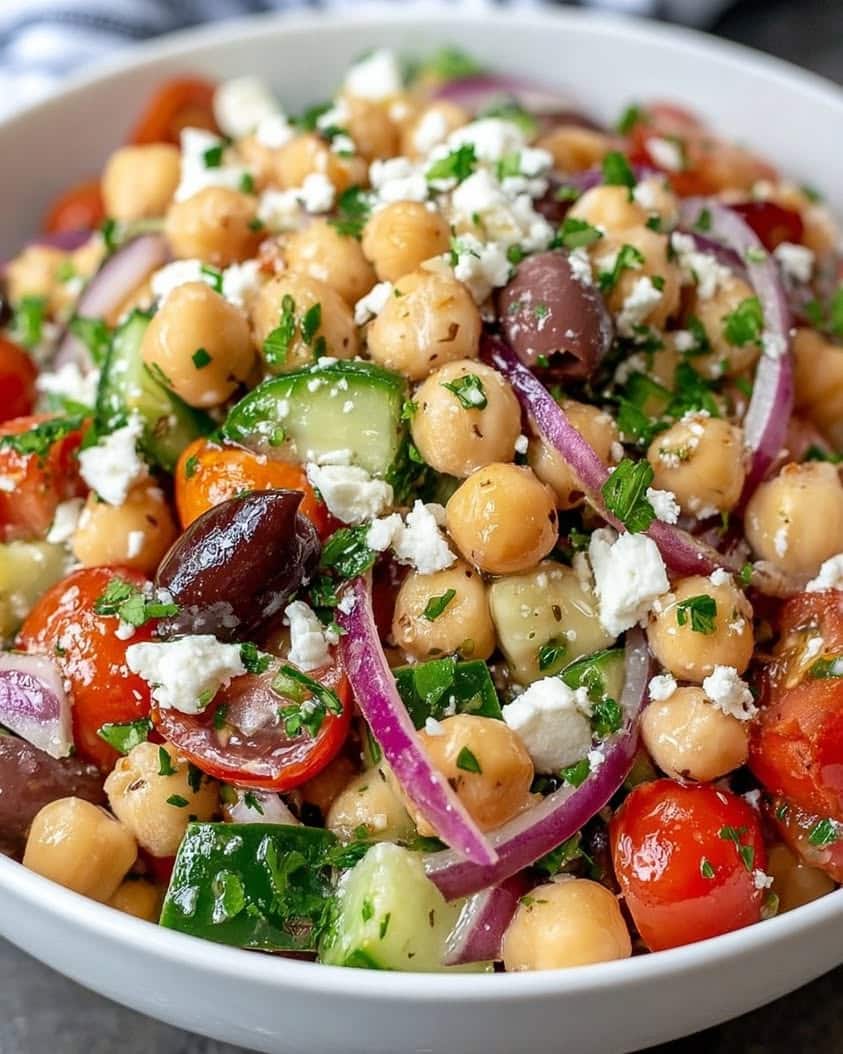
Mediterranean Chickpea Salad: A Vibrant, Protein-Packed Meal
Imagine a bowl filled with the sun-drenched flavors of the Mediterranean coast. This Mediterranean Chickpea Salad brings that vibrant energy straight to your table. Consequently, it is a celebration of fresh, wholesome ingredients that come together in a symphony of taste and texture. Moreover, it is the perfect answer for anyone seeking a healthy, satisfying meal that requires minimal effort but delivers maximum flavor.
This protein-packed salad centers around humble chickpeas, transforming them into something extraordinary. Bright cherry tomatoes, crisp cucumber, and briny Kalamata olives create a delightful contrast. Furthermore, a generous handful of fresh parsley and a simple lemon-oregano vinaigrette tie everything together with a zesty, herbaceous punch. Ultimately, this dish is more than just a side; it is a complete, nourishing lunch or a stunning addition to any potluck or picnic spread.
The beauty of this Mediterranean Chickpea Salad lies in its versatility and simplicity. You likely have most of the ingredients in your pantry right now. Additionally, it gets better as it sits, allowing the flavors to meld and deepen. Therefore, it is an ideal make-ahead option for busy weeks. Whether you are a seasoned cook or just starting your culinary journey, this recipe promises a delicious and reliable result every single time.
Quick Recipe Highlights
- Flavor Profile: This Mediterranean Chickpea Salad delivers a bright, tangy flavor from fresh lemon juice, balanced by the earthy depth of extra virgin olive oil and dried oregano. The briny pop of Kalamata olives and the sweetness of cherry tomatoes create a complex and satisfying taste experience that is both refreshing and robust.
- Texture: Enjoy a wonderful contrast of textures in every bite. Creamy, soft chickpeas meet the juicy crunch of cucumber and the firm burst of tomatoes. The chopped parsley adds a slight herbal freshness, while the olives provide a meaty, substantial feel, making the salad incredibly satisfying to eat.
- Aroma: The moment you mix the dressing, the aroma of fresh lemon zest and juice fills the air, followed by the warm, earthy scent of dried oregano. As you combine the salad, these scents mingle with the grassy note of extra virgin olive oil and the clean, green fragrance of fresh parsley, promising a fresh and healthy meal.
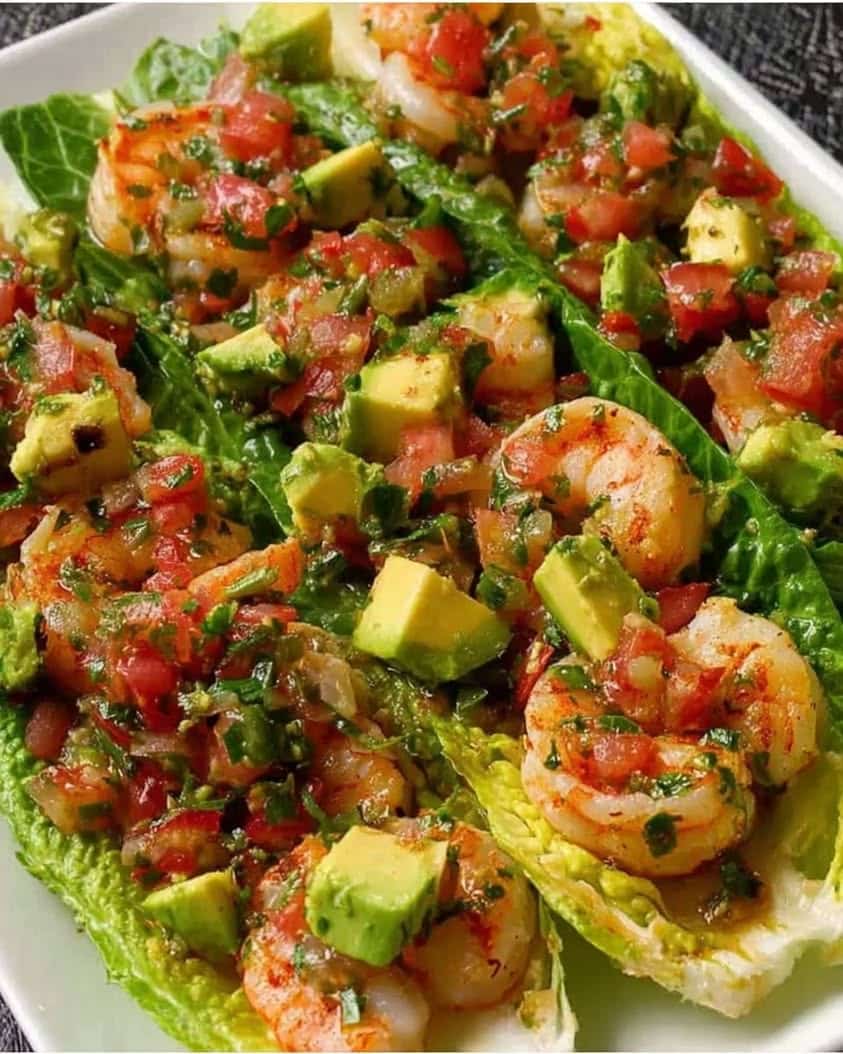
- Visual Appeal: This salad is a feast for the eyes with its vibrant color palette. The deep red of tomatoes, green of cucumber and parsley, purple of onions, and black of olives create a stunning mosaic against the pale backdrop of chickpeas and creamy feta. It looks as incredible as it tastes.
- Skill Level Needed: Absolutely beginner-friendly. This Mediterranean Chickpea Salad requires no cooking, just simple chopping and mixing. The most advanced technique is whisking a dressing, making it a perfect confidence-building recipe for new cooks or a stress-free option for experienced ones seeking a quick, healthy dish.
- Special Equipment: You need only basic kitchen tools: a sharp knife, a cutting board, a large mixing bowl, and a small bowl or jar for the dressing. A can opener is handy for the chickpeas. That is it. No fancy gadgets or appliances are required to make this wholesome salad.
Recipe Overview
- Difficulty Level: We rate this Mediterranean Chickpea Salad as “Easy” because it involves straightforward techniques like chopping vegetables, draining canned beans, and whisking a simple vinaigrette. There is no heat application or precise timing involved. The process is forgiving and adaptable, allowing for personal touches without risk of failure. Anyone can achieve fantastic results on the first try.
- Category: This dish brilliantly straddles multiple categories. It is a hearty main dish salad, a perfect side for grilled meats, a fantastic potluck contribution, and an excellent meal prep option. Its composition of protein, healthy fats, and fresh vegetables makes it a balanced and complete meal for various dining situations.
- Cuisine: This recipe draws direct inspiration from the culinary traditions of countries bordering the Mediterranean Sea, particularly Greece and Italy. It uses classic flavor profiles like lemon-oregano, briny olives, and creamy feta cheese. While not a strictly authentic single-region dish, it celebrates the core principles of Mediterranean cooking: freshness, simplicity, and vibrant flavor.
- Cost: This Mediterranean Chickpea Salad is incredibly budget-friendly. Canned chickpeas, onions, and dried herbs are pantry staples with a low cost per serving. Fresh produce like cucumber, tomatoes, and parsley are seasonally inexpensive. The priciest items are often the olives, feta, and quality olive oil, but a little goes a long way, keeping the overall cost very reasonable.
- Season: This salad shines brightest in late spring and summer when tomatoes and cucumbers are at their peak sweetness and crispness. However, its reliance on pantry staples and sturdy vegetables makes it a viable and refreshing option year-round. It brings a taste of summer sunshine to even the coldest winter day.
- Occasion: Its versatility makes it suitable for countless occasions. Pack it for a healthy work lunch, serve it as a light dinner, bring it to a barbecue or potluck, or enjoy it as a snack. It is elegant enough for casual entertaining yet simple enough for a quiet meal at home. It truly fits any scenario.
Why You’ll Love This Recipe
First and foremost, the taste and texture of this Mediterranean Chickpea Salad are utterly captivating. Each forkful offers a party of sensations: the creamy give of the chickpea, the juicy pop of tomato, the refreshing crunch of cucumber, and the salty punch of olive and feta. The lemon-oregano dressing ties it all together with a bright, herbaceous zing that is neither too oily nor too sharp. This harmonious balance makes the salad deeply satisfying and far from boring. You will find yourself craving its clean, robust flavors.
Furthermore, the convenience factor is a major win. This is a no-cook recipe that comes together in about fifteen minutes. You can make it during a lunch break or after a long workday with minimal fuss. Additionally, it is a champion of meal prep. You can assemble the entire salad (minus the fresh herbs if you prefer) a day or two in advance. In fact, the flavors improve as they mingle. Consequently, you have a ready-to-eat, healthy meal waiting in your fridge, eliminating the temptation for less nutritious options.
From a nutritional standpoint, this salad is a powerhouse. Chickpeas provide a substantial amount of plant-based protein and fiber, promoting fullness and supporting digestive health. The vegetables are loaded with vitamins, antioxidants, and hydration. Meanwhile, the olive oil contributes heart-healthy monounsaturated fats. This combination makes the Mediterranean Chickpea Salad not just delicious but also incredibly nourishing. It aligns perfectly with the widely praised Mediterranean diet, known for its benefits for heart health, weight management, and longevity.
Moreover, this dish holds immense social and entertaining value. Its vibrant colors make it a beautiful centerpiece on any buffet or dinner table. It is a crowd-pleaser that caters to various eaters, as it is vegetarian and easily adaptable to be vegan or dairy-free. Bringing this Mediterranean Chickpea Salad to a gathering guarantees compliments and recipe requests. It sparks conversation about healthy, flavorful eating and often introduces people to the simple joy of plant-based meals.
Finally, its cost-effectiveness and accessibility are undeniable. You do not need expensive or exotic ingredients. Most components are pantry staples or affordable fresh produce. Even if you splurge on high-quality olives or imported feta, the cost per serving remains low. This accessibility means you can enjoy a restaurant-quality, healthy salad regularly without straining your grocery budget. The Mediterranean Chickpea Salad proves that eating well does not have to be complicated or expensive.
Historical Background and Cultural Significance
The story of this salad is intertwined with the ancient history of its core ingredient: the chickpea. Cultivation of chickpeas dates back over 7,000 years in the Mediterranean and Middle East. They were a staple food for civilizations like the Romans and Greeks, valued for their nutritional density and storage capability. While the specific combination in our Mediterranean Chickpea Salad is a modern interpretation, the practice of mixing beans with local herbs, oil, and acid is deeply rooted in the region’s culinary ethos of creating satisfying, peasant-style food from readily available ingredients.
Salads of this nature hold significant cultural importance across the Mediterranean. They represent the principle of “mezze” or small shared plates, encouraging communal dining and conversation. Dishes built on legumes like chickpeas were historically essential for providing protein in areas where meat was scarce or expensive. This practical origin evolved into a celebrated culinary tradition. The Mediterranean Chickpea Salad, in spirit, honors this history by turning humble, affordable ingredients into a dish that feels both rustic and refined.
The evolution of this recipe mirrors globalization and the fusion of food cultures. The classic Greek salad, “horiatiki,” combines tomato, cucumber, onion, feta, and olives but typically excludes beans. Italian “insalata di ceci” features chickpeas with simpler dressings. Our modern Mediterranean Chickpea Salad is a fusion that takes the best elements from these traditions, adding chickpeas for heft and creating a more substantial, protein-focused meal. This evolution reflects contemporary desires for meals that are healthy, convenient, and globally inspired.
Regional variations of this concept are endless. In Lebanon, you might find a similar salad with sumac and mint. In southern Italy, capers and roasted peppers could join the mix. Some versions include roasted eggplant or bell peppers. The beauty of the Mediterranean Chickpea Salad framework is its adaptability. It serves as a canvas for the flavors of any Mediterranean country, allowing cooks to explore and personalize based on regional spices, preferred herbs, and local produce, keeping the ancient tradition alive and ever-changing.
Ingredient Deep Dive
Chickpeas (Garbanzo Beans): The star of our Mediterranean Chickpea Salad, chickpeas have a history spanning millennia. They are a foundational protein in Middle Eastern and Mediterranean cuisines, featured in iconic dishes like hummus and falafel. Nutritionally, they are a powerhouse, offering plant-based protein, ample fiber for digestive health, and essential minerals like iron and folate. For the best texture, rinse canned chickpeas thoroughly to remove the starchy liquid. If you have time, gently pat them dry with a towel to help the dressing cling better. For a substitution, canned white beans or lentils work well, though the flavor profile will shift slightly.
Extra Virgin Olive Oil: This is the liquid gold of the Mediterranean and non-negotiable for an authentic flavor. High-quality extra virgin olive oil provides a fruity, peppery base note that carries the other flavors. It is rich in heart-healthy monounsaturated fats and antioxidants. Choose a bottle labeled “cold-pressed” for the best quality. Store it in a cool, dark place to prevent rancidity. While you can use a lighter olive oil, the robust flavor of EVOO is key to this dressing. Do not substitute with neutral oils like canola, as you will lose the salad’s distinctive character.
Fresh Lemon Juice & Zest: The bright acidity of lemon is the counterpoint to the rich olive oil, creating the salad’s vibrant backbone. Freshly squeezed juice is essential; bottled juice often has a flat or metallic taste. The zest, packed with aromatic oils, intensifies the lemon flavor without additional liquid. Lemons are an excellent source of vitamin C. Always zest your lemon before juicing it for easier handling. In a pinch, red wine vinegar or white wine vinegar can substitute for the juice, but you will miss the fresh citrus aroma.
Kalamata Olives: These deep purple, almond-shaped olives from Greece contribute a unique, winey brine and a meaty texture. They are typically preserved in a vinegar brine, which adds to the dressing’s complexity. They are a good source of healthy fats and contain antioxidants. Look for olives sold in jars or at the deli counter rather than canned for better flavor and texture. If unavailable, other black olives like Niçoise can work, but Kalamatas are preferred for their distinct taste. Always pit them for a more pleasant eating experience.
Feta Cheese: The salty, tangy crumble of feta provides a creamy contrast and a hit of umami. Authentic Greek feta is made from sheep’s milk or a sheep/goat blend and has a Protected Designation of Origin (PDO). It is lower in lactose than many cheeses and a good source of calcium. For the best texture and flavor, buy a block of feta in brine and crumble it yourself. Pre-crumbled feta often contains anti-caking agents that can make it dry. For a vegan Mediterranean Chickpea Salad, omit it or use a firm tofu crumble marinated in lemon and salt.
Common Mistakes to Avoid
- Using Bottled Lemon Juice: This is the quickest way to dull your Mediterranean Chickpea Salad. Bottled juice lacks the bright, floral acidity of fresh lemons and can impart a stale or chemical aftertaste. Always take the extra minute to juice a fresh lemon; the flavor difference is monumental and defines the entire dish.
- Skipping the Chickpea Rinse: Not rinsing canned chickpeas leaves a thick, starchy liquid that can make your salad dressing look cloudy and taste muddy. Furthermore, it often contains added sodium. Always drain chickpeas in a colander and rinse them under cool water until it runs clear. This simple step ensures clean flavor and better dressing adhesion.
- Overlooking the Dressing Balance: A harsh, unbalanced dressing can ruin the salad. The classic ratio is 3 parts oil to 1 part acid (lemon juice). Whisk it vigorously with the dried oregano and a pinch of salt before adding. Taste it on a lettuce leaf or chickpea. It should be tangy but not mouth-puckering, and the oregano flavor should be present.
- Chopping Vegetables Inconsistently: Huge chunks of cucumber next to tiny dice of onion creates an awkward eating experience. Aim for a relatively uniform, bite-sized chop on all vegetables. This ensures every forkful gets a bit of each flavor and texture, making the Mediterranean Chickpea Salad cohesive and enjoyable.
- Adding Dressing Too Early for Immediate Serving: If you plan to eat the salad right away, add the dressing just before serving. Pouring it on chopped tomatoes and cucumbers too far in advance can draw out their water content, creating a pool of liquid at the bottom of the bowl and making the vegetables soggy.
- Using Pre-Crumbled Feta: While convenient, pre-crumbled feta is coated in powders to prevent clumping, which dries it out and dulls its flavor. For superior creaminess and tang, buy a block of feta stored in brine. Crumble it with your fingers just before adding to the salad to maintain its delightful texture.
- Forgetting to Season in Layers: Seasoning only at the end is a missed opportunity. Add a small pinch of salt to the chopped tomatoes and cucumbers as you prep them. This draws out their natural flavors. Then season the dressing. Finally, taste the assembled salad and adjust. This builds depth of flavor throughout the Mediterranean Chickpea Salad.
- Storing with Fresh Herbs Mixed In: If making the salad a day ahead, hold back the fresh parsley. While the base improves with time, delicate herbs like parsley can wilt and turn dark, losing their vibrant color and fresh taste. Stir them in an hour before serving or right as you plate.
Essential Techniques
Creating an Emulsified Vinaigrette: This is the cornerstone of a great dressing. Emulsification means combining two liquids that don’t normally mix—oil and acid—into a temporarily unified, slightly thickened sauce. To master it, place your lemon juice, dried oregano, salt, and pepper in a bowl. Whisk vigorously while slowly drizzling in the extra virgin olive oil. The slow drizzle is crucial; adding the oil all at once will cause separation. A proper emulsion coats ingredients evenly. The common pitfall is rushing the oil addition. The visual cue for success is a dressing that looks cohesive and lightly creamy, not separated and oily.
Proper Vegetable Chopping for Texture: How you cut your vegetables directly impacts the salad’s eating experience. Aim for pieces that are small enough to get multiple components in one bite but large enough to retain their individual texture. Dice the red onion finely to distribute its sharp flavor without overwhelming. Cut cucumbers and tomatoes into similar-sized chunks. This uniformity ensures balanced flavor in every forkful and prevents any single ingredient from dominating. The pitfall is uneven chopping, which leads to inconsistent bites. Success looks like a colorful, confetti-like mix where each piece is distinct yet harmonious in size.
Balancing Flavors by Layering Seasoning: Seasoning is not a single step but a process. Salting the tomatoes and cucumbers lightly as you chop them begins to break down their cell walls slightly, intensifying their natural sweetness and juice. Seasoning the dressing properly ensures it carries flavor. Finally, tasting the fully assembled Mediterranean Chickpea Salad and adjusting with a final pinch of salt or squeeze of lemon brings everything into harmony. The mistake is seasoning only at the end, which can leave the vegetables bland. The technique’s success is tasted: a salad where every element, from the chickpea to the tomato, is seasoned and vibrant.
Pro Tips for Perfect Mediterranean Chickpea Salad
Toast Your Chickpeas: For an incredible depth of flavor and extra crunch, pat your rinsed chickpeas very dry, toss them with a teaspoon of olive oil and a pinch of salt, and roast them on a baking sheet at 400°F for 15-20 minutes until golden and slightly crispy. Let them cool completely before adding to the salad.
Massage Your Kale (For a Variation): If adding hearty greens like kale, remove the tough stems and chop the leaves. Add a tiny drizzle of olive oil and a pinch of salt to the leaves in a bowl, then massage them with your hands for 1-2 minutes until they turn bright green and soften. This makes them tender and palatable in the salad.
Bloom Your Dried Spices: To maximize the flavor of dried oregano, add it directly to the lemon juice and let it sit for 5 minutes before whisking in the oil. The acid helps “bloom” the dried herb, releasing its essential oils and creating a more potent, authentic Mediterranean flavor in the dressing.
Use the Onion Soaking Trick: If you find raw red onion too pungent, soak the diced onion in a small bowl of ice water for 10 minutes after chopping. This simple step mellows the sharp bite significantly while maintaining its crunch and color. Drain and pat dry before adding to the salad.
Employ the “Fork Mash” Method: For a creamier, more cohesive salad where the dressing clings perfectly, take a fork and gently mash about one-quarter of the chickpeas in the bottom of your mixing bowl before adding the other ingredients. This creates a textured paste that helps bind everything together.
Garnish with Intent: Do not just stir in all the parsley. Reserve a small handful of the most beautiful herb leaves or a few extra feta crumbles and Kalamata olives. Use these to garnish the top of the salad just before serving. This elevates the visual presentation from a mixed bowl to a composed dish.
Variations and Adaptations
Regional Variations: Travel the Mediterranean through your salad bowl. For a Greek twist, add a pinch of dried mint or dill to the dressing. For an Italian flair, substitute or add chopped fresh basil and sun-dried tomatoes. A Middle Eastern version could include a sprinkle of sumac and chopped fresh mint, swapping feta for creamy tahini drizzled on top. A Spanish-inspired salad might feature roasted red peppers and a pinch of smoked paprika.
Seasonal Adaptations: While perfect in summer, adapt this salad for any season. In fall, add roasted cubes of butternut squash and swap parsley for sage. For winter, incorporate roasted cauliflower or broccoli and a zestier orange vinaigrette. Spring invites the addition of shaved asparagus, fresh peas, and lots of tender herbs like chives and tarragon, keeping the base of the Mediterranean Chickpea Salad intact.
Dietary Modifications: This salad is a fantastic template for dietary needs. For a vegan version, simply omit the feta cheese or use a plant-based alternative. To make it gluten-free, ensure all packaged ingredients (like some olives or pre-crumbled feta) are certified GF—it is naturally compliant. For a lower-carb option, reduce the amount of chickpeas and increase the volume of non-starchy vegetables like bell peppers and cucumbers.
Flavor Variations: Change the entire profile with a few swaps. Use lime juice and cilantro with a pinch of cumin for a Tex-Mex spin. For an Asian-inspired version, make a dressing with rice vinegar, sesame oil, and ginger, and add edamame and shredded carrots. A French bistro-style salad could use a Dijon mustard vinaigrette and include steamed green beans and hard-boiled eggs.
Texture Modifications: Play with textures to keep it interesting. Add crunch with toasted pine nuts, slivered almonds, or sunflower seeds. For creaminess, include diced avocado (add just before serving) or a dollop of plain Greek yogurt on the side. For a chewier element, mix in some cooked farro, quinoa, or whole-wheat couscous to transform it into a hearty grain bowl.
Presentation Alternatives: Move beyond the mixing bowl. Serve the salad in individual lettuce cups or endive spears for a handheld appetizer. Layer it in a clear glass jar for a portable parfait. Stuff it into a pita pocket or wrap with hummus for a sandwich. Alternatively, use it as a vibrant, chunky topping for grilled fish or chicken, turning the Mediterranean Chickpea Salad into a sophisticated salsa or relish.
Serving and Presentation Guide
Plating Techniques: For visual impact, avoid simply dumping the salad from a bowl. Use a large, wide serving platter or individual shallow bowls. If you have layered flavors (like massaged kale on the bottom), use a slotted spoon to transfer the mixture, leaving excess liquid behind. Gently mound the salad, creating height and dimension rather than a flat spread. This makes the dish look more abundant and carefully composed.
Garnishing Ideas: Garnish is the final touch that signals care. Beyond reserved herbs, consider a final drizzle of high-quality olive oil over the top. Add a light sprinkle of flaky sea salt like Maldon for texture. A few twists of black pepper from a mill look elegant. For color, add a sprinkle of bright red paprika or a few edible flowers if you have them. The goal is enhancement, not overcrowding.
Traditional Accompaniments: In a traditional Mediterranean meal, this salad would be part of a spread. Serve it alongside other mezze like hummus, baba ganoush, dolmas (stuffed grape leaves), and warm pita bread. It also pairs beautifully with simply grilled meats like lamb chops, chicken souvlaki, or fresh fish. A bowl of olives and some marinated feta complete the authentic table setting.
Modern Serving Suggestions: For a contemporary meal, treat the salad as a base for a protein bowl. Top it with grilled shrimp, sliced steak, or a fried egg. Serve it alongside a crusty whole-grain baguette for soaking up the dressing. For a light dinner, pair it with a cup of soup like lentil or avgolemono. It also makes a fantastic next-day filling for an omelet or a topping for baked potatoes.
Temperature Considerations: This Mediterranean Chickpea Salad is best served cold or at cool room temperature. Chilling it for at least 30 minutes before serving allows the flavors to marry. However, if it has been refrigerated for hours, let it sit out for 10-15 minutes before serving to take the extreme chill off. Very cold temperatures can mute flavors. Avoid serving it warm, as the vegetables will lose their crispness.
Portion Control Tips: As a main dish, one-quarter of the recipe is a generous and satisfying serving. As a side, one-eighth of the recipe is sufficient. Using a measuring cup to portion it into meal-prep containers ensures consistency. To make it more filling as a main, increase the chickpeas or add a whole grain. To lighten it as a side, increase the ratio of cucumbers and tomatoes to chickpeas.
Wine and Beverage Pairing
Wine Pairings: The bright acidity and herbal notes of this salad call for wines with similar characteristics. A crisp, dry Greek Assyrtiko or a Sauvignon Blanc from New Zealand complements the lemon and parsley beautifully. For a red option, choose a light-bodied, low-tannin wine like a Beaujolais Villages or a dry Rosé from Provence, which can handle the acidity and saltiness without conflict. Avoid heavily oaked wines, as they will clash with the fresh flavors.
Non-Alcoholic Alternatives: Sparkling water with a squeeze of lemon or lime is a classic, refreshing choice that cleanses the palate. For more flavor, try an herbal iced tea like mint or lemon verbena. A cucumber-mint infused water enhances the salad’s fresh elements. For a tangy option, a glass of kombucha, especially one with ginger or citrus notes, pairs surprisingly well with the Mediterranean Chickpea Salad’s vibrant profile.
Coffee/Tea Pairing: While not a typical pairing for salad, if enjoying this as a lunch, a cup of mint tea (hot or iced) is a fantastic follow-up, as mint is a common herb in Mediterranean cuisine and aids digestion. A light, citrusy green tea would also be complementary. Avoid heavy, bitter coffees or strongly spiced chai immediately after, as they can overwhelm the salad’s delicate finish.
Temperature Considerations: Serve all beverages well-chilled or with ice, mirroring the salad’s cool, refreshing nature. Even red wine, if chosen, should be lightly chilled. The contrast of a cold drink with the cool salad is part of the refreshing experience, especially on a warm day. Avoid serving lukewarm drinks alongside.
Serving Suggestions: Present beverages in clear glasses to showcase their color. Garnish a white wine with a twist of lemon peel. Add a sprig of fresh mint to iced tea or water. These small touches tie the drink presentation to the care put into the Mediterranean Chickpea Salad, creating a cohesive and thoughtful dining experience.
Storage and Shelf Life
Storage Methods: Store the fully assembled Mediterranean Chickpea Salad in an airtight container in the refrigerator. A glass container with a tight-fitting lid is ideal as it won’t absorb odors and allows you to see the contents. If possible, store the dressing separately from the vegetable and chickpea mix to maximize crispness, combining them only when ready to eat.
Temperature Requirements: Constant refrigeration at or below 40°F (4°C) is crucial for food safety and preserving texture. Never leave the salad out at room temperature for more than two hours (or one hour if the ambient temperature is above 90°F). The dairy in the feta and the fresh vegetables make it perishable.
Container Recommendations: Use shallow containers rather than deep ones. Spreading the salad out minimizes compression, which can make the vegetables soggy. For meal prep, individual portion-sized containers are perfect. Ensure lids seal tightly to prevent the salad from absorbing other flavors from your fridge.
Signs of Spoilage: Discard the salad if you notice an off or sour smell, significant sliminess on the vegetables (beyond normal moisture), or if the colors have become excessively dull and murky. Mold growth, though rare due to the acidity, is an absolute sign to throw it away. When in doubt, err on the side of caution.
Reheating Instructions: This salad is meant to be eaten cold and should not be reheated. Attempting to warm it will wilt the parsley, melt the feta into an unappealing texture, and cook the cucumbers and tomatoes, ruining their fresh crunch. Always serve it straight from the fridge or briefly tempered at room temperature.
Freezing Guidelines: Freezing is not recommended for the assembled Mediterranean Chickpea Salad. The high water content in the cucumbers, tomatoes, and onions will cause them to become mushy and watery upon thawing. The texture will be irreparably damaged. Only freeze the base of cooked chickpeas if you must, but fresh assembly is always best.
Make Ahead Strategies
Prep Timeline: You can fully prepare this salad 1 to 2 days in advance. The optimal make-ahead window is the night before you plan to serve it. This gives the chickpeas and vegetables ample time to marinate in the dressing, deepening the flavors. For best texture, add the fresh parsley and final feta crumble garnish within a few hours of serving.
Storage Between Steps: Prepare components separately for maximum control. Mix the dressing and store it in a jar in the fridge. Chop the vegetables (except herbs) and store them in a container, layered with a paper towel to absorb excess moisture. Keep the rinsed chickpeas in a separate container. Combine all elements, except herbs, up to a day ahead.
Quality Impact Assessment: Making it ahead has a positive impact on flavor as the ingredients marinate. However, there is a slight trade-off with texture: tomatoes and cucumbers will soften a bit and release some water. To mitigate this, you can slightly undersalt the vegetables during prep and use a slotted spoon to serve, leaving excess liquid behind.
Assembly Tips: For a layered make-ahead approach, place the chickpeas at the bottom of your storage container, followed by the sturdier vegetables (onions, cucumbers), then the tomatoes on top. Pour the dressing over everything. Do not toss until you are ready to serve. This minimizes sogginess by keeping the tomatoes elevated and less saturated until the last minute.
Reheating Guidelines: As noted, no reheating. Simply remove the salad from the refrigerator 10-15 minutes before serving to take the extreme edge off the cold. Give it a gentle but thorough stir to redistribute the dressing that may have settled at the bottom. This is the only “prep” needed before serving your make-ahead Mediterranean Chickpea Salad.
Fresh Element Additions: The key to a make-ahead salad that tastes freshly made is the last-minute addition of delicate elements. Stir in all the fresh parsley just before serving. Also, add a final crumble of feta on top as a garnish rather than mixing it all in ahead, as it can dissolve slightly over time. A final drizzle of fresh olive oil brightens everything up.
Scaling Instructions
Halving the Recipe: Halving this Mediterranean Chickpea Salad is straightforward. Use half of each ingredient. The main consideration is the dressing ratio; you still need enough to coat everything. Halving one lemon for juice can be tricky—aim for about 1.5 tablespoons. Whisk the dressing in a small bowl to ensure proper emulsification. A half-batch fits perfectly in a medium mixing bowl and is ideal for 2 servings as a main.
Doubling or Tripling: Doubling or tripling is excellent for a crowd. Use a very large bowl or mix directly in a large, clean food storage container. Mix the dressing in a separate large measuring cup or jar to ensure the oil and acid emulsify properly before adding to the bulk ingredients. Taste and adjust seasoning carefully, as scaling spices and salt is not always perfectly linear. You may need a touch more acid to balance the increased oil volume.
Equipment Adjustments: When scaling up, your standard mixing bowl may not suffice. Use your largest salad bowl, a clean stockpot, or even divide mixing between two large bowls and combine at the end. For very large batches, consider mixing with clean hands or two large spoons to ensure even distribution of dressing without crushing the chickpeas and vegetables.
Timing Modifications: Prep time increases linearly when scaling up. Chopping a double amount of vegetables will take roughly twice as long. However, the “marinating” time in the fridge remains the same—1-2 hours is still sufficient for flavors to meld, even for a large batch. Do not feel you need to quadruple the marinating time for a quadruple batch.
Storage Considerations: A large batch requires adequate storage. Instead of one massive container, divide the scaled-up Mediterranean Chickpea Salad into several smaller, shallow containers for refrigeration. This promotes faster, more even cooling (important for food safety) and makes it easier to serve from later without disturbing the entire batch. Label containers with the date.
PrintMediterranean Chickpea Salad
- Total Time: 25 minutes
- Yield: 4
Description
A vibrant and refreshing salad packed with chickpeas, crisp vegetables, and a zesty lemon-herb dressing, perfect for a light lunch or side dish.
Ingredients
- 1 can (15 oz) chickpeas, drained and rinsed
- 1 cup cherry tomatoes, halved
- 1 cucumber, diced
- 1/2 red onion, thinly sliced
- 1/2 cup Kalamata olives, pitted
- 1/2 cup crumbled feta cheese
- 1/4 cup fresh parsley, chopped
- 3 tablespoons extra virgin olive oil
- 2 tablespoons fresh lemon juice
- 1 teaspoon dried oregano
- Salt and black pepper to taste
Instructions
- In a large bowl, combine the chickpeas, cherry tomatoes, cucumber, red onion, olives, feta cheese, and parsley.
- In a small bowl, whisk together the olive oil, lemon juice, oregano, salt, and pepper to make the dressing.
- Pour the dressing over the salad and toss gently until everything is evenly coated.
- Let the salad sit for 10 minutes to allow the flavors to meld before serving.
Notes
You can customize the seasonings to taste.
- Prep Time: 15 minutes
- Cook Time: 0 minutes
- Method: Side
- Cuisine: Mediterranean