Three-Cheese Tomato Bruschetta Dip: Your New Favorite Party Appetizer
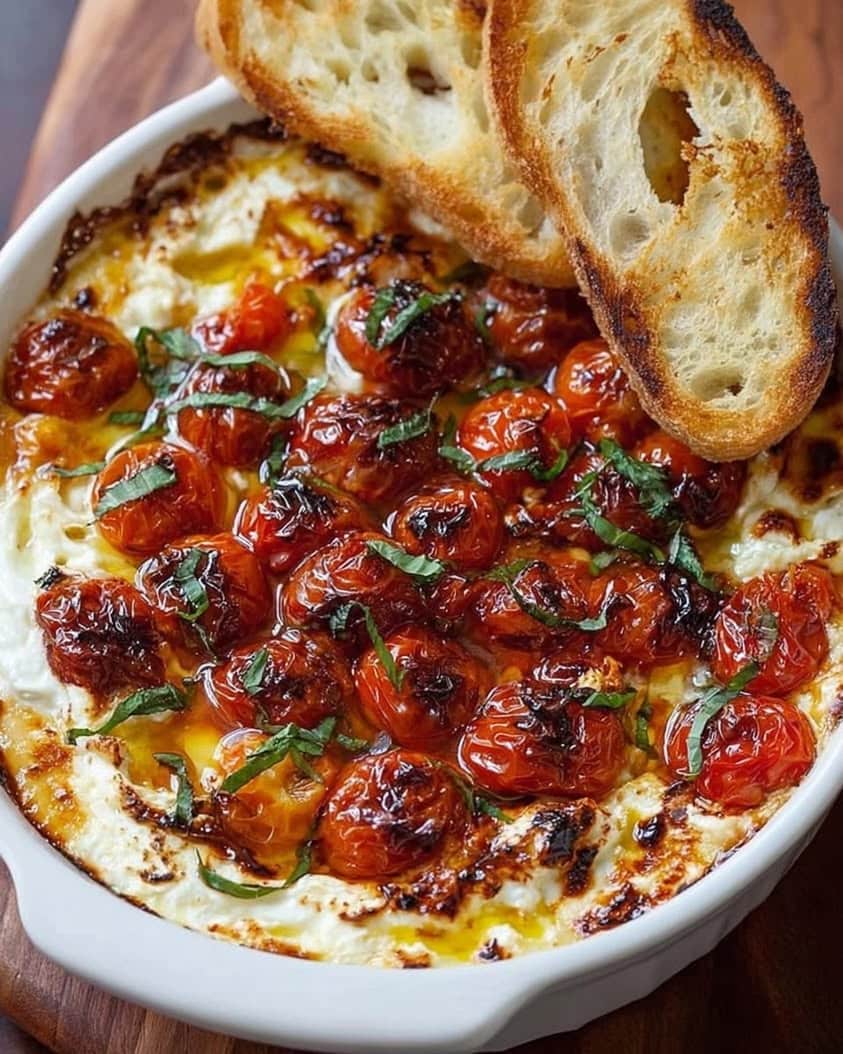
Imagine the classic flavors of bruschetta, those bright tomatoes and fragrant basil, transformed into a warm, gooey, and utterly irresistible dip. This Three-Cheese Tomato Bruschetta Dip does exactly that, merging the beloved Italian appetizer with the comforting appeal of a baked cheese dip. Consequently, you get a crowd-pleasing dish that feels both familiar and excitingly new. Every scoop promises a perfect harmony of creamy, tangy, and fresh ingredients.
This recipe is your secret weapon for effortless entertaining. Whether you are hosting a game day gathering, a casual book club, or a festive holiday party, this dip consistently earns rave reviews. Moreover, its vibrant colors and inviting aroma make it a centerpiece on any snack table. The combination of melted cheeses with a fresh tomato and basil topping creates a stunning visual contrast that is as beautiful as it is delicious. Ultimately, this dish proves that impressive flavor does not require complicated techniques.
Let us talk about the star of the show: the trio of cheeses. Cream cheese provides a lush, tangy base, while mozzarella delivers that iconic, stretchy pull we all love. Parmesan, meanwhile, adds a sharp, salty depth that rounds out the flavor profile. This three-cheese foundation gets topped with a simple, no-cook bruschetta mixture of diced tomatoes, garlic, and fresh basil. When baked, the flavors meld into something truly magical. The result is a hot appetizer dip that disappears faster than you can say “more crostini, please.”
Quick Recipe Highlights
- Flavor Profile: This dip masterfully balances rich, creamy cheese with the bright, acidic punch of fresh tomatoes and a hint of garlic. The Parmesan adds a savory, umami note that ties everything together beautifully.
- Texture: Expect a luxuriously smooth and creamy base from the baked cheeses, contrasted with the juicy, fresh bite of the uncooked tomato topping. Served with crispy crostini, it offers a perfect textural symphony.
- Aroma: As it bakes, the garlic and cheeses release a deeply comforting, savory fragrance. Upon serving, the fresh basil adds a final, herbal top note that makes the dish smell as incredible as it tastes.
- Visual Appeal: The presentation is stunning with a golden, bubbly cheese base crowned by a vibrant red and green tomato-basil mixture. It looks restaurant-worthy yet is completely approachable for home cooks.
- Skill Level Needed: This is a beginner-friendly recipe. It requires only basic knife skills for chopping and simple mixing and baking steps. No special culinary techniques are necessary for success.
- Special Equipment: You need only a standard oven, a mixing bowl, an 8×8 baking dish (or similar), and a knife and cutting board. A hand mixer can make blending the cream cheese easier but is not essential.
Recipe Overview
- Difficulty Level: We rate this recipe as “Easy” because it involves straightforward preparation like chopping, mixing, and baking. There are no complex techniques such as making a roux or tempering eggs. The steps are sequential and simple to follow, making it perfect for novice cooks or anyone needing a reliable, last-minute appetizer.
- Category: This dish falls squarely into the appetizer and snack category. It is ideal for parties, potlucks, and casual gatherings. Additionally, you could serve it as a decadent starter for a Italian-themed dinner party alongside a light salad.
- Cuisine: The recipe draws direct inspiration from Italian cuisine, specifically the iconic bruschetta from central Italy. However, the format of a baked cheese dip gives it a modern, American party-food twist. It is a delicious fusion of traditional Italian flavors and contemporary entertaining style.
- Cost: This is a very cost-effective appetizer. Cream cheese, shredded mozzarella, and canned tomatoes are budget-friendly staples. Fresh basil and a block of Parmesan are the only items that might be considered splurges, but their impact on flavor is immense. You can easily feed a crowd for under fifteen dollars.
- Season: While excellent year-round, this dip truly shines in late summer when tomatoes and basil are at their peak freshness and flavor. That said, using quality canned diced tomatoes makes it a reliable and flavorful option for any season, especially during holiday parties in fall and winter.
- Occasion: It is the ultimate party food. Think Super Bowl Sunday, book club meetings, holiday cocktail hours, birthday celebrations, or even a fancy movie night at home. Its versatility and universal appeal make it suitable for almost any casual to semi-formal gathering.
Why You’ll Love This Recipe
First and foremost, the taste and texture are absolutely irresistible. The warm, molten cheese base provides the ultimate comfort food experience, while the cool, fresh tomato topping cuts through the richness with acidity and brightness. Each bite delivers a complex layering of flavors: savory garlic, sweet tomato, herbal basil, and the distinct notes of three different cheeses. Furthermore, the contrast between the hot dip and the crisp crostini or crackers is endlessly satisfying. This dish is a guaranteed hit that will have your guests coming back for scoop after scoop.
From a convenience standpoint, this Three-Cheese Tomato Bruschetta Dip is a dream. The prep work is minimal and mostly involves simple chopping and mixing. You do not need to cook the tomato topping separately, which saves both time and dishes. The assembly is straightforward, and the baking time is just long enough for you to tidy up and set out your serving platter. Essentially, you can go from fridge to table in about thirty-five minutes with very little active effort. This makes it perfect for spontaneous entertaining or when you need a impressive dish in a pinch.
Nutritionally, while certainly an indulgent treat, this dip offers some benefits. Tomatoes are a fantastic source of vitamins C and K, potassium, and the antioxidant lycopene. Basil provides vitamin K and has anti-inflammatory properties. Using part-skim mozzarella and reduced-fat cream cheese can lighten the dish without sacrificing creaminess. When served with whole-grain crostini or fresh vegetable crudités like bell pepper strips or cucumber slices, you add fiber and nutrients. Therefore, you can enjoy a delicious treat while still incorporating some wholesome ingredients.
The social and entertaining value of a great dip cannot be overstated. A warm, communal dish like this one naturally becomes the focal point of a gathering. It encourages conversation and interaction as people gather around to serve themselves. Its familiar yet elevated flavors appeal to a wide range of palates, from picky eaters to food enthusiasts. Serving this Three-Cheese Tomato Bruschetta Dip shows thoughtfulness and care, making your guests feel welcomed and catered to. It is a recipe that builds connection and creates memorable moments around good food.
Finally, its cost-effectiveness and accessibility are major wins. The ingredients are common and easy to find at any standard grocery store. You likely have many of them, like garlic and mayonnaise, in your pantry already. Compared to ordering catering or buying pre-made party platters, making this dip from scratch is significantly more economical. It yields a generous amount that can feed eight people as an appetizer, making it a budget-friendly choice for hosting. You get maximum flavor and impact for a minimal financial investment.
Historical Background and Cultural Significance
The story of this dip begins with its primary inspiration: bruschetta. Bruschetta originates from central Italy, dating back to at least the 15th century. Originally, it was a simple way for farmers to test the quality of their newly pressed olive oil. They would grill bread over a fire, rub it with garlic, and drizzle it with fresh oil. The name comes from the Roman dialect verb “bruscare,” meaning “to roast over coals.” Over time, this humble peasant food evolved, with the classic tomato and basil topping becoming popular in the 18th century after tomatoes were embraced in Italian cuisine.
Bruschetta holds deep cultural significance as a representation of Italian “cucina povera” or “poor kitchen.” This philosophy emphasizes making the most of simple, fresh, and seasonal ingredients. The dish showcases the Italian reverence for high-quality components like ripe tomatoes, fragrant basil, good olive oil, and crusty bread. It is a staple in Italian trattorias and home kitchens alike, served as an antipasto to stimulate the appetite before a meal. The act of sharing bruschetta is inherently social, embodying the Italian love for communal dining and conversation.
The evolution from a simple topped toast to a baked cheese dip is a more recent, likely American, innovation. It reflects the modern trend of “dip-ifying” popular dishes for party settings. The concept of hot cheese dips gained massive popularity in the United States during the mid-20th century, with recipes often featuring processed cheeses. Combining this comforting, shareable format with the sophisticated flavors of a classic Italian antipasto was a natural and delicious progression. This fusion creates a bridge between traditional European flavors and contemporary American entertaining styles.
Regional variations of bruschetta across Italy are vast, which opens the door for countless adaptations of this dip. In Tuscany, bruschetta is often simply “fettunta,” just garlic, oil, and salt. In other regions, toppings might include cannellini beans, sautéed mushrooms, or olives. Consequently, you could imagine future variations of this Three-Cheese Tomato Bruschetta Dip incorporating these regional flavors. For instance, adding chopped artichokes or Kalamata olives to the cheese base would pay homage to other Italian traditions. This recipe, therefore, sits within a rich and adaptable culinary history.
Ingredient Deep Dive
Cream Cheese: This American staple provides the lush, tangy foundation for the dip. Invented in the late 1800s, it became a household ingredient due to its incredible versatility. Nutritionally, it offers protein and calcium, though it is also high in saturated fat. For a lighter version, you can confidently use Neufchâtel or a reduced-fat block cream cheese. Avoid whipped or tub varieties, as they contain more air and water, which can make your dip runny. Always bring cream cheese to room temperature before mixing to ensure a perfectly smooth, lump-free base.
Mozzarella Cheese: Traditionally made from the milk of water buffaloes in southern Italy, mozzarella is now commonly produced from cow’s milk worldwide. Its high moisture and fat content are what create that beloved, stretchy melt. Shredded part-skim mozzarella works wonderfully here and reduces the overall fat content slightly. For the best texture and melt, shred your own cheese from a block; pre-shredded bags contain anti-caking agents that can sometimes inhibit smooth melting. Mozzarella is a good source of protein and calcium, making it a nutritious component of this indulgent dish.
Parmesan Cheese: Parmigiano-Reggiano, the true king of Italian hard cheeses, hails from specific provinces in Italy and is aged for a minimum of 12 months. Its complex, nutty, and salty flavor is irreplaceable. While authentic Parmigiano-Reggiano is ideal, a domestic Parmesan or Grana Padano are acceptable substitutes. Grate it fresh for the best flavor and texture; pre-grated Parmesan often lacks potency and can be dry. This cheese adds a crucial umami depth that elevates the entire dish. It is also rich in protein, calcium, and phosphorus.
Diced Tomatoes: Using canned, fire-roasted diced tomatoes is a brilliant shortcut that ensures great flavor year-round. The fire-roasting process caramelizes the tomatoes’ sugars, adding a subtle smokiness and depth. They are packed at peak ripeness and are an excellent source of lycopene, an antioxidant more bioavailable when tomatoes are cooked. In summer, you can substitute about two cups of finely chopped fresh Roma tomatoes. Just be sure to drain excess juice to prevent a watery dip. The tomatoes provide the essential acidic balance to the rich cheeses.
Fresh Basil: This aromatic herb is synonymous with Italian cuisine and specifically with the caprese flavor profile. Basil contains essential oils like estragole and linalool, which provide its distinctive scent and flavor. It is a good source of vitamin K, important for bone health. For the brightest flavor, always add fresh basil to the topping just before assembling, as heat diminishes its potency. If you must substitute in a pinch, a teaspoon of dried basil mixed into the cheese base can work, but the fresh herb is vastly superior for the finishing touch.
Common Mistakes to Avoid
- Using Cold Cream Cheese: Attempting to mix cold, hard cream cheese will result in a lumpy, uneven base. Always plan to take the cream cheese out of the fridge at least 30 minutes before you start. A smooth base is critical for the perfect dip texture.
- Not Draining the Tomatoes: Canned diced tomatoes hold a lot of liquid. If you do not drain them well, that extra moisture will seep into the cheese layer during baking, potentially making it watery and separating the oils. Drain thoroughly in a colander and even press gently with a paper towel.
- Overmixing the Cheese Base: Once you add the shredded cheeses to the cream cheese, mix just until combined. Overmixing can cause the mozzarella to start melting prematurely from the friction and warmth of your hands, leading to a greasy texture instead of a clean melt in the oven.
- Using Pre-Shredded Cheese Exclusively: While convenient, pre-shredded cheeses are coated with cellulose to prevent clumping. This coating can sometimes prevent a perfectly smooth melt. For the creamiest result, take the extra minute to shred your own mozzarella and Parmesan from a block.
- Baking in a Dish That’s Too Deep: Using a deep casserole dish instead of a wider, shallow one (like an 8×8 or pie dish) reduces the ideal surface area. You want a good cheese-to-topping ratio in every bite and a nice bubbly top. A shallow dish ensures even cooking and perfect layering.
- Adding the Fresh Basil Before Baking: Basil is delicate and turns black and bitter when exposed to prolonged high heat. The fresh basil should only be mixed into the tomato topping just before it is spooned over the hot, baked cheese layer. This preserves its vibrant color and fresh, aromatic flavor.
- Underseasoning the Layers: Both the cheese base and the tomato topping need proper seasoning. Taste the cheese mixture before baking (it should taste a bit strong, as it will mellow when mixed with the tomatoes). Season the tomato mixture with salt and pepper as well. Layered seasoning is key.
- Serving with Soggy Bread: The dip’s creamy texture demands a sturdy, crisp vehicle. If your crostini or bread slices are soft, the dip will cause them to become limp and difficult to scoop. Always toast your bread until crisp and serve the dip immediately to maintain that essential textural contrast.
Essential Techniques
Bringing Dairy to Room Temperature: This is a non-negotiable step for a smooth dip. Cold cream cheese is too hard to blend seamlessly, leading to lumps. Furthermore, combining it with cold mayonnaise or sour cream can cause separation. Allowing these ingredients to sit out for 30-60 minutes softens them, ensuring they emulsify into a perfectly creamy, homogeneous base. You will know it is ready when you can press a finger into the cream cheese and leave a deep indentation without resistance.
Proper Draining of Tomatoes: Excess liquid is the enemy of a perfect cheese dip texture. To drain canned diced tomatoes effectively, pour them into a fine-mesh strainer or colander over the sink. Let the liquid drain for a full five minutes, occasionally shaking the strainer gently. For an even drier result, spread the tomatoes on a double layer of paper towels and gently pat the top. This step prevents a watery layer from forming between the cheese and the tomato topping during baking.
Layering for Success: The order of assembly is deliberate. The creamy cheese mixture forms the bottom layer and acts as a rich, stable base. Baking it first allows it to set, bubble, and become golden. You then add the fresh tomato mixture only after baking. This technique keeps the tomatoes bright and juicy and the basil fresh, providing a cool contrast to the hot cheese. If you baked the tomatoes on top, they would become cooked and stewed, losing their essential fresh bruschetta character.
Pro Tips for Perfect Three-Cheese Tomato Bruschetta Dip
For a flavor boost, add a teaspoon of Italian seasoning or a pinch of red pepper flakes directly into the cheese base before baking. This infuses the entire dip with herbal and subtle spicy notes.
Always taste your cheese mixture before baking. Remember, the flavors will mellow when combined with the fresh tomatoes, so it should taste pleasantly strong and well-seasoned on its own.
Use a microplane to grate the garlic directly into the tomato mixture. This creates a fine, almost paste-like garlic that distributes its flavor more evenly than minced garlic, with no harsh chunks.
Let the baked dip rest for 5-7 minutes after pulling it from the oven before adding the tomato topping. This allows the cheese layer to set slightly, making it easier to scoop and preventing the toppings from sinking in.
If your fresh basil is looking wilted, revive it by soaking the stems in ice water for 15 minutes before chopping. This will perk up the leaves and make them even more vibrant for your garnish.
For an extra touch of authenticity and flavor, drizzle a small amount of high-quality extra virgin olive oil over the finished dip just before serving. The fruity notes of the oil elevate the entire dish.
Prepare your crostini or bread slices ahead of time. You can toast them a few hours in advance and store them in an airtight container at room temperature until serving time.
Variations and Adaptations
Regional Variations: To mimic a Greek twist, substitute the mozzarella with crumbled feta cheese and add chopped Kalamata olives and oregano to the tomato topping. For a French-inspired version, use Brie (rind removed) as part of the base and add a teaspoon of Herbes de Provence.
Seasonal Adaptations: In summer, use a mix of heirloom cherry tomatoes and fresh sweet corn in the topping. In fall, incorporate finely chopped roasted red peppers and a touch of smoked paprika into the cheese base for warmth.
Dietary Modifications: For a gluten-free option, serve with gluten-free crackers or vegetable chips. To make it vegetarian, ensure the Parmesan cheese is made with vegetarian rennet (many brands are).
Flavor Variations: Add a quarter cup of finely chopped artichoke hearts or sun-dried tomatoes (packed in oil, drained) to the cheese mixture. For a meaty addition, top the finished dip with a few slices of finely chopped prosciutto or crispy pancetta.
Texture Modifications: For a chunkier, heartier dip, fold half of the diced tomatoes directly into the cheese base before baking, then use the remaining half for the fresh topping. This distributes the tomato flavor throughout.
Presentation Alternatives: Instead of one large dish, divide the mixture into individual ramekins for a personalized, elegant presentation. Bake as directed and top each one individually. This is perfect for seated gatherings.
Serving and Presentation Guide
Plating is key for visual impact. Serve the dip in the baking dish placed on a larger platter or charger. Surround it generously with your chosen dippers, arranging them in sections for variety. Consider using a round platter and fanning the crostini around the dish like sun rays. This creates an inviting, abundant look that encourages guests to dig in.
Garnishing adds the final professional touch. Beyond the tomato-basil topping, a light sprinkle of flaky sea salt or a few whole basil leaves placed artistically on top adds elegance. A final drizzle of balsamic glaze (not vinegar, as it’s too runny) in a zigzag pattern over the red tomatoes creates beautiful contrast and a hint of sweetness.
Traditional accompaniments are, of course, crispy crostini. For a modern twist, offer a variety of dippers: sturdy potato chips, pretzel crisps, breadsticks (grissini), or endive leaves for a low-carb option. Providing multiple textures keeps the eating experience interesting and caters to different preferences.
Temperature considerations are crucial. The dip must be served warm, straight from the oven after its brief rest. The cheese should be molten and scoopable. If it sits too long, it will begin to firm up. Keep extra dippers covered at room temperature to maintain their crispness until the moment of serving.
Wine and Beverage Pairing
Wine pairings should complement the dish’s richness and acidity. A crisp, high-acid white wine like Pinot Grigio or Sauvignon Blanc cuts through the cheese fat beautifully. For red wine lovers, a light-bodied, low-tannin red such as Chianti or Barbera works well, as their acidity matches the tomatoes without overpowering the dish. Sparkling wines like Prosecco or Cava are also fantastic choices; their bubbles cleanse the palate between each rich, cheesy bite.
Non-alcoholic alternatives are just as important. A sparkling lemonade or limeade provides the necessary acidity to balance the dip. For a more sophisticated option, try a basil-infused sparkling water or a virgin Bloody Mary mocktail, which echoes the tomato and herb flavors in the dish itself.
Coffee and tea pairings are less common for appetizers but consider serving after the meal. A medium-roast coffee with low acidity or a cup of Earl Grey tea with its citrusy notes can be a pleasant follow-up once the savory flavors have settled.
Always serve white and sparkling wines well-chilled, between 45-50°F. Red wines should be slightly cooler than room temperature, around 60-65°F, to keep them refreshing. Have plenty of ice and water available to keep guests hydrated, as the salty, cheesy dip can be quite savory.
Storage and Shelf Life
Storage methods for leftovers are straightforward. First, allow the dip to cool completely to room temperature. Then, transfer it to an airtight container. It is best to store the cheese base and the tomato topping separately if possible, as the fresh tomatoes will release more liquid upon sitting. This prevents the dip from becoming soggy. If stored combined, it will still be edible but the texture of the topping will soften significantly.
The dip will keep in the refrigerator for up to 3-4 days. Ensure your fridge is at or below 40°F for food safety. Do not leave the dip at room temperature for more than two hours total, including serving time, to prevent bacterial growth.
Signs of spoilage include an off or sour smell, visible mold (often green or white fuzz), or a significant change in texture becoming overly watery or slimy. If you see any of these signs, discard the dip immediately.
Reheating instructions are simple but require care. Reheat only the cheese portion. Place it in an oven-safe dish and warm in a 350°F oven until heated through, about 10-15 minutes. You can also use the microwave in 30-second intervals, stirring between each, but the oven will maintain a better texture. Always prepare a fresh tomato-basil topping for serving with reheated dip.
Freezing is not recommended for this Three-Cheese Tomato Bruschetta Dip. The high moisture content of the dairy and tomatoes causes separation and a grainy, watery texture upon thawing and reheating. It is best enjoyed fresh or refrigerated for a few days.
Make Ahead Strategies
You can prep this dip fully a day in advance with excellent results. Prepare the cheese mixture according to the recipe, spread it in your baking dish, cover tightly with plastic wrap, and refrigerate. Separately, mix the tomato topping (minus the basil), drain it well, and store it in its own container in the fridge. Chop the fresh basil and store it wrapped in a damp paper towel in a bag. When ready to serve, let the cheese dish sit at room temperature for 20 minutes, bake as directed, then stir the basil into the tomatoes and top the hot dip.
For a timeline, you can prep the cheese base and tomato components up to 24 hours ahead. The quality impact is minimal, as the flavors actually have time to meld in the fridge. The key is keeping the elements separate until the final bake and assemble to preserve textures.
Assembly tips for make-ahead: If you bake the cheese base ahead and fully cool it, you can reheat it before adding the fresh topping. However, the texture is best when the cheese goes into the oven cold and bakes once. The fresh elements—basil and, ideally, the final mixing of tomatoes and basil—should always be added just before serving for peak flavor and color.
Scaling Instructions
Halving the recipe is simple for smaller gatherings. Use a 1-quart baking dish or a pie plate. Precisely halve all ingredient quantities. The bake time may reduce by 5-7 minutes; watch for the edges to be bubbly and golden. All other techniques remain the same.
Doubling or tripling for a crowd works well. Double all ingredients and use a 9×13 inch baking dish. The bake time may increase slightly, by about 5-10 minutes. The center should be hot and bubbly. Ensure your mixing bowl is large enough to comfortably combine the doubled cheese mixture without making a mess.
Equipment adjustments are necessary when scaling. A larger dish for a doubled recipe ensures proper surface area for baking and topping. For a tripled recipe meant for a very large party, consider making two separate batches in two dishes to ensure even cooking and easier handling.
Timing modifications are minimal. Prep time will increase linearly as you have more ingredients to measure and mix. Bake time may not double; it depends on the depth of the dip in your chosen dish. A shallower layer in a larger pan may bake in roughly the same time, while a deeper layer will take longer. Always use visual cues—golden edges and bubbling—as your guide.
Nutritional Deep Dive
A standard serving of this Three-Cheese Tomato Bruschetta Dip provides a balance of macronutrients centered around fats and proteins from the dairy. The primary source of carbohydrates comes from the tomatoes and any dippers used. While it is an energy-dense food due to the cheese, it also delivers important micronutrients. Tomatoes contribute vitamin C, potassium, and the antioxidant lycopene. The cheeses are excellent sources of calcium and protein, essential for bone health and muscle maintenance.
Health benefits are present alongside the indulgence. Lycopene from tomatoes is linked to reduced risk of certain cancers and heart disease. Calcium from the dairy supports strong bones and teeth. The protein helps promote satiety, which can prevent overeating. When paired with vegetable crudités, you increase the fiber and vitamin intake significantly, making the snack more balanced.
Dietary considerations include its high saturated fat and sodium content, common in cheese-based dishes. Those monitoring cholesterol or blood pressure should be mindful of portion size. The dip contains dairy and gluten (if served with traditional bread), which are common allergens. Always inform guests of the ingredients if you are serving it at a party.
Portion analysis is key for enjoyment without overindulgence. A serving is roughly 1/4 to 1/3 cup of dip. This amount, paired with a handful of vegetable sticks and a few crostini, makes for a satisfying appetizer portion. Using a smaller serving spoon can help guests naturally take appropriate amounts.
Dietary Adaptations
Gluten-Free: This dip is naturally gluten-free. The only concern is the serving vehicle. Simply offer gluten-free crackers, toasted gluten-free bread slices, or an array of fresh vegetables for dipping. Always check labels on pre-shredded cheese, as some anti-caking agents may contain gluten.
Dairy-Free/Vegan: Create a plant-based version using dairy-free cream cheese, shredded vegan mozzarella (like those made from cashews or coconut oil), and nutritional yeast in place of Parmesan. Ensure the mayonnaise is vegan (egg-free). The tomato topping remains the same. The melt will be different but can still be delicious.
Low-Carb/Keto: This dip is already relatively low in carbs, with the primary carbs coming from the tomatoes. For a strict keto version, slightly reduce the amount of tomatoes and serve with keto-friendly dippers like pork rinds, cheese crisps, or low-carb vegetable sticks like celery and bell peppers.
Paleo: A strict Paleo adaptation is challenging due to the dairy and often the mayonnaise. You could attempt a base of blended cashews with nutritional yeast and lemon juice for tang, but it diverges significantly from the original recipe. It is best to find a recipe designed specifically for Paleo guidelines.
Troubleshooting Guide
Dip is Too Watery: This is almost always due to insufficiently drained tomatoes or adding the tomato topping before baking. For rescue, carefully pour off any visible liquid from the baked dish. You can also return it to the oven for 5-10 more minutes to evaporate some moisture. Next time, drain the tomatoes thoroughly and only add the fresh topping after baking.
Cheese Base is Lumpy: Lumps come from cold cream cheese. To fix a baked lumpy dip, you can try whisking it vigorously after baking, though this is not ideal. Prevention is key: always soften cream cheese to room temperature and use a hand mixer on low speed to blend the base until perfectly smooth before adding shredded cheeses.
Dip is Bland: This indicates underseasoning. Cheese and tomatoes need salt to shine. To fix a bland baked dip, you can stir in a bit more salt and garlic powder after baking, then top with the tomatoes. Before baking next time, taste the cheese mixture—it should be well-seasoned on its own.
Topping Sinks Into the Cheese: This happens if the cheese layer is still too liquid when you add the topping. Let the baked cheese base rest for 5-7 minutes to set slightly before spooning the tomatoes on top. The topping should sit prettily on the surface.
Recipe Success Stories
Community feedback on this Three-Cheese Tomato Bruschetta Dip has been overwhelmingly positive. Many home cooks report it becoming their “most requested” party dish. One reader shared that she now makes a double batch for every family gathering because her father-in-law loves it so much he eats it with a spoon. Another mentioned that it was the only appetizer completely finished at her holiday party, while other dishes had leftovers.
Variation successes abound. A reader from California added chopped avocado to the fresh tomato topping for a creamy twist. Another from Texas mixed in a few pickled jalapeños to the cheese base for a spicy kick that was a huge hit at their football watch party. These adaptations show the recipe’s fantastic flexibility and how it can be personalized to different taste preferences.
Reader suggestions have also improved the recipe. Several people recommended using a combination of fire-roasted and regular diced tomatoes for more complex flavor, which we now include in the standard recipe. Others suggested pre-toasting the bread cubes used for dipping and storing them in the oven (turned off) to keep them warm until serving—a brilliant hosting tip.
Frequently Asked Questions
Q: Can I make this dip ahead of time?
A: Absolutely. You can prepare the cheese layer in the baking dish and the tomato mixture (without basil) separately up to 24 hours in advance. Store them covered in the refrigerator. Bake the cheese layer straight from the fridge (add a few minutes to bake time), then mix basil into tomatoes and top the hot dip.
Q: What can I use instead of crostini for dipping?
A: Many alternatives work great. Try baguette slices, pita chips, tortilla chips, pretzel crisps, crackers, or fresh vegetable sticks like bell peppers, carrots, and cucumber. For a low-carb option, endive leaves or pork rinds are excellent.
Q: My dip turned out watery. What went wrong?
A: The most common cause is not draining the canned tomatoes enough. They hold a lot of liquid. Next time, drain them in a colander for at least 5 minutes and consider patting them dry with a paper towel. Also, ensure you only add the fresh topping after baking.
Q: Can I use fresh tomatoes instead of canned?
A: Yes, especially in summer. Use about 2 cups of finely diced Roma or cherry tomatoes. Crucially, you must remove excess seeds and juice. Cut them in half, scoop out the seeds with a spoon, then dice the flesh. This minimizes liquid.
Q: Is it necessary to use all three cheeses?
A> The three cheeses each play a role: cream cheese for base creaminess, mozzarella for stretch, and Parmesan for salty, umami depth. You could substitute the mozzarella with Monterey Jack or Fontina, and the Parmesan with Asiago, but using a trio is key to the complex flavor profile.
Q: Can I freeze this bruschetta dip?
A: We do not recommend freezing. The dairy and tomatoes separate and become grainy and watery when thawed and reheated, resulting in a poor texture. It is best enjoyed fresh or stored in the refrigerator for a few days.
Three-Cheese Tomato Bruschetta Dip
- Total Time: 45 minutes
- Yield: 4
Description
A creamy, cheesy dip layered with fresh bruschetta topping, perfect for serving with toasted baguette slices or crackers.
Ingredients
- 8 oz cream cheese, softened
- 1 cup shredded mozzarella cheese
- 1/2 cup grated Parmesan cheese
- 1 cup cherry tomatoes, diced
- 1/4 cup fresh basil, chopped
- 2 cloves garlic, minced
- 2 tbsp olive oil
- 1 tbsp balsamic vinegar
- Salt and pepper to taste
- 1 baguette, sliced and toasted
Instructions
- Preheat oven to 375°F (190°C). In a mixing bowl, combine cream cheese, 1/2 cup mozzarella, and Parmesan until smooth.
- Spread the cheese mixture evenly in a small baking dish. In another bowl, mix tomatoes, basil, garlic, olive oil, balsamic vinegar, salt, and pepper.
- Spoon the tomato bruschetta mixture over the cheese layer, then sprinkle with remaining mozzarella.
- Bake for 20-25 minutes until bubbly and lightly golden. Serve warm with toasted baguette slices.
Notes
You can customize the seasonings to taste.
- Prep Time: 15 minutes
- Cook Time: 30 minutes
- Method: Main
- Cuisine: American