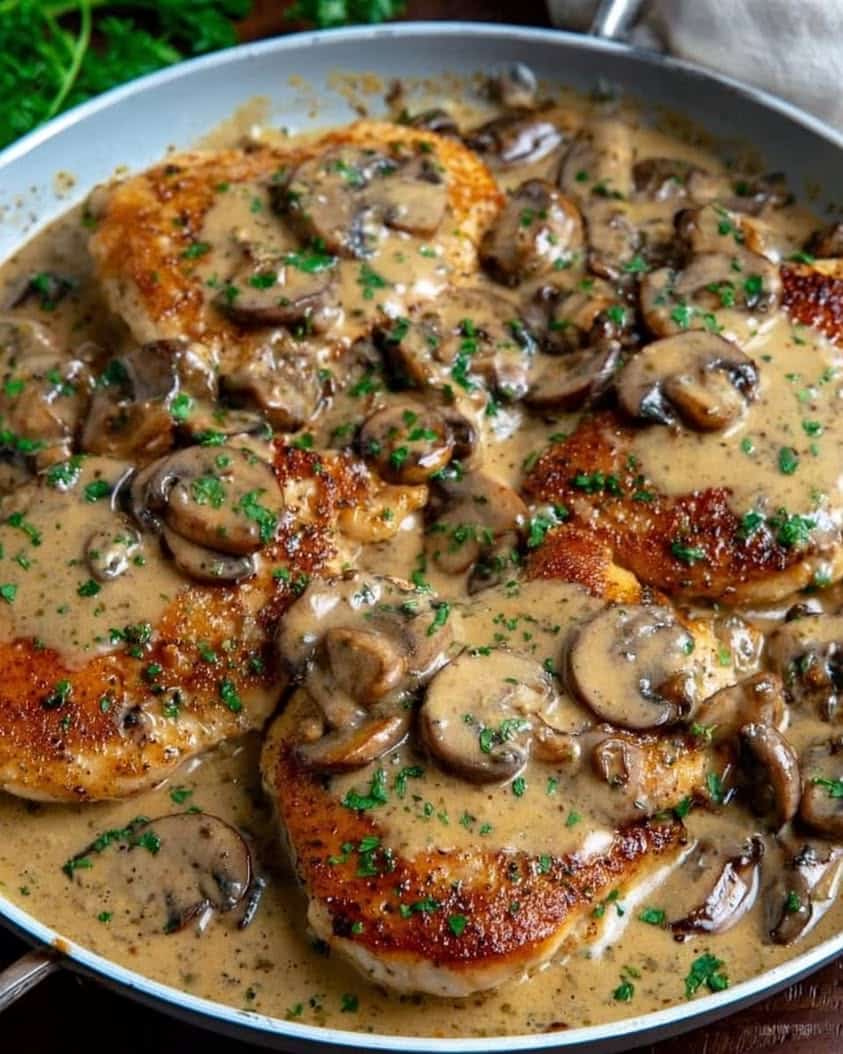
Mediterranean Lemon Chicken with Artichokes and Olives Recipe: A Vibrant One-Pan Wonder
Picture this: tender, golden chicken nestled in a bright, lemony sauce with briny olives and artichokes. This Mediterranean lemon chicken with artichokes and olives recipe brings the sun-drenched flavors of the coast straight to your dinner table. Moreover, it’s a complete, healthy meal that cooks in one pan, meaning you get incredible flavor without a sink full of dishes. Ultimately, this dish is a celebration of simple, high-quality ingredients coming together in perfect harmony.
Furthermore, the aroma that fills your kitchen while this bakes is nothing short of magical. Imagine the zesty perfume of lemon and oregano mingling with the savory scent of roasting chicken and garlic. This Mediterranean lemon chicken with artichokes and olives is not just food; it’s an experience. It’s perfect for a busy weeknight yet impressive enough for weekend guests. Consequently, it has earned a permanent spot in our family’s regular meal rotation.
Additionally, this recipe is incredibly versatile. You can easily adapt it based on what you have in your pantry. For instance, you might use chicken thighs for extra juiciness or add a handful of sun-dried tomatoes for a sweet tang. The foundation of lemon, garlic, and herbs creates a canvas for your culinary creativity. Therefore, whether you’re a seasoned cook or just starting out, this Mediterranean lemon chicken with artichokes and olives promises a delicious and satisfying result every single time.
Quick Recipe Highlights
- Flavor Profile: This Mediterranean lemon chicken with artichokes and olives delivers a vibrant, balanced taste. Bright, tangy lemon cuts through the richness of the chicken and olive oil, while briny olives and savory artichokes add depth. Finally, herbs like oregano and thyme provide an earthy, aromatic backbone that ties everything together beautifully.
- Texture: You’ll enjoy a wonderful contrast of textures in every bite. The chicken skin becomes beautifully crisp, while the meat underneath stays incredibly juicy and tender. Meanwhile, the artichoke hearts are soft and meaty, and the olives offer a pleasant, firm pop. The sauce itself is silky and luxurious, perfect for sopping up with crusty bread.
- Aroma: As it cooks, your kitchen will fill with an irresistible, sunny fragrance. First, you’ll smell the sharp, clean scent of fresh lemon zest and juice. Then, the earthy notes of dried oregano and thyme bloom in the heat. Finally, the savory aromas of garlic and golden chicken create a mouthwatering anticipation that is simply unforgettable.
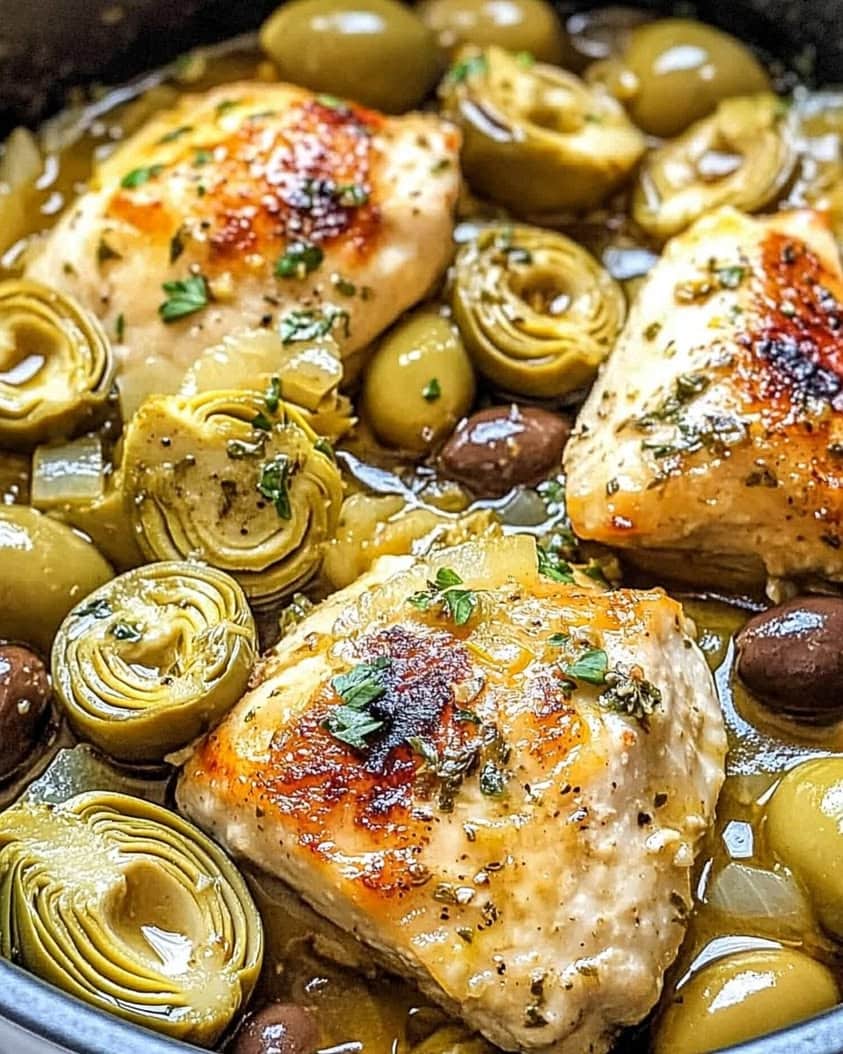
- Visual Appeal: This dish is a feast for the eyes with its stunning color palette. Golden-brown chicken pieces rest against green artichokes and black Kalamata olives, all bathed in a glossy, pale yellow sauce. A final garnish of fresh parsley adds a vibrant green accent, making it look as beautiful on the plate as it tastes.
- Skill Level Needed: This is a fantastic recipe for cooks of all levels. Primarily, it requires basic techniques like seasoning, searing, and baking. There’s no complicated knife work or tricky steps. Essentially, if you can brown chicken and stir ingredients together, you can absolutely master this Mediterranean lemon chicken with artichokes and olives.
- Special Equipment: You only need one key piece of equipment: a large, oven-safe skillet or braiser. A cast-iron skillet works perfectly for achieving a great sear and then transferring to the oven. Otherwise, standard kitchen tools like a cutting board, knife, and measuring spoons are all you need to get started.
Recipe Overview
- Difficulty Level: We rate this Mediterranean lemon chicken with artichokes and olives as easy. The steps are straightforward and logical: season, sear, combine, and bake. There’s no intricate sauce-making or precision baking involved. Consequently, even novice cooks can achieve a restaurant-quality result with minimal stress and a very high success rate.
- Category: This dish comfortably fits into several meal categories. It’s a hearty main course protein, a complete one-pan dinner, and an excellent meal prep option. Furthermore, it works for casual family suppers, elegant date nights, and potluck gatherings. Its flexibility is one of its greatest strengths for home cooks with diverse needs.
- Cuisine: This recipe is firmly rooted in the culinary traditions of the Mediterranean basin, particularly drawing inspiration from Greek and Southern Italian cooking. The hallmark flavors—lemon, olive oil, oregano, olives, and garlic—are classic to the region. It embodies the Mediterranean diet principles of simple preparation, fresh ingredients, and healthy fats.
- Cost: This is a very cost-effective meal to prepare, especially when you consider the impressive results. Chicken thighs or breasts are typically affordable proteins. Canned artichokes and jarred olives are pantry staples with a long shelf life. The fresh ingredients, like lemon and garlic, are inexpensive. Overall, you get a gourmet-tasting meal for a fraction of the cost of dining out.
- Season: While delicious year-round, this Mediterranean lemon chicken with artichokes and olives truly shines in the spring and summer. The bright, lemony flavor feels light and refreshing during warmer months. Additionally, it pairs wonderfully with seasonal sides like a simple arugula salad or grilled asparagus, making it a perfect centerpiece for al fresco dining.
- Occasion: This versatile dish suits almost any occasion. It’s quick enough for a Tuesday night family dinner yet elegant enough for entertaining guests. It’s a fantastic option for a stress-free dinner party because most of the work is done ahead of time in the oven. You can also easily double the recipe to feed a crowd.
Why You’ll Love This Recipe
First and foremost, the taste is absolutely phenomenal. Each component of this Mediterranean lemon chicken with artichokes and olives brings its own unique character to create a harmonious whole. The lemon is tangy but not sour, the olives are salty but not overwhelming, and the herbs are fragrant without being dusty. Every forkful is a delightful balance of juicy chicken, tender vegetables, and that incredible, silky sauce that you’ll want to eat with a spoon. It’s a flavor profile that feels both comforting and exciting at the same time.
Next, consider the sheer convenience. This is a true one-pan meal, which means minimal cleanup and maximum efficiency. You sear the chicken, deglaze the pan to build flavor, add the remaining ingredients, and let the oven do the rest of the work. Meanwhile, you can prepare a simple side salad or set the table. This streamlined process makes getting a healthy, home-cooked dinner on the table on a busy weeknight not just possible, but actually enjoyable. The simplicity of the method belies the complex, developed taste of the final dish.
From a nutritional standpoint, this Mediterranean lemon chicken with artichokes and olives is a powerhouse. It aligns perfectly with the principles of the celebrated Mediterranean diet, which is linked to heart health, longevity, and stable energy. Chicken provides lean protein, olives and olive oil offer healthy monounsaturated fats, and artichokes are a great source of fiber and antioxidants. The dish is naturally low in carbs and free from processed ingredients, making it a wholesome choice that nourishes your body without sacrificing an ounce of flavor.
Furthermore, this recipe has incredible social and entertaining value. It’s a crowd-pleaser that appeals to a wide range of palates. Presenting a beautiful skillet of golden chicken, artichokes, and olives at the table always elicits compliments. Because it’s largely hands-off after going into the oven, you can spend time with your guests instead of being stuck at the stove. It feels special and thoughtfully prepared, yet it doesn’t require the chef to be stressed or exhausted by the time everyone sits down to eat.
Finally, it’s remarkably cost-effective and accessible. You don’t need any rare or expensive ingredients to make this Mediterranean lemon chicken with artichokes and olives shine. Most components are pantry staples or easy to find at any grocery store. Chicken is a budget-friendly protein, and using bone-in, skin-on pieces adds immense flavor without extra cost. This recipe proves that you can eat incredibly well without blowing your food budget, making gourmet, health-conscious meals an everyday reality for your family.
Historical Background and Cultural Significance
The culinary traditions that inspire this Mediterranean lemon chicken with artichokes and olives stretch back millennia. While not a single, documented historic recipe, it is a modern amalgamation of classic flavors and techniques from across the Mediterranean basin. The combination of chicken with lemon and olives appears in various forms from Greece to the South of France to the coastal regions of Italy. Historically, these were ingredients readily available to coastal communities: chickens were kept in yards, lemon trees thrived in the climate, and olives were a fundamental agricultural product. This dish represents a practical and delicious use of local, seasonal bounty.
Culturally, this style of cooking is the heart of home cooking in many Mediterranean countries. Meals are often built around a central protein simmered or baked with whatever vegetables are fresh, abundant, or preserved. The use of artichokes, a thistle flower bud, is particularly notable in Italian and Greek cuisines. Olives, of course, are more than just food; they are a cultural symbol of peace, prosperity, and the very landscape itself. Consequently, a dish like this evokes a sense of place and tradition, connecting the cook and eater to a rich culinary heritage centered on simplicity and quality.
The recipe has evolved significantly with globalization and modern conveniences. Traditionally, a cook might have used a whole chicken, jointed, and fresh artichokes that required tedious trimming. Today, using convenient cuts like chicken thighs and canned or frozen artichoke hearts makes the dish accessible to anyone, anywhere, any time of year. The core flavor principles, however, remain unchanged. The evolution is one of convenience, not compromise, allowing the essential character of the Mediterranean lemon chicken with artichokes and olives to reach a wider audience while staying true to its roots.
Regional variations of this concept are fascinating. In Greece, you might find a similar dish called “kotopoulo lemonato,” often with the addition of oregano and sometimes potatoes. In Italy, especially Sicily, capers might join the olives, and white wine is a common deglazing liquid. In Provence, herbes de Provence would replace oregano, and perhaps a touch of pastis or saffron could be included. Our version is a celebration of these shared themes—the bright acid, the salty brine, the savory herbs—creating a universally appealing dish that honors its diverse origins while being uniquely its own.
Ingredient Deep Dive
Let’s start with the chicken. For the best Mediterranean lemon chicken with artichokes and olives, bone-in, skin-on chicken thighs are the champion choice. The bone keeps the meat incredibly juicy during the longer baking time, while the skin renders fat and becomes delectably crisp. Culturally, using the whole animal or less expensive cuts is a hallmark of rustic Mediterranean cooking. Nutritionally, chicken thighs provide iron, zinc, and B vitamins. When selecting, look for plump, pink thighs with creamy white fat. Store them in the coldest part of your fridge and use within 1-2 days of purchase. For a leaner option, boneless, skinless thighs or breasts work, but reduce cooking time to prevent dryness.
Fresh lemons are the non-negotiable star of the show. Their juice and zest provide the vibrant, sunny acidity that defines the dish. Lemons have been cultivated in the Mediterranean for over a thousand years and are integral to the region’s flavor profile. They are an excellent source of vitamin C and antioxidants. Always choose lemons that are heavy for their size with smooth, bright yellow skin; these are the juiciest. Store them at room temperature for a week or in the fridge for longer. Never use bottled lemon juice; the flavor is flat and often contains preservatives. In a pinch, a combination of fresh orange juice and a little white wine vinegar can provide a different but pleasant acidity.
Artichoke hearts bring a meaty texture and a subtle, nutty sweetness that balances the lemon and olives. Historically, artichokes are believed to have originated in the Mediterranean and were prized by ancient Romans and Greeks. They are a fantastic source of fiber, folate, and vitamin K. For this recipe, canned or jarred artichoke hearts in water are perfectly convenient and work beautifully. Look for quarters or halves that are firm, not mushy. Before using, drain them well and give them a quick rinse to remove any tinny or briny taste from the preserving liquid. Frozen artichoke hearts are also a great, often more flavorful, alternative—just thaw and pat dry.
Kalamata olives are the preferred choice for their rich, fruity, and deeply briny flavor. These dark purple olives are native to Greece and are typically preserved in a vinegar brine, which adds another layer of complexity to the sauce. They are rich in heart-healthy monounsaturated fats and vitamin E. Purchase them pitted to save time, but olives with pits often have better texture and flavor. Store opened olives in their brine in the refrigerator for up to two weeks. If you don’t have Kalamatas, other briny olives like Gaeta or Niçoise work well. Avoid using canned black olives, as they lack the depth of flavor needed for this Mediterranean lemon chicken with artichokes and olives.
Extra virgin olive oil is the foundational fat that carries all the other flavors. It’s not just a cooking medium; it’s a key ingredient. The best oils come from the first cold pressing and have a fruity, peppery note. Olive oil cultivation is central to Mediterranean culture and economy. It is packed with antioxidants and anti-inflammatory compounds. Use a good-quality oil you enjoy tasting, as its flavor will come through. Store it in a cool, dark place to prevent rancidity. For the searing step, you can use a regular olive oil or even avocado oil for its high smoke point, but finish the sauce with a drizzle of your best extra virgin for maximum impact.
Common Mistakes to Avoid
- Not Drying the Chicken: Patting the chicken skin completely dry with paper towels before seasoning is crucial. If the skin is wet, it will steam instead of sear, resulting in pale, rubbery skin instead of the desired golden, crispy texture. This simple step is the difference between good and great chicken.
- Crowding the Pan When Searing: Searing the chicken in batches is essential if your skillet isn’t large enough. Overcrowding causes the pan temperature to drop dramatically, leading the chicken to release its juices and boil in them. Consequently, you get steamed, gray chicken instead of achieving a flavorful, caramelized crust.
- Using Bottled Lemon Juice: This is perhaps the most common flavor killer. Bottled juice lacks the bright, fresh acidity and nuanced flavor of freshly squeezed lemons. It can also have a chemical or metallic aftertaste. Always use real lemons for both the zest and the juice in your Mediterranean lemon chicken with artichokes and olives.
- Not Deglazing the Pan Properly: After searing the chicken, those browned bits stuck to the pan (the fond) are pure flavor gold. Adding the lemon juice and broth and scraping vigorously dissolves these bits into the sauce. Skipping this step or not scraping thoroughly leaves a massive amount of flavor behind.
- Overcooking the Chicken: Since the dish finishes in the oven, it’s easy to walk away and forget it. Overcooked chicken, even thighs, becomes dry and stringy. Use a meat thermometer and pull the skillet when the chicken registers 165°F at the thickest part. Remember, it will carryover cook a few more degrees while resting.
- Adding the Olives Too Early: If you add the olives at the beginning with the artichokes, they can become overly soft and mushy during the baking process. For the best texture and a pop of briny flavor, stir them in during the last 5-10 minutes of cooking so they just heat through.
- Forgetting to Season in Layers: Seasoning only the chicken at the start is not enough. You should also season the sauce components lightly. Taste the sauce before it goes into the oven and adjust with salt and pepper. This builds depth of flavor throughout the entire dish, not just on the surface of the meat.
- Using a Skillet That’s Not Oven-Safe: This seems obvious, but it’s a critical error. If your skillet has a plastic handle or is not rated for high oven heat, transferring it will be dangerous and could ruin your cookware. Always confirm your pan is oven-safe to at least 400°F before you begin.
Essential Techniques
Patting Chicken Dry: This is the foundational technique for perfect skin. Moisture is the enemy of browning because it must evaporate before Maillard reaction (browning) can occur. Use several layers of paper towels and press firmly on all sides of the chicken pieces. Pay special attention to the skin side. A completely dry surface will sear quickly and efficiently, creating a crisp barrier that seals in the chicken’s natural juices during baking.
Searing for Flavor: Searing isn’t about “sealing in juices”; it’s about building complex flavor through the Maillard reaction. Heat your oil until it shimmers but doesn’t smoke. Place the chicken skin-side down and do not move it for a solid 4-5 minutes. You need to allow time for a crust to form; peeking too early will cause it to stick and tear. The chicken will naturally release from the pan when it’s properly seared. This technique creates hundreds of new flavor compounds that form the base of your sauce.
Deglazing the Pan: This is the magic step that captures all the flavor left behind after searing. After removing the chicken, there will be browned, stuck-on bits. Pour in your acidic liquid (lemon juice) and a bit of broth. Over medium heat, use a wooden spoon or spatula to vigorously scrape the bottom of the pan. Those bits will dissolve, creating an instant, deeply flavorful sauce base. This liquid then reduces slightly, concentrating the flavors before you add the other ingredients for your Mediterranean lemon chicken with artichokes and olives.
Pro Tips for Perfect Mediterranean Lemon Chicken with Artichokes and Olives
First, bring your chicken to room temperature for about 15-20 minutes before cooking. Cold chicken straight from the fridge will cause the pan temperature to plummet, leading to uneven cooking and poor browning. This simple step ensures a perfect sear and more even cooking throughout.
Second, don’t discard the lemon halves after juicing. Tuck them into the skillet around the chicken before it goes into the oven. As they roast, they release citrus oils and become caramelized, adding an incredible depth of flavor and aroma to the entire dish.
Third, for an extra layer of flavor, season your chicken the night before. Place the dried chicken pieces on a rack over a baking sheet, season generously with salt and pepper, and leave it uncovered in the fridge overnight. This dry-brining process seasons the meat deeply and helps the skin dry out further for ultimate crispiness.
Fourth, if your sauce seems a bit thin after baking, remove the chicken and vegetables to a platter and place the skillet back on the stovetop. Let the sauce simmer for 3-5 minutes until it reduces and thickens to your desired consistency. Then, pour it over the plated chicken.
Fifth, add a teaspoon of honey or a pinch of sugar to the sauce if your lemons are particularly sharp. This isn’t to make it sweet, but to round out the acidity and balance the flavors, creating a more harmonious and complex taste profile in your Mediterranean lemon chicken with artichokes and olives.
Sixth, let the cooked chicken rest for 5-10 minutes after pulling it from the oven. This allows the juices, which have been driven to the center by the heat, to redistribute throughout the meat. Slicing or serving immediately will cause those precious juices to run out onto the plate, leaving the chicken drier.
Variations and Adaptations
For regional variations, explore the flavors of different Mediterranean coasts. A Greek version would include more oregano and maybe a cinnamon stick for warmth. An Italian take might add a splash of dry white wine, a handful of capers, and use rosemary instead of thyme. For a French Provençal twist, swap the oregano for herbes de Provence and add a few strips of orange zest alongside the lemon.
Seasonal adaptations are easy and rewarding. In spring, add fresh asparagus spears or baby carrots to the skillet. Summer invites the addition of cherry tomatoes or zucchini slices. For a heartier fall or winter meal, incorporate small potatoes or chunks of fennel, which will become tender and sweet as they roast in the flavorful sauce.
Dietary modifications are straightforward. For a gluten-free meal, ensure your chicken broth is certified gluten-free. To make it dairy-free, simply omit any butter called for (though it’s typically not needed). For a lower-carb or keto version, this recipe is already excellent; just be mindful of any starchy additions and serve it over cauliflower rice instead of regular rice or pasta.
Flavor variations can keep this recipe exciting. Add a pinch of red pepper flakes with the garlic for a gentle heat. Stir in a tablespoon of tomato paste when deglazing for a richer, deeper sauce base. For an umami boost, add a few anchovy fillets to the oil when cooking the garlic; they will melt away and add incredible savory depth without a fishy taste.
Serving and Presentation Guide
Plating this dish is part of the pleasure. For a family-style presentation, bring the entire skillet to the table on a trivet. This rustic look is inviting and lets everyone see the beautiful, golden chicken. For individual plates, place a piece of chicken slightly off-center on a shallow bowl or plate. Spoon the artichokes and olives around it, then ladle a generous amount of the pan sauce over everything, allowing it to pool enticingly.
Garnishing is the final touch that elevates the visual appeal. A generous sprinkle of freshly chopped flat-leaf parsley or fresh oregano adds a vibrant green contrast. For a bit of texture and color, a light dusting of lemon zest or a few thin slices of lemon arranged on top looks beautiful. A final drizzle of your best extra virgin olive oil adds shine and reinforces the core flavor.
Traditional accompaniments are simple and meant to soak up the incredible sauce. A crusty loaf of sourdough or ciabatta bread is non-negotiable. For a more substantial meal, serve it over a bed of orzo, couscous, or fluffy white rice. A simple, crisp green salad dressed with lemon vinaigrette provides a refreshing counterpoint to the rich, savory chicken.
Wine and Beverage Pairing
Wine pairing for this Mediterranean lemon chicken with artichokes and olives is a delight. The bright acidity and herbal notes call for wines with similar characteristics. A crisp, dry Greek Assyrtiko or a Spanish Albariño are fantastic choices, as their citrus and mineral notes mirror the lemon in the dish. For a red wine lover, a light-bodied, low-tannin red like a French Beaujolais or an Italian Frappato won’t overpower the chicken and can complement the savory olives beautifully.
Non-alcoholic alternatives should also balance acidity and flavor. Sparkling water with a twist of lemon or lime is a classic, clean choice. For something more complex, try an herbal iced tea, like mint or lemon verbena. A ginger beer or a tart pomegranate spritzer can also stand up to the bold flavors of the dish without competing.
If serving this for a lunch or brunch occasion, consider coffee or tea pairings. A medium-roast coffee with citrusy notes would be lovely. For tea, a green tea like Sencha or a herbal lemon-ginger tea would complement the meal’s flavors and aid digestion after a satisfying lunch.
Storage and Shelf Life
Proper storage is key to enjoying leftovers. Allow the Mediterranean lemon chicken with artichokes and olives to cool completely before transferring it to an airtight container. Store the chicken, vegetables, and sauce together in the refrigerator. Properly stored, it will keep for 3-4 days. The flavors often meld and improve on the second day, making fantastic leftovers.
For reheating, gentle methods are best to prevent the chicken from drying out. Reheat individual portions in a covered skillet over low heat with a splash of water or broth to recreate the saucy environment. Alternatively, reheat in the microwave at 50% power, stirring occasionally, until just warmed through. Avoid boiling the sauce, as this can cause the olive oil to separate.
This dish freezes reasonably well for up to 2-3 months. Freeze it in a single layer in a sealed container or heavy-duty freezer bag. Thaw overnight in the refrigerator before reheating. Note that the texture of the artichokes may become slightly softer after freezing and thawing, but the flavor will remain excellent.
Make Ahead Strategies
You can significantly streamline dinner by prepping components ahead of time. Up to a day in advance, pat dry and season the chicken, then store it covered on a plate in the fridge. You can also drain and rinse the artichokes, measure out the olives, and mince the garlic. Store each component in separate containers in the refrigerator. When ready to cook, simply sear and assemble; the active cooking time is cut in half.
For a full make-ahead meal, prepare the entire Mediterranean lemon chicken with artichokes and olives recipe up to the point of baking. After combining everything in the skillet, cover it tightly and refrigerate for up to 24 hours. When ready to cook, let it sit at room temperature for 20-30 minutes to take the chill off, then bake as directed, adding a few extra minutes to the cooking time if needed.
Scaling Instructions
Scaling this recipe up or down is simple because it’s mostly a matter of ratios. To halve the recipe, use a smaller skillet and simply cut all ingredient quantities in half. The cooking times will remain roughly the same, but keep a closer eye on it as a smaller amount of food may cook slightly faster.
To double or triple the recipe for a crowd, you’ll need a very large roasting pan or multiple skillets. Brown the chicken in batches to avoid steaming. Combine all ingredients in the large pan, ensuring the chicken is in a single layer for even cooking. You may need to add 5-10 minutes to the baking time. Check for doneness with a meat thermometer to be sure.
Nutritional Deep Dive
This Mediterranean lemon chicken with artichokes and olives is a nutritionally balanced meal. A typical serving provides a substantial amount of high-quality protein from the chicken, essential for muscle repair and satiety. The healthy fats come primarily from the olive oil and olives, which are rich in monounsaturated fats known to support heart health and reduce inflammation.
The dish is also a good source of several micronutrients. Artichokes contribute fiber, vitamin C, vitamin K, and folate. Olives add vitamin E and iron. Lemon juice provides a burst of vitamin C and antioxidants. Using bone-in chicken can also mean a slightly higher mineral content, including calcium and phosphorus from the bones that leach into the sauce.
For those managing their weight, this dish is naturally low in carbohydrates and sugars, fitting well into many eating plans. The combination of protein, fat, and fiber promotes a feeling of fullness, which can help prevent overeating. To make it even lighter, you can use skinless chicken and reduce the amount of olive oil by a tablespoon, though this will slightly impact the richness of the sauce.
Dietary Adaptations
For a gluten-free version, this Mediterranean lemon chicken with artichokes and olives is naturally compliant. Simply double-check that your chicken broth is certified gluten-free, as some brands may contain additives with gluten. Serve it with gluten-free grains like quinoa or rice, or with roasted potatoes.
This recipe is already dairy-free, as it uses olive oil as the primary fat and contains no cheese, butter, or cream. It’s a safe and flavorful choice for those avoiding dairy. For a vegan adaptation, substitute the chicken with hearty vegetables like large cauliflower steaks or chunks of seitan, and use vegetable broth. The flavorful sauce will coat the plant-based proteins beautifully.
For a low-carb or keto diet, this dish is an excellent fit. The main ingredients are very low in carbohydrates. Just be mindful of any sides; serve it over cauliflower rice or with a side of non-starchy vegetables like sautéed spinach instead of pasta or bread. The olives and artichokes are keto-friendly in moderation.
Troubleshooting Guide
If your sauce is too thin, the likely culprit is not enough reduction or adding too much liquid. Solution: Transfer the chicken and vegetables to a serving platter and tent with foil. Place the skillet with the sauce back on the stovetop over medium-high heat. Let it simmer vigorously for 3-5 minutes until it reduces and thickens to a glaze-like consistency. Then, pour it over the chicken.
If your chicken skin isn’t crispy, you may not have dried it thoroughly, crowded the pan during searing, or the oven temperature was too low. Solution: For next time, ensure the skin is bone-dry and sear in an uncrowded pan. If it’s already cooked but soggy, you can try placing the chicken pieces skin-side up under a preheated broiler for 1-2 minutes, watching closely to avoid burning.
If the dish tastes bland, it’s almost always a seasoning issue. Solution: Remember to season in layers—the chicken, the aromatics (garlic), and the sauce itself before baking. If it’s already cooked, you can adjust the seasoning at the end. Stir in an extra pinch of salt, a squeeze of fresh lemon juice, or a sprinkle of fresh herbs to brighten it up just before serving.
Recipe Success Stories
We love hearing from our community about their experiences with this Mediterranean lemon chicken with artichokes and olives. One reader, Sarah from Colorado, shared that it’s now her go-to “impress the in-laws” dish because it looks and tastes fancy but is so simple to execute. She served it with roasted baby potatoes and said the clean plates were the best compliment.
Another home cook, Michael, experimented with the variations. He added a can of drained cannellini beans to the skillet for the last 10 minutes of baking to make it more hearty. He reported that the beans soaked up the lemony sauce and made the meal even more satisfying, perfect for his active teenage sons.
For photography enthusiasts, the key to capturing this dish’s beauty is natural light. Photograph it in the skillet with a wooden board underneath, garnished with fresh herbs and a lemon wedge. The contrast of the golden chicken, green artichokes, and dark olives makes for a stunning, appetite-whetting image that truly does the recipe justice.
Frequently Asked Questions
Can I use boneless, skinless chicken breasts? Yes, you can. However, they cook much faster and can dry out. Reduce the initial sear time to 3 minutes per side and the oven time to 15-20 minutes, or until the internal temperature reaches 165°F. Consider brining them for 30 minutes in saltwater first for extra juiciness.
What can I use instead of artichoke hearts? Good substitutes include canned hearts of palm (sliced), well-drained canned white beans (like cannellini), or even thick slices of fennel bulb. Each will change the texture and flavor profile slightly but will still work well with the lemon and olive sauce.
My sauce is too acidic/tart. How can I fix it? Balance is key. Stir in a teaspoon of honey, maple syrup, or even a pinch of sugar to counteract the sharpness. Alternatively, a tablespoon of unsalted butter swirled in at the end can mellow the acidity and add a lovely richness.
Can I make this in a slow cooker? It’s possible but not ideal for crispy skin. Sear the chicken first, then place everything in the slow cooker. Cook on low for 4-5 hours. The chicken will be tender, but the skin will be soft. For a better texture, transfer to a baking sheet and broil for a few minutes before serving.
Is it necessary to use fresh herbs? Dried oregano and thyme are perfectly fine for the sauce base and are traditional. However, for garnish, fresh parsley or oregano adds a vital pop of color and a brighter, cleaner herbal note that dried herbs cannot provide. Use dried for cooking, fresh for finishing.
How do I know when the chicken is done? The most reliable method is using an instant-read meat thermometer. Insert it into the thickest part of the thigh, avoiding the bone. It should read 165°F. Visually, the juices should run clear when pierced with a knife, and the meat should no longer be pink.
Can I add other vegetables? Absolutely. This recipe is very forgiving. Additions like sliced bell peppers, red onion wedges, or cherry tomatoes work wonderfully. Add sturdier veggies (like potatoes or carrots) at the beginning with the artichokes. Add quicker-cooking veggies (like zucchini or asparagus) in the last 10-15 minutes of baking.
What’s the best way to reheat leftovers? To preserve moisture, reheat gently in a covered skillet over low-medium heat with a splash of chicken broth or water. You can also use the microwave at 50% power, stirring occasionally. Avoid high heat, which can make the chicken rubbery.
Can I use frozen chicken? It’s not recommended to cook from frozen for this recipe, as it won’t sear properly and will release too much water, steaming the chicken. Always thaw chicken completely in the refrigerator overnight and pat it very dry before seasoning and searing.
PrintMediterranean Lemon Chicken with Artichokes & Olives
- Total Time: 45 minutes
- Yield: 4
Description
A zesty, one-pan chicken dish bursting with Mediterranean flavors, featuring tender chicken thighs, tangy artichokes, briny olives, and a bright lemon-herb sauce.
Ingredients
- 4 bone-in, skin-on chicken thighs
- 1 tablespoon olive oil
- 1 teaspoon dried oregano
- 1/2 teaspoon garlic powder
- Salt and black pepper to taste
- 1 (14-ounce) can artichoke hearts, drained and quartered
- 1/2 cup Kalamata olives, pitted
- 1 lemon, thinly sliced
- 1/4 cup chicken broth
- 2 tablespoons fresh lemon juice
- 2 tablespoons chopped fresh parsley
Instructions
- Preheat oven to 375°F (190°C). Pat chicken thighs dry and season both sides with oregano, garlic powder, salt, and pepper.
- Heat olive oil in a large oven-safe skillet over medium-high heat. Add chicken, skin-side down, and sear for 5-6 minutes until golden brown. Flip and sear for 2 more minutes.
- Remove skillet from heat. Arrange artichoke hearts, olives, and lemon slices around the chicken. Pour chicken broth and lemon juice over the top.
- Transfer skillet to the preheated oven and bake for 25-30 minutes, until chicken is cooked through (internal temperature reaches 165°F).
- Remove from oven, sprinkle with fresh parsley, and let rest for 5 minutes before serving.
Notes
You can customize the seasonings to taste.
- Prep Time: 15 minutes
- Cook Time: 30 minutes
- Method: Main
- Cuisine: Mediterranean