Sautéed Garlic Spinach and Mushrooms: A Simple, Flavorful Side Dish
This recipe for Sautéed Garlic Spinach and Mushrooms is the ultimate weeknight hero. It transforms humble, healthy ingredients into a side dish bursting with savory, earthy flavor. Moreover, it comes together in under twenty minutes, making it a perfect solution for busy evenings. The combination of tender spinach and meaty mushrooms, all coated in a fragrant garlic-infused oil, creates a dish that feels both rustic and refined. Ultimately, this simple preparation proves that the best flavors often come from the most straightforward techniques.
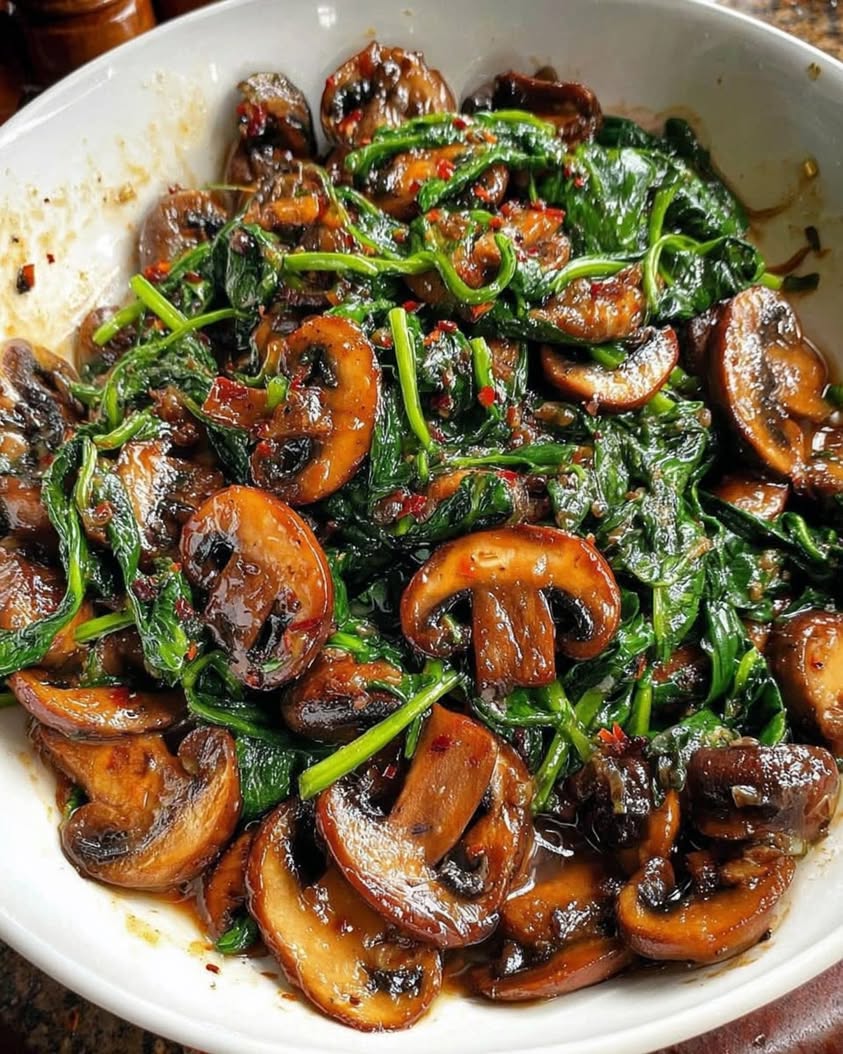
Imagine the aroma of garlic sizzling in olive oil, followed by the deep, umami scent of mushrooms hitting the hot pan. This Sautéed Garlic Spinach and Mushrooms recipe delivers that exact sensory experience right in your kitchen. The visual appeal is equally stunning, featuring vibrant green spinach contrasted with golden-brown mushroom slices. This dish not only complements virtually any main course from roasted chicken to grilled steak, but it also stands proudly on its own. For anyone seeking a quick, nutritious, and delicious vegetable side, this recipe is an absolute essential.
Furthermore, the versatility of this Sautéed Garlic Spinach and Mushrooms dish is truly remarkable. You can easily adapt it with different herbs, a splash of lemon, or a sprinkle of Parmesan cheese. Consequently, it never gets boring, even if you make it multiple times a month. The process is incredibly forgiving, welcoming cooks of all skill levels to achieve restaurant-quality results at home. This guide will walk you through every detail, from selecting the best mushrooms to mastering the perfect sauté. Let’s dive into creating this flavorful, healthy classic.
Quick Recipe Highlights
- Flavor Profile: This dish offers a robust umami punch from the mushrooms, perfectly balanced by the sweet, pungent notes of sautéed garlic. A subtle earthiness from the spinach ties everything together, creating a deeply savory and satisfying taste.
- Texture: You get a wonderful contrast between the tender, wilted spinach and the firm, meaty bite of the cooked mushrooms. The sautéing process gives the mushrooms a slight caramelized edge, adding a pleasant textural complexity.
- Aroma: The cooking process fills your kitchen with an irresistible fragrance. First, the nutty scent of toasting garlic emerges, followed immediately by the rich, earthy aroma of mushrooms releasing their moisture and flavor into the hot oil.
- Visual Appeal: The final plate is a feast for the eyes, featuring deep emerald green spinach mingled with golden-brown and beige mushroom slices. It’s a colorful, rustic presentation that makes any dinner plate look more appetizing.
- Skill Level Needed: This is a beginner-friendly recipe requiring only basic knife skills for slicing and mincing. The primary technique, sautéing, is fundamental and easy to master with a little guidance on heat control.
- Special Equipment: You need only a large skillet or sauté pan with a wide surface area. A good chef’s knife and cutting board are essential for prep, but no specialized gadgets are required.
Recipe Overview
- Difficulty Level: We rate this Sautéed Garlic Spinach and Mushrooms recipe as “Easy” because it involves straightforward chopping and a single-pan cooking method. The steps are sequential and logical, with clear visual cues for doneness. Even a novice cook can follow the process without confusion, and the margin for error is very small. Ultimately, success relies more on timing and heat management than on advanced culinary skill.
- Category: This dish fits perfectly into the “Side Dishes” and “Healthy Vegetables” categories. It also works wonderfully as a topping for grains like quinoa or farro, or as a filling for omelets and crepes. Its flexibility allows it to bridge multiple meal components with ease.
- Cuisine: While the technique of sautéing garlic and greens is universal, this combination has strong roots in Italian and French country cooking. It embodies the Mediterranean principle of highlighting a few fresh, high-quality ingredients with simple preparation to maximize their natural flavors.
- Cost: This is an incredibly budget-friendly recipe. Fresh spinach and common white or cremini mushrooms are affordable year-round. Garlic and olive oil are pantry staples, making the total cost for four servings very low, especially compared to pre-made vegetable sides.
- Season: You can enjoy this dish any time of year, but it shines in spring and fall. These seasons often offer the freshest, most vibrant spinach and a great variety of mushrooms. It’s a comforting, warm side during cooler months and a light, bright accompaniment in warmer weather.
- Occasion: This versatile side is suitable for everything from a casual Tuesday family dinner to a more formal holiday meal. It’s quick enough for a weeknight but elegant enough to serve to guests alongside a roast or fancy pasta dish.
Why You’ll Love This Recipe
First and foremost, the taste and texture of this Sautéed Garlic Spinach and Mushrooms dish are utterly irresistible. The mushrooms develop a deep, meaty savoriness through the Maillard reaction, while the garlic infuses the oil with its distinctive pungent sweetness. Meanwhile, the spinach wilts just enough to become tender without turning to mush. Each forkful delivers a harmonious blend of earthy, savory, and slightly bitter notes that complement rather than compete. Consequently, this side dish often becomes the star of the plate, stealing attention from the main protein.
From a practical standpoint, the convenience of this recipe is a major selling point. With only twenty minutes from start to finish, it solves the eternal question of how to get a healthy vegetable on the table on a busy night. The ingredient list is short and simple, with no hard-to-find items. Furthermore, the cleanup is minimal since everything cooks in one pan. This efficiency makes it easy to incorporate nutritious greens and fungi into your regular meal rotation without any hassle or stress.
Nutritionally, this Sautéed Garlic Spinach and Mushrooms dish is a powerhouse. Spinach provides a massive dose of vitamins A, C, and K, along with iron and folate. Mushrooms are a unique plant source of vitamin D and are rich in B vitamins and selenium. Cooking the spinach helps your body absorb its iron more effectively, and using olive oil aids in the absorption of fat-soluble vitamins. Therefore, this isn’t just a tasty side; it’s a significant boost to your daily nutrient intake, supporting everything from bone health to immune function.
For entertaining, this recipe offers tremendous social value. It’s easy to double or triple for a crowd, and it pairs seamlessly with a wide array of cuisines. Guests who may be picky about other vegetables often enjoy the familiar, comforting flavors of garlic and mushrooms. Additionally, you can present it in a beautiful serving dish, making it look like you spent far more time than you actually did. It’s a reliable, crowd-pleasing addition to any potluck, dinner party, or family gathering.
Finally, the cost-effectiveness and accessibility of this dish cannot be overstated. The core ingredients are among the most affordable in the produce section. You can find them at any standard grocery store, any time of year. This accessibility means you can create a restaurant-quality vegetable side for a fraction of the price of dining out or buying pre-made versions. Learning to make this Sautéed Garlic Spinach and Mushrooms empowers you to eat well without straining your budget, proving that healthy, delicious food doesn’t have to be expensive or complicated.
Historical Background and Cultural Significance
The practice of sautéing greens with garlic and mushrooms has ancient, cross-cultural roots. While not tied to a single origin story, this combination of ingredients appears in various forms across European and Asian culinary traditions. In Mediterranean cultures, wild greens and foraged mushrooms were commonly cooked in olive oil with garlic as a simple, sustaining dish for rural families. This method preserved food, enhanced flavor, and made the most of available, seasonal ingredients. Consequently, these humble beginnings laid the foundation for the refined versions we enjoy today in Italian *contorni* (side dishes) and French *garnitures*.
Culturally, dishes like Sautéed Garlic Spinach and Mushrooms represent a philosophy of “cucina povera” or “peasant cooking.” This cuisine emphasizes resourcefulness, seasonality, and maximizing the flavor of inexpensive ingredients. The garlic acts as a powerful flavor amplifier, transforming basic vegetables into something deeply satisfying. In many cultures, mushrooms also hold a special significance, often associated with foraging traditions and connection to the forest. Therefore, this dish connects us to a long history of home cooks making delicious, nourishing food from what the land provides.
The evolution of this recipe mirrors changes in global food availability. Originally, cooks used whatever wild greens and mushrooms were locally foraged. With the commercialization of agriculture, spinach and cultivated button mushrooms became standardized, reliable ingredients. The basic technique remained unchanged, but the dish became a staple in home kitchens and restaurants worldwide. Today, the recipe continues to evolve with new variations incorporating global ingredients like soy sauce, ginger, or chili flakes, demonstrating its incredible adaptability.
Regional variations of this concept are fascinating. In Italy, you might find *spinaci saltati con aglio e funghi* using porcini mushrooms. In China, a similar stir-fry might feature shiitake mushrooms and garlic chives with a splash of Shaoxing wine. The French version, *épinards sautés aux champignons*, might finish with a knob of butter and fresh parsley. Each region adapts the core concept to its local palate and pantry. This global journey highlights the universal appeal of combining earthy fungi, vibrant greens, and aromatic alliums with simple, direct heat.
Ingredient Deep Dive
Fresh Spinach: Spinach has a storied history, believed to have originated in ancient Persia before spreading to India, China, and eventually Europe. Catherine de Medici famously loved spinach so much that dishes served on a bed of it became known as “Florentine.” Nutritionally, it’s a superstar, packed with iron, calcium, magnesium, and vitamins A, C, and K. For this recipe, select bunches with deep green, crisp leaves, avoiding any that are yellowing or slimy. Store it unwashed in a plastic bag in the crisper drawer for up to five days. If you need a substitute, Swiss chard or kale (with tougher stems removed) will work, though cooking times will vary slightly.
Mushrooms (White Button or Cremini): Mushrooms have been foraged and cultivated for thousands of years, valued for their unique umami flavor. Cremini mushrooms are simply a brown variety of the common white button mushroom, offering a slightly deeper taste. They are an excellent source of B vitamins, selenium, and potassium, and are one of the few non-animal sources of vitamin D when exposed to UV light. Choose mushrooms that are firm, dry, and smooth, with closed caps. Avoid any that are slimy or have dark, open gills. Store them in a paper bag in the refrigerator; never store mushrooms in plastic, as it traps moisture and accelerates spoilage.
Garlic: Garlic’s use dates back over 5,000 years, with origins in Central Asia. It has been prized not only for its flavor but also for its purported medicinal properties throughout history. It contains allicin, a compound with antioxidant and anti-inflammatory effects. For the best flavor in your Sautéed Garlic Spinach and Mushrooms, select firm, plump heads of garlic with tight, unbroken skin. Avoid heads that have begun to sprout. Store garlic in a cool, dark, dry place with good air circulation. If you’re out of fresh garlic, a quarter teaspoon of garlic powder can substitute for one clove, though the flavor profile will be less complex and aromatic.
Olive Oil: Olive oil is central to the culinary history of the Mediterranean, symbolizing peace, wisdom, and prosperity. Extra virgin olive oil (EVOO) is the first cold pressing, retaining the most antioxidants and flavor compounds like oleocanthal, which has anti-inflammatory properties. For sautéing, a good quality pure olive oil or a lighter EVOO works well, as it has a higher smoke point than robust EVOO. Look for oil in dark glass bottles to protect it from light degradation. Store it in a cool, dark cupboard. While other neutral oils like avocado or grapeseed can be used, olive oil contributes an irreplaceable fruity, peppery note that defines the dish’s character.
Common Mistakes to Avoid
- Overcrowding the Pan: Adding all the mushrooms at once to a small pan steams them instead of sautéing them. This results in soggy, rubbery mushrooms without any caramelization. Always use a pan large enough to hold the mushrooms in a single layer, or cook them in batches.
- Burning the Garlic: Adding garlic to scorching hot oil causes it to burn in seconds, creating a bitter, acrid flavor that ruins the entire dish. Instead, cook the garlic over medium heat just until it becomes fragrant, which usually takes only 30-60 seconds.
- Washing Mushrooms Under Running Water: Mushrooms are like sponges and will absorb water, making them impossible to brown properly. To clean them, simply wipe the caps with a damp paper towel or use a soft brush to remove any dirt.
- Not Drying the Spinach: If you wash spinach and don’t dry it thoroughly, the excess water will dilute the flavors and make the dish watery. Use a salad spinner or pat the leaves dry with clean kitchen towels before cooking.
- Overcooking the Spinach: Spinach wilts very quickly. Cooking it for more than a minute or two turns it into a mushy, unappealing green mass. Add it at the very end and just toss until it’s wilted but still vibrant.
- Using Pre-Minced Jarred Garlic: While convenient, jarred garlic lacks the fresh, pungent aroma and complex flavor of freshly minced garlic. It often contains preservatives and can have a harsh, bitter taste when cooked.
- Skipping the Seasoning Layers: Seasoning only at the end results in flat flavor. Instead, season the mushrooms with salt as they cook to draw out moisture and concentrate taste. Then, taste and adjust the seasoning again after adding the spinach.
- Cutting Mushrooms Too Thin or Thick: Slicing mushrooms too thin makes them shrivel and disappear; slicing them too thick prevents them from cooking through evenly. Aim for consistent ¼-inch slices for the perfect texture.
Essential Techniques
Slicing Mushrooms Evenly: Consistent slicing is crucial for even cooking. First, wipe the mushrooms clean. Then, using a sharp chef’s knife, trim the very end of the stem. Next, place the mushroom cap-side down on the cutting board and slice straight down through the cap and stem into ¼-inch slices. This technique ensures all pieces cook at the same rate, giving you a uniform texture. A common pitfall is using a dull knife, which can crush the mushroom rather than slicing it cleanly.
Mincing Garlic: Properly minced garlic distributes its flavor evenly throughout the dish. Start by crushing the clove lightly with the side of your knife to loosen the skin. Peel it, then slice it thinly. Gather the slices and, using a rocking motion with your knife, chop them finely until you achieve a mince. The goal is small, uniform pieces that will melt into the oil without burning. Avoid using a garlic press for this recipe, as it can create a watery paste that burns more easily.
The Sauté: Sautéing means to cook quickly in a small amount of fat over relatively high heat. For this recipe, heat your oil over medium-high heat until it shimmers. Then add the mushrooms in a single layer. Resist the urge to stir immediately; let them sit for a minute to develop a golden-brown sear. This Maillard reaction is key for flavor. Once browned on one side, then you can stir and continue cooking. The visual cue for success is mushrooms that are golden brown and have released their moisture, which then evaporates.
Wilt-Tossing Spinach: Adding spinach to a hot pan requires a swift technique. Pile the fresh leaves into the pan with the cooked mushrooms and garlic. Using a pair of tongs or a large spoon, quickly lift and fold the spinach from the bottom of the pan over the top. The residual heat and steam will wilt the leaves in under two minutes. The goal is to just collapse the structure of the leaves while retaining their bright green color and a slight bite. Over-stirring can bruise the leaves and make them mushy.
Pro Tips for Perfect Sautéed Garlic Spinach and Mushrooms
First, always preheat your pan before adding the oil, then add the oil and let it heat up. This process prevents food from sticking and ensures a good sear on the mushrooms. A hot pan is the secret to achieving caramelization instead of steaming.
Second, season the mushrooms with a pinch of salt as soon as they hit the pan. Salt draws out moisture, which then evaporates, allowing the mushrooms to brown properly rather than boil in their own liquid. This step concentrates their earthy flavor dramatically.
Third, wait to add the garlic until the mushrooms are nearly done. Since garlic cooks much faster than mushrooms, adding it too early guarantees it will burn. Introduce the minced garlic in the last minute of mushroom cooking, stirring constantly.
Fourth, if your spinach is very damp after washing, add it to the pan in handfuls. The excess water will steam and help wilt the leaves, but then you should increase the heat at the end to evaporate any leftover liquid in the pan for a drier, more flavorful finish.
Fifth, finish the dish with a final drizzle of high-quality extra virgin olive oil off the heat. This adds a fresh, fruity aroma and richness that cooked oil loses. A squeeze of fresh lemon juice at this stage can also brighten all the flavors beautifully.
Sixth, for an extra layer of flavor, consider adding a sprig of fresh thyme or rosemary to the oil as it heats. Remove the herb before adding the garlic. This infuses the oil with a subtle, aromatic complexity that complements the earthiness of the mushrooms and spinach.
Variations and Adaptations
Regional Variations: Travel the world from your stovetop. For an Italian twist, use porcini mushrooms and finish with a shower of Parmesan cheese and a drizzle of balsamic glaze. An Asian-inspired version could feature shiitake mushrooms, a splash of soy sauce instead of salt, and a hint of grated ginger with the garlic. A French adaptation might include a mix of wild mushrooms like chanterelles and a finish of chopped tarragon and a pat of butter.
Seasonal Adaptations: Embrace what’s fresh. In spring, add tender asparagus tips or fresh peas along with the mushrooms. Summer versions can include cherry tomatoes added at the end for a burst of acidity. For a hearty fall dish, use a mix of wild mushrooms and sturdy kale instead of spinach. In winter, incorporate roasted chestnuts or walnuts for added crunch and richness.
Dietary Modifications: This recipe is naturally gluten-free and vegan. To make it Whole30 or Paleo, ensure your mushrooms are clean and use a compliant cooking fat like ghee or avocado oil. For a keto-friendly version, increase the fat content by adding more olive oil or butter and focus on lower-carb mushroom varieties like portobello.
Flavor Variations: Boost the umami with a teaspoon of tomato paste added with the garlic, or a dash of fish sauce or Worcestershire sauce. For spice, include red pepper flakes with the garlic. For a creamy version, stir in a couple of tablespoons of crème fraîche or cream cheese off the heat until just melted.
Texture Modifications: For more textural interest, reserve a handful of raw spinach to toss in at the very end for a fresh, crisp contrast. Alternatively, sprinkle the finished dish with toasted pine nuts, breadcrumbs, or crispy fried shallots for a satisfying crunch against the tender vegetables.
Presentation Alternatives: Serve it in a hollowed-out roasted acorn squash as an edible bowl. Alternatively, use it as a elegant topping for crostini or bruschetta. For a plated restaurant-style look, use a ring mold to create a neat cylinder of the sauté on the plate beside your main protein.
Serving and Presentation Guide
Plating Techniques: For a family-style meal, simply transfer your Sautéed Garlic Spinach and Mushrooms to a warm, shallow serving bowl. For individual plates, use tongs to create a small, elegant mound or a loose “nest” beside the main protein. Avoid over-handling the spinach, as it can compress and look soggy. Let the natural, rustic beauty of the ingredients shine through.
Garnishing Ideas: A final garnish adds visual pop and flavor. A light sprinkle of flaky sea salt, such as Maldon, adds texture. Freshly cracked black pepper provides contrast. Chopped fresh herbs like flat-leaf parsley, chives, or dill lend color and freshness. For richness, a few shavings of Parmesan or Pecorino Romano cheese are perfect.
Traditional Accompaniments: This side dish is classically served with simply prepared proteins. Think roasted or grilled chicken, seared steak, baked salmon, or pan-seared pork chops. It also pairs wonderfully with eggs, making it an excellent component for a hearty breakfast or brunch frittata.
Modern Serving Suggestions: Move beyond the side dish role. Toss it with cooked pasta and a splash of pasta water for a quick vegetarian main. Use it as a flavorful filling for omelets, quesadillas, or savory crepes. Layer it into a grain bowl with quinoa, farro, or rice for a complete, nutrient-dense meal.
Temperature Considerations: This dish is best served immediately, while it’s hot and the spinach is still vibrant. However, it can also be served at room temperature as part of an antipasto or salad spread. If you must hold it, keep it in a warm oven (no hotter than 200°F) for no more than 15 minutes to prevent the spinach from overcooking.
Portion Control Tips: As a side dish, a standard serving is about ¾ to 1 cup per person. If using it as a main component over grains or pasta, aim for 1.5 to 2 cups per serving. Remember that spinach wilts down dramatically; one large bunch of fresh spinach typically yields about four modest side-dish portions once cooked.
Wine and Beverage Pairing
Wine Pairings: The earthy, umami-rich profile of Sautéed Garlic Spinach and Mushrooms calls for wines with complementary characteristics. A crisp, unoaked white like Pinot Gris or Sauvignon Blanc cuts through the richness with acidity. For red wine lovers, a light-bodied, low-tannin red such as Pinot Noir or Beaujolais works beautifully without overpowering the vegetables. If you used a creamy variation, a Chardonnay with a hint of oak would be an excellent match.
Non-Alcoholic Alternatives: Sparkling water with a twist of lemon or lime cleanses the palate between bites. For a more crafted option, try a chilled herbal iced tea, like rosemary or thyme-infused tea, which echoes the earthy notes. A tart cherry or pomegranate spritzer also provides a nice fruity contrast to the savory dish.
Coffee/Tea Pairings: While not a typical pairing for this dish, if serving at brunch, a medium-roast coffee with low acidity can complement the earthy mushrooms. For tea, a roasted green tea like Hojicha or a gentle white tea would not compete with the delicate garlic and spinach flavors.
Temperature Considerations: Always serve white wines and non-alcoholic spritzers well-chilled, between 45-50°F. Light reds like Pinot Noir should be served slightly cool, around 55°F. This slight chill prevents the alcohol from accentuating any bitterness in the greens and keeps the pairing refreshing.
Serving Suggestions: Pour wine into appropriate glassware to enhance the experience—a standard white wine glass for whites, a larger bowl for Pinot Noir. For non-alcoholic drinks, serve in tall, elegant glasses with plenty of ice. Always offer water alongside any beverage pairing to cleanse the palate.
Storage and Shelf Life
Storage Methods: Allow leftover Sautéed Garlic Spinach and Mushrooms to cool completely to room temperature before storing. Transfer the cooled vegetables to an airtight container. Do not leave them at room temperature for more than two hours to prevent bacterial growth. Placing a paper towel at the bottom of the container can help absorb excess moisture and keep the spinach from becoming soggy.
Temperature Requirements: Store the airtight container in the refrigerator at a temperature of 40°F or below. This is the safe zone for cooked vegetables. The dish will keep for up to 3-4 days when properly refrigerated. The quality, particularly the texture of the spinach, will degrade after the second day, so aim to consume leftovers promptly.
Container Recommendations: Glass containers with tight-fitting lids are ideal, as they don’t retain odors and allow you to see the contents. If using plastic, ensure it is BPA-free and designed for food storage. Avoid storing in the pan you cooked in, even with a lid, as the metal can sometimes impart off-flavors over time.
Signs of Spoilage: Discard the leftovers if you notice a sour or unpleasant odor, significant sliminess on the mushrooms or spinach, or any visible mold growth. The spinach will darken from bright green to a dull olive color as it ages, which is normal, but combined with a foul smell, it indicates spoilage.
Reheating Instructions: Reheat gently to avoid turning the spinach to mush. The best method is in a skillet over medium-low heat, stirring occasionally, until just warmed through. You can also use a microwave: place in a microwave-safe dish, cover loosely, and heat in 30-second intervals, stirring between each, until hot. Add a tiny splash of water or broth if it seems dry.
Freezing Guidelines: Freezing is not recommended for this dish. The high water content in both spinach and mushrooms causes significant cell damage when frozen and thawed, resulting in a mushy, watery, and unappealing texture. It’s best enjoyed fresh or refrigerated for a short period.
Make Ahead Strategies
Prep Timeline: You can execute significant prep up to a day in advance. Clean and slice the mushrooms, storing them in a paper towel-lined container in the fridge. Wash and thoroughly dry the spinach, then store it in a sealed container or bag with a dry paper towel. Mince the garlic and store it in a small, covered container in the fridge. This advance work cuts your active cooking time to just 10 minutes before serving.
Storage Between Steps: Keep prepped ingredients separate until cooking. Storing sliced mushrooms and spinach together can cause the mushrooms to absorb moisture from the spinach and become slimy. The minced garlic can develop a stronger, harsher flavor if cooked too long after mincing, so it’s best prepared the same day you plan to cook.
Quality Impact Assessment: Pre-slicing mushrooms may cause them to darken slightly, which is purely cosmetic and doesn’t affect taste. Pre-washed and dried spinach holds up very well. The only ingredient that suffers from advance prep is garlic, as its flavor compounds break down and become sharper. For the best flavor, mince your garlic no more than a few hours before cooking.
Assembly Tips: When ready to cook, have all your prepped ingredients measured and within arm’s reach (mise en place). Heat your pan, add oil, and follow the standard cooking order: mushrooms first, then garlic, then spinach. The process will be seamless and fast since the chopping is already done.
Reheating Guidelines: If you fully cook the dish ahead of time, follow the gentle reheating instructions in the storage section. However, for the best texture, it’s superior to do the final sauté just before serving. The wilted spinach does not hold its vibrant color or delicate texture well through a reheat cycle.
Fresh Element Additions: If you do cook ahead, consider reserving a small handful of fresh, raw spinach. When reheating the main batch, stir in the fresh spinach at the very end. This trick adds a pop of bright green color and a fresher texture that revives the dish.
Scaling Instructions
Halving the Recipe: To serve two, simply divide all ingredient quantities by two. Use a medium skillet (10-inch) instead of a large one. The cooking times will remain roughly the same, as the same amount of food is in contact with the pan surface. Keep a close eye on the garlic and spinach, as they may cook even faster due to the smaller volume.
Doubling or Tripling: For a crowd, multiply the ingredients accordingly. The key here is to not overcrowd the pan. Cook the mushrooms in multiple batches to ensure they brown properly. You can then combine all the cooked mushrooms in the pan to add the garlic and spinach, or use a very large roasting pan or Dutch oven on the stovetop. Increase the heat slightly to compensate for the larger volume cooling the pan.
Equipment Adjustments: Scaling up requires larger equipment. For a double batch, a 12-inch skillet or a wide Dutch oven is essential. For tripling or more, consider using two pans simultaneously or cooking in sequential batches and combining at the end. Ensure your cooking utensil can handle the volume without spilling when you toss the spinach.
Timing Modifications: When doubling, the time to cook the mushrooms in batches will increase proportionally. However, the time for wilting the spinach may not double, as the residual heat from a large batch of hot mushrooms will wilt the greens very quickly. Stay attentive and adjust based on visual cues rather than a strict timer.
Storage Considerations: A larger batch means more potential leftovers. Plan your storage containers in advance. It’s often better to store scaled-up leftovers in several smaller containers rather than one large one. This allows you to reheat only what you need, preserving the quality of the rest and ensuring it cools down to a safe temperature more quickly in the fridge.
Nutritional Deep Dive
Macro Breakdown: A serving of this Sautéed Garlic Spinach and Mushrooms is primarily composed of healthy carbohydrates and fats with a modest amount of plant-based protein. The spinach and mushrooms provide complex carbohydrates and fiber. The olive oil contributes healthy monounsaturated fats. This macro profile supports sustained energy release and satiety. It’s a low-calorie dish that is high in volume and nutrients, making it excellent for weight management and overall health.
Micronutrient Analysis: This dish is a micronutrient powerhouse. Spinach delivers massive amounts of Vitamin K (crucial for blood clotting and bone health), Vitamin A (for vision and immunity), and folate (important for cell function). Mushrooms provide B vitamins like riboflavin and niacin for energy metabolism, and selenium, a potent antioxidant. Garlic contributes manganese and vitamin B6. Together, they create a side dish that significantly boosts your daily intake of essential vitamins and minerals.
Health Benefits: Regular consumption of the ingredients in this recipe is linked to numerous health benefits. The antioxidants combat oxidative stress and inflammation. The fiber supports digestive health and a healthy gut microbiome. Compounds in garlic and mushrooms may support immune function. The low calorie density and high nutrient profile make it an ideal food for heart health and maintaining a healthy weight.
Dietary Considerations: This recipe is naturally gluten-free, dairy-free, vegan, and vegetarian. It is also low in carbohydrates, fitting into low-carb and diabetic-friendly meal plans when portioned appropriately. The dish is free of common allergens like nuts, soy, and eggs, making it a safe choice for many people with food restrictions.
Portion Analysis: A standard serving (approximately one cup) provides a significant volume of food for a relatively low calorie count, promoting feelings of fullness. This is due to the high water and fiber content of the vegetables. Understanding this can help with portion control for the rest of the meal, allowing you to balance your plate effectively with protein and complex grains.
Weight Management Tips: Incorporating this dish regularly can aid weight management. Its high fiber and water content increase satiety, helping you feel full with fewer calories. Use it to fill half your plate, following the “plate method” for balanced meals. The healthy fats from olive oil also help with the absorption of fat-soluble vitamins and contribute to meal satisfaction, reducing the likelihood of overeating later.
PrintSautéed Garlic Spinach and Mushrooms
- Total Time: 45 minutes
- Yield: 4
Description
A quick and healthy side dish featuring tender spinach and savory mushrooms sautéed with garlic and olive oil.
Ingredients
- 1 lb fresh spinach, washed and stems removed
- 8 oz cremini mushrooms, sliced
- 3 cloves garlic, minced
- 2 tbsp olive oil
- 1 tbsp unsalted butter
- Salt to taste
- Black pepper to taste
- 1 tsp lemon juice (optional)
Instructions
- Heat olive oil and butter in a large skillet over medium heat.
- Add sliced mushrooms and sauté for 5-7 minutes until browned and tender.
- Add minced garlic and cook for 1 minute until fragrant.
- Add spinach in batches, stirring until wilted, about 3-4 minutes.
- Season with salt, pepper, and lemon juice if using. Stir to combine.
- Serve immediately as a side dish.
Notes
You can customize the seasonings to taste.
- Prep Time: 15 minutes
- Cook Time: 30 minutes
- Method: Side
- Cuisine: American