Fresh Ravioli with Spring Asparagus and Herb-Tomato Sauce: A Lighter Pasta Dish for Busy Weeknights
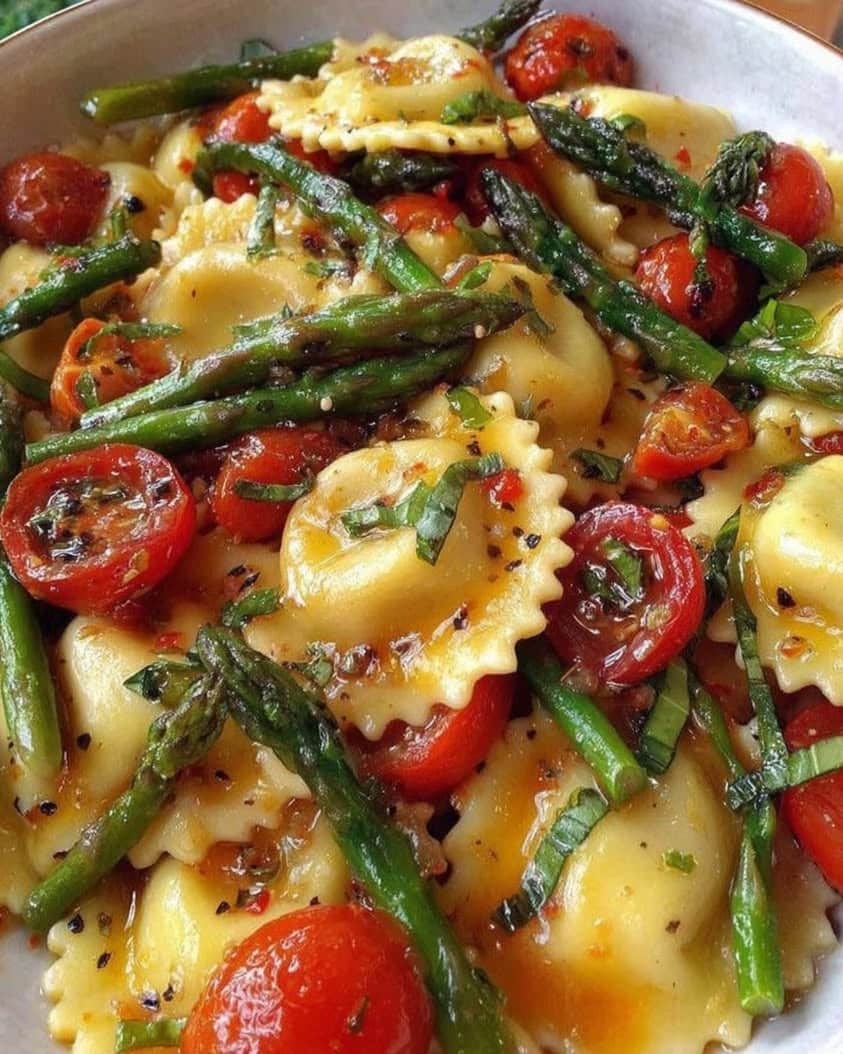
Picture this: tender cheese ravioli, vibrant green asparagus, and sweet cherry tomatoes all dancing in a light, garlicky sauce fragrant with fresh herbs. This recipe for fresh ravioli with spring asparagus and herb-tomato sauce is your ticket to a restaurant-quality meal in about thirty minutes. Moreover, it perfectly captures the essence of spring on a plate, making it an ideal choice for a quick yet impressive dinner.
This dish is a celebration of simplicity and fresh ingredients. The beauty of this fresh ravioli recipe lies in its balance. For instance, the rich, creamy filling of the pasta pockets contrasts beautifully with the bright, acidic tomatoes and the earthy, crisp-tender asparagus. Ultimately, every bite delivers a harmonious blend of textures and flavors that feels both comforting and refreshingly light.
Craving a delicious pasta dish that won’t weigh you down? This fresh ravioli with spring asparagus and herb-tomato sauce is the answer. It relies on high-quality store-bought ravioli, so you get all the flavor of homemade pasta without the extra work. Consequently, you can focus on crafting a vibrant, vegetable-packed sauce that transforms simple ingredients into something truly special. This is the kind of meal that will have everyone asking for seconds.
Quick Recipe Highlights
- Flavor Profile: This dish offers a beautiful symphony of tastes. The sweet burst of cherry tomatoes meets the savory depth of garlic and olive oil. Meanwhile, fresh herbs like basil and parsley add a final, bright note that ties everything together.
- Texture: Enjoy a delightful contrast in every forkful. You get the soft, yielding bite of the cheese-filled ravioli against the satisfying snap of perfectly cooked asparagus. Additionally, the tomatoes soften just enough to create a light, chunky sauce.
- Aroma: The scent of garlic sizzling in olive oil is the first wonderful signal. Next, the herbal fragrance of basil and the grassy note of asparagus fill the kitchen, creating an irresistible aroma that promises a delicious meal.
- Visual Appeal: This plate is a feast for the eyes with its vibrant color palette. The green asparagus and fresh herbs pop against the red tomatoes and pale ravioli. Therefore, it looks as beautiful as it tastes, making it perfect for serving to guests.
- Skill Level Needed: This is a fantastic recipe for cooks of all levels. It requires basic skills like chopping vegetables and sautéing. Importantly, the use of pre-made ravioli simplifies the process immensely, making gourmet results accessible to everyone.
- Special Equipment: You only need a large skillet or sauté pan and a pot for boiling water. A good chef’s knife for prepping the vegetables is helpful. Ultimately, no fancy gadgets are required, which makes this recipe very approachable.
Recipe Overview
- Difficulty Level: We rate this fresh ravioli with spring asparagus and herb-tomato sauce as “Easy.” The steps are straightforward and sequential. First, you prep vegetables, then cook the pasta, and finally, build the sauce in one pan. There are no complex techniques, so even beginner cooks can achieve great results.
- Category: This dish fits perfectly into several categories. It is a quick and easy pasta dinner ideal for busy weeknights. Simultaneously, it’s a elegant spring or summer entrée suitable for casual entertaining. It also works wonderfully as a meatless main course.
- Cuisine: This recipe draws inspiration from modern Italian-American cuisine. It emphasizes fresh, seasonal produce and simple preparations. While not strictly traditional, it honors the Italian principle of letting high-quality ingredients shine with minimal fuss.
- Cost: Making this fresh ravioli dish is quite cost-effective, especially for a meal that feels special. The main expense is the package of fresh ravioli. However, asparagus, cherry tomatoes, and herbs are relatively affordable, particularly in season. Overall, it’s far cheaper than dining out.
- Season: Spring is the absolute best time to make this recipe. That’s when asparagus is at its peak sweetness and most affordable. Summer is also excellent, as tomatoes and herbs are abundant. You can enjoy it year-round, but it truly sings with in-season produce.
- Occasion: This versatile dish suits many occasions. It’s a lifesaver for a fast family dinner after a long day. Conversely, it’s impressive enough for a date night at home or a small dinner party with friends. It’s truly an all-purpose recipe.
Why You’ll Love This Recipe
First and foremost, the taste and texture of this fresh ravioli with spring asparagus and herb-tomato sauce are utterly irresistible. Each component brings something unique to the table. The ravioli provides a comforting, cheesy base, while the asparagus adds a fresh, green crunch. Meanwhile, the tomatoes burst with juicy sweetness, and the garlic-herb sauce wraps it all in a fragrant, savory blanket. Every single bite is a perfect, balanced mouthful that is both satisfying and light.
From a convenience standpoint, this recipe is a true weeknight hero. It comes together in about thirty minutes from start to finish. Because you use store-bought fresh ravioli, you skip the most time-consuming part of pasta making. The sauce cooks in one single pan, which means minimal cleanup. Consequently, you can have a gorgeous, homemade meal on the table faster than you could get takeout delivered.
Nutritionally, this dish is a fantastic way to enjoy a balanced pasta meal. It incorporates a generous amount of vegetables right into the main course. Asparagus is packed with fiber, folate, and vitamins A, C, and K. Tomatoes are rich in lycopene and vitamin C. Using a moderate amount of high-quality olive oil adds healthy fats. Therefore, you get a meal that feels indulgent but is also nourishing.
For social and entertaining value, this fresh ravioli recipe is a guaranteed crowd-pleaser. It looks incredibly elegant and colorful on the plate, giving the impression you spent hours in the kitchen. The flavors are familiar yet refined, appealing to both adventurous and picky eaters. You can easily double or triple the recipe to feed a group. Ultimately, it’s a stress-free option that allows you to enjoy your own party.
Finally, this dish is remarkably cost-effective and accessible. The ingredients are simple and easy to find at any standard grocery store. You don’t need any rare or expensive components. By cooking at home, you save significantly compared to ordering a similar pasta dish at a restaurant. Furthermore, it teaches you how to elevate basic ingredients into something extraordinary, which is a valuable kitchen skill.
Historical Background and Cultural Significance
The story of ravioli is a long and delicious one, with roots stretching back centuries across Italy. While the exact origin is debated, early forms of filled pasta likely emerged as a practical way to use up leftovers. Cooks would encase bits of cheese, meat, or vegetables in simple pasta dough, creating a hearty, portable meal. This ingenious concept eventually evolved into the delicate, stuffed pasta we know and love today, a staple of Italian cucina.
Culturally, ravioli holds a place of honor in Italian regional cooking. Different areas developed their own signature fillings and shapes, often tied to local festivals and family traditions. For example, ravioli might be served on Christmas Eve or at weddings. This recipe for fresh ravioli with spring asparagus and herb-tomato sauce is a modern, seasonal interpretation. It respects the tradition of combining pasta with fresh, local produce while embracing contemporary, faster cooking styles.
The evolution of this specific recipe reflects broader trends in home cooking. As high-quality fresh pasta became widely available in supermarkets, home cooks gained the ability to make impressive dishes without making dough from scratch. The addition of spring vegetables like asparagus speaks to a desire for lighter, vegetable-forward meals. Consequently, this dish represents a beautiful fusion of traditional Italian inspiration and modern, accessible cooking practices.
Regarding regional variations, the possibilities are endless. In Liguria, you might find ravioli with a pesto sauce. In Rome, a simple butter and sage sauce is classic. This version with asparagus and tomato is more akin to the springtime dishes of Northern Italy, where fresh vegetables are celebrated. The use of garlic and olive oil as a base is a southern Italian influence. Therefore, this recipe is a delightful melting pot of Italian culinary ideas, adapted for the global home kitchen.
Ingredient Deep Dive
Let’s start with the star: fresh cheese ravioli. Store-bought fresh ravioli is a fantastic shortcut that doesn’t sacrifice quality. Look for ravioli in the refrigerated section, not the dried pasta aisle. The filling should be simple, like ricotta or a blend of cheeses. Importantly, fresh pasta cooks very quickly, usually in just 3-4 minutes. You can often find excellent options from local pasta makers or specialty brands. For a substitute, you can use tortellini or even simple cheese-filled agnolotti.
Asparagus is the quintessential spring vegetable and a key player here. Choose spears that are bright green with tight, compact tips and firm stalks. Thinner spears tend to be more tender and cook faster. To prepare, simply snap off the woody ends; they will naturally break where the tough part begins. Asparagus is rich in fiber, antioxidants, and folate. If asparagus is out of season, you could substitute with broccoli florets or sliced zucchini, though the cooking time may vary.
Cherry or grape tomatoes bring a burst of sweetness and color. They are less watery than larger tomatoes, so they hold their shape well when sautéed. Look for containers with bright, shiny tomatoes that feel firm. You can use any color variety for a beautiful effect. They are packed with vitamin C and lycopene. In a pinch, you can dice a couple of ripe Roma tomatoes, but cherry tomatoes are ideal for their quick-cooking nature and tendency to blister beautifully.
Fresh garlic and herbs are non-negotiable for building the sauce’s foundational flavor. Use fresh garlic cloves, minced or thinly sliced, for the best aromatic punch. The fresh herbs—basil and parsley—should be vibrant and fragrant. Basil adds a sweet, peppery note, while parsley offers a clean, grassy finish. Dried herbs cannot replicate the bright flavor here. If you must substitute, try adding a handful of fresh baby spinach at the end for color and a mild green flavor.
Finally, good extra-virgin olive oil and a quality hard cheese like Parmigiano-Reggiano tie everything together. The olive oil is used for sautéing and also adds richness to the final dish. A sprinkle of freshly grated cheese just before serving adds a salty, umami depth that enhances all the other flavors. Invest in the best you can afford for these finishing elements; they make a significant difference in the overall taste of your fresh ravioli with spring asparagus and herb-tomato sauce.
Common Mistakes to Avoid
- Overcooking the Ravioli: Fresh ravioli cooks in mere minutes. Following the package instructions is crucial. Overcooked ravioli becomes mushy and can even fall apart in the sauce. Always taste one a minute before the suggested time is up.
- Not Prepping Asparagus Correctly: Skipping the step of snapping off the woody ends results in tough, stringy bites. The spear will naturally break where the tender part begins. Alternatively, you can trim the ends with a knife, but the snap method is foolproof.
- Crowding the Pan: When sautéing the asparagus and tomatoes, give them space. If the pan is too crowded, the vegetables will steam instead of sauté. This leads to soggy, less flavorful veggies. Cook in batches if necessary.
- Burning the Garlic: Garlic burns easily and turns bitter. Add it to the pan after the vegetables have started to cook and the oil is not scalding hot. Stir it constantly and cook just until fragrant, usually about 30 seconds.
- Using Dried Herbs Instead of Fresh: The bright, green flavor of fresh basil and parsley is essential to this spring dish. Dried herbs have a different, more concentrated flavor that can taste dusty and overwhelm the delicate vegetables.
- Adding Cheese Too Early: Adding grated Parmesan directly to the hot pan can cause it to clump and seize. Instead, reserve it for sprinkling over individual servings at the table. This preserves its texture and flavor.
- Skipping the Pasta Water: The starchy water left from boiling the ravioli is liquid gold. Adding a splash to the sauce helps it emulsify and cling beautifully to the pasta. It creates a silky, cohesive sauce rather than a separated, oily one.
- Neglecting to Season in Layers: Season your vegetables with salt and pepper as they cook. Then, season the finished sauce again to taste. Building layers of seasoning ensures every component is flavorful, not just the final dish.
Essential Techniques
Perfectly Sautéing Vegetables: This technique is key for developing flavor without sogginess. First, ensure your pan is hot and your oil is shimmering before adding the asparagus. Then, listen for a gentle sizzle. Cook the vegetables undisturbed for a minute to allow them to caramelize slightly before stirring. The goal is tender-crisp asparagus with a bit of color and blistered, split tomato skins. This method concentrates their natural sugars, creating a deeper, sweeter taste for your fresh ravioli with spring asparagus and herb-tomato sauce.
Emulsifying the Sauce: This is the magic step that brings your sauce together. After sautéing the vegetables and garlic, you’ll add a ladle of the starchy pasta cooking water to the skillet. The key is to swirl the pan vigorously or stir quickly. The starch in the water acts as a binder, helping the oil and water-based juices from the tomatoes combine into a light, glossy sauce that coats the ravioli evenly. A successful emulsion means no separation, just a beautiful, cohesive coating.
Finishing Pasta in the Sauce: This is a classic Italian technique called “mantecare.” Instead of dumping the drained ravioli onto a plate and topping it with sauce, you gently transfer the cooked ravioli directly into the skillet with the sauce. Toss them together over low heat for the final minute of cooking. This allows the pasta to absorb some of the sauce’s flavor and helps the sauce adhere perfectly to every nook and cranny. It integrates all the components into one harmonious dish.
Pro Tips for Perfect Fresh Ravioli with Spring Asparagus and Herb-Tomato Sauce
First, always salt your pasta water generously. It should taste like the sea. This is your only chance to season the pasta itself, and it makes a huge difference in the final flavor of the dish.
Use a slotted spoon or spider strainer to transfer the ravioli from the boiling water to the sauce. This method preserves the precious starchy cooking water in the pot, which you’ll need for the sauce.
If your asparagus spears are particularly thick, consider slicing them in half lengthwise after trimming. This ensures they cook at the same rate as the tomatoes and become perfectly tender.
For an extra layer of flavor, add a pinch of red pepper flakes to the olive oil with the garlic. This introduces a subtle warmth that complements the sweet tomatoes and fresh herbs beautifully.
Reserve a few whole basil leaves for garnish. Tearing them by hand at the very end, rather than chopping, releases their aromatic oils more effectively and makes for a prettier presentation.
Let the skillet cool slightly off the heat before adding the final drizzle of olive oil and the herbs. This preserves their fresh, raw flavor and vibrant green color.
Serve the dish immediately in warm bowls. Pasta, especially fresh pasta, waits for no one and is best enjoyed the moment it’s ready.
Variations and Adaptations
For regional variations, consider the produce and flavors of different Italian areas. A Ligurian twist would involve replacing the herb-tomato sauce with a few tablespoons of fresh pesto stirred in at the end. A Tuscan version might include cannellini beans and a sprinkle of rosemary. For a richer take, finish the dish with a tablespoon of cold butter swirled in off the heat, creating a velvety, luxurious sauce.
Seasonal adaptations are easy and encouraged. In summer, add diced zucchini or yellow squash with the asparagus. In fall, try roasted cubes of butternut squash and sage. For winter, use hearty greens like kale or Swiss chard, adding them to the pan to wilt. The basic formula of fresh ravioli + seasonal vegetable + simple sauce is endlessly versatile and a great way to eat with the seasons.
Dietary modifications are straightforward. For a gluten-free version, use certified gluten-free fresh ravioli, which are increasingly available. To make it vegan, seek out plant-based ravioli filled with cashew ricotta or mushrooms, and use nutritional yeast instead of Parmesan. For a dairy-free option, simply omit the cheese garnish or use a vegan alternative. The sauce itself is naturally vegan and gluten-free.
Experiment with flavor variations by changing the ravioli filling. Try mushroom ravioli for an earthy note, or butternut squash ravioli for a sweet contrast. You can also change the herb profile; tarragon or dill can be lovely with asparagus. For a briny kick, add a handful of pitted kalamata olives or capers to the sauce along with the tomatoes.
Serving and Presentation Guide
Plating is simple but effective. Use a pair of tongs or a large spoon to lift the ravioli and vegetables from the skillet, allowing some of the sauce to drape over them. Twist slightly as you place them in the center of a shallow bowl or plate. This creates height and visual interest. Avoid overcrowding the plate; a little negative space makes the colors of the dish pop even more.
Garnishing is the final touch. A final drizzle of your best extra-virgin olive oil adds shine. Sprinkle with freshly grated Parmigiano-Reggiano or Pecorino Romano. Then, scatter the reserved whole or torn basil leaves and a bit of chopped parsley over the top. A final crack of black pepper completes the picture. These elements add both flavor and a professional, finished look.
For traditional accompaniments, a simple green salad with a lemon vinaigrette is perfect. It cleanses the palate between bites of the rich pasta. A slice of crusty, warm bread is also welcome for soaking up any remaining sauce on the plate. For a more substantial meal, you could start with a light soup, such as a minestrone or a pureed vegetable soup.
Consider modern serving suggestions for entertaining. You could present the dish family-style in a large, beautiful serving bowl, allowing guests to help themselves. For individual portions, consider pre-warming the bowls or plates. This keeps the fresh ravioli with spring asparagus and herb-tomato sauce hot from the kitchen to the table, ensuring the best possible eating experience.
Wine and Beverage Pairing
Wine pairings should complement the dish’s fresh, green, and slightly acidic profile. A crisp, dry white wine is an excellent choice. Look for a Pinot Grigio from Italy or a Sauvignon Blanc; their bright acidity cuts through the richness of the cheese filling and mirrors the tomatoes’ zest. A light-bodied, unoaked Chardonnay can also work well. If you prefer red, opt for a chilled, fruity Beaujolais or a light Pinot Noir, served slightly cool.
For non-alcoholic alternatives, consider beverages that offer refreshment and contrast. Sparkling water with a squeeze of lemon or lime is always classic. A homemade herbal iced tea, perhaps with mint or lemon verbena, would be delightful. For something more substantial, a virgin basil lemonade echoes the herbal notes in the dish beautifully. The key is to choose drinks that are not too sweet, as sweetness can clash with the savory and acidic elements of the pasta.
While not traditional post-pasta pairings, a light roast coffee or an herbal tea can be nice after the meal. A cup of peppermint or chamomile tea can aid digestion. If serving coffee, a medium roast without heavy bitterness is best. Ultimately, the beverage should feel like a refreshing pause after the satisfying meal, not a competing flavor.
Storage and Shelf Life
This dish is absolutely best enjoyed immediately after cooking. Fresh pasta continues to absorb liquid, so leftovers will become softer. However, if you have leftovers, let them cool completely before transferring to an airtight container. They can be refrigerated for up to 2 days. The asparagus may lose some of its vibrant green color and crispness, but the flavors will still be good.
Reheating requires care to prevent the ravioli from becoming mushy. The best method is to gently warm the leftovers in a skillet over low heat with a tiny splash of water or broth. Cover the skillet to create steam, which helps reheat evenly without direct high heat. You can also use a microwave at 50% power, stirring gently halfway through. Avoid boiling or high-heat methods.
Freezing is not recommended for the assembled dish. The cooked vegetables, especially asparagus, will become watery and lose all texture upon thawing. The ravioli itself may also become mealy. If you want to meal-prep, you could prepare the vegetable sauce base (asparagus, tomatoes, garlic) and freeze that separately. Then, cook fresh ravioli and combine with the thawed and reheated sauce when ready to eat.
Make Ahead Strategies
You can significantly speed up your dinner prep by doing some work in advance. The day before, wash and trim your asparagus, then store it wrapped in a damp paper towel in a resealable bag in the fridge. Wash the tomatoes and herbs, and let them dry thoroughly before storing. You can even mince the garlic and store it in a small container in the fridge. These simple steps cut your active prep time down to almost nothing.
For the sauce components, you can partially cook the asparagus. Blanch it in boiling water for just 1 minute, then immediately plunge it into ice water to stop the cooking. This process, called shocking, sets the bright green color. Pat it dry and store it in the fridge. When you’re ready to cook, you’ll only need to sauté it briefly to heat through and combine with the other ingredients.
Assembling the entire dish ahead of time is not advised, as the ravioli will soak up the sauce and become bloated. The best make-ahead strategy is the “mise en place” method: have all your ingredients prepped, measured, and ready to go by the stove. This turns the actual cooking into a quick, seamless, and enjoyable process, allowing you to have your fresh ravioli with spring asparagus and herb-tomato sauce on the table in record time.
Scaling Instructions
Halving the recipe is simple for a cozy dinner for two. Use a smaller skillet to ensure the vegetables still have room to sauté properly. The cooking times will remain roughly the same, though you may need slightly less time to reduce the sauce. Be mindful when salting; you’ll need less, but still season to taste. This is a perfect way to enjoy a special meal without excessive leftovers.
Doubling or tripling the recipe for a crowd requires some adjustments. Use the largest skillet or Dutch oven you have, or cook the vegetable sauce in batches to avoid steaming. You may need to boil the ravioli in two batches to prevent them from sticking together in an overcrowded pot. Have a large serving bowl warmed and ready. When combining, you might need to add extra pasta water to create enough sauce to coat all the ravioli evenly.
Timing is crucial when scaling up. Get your pasta water boiling first, as it takes the longest. While it heats, prep all your vegetables. Start sautéing the asparagus and tomatoes in your largest pan. By the time the vegetables are nearly done, the water should be boiling for the ravioli. This synchronized approach ensures everything finishes at the same time, which is key for serving a hot, perfectly cooked meal to a group.
Nutritional Deep Dive
This dish offers a balanced macronutrient profile. The ravioli provides carbohydrates for energy and protein from the cheese filling. The olive oil contributes healthy monounsaturated fats. The asparagus and tomatoes add complex carbohydrates and fiber, which aid digestion and promote satiety. Compared to a heavy cream-based pasta, this fresh ravioli with spring asparagus and herb-tomato sauce is significantly lighter in saturated fat while still feeling satisfying and complete.
From a micronutrient perspective, this meal is a powerhouse. Asparagus is an excellent source of vitamin K, essential for blood clotting and bone health, and folate, crucial for cell growth. Tomatoes are rich in vitamin C and the antioxidant lycopene, which is linked to heart health. The fresh herbs, though used in small amounts, provide trace minerals and phytonutrients. Using whole, fresh ingredients maximizes the nutritional benefit of your meal.
For dietary considerations, one serving provides a good mix of food groups. It is vegetarian and can be adapted for other needs as mentioned. For those watching sodium, you can control the amount of added salt and use a lighter hand with the Parmesan cheese. For portion control, a serving is typically about 8-10 ravioli with a generous scoop of vegetables. Pairing it with a large side salad can help increase volume and nutrients without adding many calories from the main dish.
Dietary Adaptations
For a gluten-free version, the only change needed is the pasta. Seek out fresh gluten-free ravioli, which are often made with rice flour or corn flour blends. Be sure to check that all other ingredients, like any pre-grated cheese, are certified gluten-free. Cook the gluten-free ravioli according to its package directions, as timing may differ slightly from wheat-based pasta.
Creating a vegan adaptation is very achievable. First, find vegan fresh ravioli, often filled with plant-based cheeses or vegetables like butternut squash. Use a vegan Parmesan alternative or a sprinkle of nutritional yeast for the cheesy flavor. The sauce itself, built on olive oil, garlic, and vegetables, is already vegan. This makes it easy to enjoy a completely plant-based version of this spring pasta dish.
For a lower-carb or keto approach, the main challenge is the ravioli. You could replace it with a vegetable noodle, such as zucchini noodles (zoodles) or spaghetti squash. Sauté the “noodles” briefly at the end to warm them. Alternatively, look for commercially available keto-friendly pasta options made from ingredients like lupin flour or almond flour, though their texture will differ from fresh pasta.
Troubleshooting Guide
If your sauce seems too oily or separated, don’t panic. The likely issue is a broken emulsion. Fix it by adding another small splash of hot pasta water to the pan off the heat and whisking vigorously. The fresh starch can help rebind the sauce. If it’s too watery, let it simmer for an extra minute or two to reduce, or add a tablespoon of tomato paste to thicken it quickly.
Undercooked or overcooked asparagus is a common texture issue. If it’s too hard, add a couple tablespoons of water to the pan, cover it, and let the asparagus steam for another minute or two. If it’s mushy, you’ve overcooked it. Unfortunately, you can’t reverse this, but in the future, remember that thinner spears cook faster and to keep the vegetables moving in the pan.
If the dish tastes bland, you probably under-seasoned. Season in layers: salt the vegetables as they cook, and always season the final dish to taste just before serving. Acid can also brighten flavors; a small squeeze of fresh lemon juice over the finished plate can work wonders. Finally, ensure you used enough garlic and fresh herbs, as they are primary flavor drivers.
Recipe Success Stories
Community feedback on this fresh ravioli recipe has been overwhelmingly positive. Many home cooks love how it turns a simple package of ravioli into a special occasion meal. One reader shared that it became her go-to “impress my in-laws” dish because it looks so elegant but is so easy. Another mentioned that her kids, who usually avoid green vegetables, happily ate the asparagus because it was mixed in with the tasty pasta and tomatoes.
Readers have also shared fantastic variation successes. Someone tried it with wild mushroom ravioli and added a splash of white wine to the sauce, reporting spectacular results. Another used a combination of yellow and red cherry tomatoes for a stunning color contrast. A creative cook added a handful of fresh peas along with the asparagus for an extra springtime touch. These adaptations show the recipe’s fantastic flexibility.
Photography tips from successful makers emphasize natural light. They recommend plating the dish on a white or light-colored plate to make the green and red colors pop. A final drizzle of bright green olive oil and a sprinkle of cheese right before taking the photo adds texture and appeal. The key is to shoot quickly after plating to capture the steam and the vibrant, fresh look of the herbs before they wilt.
Frequently Asked Questions
Can I use frozen ravioli instead of fresh? Yes, but the results will differ. Frozen ravioli often has a thicker, doughier texture and requires a longer boil. Follow the package instructions for cooking time. The sauce method remains the same, but the overall dish will be heartier.
What can I use if I don’t have cherry tomatoes? You can dice 2-3 ripe Roma or plum tomatoes. They may release more liquid, so you might need to let the sauce simmer for an extra minute or two to thicken slightly. Sun-dried tomatoes (not oil-packed) chopped and added with the garlic are another intense, flavorful option.
How do I know when the asparagus is done? The asparagus is perfectly cooked when it is bright green and you can pierce the thickest part of the stalk with a fork, but it still offers slight resistance (tender-crisp). It should not be mushy or brown.
Can I make this sauce without garlic? While garlic is a key flavor, you can omit it for dietary reasons. To compensate, consider adding a teaspoon of lemon zest at the end for brightness, or use a finely chopped shallot, which is milder, at the beginning of cooking.
Is it okay to use pre-grated Parmesan cheese? For the best flavor and texture, it’s highly recommended to grate a block of Parmigiano-Reggiano yourself. Pre-grated cheese often contains anti-caking agents that can make it clumpy and less flavorful. However, in a pinch, it will work.
My ravioli stuck together while boiling. How can I prevent this? Use a large pot with plenty of boiling, salted water. Gently drop the ravioli in one by one, and give them a gentle stir immediately after adding them to the water. Don’t overcrowd the pot; cook in batches if necessary.
Can I add protein like chicken or shrimp? Absolutely. Cook diced chicken breast or shrimp separately in the skillet before cooking the vegetables. Remove them, then proceed with the recipe, adding the cooked protein back in when you add the ravioli to the sauce to warm through.
How can I make this dish more creamy? For a creamier sauce, reduce the heat to low after adding the pasta water and stir in 1/4 cup of heavy cream, mascarpone, or full-fat ricotta. Warm it through gently without boiling to prevent curdling.
What’s the best way to reheat a single portion? The skillet method is best, but for one portion, you can place it in a microwave-safe bowl, add a teaspoon of water, cover with a damp paper towel, and heat at 50% power in 30-second intervals, stirring gently between each.
Can I use other herbs? Definitely. While basil and parsley are classic, thyme, oregano, or marjoram would be lovely. Use about 1 teaspoon of dried herbs if substituting for fresh, adding them with the garlic. For fresh, chives, dill, or tarragon are nice spring alternatives.
Additional Resources
If you loved this fresh ravioli with spring asparagus and herb-tomato sauce, explore other seasonal pasta dishes. A spring pea and mint risotto, a primavera pasta with a wider array of vegetables, or a simple lemon garlic spaghetti are all wonderful choices that celebrate fresh produce. The principle of pairing simple pasta with a quick vegetable sauce is a template for countless easy dinners.
For technique guides, mastering basic sautéing and emulsifying will improve all your cooking. Look for resources on how to properly cook vegetables to retain color and crunch, or how to create perfect pasta sauces. Understanding these foundational skills gives you the confidence to move beyond recipes and start creating your own delicious combinations based on what looks good at the market.
For ingredient information, consider visiting a local farmers’ market when in season. Talking to growers can give you insight into the best varieties of asparagus and tomatoes. You might discover purple asparagus or heirloom cherry tomato varieties that can make your dish even more special. Learning to select the best produce is a skill that elevates every meal you cook.
PrintRavioli with Tomatoes, Asparagus, Garlic, and Herbs
- Total Time: 45 minutes
- Yield: 4
Description
A fresh, vibrant pasta dish featuring cheese ravioli tossed with sautéed asparagus, cherry tomatoes, garlic, and aromatic herbs for a quick and satisfying meal.
Ingredients
- 1 lb cheese ravioli (fresh or frozen)
- 1 bunch asparagus, trimmed and cut into 1-inch pieces
- 1 pint cherry tomatoes, halved
- 3 cloves garlic, minced
- 2 tbsp olive oil
- 1/4 cup fresh basil, chopped
- 1 tbsp fresh parsley, chopped
- 1/4 tsp red pepper flakes (optional)
- Salt and black pepper to taste
- Grated Parmesan cheese for serving
Instructions
- Bring a large pot of salted water to a boil. Cook the ravioli according to package directions until al dente, then drain and set aside.
- While the ravioli cooks, heat olive oil in a large skillet over medium heat. Add asparagus and sauté for 4-5 minutes until tender-crisp.
- Add cherry tomatoes and garlic to the skillet. Cook for 2-3 minutes until tomatoes soften and garlic is fragrant.
- Stir in the cooked ravioli, basil, parsley, and red pepper flakes (if using). Toss gently to combine and heat through.
- Season with salt and black pepper to taste. Serve immediately, topped with grated Parmesan cheese.
Notes
You can customize the seasonings to taste.
- Prep Time: 15 minutes
- Cook Time: 30 minutes
- Method: Main
- Cuisine: Italian-American