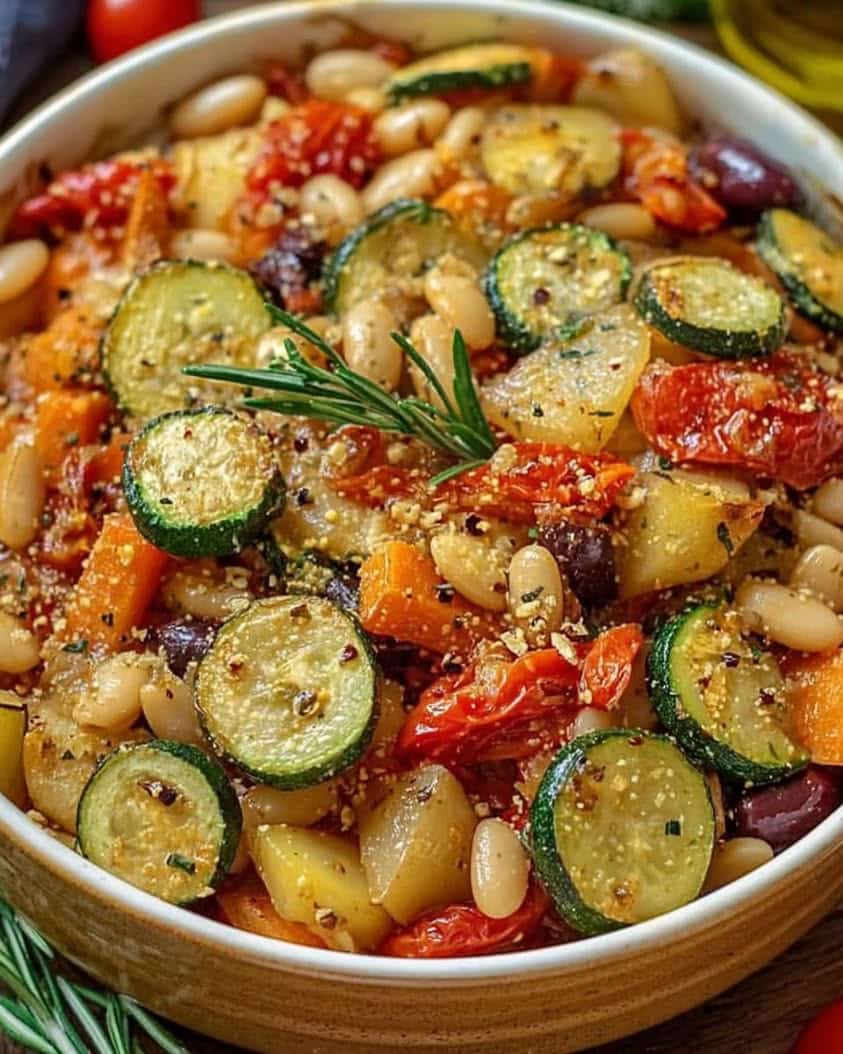
Rustic Roasted Vegetable and Cannellini Bean Bake: A Hearty, Flavorful One-Pan Wonder
Imagine a dish that captures the essence of a cozy autumn evening in a single pan. This Rustic Roasted Vegetable and Cannellini Bean Bake is exactly that—a vibrant, hearty, and deeply satisfying meal that requires minimal effort for maximum reward. Fundamentally, it transforms humble root vegetables and creamy beans into a caramelized, flavor-packed masterpiece. The process is beautifully simple: chop, toss, and roast. Consequently, you get a hands-off dinner that fills your kitchen with an irresistible, herbaceous aroma while you relax.
This recipe celebrates the natural sweetness of vegetables, which intensifies wonderfully in the oven’s heat. Simultaneously, the cannellini beans become tender and soak up all the savory juices from the vegetables and herbs. Ultimately, every bite delivers a perfect harmony of textures and earthy flavors. Whether you need a simple weeknight dinner or a stunning side dish for guests, this bake delivers. It’s a testament to how a few quality ingredients, treated with respect, can create something truly special and nourishing.
Quick Recipe Highlights
- Flavor Profile: This dish boasts a deep, savory-sweet foundation from roasted root vegetables, perfectly balanced by aromatic rosemary and garlic. Additionally, the cannellini beans add a creamy, mild nuttiness that grounds the entire bake.
- Texture: Expect delightful contrasts: caramelized, slightly crisp edges on the vegetables against a tender, creamy interior. Meanwhile, the beans remain whole but soft, providing a pleasing, hearty bite in every forkful.
- Aroma: As it roasts, the scent of sweet potatoes and carrots caramelizing blends with the piney fragrance of fresh rosemary and the pungent warmth of garlic. Altogether, it creates a comforting and inviting kitchen perfume.
- Visual Appeal: The bake is a vibrant mosaic of colors—bright orange sweet potatoes, deep red onion, green zucchini, and white beans. Finally, everything is flecked with dark green rosemary, making it as beautiful on the table as it is on the plate.
- Skill Level Needed: This is a beginner-friendly recipe requiring only basic knife skills for chopping and the ability to operate an oven. Essentially, if you can toss vegetables in oil, you can master this rustic roasted vegetable and cannellini bean bake.
- Special Equipment: You need just a large baking sheet or roasting pan and a good chef’s knife. Parchment paper is highly recommended for easy cleanup and to prevent sticking, but it’s not strictly essential.
Recipe Overview
- Difficulty Level: We rate this recipe as “Easy” because it involves straightforward chopping and a single roasting step. There’s no intricate technique or precise timing required beyond checking for doneness. Furthermore, the ingredients are forgiving, and the method is virtually foolproof, making it perfect for novice cooks and busy weeknights alike.
- Category: This dish proudly sits as a hearty vegetarian main course, but it also shines as a substantial side dish. It’s ideal for plant-based meals, comfort food cravings, and wholesome family dinners. Moreover, it fits into meal prep routines beautifully.
- Cuisine: While not tied to one specific tradition, this bake draws inspiration from rustic Mediterranean and Italian farmhouse cooking, where simple, roasted vegetables and beans are staples. The use of rosemary, garlic, and olive oil anchors it firmly in this wholesome culinary style.
- Cost: This is an incredibly budget-friendly meal. Root vegetables and canned beans are inexpensive pantry heroes. A single batch feeds four generously for just a few dollars, making this rustic roasted vegetable and cannellini bean bake a smart choice for economical eating.
- Season: This recipe is fantastic year-round but truly excels in fall and winter. That’s when root vegetables are at their peak sweetness and heartiness. However, you can adapt it with seasonal produce like summer squash or asparagus for a lighter spring version.
- Occasion: It’s versatile enough for a casual Tuesday dinner, a potluck contribution, or a festive holiday side dish for vegetarians. Ultimately, its comforting nature makes it suitable for any gathering where good, simple food is celebrated.
Why You’ll Love This Recipe
First and foremost, the taste and texture are utterly irresistible. The roasting process concentrates the vegetables’ natural sugars, creating deep, caramelized flavors that are both sweet and savory. Simultaneously, the creamy cannellini beans add a protein-rich heartiness that makes each bite substantial and satisfying. The rosemary and garlic infuse the oil, creating a fragrant sauce that coats every element. Consequently, you get a complex flavor profile from a remarkably simple process, which is always a win in home cooking.
From a convenience standpoint, this rustic roasted vegetable and cannellini bean bake is a dream. Preparation is minimal—mostly chopping—and the oven does the heavy lifting. You can easily prepare the vegetables ahead of time. Then, simply toss them on a sheet pan when you’re ready to cook. This makes it an ideal solution for busy evenings. Furthermore, it’s a one-pan meal, meaning cleanup is incredibly quick and easy. You spend less time washing dishes and more time enjoying a delicious, home-cooked dinner.
Nutritionally, this dish is a powerhouse. It’s packed with fiber from both the vegetables and the beans, which aids digestion and promotes lasting fullness. The vegetables provide a wide spectrum of vitamins and antioxidants, while the cannellini beans offer a great source of plant-based protein and iron. Using olive oil adds healthy monounsaturated fats. Altogether, this bake supports a balanced diet, fuels your body with clean energy, and aligns with various healthy eating patterns without sacrificing an ounce of flavor.
For entertaining, this recipe is a star. It scales up effortlessly to feed a crowd and can be presented beautifully in a large serving dish. Its vibrant colors make it visually appealing on a buffet table. Moreover, it’s a crowd-pleaser that accommodates vegetarians, vegans, and those with gluten-free needs without requiring separate dishes. Serving this rustic roasted vegetable and cannellini bean bake shows your guests you care about both flavor and inclusivity, making everyone feel welcome at your table.
Finally, its cost-effectiveness and accessibility are unmatched. The ingredients are humble, affordable, and readily available at any grocery store. You likely have the olive oil, salt, and garlic in your pantry already. This recipe demonstrates that eating well doesn’t require expensive or exotic items. Instead, it highlights how to transform basic, accessible components into a meal that feels special and luxurious. It’s a testament to smart, sustainable cooking that benefits both your wallet and your well-being.
Historical Background and Cultural Significance
The concept of roasting vegetables over fire is as ancient as cooking itself. However, the specific combination of Mediterranean vegetables with beans baked in an oven has roots in peasant cuisines across Southern Europe. Historically, these were “cucina povera” or “poor kitchen” dishes, designed to make the most of the land’s bounty. Farmers would harvest root vegetables and combine them with preserved beans, using herbs like rosemary that grew wild. Consequently, these humble bakes provided sustenance and warmth through colder months, utilizing simple, preserved, and stored ingredients.
Culturally, dishes like this rustic roasted vegetable and cannellini bean bake represent a deep connection to the land and seasons. In Italian and Provençal traditions, a similar dish might be called a “ciambotta” or “ratatouille bake,” often extending summer’s harvest. The inclusion of beans transforms it from a side to a main, reflecting a practical approach to nutrition. These meals were central to community life, often cooked in large quantities for family gatherings. Therefore, they symbolize resourcefulness, nourishment, and the communal spirit of sharing food.
The recipe has evolved significantly with the globalization of ingredients and modern kitchen conveniences. Originally, it might have been cooked in a hearth or communal oven. Today, our standard home ovens provide consistent, dry heat perfect for achieving caramelization. The availability of canned cannellini beans is a major modern convenience, eliminating hours of soaking and boiling. Furthermore, we now enjoy a wider variety of vegetables year-round, allowing for creative adaptations. Despite these changes, the soul of the dish—simple ingredients, roasted to perfection—remains beautifully intact.
Regional variations abound, showcasing local produce. In Greece, you might find oregano and lemon juice added, with gigantes beans. A French version could include herbes de Provence and perhaps a sprinkle of breadcrumbs for texture. In American home cooking, it has been embraced as a perfect “sheet pan supper,” emphasizing ease and minimal cleanup. This adaptability is the recipe’s greatest strength. Ultimately, whether in a Tuscan farmhouse or a suburban kitchen, the principle is universal: combine what you have, roast it with love, and share it generously.
Ingredient Deep Dive
Sweet Potatoes: Native to Central and South America, sweet potatoes have been cultivated for thousands of years and are now a global staple. They are incredibly rich in beta-carotene, which the body converts to vitamin A, crucial for vision and immunity. They also provide vitamin C, potassium, and fiber. When selecting, choose firm potatoes with smooth, unbruised skin. Store them in a cool, dark, well-ventilated place—not the refrigerator, as cold temperatures can alter their texture and flavor. For substitutions, regular potatoes, carrots, or winter squash like butternut can be used, though the sweetness profile will change.
Cannellini Beans: Also known as white kidney beans, cannellini are a cornerstone of Italian cuisine, particularly in dishes from Tuscany. They are prized for their creamy texture and mild, nutty flavor. Nutritionally, they are an excellent source of plant-based protein, fiber, iron, and folate. Using canned beans is a major time-saver; just be sure to rinse them thoroughly to remove excess sodium and the starchy liquid that can cause gas. Dried beans can be used if soaked and cooked beforehand. For alternatives, great northern beans or navy beans work well, though they are slightly smaller. Chickpeas would offer a different, firmer texture.
Fresh Rosemary: This woody, aromatic herb has a history steeped in symbolism, representing remembrance and fidelity in various cultures. Its piney, slightly peppery flavor is essential to Mediterranean cooking. Rosemary contains antioxidants and anti-inflammatory compounds like rosmarinic acid. Always choose fresh rosemary with vibrant green, flexible needles, avoiding any that look dry or brown. To store, wrap the sprigs in a damp paper towel and place them in a sealed bag in the refrigerator. If you must substitute, dried rosemary can be used (use 1/3 the amount), but the flavor is less bright. Thyme or oregano would provide a different, though still delicious, herbal note.
Common Mistakes to Avoid
- Crowding the Pan: Overfilling your baking sheet is the top mistake. When vegetables are piled on top of each other, they steam instead of roast. Consequently, you miss out on the crucial caramelization and end up with soggy, rather than crispy, veggies. Always use a large enough pan and spread the ingredients in a single layer.
- Uneven Vegetable Sizes: Chopping your vegetables into wildly different sizes leads to uneven cooking. Smaller pieces will burn before larger ones are tender. Therefore, aim for a uniform dice, about 1-inch pieces, to ensure everything cooks at the same rate and is perfectly done at the same time.
- Skimping on Oil: While you don’t want to drown the vegetables, using too little olive oil prevents proper browning and can cause sticking. The oil helps conduct heat and encourages that beautiful Maillard reaction. Make sure each piece has a light, glossy coating for the best results in your rustic roasted vegetable and cannellini bean bake.
- Adding the Beans Too Early: Cannellini beans are already cooked and just need to be warmed through. If you add them at the beginning with the hard vegetables, they can become dry and mealy. Always add the beans in the last 10-15 minutes of roasting to preserve their creamy texture.
- Not Seasoning in Layers: Only adding salt at the end results in a bland dish. Season the vegetables generously with salt and pepper before they go in the oven. This draws out moisture and seasons them from within. You can always add a final pinch of flaky salt after roasting for an extra flavor boost.
- Using a Cold Pan/Oven: For optimal roasting, your oven must be fully preheated, and it’s best to put the pan in the oven as it heats. Starting with a hot environment ensures the vegetables immediately begin to sear and caramelize, rather than slowly steaming as the oven comes up to temperature.
- Neglecting to Toss Midway: Leaving the vegetables untouched for the entire cook time means the ones on the bottom will cook faster than those on top. Halfway through the roasting time, give everything a good stir or shake the pan. This promotes even browning on all sides for a perfectly cooked rustic roasted vegetable and cannellini bean bake.
- Overlooking the Power of Acid: A final drizzle of acid is transformative. Skipping the balsamic glaze or a squeeze of lemon juice means missing a layer of brightness that cuts through the richness. A touch of acid at the end balances all the deep, roasted flavors and makes the dish sing.
Essential Techniques
Uniform Chopping: This is the foundational technique for success. Consistent size ensures even cooking, so no piece is underdone or burnt. Use a sharp chef’s knife and aim for a 1-inch dice for most vegetables. For round items like onions, cut them in half through the root first, then slice. Practice makes perfect, and taking this extra time at the start pays off dramatically in the final texture of your bake.
High-Heat Roasting: Roasting at 400°F (200°C) is key. This high temperature quickly evaporates surface moisture on the vegetables, allowing them to brown and caramelize instead of steam. The dry heat of the oven concentrates flavors and creates complex, sweet notes. It’s the difference between boiled-tasting veggies and deeply flavorful, rustic roasted vegetables. Always preheat your oven fully to ensure you hit the correct temperature from the moment the pan goes in.
Layering Ingredients by Cook Time: This is a pro move for sheet-pan cooking. Dense, hard vegetables like sweet potatoes and carrots need more time than softer ones like zucchini. By giving the harder veggies a head start, you ensure everything finishes perfectly together. Adding delicate ingredients like beans and garlic later prevents them from burning. Mastering this timing is what elevates a simple toss-and-roast into a thoughtfully crafted rustic roasted vegetable and cannellini bean bake.
Pro Tips for Perfect Rustic Roasted Vegetable and Cannellini Bean Bake
Preheat Your Baking Sheet: For extra-crispy vegetables, place your empty baking sheet in the oven as it preheats. Carefully add the oiled vegetables to the hot pan—they’ll sizzle immediately, jump-starting the browning process and preventing sticking.
Dry Your Veggies: After washing, pat your chopped vegetables very dry with a clean kitchen towel. Excess water creates steam, which is the enemy of crisp, caramelized edges. Dry surfaces brown much more effectively.
Use Fresh, Not Dried, Herbs: While dried rosemary works in a pinch, the fresh herb makes a world of difference in this recipe. Its bright, piney fragrance infuses the oil and vegetables in a way dried herbs simply cannot replicate.
Don’t Rinse the Oil Away: After tossing the vegetables with oil and seasoning in a bowl, use a rubber spatula to scrape every last bit of the herby, garlic-infused oil onto the baking sheet. That oil is packed with flavor.
Finish with Freshness: Right before serving, sprinkle with a handful of freshly chopped parsley or basil. This adds a pop of color and a fresh, green flavor that contrasts beautifully with the deep roasted notes.
Let it Rest: Allow the bake to sit for 5 minutes after pulling it from the oven. This lets the flavors meld and the vegetables absorb any remaining pan juices, making the dish even more cohesive and flavorful.
Variations and Adaptations
Regional Variations: Travel your taste buds by changing the herb profile. For a Greek twist, use oregano and lemon zest, and add Kalamata olives. For a French version, swap rosemary for herbes de Provence and add a sprinkle of Gruyère cheese in the last few minutes. An Indian-inspired bake could use curry powder, turmeric, and chickpeas instead of cannellini beans, finished with cilantro.
Seasonal Adaptations: Embrace what’s fresh. In spring, use asparagus, new potatoes, and peas (add peas in the last 5 minutes). Summer calls for bell peppers, cherry tomatoes, and eggplant. For a deep winter version, use all root vegetables—parsnips, turnips, and beets—for an incredibly sweet and earthy combination.
Dietary Modifications: To make this vegan, ensure your balsamic glaze is certified vegan (some are made with honey). For a higher-protein version, add sliced vegan sausage or chicken sausage to the pan. To reduce carbs, increase the proportion of above-ground vegetables like zucchini and peppers while slightly decreasing the sweet potato.
Flavor Variations: Experiment with different infused oils or finishing oils. A chili-infused olive oil adds gentle heat. A drizzle of truffle oil after roasting adds luxury. Smoked paprika tossed with the vegetables gives a subtle, smoky depth that’s incredibly satisfying.
Serving and Presentation Guide
Plating is simple but impactful. For a family-style presentation, transfer the entire rustic roasted vegetable and cannellini bean bake to a large, shallow serving platter or a rustic wooden board. Drizzle the balsamic glaze in zig-zags over the top. Alternatively, for individual plates, use a wide, shallow bowl to contain the juices. Spoon a generous portion into the center, ensuring a mix of colors and beans in each serving.
Garnishing adds the final touch. Beyond the balsamic glaze, consider a sprinkle of vegan Parmesan or nutritional yeast for a cheesy note. Fresh microgreens or arugula add a peppery freshness. Toasted pine nuts or walnuts provide a welcome crunch. A final drizzle of high-quality extra virgin olive oil just before serving enhances richness and aroma.
For traditional accompaniments, crusty bread is non-negotiable for soaking up the delicious juices. A simple green salad with a lemony vinaigrette provides a light, acidic contrast. If serving as a side, it pairs wonderfully with simply grilled chicken, fish, or tofu. For a heartier meal, serve it over a bed of creamy polenta, couscous, or quinoa to absorb all the flavorful oils.
Wine and Beverage Pairing
Wine pairings should complement the earthy, savory-sweet flavors. A medium-bodied red like a Sangiovese or Chianti Classico works beautifully, as its bright acidity and cherry notes cut through the richness. Alternatively, a fuller-bodied white wine, such as an oaked Chardonnay or a Viognier, can stand up to the robust flavors with its creamy texture and stone fruit notes. For a lighter option, a dry Rosé from Provence offers refreshing acidity and berry flavors that won’t overpower the dish.
Non-alcoholic alternatives are just as exciting. Sparkling water with a squeeze of lemon or lime cleanses the palate. A tart cherry or pomegranate juice spritzer mimics the acidity of wine. For a warmer option, a vegetable broth-based sipping tea or a lightly sweetened iced tea with herbs like mint or basil can be very complementary.
Storage and Shelf Life
Store leftovers in an airtight container in the refrigerator for up to 4 days. The flavors often meld and improve on the second day. For best results, let the bake cool completely before transferring it to storage to prevent condensation, which can make the vegetables soggy. Avoid leaving it at room temperature for more than two hours after cooking.
Reheating is best done in the oven or toaster oven to restore some of the lost crispness. Spread the leftovers on a baking sheet and warm at 350°F (175°C) for 10-15 minutes, until heated through. You can also reheat in a skillet over medium heat, stirring occasionally. The microwave is a quick option but will result in softer vegetables. This rustic roasted vegetable and cannellini bean bake does not freeze particularly well, as the vegetables can become mushy upon thawing.
Make Ahead Strategies
You can significantly cut down on active prep time. Chop all your vegetables up to 24 hours in advance. Store them in separate airtight containers or zip-top bags in the refrigerator. The beans can be drained and rinsed ahead of time. Even the oil, garlic, and rosemary mixture can be whisked together and kept at room temperature for a few hours. When ready to cook, simply toss everything together and roast. This makes assembling a weeknight dinner incredibly fast and efficient.
For a full make-ahead meal, roast the entire bake as directed, let it cool completely, and store it in the refrigerator. Reheat using the oven method described above to best restore texture. For the freshest taste, add any fresh garnishes like parsley or a final drizzle of balsamic glaze after reheating, not before storing.
Scaling Instructions
This recipe scales beautifully. To halve it, simply divide all ingredient quantities by two and use a standard quarter-sheet pan or a smaller baking dish. The cook time may be reduced by 5-10 minutes, so start checking for doneness early. To double or triple for a crowd, double or triple the ingredients. Use two large baking sheets placed on separate oven racks, and swap their positions halfway through cooking to ensure even browning. You may need to add a few extra minutes to the total cook time when the pans are very full.
Nutritional Deep Dive
This rustic roasted vegetable and cannellini bean bake is a nutritionally balanced meal. A serving provides a robust mix of complex carbohydrates from the sweet potatoes and other vegetables, plant-based protein and fiber from the cannellini beans, and healthy fats from olive oil. It’s rich in micronutrients: Vitamin A (from sweet potatoes and carrots), Vitamin C (from bell peppers and zucchini), potassium, and iron. The fiber content promotes digestive health and helps regulate blood sugar, while the combination of protein and fiber contributes to strong satiety, helping you feel full and satisfied for hours.
Dietary Adaptations
Gluten-Free: This recipe is naturally gluten-free. Just ensure that any pre-made balsamic glaze you use is certified gluten-free, as some thickeners may contain wheat.
Dairy-Free & Vegan: The recipe as written is both dairy-free and vegan. Confirm your balsamic glaze is vegan (no honey). For a cheesy element without dairy, a sprinkle of nutritional yeast is perfect.
Low-Carb/Keto: For a lower-carb version, omit the sweet potato and increase the proportion of low-carb vegetables like zucchini, bell peppers, and mushrooms. The beans are also higher in carbs, so you may wish to reduce the quantity or replace them with roasted cauliflower florets.
Low-FODMAP: To make this low-FODMAP, omit the garlic and onion. Use garlic-infused olive oil for flavor instead. Ensure the balsamic glaze is used sparingly, as it can be high in fructose. The cannellini beans are high in oligosaccharides, so they should be avoided or replaced with canned lentils, which are lower in FODMAPs in small servings.
Troubleshooting Guide
Vegetables Are Soggy: This is almost always due to overcrowding the pan or not roasting at a high enough temperature. Next time, use two pans if necessary and ensure your oven is fully preheated. Also, pat your vegetables very dry before tossing them with oil.
Vegetables Are Burning: If the edges are charring before the centers are tender, your pieces may be cut too small, or your oven temperature may be too high (or have hot spots). Cut vegetables to a uniform 1-inch size, and consider rotating your pan halfway through cooking. Using parchment paper can also provide a slight buffer against direct heat.
Dish Tastes Bland: Underseasoning is the culprit. Remember to season generously with salt and pepper before roasting. The salt draws out flavors. Don’t forget the final seasoning after cooking, and the brightening effect of the balsamic glaze or lemon juice is crucial for balancing the deep roasted flavors.
Frequently Asked Questions
Can I use different beans? Absolutely. Great northern beans, navy beans, or chickpeas would all work well. Chickpeas will retain a firmer texture. Just be mindful that different beans have slightly different flavors and textures that will influence the final dish.
Can I make this in an air fryer? Yes, but you’ll need to work in batches. Toss the vegetables (harder ones first) in a bowl with oil and seasoning. Cook in a single layer in the air fryer basket at 375°F (190°C), shaking occasionally, until tender and browned. Add the beans in the last few minutes to warm through.
How do I know when the vegetables are done? The vegetables should be tender enough to easily pierce with a fork and have caramelized, browned edges. The sweet potatoes and carrots will be soft, and the zucchini will be tender but not mushy. Taste a piece to be sure!
Is it necessary to use parchment paper? It’s not strictly necessary, but it is highly recommended. It prevents sticking, makes cleanup effortless, and can help prevent burning on the bottom of more delicate vegetables. A silicone baking mat is another excellent non-stick option.
Can I add meat to this bake? Certainly. Diced chicken sausage, Italian sausage, or chopped bacon are great additions. Add raw sausage or bacon at the beginning with the hard vegetables so it cooks through. For pre-cooked sausage or chicken, add it when you add the beans to just warm through.
What can I use instead of balsamic glaze? A simple squeeze of fresh lemon juice is a fantastic alternative. You can also reduce balsamic vinegar yourself by simmering 1 cup of vinegar in a small saucepan until it thickens and coats the back of a spoon (about 10-15 minutes).
My garlic burned. What happened? Garlic burns very quickly at high heat. If using minced garlic, always add it in the last 10 minutes of roasting. A better technique is to use whole, unpeeled cloves—they roast and become sweet and spreadable without burning.
Can I prep this the night before? You can chop all vegetables and store them separately in the fridge. I do not recommend tossing them with oil and salt until just before roasting, as the salt will draw out moisture and make them soggy.
Additional Resources
If you loved this rustic roasted vegetable and cannellini bean bake, explore other sheet-pan suppers like a lemon-herb salmon bake or a spicy cauliflower and chickpea roast. To master vegetable roasting, learn about the different smoke points of oils and how they affect browning. For more on beans, read about the benefits of soaking dried beans versus using canned. Finally, invest in a set of heavy-duty, rimmed baking sheets—they are the workhorse of efficient, one-pan cooking and will ensure perfect results every time.
PrintRustic Roasted Vegetable Bake with Cannellini Beans
- Total Time: 45 minutes
- Yield: 4
Description
A hearty, plant-based bake featuring roasted seasonal vegetables and creamy cannellini beans, topped with a crispy breadcrumb and herb crust. Perfect for a comforting dinner.
Ingredients
- 2 cups diced butternut squash
- 1 large zucchini, sliced into half-moons
- 1 red bell pepper, chopped
- 1 red onion, sliced
- 2 tablespoons olive oil
- 1 teaspoon dried thyme
- 1 teaspoon smoked paprika
- Salt and black pepper to taste
- 2 (15-ounce) cans cannellini beans, drained and rinsed
- 1 cup vegetable broth
- 1/2 cup panko breadcrumbs
- 2 tablespoons grated vegan Parmesan (optional)
- 2 tablespoons chopped fresh parsley
Instructions
- Preheat oven to 400°F (200°C). Toss butternut squash, zucchini, bell pepper, and red onion with olive oil, thyme, smoked paprika, salt, and pepper on a baking sheet.
- Roast vegetables for 20-25 minutes until tender and lightly browned.
- In a large baking dish, combine roasted vegetables, cannellini beans, and vegetable broth. Stir gently to mix.
- In a small bowl, combine panko breadcrumbs, vegan Parmesan (if using), and parsley. Sprinkle evenly over the vegetable and bean mixture.
- Bake uncovered for 15-20 minutes until the top is golden and crispy. Serve warm.
Notes
You can customize the seasonings to taste.
- Prep Time: 15 minutes
- Cook Time: 30 minutes
- Method: Main
- Cuisine: American