Roasted Harvest Veggies with Feta, Walnuts & Cranberry Glaze: A Festive Fall Medley
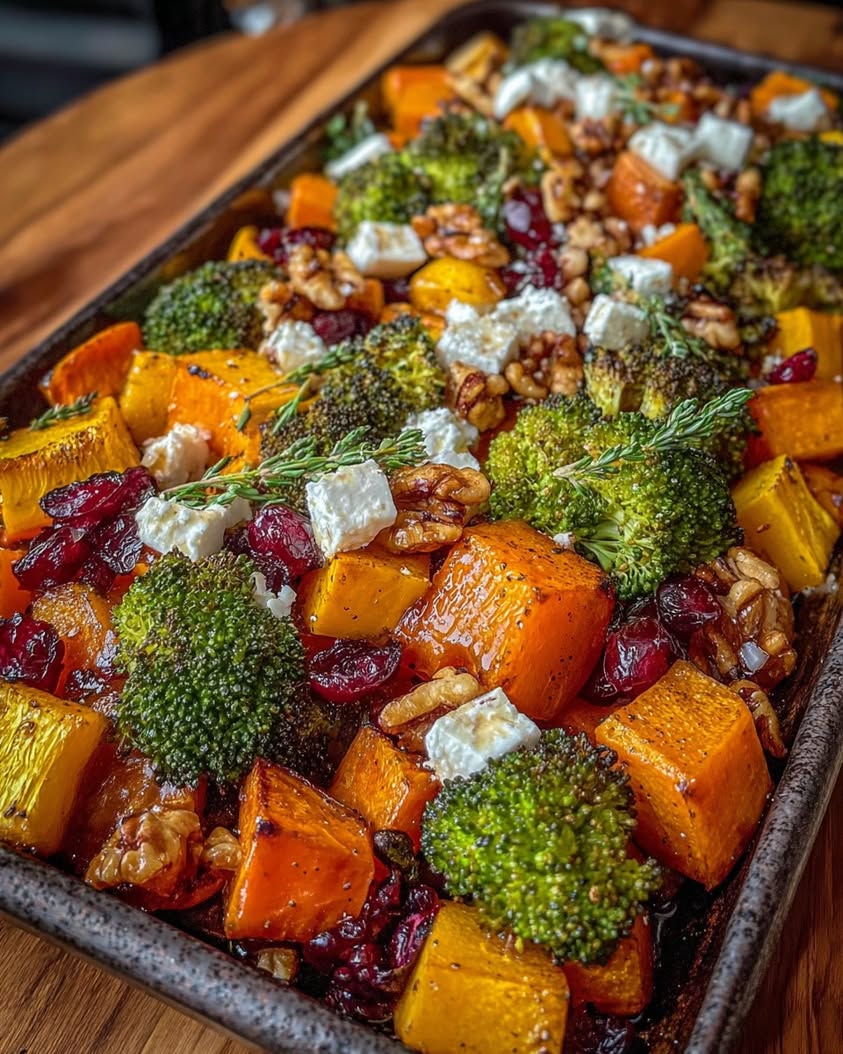
This recipe for Roasted Harvest Veggies with Feta, Walnuts & Cranberry Glaze is the ultimate celebration of autumn’s bounty. Imagine a sheet pan brimming with caramelized butternut squash, sweet potatoes, and carrots, their natural sugars coaxed out by the oven’s heat. Then, picture tender-crisp broccoli florets adding a vibrant green contrast. Ultimately, this dish transforms humble vegetables into a stunning centerpiece worthy of any holiday table or cozy weeknight dinner.
The magic of this roasted harvest veggie dish lies in its perfect balance of flavors and textures. You get the deep, earthy sweetness from the roasted root vegetables, beautifully complemented by a tangy-sweet cranberry-honey glaze. Meanwhile, creamy, salty feta cheese and crunchy toasted walnuts provide the final, irresistible layers. Consequently, every bite is a harmonious symphony of sweet, savory, tangy, and crunchy elements that will delight your taste buds.
Furthermore, this recipe is incredibly versatile and forgiving. It welcomes seasonal substitutions and adapts easily to various dietary needs. Whether you are a seasoned cook or a kitchen novice, this guide will walk you through every step to ensure your Roasted Harvest Veggies with Feta, Walnuts & Cranberry Glaze turn out perfectly every single time. Let’s dive into the world of vibrant, flavorful, and healthy vegetable roasting.
Quick Recipe Highlights
- Flavor Profile: This dish masterfully combines sweet, savory, and tangy notes. The natural caramelization of the vegetables creates a deep sweetness, which is brightened by the acidic pop of the cranberry glaze. Finally, the salty feta and rich walnuts round out the flavor profile perfectly.
- Texture: You will experience a delightful contrast in every mouthful. Expect soft, caramelized edges on the squash and potatoes against a creamy interior. The broccoli offers a pleasant bite, while the walnuts contribute a satisfying, hearty crunch that elevates the entire dish.
- Aroma: As the vegetables roast, your kitchen will fill with the warm, comforting scent of caramelizing sugars and earthy herbs. The aroma of toasted walnuts and the bright, fruity hint from the cranberry glaze will make everyone eagerly await dinner.
- Visual Appeal: This dish is a feast for the eyes with its stunning autumnal color palette. Vibrant orange squash, deep purple sweet potato, bright green broccoli, and white feta create a visually stunning mosaic. The glossy cranberry glaze and toasted walnuts add the perfect finishing touches.
- Skill Level Needed: This is an accessible recipe for all skill levels. The techniques involved—chopping vegetables, making a simple glaze, and roasting—are fundamental. Therefore, even beginner cooks can achieve impressive, restaurant-quality results with minimal fuss.
- Special Equipment: You need only a few basic kitchen tools. A large baking sheet, a good chef’s knife, a mixing bowl, and a small saucepan for the glaze are essential. Parchment paper is highly recommended for easy cleanup and to prevent sticking.
Recipe Overview
- Difficulty Level: We classify this Roasted Harvest Veggies recipe as easy. The steps are straightforward: prepare vegetables, toss with oil, roast, make glaze, and assemble. There is no intricate knife work or complex techniques. However, paying attention to vegetable cut size and roasting time is key for perfect texture.
- Category: This dish fits beautifully into multiple categories. It serves as a spectacular vegetarian main course, a hearty side dish for roasted meats, or a standout addition to a holiday potluck. Its flexibility makes it a year-round favorite for many different meals.
- Cuisine: While not tied to one specific tradition, this recipe draws inspiration from modern American and Mediterranean cuisines. The use of feta and olive oil nods to the Mediterranean, while the combination of fall harvest vegetables is quintessentially North American. It is a fusion that celebrates global, vegetable-forward cooking.
- Cost: This is a very cost-effective recipe, especially during the autumn and winter months when root vegetables are in season and affordable. Ingredients like feta, walnuts, and cranberries are pantry staples that offer big flavor for a relatively small investment per serving.
- Season: This dish is perfect for fall and winter. It showcases seasonal produce at its peak sweetness and flavor. The warm, roasted qualities are inherently comforting during cooler weather. That said, you can adapt it for spring and summer with different vegetable selections.
- Occasion: It is ideal for everything from a casual family dinner to Thanksgiving, Christmas, or a Friendsgiving feast. Its make-ahead potential and stunning presentation make it a stress-free choice for entertaining. It is also excellent for weekly meal prep.
Why You’ll Love This Recipe
First and foremost, the taste and texture appeal of these Roasted Harvest Veggies is undeniable. The process of roasting concentrates the vegetables’ natural sugars, creating deep, caramelized flavors that are far superior to steaming or boiling. Each component brings its own unique character: the squash and sweet potato become almost custardy, the carrots sweet and tender, and the broccoli gains a delicious, slightly charred edge. Topped with the sweet-tart glaze, salty feta, and crunchy walnuts, every forkful is a complex and satisfying experience that will make you crave vegetables.
Additionally, the convenience and preparation benefits are a major win. This is essentially a one-pan meal, meaning minimal cleanup. The active prep time is short—mostly just chopping—and the oven does the majority of the work. You can use that time to prepare other parts of your meal, relax, or set the table. The recipe is also very forgiving; slight variations in vegetable size or roasting time still yield delicious results. It is the perfect solution for a busy weeknight that still feels special.
From a health perspective, the nutritional advantages are impressive. This dish is packed with vitamins, minerals, and fiber from its diverse array of colorful vegetables. Butternut squash and sweet potatoes are rich in Vitamin A and antioxidants. Broccoli provides Vitamin C and folate. Using olive oil adds heart-healthy fats. Walnuts contribute omega-3 fatty acids and protein. Consequently, you are serving a meal that is as nourishing as it is delicious, supporting overall wellness with every bite.
Moreover, the social and entertaining value of this recipe is high. It is a visually stunning dish that garners compliments and sparks conversation. It is naturally vegetarian and can be easily adapted for other dietary restrictions, making it an inclusive option for gatherings. You can confidently place this vibrant platter on the table knowing it will appeal to a wide range of palates. It encourages sharing and embodies the spirit of a hearty, communal meal.
Finally, the cost-effectiveness and accessibility of the ingredients make this a practical staple. Root vegetables and broccoli are typically affordable year-round. The other components—feta, walnuts, honey, and dried cranberries—are shelf-stable or have a long fridge life, so you can keep them on hand. This means you can whip up an impressive, healthy meal without a special trip to the grocery store or breaking the bank. It is gourmet cooking on a sensible budget.
Historical Background and Cultural Significance
The practice of roasting vegetables over fire is one of humanity’s oldest cooking methods. Our ancestors discovered that applying dry heat to tubers and hardy squashes made them more palatable and digestible. The modern concept of a “harvest vegetable medley,” however, is a relatively recent development in culinary history. It emerged alongside the farm-to-table and culinary fusion movements, which encouraged chefs and home cooks to celebrate seasonal, local produce by combining them in innovative, flavorful ways. This recipe for Roasted Harvest Veggies is a direct descendant of that philosophy.
Culturally, this dish taps into the deep-seated tradition of the harvest feast, a celebration of abundance and the changing seasons found in agricultural societies worldwide. In North America, it resonates strongly with the imagery of Thanksgiving—a table laden with the bounty of the land. Each ingredient carries its own cultural weight: the squash native to the Americas, the carrots cultivated across Europe and Asia, the broccoli with Italian roots, and the feta cheese protected as a product of Greece. Therefore, this plate is a small, delicious testament to global culinary exchange.
The evolution of this specific recipe reflects broader trends in home cooking. Initially, roasted vegetable dishes were often simple—tossed in oil, salt, and pepper. The addition of a sweet glaze, like the cranberry-honey version here, shows the influence of modern flavor-pairing principles that seek balance and complexity. Similarly, the finishing touch of cheese and nuts demonstrates a move towards incorporating contrasting textures and “superfood” ingredients into everyday meals. It is a recipe designed for contemporary tastes and nutritional awareness.
Regional variations of this concept are endless. In the Mediterranean, you might find similar mixes with za’atar, lemon, and olives instead of a sweet glaze. In Asia, a mix might be seasoned with soy sauce, ginger, and sesame oil. The version presented here, with its cranberry glaze and feta, leans into a sweet-and-savory profile popular in modern American cuisine. This adaptability is the recipe’s greatest strength, allowing cooks to connect it to their own culinary heritage or simply use what is freshest and most appealing at the market.
Ingredient Deep Dive
Butternut Squash: This winter squash, native to the Americas, is a culinary powerhouse. Its bright orange flesh is a dead giveaway of its high beta-carotene content, which the body converts to Vitamin A, crucial for vision and immune health. When selecting squash, look for one that feels heavy for its size with a firm, matte skin and no soft spots. Store whole squash in a cool, dark place for months. Once cut, wrap tightly and refrigerate for up to five days. For a substitution, consider acorn squash or pumpkin, though roasting times may vary slightly.
Sweet Potato: Often confused with yams, the orange-fleshed sweet potato is another beta-carotene champion. It also provides a good dose of Vitamin C, potassium, and fiber. Choose firm potatoes with smooth skin and no wrinkles. Store them in a cool, dark, well-ventilated place—not the refrigerator, as cold temperatures can alter their texture and flavor. Garnet yams can be used interchangeably. For a lower-glycemic option, you could substitute part of the sweet potato with cubed, roasted turnips or parsnips, which offer a different but complementary sweetness.
Carrots: These ubiquitous root vegetables have a long history of cultivation, originally prized for their aromatic leaves and seeds before the root was widely consumed. They are an excellent source of Vitamin A (from beta-carotene), biotin, and fiber. Opt for firm, smooth carrots with vibrant color, preferably with the greens still attached for peak freshness. Remove the greens before storing to prevent moisture loss. Store carrots in a plastic bag in the refrigerator’s crisper drawer. Parsnips make a wonderful, slightly spicier substitute in this roasted harvest veggie mix.
Broccoli: A member of the brassica family, broccoli is renowned for its potential cancer-fighting compounds like sulforaphane, along with Vitamins C and K. Look for tight, dark green or purple-tinged florets on firm stalks. Yellowing florets indicate age. Store broccoli unwashed in a loose plastic bag in the refrigerator. For this recipe, cauliflower makes an excellent alternative, offering a similar texture and ability to soak up the roasting flavors. Broccolini or Romanesco would also be beautiful and delicious choices.
Feta Cheese: This brined curd cheese, traditionally made from sheep’s or goat’s milk, hails from Greece. It adds a creamy, tangy, and salty punch that cuts through the sweetness of the vegetables and glaze. Feta is a good source of calcium and protein. For a dairy-free version, consider a firm, salty tofu crumble or a sprinkle of nutritional yeast. If you are not a feta fan, goat cheese or even sharp cheddar crumbles would work well. Always add cheese after roasting to prevent it from melting away entirely.
Walnuts: Among the oldest tree foods, walnuts are prized for their brain-like shape and high content of alpha-linolenic acid, a plant-based omega-3 fat. They also provide protein and antioxidants. Toasting is non-negotiable; it deepens their flavor and improves crunch. Store walnuts in an airtight container in the fridge or freezer to prevent their oils from turning rancid. Pecans or hazelnuts would be fantastic substitutes, offering a different but equally luxurious crunch to your roasted harvest veggies.
Cranberry-Honey Glaze: This simple glaze is the flavor catalyst. Dried cranberries bring a tart, fruity acidity and chewy texture, while honey provides natural sweetness and a glossy sheen. Honey has antimicrobial properties and has been used as a sweetener for millennia. For a vegan version, use maple syrup or agave nectar. If cranberries are not available, try chopped dried cherries or apricots. The glaze can be adjusted to taste—add a pinch of cinnamon or orange zest for an extra aromatic dimension.
Common Mistakes to Avoid
- Crowding the Pan: This is the most common error in roasting. If vegetables are piled on top of each other, they will steam instead of caramelize. Always use a large enough baking sheet and spread the veggies in a single layer. If necessary, use two sheets.
- Uneven Vegetable Sizes: Chopping vegetables into vastly different sizes guarantees uneven cooking. The smaller pieces will burn before the larger ones are tender. Aim for a uniform, bite-sized dice (about 1-inch pieces) for the root vegetables to ensure they finish roasting at the same time.
- Adding the Broccoli Too Soon: Broccoli cooks much faster than dense squash and potatoes. Adding it at the beginning will result in charred, bitter florets. The key is to add the broccoli halfway through the roasting time so it becomes tender-crisp and perfectly browned.
- Skipping the Toasting Step for Walnuts: Raw walnuts can taste somewhat bitter and lack the deep, nutty aroma of toasted ones. Taking five minutes to toast them in a dry pan or the oven elevates their flavor and texture dramatically, making them a standout component.
- Using a Cold Baking Sheet: Placing oiled vegetables on a room-temperature pan can lead to sticking. For best results, you can preheat your empty baking sheet in the oven for a few minutes before adding the veggies. This jump-starts the searing process.
- Neglecting to Season in Layers: Seasoning only at the end results in bland vegetables. Always toss the veggies generously with salt and pepper (and any dried herbs) with the oil before roasting. Then, taste and adjust seasoning after cooking if needed.
- Overcomplicating the Glaze: The cranberry-honey glaze should be simple. Avoid boiling it for too long, as it can become overly thick and sticky or even burn. A gentle simmer just until the cranberries plump and the sauce slightly thickens is perfect.
- Adding the Feta Before Roasting: Feta will melt into a puddle and potentially burn if added before the vegetables go into the oven. It is a finishing ingredient meant to be sprinkled on at the end, where its cool creaminess contrasts with the warm veggies.
- Not Checking for Doneness: Oven temperatures vary. Relying solely on a timer can lead to under or over-cooked vegetables. Start checking a few minutes before the timer goes off. The vegetables should be easily pierced with a fork and have golden-brown edges.
- Serving Immediately from One Pan: For the best presentation and to prevent the veggies from continuing to steam on the hot pan, transfer them to a serving platter before adding the final garnishes. This also allows you to drizzle the glaze more artfully.
Essential Techniques
Uniform Chopping: Mastering consistent knife cuts is arguably the most important technique for this recipe. Uniform pieces ensure even cooking, meaning every bite of your roasted harvest veggies will be perfectly tender. Use a sharp chef’s knife. For butternut squash, first slice off the stem and bulbous end, then peel it vertically. Cut it in half lengthwise, scoop out the seeds, and then slice into planks before dicing into cubes. Practice makes perfect, and taking your time here pays off in the final texture of the dish.
Dry Roasting for Caramelization: The goal of roasting is to drive off moisture and encourage the Maillard reaction—a chemical process that creates complex, savory flavors and beautiful browning. The key is high heat (400°F or above) and enough space on the pan for evaporation. Tossing the vegetables in just enough oil to coat (not drench) them facilitates this process. Do not cover the pan with foil, as that traps steam. Instead, let the hot, dry air of the oven work its magic, transforming simple vegetables into deeply flavorful components.
Staged Vegetable Addition: This technique is crucial when roasting vegetables with different densities and water contents. Dense root vegetables like squash and potatoes need a head start. More delicate vegetables like broccoli or bell peppers need less time. By adding them partway through the roasting process, you ensure everything finishes at the same ideal doneness. For this recipe, give the root veggies a 20-minute head start before adding the broccoli florets. This simple timing adjustment prevents mushiness and preserves vibrant color and texture.
Reduction for Glaze: Creating the cranberry-honey glaze involves the technique of reduction. Simmering the liquid (water or broth) with the honey and cranberries allows water to evaporate, concentrating the flavors and naturally thickening the mixture. The visual cue for success is when the cranberries look plump and juicy, and the liquid has reduced by about half, coating the back of a spoon. Be attentive, as over-reduction can lead to a sticky, candy-like consistency that is difficult to drizzle over your beautiful roasted harvest veggies.
Pro Tips for Perfect Roasted Harvest Veggies
Preheat Your Baking Sheet: For extra caramelization and to prevent sticking, place your empty baking sheet in the oven as it preheats. Carefully remove the hot sheet, add your oiled vegetables (they will sizzle!), and return to the oven. This technique gives an instant sear.
Use High-Heat Oil: While olive oil is flavorful, its smoke point is moderate. For roasting at 425°F, consider using avocado oil or refined coconut oil, which have higher smoke points and will not burn, ensuring your vegetables roast cleanly.
Toss with a Slurry for Extra Crispness: For incredibly crispy edges, make a simple slurry by mixing 1 tablespoon of cornstarch or arrowroot powder with the oil before tossing the vegetables. This creates a delicate, crispy coating on the exterior.
Finish with Fresh Herbs: After roasting, while the veggies are still hot, toss them with a handful of fresh, tender herbs like chopped parsley, thyme, or rosemary. The residual heat will wilt them slightly and release their aromatic oils.
Add Aromatics to the Pan: Scatter a few whole, unpeeled garlic cloves or shallot halves onto the sheet pan with the vegetables. They will roast alongside, becoming sweet and spreadable. You can then squeeze the soft garlic into the final dish for a flavor boost.
Let Them Rest: After removing the pan from the oven, let the vegetables sit for 5 minutes before transferring or serving. This allows them to reabsorb some of their own steam and firm up slightly, making them less likely to fall apart.
Acid is Key: A final bright note can elevate the entire dish. Just before serving, add a light squeeze of fresh lemon juice or a drizzle of balsamic glaze. The acidity will cut through the richness and make all the flavors pop.
Garnish with Purpose: Do not just dump the garnishes on. Sprinkle the toasted walnuts and crumbled feta evenly across the top. Then, artfully drizzle the cranberry glaze in zig-zags or pools. This attention to detail makes the dish look professionally plated.
Variations and Adaptations
Regional Variations: Travel the world from your kitchen by changing the seasoning profile. For a Mediterranean twist, toss veggies with za’atar, sumac, and lemon zest, finishing with olives and mint. For an Asian-inspired version, use sesame oil, soy sauce, and ginger, then garnish with sesame seeds and scallions. A Moroccan flair comes from ras el hanout and a drizzle of harissa yogurt.
Seasonal Adaptations: This recipe is a template. In spring, use asparagus, radishes, and new potatoes. Summer calls for zucchini, bell peppers, and cherry tomatoes (add these very late in roasting). The autumn version here is classic, but winter welcomes additions like Brussels sprouts, parsnips, and rutabaga.
Dietary Modifications: For a vegan roasted harvest veggie bowl, omit the feta or use a plant-based alternative, and ensure your sweetener in the glaze is maple syrup or agave. For a nut-free version, substitute toasted pumpkin seeds (pepitas) or sunflower seeds for the walnuts. A Paleo version would use only approved oils and omit the cheese.
Flavor Variations: Experiment with different glazes and seasonings. A maple-Dijon glaze is fantastic. A balsamic reduction is classic. For a savory umami bomb, toss the roasted veggies with a miso-tahini sauce. Spice lovers can add a pinch of chili flakes or smoked paprika to the oil before roasting.
Texture Modifications: If you prefer softer vegetables, cover the pan with foil for the first half of roasting, then uncover to brown. For maximum crispness, use the convection setting on your oven if available, and turn the vegetables twice during cooking. Adding a handful of panko breadcrumbs tossed in oil for the last 5 minutes adds a fantastic crunchy topping.
Presentation Alternatives: Serve the roasted harvest veggies in individual bowls over a bed of quinoa or farro for a hearty grain bowl. Alternatively, pile them into a large, hollowed-out roasted squash for a stunning edible centerpiece. For appetizers, skewer the smaller pieces and drizzle with glaze for festive holiday bites.
Serving and Presentation Guide
Plating Techniques: For a family-style presentation, choose a large, shallow platter or a rustic wooden board. Mound the warm roasted vegetables in the center, creating some height. This looks more appealing than a flat, spread-out layer. Use the back of a spoon to create gentle valleys and peaks, allowing the garnishes to nestle in naturally.
Garnishing Ideas: Beyond the standard feta and walnuts, consider microgreens, pomegranate arils for a jewel-like burst, or fried sage leaves for an aromatic crunch. A final flaky sea salt, like Maldon, adds both texture and a concentrated salty finish. A light dusting of smoked paprika or sumac adds color and a hint of complexity.
Traditional Accompaniments: This dish shines as a side to classic roasted proteins. It pairs beautifully with herb-roasted turkey, a simple roast chicken, or a glazed ham. For a vegetarian feast, serve it alongside a creamy lentil loaf, stuffed mushrooms, or a rich wild rice pilaf.
Modern Serving Suggestions: Transform leftovers into a next-day power bowl. Layer the cold roasted harvest veggies over greens, add a scoop of hummus or goat cheese, and a soft-boiled egg. Alternatively, fold them into warm tortillas with black beans for a flavorful wrap, or blend them with broth for a uniquely sweet and savory soup.
Temperature Considerations: This dish is best served warm, not piping hot. Allowing it to rest for 5-10 minutes after coming out of the oven lets the flavors meld and prevents the feta from melting completely. It is also delicious at room temperature, making it excellent for buffets or picnics.
Portion Control Tips: As a main course for a vegetarian meal, plan for about 2-3 cups of vegetables per person. As a side dish, 1 to 1.5 cups is sufficient. Using a measuring cup to portion onto plates can help with consistency, especially if you are tracking intake or serving a large group.
Wine and Beverage Pairing
Wine Pairings: The sweet, savory, and tangy profile of these roasted harvest veggies calls for versatile, food-friendly wines. A dry Riesling or Gewürztraminer complements the sweetness and handles the tangy glaze beautifully. For red wine lovers, a light-bodied Pinot Noir with its red fruit notes and low tannins won’t overpower the vegetables. A rosé, especially a slightly fuller-bodied Provencal style, offers a perfect middle ground with acidity and berry flavors.
Non-Alcoholic Alternatives: Sparkling apple cider is a festive and classic pairing, its effervescence cutting through the richness. For a more sophisticated option, try a ginger beer with a squeeze of lime, or a homemade shrub (drinking vinegar) made with cranberry or apple. Iced hibiscus tea also mirrors the tart, fruity notes of the cranberry glaze wonderfully.
Coffee/Tea Pairings: After a meal featuring this dish, a warm beverage is comforting. A medium-roast coffee with notes of caramel or nut would echo the roasted flavors. For tea, a spiced chai latte complements the warm spices you might have used, or a simple cup of peppermint tea can provide a refreshing, palate-cleansing finish.
Temperature Considerations: Serve white wines and sparkling ciders well-chilled (45-50°F). Red wines like Pinot Noir should be served slightly cool, around 55°F. Non-alcoholic sparkling drinks are best ice-cold. This contrast between the cool beverage and the warm, roasted vegetables is part of the sensory pleasure.
Serving Suggestions: Always offer water alongside any paired beverage to cleanse the palate. If serving wine, consider pouring a taste for guests before the food is served to let them experience the wine on its own first. For non-alcoholic options, present them in a elegant carafe or glass bottle to make them feel just as special as the alcoholic selections.
Storage and Shelf Life
Storage Methods: Allow the roasted harvest veggies to cool completely to room temperature before storing. This prevents condensation, which leads to sogginess. Transfer the plain roasted vegetables (without the feta, walnuts, or glaze) to an airtight container. Store the garnishes and glaze separately in their own containers.
Temperature Requirements: All components must be refrigerated. The vegetables, glaze, and feta should be stored in the refrigerator at 40°F or below. The toasted walnuts are best stored at room temperature in a sealed container to maintain their crunch, but they can also be refrigerated.
Container Recommendations: Use glass or BPA-free plastic containers with tight-fitting lids. For the vegetables, a shallow container is better than a deep one, as it allows for quicker cooling and easier reheating. A small mason jar is perfect for the cranberry glaze.
Signs of Spoilage: Discard the vegetables if you notice an off or sour smell, significant slime formation, or visible mold. The glaze may ferment if not stored properly, developing bubbles or an alcoholic smell. Feta will eventually dry out and become overly crumbly or develop surface mold.
Reheating Instructions: To restore the best texture, reheat the vegetables in a 375°F oven or toaster oven for 10-15 minutes until warmed through. You can also use an air fryer for a few minutes to re-crisp the edges. Avoid the microwave, as it will make them soft and steamy.
Freezing Guidelines: Freezing is not recommended for the fully assembled dish, as the texture of the roasted vegetables and broccoli will become mushy upon thawing. The cranberry glaze, however, freezes very well. Portion it into an ice cube tray, freeze, then transfer the cubes to a bag for future use.
Make Ahead Strategies
Prep Timeline: You can prep this dish over two days. Day 1: Chop all the vegetables (except broccoli), store them in sealed bags or containers in the fridge. Make the cranberry glaze and store it. Toast the walnuts. Day 2: Toss the pre-chopped veggies with oil and roast, adding the broccoli (freshly chopped) halfway through. Assemble with cold garnishes and warmed glaze.
Storage Between Steps: Keep pre-chopped root vegetables in the fridge for up to 24 hours. Do not store them tossed in oil, as this can lead to spoilage and soggy textures. Keep the chopped broccoli separate and only wash it right before using to prevent moisture buildup. The glaze can be refrigerated for up to 5 days.
Quality Impact Assessment: Pre-chopping vegetables may lead to minimal moisture loss, but it does not significantly impact final roasting quality. Making the glaze ahead actually improves the flavor as the cranberries continue to plump. The only element that must be done day-of is toasting the walnuts to preserve their crunch.
Assembly Tips: If serving for a party, roast the vegetables up to 2 hours ahead. Keep them loosely covered with foil at room temperature. Re-crisp in a hot oven for 5-7 minutes just before serving. Gently warm the glaze in a saucepan or microwave. Assemble the dish on a platter just before guests arrive.
Reheating Guidelines: For make-ahead meals, reheat only the portion you plan to eat. Spread the cold vegetables on a baking sheet and roast at 400°F for 8-12 minutes. This method is far superior to microwaving and restores the caramelized texture. Add the cold garnishes after reheating.
Fresh Element Additions: Always add the fresh, uncooked elements after reheating. Crumble the feta, sprinkle the toasted walnuts, and drizzle the glaze onto the hot vegetables. If you have fresh herbs like parsley or chives, add them at this final stage for maximum color and flavor impact.
Scaling Instructions
Halving the Recipe: Halving is straightforward for smaller households. Simply divide all ingredient quantities by two. Use a standard quarter-sheet pan or a smaller baking dish. Cooking time may be reduced by 5-10 minutes since there is less mass in the oven, so start checking for doneness early. The glaze will also reduce more quickly in the saucepan, so watch it carefully.
Doubling or Tripling: For a crowd, doubling or tripling works well. The key is to use multiple baking sheets and rotate them between oven racks halfway through cooking to ensure even browning. Do not stack the sheets; oven circulation is crucial. You may need to roast in batches. For the glaze, use a wider saucepan to allow for proper reduction without boiling over.
Equipment Adjustments: Scaling up requires planning. Ensure you have enough large, rimmed baking sheets. If using convection oven mode, it will help with even cooking on multiple racks. For very large batches, consider using disposable aluminum roasting pans, but note they may heat differently than metal sheets.
Timing Modifications: When doubling, the prep time increases linearly, but the cook time may increase slightly (by 5-10 minutes) due to a fuller oven. However, if using multiple pans with good air circulation, the time may remain close to the original. Always rely on visual and textural cues (fork-tender, browned edges) over the timer alone.
Storage Considerations: A larger batch means more leftovers. Plan your storage containers in advance. It is often better to store the roasted vegetables in several medium-sized containers rather than one gigantic one. This makes reheating individual portions easier and prevents you from repeatedly heating and cooling the entire batch.
PrintCaramelized Butternut Squash, Carrots, Broccoli & Sweet Potato with Feta, Walnuts & Cranberry-Honey Glaze
- Total Time: 45 minutes
- Yield: 4
Description
A vibrant roasted vegetable medley with sweet caramelized edges, topped with tangy feta, crunchy walnuts, and a drizzle of cranberry-honey glaze.
Ingredients
- 1 medium butternut squash, peeled and cubed
- 2 large carrots, peeled and sliced
- 1 head broccoli, cut into florets
- 1 large sweet potato, peeled and cubed
- 3 tablespoons olive oil
- 1 teaspoon garlic powder
- 1 teaspoon smoked paprika
- Salt and black pepper to taste
- 1/2 cup crumbled feta cheese
- 1/3 cup chopped walnuts
- 1/4 cup dried cranberries
- 2 tablespoons honey
- 1 tablespoon cranberry juice or water
Instructions
- Preheat oven to 400°F (200°C). Line a baking sheet with parchment paper.
- In a large bowl, toss butternut squash, carrots, broccoli, and sweet potato with olive oil, garlic powder, smoked paprika, salt, and pepper until evenly coated.
- Spread vegetables in a single layer on the baking sheet. Roast for 25-30 minutes, stirring halfway, until tender and caramelized.
- While vegetables roast, combine honey and cranberry juice in a small saucepan. Heat over low until warm and slightly thickened, about 3-4 minutes. Stir in dried cranberries.
- Transfer roasted vegetables to a serving dish. Top with crumbled feta, walnuts, and drizzle with the cranberry-honey glaze. Serve warm.
Notes
You can customize the seasonings to taste.
- Prep Time: 15 minutes
- Cook Time: 30 minutes
- Method: Main
- Cuisine: American