Spicy Mediterranean Fish: A Flavorful One-Pan Dinner Recipe
Imagine a dish that transports you to a sun-drenched coastal village with just one bite. This Spicy Mediterranean Fish recipe does exactly that. It combines the clean, flaky texture of white fish with a vibrant, aromatic sauce bursting with classic Mediterranean flavors. Moreover, it comes together in a single pan, making cleanup a breeze after a busy day.
This recipe is a celebration of simplicity and bold taste. The key lies in the harmonious blend of garlic, tomatoes, olives, and capers, all gently simmered to create a rich, savory base. A touch of chili flakes introduces a pleasant warmth that awakens the palate without overwhelming the delicate fish. Consequently, you get a restaurant-quality meal that is surprisingly straightforward to prepare at home.
Ultimately, this Spicy Mediterranean Fish is more than just dinner. It is a quick, healthy, and utterly delicious solution for weeknights or elegant enough for casual entertaining. The colorful presentation, featuring bright tomatoes and green herbs, is as pleasing to the eye as it is to the taste buds. Let us dive into how you can master this flavorful one-pan wonder.
Quick Recipe Highlights
- Flavor Profile: This dish delivers a perfect balance of savory, briny, and spicy notes. The tomatoes and garlic provide a sweet umami base, while the kalamata olives and capers add a salty punch. Finally, the red pepper flakes introduce a subtle, lingering heat that ties everything together beautifully.
- Texture: You will enjoy wonderfully flaky and tender fish that practically melts in your mouth. The sauce has a chunky, rustic texture from the diced tomatoes and olives, creating a delightful contrast. Every forkful offers a satisfying mix of soft fish and juicy vegetable pieces.
- Aroma: As the dish cooks, your kitchen will fill with an irresistible fragrance. First, you will smell the earthy garlic and onion sautéing. Then, the herbal notes of oregano and the bright acidity of tomatoes join in. The overall scent is deeply inviting and authentically Mediterranean.
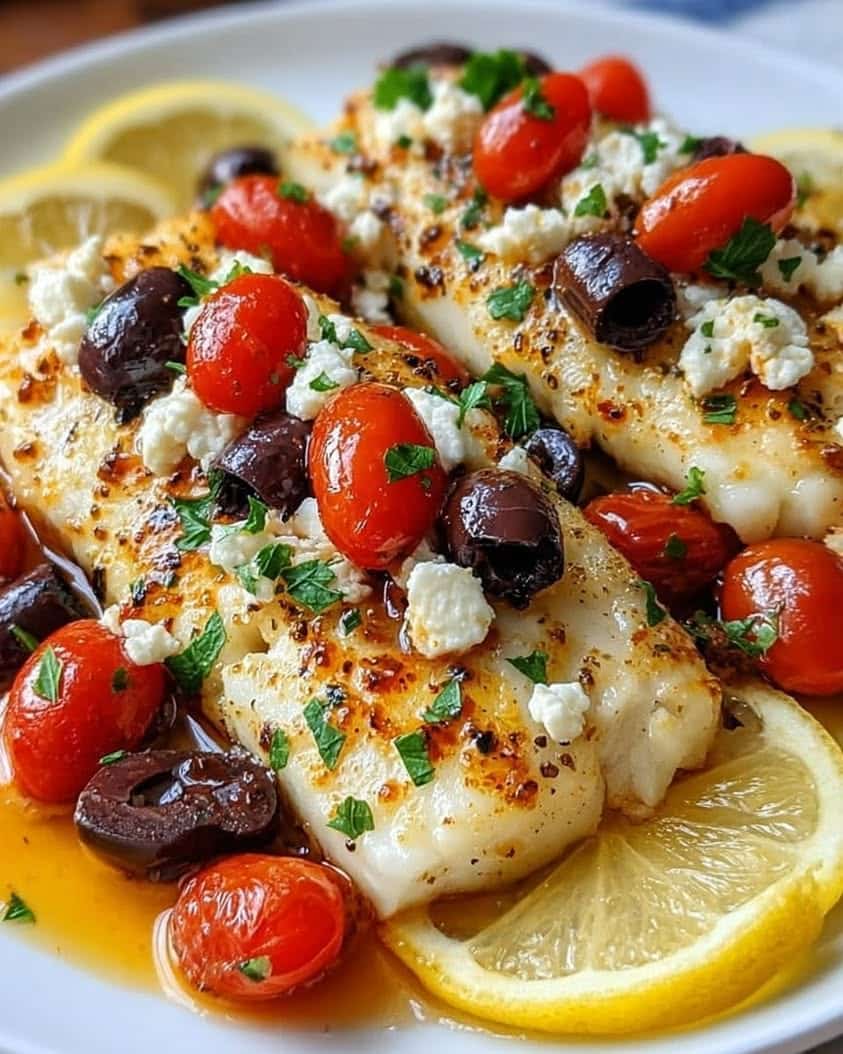
- Visual Appeal: This recipe is a feast for the eyes with its stunning color contrast. The white fish fillets rest in a vibrant red tomato sauce, dotted with dark purple olives and green herbs. Serving it directly from the pan makes for a rustic, impressive presentation at the table.
- Skill Level Needed: This is a beginner-friendly recipe designed for success. The techniques involve simple chopping, sautéing, and simmering. If you can operate a stove and a knife, you can absolutely create this stunning Spicy Mediterranean Fish.
- Special Equipment: You only need one large skillet or sauté pan with a lid. A sturdy spatula for gently handling the fish is helpful. Otherwise, standard kitchen knives and cutting boards are all the equipment required for this easy one-pan dinner.
Recipe Overview
- Difficulty Level: We rate this Spicy Mediterranean Fish recipe as “Easy” for several important reasons. The steps are sequential and simple, involving basic cooking techniques most home cooks know. Additionally, the ingredient list is composed of common items, and the one-pan method minimizes complexity. There is no tricky timing or advanced skills required for a perfect result.
- Category: This dish fits wonderfully into multiple meal categories. Primarily, it is a fantastic healthy main course for lunch or dinner. It also works beautifully as part of a larger mezze or tapas-style spread. Furthermore, it is an excellent candidate for weekly meal prep due to its great flavor when reheated.
- Cuisine: This recipe draws direct inspiration from the coastal cuisines of countries like Greece, Italy, and Southern France. It uses hallmark ingredients of the region: olive oil, garlic, tomatoes, and olives. The cooking style—simple, fresh, and focused on quality ingredients—is quintessentially Mediterranean.
- Cost: Preparing this Spicy Mediterranean Fish is very cost-effective, especially when compared to dining out. White fish like cod or tilapia is often affordable and sustainable. The remaining ingredients, like canned tomatoes and dried herbs, are pantry staples with a long shelf life. You can easily feed a family of four a gourmet meal for a fraction of the cost of a restaurant.
- Season: This is truly a year-round recipe, but it shines brightest in the summer. Using ripe, fresh tomatoes when they are in season elevates the sauce to another level. Conversely, during winter, high-quality canned tomatoes provide excellent flavor and make the dish a bright, comforting escape from the cold.
- Occasion: Its versatility makes it suitable for many occasions. It is quick enough for a hectic Tuesday night yet elegant enough for a Friday dinner party with friends. You can also scale it up easily for a family gathering or holiday meal that feels special without being overly fussy.
Why You’ll Love This Recipe
First and foremost, the taste and texture of this Spicy Mediterranean Fish are utterly captivating. The fish cooks to a perfect, delicate flakiness, absorbing the rich flavors of the garlicky tomato sauce. Each bite delivers a symphony of savory olives, tangy capers, and a gentle kick of heat. The result is a complex, restaurant-quality flavor profile that you achieve with minimal effort in your own kitchen. Furthermore, the contrast between the tender fish and the chunky sauce keeps every mouthful interesting and satisfying.
From a convenience standpoint, this recipe is a true weeknight hero. The entire meal cooks in one pan, which means less time washing dishes and more time enjoying your dinner. The prep work is straightforward, involving mostly chopping a few vegetables. Additionally, the active cooking time is under thirty minutes, making it faster than ordering takeout. You can go from a bare counter to a stunning, aromatic dinner on the table in well under an hour, which is a huge win for busy households.
Nutritionally, this dish is a powerhouse of healthy benefits. Fish like cod or halibut is an excellent source of lean protein and omega-3 fatty acids, which are great for heart and brain health. The sauce is packed with lycopene from tomatoes and antioxidants from garlic and herbs. Using olive oil as the primary fat adds healthy monounsaturated fats. This combination makes the meal naturally gluten-free, low-carb, and incredibly nourishing, supporting your wellness goals without sacrificing flavor.
For social and entertaining value, this Spicy Mediterranean Fish is a fantastic choice. It presents beautifully right in the skillet, creating a casual yet impressive centerpiece for your table. The recipe is easy to double for a crowd, and the flavors are universally appealing. Serving it family-style encourages sharing and conversation. You can pair it with simple sides like crusty bread, rice, or a green salad for a complete, stress-free menu that will impress your guests.
Finally, the cost-effectiveness and accessibility of this recipe cannot be overstated. You do not need any rare or expensive ingredients to create something extraordinary. Most components are pantry staples or easily found at any grocery store. Choosing a sustainable, affordable white fish keeps the budget in check. This approach allows you to enjoy a gourmet, healthy meal regularly, proving that eating well does not have to be complicated or expensive.
Historical Background and Cultural Significance
The origins of cooking fish in tomato-based sauces are deeply rooted in the coastal communities surrounding the Mediterranean Sea. For centuries, fishermen’s wives would create simple, nourishing meals using the day’s catch and preserved pantry items. Tomatoes, introduced from the Americas, were adopted into these cuisines by the 18th century and became a cornerstone. This style of cooking emphasizes freshness, simplicity, and making the most of local, seasonal ingredients, a philosophy that defines Mediterranean food culture to this day.
Culturally, a dish like this Spicy Mediterranean Fish represents the essence of shared dining and family life in the region. Meals are often leisurely affairs centered around a communal dish. The use of olives and olive oil is not just culinary but also symbolic, representing peace, prosperity, and the sun-drenched landscape. This recipe encapsulates a way of eating that is connected to the land and sea, celebrating both sustenance and pleasure at the table.
The evolution of this recipe showcases the adaptability of Mediterranean cooking. While the core principles remain, variations have emerged from port to port. In Greece, you might find more oregano and lemon; in Southern Italy, basil and a touch of wine. The “spicy” element, often from chili flakes or fresh peppers, reflects the influence of trade routes and cultural exchange. Our version is a contemporary homage that blends these traditions into a reliable, modern home-cooking format.
Regional variations of this concept are fascinating. In Provence, a similar dish might be called “Poisson à la Provençale,” often including herbs de Provence and sometimes anchovies. In Sicily, “Pesce alla Siciliana” might feature capers, raisins, and pine nuts for a sweet-and-sour note. The Turkish coast offers versions with more pronounced spices and peppers. Each variation tells a story of local tastes, available ingredients, and historical influences, making the simple concept of fish in sauce a rich tapestry of culinary history.
Ingredient Deep Dive
Let us start with the star: a firm white fish like cod, halibut, or sea bass. These varieties hold their shape beautifully during cooking and have a mild flavor that acts as a perfect canvas for the bold sauce. Historically, coastal Mediterranean cooks used whatever was freshest from the morning’s catch. Nutritionally, they are low in fat and high in quality protein and essential B vitamins. When selecting, look for fillets that are moist, translucent, and smell clean like the ocean. For the best texture, pat them very dry before seasoning.
Extra virgin olive oil is the lifeblood of this recipe and of Mediterranean cuisine. It is not just a cooking fat; it is a flavor ingredient. High-quality olive oil adds fruity, peppery notes that form the foundation of the sauce. Its history in the region spans millennia, integral to culture, trade, and diet. It is rich in monounsaturated fats and antioxidants. Always choose a bottle labeled “extra virgin” for finishing and medium-heat sautéing. Store it in a cool, dark place to preserve its flavor and health benefits.
Canned diced tomatoes provide consistent, deep tomato flavor year-round. They are picked and canned at peak ripeness, often offering more reliable taste than off-season fresh tomatoes. In this Spicy Mediterranean Fish recipe, they create the saucy, umami-rich base. Opt for cans that contain only tomatoes and perhaps citric acid, avoiding those with added seasonings or calcium chloride. For a smoother sauce, you can use crushed tomatoes. Their lycopene content, a powerful antioxidant, becomes more bioavailable when cooked.
Kalamata olives and capers are the powerhouse flavor boosters. Kalamatas, with their dark purple color and almond shape, are native to Greece and offer a rich, winey flavor. Capers are the pickled flower buds of a Mediterranean shrub, adding a sharp, salty tang. Both ingredients have been used for preservation and flavor enhancement since ancient times. They contribute minimal calories but maximum impact. If you do not have kalamatas, other brine-cured olives like Gaeta work well. For capers, if you need a substitute, chopped green olives can provide a similar briny note.
Common Mistakes to Avoid
- Overcrowding the Pan: Adding too many fish fillets at once will steam them instead of searing them. This results in pale, soggy fish that lacks flavor. Always cook in batches if your pan is not large enough to fit all fillets with space between them.
- Not Drying the Fish: Failing to pat the fish fillets completely dry with paper towels before seasoning is a critical error. Excess moisture will prevent a good sear and make the fish steam. Consequently, you will miss out on those delicious, lightly browned edges.
- Overcooking the Fish: White fish cooks quickly and continues to cook from residual heat even after you remove it from the pan. Overcooking leads to a dry, tough, and chewy texture. The fish is done when it flakes easily with a fork and is opaque throughout.
- Burning the Garlic: Adding garlic to oil that is too hot will cause it to burn in seconds, creating a bitter flavor that ruins the entire sauce. Always sauté garlic over medium or medium-low heat and stir it constantly until it is just fragrant.
- Using Pre-Minced Garlic from a Jar: While convenient, jarred garlic often has a harsh, acidic flavor that does not mellow during cooking. For the best, sweetest garlic flavor in your Spicy Mediterranean Fish, take the minute to freshly mince or slice a garlic clove.
- Skipping the Herb Finish: Adding fresh herbs like parsley or basil only at the beginning of cooking will cause their vibrant flavor and color to dissipate. Always stir in half of your fresh herbs at the very end of cooking to preserve their brightness and aroma.
- Underseasoning the Sauce: Tomatoes and olives contain salt, but they also need seasoning to balance their acidity. Taste your sauce before adding the fish and adjust the salt, pepper, and chili flakes. Remember, the fish itself is only lightly seasoned, so the sauce must carry the flavor.
- Stirring the Fish Too Much: Once you place the fish fillets into the simmering sauce, resist the urge to move them around. Let them sit undisturbed to cook evenly and maintain their structure. Gently spoon sauce over the top instead of stirring.
Essential Techniques
Patting the fish dry is your first and most crucial technique. Use several layers of paper towels to thoroughly absorb all surface moisture on both sides of each fillet. This step is important because water creates steam, which prevents the Maillard reaction—the chemical process that creates browning and complex flavor. Dry fish will sear properly, developing a subtle crust and a richer taste. The visual cue for success is a light golden color on the edges of the fish after the initial sear.
Sautéing the aromatics properly builds the flavor foundation. Start by heating the olive oil over medium heat until it shimmers. Then add your onions, cooking them until they are soft and translucent, which usually takes about five minutes. This gentle cooking sweetens the onions. Next, add the garlic and chili flakes, cooking for just thirty seconds to one minute until fragrant. The pitfall here is high heat, which burns garlic instantly. Success is achieved when you smell the garlic but see no browning on it.
Creating the sauce involves simmering to concentrate flavor. After adding the tomatoes, olives, and capers, bring the mixture to a lively simmer. Then, reduce the heat to maintain a gentle bubble. This simmering time, about ten minutes, allows excess water from the tomatoes to evaporate. Consequently, the flavors meld and the sauce thickens to a stew-like consistency that will coat the fish beautifully. The sauce is ready when it holds its shape on a spoon and the oil starts to separate slightly at the edges.
Poaching the fish in the sauce is the final, gentle cooking method. After nestling the seared fillets into the sauce, cover the pan. The covered environment creates steam that cooks the fish through evenly and gently. This technique infuses the fish with the sauce’s flavor while keeping it incredibly moist. The key is to maintain a very low simmer—just a few bubbles breaking the surface. The fish is done when it flakes easily at its thickest part, typically in eight to ten minutes depending on thickness.
Pro Tips for Perfect Spicy Mediterranean Fish
Bring your fish to room temperature for about fifteen minutes before cooking. This simple step helps the fish cook more evenly from edge to center, preventing a raw middle and overcooked edges.
Season your fish fillets generously with salt and pepper at least five minutes before cooking. This brief resting time allows the seasoning to penetrate the surface, enhancing the fish’s natural flavor throughout.
Use a fish spatula for flipping and serving. Its thin, slotted edge slides easily under delicate fillets without breaking them, helping you maintain beautiful, whole portions for presentation.
If your sauce seems too thin after simmering, create a quick slurry. Mix a teaspoon of cornstarch with a tablespoon of cold water and stir it into the simmering sauce before adding the fish. It will thicken in just a minute.
For an extra layer of flavor, deglaze the pan with a splash of white wine or dry vermouth after sautéing the garlic. Let it reduce by half before adding the tomatoes. This adds a wonderful acidic brightness.
Do not discard the olive brine! A teaspoon of the liquid from the Kalamata olive jar can be added to the sauce. It adds a complex, salty depth that enhances the Mediterranean character of the dish.
Let the finished dish rest for five minutes off the heat before serving. This allows the fish to reabsorb some juices and the flavors to settle, making every bite more cohesive and delicious.
Garnish with both fresh herbs and a final drizzle of high-quality extra virgin olive oil. The fresh oil added at the end provides a vibrant, fruity aroma that cooked oil loses, elevating the finished presentation.
Variations and Adaptations
For regional variations, explore different herb profiles. A French Provençal version might use herbes de Provence and finish with tarragon. A Greek adaptation would lean heavily on dried oregano and fresh dill, with a squeeze of lemon at the end. An Italian twist could include fresh basil and a pinch of red pepper flakes, simmering the sauce with a Parmesan rind for added umami.
Seasonal adaptations are easy and rewarding. In summer, use fresh, ripe tomatoes that you have diced yourself, and add fresh summer vegetables like diced zucchini or yellow squash to the sauce. In autumn, incorporate roasted red peppers or a handful of spinach wilted into the sauce at the end. For a winter comfort version, add a can of drained cannellini beans to make it heartier.
Dietary modifications are straightforward. For a Whole30 or Paleo version, ensure your olives and capers have no added sulfites or sugars. To make it dairy-free, it already is—just avoid any cheese garnish. For a low-histamine adaptation, omit the tomatoes and capers, using a base of pureed roasted carrots and squash instead, and flavor with fresh herbs.
Flavor variations can take this recipe in new directions. Add a teaspoon of smoked paprika with the chili flakes for a deeper, smoky note. Stir in a tablespoon of tomato paste when cooking the onions for a richer, more concentrated tomato flavor. For a touch of sweetness to balance the brine, add a handful of golden raisins or a drizzle of honey with the tomatoes.
Texture modifications can cater to different preferences. For a smoother, more elegant sauce, use an immersion blender to partially puree it before adding the fish. For more textural contrast, top the finished dish with toasted pine nuts or slivered almonds. You can also use heartier fish like salmon or swordfish steaks, which will hold up to longer cooking and provide a meatier bite.
Presentation alternatives make the dish fit any table style. For individual servings, bake the fish and sauce in separate ramekins. For a family-style feast, transfer everything to a large, shallow serving platter and garnish lavishly. For a deconstructed approach, serve the sauce in a bowl with the seared fish fillets placed on top, allowing everyone to combine them as they like.
Serving and Presentation Guide
Plating techniques start with choosing the right vessel. Serving this Spicy Mediterranean Fish directly from the skillet is both rustic and practical. Alternatively, use a large, shallow serving bowl or platter with a slight lip to contain the sauce. Place the fish fillets carefully in the center and spoon the chunky sauce and olives generously around and over them. Ensure each serving gets a piece of fish and plenty of the flavorful sauce.
Garnishing ideas are key to visual appeal. A generous scattering of freshly chopped flat-leaf parsley or basil adds a vital pop of green. Thin lemon slices or wedges on the side provide both color and a functional element for guests to add brightness. A final drizzle of your best extra virgin olive oil over the top makes the dish glisten. For special occasions, add a few whole fresh oregano sprigs.
Traditional accompaniments keep the meal authentic. A loaf of crusty bread, like a baguette or ciabatta, is essential for soaking up every last drop of the delicious sauce. A simple side of orzo pasta, couscous, or lemon rice works beautifully to absorb the flavors. A crisp, green salad with a lemony vinaigrette provides a refreshing contrast to the rich, savory fish.
Modern serving suggestions can streamline your meal. Serve the fish over a bed of cauliflower rice for a low-carb option that still soaks up sauce. Pair it with roasted baby potatoes or a quinoa salad for a more substantial plate. For a light summer meal, accompany it with a tomato and cucumber salad dressed with red wine vinegar and olive oil.
Temperature considerations are important for food safety and enjoyment. The fish must be served hot, immediately after its resting period. Warm your serving platter or bowls beforehand to keep the food hot longer at the table. The accompanying bread can be served at room temperature, but the salad should be crisp and cold, providing a pleasant temperature contrast on the plate.
Portion control tips help with meal planning. A standard serving is one six-ounce fish fillet per person. The sauce is generous, so you can stretch it if needed by adding an extra can of tomatoes or some white beans. If serving as part of a larger mezze spread with multiple dishes, you can cut the fillets into smaller pieces and provide serving spoons for guests to help themselves.
Wine and Beverage Pairing
Wine pairings should complement the dish’s acidity, saltiness, and subtle spice. A crisp, dry white wine like a Greek Assyrtiko or an Italian Vermentino is a classic match—their bright acidity cuts through the richness. A light-bodied, fruity red wine, such as a Beaujolais or a Pinot Noir served slightly chilled, also pairs wonderfully with the tomato sauce. Avoid heavily oaked whites or tannic reds, as they can clash with the fish and capers.
Non-alcoholic alternatives can be just as sophisticated. Sparkling water with a twist of lemon or lime cleanses the palate between bites. A homemade lemonade, not too sweet, with a sprig of rosemary or thyme offers a refreshing herbal note. For a more complex option, try a chilled hibiscus or ginger tea, which provides a tart or spicy counterpoint that stands up to the bold flavors.
While not traditional, certain coffee or tea pairings after the meal can be delightful. A light roast coffee with citrusy notes can echo the lemon in the dish. An herbal tea like mint or chamomile aids digestion and provides a calming finish to a flavorful meal. The key is to choose beverages that are not overly bitter or sweet, allowing the memory of the meal’s savory notes to linger.
Temperature considerations for beverages are crucial. White wines and non-alcoholic sparklers should be served well-chilled, between 45-50°F. Light reds for chilling should be about 55°F. Water and other non-alcoholic drinks are most refreshing when cold. This contrast between the hot, savory food and cool, crisp drinks enhances the overall dining experience and balances the palate.
Serving suggestions involve timing and glassware. Pour the wine just before serving the food to preserve its temperature and bubbles. Use appropriate glassware to enhance the aroma of the wine. For water, consider a large pitcher on the table with citrus slices and ice. Presenting thoughtful drink options shows care for your guests and elevates a simple weeknight meal into a more special occasion.
Storage and Shelf Life
Storage methods for leftovers are simple but important. First, allow the Spicy Mediterranean Fish to cool to room temperature, but do not leave it out for more than two hours. Then, transfer the fish and sauce to an airtight container. You can store them together, but be gentle to keep the fish pieces intact. Properly stored, the dish will keep in the refrigerator for up to two days.
Temperature requirements are strict for food safety. Your refrigerator must maintain a temperature at or below 40°F (4°C) to safely store cooked fish. Never store the cooked dish at room temperature for extended periods, as bacteria can grow rapidly. When reheating, ensure the internal temperature of the fish reaches 165°F (74°C) to eliminate any potential bacteria that may have developed during storage.
Container recommendations focus on preserving quality. Glass containers with tight-sealing lids are ideal because they do not absorb odors and allow you to see the contents. If using plastic, ensure it is BPA-free and designed for food storage. For best results, store the sauce and fish in a single layer if possible, or with the fish nestled in the sauce to prevent drying out.
Signs of spoilage are important to recognize for safety. Discard the fish if you notice any sour or unpleasant ammonia-like odors. Visible mold, a slimy texture on the fish surface, or bubbles in the sauce are clear indicators it has gone bad. If in doubt, remember the adage: when in doubt, throw it out. It is not worth the risk of foodborne illness.
Reheating instructions aim to preserve texture. The best method is gently on the stovetop. Place the fish and sauce in a skillet over low heat, adding a splash of water or broth if the sauce has thickened too much. Cover and heat until just warmed through, about five to seven minutes. Avoid microwaving if possible, as it can make the fish rubbery and heat unevenly.
Freezing guidelines can extend the shelf life but may affect texture. You can freeze the tomato sauce base for up to three months. However, freezing the cooked fish is not recommended, as thawing will make it watery and mushy. If you must freeze the complete dish, expect some texture loss in the fish. Thaw overnight in the refrigerator before reheating gently on the stovetop.
Make Ahead Strategies
Prep timeline for efficiency can save you valuable time on a busy night. The day before, you can chop the onion, mince the garlic, and measure out your olives, capers, and dried herbs. Store each prepped ingredient in separate small containers in the refrigerator. You can also pat dry and season the fish fillets, then store them wrapped in parchment paper on a plate in the fridge. This advance work cuts your active prep time in half on cooking day.
Storage between steps is straightforward with proper planning. Keep pre-chopped vegetables in sealed containers to maintain freshness. The seasoned fish can sit covered in the refrigerator for up to twelve hours, which actually helps the seasoning penetrate. Keep canned goods and dried spices in your pantry until ready to use. Organizing your prepped ingredients in the order you will use them creates a seamless cooking process.
Quality impact assessment is important when making components ahead. The aromatics like onion and garlic will retain their flavor perfectly overnight. The tomato sauce base can even be made entirely one day ahead, as the flavors often improve with time. However, cooking the fish must always be done just before serving for the best texture. Fresh herbs should also be chopped at the last minute to preserve their color and vibrancy.
Assembly tips for a make-ahead meal are simple. When ready to cook, pull your prepped ingredients from the fridge. Start by searing the fish, then set it aside. Build your sauce in the same pan using your pre-chopped veggies and canned goods. Once the sauce simmers and thickens, simply nestle the seared fish back in to finish cooking. This method streamlines the process without sacrificing the fresh-cooked quality.
Reheating guidelines for pre-made sauce differ from reheating a full dish. If you made the sauce base ahead, gently warm it in a pan before adding fresh fish. If you must reheat a fully cooked dish, do so very gently with added liquid to prevent the fish from drying out or breaking apart. The stovetop with a lid is always preferable to the microwave for maintaining texture.
Fresh element additions are the final touch for make-ahead meals. Even if you prepped everything else, always chop your fresh parsley, basil, or other herbs right before serving. Similarly, slice your lemon wedges fresh. A last-minute drizzle of high-quality olive oil added just before serving brings back the bright, fresh flavors that can diminish during storage or reheating.
Scaling Instructions
Halving the recipe is perfect for one or two people. Simply divide all ingredient quantities by two. Use a medium skillet instead of a large one to ensure the sauce reduces properly. The cooking times will remain roughly the same, but keep a closer eye on the fish, as a smaller amount may cook slightly faster. This scaling works beautifully without any other adjustments needed.
Doubling or tripling the recipe for a crowd requires some forethought. Double all ingredients proportionally. You will likely need to cook the fish in batches to avoid overcrowding the pan; keep the first batch warm in a low oven. Use a very large, wide pan or Dutch oven for the sauce to ensure it reduces and thickens properly. Cooking times may increase slightly for the sauce to reach the desired consistency.
Equipment adjustments are necessary when scaling. For a double batch, a 12-inch skillet or a 5-quart Dutch oven is ideal. For tripling, consider using two large pans simultaneously or a very large stockpot. Ensure you have a spatula large enough to handle multiple fillets. Having a baking sheet lined with parchment ready to hold seared fish batches keeps the workflow organized.
Timing modifications become important with larger quantities. While the sauce simmering time may increase by a few minutes, the fish cooking time per batch should remain consistent. Factor in extra time for searing multiple batches of fish. Start the sauce earlier so it has ample time to simmer and develop flavor while you work on the fish in batches.
Storage considerations change when cooking more food. If you are scaling up for meal prep, have multiple airtight containers ready. Portion the finished dish into single-serving containers for easy grab-and-go lunches. Remember that a larger volume of food will take longer to cool in the refrigerator, so spread it into shallow containers to cool quickly and safely before storing.
Nutritional Deep Dive
Macro breakdown for a typical serving is impressive. A six-ounce portion of cod with sauce provides approximately 250-300 calories, with around 30 grams of high-quality protein, 10 grams of healthy fats (primarily from olive oil), and 10 grams of carbohydrates. This balance makes it an excellent meal for supporting muscle maintenance, providing sustained energy, and keeping you full. The low carbohydrate count comes mostly from the tomatoes and onions, which are nutrient-dense sources.
Micronutrient analysis reveals a wealth of vitamins and minerals. The fish is a great source of selenium, vitamin B12, and iodine. Tomatoes contribute vitamin C, potassium, and the antioxidant lycopene. Garlic provides manganese, vitamin B6, and allicin, a compound with noted health benefits. Olives offer iron and copper, while olive oil is rich in vitamin E and K. Together, they create a meal dense in essential nutrients that support immune function, heart health, and overall vitality.
Health benefits of this meal are significant. The omega-3 fatty acids in fish support brain health and reduce inflammation. Lycopene from cooked tomatoes is linked to reduced risk of certain cancers and heart disease. The monounsaturated fats in olive oil improve cholesterol levels. Garlic and onions contain compounds that may boost immune function. This combination makes the dish not just delicious but also a powerful contributor to a preventive health diet.
Dietary considerations are mostly positive. The recipe is naturally gluten-free, dairy-free, and low in carbohydrates. It fits well into Paleo, Whole30, and Mediterranean dietary patterns. For those on a low-sodium diet, you can reduce the olives and capers or rinse them thoroughly. For a low-histamine diet, the tomatoes and capers may need substitution, as previously discussed.
Portion analysis shows this dish supports mindful eating. A single fillet with a generous cup of sauce is satisfying without being excessive. The high protein and fiber content promote satiety, helping to prevent overeating. The flavorful sauce encourages you to eat slowly and savor each bite, which aids digestion and portion control naturally.
Weight management tips connected to this recipe focus on its high satiety factor. The lean protein and healthy fats keep you full for hours, reducing the likelihood of snacking on less healthy options. It is a low-calorie, nutrient-dense meal that fits into a balanced diet. Pairing it with a large side salad or non-starchy vegetables can further increase volume without adding many calories, supporting weight loss or maintenance goals effectively.
PrintSpicy Mediterranean Fish
- Total Time: 45 minutes
- Yield: 4
Description
A zesty and aromatic fish dish featuring white fish fillets baked with Mediterranean spices, tomatoes, olives, and herbs for a flavorful and healthy meal.
Ingredients
- 4 white fish fillets (such as cod or tilapia)
- 2 tablespoons olive oil
- 1 lemon, sliced
- 1 cup cherry tomatoes, halved
- 1/2 cup Kalamata olives, pitted
- 3 cloves garlic, minced
- 1 teaspoon smoked paprika
- 1/2 teaspoon red pepper flakes
- 1 teaspoon dried oregano
- Salt and black pepper to taste
- Fresh parsley, chopped for garnish
Instructions
- Preheat the oven to 400°F (200°C). Lightly grease a baking dish with olive oil.
- Place the fish fillets in the baking dish. Drizzle with olive oil and season with salt, black pepper, smoked paprika, red pepper flakes, and oregano.
- Scatter the cherry tomatoes, Kalamata olives, minced garlic, and lemon slices around and on top of the fish.
- Bake in the preheated oven for 20-25 minutes, or until the fish is cooked through and flakes easily with a fork.
- Remove from the oven, garnish with fresh parsley, and serve immediately.
Notes
You can customize the seasonings to taste.
- Prep Time: 15 minutes
- Cook Time: 30 minutes
- Method: Main
- Cuisine: Mediterranean