Zucchini and Chickpea Stir-Fry: A Quick, Healthy Weeknight Dinner
Craving a meal that is both nourishing and lightning-fast? Look no further than this vibrant zucchini and chickpea stir-fry. This recipe delivers a perfect harmony of fresh vegetables and hearty protein in a single pan. Moreover, it transforms simple pantry staples into a dinner that feels special and satisfying. Consequently, you can enjoy a restaurant-quality meal without the hassle or the hefty price tag.
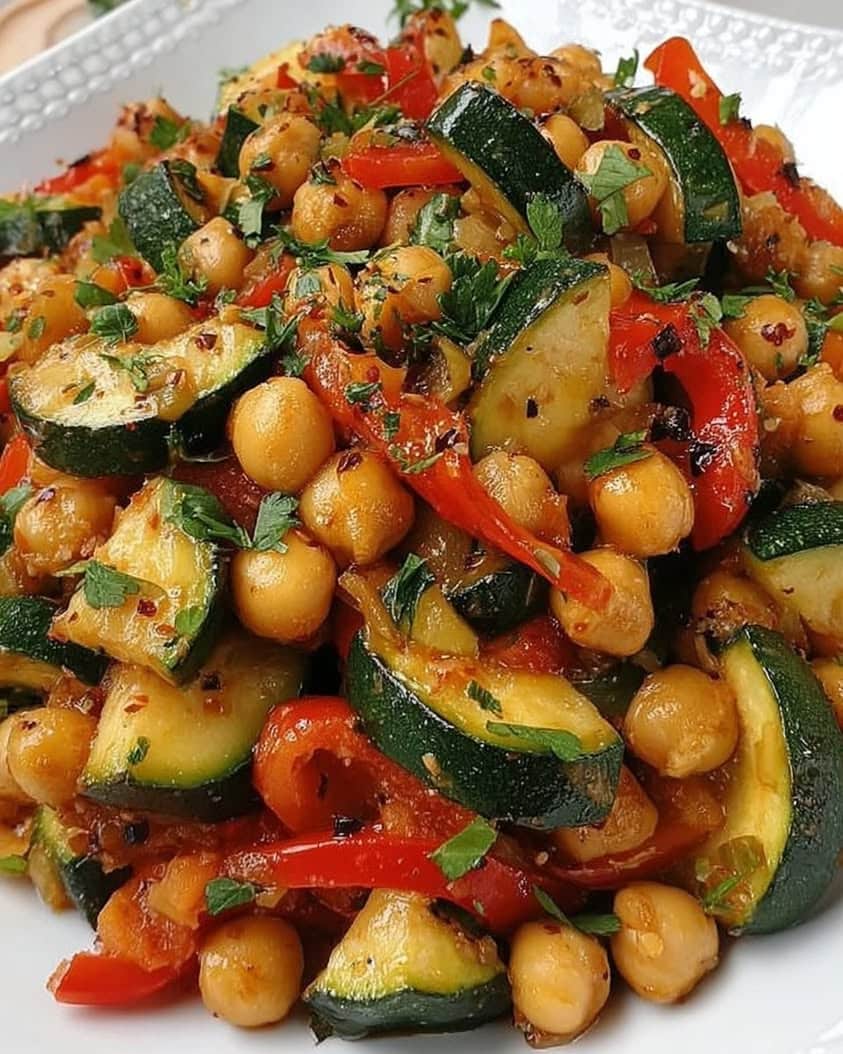
The magic of this zucchini and chickpea stir-fry lies in its layers of flavor and texture. You get tender-crisp zucchini, creamy chickpeas, and sweet bell peppers all coated in a savory, slightly tangy sauce. Each bite offers a delightful contrast that keeps your taste buds engaged. Ultimately, this dish proves that healthy eating can be incredibly delicious and far from boring.
This recipe is a true lifesaver on busy evenings. For instance, you can have it on the table in about thirty minutes from start to finish. Additionally, it is incredibly versatile, allowing you to use up whatever vegetables you have on hand. Therefore, it not only saves time but also helps reduce food waste, making it a smart choice for any home cook.
Quick Recipe Highlights
- Flavor Profile: This stir-fry features a savory, umami-rich base from soy sauce and garlic, balanced by a subtle sweetness from bell peppers and a bright finish from fresh herbs. The sauce clings perfectly to every ingredient, creating a cohesive and deeply satisfying taste in every forkful.
- Texture: Enjoy a wonderful play of textures with crisp-tender zucchini, soft yet firm chickpeas, and juicy bell peppers. The quick cooking method ensures the vegetables retain a pleasant bite, preventing them from becoming mushy and adding a refreshing element to the dish.
- Aroma: As the garlic and ginger hit the hot oil, they release an instantly appetizing fragrance that forms the aromatic foundation. Subsequently, the scent of sautéing vegetables and the savory sauce fills your kitchen, promising a delicious and comforting meal is just moments away.
- Visual Appeal: The dish is a feast for the eyes with its colorful mix of green zucchini, red bell peppers, and golden-brown chickpeas. Fresh green herbs sprinkled on top provide the perfect finishing touch, making it as beautiful on the plate as it is tasty.
- Skill Level Needed: This is a beginner-friendly recipe that requires only basic knife skills and the ability to manage a hot pan. Essentially, if you can chop vegetables and stir ingredients in a skillet, you can absolutely master this simple and healthy stir-fry.
- Special Equipment: You only need a large skillet or wok and a sturdy spatula. A good, sharp chef’s knife will make prep work quicker and safer, but no other specialized kitchen tools are required for this straightforward recipe.
Recipe Overview
- Difficulty Level: We rate this zucchini and chickpea stir-fry as easy because it involves fundamental techniques like chopping and sautéing. The steps are sequential and simple, with minimal multitasking required. Furthermore, the recipe is forgiving; slight variations in vegetable size or cooking time will still yield a tasty result, making it perfect for novice cooks.
- Category: This dish fits beautifully into several meal categories. Primarily, it serves as a fantastic main course for a vegetarian or vegan dinner. Alternatively, it can act as a substantial side dish alongside grilled chicken or fish. It also works wonderfully as a meal prep option for healthy lunches throughout the week.
- Cuisine: While stir-frying is a technique rooted in East Asian culinary traditions, this particular zucchini and chickpea stir-fry is a modern, fusion-style creation. It borrows the high-heat, quick-cooking method but uses globally accessible ingredients, resulting in a versatile dish that doesn’t adhere strictly to one cuisine, appealing to a wide range of palates.
- Cost: This is an exceptionally budget-friendly meal. Canned chickpeas and basic seasonings like soy sauce and garlic are pantry staples with a low cost per serving. Zucchini and bell peppers are typically affordable, especially when in season. Overall, you can create four generous servings for a fraction of the cost of takeout.
- Season: This recipe shines brightest in late summer and early fall when zucchini and bell peppers are at their peak freshness, flavor, and affordability. However, it is truly a year-round dish because these vegetables are widely available in supermarkets regardless of the season, offering a taste of sunshine even in winter.
- Occasion: It is the ultimate weeknight dinner solution for busy families. Simultaneously, it’s elegant enough for a casual weekend lunch with friends. Because it is both healthy and flavorful, it’s a great choice for potlucks or as part of a larger buffet spread where dietary preferences may vary.
Why You’ll Love This Recipe
First and foremost, the taste and texture are utterly irresistible. The zucchini and chickpea stir-fry delivers a savory, garlicky sauce that perfectly coats each ingredient. You experience the fresh crunch of vegetables alongside the hearty, creamy bite of chickpeas. This combination ensures every mouthful is interesting and satisfying, banishing any notion that healthy food is bland or boring. The flavors are familiar yet exciting, making it a dish everyone at the table will enjoy.
From a convenience standpoint, this recipe is a true winner. It comes together in one pan, meaning cleanup is an absolute breeze. You spend more time eating than washing dishes. Additionally, the prep work is minimal and straightforward—mostly just chopping a few vegetables. Consequently, you can go from a bare counter to a steaming hot dinner in about half an hour, making it a reliable go-to when time and energy are in short supply.
Nutritionally, this zucchini and chickpea stir-fry is a powerhouse. Chickpeas provide a fantastic source of plant-based protein and fiber, which helps keep you full and energized. Zucchini and bell peppers are loaded with vitamins, minerals, and antioxidants. Because the cooking method uses minimal oil and the sauce is light, you get a meal that feels indulgent but is genuinely good for you. It supports your health goals without requiring sacrifice.
This dish also holds significant social and entertaining value. It is naturally vegetarian and vegan, making it an inclusive option for gatherings. You can easily double or triple the recipe to feed a crowd without stress. The vibrant colors make it look impressive on a buffet table. Friends and family will appreciate the thoughtful, homemade meal, and you will appreciate not having to cook multiple separate dishes to accommodate different diets.
Finally, the cost-effectiveness and accessibility are unbeatable. The ingredients are common, inexpensive, and available at any standard grocery store. You likely have many of the seasonings in your cupboard already. Compared to ordering delivery or dining out, this homemade zucchini and chickpea stir-fry saves you a substantial amount of money. Therefore, it allows you to enjoy a delicious, restaurant-style meal while sticking to your food budget effortlessly.
Historical Background and Cultural Significance
The story of this dish begins not with a single origin but with the convergence of two powerful culinary threads: the ancient technique of stir-frying and the global journey of its core ingredients. Stir-frying, known as “chǎo” in Chinese, is a cooking method developed centuries ago to conserve fuel by cooking food quickly over high heat. This technique spread across Asia and eventually the world, becoming a staple for fast, flavorful cooking. The zucchini and chickpea stir-fry is a modern interpretation of this timeless method, adapted for contemporary kitchens and pantries.
Culturally, the dish represents the beautiful fusion of food traditions. Chickpeas, a dietary cornerstone across the Middle East, Mediterranean, and Indian subcontinent for thousands of years, meet a cooking style perfected in East Asia. Zucchini, itself a cultivar of summer squash with origins in the Americas, completes the global trio. This recipe symbolizes how modern cuisine borrows and blends techniques and ingredients from different cultures to create something new, accessible, and delicious for a global audience.
The evolution of this specific recipe is a testament to the rise of plant-based and health-conscious eating in the 21st century. As home cooks sought satisfying meatless meals, the humble chickpea rose to prominence for its protein content and versatility. Simultaneously, the demand for quick weeknight solutions made stir-frying more popular than ever. The zucchini and chickpea stir-fry emerged naturally from these trends, offering a perfect answer to the need for fast, healthy, and globally-inspired vegetarian food.
Regional variations of this concept are endless, showcasing its adaptability. In the Mediterranean, one might add olives, feta, and oregano. A Southeast Asian twist could include lemongrass, coconut aminos, and a squeeze of lime. Some versions might add spices like cumin or smoked paprika for depth. This adaptability is the recipe’s greatest strength; it provides a foundational template that encourages cooks to incorporate local flavors and personal preferences, ensuring the dish never grows stale.
Ingredient Deep Dive
Let’s start with zucchini, the star vegetable. Originally cultivated in Italy, zucchini became a global favorite for its mild flavor and versatile texture. Nutritionally, it is low in calories but high in water, fiber, and antioxidants like vitamin C and manganese. When selecting zucchini, look for firm, glossy skins that are free of blemishes; smaller ones tend to be less seedy and more tender. Store them unwashed in a plastic bag in the refrigerator’s crisper drawer for up to a week. If you need a substitute, yellow summer squash is nearly identical, or you could use sliced eggplant or mushrooms for a different but delicious twist.
Chickpeas, also known as garbanzo beans, are the protein-packed heart of this stir-fry. With a history dating back over 7,000 years in the Middle East, they are one of the world’s oldest cultivated legumes. They are an excellent source of plant-based protein, fiber, iron, and folate. For this recipe, canned chickpeas are ideal for convenience; just be sure to rinse and drain them thoroughly to remove excess sodium and the starchy liquid. Dried chickpeas that you cook yourself are a great, cost-effective alternative if you have time. Store unused canned chickpeas in a covered container in the fridge for 3-4 days. For a different protein, white beans or crispy tofu make excellent substitutions.
The aromatic base of garlic and ginger is non-negotiable for flavor. Garlic has been used both culinarily and medicinally for millennia, while ginger adds a warm, pungent zing. Together, they create the foundational aroma that makes stir-fry so enticing. Fresh is always best for both; look for firm, plump ginger root and tight, heavy heads of garlic. You can store ginger in the freezer and grate it frozen, and garlic keeps well in a cool, dark pantry. In a pinch, jarred minced garlic and ginger can work, but the flavor will be less vibrant. There’s no true substitute for this dynamic duo, but a dash of garlic powder and ground ginger can salvage the situation if you’re in a bind.
Bell peppers contribute sweetness, color, and a boost of vitamin C. They are native to Central and South America and were spread around the world by European explorers. For the best flavor and texture, choose peppers that feel heavy for their size with taut, shiny skin. Red, yellow, or orange peppers are sweeter than green ones, which are simply unripe. Store them in your refrigerator’s crisper. If you don’t have bell peppers, other crunchy vegetables like sugar snap peas, broccoli florets, or even carrots can provide a similar textural contrast and sweetness to the zucchini and chickpea stir-fry.
Common Mistakes to Avoid
- Crowding the Pan: Adding all the vegetables at once is a critical error. Overcrowding causes the pan’s temperature to plummet, leading to steaming instead of stir-frying. Consequently, your zucchini will release too much water and become soggy rather than achieving a crisp-tender texture. Always cook in batches if your skillet isn’t large enough.
- Using Cold Chickpeas: Adding cold, rinsed chickpeas straight from the can can also cool down your pan. For the best sear and integration of flavors, pat them very dry with a towel after rinsing. Alternatively, let them come closer to room temperature before adding them to the hot oil.
- Neglecting to Prep Everything First: Stir-frying is a fast process with no time to chop ingredients once you start cooking. Failing to complete your “mise en place”—having all vegetables chopped, sauce mixed, and spices measured—will result in burned garlic or overcooked vegetables while you scramble to prepare the next component.
- Overcooking the Zucchini: Zucchini has a very high water content and cooks quickly. Leaving it in the pan for too long turns it mushy and unappealing. Add it towards the end of the vegetable cooking process and just cook until it loses its raw opacity but still has a slight bite.
- Not Getting the Pan Hot Enough: A proper stir-fry requires high heat to sear ingredients and create complex flavors. If your pan isn’t properly preheated, the food will stew in its own juices. Wait until a drop of water sizzles and evaporates instantly before adding your oil.
- Using the Wrong Oil: Olive oil has a low smoke point and can burn at high stir-fry temperatures, creating bitter flavors. Instead, opt for oils with high smoke points like avocado oil, peanut oil, or refined coconut oil. These can withstand the heat necessary for a perfect zucchini and chickpea stir-fry.
- Skipping the Aromatics: Briefly cooking the garlic and ginger is essential to mellow their raw bite and infuse the oil with flavor. However, a common mistake is adding them to a cold pan or burning them. Add them to the hot oil for just 30-60 seconds until fragrant, stirring constantly to prevent burning.
- Forgetting to Adjust Seasoning at the End: The final taste of your sauce can change once all ingredients are combined. Always do a final taste test after everything is mixed. You may need an extra splash of soy sauce for saltiness, a squeeze of lime for acidity, or a pinch of sugar to balance the flavors perfectly.
Essential Techniques
The High-Heat Sear: This is the cornerstone of any good stir-fry. High heat quickly caramelizes the surfaces of the chickpeas and vegetables, creating deep, complex flavors through the Maillard reaction. To master it, ensure your pan is fully preheated before adding oil, and then let the oil get hot before adding food. A common pitfall is impatience; adding food too early leads to steaming. The visual cue for success is a satisfying sizzle upon contact and the development of light golden-brown spots on the chickpeas and vegetables.
Batch Cooking Vegetables: To avoid the steaming effect of an overcrowded pan, you must cook vegetables in manageable batches. This technique ensures each piece makes contact with the hot surface. Start with harder vegetables that take longer, like bell peppers, and add quicker-cooking items like zucchini last. The key is to remove each batch to a plate before adding the next, then combining everything at the end with the sauce. This preserves ideal texture throughout your zucchini and chickpea stir-fry.
Building the Sauce in the Pan: After stir-frying the aromatics and vegetables, deglazing the pan is crucial. Adding the liquid sauce ingredients (soy sauce, water, etc.) to the hot pan allows you to scrape up the flavorful browned bits stuck to the bottom—this is called “fond.” Those bits dissolve into the sauce, adding immense depth. The technique involves pouring the sauce in, letting it bubble and thicken slightly as it mixes with the starch from the vegetables, creating a glossy coating that clings to every ingredient.
Pro Tips for Perfect Zucchini and Chickpea Stir-Fry
Dry Your Chickpeas Thoroughly: After rinsing, spread the chickpeas on a clean kitchen towel or paper towels and pat them completely dry. This step is crucial for getting a crispy, golden exterior instead of steaming in the pan. Dry chickpeas also help the sauce adhere better later.
Cut Vegetables Uniformly: Take the time to chop your zucchini and bell peppers into similarly sized pieces. Consistent sizing ensures everything cooks at the same rate, so you won’t end up with some pieces raw and others mushy. Aim for bite-sized chunks or half-moons.
Have Your Sauce Pre-Mixed: Before you even turn on the stove, whisk together all your sauce ingredients in a small bowl. This prevents the frantic search for bottles mid-cook and ensures the cornstarch is fully dissolved, preventing clumps in your final dish.
Don’t Stir Constantly: While it’s called a stir-fry, constant stirring prevents browning. Add your chickpeas or vegetables, then let them sit undisturbed for 60-90 seconds to develop a sear. After that, stir frequently to cook evenly. This technique builds better flavor.
Finish with Freshness: Just before serving, stir in a big handful of fresh chopped herbs like cilantro, basil, or green onions. The residual heat will wilt them slightly, and their bright, fresh flavor will cut through the richness of the sauce, elevating the entire dish.
Acid is Your Friend: A final squeeze of fresh lime or lemon juice just before serving can transform your stir-fry. The acidity brightens all the other flavors, balancing the saltiness and umami with a clean, refreshing note that makes the dish taste more complex.
Variations and Adaptations
Regional Variations: Take your zucchini and chickpea stir-fry on a world tour with simple tweaks. For a Thai-inspired version, use coconut aminos or fish sauce, add a spoonful of red curry paste, and finish with Thai basil and a squeeze of lime. A Mediterranean twist could include kalamata olives, crumbled feta cheese, dried oregano, and a drizzle of olive oil after cooking.
Seasonal Adaptations: This recipe is a fantastic canvas for seasonal produce. In spring, add asparagus tips and fresh peas. For a hearty winter version, incorporate cubed sweet potato or butternut squash (par-cook them first) and hearty greens like kale, adding them at the end to wilt. The basic formula remains the same.
Dietary Modifications: For a gluten-free zucchini and chickpea stir-fry, simply ensure you use tamari or a certified gluten-free soy sauce instead of regular soy sauce. To make it soy-free, use coconut aminos. For added creaminess without dairy, a tablespoon of tahini or cashew butter whisked into the sauce works wonders.
Flavor Variations: Experiment with the sauce base. Add a tablespoon of hoisin sauce for sweetness and depth, a spoonful of sambal oelek or Sriracha for heat, or a dash of toasted sesame oil for nuttiness. A teaspoon of Chinese five-spice powder can add a wonderfully warm and complex aromatic note.
Texture Modifications: If you love extra crunch, try adding a handful of raw cashews or peanuts in the last minute of cooking. For a crispier chickpea, toss the dried chickpeas in a little cornstarch before frying them first, then remove and add back at the end. This creates an incredibly crispy coating.
Presentation Alternatives: Instead of serving it straight from the pan, consider your base. Serve the stir-fry over cauliflower rice for a low-carb meal, spoon it into lettuce cups for a fresh handheld option, or stuff it into warm pita bread with a dollop of yogurt sauce for a hearty wrap.
Serving and Presentation Guide
Plating Techniques: For an elegant presentation, spoon a bed of fluffy jasmine or brown rice into a shallow bowl. Then, carefully arrange the zucchini and chickpea stir-fry over the top, allowing some of the colorful vegetables to peek through. Avoid simply dumping it on the plate; a little intentionality makes the meal feel restaurant-quality.
Garnishing Ideas: Garnishes add the final layer of flavor and visual pop. A sprinkle of sliced green onions, toasted sesame seeds, or chopped roasted nuts adds texture. Fresh herbs like cilantro, Thai basil, or mint bring color and aroma. A final drizzle of chili oil or a wedge of lime on the side invites customization.
Traditional Accompaniments: In many cultures, stir-fries are served with a simple starch to soak up the delicious sauce. Steamed white or brown rice is the classic choice. For a change, try it with quinoa, rice noodles, or even mashed potatoes for ultimate comfort food fusion.
Modern Serving Suggestions: For a deconstructed approach, serve all the components separately in a “stir-fry bowl” format: a base of grains, the hot stir-fry, and small bowls of extra toppings like avocado slices, pickled vegetables, or a soft-boiled egg. This is fun for family-style meals and allows everyone to build their perfect bite.
Temperature Considerations: A zucchini and chickpea stir-fry is best served immediately, piping hot from the pan. Ensure your serving bowls or plates are warm to prevent the food from cooling down too quickly. If you’re serving rice, have it ready and hot so you can plate everything simultaneously.
Portion Control Tips: This dish is naturally filling due to the fiber and protein from the chickpeas. A standard serving is about 1.5 to 2 cups of the stir-fry mixture. If you’re watching calories, increase the ratio of vegetables to chickpeas slightly and be mindful of the amount of oil and sauce used during cooking.
Wine and Beverage Pairing
Wine Pairings: The savory, umami-rich profile of this zucchini and chickpea stir-fry pairs beautifully with crisp, acidic white wines. A dry Riesling, with its hint of sweetness and high acidity, can balance the saltiness of the soy sauce. Alternatively, a Sauvignon Blanc or a Vinho Verde offers refreshing citrus notes that cut through the dish’s richness. For a red option, choose a light-bodied, low-tannin wine like a Pinot Noir or Beaujolais, which won’t overpower the vegetables.
Non-Alcoholic Alternatives: Sparkling water with a squeeze of lime or a slice of cucumber provides a clean, palate-cleansing effervescence. For something sweeter, a chilled ginger beer complements the ginger in the dish, or try a tart cherry juice spritzer. Iced green tea or jasmine tea also makes a fantastic pairing, their subtle bitterness and floral notes harmonizing with the stir-fry’s flavors.
Coffee/Tea Pairings: While not a typical dinner beverage, a cup of genmaicha (brown rice green tea) after the meal is a wonderful choice. Its toasty, nutty flavor echoes the seared elements of the stir-fry. A light roast coffee with citrusy notes could also work as a post-meal digestif, but it’s best enjoyed after the meal rather than during.
Temperature Considerations: All beverages should be served well-chilled (for non-alcoholic options and white wines) or slightly below room temperature (for light reds). The contrast between the cool drink and the hot food is refreshing and helps balance the meal. Avoid serving anything too warm, as it will clash with the dish’s temperature.
Serving Suggestions: Always serve wine in appropriate glassware to enhance its aroma. For non-alcoholic drinks, a tall glass with plenty of ice is inviting. Consider offering a few different options if you’re entertaining, as the zucchini and chickpea stir-fry is versatile enough to pair well with multiple beverage profiles.
Storage and Shelf Life
Storage Methods: Allow your leftover zucchini and chickpea stir-fry to cool completely to room temperature before storing. Do not leave it out for more than two hours. Transfer the cooled stir-fry to an airtight container. It’s best to store it without any accompanying rice, as rice can affect the texture and safety of the vegetables when mixed and reheated.
Temperature Requirements: Refrigerate the airtight container promptly. The safe storage temperature for cooked food is below 40°F (4°C). Your refrigerator should be set to maintain this temperature consistently. Properly stored, the stir-fry will keep for 3 to 4 days.
Container Recommendations: Glass containers with tight-sealing lids are ideal because they don’t absorb odors and are easy to clean. Alternatively, BPA-free plastic containers designed for food storage work well. Ensure the container is the right size to minimize the amount of air inside, which can accelerate spoilage.
Signs of Spoilage: Before eating leftovers, always check for signs of spoilage. Discard the stir-fry if you notice an off or sour smell, significant discoloration (especially a slimy grey film on the vegetables), or visible mold. When in doubt, throw it out. Food safety is paramount.
Reheating Instructions: The best way to reheat is in a skillet over medium heat with a tiny splash of water or broth. This method helps revive the texture and prevents further drying. Stir frequently until heated through. You can also use a microwave, but cover the dish and reheat in 60-second intervals, stirring between each, to avoid uneven heating and sogginess.
Freezing Guidelines: You can freeze this stir-fry for up to 2 months, but be aware that zucchini has a high water content and may become soft upon thawing. To freeze, cool completely, then portion into freezer-safe bags or containers, removing as much air as possible. Thaw overnight in the refrigerator before reheating gently on the stovetop.
Make Ahead Strategies
Prep Timeline: You can significantly speed up dinner time by prepping components 1-2 days in advance. Chop all vegetables (zucchini, bell peppers, onions) and store them separately in airtight containers or resealable bags in the refrigerator. Mince your garlic and ginger and store them together in a small container. Rinse and drain your chickpeas, then pat them dry and refrigerate. Mix your sauce in a jar and shake well before using.
Storage Between Steps: Keep prepped vegetables crisp by placing a dry paper towel in the container with them to absorb excess moisture. Store garlic and ginger in the fridge to maintain freshness. The pre-mixed sauce can sit in the fridge for 2-3 days without issue; just give it a good shake or stir before using as cornstarch may settle.
Quality Impact Assessment: Pre-chopping vegetables may lead to minimal moisture loss but won’t drastically affect the final dish. The garlic and ginger’s flavor may mellow slightly but remain potent. The biggest advantage is the time saved, which often outweighs any negligible loss in peak freshness for a quick weeknight meal like this zucchini and chickpea stir-fry.
Assembly Tips: When ready to cook, simply pull your prepped containers from the fridge. Have them lined up in the order you’ll use them: aromatics first, then harder vegetables, then zucchini, then chickpeas and sauce. This “station” setup makes the actual cooking process flow seamlessly and feel effortless.
Reheating Guidelines: This strategy is for prepping components, not cooking the entire dish ahead. If you do cook it entirely ahead, follow the reheating instructions in the storage section. For best texture, only cook the stir-fry just before you plan to eat it, using your pre-prepped ingredients.
Fresh Element Additions: Even with advanced prep, plan to add certain elements fresh. Keep your green onions, cilantro, or other fresh herbs whole and chop them right before serving. Have a fresh lemon or lime on hand for that final squeeze of juice. These last-minute additions restore brightness and maximize flavor.
Scaling Instructions
Halving the Recipe: To serve two, simply divide all ingredient quantities by two. Use a medium skillet instead of a large one to maintain the proper depth of ingredients for effective stir-frying. Cooking times will be slightly shorter, so keep a close eye on the vegetables, checking for doneness a minute or two earlier than the original recipe suggests.
Doubling or Tripling: For a crowd, multiply the ingredients consistently. Crucially, do not attempt to cook a double or triple batch in one pan. You must cook in batches to avoid overcrowding. Use two skillets simultaneously, or cook one full batch at a time, keeping finished batches warm in a low oven (200°F) on a sheet pan while you cook the next.
Equipment Adjustments: Scaling up requires planning. Ensure you have a large enough bowl to mix a big batch of sauce. Have multiple prep bowls ready for the increased volume of chopped vegetables. Most importantly, use the largest skillet or wok you own, or employ two pans at once to maintain the high-heat cooking principle essential for a good stir-fry.
Timing Modifications: While prep time will increase linearly with the amount of ingredients, active cook time may not double exactly. Cooking in batches means the total stove time will be longer. However, each individual batch will cook in roughly the same time as the original recipe, as the pan conditions (heat, space) are replicated.
Storage Considerations: If you’ve scaled up and have leftovers, store them in several smaller containers rather than one gigantic one. This allows the food to cool faster and more evenly, which is critical for food safety. It also makes it easier to reheat single servings later without having to thaw and reheat a massive amount.
Nutritional Deep Dive
Macro Breakdown: A serving of this zucchini and chickpea stir-fry provides an excellent balance of macronutrients. The chickpeas are a rich source of complex carbohydrates and plant-based protein, offering sustained energy and satiety. The vegetables contribute additional carbs in the form of fiber. The healthy fats from the cooking oil aid in the absorption of fat-soluble vitamins from the vegetables. This balance makes it a complete and satisfying meal.
Micronutrient Analysis: This dish is a micronutrient powerhouse. Zucchini and bell peppers are loaded with Vitamin C, an antioxidant vital for immune function and skin health. Chickpeas provide significant iron and folate, important for energy and cell growth. Garlic and ginger contain bioactive compounds with anti-inflammatory properties. Together, they deliver a wide spectrum of vitamins and minerals in one delicious package.
Health Benefits: Regularly consuming meals like this zucchini and chickpea stir-fry supports overall health. The high fiber content promotes digestive health and helps regulate blood sugar levels. The plant-based protein supports muscle maintenance without the saturated fat found in many animal proteins. The array of antioxidants helps combat oxidative stress, potentially reducing the risk of chronic diseases.
Dietary Considerations: This recipe is naturally vegetarian, vegan, and dairy-free. It can easily be made gluten-free by using tamari. It is also nut-free and soy-free if you use coconut aminos. The dish is inherently cholesterol-free. However, those monitoring sodium intake should use low-sodium soy sauce and be mindful of the amount added.
Portion Analysis: A standard serving is filling and nutrient-dense without being excessively high in calories. The bulk comes from high-volume, low-calorie vegetables and fiber-rich legumes. This means you can eat a satisfying portion that supports weight management goals. It’s a perfect example of how calorie density works—you get a large, satisfying plate of food for a moderate calorie count.
Weight Management Tips: To make this dish even more aligned with weight management, you can increase the vegetable-to-chickpea ratio slightly, adding more zucchini and peppers. Use a measured amount of oil (like one tablespoon) and a non-stick pan. Serve it over a bed of leafy greens or spiralized zucchini instead of rice to further increase volume and nutrients without adding significant calories.
Dietary Adaptations
Gluten-Free: This adaptation is incredibly simple. Ensure you use tamari (which is traditionally gluten-free) or a certified gluten-free soy sauce instead of regular soy sauce. Double-check that any other bottled sauces, like hoisin or oyster sauce you might add, are also labeled gluten-free. All other core ingredients in the zucchini and chickpea stir-fry are naturally gluten-free.
Dairy-Free: The recipe is naturally dairy-free as written. No butter, milk, cheese, or cream is used. If you choose to add a creamy element, opt for dairy-free alternatives like coconut milk in the sauce or a dollop of unsweetened vegan yogurt as a garnish instead of regular yogurt or sour cream.
Vegan: This recipe is vegan by default. It contains no animal products whatsoever. The protein comes from chickpeas, and the sauce uses plant-based ingredients. It’s a perfect centerpiece for a vegan meal. Just be sure your sugar (if used) is vegan, as some white sugar is processed with bone char.
Low-Carb/Keto: For a low-carb or keto version, significantly increase the volume of non-starchy vegetables like bell peppers and consider adding mushrooms. Omit the chickpeas or replace them with a keto-friendly protein like cubed tofu or tempeh. Thicken the sauce with xanthan gum instead of cornstarch, and use coconut aminos sparingly due to their sugar content. Serve over cauliflower rice.
Paleo: To align with paleo guidelines, omit the chickpeas and soy sauce. Replace the chickpeas with diced chicken breast or shrimp. Use coconut aminos instead of soy sauce. Ensure all other ingredients are whole, unprocessed foods. This transforms the dish into a protein-forward, paleo-friendly skillet meal.
Low-FODMAP: This requires more significant changes. Zucchini and bell peppers are low-FODMAP in moderate Print
Zucchini and Chickpea Stir-Fry
- Total Time: 45 minutes
- Yield: 4
Description
A quick, healthy, and flavorful vegetarian stir-fry featuring tender zucchini and protein-packed chickpeas in a savory garlic-ginger sauce.
Ingredients
- 2 medium zucchinis, sliced into half-moons
- 1 can (15 oz) chickpeas, drained and rinsed
- 1 red bell pepper, sliced
- 3 cloves garlic, minced
- 1 tbsp fresh ginger, grated
- 2 tbsp soy sauce
- 1 tbsp sesame oil
- 1 tbsp olive oil
- 1 tsp honey or maple syrup
- 1/2 tsp red pepper flakes (optional)
- 2 green onions, chopped
- Salt and black pepper to taste
Instructions
- Heat olive oil in a large skillet or wok over medium-high heat.
- Add garlic, ginger, and red pepper flakes, stirring for 30 seconds until fragrant.
- Add zucchini and bell pepper, stir-frying for 5-7 minutes until slightly tender.
- Stir in chickpeas, soy sauce, sesame oil, and honey, cooking for another 3-4 minutes.
- Season with salt and pepper, then garnish with green onions before serving.
Notes
You can customize the seasonings to taste.
- Prep Time: 15 minutes
- Cook Time: 30 minutes
- Method: Main
- Cuisine: American