Layered Sweet Potato and Butternut Squash Lasagna with Honey Glaze: A Festive Vegetarian Masterpiece
Imagine a dish that captures the essence of a cozy autumn harvest in every single bite. This Layered Sweet Potato and Butternut Squash Lasagna with Honey Glaze is exactly that. It is a stunning vegetarian casserole that replaces traditional pasta with whisper-thin slices of roasted root vegetables. Moreover, it builds incredible flavor with creamy ricotta, tangy feta, and crunchy walnuts. Ultimately, it is finished with a sweet-tart cranberry honey glaze that makes it perfect for holiday tables or special Sunday dinners.
The beauty of this recipe lies in its harmonious balance. Each layer contributes a distinct texture and taste. For instance, the sweet potatoes and butternut squash become meltingly tender and caramelized. Meanwhile, the cheese mixture provides a rich and savory contrast. Additionally, the final drizzle of glaze introduces a bright, jewel-toned finish that is both visually spectacular and delicious. This dish is a true celebration of seasonal produce, transforming simple ingredients into an unforgettable centerpiece.
Furthermore, this recipe offers a wonderful gluten-free alternative to classic lasagna. It is naturally hearty and satisfying without feeling heavy. The process of layering the vegetables is meditative and rewarding. Consequently, you will create a meal that impresses guests and comforts family. Whether you are a seasoned cook or looking for a show-stopping vegetarian main, this Layered Sweet Potato and Butternut Squash Lasagna with Honey Glaze delivers on every promise of flavor and beauty.
Quick Recipe Highlights
- Flavor Profile: This dish masterfully balances sweet, savory, tangy, and earthy notes. The natural sweetness of the roasted root vegetables plays against the salty feta and creamy ricotta. Then, the cranberry honey glaze adds a final pop of fruity acidity that ties everything together beautifully.
- Texture: You will experience a wonderful contrast in every forkful. Expect tender, almost silky layers of sweet potato and squash against the creamy cheese filling. The toasted walnuts provide a crucial crunchy element, preventing the dish from becoming one-note and adding a nutty richness.
- Aroma: As this lasagna bakes, your kitchen will fill with the warm, comforting scents of roasting autumn vegetables and melting cheese. Hints of rosemary and thyme from the seasoning blend with the caramelizing sugars. Finally, the sweet aroma of the honey glaze as it is drizzled on top is simply irresistible.
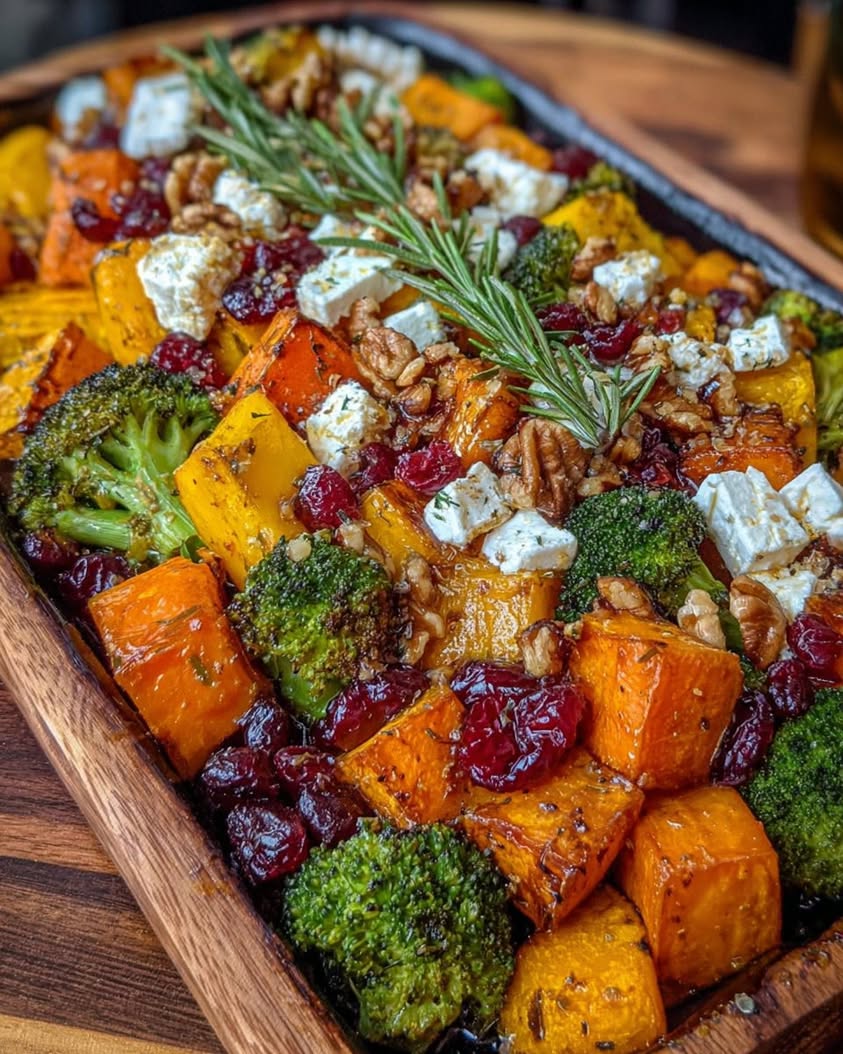
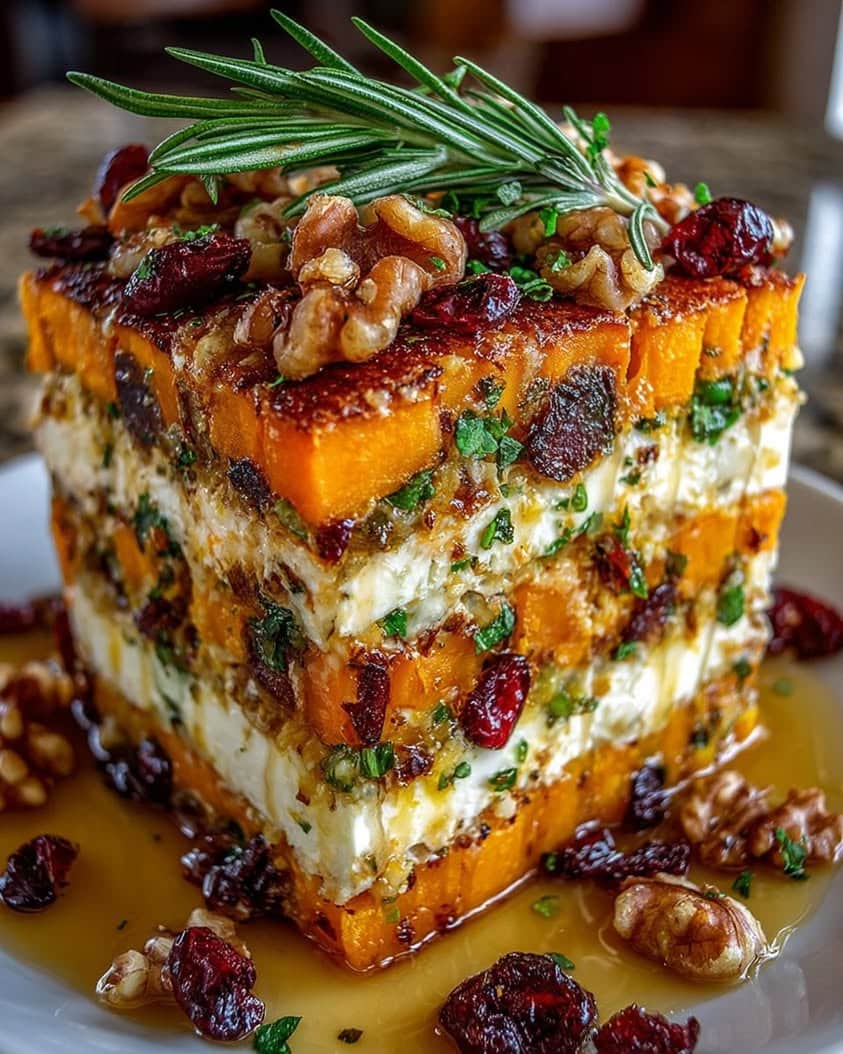
- Visual Appeal: This is a feast for the eyes with its vibrant orange and yellow layers peeking through from the side. The white and creamy cheese filling creates beautiful stripes. The deep red cranberry glaze on top, sprinkled with green herbs and golden walnuts, makes it look like a professional masterpiece.
- Skill Level Needed: This recipe requires basic knife skills for slicing vegetables and a methodical approach to layering. It is ideal for a confident home cook who enjoys a project. However, clear instructions make it accessible for anyone willing to take their time with assembly.
- Special Equipment: A mandoline slicer is highly recommended for achieving perfectly uniform, thin vegetable slices that cook evenly. You will also need a good baking dish, parchment paper for easy cleanup, and a small saucepan for making the simple glaze.
Recipe Overview
- Difficulty Level: We rate this Layered Sweet Potato and Butternut Squash Lasagna as intermediate. The challenge comes from the precision needed in slicing the vegetables thinly and evenly. Additionally, the layering process requires patience to ensure structural integrity. However, each step is straightforward and explained in detail, making success very achievable.
- Category: This dish proudly sits as a magnificent vegetarian main course. It is substantial enough to be the star of any meal. Alternatively, it can serve as a luxurious side dish for a larger holiday spread alongside a roast or turkey.
- Cuisine: While inspired by the Italian concept of lasagna, this recipe is a modern fusion celebrating New American cuisine. It draws on global pantry staples like Greek feta and uses North American native ingredients like sweet potatoes and cranberries. The result is a contemporary, vegetable-forward dish without strict borders.
- Cost: This is a moderately priced recipe that leverages affordable, in-season root vegetables. The most significant costs come from the cheeses and nuts. Fortunately, you can often find ricotta and feta on sale. Overall, it is far more economical than a meat-heavy lasagna yet delivers exceptional gourmet value.
- Season: This Layered Sweet Potato and Butternut Squash Lasagna is the ultimate fall and winter recipe. It features produce that is at its peak sweetness and affordability during these cooler months. The warm, hearty nature of the dish is perfect for combating chilly weather and bringing warmth to the table.
- Occasion: It is an impeccable choice for Thanksgiving, Christmas, or any festive potluck where you need a standout vegetarian option. Furthermore, it makes a splendid Sunday family dinner or a special meal for impressing guests. Its elegance and make-ahead potential are perfect for entertaining.
Why You’ll Love This Recipe
First and foremost, the taste and texture of this Layered Sweet Potato and Butternut Squash Lasagna are utterly captivating. Each bite delivers a complex symphony of flavors that evolves from savory and creamy to sweet and tangy. The vegetables roast into a state of tender perfection, literally melting in your mouth. Meanwhile, the cheese mixture binds everything with a luxurious richness. The crunchy walnut topping provides a necessary textural counterpoint that keeps you coming back for more. Ultimately, the cranberry honey glaze is the pièce de résistance, cutting through the richness with its bright, festive flavor.
From a convenience standpoint, this recipe offers significant preparation benefits. For example, you can roast the vegetable slices and prepare the cheese filling a full day in advance. This makes the day-of assembly remarkably quick and stress-free. Additionally, the entire assembled lasagna can wait in the refrigerator for several hours before baking. Consequently, it is an entertainer’s dream, allowing you to enjoy your guests rather than being stuck in the kitchen. The hands-off baking time fills your home with an incredible aroma and frees you up for other tasks.
Nutritionally, this dish is a powerhouse of vitamins and antioxidants. Sweet potatoes and butternut squash are loaded with beta-carotene, vitamin C, and fiber. Using the vegetables as the “pasta” layers significantly increases the nutrient density compared to traditional refined flour noodles. The walnuts contribute healthy fats and protein. Moreover, by controlling the cheese and salt, you can make this a balanced part of a wholesome diet. It is a delicious way to eat more colorful vegetables without feeling like you are sacrificing indulgence.
The social and entertaining value of this Layered Sweet Potato and Butternut Squash Lasagna cannot be overstated. It is a guaranteed conversation starter at any gathering. Visually, it is stunning and shows a high level of care and culinary skill. Serving a beautiful, homemade vegetarian centerpiece ensures that all your guests feel considered and catered to. It often becomes the most talked-about dish on the table, with people asking for the recipe. Therefore, it builds your reputation as a fantastic and thoughtful host.
Finally, this recipe is cost-effective and accessible. Root vegetables are typically some of the most affordable produce items, especially in season. You can adapt the recipe based on what is available or on sale. For instance, you could use all sweet potatoes or add parsnips. The cheese quantities are flexible, and you can often use store-brand ricotta with excellent results. Creating such an impressive dish from humble ingredients is incredibly satisfying. It proves that eating well does not require expensive or exotic components, just creativity and technique.
Historical Background and Cultural Significance
The origin story of this dish is a modern tale of culinary innovation and dietary adaptation. Traditional lasagna, with its roots in Italian cuisine, has always been a canvas for regional ingredients. The concept of replacing pasta with vegetables gained significant traction with the rise of low-carb and gluten-free diets in the late 20th and early 21st centuries. Cooks began experimenting with zucchini, eggplant, and, ultimately, root vegetables to create satisfying layers. This particular Layered Sweet Potato and Butternut Squash Lasagna is a direct descendant of that movement, marrying Italian technique with a New World harvest.
Culturally, this recipe represents a shift towards vegetable-centric eating and celebrating seasonal, local produce. It aligns with farm-to-table philosophies and the desire for meals that are both health-conscious and deeply comforting. The inclusion of cranberries, a native North American fruit, and honey, one of humanity’s oldest sweeteners, connects the dish to autumnal traditions like Thanksgiving. Consequently, it holds significance as a modern holiday staple for many families who blend culinary heritage with contemporary tastes and dietary needs.
The evolution of the recipe showcases how global pantries have merged. Italian ricotta, Greek feta, and California walnuts come together in a single American casserole dish. This reflects our current food culture, where borders are blurred, and cooks feel empowered to mix flavors from different traditions. The technique of layering is ancient, but the ingredients are a contemporary mosaic. Each iteration of vegetable lasagna improves upon the last, learning from issues like excess moisture or structural integrity, leading to the refined method used here.
Regional variations of this concept are endless. In the Mediterranean, one might find a similar dish using layers of thinly sliced potatoes, lamb, and yogurt. In other parts of the United States, cooks might incorporate pecans instead of walnuts or use a maple syrup glaze instead of honey. Some versions add leafy greens like spinach between the layers. The core idea remains: creating a hearty, layered bake using vegetables as the primary structure. This adaptability is key to its enduring popularity and ensures it can be personalized to any local taste or ingredient availability.
Ingredient Deep Dive
Sweet potatoes are a cornerstone of this Layered Sweet Potato and Butternut Squash Lasagna. Historically, they originated in Central or South America and were domesticated over 5,000 years ago. They are not related to white potatoes but are instead part of the morning glory family. Nutritionally, they are superstar sources of beta-carotene (which converts to vitamin A), vitamin C, manganese, and fiber. When selecting sweet potatoes, look for firm specimens with smooth, unblemished skin. Avoid any with soft spots or signs of sprouting. Store them in a cool, dark, well-ventilated place—not the refrigerator, as cold temperatures can alter their taste and texture. For substitutions, garnet yams are virtually identical, or you could use a combination of carrots and parsnips.
Butternut squash brings a nutty, sweet flavor and creamy texture to the lasagna layers. This winter squash is native to the Americas and has been cultivated for thousands of years. It is rich in vitamins A and C, potassium, and magnesium. Its bright orange flesh is a telltale sign of its high antioxidant content. Choose a squash that feels heavy for its size with a firm, matte skin and an intact stem. A whole butternut squash can be stored in a cool, dark place for months. Once cut, wrap it tightly and refrigerate for up to five days. If unavailable, acorn squash or pumpkin make suitable substitutes, though their texture and moisture content may vary slightly.
Ricotta cheese provides the creamy, binding layer in this vegetable lasagna. This fresh Italian cheese is made from the whey leftover from producing other cheeses. It is mild, slightly sweet, and has a granular texture. Ricotta is a good source of protein and calcium. For the best results in this recipe, seek out whole-milk ricotta, which has superior flavor and creaminess compared to part-skim varieties. If your ricotta seems very wet, you can drain it in a fine-mesh strainer for 30 minutes before using. For a dairy-free version, blended firm tofu or a store-bought vegan ricotta can work, though the flavor profile will change.
The cranberry honey glaze is the flavor-packed finish that defines this dish. Cranberries are one of North America’s few native commercial fruits, traditionally used by Indigenous peoples for food, medicine, and dye. They are packed with vitamin C and unique phytonutrients called proanthocyanidins. Honey, used since ancient times, not only sweetens but adds floral notes and helps create a glossy, attractive sheen. For the glaze, you can use fresh or frozen cranberries. The honey can be substituted with maple syrup for a different flavor dimension. This combination creates a balance of tart and sweet that cuts through the richness of the cheese and vegetables perfectly.
Common Mistakes to Avoid
- Cutting Vegetable Slices Too Thick: This is the most critical error. Thick slices will not become tender and layered; they will remain crunchy and cause the lasagna to fall apart when serving. Always use a mandoline for uniform, 1/8-inch thick slices.
- Not Roasting the Vegetables First: Skipping the pre-roasting step leads to a watery, soggy lasagna. Roasting evaporates excess moisture from the squash and sweet potatoes, concentrating their flavor and ensuring your final bake holds its structure.
- Using Wet Ricotta: If your ricotta cheese is very watery, it will seep out and make the layers soupy. Always drain excess liquid from ricotta by letting it sit in a strainer, or pat it dry with paper towels before mixing with the egg and seasonings.
- Overloading the Layers: While it is tempting to pile on the ingredients, restraint is key. Too much cheese filling between the vegetable layers can overwhelm them and make the dish overly dense. Use a moderate, even hand when spreading each layer.
- Skipping the Resting Time: Cutting into the lasagna immediately after it comes out of the oven is a recipe for a messy plate. The layers need 20-30 minutes to set and firm up. This waiting period is crucial for clean, beautiful slices.
- Burning the Walnuts: Toasting nuts requires constant attention. They can go from golden to burnt in seconds. Toast them in a dry pan over medium-low heat, shaking frequently, until fragrant. Then, immediately remove them from the hot pan to stop the cooking.
- Overcooking the Cranberry Glaze: When reducing the glaze, simmer it gently until it thickens slightly and coats the back of a spoon. Boiling it too vigorously can make it bitter or cause it to become too jam-like and difficult to drizzle.
- Forgetting to Season Each Component: Season the roasted vegetables, season the cheese mixture, and season the final dish with salt and pepper. Layered dishes need seasoning at every stage to build depth of flavor from the inside out.
Essential Techniques
Using a Mandoline Slicer is non-negotiable for perfect vegetable layers. This tool ensures every slice of sweet potato and butternut squash is exactly the same thickness, which guarantees even cooking. A consistent 1/8-inch slice is ideal—thin enough to become tender but thick enough to hold its shape. Always use the safety guard to protect your fingers. If you do not have a mandoline, a very sharp chef’s knife and a steady hand are your only alternative, but it will take more time and concentration. The visual cue for success is a stack of translucent, uniformly thin orange and yellow slices.
Roasting for Moisture Control is the technique that prevents a soggy lasagna. By roasting the vegetable slices on parchment-lined sheets, you drive out a significant amount of their natural water content through evaporation. This step also kickstarts the caramelization process, developing deeper, sweeter flavors. The key is to roast until the slices are pliable and slightly dried at the edges but not browned or crisp. They should bend without snapping. This pre-cooking is what allows them to meld together during the final bake instead of releasing a flood of liquid into your dish.
Creating a Stable Cheese Filling acts as the mortar for your vegetable layers. Whisking the egg thoroughly into the ricotta is crucial for binding. The egg proteins coagulate during baking, helping the filling set and hold the structure. Beating the mixture until smooth ensures even distribution. Adding the crumbled feta last and folding it gently prevents it from breaking down too much, preserving its distinct salty pockets. The filling should be thick and spreadable, not runny. If it seems loose, you can add a tablespoon of grated Parmesan to help absorb excess moisture and tighten it up.
Mastering the Reduction for the Glaze transforms simple ingredients into a glossy, complex sauce. The process involves simmering the cranberries, honey, and water until the berries burst and the liquid thickens. The water initially helps the cranberries cook down without burning the honey. As it simmers, water evaporates, concentrating the flavors and sugars. You know it is ready when the syrup coats the back of a spoon and leaves a clear trail when you run your finger through it. It will continue to thicken as it cools. This technique intensifies the tartness of the cranberries and the floral sweetness of the honey into a perfect finishing accent.
Pro Tips for Perfect Layered Sweet Potato and Butternut Squash Lasagna
First, lightly grease your baking dish and then line it with parchment paper, leaving an overhang on two sides. This creates a “sling” that allows you to lift the entire lasagna out for cleaner, easier slicing and serving once it is cooled.
Second, arrange your roasted vegetable slices in a single, slightly overlapping layer, like shingles on a roof. This creates a solid base and ensures every bite includes all the components. Overlap them by about one-third of their width.
Third, let all components come to room temperature before assembly. Adding cold ricotta mixture or vegetable slices to a room-temperature dish can create thermal shock and affect baking time and texture consistency.
Fourth, use the back of a spoon or a small offset spatula to spread the cheese filling. This gives you more control to create a thin, even layer without disturbing or tearing the delicate vegetable slices beneath.
Fifth, reserve a small handful of the toasted walnuts to sprinkle on top after adding the glaze. This adds a final textural element and makes the presentation more visually appealing with the contrast of colors and shapes.
Sixth, if the top of your lasagna is browning too quickly during baking, tent it loosely with a piece of aluminum foil. This will shield it from direct heat while allowing the interior layers to continue cooking through perfectly.
Seventh, for the most dramatic presentation, use a serrated knife to cut the lasagna. A gentle sawing motion will cleanly cut through the tender vegetable layers without squashing or dragging the beautiful strata you have created.
Eighth, warm the glaze slightly before drizzling if it has thickened too much in the refrigerator. A few seconds in the microwave or a minute in a warm water bath will return it to a perfect, pourable consistency.
Variations and Adaptations
For regional variations, consider the ingredients local to your area. In the South, you might add a layer of sautéed collard greens with a touch of vinegar. A Pacific Northwest version could incorporate wild mushrooms sautéed with thyme. A Southwestern twist might include a layer of roasted poblano peppers and use cotija cheese instead of feta. The basic framework of the Layered Sweet Potato and Butternut Squash Lasagna is wonderfully adaptable to these regional flavors.
Seasonal adaptations are simple and encouraged. In spring, replace the squash with thinly sliced zucchini and yellow squash, and use a lemon-herb ricotta. For summer, layers of grilled eggplant and tomato with a basil pesto swirl would be magnificent. The honey glaze could become a balsamic reduction. This flexibility makes the recipe a year-round favorite.
Dietary modifications are straightforward. For a vegan version, use a blend of firm tofu, nutritional yeast, and lemon juice for the “ricotta,” and omit the egg. A nut-free version simply leaves out the walnuts or substitutes toasted pumpkin seeds (pepitas). To make it lower in fat, use part-skim ricotta and reduce the amount of feta, compensating with extra herbs for flavor.
Flavor variations can personalize the dish to your taste. Add a layer of caramelized onions for deeper sweetness. Mix chopped fresh sage or rosemary directly into the ricotta filling. For a hint of heat, add a pinch of red pepper flakes to the cheese mixture or the vegetable seasoning. A sprinkle of smoked paprika on the roasted veggies adds a wonderful complexity.
Texture modifications can cater to different preferences. For a creamier interior, add a layer of béchamel sauce. For more crunch, add toasted breadcrumbs or panko mixed with Parmesan on top for the last 10 minutes of baking. If you prefer a smoother eating experience, you can puree half the roasted squash and mix it into the ricotta for an extra-velvety filling.
Presentation alternatives offer fun ways to serve. Instead of one large lasagna, assemble individual portions in small ramekins or oven-safe bowls for a personalized touch. You can also deconstruct the elements: serve a stack of the roasted vegetables with dollops of the herbed ricotta, a sprinkle of nuts, and a drizzle of glaze on the side.
Serving and Presentation Guide
Plating techniques start with that crucial rest time. After baking, let the lasagna sit for at least 20-30 minutes. This allows the layers to set, ensuring you get clean, sharp slices that hold their shape on the plate. Use a sharp, thin-bladed knife, wiping it clean between cuts. Lift each portion out with a flat spatula, supporting the bottom. For a restaurant-style presentation, place a slice slightly off-center on a warm plate.
Garnishing ideas should enhance, not overwhelm. A final drizzle of the cranberry honey glaze over the plated slice is essential. Sprinkle the reserved toasted walnuts around the plate. Fresh herb sprigs like rosemary, thyme, or microgreens add a touch of green and freshness. A light dusting of finely grated Parmesan or a few crumbles of extra feta can also be appealing.
Traditional accompaniments for a hearty vegetarian main like this include a simple, crisp green salad with a bright vinaigrette to cut through the richness. Garlicky sautéed greens, such as kale or Swiss chard, also pair beautifully. For a holiday meal, classic sides like cranberry sauce or roasted Brussels sprouts complement the flavors seamlessly.
Modern serving suggestions might include a dollop of garlic-infused yogurt or sour cream on the side. A small pile of arugula dressed with lemon and olive oil placed atop the slice adds a peppery contrast. For a brunch version, serve it with a poached or fried egg on top, letting the yolk create a luxurious sauce.
Temperature considerations are key. This lasagna is best served warm, not piping hot. The resting period brings it to the ideal serving temperature. If you have made it ahead and refrigerated it, reheat individual slices in a 350°F oven until warmed through, which is better than microwaving, as it preserves the texture.
Portion control tips are helpful given its richness. A standard 9×13 inch pan yields eight generous servings. You can easily cut it into 12 smaller squares for a larger gathering or as part of a buffet with multiple other dishes. Remember, it is a dense and satisfying dish, so a little goes a long way.
Wine and Beverage Pairing
Wine pairings for this Layered Sweet Potato and Butternut Squash Lasagna should balance its sweet, savory, and creamy elements. A medium-bodied white wine with good acidity is an excellent choice. For example, an Oregon Pinot Gris or a French Viognier can handle the sweetness of the vegetables and cut through the cheese. For red wine lovers, a lighter, low-tannin red like a Gamay (Beaujolais) or a Pinot Noir works wonderfully. Their bright red fruit flavors complement the cranberry glaze without overpowering the dish. Avoid heavily oaked Chardonnays or bold, tannic reds like Cabernet Sauvignon, as they can clash with the vegetable sweetness.
Non-alcoholic alternatives offer just as much pleasure. A sparkling apple cider provides effervescence and autumnal flavor that pairs naturally. For a more sophisticated option, try a ginger beer with its spicy kick, which contrasts nicely with the creamy layers. A tart cherry juice spritzer (mixed with club soda) echoes the cranberry notes in the glaze. Herbal iced tea, such as hibiscus or mint, can also be a refreshing and palate-cleansing companion to this rich bake.
While not a typical coffee dish, certain warm beverages can work if serving this for a cozy dinner. A light roast coffee with low acidity would be better than a dark, bitter roast. A chai tea latte, with its warming spices like cinnamon and cardamom, can mirror the earthy, sweet spices often used in the vegetable seasoning. Ultimately, the goal is to choose a drink that refreshes the palate between bites of the rich, layered lasagna.
Storage and Shelf Life
Storage methods for leftovers are simple Print
Layered Sweet Potato, Butternut Squash, Carrot Lasagna with Feta, Walnuts, and Cranberry-Honey Glaze
- Total Time: 45 minutes
- Yield: 4
Description
A hearty vegetarian lasagna featuring layers of roasted sweet potato, butternut squash, and carrot, topped with crumbled feta, toasted walnuts, and a sweet-tart cranberry-honey glaze.
Ingredients
- 2 medium sweet potatoes, thinly sliced
- 1 small butternut squash, peeled and thinly sliced
- 3 large carrots, thinly sliced
- 1 cup crumbled feta cheese
- 1/2 cup chopped walnuts, toasted
- 1 cup fresh cranberries
- 1/4 cup honey
- 2 tablespoons olive oil
- 1 teaspoon dried thyme
- 1 teaspoon garlic powder
- Salt and black pepper to taste
- 1 cup ricotta cheese
- 1/2 cup grated Parmesan cheese
- 9 no-boil lasagna noodles
- 2 cups marinara sauce
Instructions
- Preheat oven to 400°F (200°C). Toss sweet potato, butternut squash, and carrot slices with olive oil, thyme, garlic powder, salt, and pepper. Roast on a baking sheet for 20 minutes until tender.
- In a saucepan, combine cranberries and honey over medium heat. Cook for 10 minutes, stirring occasionally, until cranberries burst and form a thick glaze. Set aside.
- Spread a thin layer of marinara sauce in a 9×13 inch baking dish. Layer 3 lasagna noodles, half the roasted vegetables, half the ricotta, and a third of the feta. Repeat layers, ending with noodles.
- Top with remaining marinara sauce, Parmesan cheese, and feta. Cover with foil and bake for 30 minutes. Remove foil, sprinkle with walnuts, and bake uncovered for 10 more minutes.
- Drizzle with cranberry-honey glaze before serving. Let rest for 10 minutes, then slice and enjoy.
Notes
You can customize the seasonings to taste.
- Prep Time: 15 minutes
- Cook Time: 30 minutes
- Method: Main
- Cuisine: American