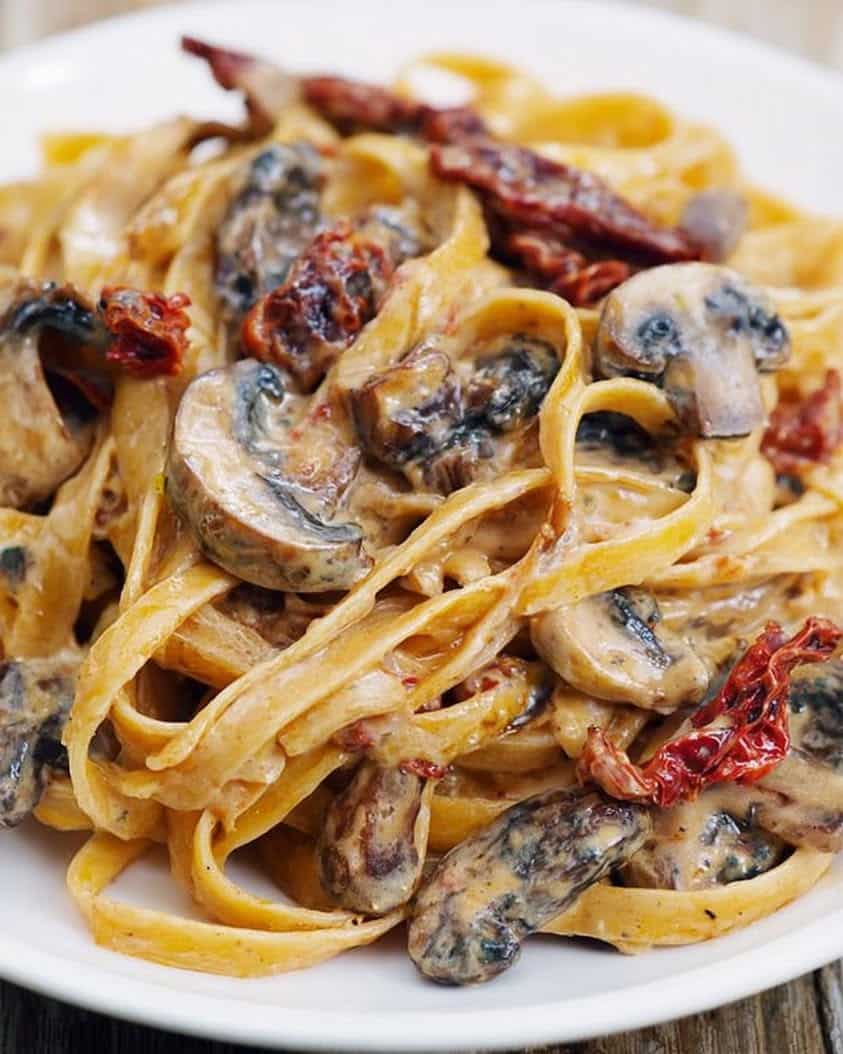
Creamy Sun-Dried Tomato Mushroom Pasta with Garlic Basil Sauce: A Restaurant-Quality Weeknight Wonder
Imagine a bowl of perfectly al dente pasta, generously coated in a lusciously creamy garlic basil sauce, and studded with savory sun-dried tomatoes and earthy, golden-brown mushrooms. This Creamy Sun-Dried Tomato Mushroom Pasta with Garlic Basil Sauce is exactly that dream, made real in your kitchen in about half an hour. Moreover, it delivers a depth of flavor that feels gourmet, yet the process is wonderfully straightforward. Consequently, this dish is perfect for both a busy Tuesday night and a casual weekend dinner party where you want to impress without stress.
The magic of this pasta recipe lies in its harmonious balance. First, the sun-dried tomatoes contribute a powerful, sweet-tart umami punch. Simultaneously, the mushrooms offer a meaty texture and soak up the aromatic garlic and herb-infused sauce. Ultimately, the creamy garlic basil sauce ties everything together with its velvety richness and fresh, fragrant finish. Each forkful is a delightful contrast of tangy, savory, and herbal notes that will have everyone at the table asking for seconds.
This Creamy Sun-Dried Tomato Mushroom Pasta with Garlic Basil Sauce is also incredibly versatile. For instance, you can easily adapt it to suit dietary needs or personal pantry staples. Whether you serve it as a luxurious vegetarian main or a stunning side dish, it promises satisfaction. Therefore, let’s dive into how you can create this restaurant-quality pasta dish at home, transforming simple ingredients into an extraordinary meal.
Quick Recipe Highlights
- Flavor Profile: This dish features a robust umami foundation from the sun-dried tomatoes and mushrooms, perfectly balanced by the rich, creamy sauce. The garlic provides a pungent backbone, while fresh basil adds a bright, aromatic lift that cuts through the richness beautifully.
- Texture: You will enjoy a wonderful interplay of textures. The pasta offers a satisfying chew, the mushrooms are tender yet meaty, and the sun-dried tomatoes provide a delightful, slightly chewy contrast. Meanwhile, the sauce itself is luxuriously smooth and clings to every noodle.
- Aroma: As it cooks, your kitchen will fill with the irresistible scent of sizzling garlic and herbs. The fragrance of fresh basil added at the end is particularly intoxicating, signaling a fresh and flavorful meal is ready.
- Visual Appeal: This pasta is a feast for the eyes with its vibrant colors. The deep red of the tomatoes, the golden-brown of the mushrooms, the green flecks of basil, and the creamy white sauce create a plate that looks as good as it tastes.
- Skill Level Needed: This is a fantastic recipe for cooks of all levels. It requires basic sautéing and simmering techniques. Importantly, timing the pasta to finish with the sauce is the key skill, which is easy to master.
- Special Equipment: No special tools are required. You just need a large pot for boiling pasta and a large skillet or sauté pan for making the sauce. A good chef’s knife for chopping is helpful, but that’s it.
Recipe Overview
- Difficulty Level: We rate this Creamy Sun-Dried Tomato Mushroom Pasta as “Easy.” The steps are sequential and logical: prep ingredients, cook pasta, sauté vegetables, and build the sauce. There are no advanced techniques like making a roux from scratch; the cream simplifies the process. Consequently, even a beginner can achieve fantastic results by following the clear instructions.
- Category: This dish firmly sits as a satisfying main course for a vegetarian meal. It can also serve as a substantial side dish alongside grilled chicken or fish. Furthermore, it fits into the category of “comfort food” and “date night at home” recipes perfectly.
- Cuisine: While pasta is inherently Italian, this recipe takes inspiration from modern Italian-American cuisine. It uses classic Mediterranean ingredients like sun-dried tomatoes, garlic, and basil but incorporates a creamy element for a richer, more indulgent result. It’s a fusion that celebrates bold flavors.
- Cost: This is a very cost-effective meal, especially considering its impressive presentation. The most expensive items are often the sun-dried tomatoes and heavy cream, but a little goes a long way. Using basic white button mushrooms keeps costs down. Overall, it’s far cheaper than ordering a similar dish at a restaurant.
- Season: This pasta is truly a year-round winner. It feels hearty enough for fall and winter, yet the fresh basil makes it light and appropriate for spring and summer. Sun-dried tomatoes, being preserved, offer their intense flavor in any season, making this a reliable go-to recipe.
- Occasion: It’s ideal for a quick family dinner, a romantic evening in, or potluck gatherings. Because it comes together quickly and can be easily doubled, it’s also excellent for casual entertaining. Simply put, it’s a versatile dish for almost any informal occasion.
Why You’ll Love This Recipe
First and foremost, the taste and texture of this Creamy Sun-Dried Tomato Mushroom Pasta are utterly captivating. Each component brings something special: the intense, concentrated sweetness of the tomatoes, the earthy savoriness of the mushrooms, and the fragrant, garlicky cream sauce. Together, they create a symphony of flavors that is both comforting and sophisticated. The sauce clings to the pasta ribbons beautifully, ensuring every bite is perfectly coated and bursting with flavor. You will find it hard to believe something this delicious came from your own stove in such a short time.
From a practical standpoint, the convenience of this recipe is a major win. It requires just one pot for the pasta and one pan for the sauce, meaning cleanup is minimal. Additionally, most of the ingredients are pantry staples or easy to find year-round. The active cooking time is focused and efficient, allowing you to have a spectacular meal on the table in well under an hour. This makes it a perfect solution for those nights when you want something special but lack the energy for a complicated culinary project.
Nutritionally, this dish offers several advantages. Mushrooms are a great source of B vitamins and antioxidants, while sun-dried tomatoes are packed with lycopene. Using a moderate amount of cream creates richness without overdoing it, and you control the salt and quality of all ingredients. To boost the nutritional profile further, you can use whole-wheat pasta or add a handful of spinach at the end. It’s a meal that feels indulgent but is made with real, recognizable foods.
For social and entertaining value, this pasta is a superstar. It is universally appealing and can please both vegetarians and meat-eaters alike. Presenting a beautiful, aromatic dish that you cooked from scratch is always impressive. Because the entire recipe can be made in about 30 minutes, you can spend less time in the kitchen and more time with your guests. It’s the kind of meal that sparks conversation and requests for the recipe.
Finally, the cost-effectiveness and accessibility of this Creamy Sun-Dried Tomato Mushroom Pasta cannot be overstated. Creating a restaurant-quality pasta dish at home costs a fraction of the price of dining out. You can easily adapt it based on what you have; for example, use different mushroom varieties or substitute half-and-half for a lighter sauce. This flexibility and affordability make it a reliable staple in your weekly meal rotation.
Historical Background and Cultural Significance
The story of sun-dried tomatoes is a tale of preservation and intensified flavor. Originating in Southern Italy, particularly in regions like Sicily and Apulia, the practice of drying tomatoes under the hot Mediterranean sun was born out of necessity. It allowed people to enjoy the taste of summer’s bounty throughout the winter months. This method concentrates the tomato’s sugars and acids, creating a powerful, chewy ingredient that packs a huge umami punch. Today, they are a beloved staple in pantries worldwide, symbolizing the ingenuity of traditional food preservation.
Pasta with mushroom and garlic sauces has deep roots in Italian cucina povera, or “poor kitchen,” which focuses on simple, hearty, and affordable ingredients. Foraging for wild mushrooms like porcini or oyster mushrooms was common, and cooking them with garlic and olive oil created a deeply flavorful sauce without the need for expensive meat. This Creamy Sun-Dried Tomato Mushroom Pasta with Garlic Basil Sauce is a modern, enriched evolution of those traditions, adding cream and sun-dried tomatoes for extra luxury and depth.
The evolution of this specific recipe reflects broader trends in home cooking. As global ingredients became more accessible, home cooks began experimenting, blending traditions. The addition of heavy cream to a garlic and herb sauce creates a “rosa” or pink sauce, which is less traditional than a simple aglio e olio but immensely popular for its comforting texture. This recipe sits at a delicious crossroads: it honors the Italian foundation of quality ingredients while embracing a modern desire for creamy, satisfying comfort food.
Regional variations of this concept are endless. In Northern Italy, you might find a similar dish using fresh porcini mushrooms and a touch of cream. In America, the addition of sun-dried tomatoes became wildly popular in the 1990s, and they have remained a favorite ingredient for adding instant flavor. Some versions include Parmesan cheese, white wine, or a pinch of red pepper flakes. This particular recipe is a celebration of that fusion, creating a globally-inspired dish that feels both familiar and excitingly new.
Ingredient Deep Dive
Sun-Dried Tomatoes: These are the flavor powerhouses of the dish. Traditionally dried in the sun, they undergo a transformation where their flavor intensifies dramatically, becoming sweet, tangy, and rich in umami. Nutritionally, they are an excellent source of lycopene, an antioxidant, and fiber. When selecting them, you can choose between dry-packed or oil-packed; oil-packed are softer and ready to use, while dry-packed may need a brief soak. For this recipe, oil-packed are convenient, and you can use the flavorful oil from the jar to sauté the garlic. Store any leftovers in their oil in the refrigerator.
Mushrooms: White button or cremini mushrooms are perfect here, offering an earthy, savory quality often described as “umami.” They have cultural significance worldwide as foraged foods and are valued for their meaty texture. They are low in calories but provide B vitamins, selenium, and potassium. Choose mushrooms that are firm, dry, and without slimy spots. Avoid washing them under water; instead, wipe clean with a damp paper towel. For a deeper flavor, try using a mix of cremini and shiitake mushrooms. They store best in a paper bag in the refrigerator.
Heavy Cream: This ingredient is responsible for the luxurious, velvety texture of the garlic basil sauce. Cream has been used for centuries to enrich sauces and soups across European cuisines. It provides richness and helps emulsify the flavors of the garlic and herbs. For a lighter version, half-and-half can be used, though the sauce will be slightly less thick. Always ensure your cream is fresh and not close to its expiration date. To store, always keep it refrigerated and use it within a week of opening. For a dairy-free alternative, full-fat coconut cream can provide a similar richness.
Fresh Basil: Basil is the aromatic soul of this dish, especially when added fresh at the end. It has a revered place in Italian and Southeast Asian cooking, symbolizing love and hospitality. Its bright, peppery, and slightly sweet flavor cuts through the richness of the cream. Basil contains antioxidants and essential oils like eugenol. Choose bunches with vibrant green leaves, no black spots. To store, treat it like a bouquet: trim the stems and place in a glass of water on the counter. For maximum flavor, never cook basil for long; stir it in at the last moment.
Garlic: Garlic is the foundational aromatic, providing a pungent, savory depth that is essential to the sauce’s character. Historically used for both culinary and medicinal purposes, it’s a staple in countless global cuisines. It contains allicin, a compound with noted health benefits. Use fresh, firm garlic cloves for the best flavor. The key technique here is to sauté it gently until fragrant but not browned, as burned garlic turns bitter. If you’re in a pinch, you can use pre-minced garlic, but fresh will always yield a superior, brighter taste.
Common Mistakes to Avoid
- Overcooking the Garlic: Sautéing the garlic over too high heat will cause it to burn in seconds, resulting in a bitter, acrid flavor that can ruin the entire sauce. Always cook it over medium-low heat just until it becomes fragrant, which usually takes only about 30 to 60 seconds.
- Using Pre-Shredded Parmesan: While Parmesan is optional, if you use it, always grate it fresh from a block. Pre-shredded cheese contains anti-caking agents that prevent it from melting smoothly into the sauce, often leaving a grainy texture.
- Crowding the Pan with Mushrooms: If you dump all the mushrooms into the pan at once, they will steam and release their water simultaneously, becoming soggy. Cook them in batches if necessary to ensure they have space to brown and caramelize properly.
- Adding Basil Too Early: Fresh basil is delicate and loses its vibrant flavor and color when cooked for too long. Always stir it in at the very end, off the heat, to preserve its aromatic qualities.
- Not Reserving Pasta Water: The starchy, salty pasta water is liquid gold for sauce-making. Forgetting to save a cup before draining the pasta means you lose the best tool for thinning and emulsifying your sauce to a silky consistency.
- Overcooking the Pasta: Remember that the pasta will continue to cook slightly when tossed with the hot sauce. Therefore, you should cook it to al dente, meaning it still has a slight bite, to avoid ending up with mushy noodles in the final dish.
- Using Cold Cream Straight from the Fridge: Adding very cold cream to a hot pan can sometimes cause it to curdle or seize. Letting it sit out for 10-15 minutes to take the chill off can help it incorporate more smoothly.
- Neglecting to Season in Layers: Season only at the end, and your dish will taste flat. Season the mushrooms with a pinch of salt as they cook, and taste the sauce before combining it with the pasta. Building layers of seasoning is the secret to a deeply flavorful result.
Essential Techniques
Sautéing Garlic to Perfection: This technique is crucial for building a flavorful base without bitterness. First, ensure your oil or butter is warm but not smoking. Then, add the minced garlic and cook over medium-low heat, stirring constantly. The moment you smell its strong, nutty aroma and see it turn just a shade lighter, it’s done. This usually takes less than a minute. The goal is to gently cook the raw edge off and release its oils, not to brown it. Mastering this step ensures your sauce has a sweet, aromatic foundation rather than a harsh, burned taste.
Developing Fond (The Brown Bits): When you sauté the mushrooms, they release moisture and then begin to brown, leaving delicious caramelized bits stuck to the bottom of the pan. This layer of flavor is called “fond.” Do not scrape it off aggressively during cooking. Instead, when you add the broth or cream later, use a wooden spoon to gently deglaze the pan, dissolving those brown bits into the liquid. This technique incorporates immense depth and savory complexity into your Creamy Sun-Dried Tomato Mushroom Pasta sauce, transforming it from simple to spectacular.
Emulsifying the Sauce with Pasta Water: This is the magic trick for a restaurant-quality finish. The starchy pasta water acts as an emulsifier, helping the water-based components and the fat from the cream bind together into a smooth, cohesive sauce that clings to the pasta. After combining the pasta and sauce, add the reserved water a splash at a time while tossing vigorously. The heat and motion will encourage the starches to thicken the sauce slightly and help it coat each noodle evenly, creating a glossy, professional result.
Pro Tips for Perfect Creamy Sun-Dried Tomato Mushroom Pasta
First, time your pasta water to boil as you start the sauce. This ensures your pasta is ready just as your sauce finishes, so everything can be combined hot and fresh.
Use the oil from the sun-dried tomato jar to sauté the garlic. This infused oil carries incredible flavor and is a fantastic way to reduce waste while boosting taste.
Let your heavy cream sit out on the counter for 10-15 minutes before using. Adding room-temperature cream to the hot pan helps it incorporate smoothly and reduces the risk of curdling.
If using dry-packed sun-dried tomatoes, rehydrate them in hot water or broth for 10 minutes before adding to the dish. This step plumps them up and ensures a pleasant texture.
Finish the dish with a final drizzle of high-quality extra virgin olive oil just before serving. This adds a fresh, fruity note and a beautiful sheen to the finished pasta.
For an extra flavor dimension, add a splash of dry white wine to the pan after sautéing the mushrooms. Let it reduce by half before adding the broth and cream.
Always reserve more pasta water than you think you’ll need—at least one cup. You can add it gradually until the sauce reaches your desired consistency.
Grate a little fresh nutmeg into the cream sauce. This is a classic Italian trick that subtly enhances the cream’s flavor without being identifiable.
Variations and Adaptations
Regional Variations: For a more Northern Italian twist, use fresh porcini or chanterelle mushrooms when in season and finish with a touch of truffle oil. A Southern Italian version might skip the cream entirely, using just the sun-dried tomato oil, garlic, chili flakes, and a splash of pasta water for a lighter, aglio e olio-style dish.
Seasonal Adaptations: In spring, add a handful of fresh peas or asparagus tips with the mushrooms. During summer, stir in fresh, diced ripe tomatoes at the end for a burst of juiciness. In autumn, incorporate roasted butternut squash cubes for sweetness and color.
Dietary Modifications: For a gluten-free version, use your favorite gluten-free pasta. To make it vegan, substitute the heavy cream with full-fat coconut cream or a cashew cream sauce, and use nutritional yeast instead of Parmesan. For a keto or low-carb adaptation, serve the sauce over spiralized zucchini noodles or shirataki noodles.
Flavor Variations: Add a pinch of red pepper flakes with the garlic for a spicy kick. Stir in two tablespoons of tomato paste when sautéing the mushrooms for a deeper tomato flavor. Incorporate a teaspoon of Italian seasoning into the cream for an extra herbal note.
Texture Modifications: For a chunkier sauce, use sliced cremini mushrooms. For a more integrated texture, chop the sun-dried tomatoes and mushrooms more finely. To add protein, mix in cooked, shredded chicken, Italian sausage, or cannellini beans at the end.
Presentation Alternatives: Serve the pasta in a large, shallow bowl for a rustic family-style presentation. For individual plating, use a carving fork to twirl neat nests of pasta in the center of each plate. Garnish with a whole basil sprig and a shaving of Parmesan for an elegant touch.
Serving and Presentation Guide
Plating this pasta beautifully enhances the dining experience. For a family-style meal, present it in a large, wide, shallow bowl or a pre-warmed serving platter. Toss the pasta with the sauce in the pan until perfectly coated, then transfer it all at once, ensuring the sun-dried tomatoes and mushrooms are evenly distributed. The visual of the creamy sauce clinging to the pasta, dotted with red and brown, is instantly appealing.
Garnishing is simple but effective. A final scattering of torn fresh basil leaves is non-negotiable for color and aroma. A light dusting of freshly grated Parmesan or Pecorino Romano cheese adds a salty, savory note. For a touch of luxury and texture, a small handful of toasted pine nuts or walnuts sprinkled on top provides a delightful crunch that contrasts the creamy sauce.
Traditional accompaniments keep the meal Italian-inspired. Start with a simple arugula salad dressed with lemon juice and olive oil to cut through the richness. A side of crusty, warm bread like ciabatta or focaccia is essential for soaking up every last bit of the delicious garlic basil sauce. For a beverage, a glass of chilled Pinot Grigio or Chianti complements the flavors perfectly.
Modern serving suggestions might include pairing it with a grilled vegetable skewer or a lemony white bean salad for a lighter, more summery spread. You can also serve smaller portions as a primo (first course) before a simple main like grilled fish or chicken. For temperature, serve the pasta immediately while it’s piping hot and the sauce is at its creamiest.
Portion control is easy with pasta. A good rule of thumb is about 2 ounces of dry pasta per person for a side dish and 3 to 4 ounces for a main course. This recipe uses 12 ounces of pasta for four main-course servings, which is a satisfying and generous amount. Remember, the sauce is rich, so a little goes a long way in terms of flavor and satisfaction.
Wine and Beverage Pairing
Choosing the right wine elevates this meal. The rich, creamy sauce and umami-rich ingredients call for a white wine with good acidity to cleanse the palate. A Pinot Grigio from Italy is a classic choice; its crisp, citrusy notes cut through the richness beautifully. Alternatively, an unoaked Chardonnay provides a fuller body that can stand up to the sauce without overpowering it. For red wine lovers, a light-bodied, low-tannin red like a Pinot Noir works surprisingly well, as its red fruit flavors complement the tomatoes without clashing with the cream.
For non-alcoholic alternatives, consider sparkling water with a twist of lemon or lime to refresh the palate between bites. A homemade basil lemonade, where muddled basil is added to classic lemonade, mirrors the herbal notes in the dish. Iced herbal teas, such as mint or chamomile, are also gentle and complementary. The key is to avoid overly sweet drinks, which can compete with the savory depth of the pasta.
If considering coffee or tea after the meal, opt for a medium-roast coffee or an espresso. The bitterness can be a nice palate cleanser. For tea, a light black tea like Darjeeling or an herbal peppermint tea would be soothing and digestif. Serve these beverages at their traditional temperatures—hot coffee and tea, cold non-alcoholic options—to provide a contrasting sensation to the warm pasta.
When serving wine, temperature is critical. White wines should be chilled but not ice-cold (around 45-50°F), so their flavors are not muted. A light red like Pinot Noir is best served slightly cooler than room temperature, around 55°F. Pour wine into appropriate glassware to allow the aromas to develop, enhancing the pairing experience with your Creamy Sun-Dried Tomato Mushroom Pasta.
Storage and Shelf Life
Proper storage is key to enjoying leftovers. First, allow the pasta to cool to room temperature, but do not leave it out for more than two hours to prevent bacterial growth. Transfer it to an airtight container and refrigerate. The Creamy Sun-Dried Tomato Mushroom Pasta will keep well for up to 3-4 days. The sauce may thicken significantly as the pasta absorbs it and the cream chills.
Reheating requires care to maintain the sauce’s texture. The best method is on the stovetop. Place the pasta in a skillet with a splash of milk, broth, or water. Gently heat over medium-low, stirring frequently, until warmed through. This adds back the necessary moisture and helps re-emulsify the sauce. You can also use a microwave: place in a microwave-safe dish, add a tablespoon of liquid, cover loosely, and heat in 30-second intervals, stirring in between.
Freezing is possible but not ideal for cream-based sauces, as they can separate or become grainy upon thawing. If you must freeze, do so in a single layer in a freezer bag, pressing out all air. Thaw overnight in the refrigerator before reheating gently on the stovetop with added liquid. Be aware the texture of the pasta will be softer. For best quality, consume frozen pasta within one month.
Signs of spoilage are straightforward. Discard the pasta if you notice an off or sour smell, visible mold, or if it has been in the refrigerator for longer than four days. The fresh basil will wilt and darken quickly, but this is a textural issue, not necessarily a safety one, if it occurs within a day or two.
Make Ahead Strategies
You can efficiently break this recipe into stages. The day before, prep all your ingredients: slice the mushrooms, mince the garlic, chop the sun-dried tomatoes, and measure out your cream and broth. Store each component in separate containers in the refrigerator. This “mise en place” cuts your active cooking time in half on the day of serving, making the process feel effortless.
For the sauce itself, you can prepare it completely 1-2 days in advance, stopping before adding the fresh basil. Cool the sauce quickly and store it in an airtight container in the fridge. When ready to serve, reheat the sauce gently in a pan while you cook fresh pasta. Stir in the fresh basil at the very end. This method ensures the basil’s flavor and color remain vibrant.
Assessing quality impact is important. Pasta cooked ahead and stored will continue to absorb sauce and become softer. Therefore, for the best texture, always cook your pasta fresh. The sauce may thicken in the fridge; simply thin it with a little broth or milk when reheating. The flavors often meld and improve overnight, making an advance-made sauce potentially even more delicious.
Assembly is simple when components are prepped. Bring your sauce to a simmer, cook your pasta to al dente, and combine them with the reserved pasta water. The final addition of fresh basil and Parmesan should always happen just before serving to preserve their fresh qualities and textures.
Scaling Instructions
Halving the recipe is straightforward for one or two servings. Use 6 ounces of pasta, half of all other ingredients, and a medium skillet. The cooking times will remain roughly the same, though the sauce may reduce a bit faster due to the smaller volume, so keep an eye on it. You may need slightly less reserved pasta water to achieve the perfect consistency.
Doubling or tripling the recipe for a crowd requires some adjustments. Use a very large pot for boiling the pasta and the largest skillet or Dutch oven you have for the sauce. You may need to sauté the mushrooms in two batches to avoid steaming them. The sauce might take a few minutes longer to reduce and thicken. Importantly, remember to proportionally increase the amount of reserved pasta water you save—it’s crucial for saucing a large batch properly.
Equipment adjustments are key for scaling up. If you don’t have a pan large enough for a doubled sauce, you can prepare the sauce in batches or transfer everything to a large pot after sautéing the mushrooms. For tripling, consider using two separate pans for the sauce to manage volume and cooking time effectively.
Timing modifications are minimal when scaling. The prep time will increase as you have more vegetables to slice. The sauce cooking time may increase by a few minutes when making a larger batch, as it will take longer for the liquid to reduce. Always taste and adjust seasoning at the end, as larger batches can require more salt and herbs to achieve balanced flavor.
Nutritional Deep Dive
This dish provides a balanced mix of macronutrients. The pasta is a primary source of carbohydrates, offering energy. The heavy cream and olive oil contribute healthy fats, which aid in the absorption of fat-soluble vitamins and provide satiety. Mushrooms add a small amount of plant-based protein. For a more complete protein profile, consider adding white beans or serving with a side of grilled chicken.
A micronutrient analysis reveals several benefits. Sun-dried tomatoes are rich in lycopene, an antioxidant linked to heart health. Mushrooms provide B vitamins, crucial for energy metabolism, and selenium, which supports the immune system. Garlic contains allicin, known for its potential anti-inflammatory properties. Fresh basil offers vitamin K, important for bone health, and various antioxidants.
The health benefits are tied to its whole-food ingredients. This meal is vegetarian and can be part of a balanced diet. The fiber from the vegetables and pasta supports digestive health. Using olive oil as the cooking fat provides monounsaturated fats, which are beneficial for heart health. Controlling the sodium by salting to taste is another advantage over restaurant versions.
For dietary considerations, this is naturally vegetarian. With the modifications outlined earlier, it can easily be made gluten-free, vegan, or dairy-free. For those watching calorie intake, be mindful of portion size due to the cream, or use the lighter adaptation with half-and-half. It is not inherently low-carb, but serving it over vegetable noodles solves that.
Portion analysis shows one serving (a quarter of this recipe) is satisfying and substantial. To manage weight, pair it with a large side salad filled with leafy greens to increase volume and fiber without significantly adding calories. This helps create a balanced plate and promotes fullness.
Dietary Adaptations
Gluten-Free: This adaptation is incredibly simple. Substitute the regular pasta with a high-quality gluten-free pasta made from brown rice, quinoa, or a legume blend. Be sure to cook it according to package directions, as gluten-free pasta often has a different texture and cooking time. Reserve the pasta water as usual, as it will still be starchy and useful for the sauce.
Dairy-Free/Vegan: Replace the heavy cream with full-fat canned coconut milk or a plain, unsweetened plant-based cream alternative. Use a vegan butter or olive oil for sautéing. For the Parmesan garnish, use nutritional yeast, which provides a cheesy, umami flavor. Ensure your sun-dried tomatoes are packed in oil without any dairy additives.
Low-Carb/Keto: Omit the traditional pasta entirely. Instead, serve the luxurious sun-dried tomato and mushroom garlic basil sauce over spiralized zucchini noodles (zoodles), shirataki noodles, or roasted spaghetti squash. You can also add extra mushrooms or some diced chicken to make the dish more substantial without the carbs.
Paleo: Follow the low-carb adaptations for the pasta. Ensure the sun-dried tomatoes and broth are compliant (no added sugars or non-Paleo ingredients). Use ghee or avocado oil instead of regular butter for sautéing, and coconut cream as the dairy substitute.
Low-FODMAP: This requires more specific swaps. Use garlic-infused oil instead of sautéing fresh garlic to get the flavor without the high-FODMAP garlic fructans. Omit the mushrooms or use a small amount of oyster mushrooms, which are low-FODMAP in limited quantities. Ensure the broth is gluten-free and onion-free.
Troubleshooting Guide
Sauce is Too Thin: If your sauce hasn’t thickened to your liking, let it simmer uncovered for a few more minutes to reduce and concentrate. Alternatively, create a quick slurry by mixing a teaspoon of cornstarch with a tablespoon of cold water, then whisk it into the simmering sauce. It will thicken almost immediately. Remember, the sauce will also thicken as it cools and when combined with the starchy pasta.
Sauce is Too Thick: This is an easy fix. Simply thin the sauce with more of your reserved pasta water, adding a splash at a time and stirring until it reaches the desired consistency. If you’ve run out of pasta water, warm broth or even a little milk will work. The goal is a sauce that coats the back of a spoon but is still fluid enough to toss with the pasta.
Lacking Flavor Depth: If the dish tastes flat, it likely needs more seasoning. Add salt in small increments, tasting as you go. A squeeze of fresh lemon juice can brighten all the flavors. A pinch of red pepper flakes adds heat and complexity. Finally, a dash of umami boosters like a teaspoon of soy sauce or Worcestershire sauce (use vegan if needed) can deepen the savory profile without being detectable.
Cream Sauce Curdles or Breaks: If your sauce looks grainy or separated, it’s likely due to overheating or adding cold cream to a very hot pan too quickly. To fix it, remove the pan from heat immediately. Try whisking in a tablespoon of cold cream or broth to lower the temperature and re-emulsify. If that fails, you can carefully blend the sauce with an immersion blender to smooth it out.
Mushrooms Released Too Much Water: If your pan is full of liquid and the mushrooms are steaming instead of browning, the heat is too low, or the pan is overcrowded. Turn up the heat to medium-high and let the liquid evaporate. Continue cooking until the mushrooms start to sizzle again and brown. You can also temporarily remove the mushrooms with a slotted spoon, reduce the liquid, then return them to the pan.
Recipe Success Stories
Community feedback on this Creamy Sun-Dried Tomato Mushroom Pasta has been overwhelmingly positive. Many home cooks report that it has become a weekly staple, with one reader calling it “the pasta that made my family believe I could cook.” Others love its flexibility, often adding spinach for extra greens or using it as a base for leftover roasted chicken. The consistent praise highlights how the recipe delivers restaurant-quality results with home-kitchen simplicity.
Variation successes are fun to hear about. One cook used a mix of wild mushrooms from the farmer’s market and said it elevated the dish to a special-occasion level. Another added a splash of balsamic glaze at the end for a sweet Print
Sun-Dried Tomato and Mushroom Pasta in Garlic Basil Sauce
- Total Time: 45 minutes
- Yield: 4
Description
A savory pasta dish featuring sun-dried tomatoes and mushrooms tossed in a rich garlic basil sauce, perfect for a quick and flavorful meal.
Ingredients
- 12 oz pasta (such as fettuccine or penne)
- 2 tbsp olive oil
- 4 cloves garlic, minced
- 8 oz mushrooms, sliced
- 1/2 cup sun-dried tomatoes, chopped
- 1 cup heavy cream
- 1/2 cup vegetable broth
- 1/4 cup fresh basil, chopped
- Salt and black pepper to taste
- Grated Parmesan cheese for serving
Instructions
- Cook pasta according to package instructions until al dente, then drain and set aside.
- In a large skillet, heat olive oil over medium heat. Add garlic and sauté for 1 minute until fragrant.
- Add mushrooms and sun-dried tomatoes to the skillet, cooking for 5-7 minutes until mushrooms are tender.
- Pour in heavy cream and vegetable broth, stirring to combine. Simmer for 5 minutes until the sauce thickens slightly.
- Stir in fresh basil and season with salt and black pepper.
- Add cooked pasta to the skillet, tossing to coat evenly in the sauce. Serve hot with grated Parmesan cheese.
Notes
You can customize the seasonings to taste.
- Prep Time: 15 minutes
- Cook Time: 30 minutes
- Method: Main
- Cuisine: Italian