Sun-Dried Tomato Olive Oil Bread Dip Recipe for Easy Entertaining
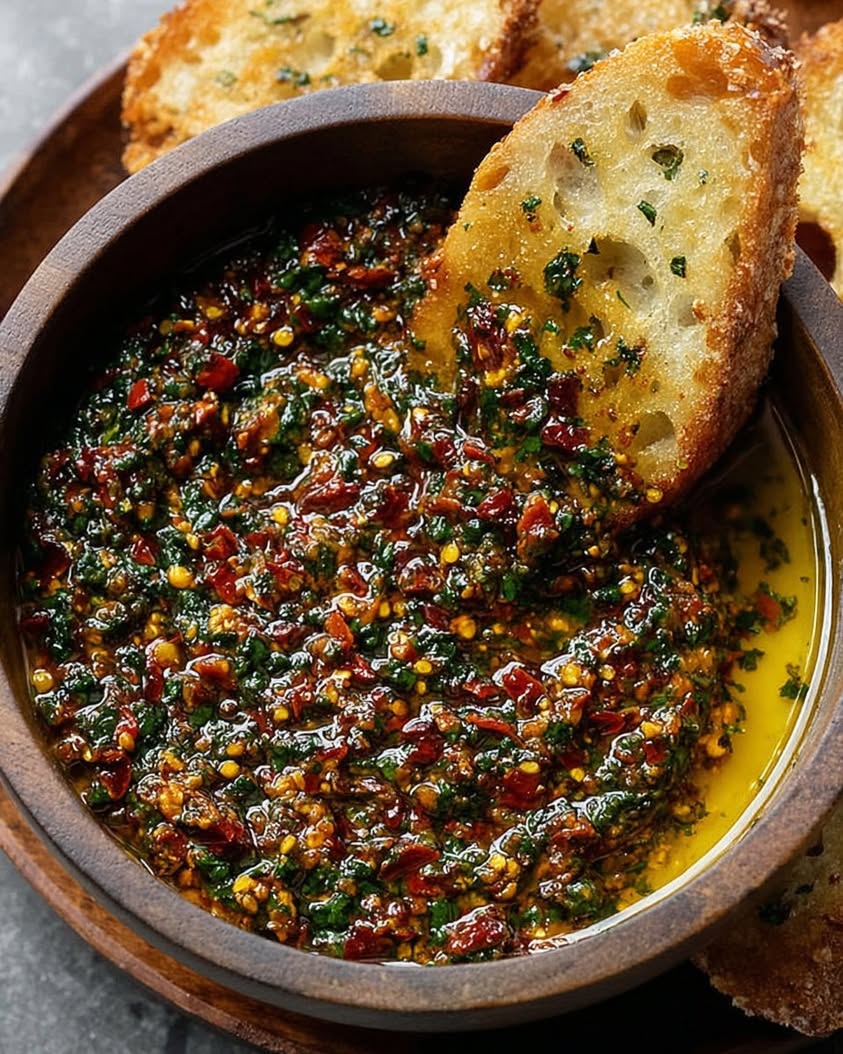
Impress your guests instantly with this stunning Sun-Dried Tomato Olive Oil Bread Dip Recipe for Easy Entertaining. This vibrant, flavor-packed appetizer transforms simple ingredients into a show-stopping centerpiece for your table. Moreover, it captures the essence of Mediterranean cuisine in every single bite. Consequently, you will create a memorable experience without spending hours in the kitchen.
Imagine tearing a piece of warm, crusty bread and dragging it through a golden pool of extra virgin olive oil. Next, picture that oil infused with the deep, tangy sweetness of sun-dried tomatoes, the sharp bite of garlic, and the herbal freshness of basil and oregano. This Sun-Dried Tomato Olive Oil Bread Dip Recipe for Easy Entertaining delivers exactly that sensory journey. Ultimately, it is a foolproof way to make any meal feel like a special occasion.
Furthermore, this recipe celebrates the art of simplicity. It relies on the quality of a few key components to build incredible depth. The process involves no cooking, just thoughtful assembly. Therefore, it is perfect for last-minute gatherings or when you want to elevate a weeknight dinner. This Sun-Dried Tomato Olive Oil Bread Dip Recipe for Easy Entertaining proves that the best dishes are often the most straightforward.
Quick Recipe Highlights
- Flavor Profile: This dip boasts a robust, umami-rich base from the sun-dried tomatoes, perfectly balanced by the fruity acidity of high-quality olive oil. Additionally, fresh garlic and herbs add layers of aromatic complexity, while a pinch of red pepper flakes introduces a subtle, warming heat.
- Texture: The dip features a luxurious, silky oil base punctuated by the delightful chew of chopped sun-dried tomatoes and the fine grit of grated Parmesan. Consequently, each scoop offers a satisfying contrast between the liquid gold and the flavorful solid bits suspended within it.
- Aroma: Upon preparation, the air fills with the heady, earthy scent of dried oregano and basil mingling with the pungent, inviting fragrance of freshly minced garlic. The rich, almost nutty aroma of the olive oil ties everything together into an unmistakably Mediterranean bouquet.
- Visual Appeal: The presentation is a feast for the eyes, featuring a deep crimson hue from the tomato oil and sun-dried tomatoes, speckled with green herbs and white Parmesan. Served in a shallow dish, it creates a beautiful, rustic centerpiece that promises great taste.
- Skill Level Needed: Absolutely no advanced culinary skills are required. This recipe is a simple chop, mix, and combine operation. As long as you can safely use a knife and a grater, you can master this impressive appetizer with total confidence.
- Special Equipment: You need only basic kitchen tools: a sharp knife for mincing, a cutting board, a microplane or box grater for the cheese, and a medium mixing bowl. A jar with a tight lid is also useful if you choose to make the dip ahead of time.
Recipe Overview
- Difficulty Level: We rate this recipe as “Easy” because it involves zero cooking techniques. The entire process is assembly-based, requiring only knife skills for mincing garlic and chopping herbs and tomatoes. There is no heat management, precise timing, or complex procedures to worry about, making it accessible for cooks of all levels.
- Category: This dish falls squarely into the appetizer and snack category, designed to stimulate the appetite before a main meal. It also functions beautifully as part of a mezze or charcuterie board. Furthermore, it can be a simple, elegant component of a light lunch when paired with a salad.
- Cuisine: The recipe draws direct inspiration from Italian and broader Mediterranean culinary traditions, where high-quality olive oil and preserved tomatoes are staples. It echoes the simplicity and focus on prime ingredients found in rustic trattoria cooking, celebrating the region’s love for communal, bread-based starters.
- Cost: This is a very cost-effective appetizer. While investing in a good bottle of extra virgin olive oil is recommended, the quantity used per batch is small. Sun-dried tomatoes, herbs, and garlic are relatively inexpensive, especially considering the impressive yield and flavor payoff. You can create a restaurant-quality dish for a fraction of the price.
- Season: This Sun-Dried Tomato Olive Oil Bread Dip Recipe for Easy Entertaining is truly a year-round champion. However, it shines brightest in the summer and fall when fresh basil is at its peak and outdoor entertaining is common. The robust flavors also provide a welcome burst of sunshine during colder winter months.
- Occasion: It is the ultimate party starter, perfect for holiday gatherings, game days, dinner parties, or casual get-togethers. Additionally, it makes for a romantic, shareable appetizer for a date night at home. It is versatile enough for any event where good food and conversation are the main attractions.
Why You’ll Love This Recipe
First and foremost, the taste and texture are utterly irresistible. This Sun-Dried Tomato Olive Oil Bread Dip Recipe for Easy Entertaining delivers a powerful punch of savory, tangy, and herbal notes in every single bite. The sun-dried tomatoes provide a concentrated sweetness that melds seamlessly with the peppery olive oil. Meanwhile, the garlic and herbs cut through the richness, creating a perfectly balanced flavor profile that keeps you reaching for more bread. The texture, with its combination of silky oil and chewy tomato bits, provides a satisfying mouthfeel that is both luxurious and rustic.
Secondly, the convenience factor is unbeatable. You can literally whip up this stunning appetizer in fifteen minutes flat with no cooking required. This makes it a lifesaver for unexpected guests or when you need an impressive dish without the stress. Furthermore, the ingredients are simple and often pantry staples, meaning you can likely assemble it without a special grocery trip. The simplicity of this Sun-Dried Tomato Olive Oil Bread Dip Recipe for Easy Entertaining belies its sophisticated final result, making you look like a culinary pro with minimal effort.
From a nutritional perspective, this dip offers several advantages when enjoyed in moderation. Extra virgin olive oil is a cornerstone of the heart-healthy Mediterranean diet, rich in monounsaturated fats and antioxidants. Sun-dried tomatoes are packed with lycopene, a powerful antioxidant, and provide fiber and vitamins. Using fresh herbs adds micronutrients without extra calories. Compared to many creamy, dairy-based dips, this option focuses on healthy fats and plant-based ingredients, aligning with a balanced approach to eating.
The social and entertaining value of this dish cannot be overstated. It is inherently shareable, encouraging interaction as guests gather around the table to dip and converse. It sets a relaxed, communal tone for any meal. Presenting this beautiful, homemade dip shows care and thoughtfulness, making your guests feel welcomed and valued. This Sun-Dried Tomato Olive Oil Bread Dip Recipe for Easy Entertaining is more than food; it is an experience that fosters connection and enjoyment.
Finally, it is remarkably cost-effective and accessible. You do not need expensive or hard-to-find ingredients to create something extraordinary. A single batch serves a crowd, stretching your entertainment budget further. The recipe is also highly adaptable based on what you have available, which we will explore later. This accessibility ensures that anyone, regardless of cooking experience or budget, can create a memorable and delicious starter that rivals any restaurant offering.
Historical Background and Cultural Significance
The tradition of dipping bread into seasoned olive oil has ancient roots across the Mediterranean basin. In Italy, this practice is known as “scarpetta,” which means “little shoe,” referring to the use of bread to mop up the delicious sauces and oils left on a plate. While plain olive oil with a sprinkle of salt is a classic starter, the addition of flavorful ingredients like sun-dried tomatoes represents a regional evolution. Specifically, sun-dried tomatoes hail from Southern Italy, where the hot summer sun provided a perfect, natural method for preserving tomato harvests. Consequently, cooks began infusing their precious olive oil with these intense flavor bombs.
Culturally, this dish embodies the Mediterranean philosophy of “cucina povera” or “poor kitchen,” which emphasizes making the most of simple, local, and preserved ingredients. Sun-dried tomatoes allowed families to enjoy the taste of summer tomatoes throughout the year. Combining them with olive oil, garlic, and wild herbs created a condiment that could elevate the daily bread. This practice turned a basic necessity into a moment of pleasure and celebration, highlighting the region’s deep respect for quality ingredients and communal dining.
The recipe evolved as it traveled and modernized. What began as a practical preservation method in home kitchens found its way into restaurant menus worldwide as a popular appetizer. The commercial availability of jarred sun-dried tomatoes packed in oil made the ingredient accessible globally. Chefs and home cooks then experimented, adding various herbs, cheeses, and spices to create personalized versions. The modern Sun-Dried Tomato Olive Oil Bread Dip Recipe for Easy Entertaining is a direct descendant of these traditions, updated for contemporary tastes and convenience while honoring its rustic origins.
Regional variations abound, reflecting local tastes and ingredients. In Provence, you might find Herbes de Provence and niçoise olives added to the mix. In Greece, crumbled feta cheese and Kalamata olives would be natural additions. Some American versions incorporate cream cheese for a spreadable texture. The core concept remains universal: using oil as a carrier for bold, preserved flavors to accompany bread. This adaptability is a testament to the recipe’s foundational strength and its enduring appeal across cultures and dining tables.
Ingredient Deep Dive
Let us start with the star: sun-dried tomatoes. Historically, these are tomatoes that have been dried in the sun for several days, a preservation technique dating back centuries in Italy. This process intensifies the tomato’s natural sugars and umami, creating a chewy, flavor-concentrated product. Nutritionally, they are an excellent source of lycopene (even more bioavailable than in fresh tomatoes), fiber, potassium, and vitamins C and K. For the best results in your Sun-Dried Tomato Olive Oil Bread Dip Recipe for Easy Entertaining, choose tomatoes packed in olive oil for superior moisture and flavor. Alternatively, you can rehydrate dry-packed ones in warm water. Store opened jars in the refrigerator.
Extra virgin olive oil (EVOO) is the soul of this dip. The term “extra virgin” means the oil is from the first cold pressing of olives, with no chemical treatment, resulting in the highest quality and most flavorful oil. It contains beneficial polyphenols and monounsaturated fats. For this recipe, use a robust, fruity EVOO that you enjoy tasting, as its flavor will be front and center. Avoid “light” olive oils, which are refined and lack character. Store your oil in a cool, dark place to prevent rancidity. While other oils can be used in a pinch, they will not deliver the authentic Mediterranean taste.
Fresh garlic provides the essential pungent kick. Garlic has been used both culinarily and medicinally for thousands of years. It contains allicin, a compound with noted health benefits. Freshly minced garlic offers a brighter, sharper heat compared to pre-minced or powdered versions, which is crucial for the dip’s vibrant flavor. To select the best garlic, choose firm, plump heads with tight, unbroken skin. Store in a cool, dry place with good air circulation. If you are sensitive to raw garlic’s bite, you can lightly sauté the minced garlic in a tablespoon of the olive oil to mellow its flavor before adding it to the mix.
Fresh herbs like basil and oregano are the aromatic backbone. Basil, synonymous with Italian cuisine, adds a sweet, peppery freshness. Oregano contributes a woodsy, slightly bitter note. Using fresh herbs is non-negotiable for the brightest flavor, though in a pinch, you can use high-quality dried oregano (use half the amount) and skip dried basil, which lacks potency. Look for vibrant, unwilted leaves. To store, treat basil like a bouquet in a glass of water on the counter, and keep oregano in a damp paper towel in the fridge. Their green color also adds vital visual appeal to the finished dip.
Parmesan cheese introduces a savory, salty depth and a slight granular texture. Authentic Parmigiano-Reggiano, while an investment, makes a noticeable difference with its complex, nutty flavor. It is a natural source of umami and calcium. Always grate it fresh from a block for the best melt-in-your-mouth quality and to avoid the anti-caking agents found in pre-grated bags. For a dairy-free version, nutritional yeast can provide a somewhat similar savory note, or you can simply omit it. Store Parmesan wrapped tightly in the refrigerator. A microplane grater will give you the light, fluffy grate that integrates perfectly into the oil.
Common Mistakes to Avoid
- Using low-quality olive oil. This is the most critical error. The oil is the base of the entire dip, so a bland or rancid oil will ruin the flavor. Always opt for a true extra virgin olive oil with a taste you enjoy on its own.
- Substituting dried basil for fresh. Dried basil loses most of its character and can taste dusty. If you cannot find fresh basil, simply omit it and increase the fresh oregano or add a pinch of dried Italian seasoning instead, but the fresh herb flavor will be missed.
- Not letting the dip rest. Combining the ingredients and serving immediately is fine, but the flavors do not have time to marry. For the best results, let the dip sit at room temperature for at least 30 minutes to allow the garlic and herb flavors to infuse the oil fully.
- Using pre-grated Parmesan cheese. Pre-grated cheese often contains cellulose to prevent clumping, which can make it gummy and prevent it from blending smoothly into the oil. It also lacks the fresh, complex flavor of a freshly grated block.
- Over-salting too early. Remember that both the sun-dried tomatoes (especially if oil-packed) and the Parmesan cheese contribute significant salt. Always taste the dip after mixing and just before serving, then adjust the salt if needed.
- Chopping the ingredients too coarsely. The goal is a cohesive dip where flavors meld. Very large chunks of tomato or garlic can be overwhelming in one bite. Aim for a fine mince on the garlic and a small, uniform dice on the tomatoes.
- Serving with the wrong bread. A soft, sandwich-style bread will become soggy and fall apart. Always choose a crusty, chewy bread like a baguette, ciabatta, or sourdough that can stand up to dipping and provide a satisfying texture contrast.
- Storing it incorrectly. If making ahead, store the dip in an airtight container in the refrigerator. However, remember to take it out at least an hour before serving. The olive oil will solidify when cold, and you want it to be liquid and dippable at room temperature.
Essential Techniques
Mincing garlic finely is a fundamental technique for this recipe. The goal is to create tiny, uniform pieces that will disperse their flavor evenly throughout the oil without creating a harsh, overwhelming bite in one spot. To master this, first crush the clove with the flat side of your knife to loosen the skin. Then, make thin lengthwise slices, hold them together, and make perpendicular cuts. Finally, rock your knife over the pile until you achieve a fine mince. The common pitfall is not crushing the clove first, which makes peeling and chopping more difficult. Success is indicated by a fragrant, paste-like consistency.
Properly chopping fresh herbs is another key skill. You want to release their aromatic oils without bruising them into blackness. For basil, stack the leaves, roll them into a tight cigar, and use a sharp knife to make thin slices (chiffonade). For oregano, simply strip the leaves from the woody stems and give them a rough chop. A dull knife will crush the herbs, causing them to oxidize and darken quickly. Always use a sharp chef’s knife and a quick, decisive cutting motion. The visual cue for success is bright green, distinct pieces of herb that smell intensely fragrant.
The art of infusion is the passive but crucial technique in this Sun-Dried Tomato Olive Oil Bread Dip Recipe for Easy Entertaining. After combining all ingredients, allowing them to rest is what transforms a mixture into a cohesive dip. During this time, the flavors from the garlic, herbs, and tomatoes slowly seep into the olive oil, creating a unified and complex flavor profile. The mistake is serving it immediately, which results in separate, disjointed tastes. To master it, simply cover the bowl and let it sit at room temperature. Success is measured by tasting; the flavors should taste blended and mellowed, not sharp and individual.
Pro Tips for Perfect Sun-Dried Tomato Olive Oil Bread Dip
Warm your serving bread slightly. Serving the dip with lightly warmed or toasted bread enhances the experience dramatically. The gentle heat helps the oil cling to the bread better and releases additional aromas.
Reserve some oil from the sun-dried tomato jar. If your tomatoes are oil-packed, use some of that flavorful infused oil in place of a portion of the plain olive oil. It adds an extra layer of tomato essence.
Add a splash of acidity. A small teaspoon of good balsamic vinegar or a squeeze of fresh lemon juice just before serving can brighten all the flavors and cut through the richness beautifully.
Toast your own dried spices. If using dried oregano, warm it in a dry pan for 30 seconds before adding it to the dip. This quick toasting revitalizes the oils and maximizes its aroma.
Consider a texture contrast garnish. Just before serving, sprinkle the top with a few whole pine nuts, a drizzle of thick balsamic glaze, or some extra flaky sea salt for visual and textural interest.
Make a double batch of the dry ingredients. You can mix the chopped tomatoes, garlic, herbs, and cheese and store this mixture separately in the fridge for up to two days. Then, simply combine with olive oil when you are ready to serve for ultimate freshness.
Use the dip as a marinade. The flavorful oil mixture is not just for bread. It makes an incredible marinade for chicken, shrimp, or vegetables before grilling or roasting.
Variations and Adaptations
For regional variations, explore different culinary traditions. A Greek-inspired version could include crumbled feta, chopped Kalamata olives, and a sprinkle of dried mint. A Provençal twist might use Herbes de Provence and add finely chopped niçoise olives and a strip of lemon zest. For a Spanish flair, incorporate smoked paprika (pimentón) and chopped marcona almonds. These adaptations let you travel the Mediterranean with your taste buds using the same simple technique as the base Sun-Dried Tomato Olive Oil Bread Dip Recipe for Easy Entertaining.
Seasonal adaptations keep the recipe fresh year-round. In summer, add finely diced fresh ripe tomatoes or a handful of chopped fresh parsley. During fall, incorporate a teaspoon of finely chopped rosemary for a woodsy note. In winter, a pinch of crushed red pepper flakes adds welcome warmth. Spring might invite the addition of fresh chives or lemon thyme. The core recipe is a perfect canvas for reflecting the best produce each season has to offer.
Dietary modifications are straightforward. For a vegan dip, simply omit the Parmesan cheese or substitute it with a tablespoon of nutritional yeast for a cheesy flavor. To make it gluten-free, ensure you serve it with certified gluten-free bread or crackers. For a nut-free version, avoid garnishes like pine nuts. The basic formula of oil, tomatoes, and herbs is inherently friendly to many dietary needs, requiring only minor tweaks to accommodate specific restrictions.
Flavor variations can cater to different palates. For a creamier texture, blend in a few tablespoons of softened cream cheese or goat cheese. For a spicy kick, add more red pepper flakes or a few dashes of hot sauce. For an umami bomb, add a teaspoon of white miso paste or a few chopped anchovy fillets. For a brighter, citrusy note, add the zest of one lemon. Do not be afraid to experiment and make the recipe your own.
Serving and Presentation Guide
Plating techniques matter for visual impact. Choose a wide, shallow bowl or a small, lipped plate rather than a deep dish. This gives ample surface area for dipping and shows off the dip’s beautiful colors. Pour the oil mixture in first, then use a spoon to create a slight well in the center. Arrange a few extra pieces of sun-dried tomato and a fresh basil leaf on top for garnish. Place the bowl on a larger platter surrounded by slices or torn chunks of bread for an inviting, abundant presentation.
Garnishing ideas elevate the dish from simple to stunning. A final drizzle of high-quality olive oil just before serving adds shine. A sprinkle of flaky sea salt like Maldon provides a crunchy texture burst. Freshly cracked black pepper, a few whole basil leaves, or a light dusting of grated Parmesan all make excellent finishing touches. For a restaurant-worthy look, add a swirl of aged balsamic reduction on the plate around the bowl.
Traditional accompaniments focus on bread. A crusty baguette, sliced or torn, is the classic choice. Ciabatta, focaccia, or sourdough are also excellent. For a non-bread option, include crisp vegetable crudités like endive leaves, bell pepper strips, cucumber rounds, or blanched asparagus. It also pairs wonderfully with grilled artichokes or as a condiment for a cheese board, adding a flavorful oil for drizzling over cheeses and charcuterie.
Modern serving suggestions think outside the bowl. Use the dip as a flavorful base for bruschetta, spooning it over toasted bread slices. Drizzle it over grilled fish or steak as a finishing oil. Toss it with warm pasta for a quick sauce. Or, serve it in individual small ramekins for a seated dinner party to avoid cross-dipping. Its versatility extends far beyond the appetizer course.
Wine and Beverage Pairing
Wine pairings should complement the dip’s robust, acidic, and herbal profile. A medium-bodied Italian red like Chianti Classico or Sangiovese works beautifully, as their bright acidity and cherry notes cut through the oil and mirror the tomato flavors. A crisp, dry rosé from Provence is another fantastic choice, offering refreshing berry notes that balance the savory elements. For white wine lovers, a Pinot Grigio or Vermentino with good acidity and citrus notes will cleanse the palate between each rich, flavorful bite.
Non-alcoholic alternatives can be just as sophisticated. Sparkling water with a twist of lemon or lime is always refreshing. For a more crafted option, try a basil-infused lemonade or an iced herbal tea like rosemary or mint. A tart pomegranate spritzer also pairs wonderfully, as its sweetness and acidity play off the savory dip. The key is to choose beverages with enough character to stand up to the bold flavors without overpowering them.
Coffee and tea pairings are less common but can work if serving the dip as part of a larger brunch or lunch. A light roast coffee with bright, acidic notes can be a surprising complement. For tea, consider an earthy green tea or a floral white tea. However, generally, this Sun-Dried Tomato Olive Oil Bread Dip Recipe for Easy Entertaining is best enjoyed with wines, sparkling beverages, or water to keep the focus on the Mediterranean flavors.
Storage and Shelf Life
Proper storage methods are essential for food safety and quality. Store any leftover dip in an airtight container in the refrigerator. Glass jars with tight-fitting lids are ideal. The olive oil will solidify and become cloudy when chilled, which is completely normal. The dip will keep for up to 5 days when stored correctly. Always use a clean spoon to remove portions to prevent introducing bacteria. Do not leave the dip sitting out at room temperature for more than 2 hours to avoid spoilage.
Signs of spoilage are important to recognize. Discard the dip if you notice any off odors, such as a rancid or sour smell. Visible mold growth, significant darkening of the herbs, or a slimy texture are all clear indicators it has gone bad. The fresh garlic and herbs are the most perishable components. When in doubt, remember the golden rule: if you are unsure, it is safer to throw it out.
Reheating instructions are simple, as reheating is not typically required or recommended. To serve leftover dip, simply remove the container from the refrigerator and let it sit at room temperature for 60-90 minutes until the oil returns to its liquid state. You can gently stir it to recombine. Avoid microwaving, as this can cook the garlic and herbs, altering their fresh flavor and potentially making the garlic taste bitter.
Make Ahead Strategies
A smart prep timeline maximizes flavor and minimizes last-minute work. You can chop the sun-dried tomatoes, mince the garlic, and chop the herbs up to two days in advance. Store these components together in an airtight container in the refrigerator. Grate the Parmesan cheese up to three days ahead and keep it separate in the fridge. On the day of serving, simply combine the pre-chopped mix with the olive oil and cheese. Let it infuse for at least 30 minutes at room temperature before serving. This approach ensures peak freshness.
Understanding the quality impact of make-ahead steps is key. The garlic and herbs will lose a small amount of their pungent brightness after being chopped and refrigerated, but the convenience often outweighs this minor trade-off. The sun-dried tomatoes and cheese hold up very well. The most significant impact is on the olive oil infusion; it is best done at room temperature, not in the fridge. Therefore, the final combining step should always be done a few hours before serving, not days.
Assembly tips for make-ahead success involve keeping components separate until the final hour. Do not combine the olive oil with the other ingredients until you are ready for the infusion period to begin. If you mix everything and refrigerate it, the oil will solidify, and the infusion process will stall. Furthermore, the cold temperature mutes flavors. The best strategy is a hybrid: prep the solids ahead, combine with oil and cheese a few hours before the event, and let nature do its flavor-melding work on the counter.
Scaling Instructions
Halving the recipe is simple for smaller gatherings. Precisely divide all ingredient quantities by two. Use a small bowl for mixing. The infusion time remains the same (30+ minutes). The main consideration is that with a smaller volume, the ratio of surface area to volume increases, which can lead to faster evaporation or oxidation if left uncovered. Always store scaled-down batches in an appropriately sized, airtight container.
Doubling or tripling the recipe for a crowd is equally straightforward. Multiply all ingredients consistently. Use a much larger mixing bowl. The infusion time might benefit from being slightly longer—aim for 45 minutes to an hour—to ensure the flavors permeate the larger volume of oil thoroughly. When serving a big batch, consider presenting it in two separate bowls placed at different ends of the table to avoid congestion. Storage for large batches is the same; divide it into smaller containers for refrigeration if needed.
Equipment adjustments may be necessary when scaling. A very large batch might be easier to mix in a large, wide skillet or a baking dish before transferring to serving bowls. For halving, a simple cereal bowl might suffice. The key is to ensure you have a vessel that allows for easy stirring and adequate surface area for the infusion process. No other special equipment is needed, which is part of the beauty of this Sun-Dried Tomato Olive Oil Bread Dip Recipe for Easy Entertaining.
Nutritional Deep Dive
A macro breakdown for a standard serving reveals a profile rich in healthy fats. The majority of calories come from the monounsaturated fats in the olive oil, which are beneficial for heart health. The dip provides a small amount of protein from the Parmesan cheese and a modest amount of carbohydrates and fiber from the sun-dried tomatoes and herbs. It is naturally low in sugar. This makes it a satisfying appetizer that provides sustained energy without spiking blood sugar levels.
The micronutrient analysis highlights several key vitamins and minerals. Sun-dried tomatoes are an excellent source of lycopene, potassium, and vitamins C and K. Olive oil provides vitamin E and K. Fresh herbs contribute various antioxidants and phytonutrients. Garlic offers manganese, vitamin B6, and vitamin C. Together, these ingredients create a nutrient-dense condiment that supports overall health, particularly cardiovascular and inflammatory health, when consumed as part of a balanced diet.
Dietary considerations are important for specific needs. The recipe is naturally vegetarian and can be made vegan easily. It is gluten-free as written, though the bread served with it is not. It is low in carbohydrates, aligning with keto and low-carb diets when paired with appropriate bread alternatives. Those on a low-FODMAP diet should be cautious with the garlic and potentially the sun-dried tomatoes, depending on tolerance. As always, portion control is advised due to the high calorie density of olive oil.
Dietary Adaptations
For a gluten-free version, the dip itself requires no changes. The critical adaptation is in the accompaniment. Serve it with certified gluten-free bread, crackers, or vegetable crudités. Many stores now carry excellent gluten-free baguettes or focaccia that can be warmed for a similar experience. Ensure all other ingredients, like pre-grated cheese, are certified gluten-free if cross-contamination is a concern.
Creating a dairy-free or vegan adaptation is simple. Omit the Parmesan cheese entirely. To add back a savory, umami depth, consider stirring in a tablespoon of nutritional yeast, a teaspoon of white miso paste, or a few chopped capers. The dip will be slightly less rich but still incredibly flavorful from the tomatoes, herbs, and oil. All other ingredients in the base Sun-Dried Tomato Olive Oil Bread Dip Recipe for Easy Entertaining are naturally plant-based.
For a keto or low-carb adaptation, focus on the dippers. The dip itself is already very low in net carbs. Pair it with keto-friendly bread alternatives, such as slices of roasted eggplant or zucchini, cheese crisps (parmesan fricos), or low-carb seed crackers. You can also use it as a topping for grilled chicken or fish to stay within macronutrient goals. Avoid adding any sweeteners or high-carb ingredients to the dip mixture.
Troubleshooting Guide
If the dip tastes too bland, the most likely culprit is underseasoning or low-quality oil. First, ensure you have used enough salt and freshly cracked black pepper. Next, consider the quality of your olive oil—it should taste fruity and peppery on its own. Finally, let the dip rest longer; the flavors need time to develop. You can also add a pinch more red pepper flakes or a splash of lemon juice to brighten it up just before serving.
If the garlic flavor is too harsh or overwhelming, you may have used very fresh, potent garlic or not minced it finely enough. To fix a prepared batch, try adding a bit more olive oil and sun-dried tomatoes to dilute it. For future batches, you can lightly sauté the minced garlic in a spoonful of the recipe’s olive oil for just 30 seconds to mellow its raw bite before adding it to the mix. This softens the flavor while still providing the essential garlic essence.
If the oil has solidified because it was refrigerated, do not worry. This is a natural property of olive oil when chilled. Simply take the dip out of the refrigerator and let it sit at room temperature for 60-90 minutes. Do not microwave it, as this can negatively affect the flavor of the fresh ingredients. Gently stir once the oil has returned to its liquid state. To prevent this at serving time, always ensure the dip has fully come to room temperature before presenting it to guests.
Recipe Success Stories
Community feedback on this Sun-Dried Tomato Olive Oil Bread Dip Recipe for Easy Entertaining has been overwhelmingly positive. Many readers report that it has become their go-to “impress the guests” appetizer, often receiving requests for the recipe. A common theme is surprise at how such simple ingredients can create such a complex and restaurant-quality result. Several have mentioned that they now keep a jar of the dry ingredient mix in their fridge for spontaneous entertaining, confirming the recipe’s versatility and convenience.
Variation successes from readers are inspiring. One home cook added roasted red peppers and kalamata olives for a Greek night. Another blended in a roasted head of garlic for a sweeter, deeper flavor. A family with kids mixed in a spoonful of cream cheese to make it milder and creamier, which was a hit. Others have used it as a pasta sauce, a pizza drizzle, and a marinade for grilled vegetables, proving its utility extends far beyond the bread bowl. These adaptations show the recipe’s fantastic flexibility.
Photography tips from successful makers emphasize natural light. The deep red oil and green herbs photograph beautifully in daylight. Style the dip in a rustic, shallow bowl with a piece of artfully torn bread draped over the side. A drizzle of extra oil on top just before shooting adds appealing shine. Many have found that capturing the “dip moment”—a piece of bread halfway into the oil—makes for a dynamic and enticing image that truly sells the experience of the recipe.
Frequently Asked Questions
Can I use dried herbs instead of fresh? You can substitute dried oregano for fresh, using about half the amount. However, avoid dried basil as it lacks flavor. For the basil, either omit it or add a pinch of dried Italian seasoning, but fresh herbs are highly recommended for the best taste.
How long does this dip last in the fridge? When stored in an airtight container, the dip will keep well for up to 5 days. The olive oil will solidify when cold. Simply let it come to room temperature for about an hour and stir before serving again.
Can I make this recipe vegan? Absolutely. Simply omit the Parmesan cheese. To add back some savory depth, you can stir in a tablespoon of nutritional yeast or a teaspoon of white miso paste. All other core ingredients are plant-based.
What is the best bread to serve with this dip? A crusty, chewy bread is essential. Baguette, ciabatta, sourdough, or focaccia are all perfect choices. The bread should be sturdy enough to scoop and hold the oil without falling apart.
My oil solidified in the fridge.
Print A savory and aromatic bread dip featuring sun-dried tomatoes, herbs, and extra virgin olive oil, perfect for crusty bread or as a flavorful appetizer. You can customize the seasonings to taste.Sun-Dried Tomato Olive Oil Bread Dip
Description
Ingredients
Instructions
Notes