Ultimate Spinach Artichoke Pull-Apart Bread Recipe for Easy Entertaining
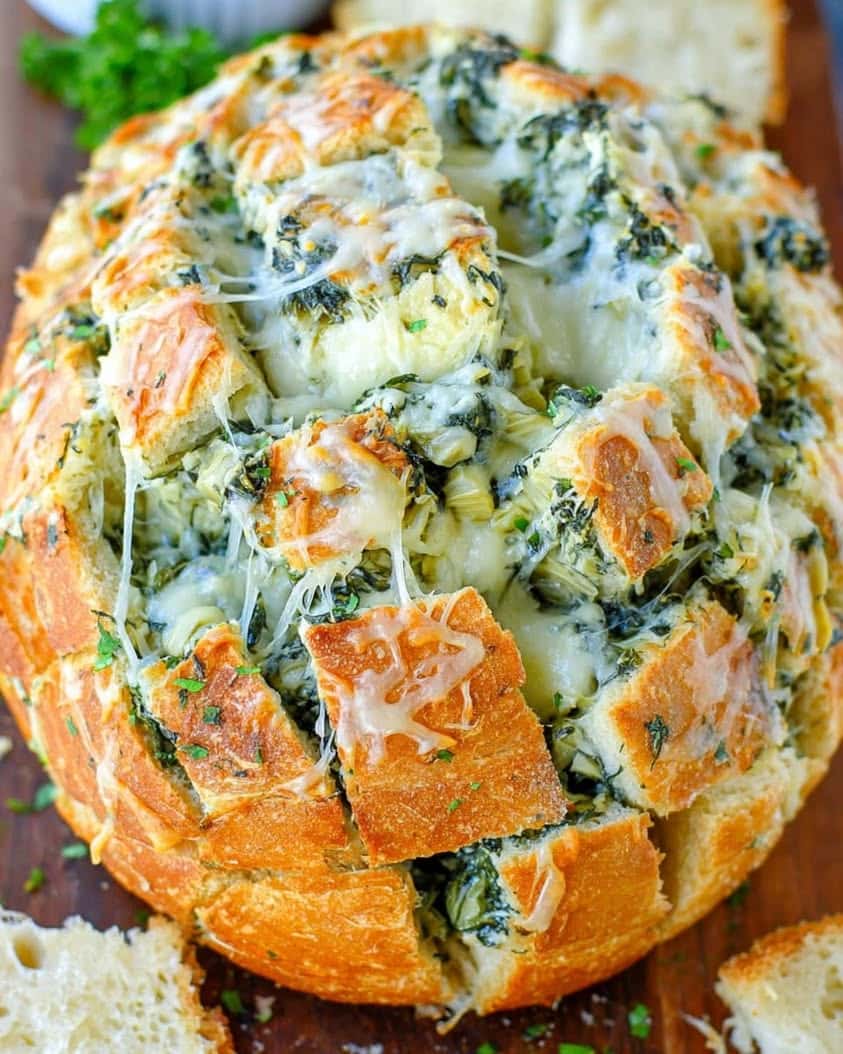
Imagine the scene: a golden, crusty loaf of bread sits steaming on your table, its surface glistening with melted cheese. As you pull it apart, warm, savory strings of mozzarella stretch between each piece, revealing a creamy, garlicky filling packed with spinach and artichokes. This is the magic of the ultimate Spinach Artichoke Pull-Apart Bread recipe, a guaranteed crowd-pleaser that transforms a classic dip into a fun, interactive, and utterly delicious centerpiece. Consequently, it is the perfect solution for any gathering, from game day parties to casual weeknight dinners.
Moreover, this recipe masterfully combines familiar, comforting flavors with a show-stopping presentation. The process is surprisingly simple, yet the result looks and tastes like it came from a professional bakery. Essentially, you take a rustic sourdough or Italian loaf, slice it in a clever crosshatch pattern, and stuff every crevice with a rich, homemade spinach artichoke dip. After baking, the bread becomes wonderfully crisp on the outside while staying soft and infused with flavor inside. Ultimately, every pull-apart piece is a perfect bite of cheesy, veggie-filled goodness.
Furthermore, the beauty of this Spinach Artichoke Pull-Apart Bread lies in its versatility and ease. You can prepare the filling ahead of time, assemble the loaf in minutes, and pop it in the oven just before your guests arrive. The aroma of baking garlic, herbs, and cheese will fill your home, creating an irresistible invitation to the table. Whether served as a hearty appetizer, a side dish for soup, or the main event at a casual get-together, this recipe delivers maximum flavor with minimal fuss. It is a modern twist on comfort food that everyone will adore.
Quick Recipe Highlights
- Flavor Profile: This dish delivers a powerful savory punch. Creamy, tangy cheeses perfectly balance the earthy spinach and slightly briny artichoke hearts. Additionally, fresh garlic and herbs add aromatic depth, while the baked bread provides a subtle, toasty sweetness that ties everything together.
- Texture: Experience a delightful contrast in every bite. The exterior of the bread bakes to a satisfying, shatteringly crisp crust. Meanwhile, the interior soaks up the creamy filling, becoming tender and moist. The cheese offers a glorious, stretchy pull, and the artichokes provide a pleasant, meaty bite.
- Aroma: As it bakes, the kitchen fills with an intoxicating scent. First, you will notice the warm, nutty fragrance of toasting bread. Then, the pungent, inviting smell of roasted garlic and onions emerges. Finally, the rich, savory aroma of melting Parmesan and cream cheese completes the olfactory experience.
- Visual Appeal: This dish is a feast for the eyes. The golden-brown, scored loaf looks impressive before you even touch it. When you pull it apart, the reveal of the vibrant green spinach and creamy white filling against the warm bread is dramatic and enticing, making it perfect for social media or your dinner table.
- Skill Level Needed: This is a beginner-friendly recipe designed for success. The techniques involve simple mixing, basic knife work for scoring bread, and stuffing. No advanced culinary skills are required. If you can use a spoon and an oven, you can absolutely master this impressive appetizer.
- Special Equipment: You need only standard kitchen tools. A sturdy serrated knife is essential for safely scoring the loaf. A mixing bowl, spatula, and baking sheet lined with parchment paper are the other necessities. No special appliances or gadgets are required for this straightforward recipe.
Recipe Overview
- Difficulty Level: We classify this Spinach Artichoke Pull-Apart Bread as easy for several reasons. The steps are sequential and simple, involving no complex techniques like proofing dough or making a roux. The assembly is forgiving, and the baking time is straightforward. Even novice cooks can achieve a spectacular result with minimal stress, making it a confidence-building recipe.
- Category: This versatile dish fits multiple categories beautifully. Primarily, it shines as a spectacular appetizer or party snack. It also works wonderfully as a hearty side dish paired with soups, salads, or grilled proteins. For a casual meal, it can even serve as a satisfying main course alongside a fresh garden salad.
- Cuisine: While inspired by the American classic spinach artichoke dip, the preparation borrows from Italian bread stuffing techniques. The use of sourdough or Italian bread and cheeses like mozzarella and Parmesan nods to Mediterranean flavors. Ultimately, it is a fusion dish that celebrates comfort food from various American casual dining traditions.
- Cost: This recipe is very cost-effective, especially when feeding a group. A loaf of good bread, frozen spinach, canned artichokes, and common cheeses and pantry staples form the base. You can easily feed six to eight people for a fraction of the cost of store-bought appetizer platters or restaurant orders.
- Season: This is a fantastic year-round recipe. It provides cozy, warm comfort during fall and winter gatherings. Conversely, it is also perfect for spring brunches or summer parties because it can be made ahead and served at room temperature. The ingredients are readily available in every season.
- Occasion: Its versatility makes it ideal for countless events. It is a touchdown for game day, a hit at potlucks, a showstopper for holiday parties, and a fun treat for family movie nights. It also elevates a simple weeknight dinner, turning an ordinary meal into something special with little extra effort.
Why You’ll Love This Recipe
First and foremost, the taste and texture are utterly irresistible. Each pull-apart piece offers a perfect harmony of flavors: the rich, creamy cheese, the savory garlic, the slightly tangy artichokes, and the fresh, earthy spinach. The bread itself transforms, with a crispy exterior giving way to a soft, flavor-infused interior that soaks up the delicious filling. Every bite is a satisfying combination of gooey, crunchy, and tender, creating a memorable eating experience that will have everyone reaching for more. The familiar, comforting taste of spinach artichoke dip is amplified by the interactive, bread-bowl presentation.
Next, consider the sheer convenience and preparation benefits. This recipe is designed for real life. You can use frozen spinach and canned artichokes, eliminating extensive prep work. The assembly takes just minutes, and the oven does the rest of the work. Importantly, you can prepare the filling a full day in advance, storing it in the fridge until you are ready to assemble and bake. This make-ahead flexibility is a game-changer for entertaining, allowing you to enjoy your own party without being stuck in the kitchen.
Furthermore, this Spinach Artichoke Pull-Apart Bread offers some genuine nutritional advantages compared to many other party foods. Spinach is a powerhouse of vitamins A, C, and K, as well as iron and fiber. Artichokes are excellent sources of fiber and antioxidants. By loading the filling with these vegetables, you add valuable nutrients to a indulgent-tasting dish. Using part-skim cheeses can lighten it up without sacrificing creaminess. You are serving a crowd-pleasing appetizer that also delivers a decent dose of greens, which is always a win.
Additionally, the social and entertaining value of this dish is through the roof. Food that encourages interaction brings people together. The shared experience of pulling apart the warm, cheesy bread creates a fun, communal moment at the table. It is a conversation starter and a focal point. Serving this dish signals to your guests that you have gone the extra mile to create something special and delicious for them, making any gathering feel more festive and considered.
Finally, the cost-effectiveness and accessibility of the ingredients make this recipe a staple. You do not need expensive, hard-to-find components. A simple loaf of bread, some frozen vegetables, and basic dairy items from any grocery store come together to create something extraordinary. It is an affordable way to feed a hungry crowd with style. The recipe is also highly adaptable to what you have on hand, allowing for various cheese blends or the addition of proteins like cooked bacon or chicken, making it a practical and versatile addition to your cooking repertoire.
Historical Background and Cultural Significance
The origin story of this dish is a fascinating tale of culinary evolution. It directly descends from the immensely popular spinach artichoke dip, which became a staple of American casual dining and sports bars in the 1990s. The dip itself is believed to have roots in California cuisine, where using fresh, vegetable-forward ingredients was trending. Chefs sought to create a warm, creamy dip that was more substantive than plain cheese dips, leading to the brilliant combination of spinach and artichoke hearts. The pull-apart bread presentation is a natural and clever progression, merging the dip with the communal appeal of stuffed bread or bread bowls, a concept enjoyed for centuries across many cultures.
Regarding cultural importance, this dish epitomizes modern American party food. It represents a shift towards interactive, shareable plates that prioritize flavor and fun. The act of sharing food from a central platter is an ancient tradition that fosters community. This recipe updates that tradition for contemporary gatherings, from Super Bowl parties to book clubs. It sits comfortably at the intersection of comfort food and clever entertaining, making it a symbol of relaxed, generous hospitality. It is a dish that says “come together and enjoy,” reflecting a cultural preference for casual, flavorful, and social eating experiences.
The evolution of the recipe showcases American ingenuity in the kitchen. Initially, spinach artichoke dip was served with tortilla chips or crackers. Then, inventive home cooks and chefs began stuffing the dip into hollowed-out bread bowls. The logical next step was the pull-apart method, which maximizes cheesy surface area and integrates the bread into the dish itself. This evolution highlights a desire to improve texture and presentation while maintaining the beloved core flavors. Today, the internet and food blogs have propelled countless variations, from using different breads like ciabatta to adding proteins, proving the recipe’s adaptable and enduring nature.
Exploring regional variations reveals how adaptable this concept is. In the South, you might find the addition of jalapeños or a blend of pepper jack cheese for a spicy kick. In coastal areas, crab meat or shrimp might be mixed into the filling, creating a seafood twist. Some Italian-inspired versions incorporate sun-dried tomatoes, basil, and ricotta cheese. For a heartier Midwestern take, cooked, crumbled sausage is a popular addition. These regional spins demonstrate how the basic framework of a creamy vegetable filling stuffed into bread can be customized to local tastes and ingredient preferences, ensuring its place in diverse American food traditions.
Ingredient Deep Dive
Sourdough or Italian Bread Loaf: The bread is not just a vessel; it is a critical component of texture and flavor. A sturdy, crusty loaf with a tight crumb, like sourdough or Italian, works best because it holds its structure when scored and stuffed. Sourdough adds a pleasant tang that cuts through the richness of the cheese. Historically, using day-old bread is a thrifty practice across many cultures to prevent waste. For selection, choose a loaf that is firm to the touch with a crisp crust. Store it at room temperature in a paper bag. If your bread is very fresh, you can dry it out slightly in a low oven to improve its stuffing capacity.
Frozen Chopped Spinach: Spinach has been cultivated for over 2,000 years, originating in Persia. It was popularized in Europe and later became a staple in American kitchens for its nutritional density and mild flavor. Using frozen spinach is a major time-saver and often more economical than fresh. It is typically flash-frozen at peak freshness, locking in nutrients like iron, vitamins A and K, and folate. The key is to thaw it completely and squeeze out every bit of excess water using a clean kitchen towel or cheesecloth. This step is non-negotiable; excess moisture will make the filling soggy. You can substitute with an equal amount of finely chopped fresh spinach that has been wilted and thoroughly drained.
Canned or Jarred Artichoke Hearts: Artichokes are ancient thistles, cultivated in the Mediterranean region for millennia. They were prized by Romans and later by French and Italian cooks. Canned or jarred artichoke hearts in water are convenient and consistent. They offer a tender texture and a slightly nutty, briny flavor that is essential to the dish. Nutritionally, they are a good source of fiber, vitamin C, and antioxidants. When selecting, choose artichoke hearts packed in water, not oil, for this recipe. Be sure to drain them well and chop them into bite-sized pieces. You can substitute with marinated artichoke hearts, but pat them dry to remove excess oil, which could make the filling greasy.
Cream Cheese: This American invention from the late 19th century provides the lush, creamy base for the filling. It melts smoothly and binds the other ingredients together. For best results, use full-fat, brick-style cream cheese and allow it to soften at room temperature before mixing. This ensures a lump-free, silky filling. Lower-fat versions can be used but may result in a less rich texture and a slightly grainier melt. From a storage perspective, always keep unused cream cheese tightly wrapped in the refrigerator.
Shredded Mozzarella and Parmesan: This cheese duo provides stretch, saltiness, and depth. Mozzarella, with its superb melting qualities, gives the iconic cheese pull. Parmesan (Parmigiano-Reggiano is ideal) adds a sharp, savory, umami punch. For the best flavor and melt, shred your own cheese from a block. Pre-shredded cheeses are coated with anti-caking agents like potato starch or cellulose, which can inhibit smooth melting and create a grainy texture. Freshly grated cheese melts into a velvety, cohesive sauce. Store hard cheeses like Parmesan wrapped in parchment and then foil in the fridge.
Common Mistakes to Avoid
- Not Draining the Spinach Enough: This is the most common error. Frozen spinach retains a tremendous amount of water. If you do not squeeze it thoroughly, that water will leach out during baking, creating a soggy, watery filling that can make the bread mushy. Use strong hands or twist it in a clean kitchen towel to wring out every last drop.
- Using Cold Cream Cheese: Attempting to mix cold, hard cream cheese with other ingredients will lead to a lumpy, uneven filling. Always plan ahead and let the cream cheese sit on the counter for 30-60 minutes until it is soft and spreadable. This ensures a smooth, homogenous mixture that bakes evenly.
- Overstuffing the Bread: While it is tempting to pack in every bit of filling, overstuffing can cause it to spill out excessively during baking and burn on the baking sheet. Furthermore, it can prevent the heat from penetrating properly, leaving the center cold. Fill the cuts generously but not to overflowing.
- Cutting All the Way Through the Bread: When scoring the crosshatch pattern, you must cut deep enough to create pockets but not so deep that you slice through the bottom crust. Cutting through the bottom will cause the loaf to fall apart and the filling to leak out underneath. Use a serrated knife and cut about 3/4 of the way down.
- Using Pre-Shredded Cheese Exclusively: As mentioned, the additives in bagged shredded cheese prevent clumping but also prevent it from melting into a smooth, creamy sauce. It can become oily or rubbery. For the best texture, take the extra minute to shred a block of mozzarella and grate your own Parmesan.
- Underseasoning the Filling: The bread and cheeses are mild, so the filling needs ample seasoning. Do not forget salt and pepper. Taste the filling before you stuff the bread. Remember, you can always add more, but you cannot take it out. Garlic powder, onion powder, or a pinch of red pepper flakes can boost flavor further.
- Baking on an Unlined Pan: Cheese and filling will inevitably bubble over. Baking directly on a sheet pan makes for a terrible cleanup job. Always line your baking sheet with parchment paper or a silicone baking mat. This not only prevents sticking but also makes transferring any escaped crispy cheese bits to the serving platter easy.
- Not Letting it Rest Before Serving: Pulling the bread from the oven and immediately tearing into it is tempting. However, allowing it to rest for 5-10 minutes lets the filling set slightly, making it easier to pull apart without burning your fingers. It also allows the flavors to settle and meld together perfectly.
Essential Techniques
Scoring the Bread Loaf: This technique creates the pockets that hold the filling and allows heat to penetrate the loaf’s center. Use a long, sharp serrated bread knife for control. Place the loaf on a stable surface and make vertical cuts about 1 inch apart, stopping about 3/4 inch from the bottom. Then, rotate the loaf 90 degrees and make perpendicular cuts to create a crosshatch or diamond pattern. The key is consistent depth; cutting too shallow limits filling space, while cutting through the bottom compromises structural integrity. Visual success is a loaf that opens like a blooming flower when gently pulled apart after baking.
Thoroughly Draining Vegetables: Removing excess moisture from the spinach and artichokes is arguably the most critical technique for perfect texture. For thawed spinach, gather it into a ball and squeeze it over the sink with your hands. For maximum extraction, place the spinach in the center of a clean, thin kitchen towel or several layers of cheesecloth, gather the edges, and twist tightly to wring out every drop of liquid. For canned artichokes, drain them in a colander and then press them with paper towels to absorb surface moisture. Properly drained vegetables ensure a rich, concentrated filling, not a watery one.
Creaming the Cheese Base: Achieving a smooth, lump-free filling starts with properly softened cream cheese. Let it sit at room temperature until it is easily indented with a finger. In a mixing bowl, beat the softened cream cheese first until it is smooth and creamy. Then, gradually incorporate the other ingredients like sour cream, garlic, and seasonings. This step ensures that hard lumps of cream cheese do not remain, which would create uneven pockets in the final bake. The mixture should be homogenous and spreadable, like a thick frosting, before you fold in the shredded cheeses and vegetables.
Pro Tips for Perfect Spinach Artichoke Pull-Apart Bread
Toast the Bread First: For an extra-crispy exterior that stands up to the creamy filling, brush the scored loaf lightly with olive oil or melted butter and bake it at 375°F for 5-7 minutes before adding the filling. This pre-toasting creates a barrier that helps prevent sogginess.
Add a Flavor Boost with Roasted Garlic: Instead of raw minced garlic, roast a whole head of garlic until soft and caramelized. Squeeze the sweet, mellow paste into the filling. It adds incredible depth and eliminates any risk of harsh, raw garlic flavor.
Use a Piping Bag for Neat Stuffing: For super-clean assembly and to get filling into the deepest crevices, transfer your spinach artichoke mixture to a large piping bag or a sturdy zip-top bag with a corner snipped off. Pipe the filling directly into each cut.
Create a Flavorful Butter Baste: Mix melted butter with a little minced garlic, dried parsley, and a pinch of salt. After stuffing the bread, brush this mixture generously over the entire top crust. It will bake into a gorgeous, golden, and flavorful finish.
Don’t Waste the “Lid”: When you crosshatch the bread, the top pieces become like little square lids. Make sure to stuff filling underneath them as well. You can even gently lift each square to get filling underneath before pressing it back down.
Check for Doneness with a Thermometer: The visual cue is golden, bubbly cheese. For certainty, insert an instant-read thermometer into the center of the bread filling. It should read at least 165°F, indicating the dairy is fully heated through and safe to eat.
Garnish for Freshness and Color: After baking, sprinkle the top with freshly chopped parsley, chives, or a light zest of lemon. This adds a pop of color, a hint of freshness, and cuts through the richness, elevating the final presentation instantly.
Variations and Adaptations
Regional Variations: Embrace local flavors by customizing the filling. For a Southern twist, add diced jalapeños and use pepper jack cheese. In a coastal area, fold in lump crab meat or small cooked shrimp. A Greek-inspired version could use feta cheese, kalamata olives, and oregano. For an Italian spin, incorporate sun-dried tomatoes, fresh basil, and a layer of prosciutto tucked into the cuts before adding the cheese mixture.
Seasonal Adaptations: While the core recipe is year-round, you can highlight seasonal produce. In spring, add fresh peas and lemon zest. For summer, mix in roasted corn and poblano peppers. In fall, incorporate roasted mushrooms or a swirl of pumpkin puree into the cream cheese base. Winter calls for heartier additions like cooked, crumbled sausage or bacon.
Dietary Modifications: This recipe is wonderfully adaptable. For a gluten-free version, use a sturdy gluten-free artisan loaf. To make it dairy-free, use high-quality vegan cream cheese, shreds, and Parmesan. For a keto or low-carb option, stuff the filling into hollowed-out bell pepper halves or portobello mushroom caps and bake until tender.
Flavor Variations: Experiment with different cheese blends. Try a combination of Gouda and fontina for a smokier, nuttier taste. Add a tablespoon of pesto or tapenade to the cream cheese base. For a touch of heat, mix in sriracha or cayenne pepper. A dash of Worcestershire sauce or a squeeze of lemon juice can brighten the overall flavor profile.
Texture Modifications: For extra crunch, sprinkle the top with panko breadcrumbs mixed with melted butter before baking. To add a protein with texture, include chopped cooked chicken or crispy pancetta. For a smoother filling, you can pulse the mixture a few times in a food processor before stuffing.
Presentation Alternatives: Instead of one large loaf, use individual dinner rolls or slider buns to create personal-sized pull-apart portions. You can also create a “pull-apart ring” by arranging scored Hawaiian rolls in a circle on a round pan, stuffing the seams, and baking. For a more rustic look, use a round, crusty boule instead of a traditional loaf.
Serving and Presentation Guide
Plating Techniques: For maximum impact, serve the entire baked loaf directly on a wooden cutting board, a large slate platter, or a decorative ceramic dish. Place the board in the center of the table to encourage sharing. Have a bread knife or two nearby for guests who prefer to cut a slice, though pulling apart with hands is part of the fun. Ensure you have small plates or napkins for everyone to catch their cheesy pieces.
Garnishing Ideas: A simple garnish elevates the visual appeal dramatically. Right after baking, sprinkle with finely chopped fresh parsley, chives, or green onions for a vibrant green contrast. A light dusting of paprika or smoked paprika adds color and a hint of warmth. For a gourmet touch, drizzle with a very light swirl of high-quality olive oil or a balsamic glaze just before serving.
Traditional Accompaniments: While delicious on its own, this bread pairs beautifully with complementary dips and sides. Offer a side of warm marinara sauce for dipping, which complements the cheesy, garlicky flavors perfectly. A cool, creamy ranch dressing or garlic aioli also makes an excellent dip. For a balanced spread, serve it alongside a fresh, crisp green salad or a bowl of tomato soup.
Modern Serving Suggestions: For a brunch gathering, serve it alongside scrambled eggs and fresh fruit. At a cocktail party, cut the baked loaf into pre-portioned squares and serve on a platter as a passed appetizer. For a full meal, pair it with a hearty salad like a Caesar or a Greek salad and grilled chicken or steak.
Temperature Considerations: This dish is best served warm, when the cheese is at its most stretchy and inviting. However, it is also quite tasty at room temperature, making it excellent for buffets or picnics. If it cools down, you can reheat individual portions in a toaster oven or air fryer for a few minutes to revive the crispy texture and melted cheese.
Portion Control Tips: A standard loaf typically serves 6-8 people as an appetizer. If serving as a main course with sides, it will comfortably serve 4. To help guests, you can gently pre-pull a few sections to get them started. For larger crowds, simply make two loaves—the recipe scales perfectly.
Wine and Beverage Pairing
Wine Pairings: The rich, creamy, and savory nature of this dish calls for wines with good acidity to cut through the fat. A crisp, unoaked Chardonnay or a Sauvignon Blanc works wonderfully. For red wine lovers, a light to medium-bodied Pinot Noir with its bright red fruit and earthy notes complements the dish without overpowering it. A dry Rosé is also a fantastic, versatile choice that bridges the gap between white and red.
Non-Alcoholic Alternatives: Sparkling water with a squeeze of lemon or lime provides a refreshing, palate-cleansing effervescence. Iced herbal teas, like mint or lemon verbena, offer a flavorful, aromatic option. For a creamy counterpoint, a chai latte or a cold brew coffee with a splash of cream can be surprisingly complementary.
Coffee and Tea Pairings: If serving for brunch or a cozy gathering, coffee and tea are excellent choices. A medium-roast coffee with low acidity pairs well. For tea, consider a robust English Breakfast or an Earl Grey, whose bergamot notes can cut through the richness. A green tea like Sencha offers a clean, slightly bitter finish that resets the palate.
Temperature Considerations: Serve white wines and sparkling beverages well-chilled, between 45-50°F. Red wines like Pinot Noir should be served slightly cool, around 55°F. Non-alcoholic sparkling drinks should be ice-cold. This contrast between the warm, cheesy bread and a cool, refreshing drink is key to a balanced tasting experience.
Serving Suggestions: Always offer a variety of beverages to cater to different preferences. Set up a drink station with a bottle of white wine, a bottle of red, a pitcher of infused water, and a carafe of iced tea. Provide appropriate glassware for each option to enhance the overall dining experience.
Storage and Shelf Life
Storage Methods: Store any leftovers in an airtight container in the refrigerator. For best results, wrap the leftover portion tightly in aluminum foil and then place it in a container or zip-top bag. This helps retain moisture and prevents the bread from drying out excessively. Do not store at room temperature for more than two hours due to the dairy content.
Temperature Requirements: The filled bread must be refrigerated at 40°F or below. The creamy filling is perishable. Allow the bread to cool completely to room temperature before wrapping and refrigerating to prevent condensation, which would make the crust soggy.
Container Recommendations: A large airtight plastic container is ideal. Alternatively, you can wrap the loaf tightly in several layers of plastic wrap or place it in a large, reusable silicone storage bag. The goal is to minimize air exposure, which accelerates staling.
Signs of Spoilage: Discard the bread if you notice any off odors, such as a sour or unpleasant smell. Visible mold growth, of course, means it should be thrown away. If the texture becomes unpleasantly slimy or the flavor tastes sour or “off,” it is best to err on the side of caution and discard it.
Reheating Instructions: To restore the crispy texture and melted cheese, reheat in an oven or toaster oven at 350°F for 10-15 minutes, wrapped in foil for the first 10 minutes, then uncovered for the last 5. You can also reheat individual portions in an air fryer at 350°F for 3-5 minutes. Avoid the microwave, as it will make the bread very chewy and soggy.
Freezing Guidelines: You can freeze the unbaked, assembled loaf for up to 2 months. Wrap it tightly in plastic wrap, then in foil. Thaw overnight in the refrigerator before baking as directed, adding a few extra minutes to the baking time. Baked leftovers can also be frozen, though the bread texture may suffer slightly upon reheating.
Make Ahead Strategies
Prep Timeline: You can prepare the entire recipe up to 24 hours in advance. Mix the spinach artichoke filling, cover it tightly, and store it in the refrigerator. Store the unscored bread loaf at room temperature. The next day, score the bread, stuff it with the cold filling, and bake. The flavors often meld and improve overnight.
Storage Between Steps: Keep the prepared filling in an airtight container in the fridge. If you are prepping vegetables days ahead, you can also thaw and drain the spinach, then store it in a container lined with paper towels. Drain and chop the artichokes, storing them separately. This splits the prep into manageable tasks.
Quality Impact Assessment: Making the filling ahead has a positive impact on flavor, as the garlic and herbs infuse the cheese base. The texture of the filling may firm up in the fridge, but it will soften and melt perfectly during baking. There is no downside to this make-ahead step.
Assembly Tips: If assembling the entire loaf a few hours before baking, cover it loosely with plastic wrap and refrigerate. Let it sit at room temperature for 20-30 minutes before baking to take the chill off, ensuring even cooking. This is perfect for timing a party appetizer.
Reheating Guidelines: For a fully baked loaf that was made ahead, reheat it wrapped in foil in a 350°F oven for 15-20 minutes, until warmed through. Then, unwrap and broil for 1-2 minutes to re-crisp the top if desired.
Fresh Element Additions: If making the filling ahead, consider reserving a handful of the shredded cheese to sprinkle on top just before baking. This ensures a fresh, golden-brown cheese crust. You can also wait to add fresh herb garnishes until after the reheated loaf comes out of the oven.
Scaling Instructions
Halving the Recipe: Halving is straightforward for a smaller household. Use a smaller loaf of bread (like a demi-baguette) or cut a standard loaf in half crosswise, wrapping and freezing the other half for later. Precisely halve all the filling ingredients. Baking time may reduce by 5-10 minutes; watch for the golden, bubbly visual cues.
Doubling or Tripling: Doubling or tripling is excellent for large parties. Simply multiply all filling ingredients. You will need multiple loaves of bread. Bake them on separate sheet pans, preferably on the middle and upper racks, and rotate the pans halfway through baking for even browning. Ensure your oven has good air circulation; you may need to bake in batches for best results.
Equipment Adjustments: When scaling up, ensure you have a mixing bowl large enough to hold the multiplied filling. A stand mixer with a paddle attachment can efficiently mix large batches. Have multiple baking sheets and oven racks ready. If baking multiple loaves at once, consider using convection bake mode if your oven has it, which promotes even air flow.
Timing Modifications: A single loaf bakes in about 25 minutes. When baking multiple loaves on different racks, the total time may increase slightly due to the oven being more crowded. Start checking for doneness at the 25-minute mark, but be prepared to add 5-10 extra minutes. Use a thermometer to check the internal temperature of each loaf.
Storage Considerations: If making multiple loaves ahead, store the unbaked, assembled loaves on baking sheets in the refrigerator, loosely covered with plastic wrap. Do not stack them, as this can squish the filling and shape. Bake directly from the fridge, adding a few extra minutes to the bake time.
Nutritional Deep Dive
Macro Breakdown: A typical serving provides a balance of macronutrients driven by the bread (carbohydrates), cheese (fat and protein), and vegetables (fiber and micronutrients). The exact values depend on specific ingredients used, but expect a serving to be a good source of protein from the dairy, with complex carbohydrates from the bread and fiber from the spinach and artichokes. The fats are primarily from the cheese, contributing to satiety and flavor.
Micronutrient Analysis: This dish is notably rich in calcium from the dairy, essential for bone health. Spinach contributes significant amounts of Vitamin K (for blood clotting and bone metabolism), Vitamin A (for vision and immunity), and folate. Artichokes add fiber, Vitamin C, and antioxidants like quercetin. Using whole-grain bread can further increase the fiber, B-vitamin, and mineral content.
Health Benefits: When enjoyed as part of a balanced diet, this recipe offers benefits. The vegetables provide antioxidants that combat inflammation. The calcium supports bone density. The fiber aids digestion and promotes gut health. The Print
Spinach Artichoke Pull-Apart Bread
- Total Time: 45 minutes
- Yield: 4
Description
A warm, cheesy, and savory pull-apart bread filled with creamy spinach and artichoke dip, perfect for sharing as an appetizer or snack.
Ingredients
- 1 loaf sourdough bread (round or oval)
- 2 cups fresh spinach, chopped
- 1 can (14 oz) artichoke hearts, drained and chopped
- 8 oz cream cheese, softened
- 1 cup shredded mozzarella cheese
- 1/2 cup grated Parmesan cheese
- 1/2 cup mayonnaise
- 2 cloves garlic, minced
- 1 tsp onion powder
- 1/2 tsp black pepper
- 1/4 tsp salt
- 2 tbsp butter, melted
Instructions
- Preheat oven to 375°F (190°C). Line a baking sheet with parchment paper.
- Cut the sourdough bread into 1-inch cubes, leaving the bottom crust intact to hold the loaf together.
- In a large bowl, mix cream cheese, mayonnaise, garlic, onion powder, pepper, and salt until smooth.
- Fold in spinach, artichoke hearts, mozzarella, and Parmesan until well combined.
- Gently separate the bread cubes and stuff the mixture between them, spreading any extra on top.
- Brush the top of the loaf with melted butter and wrap loosely in foil.
- Bake for 20 minutes, then remove foil and bake for another 10 minutes until golden and bubbly.
- Let cool for 5 minutes before serving warm.
Notes
You can customize the seasonings to taste.
- Prep Time: 15 minutes
- Cook Time: 30 minutes
- Method: Main
- Cuisine: American