Creamy Spinach and White Beans: A Simple, Protein-Packed Meal
Imagine a dinner that comes together in under thirty minutes, yet tastes like you spent hours simmering flavors. This creamy spinach and white beans recipe is exactly that kind of culinary magic. It’s a comforting, nutrient-dense dish that feels indulgent without any heavy cream or complicated techniques. The beauty lies in its simplicity, transforming a handful of humble pantry staples into a meal that is both deeply satisfying and incredibly good for you.
Furthermore, this dish is a true weeknight hero. It delivers a fantastic balance of creamy texture, savory garlic, and earthy greens in every bite. Whether you’re a seasoned cook looking for a quick side or a beginner wanting a foolproof main, this recipe adapts to your needs. Ultimately, it proves that healthy eating doesn’t require sacrifice; it can be quick, delicious, and deeply comforting all at once.
Quick Recipe Highlights
- Flavor Profile: This dish features a savory, garlic-forward base perfectly balanced by the mild, nutty flavor of white beans and the fresh, slightly bitter notes of spinach. A hint of lemon zest or juice at the end brightens everything up, creating a well-rounded and complex taste.
- Texture: The texture is wonderfully creamy and velvety, achieved by partially mashing the beans. This creates a luxurious sauce that clings to the tender spinach leaves. The beans themselves remain slightly intact, offering a pleasant, soft bite that contrasts with the wilted greens.
- Aroma: As it cooks, your kitchen will fill with the irresistible scent of garlic and onion sizzling in olive oil. This is followed by the warm, toasty fragrance of cooking spinach and the subtle, earthy aroma of the beans melding with the broth.
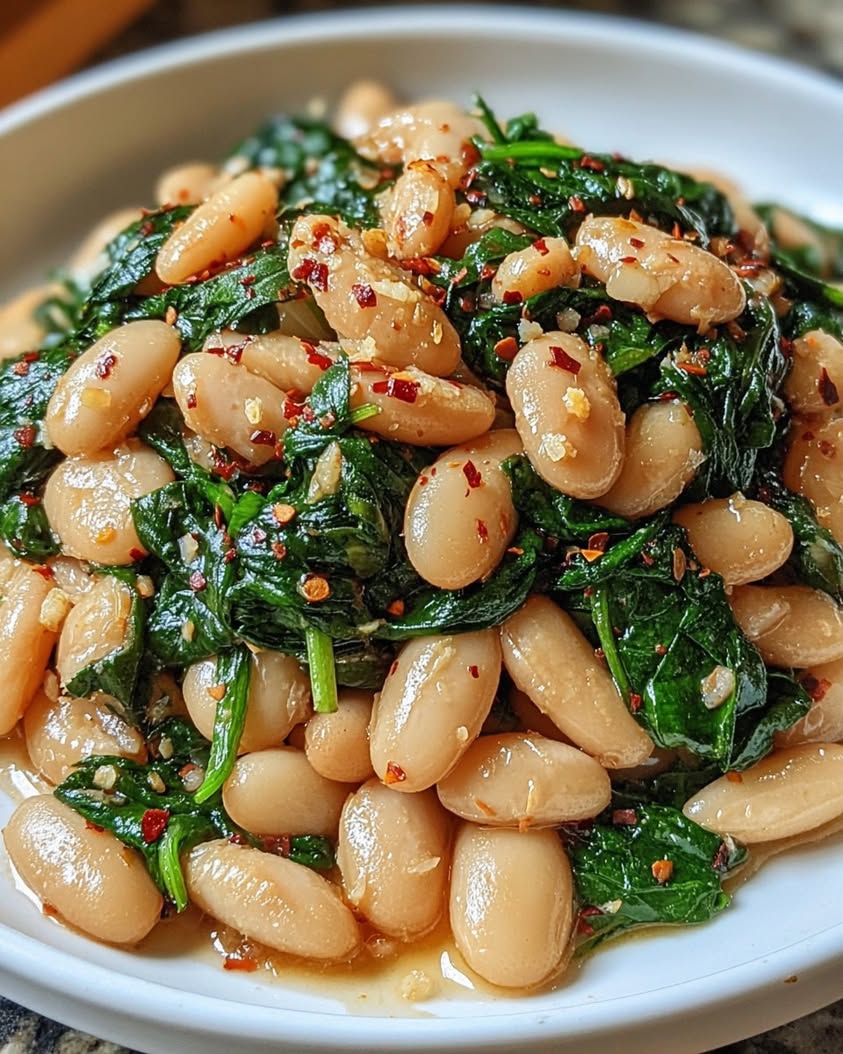
- Visual Appeal: The visual appeal is striking, with vibrant emerald green spinach swirled into a creamy, off-white bean base. It’s a rustic yet elegant look that is incredibly appetizing, especially when garnished with a sprinkle of red pepper flakes or fresh herbs.
- Skill Level Needed: This recipe requires only basic kitchen skills. You need to know how to chop an onion, mince garlic, and sauté. There are no advanced techniques, making it perfect for cooks of all levels, from complete beginners to busy experts.
- Special Equipment: No special equipment is required. A large skillet or sauté pan with a lid is essential. Additionally, a wooden spoon or spatula for stirring and a standard can opener are all you need to prepare this simple, wholesome meal.
Recipe Overview
- Difficulty Level: This creamy spinach and white beans recipe is rated “Easy” because it involves straightforward techniques like sautéing and simmering. There is no intricate knife work, no fussy sauces, and no precise baking times. The steps are sequential and simple, with minimal room for error, making it an ideal confidence-builder for new cooks.
- Category: This versatile dish fits multiple categories beautifully. It can serve as a hearty vegetarian main course, a substantial side dish alongside grilled chicken or fish, or even a luxurious bed for poached eggs. Its flexibility is one of its greatest strengths for meal planning.
- Cuisine: While inspired by the rustic, bean-centric cooking of the Mediterranean—particularly Italian and Tuscan traditions—this recipe is a modern, streamlined interpretation. It captures the essence of cucina povera (peasant cooking) by celebrating simple, affordable ingredients transformed into something extraordinary.
- Cost: This is an exceptionally budget-friendly meal. Canned beans and frozen spinach are inexpensive pantry heroes. Fresh ingredients like onion, garlic, and lemon are low-cost staples. Overall, you can create a nutritious meal for four people for just a few dollars, making it fantastic for tight food budgets.
- Season: This dish is truly a year-round favorite. In cooler months, it serves as a warm, comforting bowl of goodness. During spring and summer, it feels light yet substantial, especially when served at room temperature. It’s a perfect way to incorporate greens any time of the year.
- Occasion: It’s perfect for casual weeknight dinners, effortless lunch meal prep, or a simple yet impressive dish for a relaxed gathering with friends. While not formal, its deliciousness makes it feel special enough for any informal occasion where good, honest food is celebrated.
Why You’ll Love This Recipe
First and foremost, the taste and texture are utterly irresistible. The combination creates a deeply savory, garlicky, and creamy experience that feels indulgent. The white beans break down slightly to form a velvety, self-thickening sauce that requires no flour or cream. Meanwhile, the spinach wilts into tender ribbons, offering a pop of color and freshness. Each spoonful is a perfect harmony of earthy, savory, and bright flavors that will have you going back for seconds.
Convenience is another major win. This creamy spinach and white beans recipe comes together in one pan with minimal prep. You can have it on the table in about twenty-five minutes, making it a lifesaver on busy evenings. Moreover, it uses mostly pantry and freezer staples, so you can likely make it without a special grocery trip. The simplicity of the process means less time cooking and cleaning, and more time enjoying a delicious, homemade meal.
Nutritionally, this dish is a powerhouse. White beans are an excellent source of plant-based protein and fiber, which promote satiety and digestive health. Spinach is loaded with iron, vitamins A, C, and K, and powerful antioxidants. Using olive oil as the cooking fat adds heart-healthy monounsaturated fats. Consequently, this meal supports energy levels, immune function, and overall wellness without compromising on flavor.
For entertaining, this recipe shines because it’s easy to scale up and universally appealing. It’s a fantastic vegetarian option that even meat-lovers enjoy. You can serve it in a beautiful baking dish for a family-style presentation. Additionally, it pairs wonderfully with crusty bread, a simple salad, and a good bottle of wine, making your hosting duties effortless while still impressing your guests.
Finally, its cost-effectiveness and accessibility cannot be overstated. Beans and spinach are among the most affordable ingredients you can buy. This recipe demonstrates how to create a restaurant-quality meal on a strict budget. It’s accessible to cooks with any level of equipment and skill, proving that gourmet, healthy eating is possible for everyone, regardless of resources.
Historical Background and Cultural Significance
The story of beans and greens is an ancient one, deeply rooted in the culinary traditions of the Mediterranean basin. For millennia, communities living around this sea have relied on the symbiotic partnership of durable legumes and foraged or cultivated leafy greens. These ingredients formed the backbone of the diet for farmers, shepherds, and working-class families. This combination was not merely about taste; it was a practical, nutritious, and sustainable way to feed a family through lean times and prosperous seasons alike.
In Italy, specifically, this pairing is the heart of “cucina povera” or the “cooking of the poor.” This isn’t a derogatory term but a celebration of resourcefulness and flavor. Tuscan cuisine, in particular, is famous for its bean dishes like “fagioli all’uccelletto” (beans stewed with tomato and sage). Adding spinach or other bitter greens like cavolo nero (Tuscan kale) was a natural extension, creating a complete, balanced meal from the land. These dishes were slow-simmered to develop deep flavor from minimal ingredients.
The evolution to the quick, creamy version we make today is a modern adaptation. Traditionally, beans were dried and required long soaking and cooking. The use of canned beans is a contemporary convenience that preserves the spirit of the dish while drastically reducing cooking time. Similarly, the technique of mashing some beans to create a creamy texture is a clever hack that mimics the luxurious feel of long-stewed beans without the hours of cooking. This evolution makes the classic flavors accessible to the modern home cook.
Regional variations of beans and greens abound. In the American South, a similar concept appears with black-eyed peas and collard greens, often flavored with smoked pork. In Greece, you might find giant beans baked with spinach and tomatoes. In Portugal, “feijão verde” can refer to a dish with beans and greens. Our creamy spinach and white beans recipe sits comfortably within this global family, honoring the tradition while offering a quick, creamy, and distinctly modern take on a timeless, nourishing combination.
Ingredient Deep Dive
Cannellini Beans: These creamy, mild-flavored white beans are a staple of Italian cooking, originally from Argentina before being adopted in Europe. They are a nutritional powerhouse, packed with protein, fiber, iron, and folate. When selecting canned cannellini, look for brands with no added salt or preservatives for the cleanest flavor. For storage, transfer unused beans to an airtight container and refrigerate for up to four days. If you need a substitute, Great Northern beans or navy beans will work beautifully, offering a slightly different but still delightful texture and flavor profile.
Fresh Spinach: Spinach has a rich history, originating in ancient Persia and traveling along trade routes to Europe and Asia. It’s famously rich in iron, calcium, vitamins A and K, and antioxidants like lutein. For this recipe, choose fresh, vibrant bunches with crisp, dark green leaves, avoiding any that are wilted or yellowing. To store, keep it unwashed in a plastic bag with a paper towel to absorb moisture, and use it within a few days. If you must substitute, other hearty greens like Swiss chard or kale will work, though they may require a slightly longer cooking time to become tender.
Garlic and Onion: This aromatic duo forms the essential flavor base, or “soffritto,” in many cuisines. Garlic, revered since ancient Egyptian times, offers cardiovascular and immune benefits. Onions, cultivated for over 5,000 years, provide quercetin, a potent antioxidant. For the best flavor, use fresh, firm garlic cloves and yellow or white onions. Store them in a cool, dark, well-ventilated place—not in the refrigerator. If you’re out of fresh garlic, garlic powder can work in a pinch, but the flavor will be less complex. Similarly, shallots make an excellent, milder substitute for onion.
Vegetable Broth: Using a good-quality broth is the secret to building deep, savory flavor in this vegetarian dish. Opt for a low-sodium variety so you can control the seasoning. For storage, keep opened cartons refrigerated and use within a week, or freeze broth in ice cube trays for easy future use. As a substitute, chicken broth will add a different flavor dimension if you’re not strictly vegetarian. In a true pinch, water with an extra pinch of salt and a dash of soy sauce or nutritional yeast can provide the necessary savory depth.
Common Mistakes to Avoid
- Overcooking the Garlic: Adding garlic at the same time as the onion is a common error. Garlic burns quickly and becomes bitter. Always add minced garlic to the pan after the onion has softened, and stir constantly for just 30-60 seconds until fragrant. This preserves its sweet, aromatic flavor without any harsh bitterness.
- Not Draining and Rinsing the Beans: Skipping the rinse means adding the thick, starchy, sometimes salty liquid from the can to your dish. This can make the final result gloppy and overly salty. Always drain beans in a colander and rinse thoroughly under cold water. This washes away excess sodium and starch, giving you cleaner flavor and better control over your sauce’s consistency.
- Overcrowding the Pan with Spinach: Adding all the fresh spinach at once can steam it rather than sauté it, leading to a watery dish. Add the spinach in batches, allowing each handful to wilt down slightly before adding the next. This technique ensures even cooking and helps excess water evaporate, preventing a soggy final product.
- Skipping the Bean Mashing Step: The creamy texture is key. If you leave all the beans whole, the dish will be more like a bean salad than a cohesive, saucy meal. Use the back of your spoon or a fork to mash about one-third of the beans directly in the pan. This released starch thickens the broth into a luxurious, creamy sauce.
- Underseasoning: Beans and spinach need generous seasoning to shine. Don’t be shy with salt and pepper. Taste as you go, especially after adding the broth and again at the very end. Remember, you can always add more, but you can’t take it out. Seasoning in layers builds a more complex flavor profile.
- Using Pre-Shredded Parmesan for Garnish: While convenient, the cellulose in pre-shredded cheese prevents it from melting smoothly into the dish. For the best flavor and texture, buy a block of Parmesan or Pecorino Romano and grate it fresh yourself just before serving. The difference in taste and meltability is significant.
- Not Letting it Rest: Serving immediately is tempting, but allowing the finished dish to sit off the heat for 5 minutes is beneficial. This rest time lets the flavors meld more completely and allows the sauce to thicken slightly to the perfect consistency.
- Forgetting the Acid: The final squeeze of lemon juice or zest is not just a garnish; it’s a crucial balancing component. The bright acidity cuts through the richness of the beans and creaminess of the sauce, lifting all the other flavors. Never skip this step for a truly well-rounded dish.
Essential Techniques
Sautéing Aromatics: This foundational technique builds the flavor base. Heat your oil over medium heat until it shimmers. Then add the diced onion. Cook, stirring occasionally, until it becomes translucent and soft, about 5 minutes. This gentle cooking caramelizes the onion’s natural sugars, developing a sweet, savory depth. The key is patience; rushing with high heat will brown the onion before it softens, creating a different, less balanced flavor profile. The visual cue for success is when the onion pieces look soft, slightly shiny, and have lost their raw, white opacity.
Wilting Leafy Greens: Properly wilting spinach is about managing moisture. Add the fresh spinach to the hot pan in large handfuls. Using tongs or a spoon, gently toss and turn the leaves. As they heat, they will quickly collapse and turn a brighter green. Adding in batches prevents the pan temperature from dropping too much, which would cause the spinach to stew in its own liquid. The goal is to evaporate most of the released water, concentrating the spinach’s flavor and preventing a watery sauce. The greens are ready when they are fully wilted, dark green, and have reduced in volume by about 90%.
Creating a Creamy Bean Sauce: This is the signature technique for this creamy spinach and white beans recipe. After adding the beans and broth, use the back of a wooden spoon or a fork to press down on some of the beans directly against the bottom of the pan. Mash roughly one-third of them. The mashed beans release their starches into the surrounding liquid. As the mixture simmers, these starches swell and thicken the broth, creating a rich, velvety sauce that coats the remaining whole beans and spinach without any need for flour or dairy cream. The sauce is ready when it clings to a spoon and has a cohesive, stew-like consistency.
Pro Tips for Perfect Creamy Spinach and White Beans
For an extra layer of flavor, consider sautéing a pinch of red pepper flakes with the garlic. This infuses the oil with a gentle, warming heat that permeates the entire dish. It adds a subtle complexity that elevates the simple ingredients beautifully.
If you have fresh herbs like rosemary or thyme, add one sprig to the pan with the broth and let it simmer. Remove the woody stem before serving. This imparts an aromatic, earthy background note that makes the dish taste like it simmered for hours.
For a richer, more luxurious finish, stir in a tablespoon of high-quality extra virgin olive oil or a small pat of butter off the heat, just before serving. This last-minute addition, called “monteare” in Italian, enriches the sauce and gives it a lovely sheen.
Always taste and adjust seasoning right at the end of cooking. The flavors concentrate as liquid reduces. You will likely need another pinch of salt and a fresh crack of black pepper to make all the components sing in harmony.
To make this a complete one-pan meal, create four small wells in the simmering bean mixture and crack an egg into each. Cover the pan and cook for 4-6 minutes until the egg whites are set but the yolks are still runny. Serve immediately for a decadent touch.
If using frozen spinach, be sure to thaw it completely and squeeze out every bit of excess water using a clean kitchen towel or your hands. Excess moisture is the enemy of a creamy sauce and will dilute your final dish significantly.
For the best texture, use a combination of broth and a splash of dry white wine. Add the wine after the garlic and let it simmer for a minute to cook off the alcohol before adding the broth. This adds a wonderful acidic brightness.
Let the finished dish rest for five minutes before serving. This allows the starches to fully set and the flavors to marry, resulting in a thicker, more cohesive, and flavorful final product.
Variations and Adaptations
Regional Variations: To lean into its Tuscan roots, add a chopped fresh tomato or a tablespoon of tomato paste with the garlic, and use rosemary as the primary herb. For a Greek twist, add a sprinkle of dried oregano and finish with crumbled feta cheese instead of Parmesan. A Portuguese version might include a bay leaf and a splash of vinegar at the end.
Seasonal Adaptations: In spring, use fresh peas and asparagus tips along with the spinach. For summer, incorporate fresh basil and cherry tomatoes. In autumn, swap spinach for hearty kale or Swiss chard and add roasted butternut squash cubes. Winter calls for a heartier version with added chopped carrots and celery in the soffritto.
Dietary Modifications: For a vegan version, use nutritional yeast or a vegan Parmesan alternative instead of dairy cheese. To make it gluten-free, ensure your vegetable broth is certified GF—this recipe is naturally gluten-free otherwise. For a higher-protein version, stir in cooked, shredded chicken or Italian sausage after sautéing the aromatics.
Flavor Variations: Add sun-dried tomatoes for a sweet, intense tomato flavor. Include sliced mushrooms sautéed with the onions for an umami boost. For a smoky element, add a teaspoon of smoked paprika or use a smoked salt as your seasoning. A tablespoon of pesto stirred in at the end creates a vibrant, herby sauce.
Texture Modifications: For a completely smooth and silky texture, blend half the finished dish with an immersion blender, then stir it back into the pan. For more bite, use chickpeas instead of cannellini beans. To add crunch, top with toasted breadcrumbs, pine nuts, or chopped walnuts just before serving.
Presentation Alternatives: Serve it baked under a layer of breadcrumbs and cheese for a gratin-style dish. Spoon it into hollowed-out roasted acorn squash or bell peppers for an edible bowl. Alternatively, use it as a luxurious filling for crepes or omelets, or as a topping for crispy polenta rounds.
Serving and Presentation Guide
Plating Techniques: For an elegant presentation, use a shallow bowl. Spoon the creamy spinach and white beans into the center, creating a slight mound. Use the back of your spoon to make a gentle swirl or indentation on top. This adds visual interest and creates a perfect well for a garnish like a drizzle of olive oil or a dollop of ricotta.
Garnishing Ideas: Fresh garnishes add color and fresh flavor. A sprinkle of chopped fresh parsley, basil, or chives provides a green pop. A light dusting of freshly grated Parmesan or Pecorino Romano adds salty richness. A final drizzle of high-quality extra virgin olive oil gives a beautiful sheen. For contrast, add a pinch of red pepper flakes or a twist of freshly cracked black pepper.
Traditional Accompaniments: In Italy, this dish would almost certainly be served with a slice of crusty, grilled bread like bruschetta. The bread is essential for “scarpetta”—the delightful act of mopping up every last bit of the creamy sauce from the plate. A simple side salad of bitter greens like arugula with a lemon vinaigrette provides a refreshing contrast.
Modern Serving Suggestions: For a contemporary twist, serve it over a bed of quinoa, farro, or cauliflower rice to soak up the sauce. It also makes an excellent filling for a warm wrap or pita pocket with some fresh lettuce. Consider topping it with a soft-poached or fried egg for a protein-packed brunch or dinner.
Temperature Considerations: This dish is best served warm, immediately after its brief rest. However, it is also delicious at room temperature, making it a great option for picnics or packed lunches. Avoid serving it piping hot, as this can mute the flavors. Let it cool slightly to allow the complex tastes to come forward.
Portion Control Tips: As a main course, plan for about 1.5 to 2 cups per person. As a side dish, a ¾ to 1 cup serving is sufficient. Using a measuring cup to portion it out ensures everyone gets a balanced mix of beans and spinach. For meal prep, divide it evenly into containers right after cooking for ready-to-go lunches.
Wine and Beverage Pairing
Wine Pairings: The earthy, creamy, and slightly bitter notes of this dish call for wines with good acidity to cut through the richness. A crisp Italian white like Vermentino or Pinot Grigio is a classic choice. For a red option, choose a light-bodied, low-tannin wine like a Chianti Classico or a Barbera. The acidity in these wines cleanses the palate and complements the savory beans and greens beautifully without overpowering them.
Non-Alcoholic Alternatives: Sparkling water with a squeeze of lemon or lime is always a refreshing match. For something more complex, try a chilled herbal iced tea, such as lemon verbena or mint. A tart cherry juice spritzer (cherry juice mixed with club soda) can also work wonderfully, as the fruit’s acidity mirrors that of a good wine pairing.
Coffee/Tea Pairings: While not a typical pairing for the meal itself, an after-dinner espresso would be a very authentic Italian finish. A cup of gentle green tea, like Sencha, could also complement the meal’s earthy notes if enjoyed afterward. Avoid strong, bitter coffees or teas during the meal, as they can clash with the dish’s subtle flavors.
Temperature Considerations: White wines should be served well-chilled, around 45-50°F. Light reds should be served slightly cooler than room temperature, around 55-60°F. Non-alcoholic sparkling drinks are best served very cold to provide a refreshing contrast to the warm, creamy dish. Always ensure your beverages are at their ideal serving temperature before you sit down to eat.
Serving Suggestions: Pour wine into appropriate glassware to enhance the experience—a white wine glass for whites, a smaller bowl glass for light reds. For non-alcoholic options, a tall glass with ice is perfect. Encourage guests to take a sip of their beverage between bites to reset their palate, allowing them to fully appreciate the layered flavors of the creamy spinach and white beans with each new taste.
Storage and Shelf Life
Storage Methods: Allow the dish to cool completely to room temperature before storing, but do not leave it out for more than two hours. Transfer it to an airtight container. Glass containers are ideal as they don’t absorb odors and allow you to see the contents. Ensure the lid seals tightly to prevent the dish from drying out or absorbing other flavors from the refrigerator.
Temperature Requirements: This dish must be stored in the refrigerator at 40°F or below. Never store creamy spinach and white beans at room temperature, as the moist, protein-rich environment can promote rapid bacterial growth. Always place the container in the coldest part of your fridge, typically the back of a middle or lower shelf, not in the door.
Container Recommendations: Use shallow containers rather than deep ones. This allows the food to cool faster and more evenly, which is critical for food safety. Shallow storage also makes reheating individual portions easier and more consistent. If using a large container, consider dividing the leftovers into smaller, single-serving portions for convenience.
Signs of Spoilage: Before eating leftovers, always check for signs of spoilage. Discard the dish if you notice an off or sour smell, a significant change in color (like a dull, grayish hue), or visible mold. If the texture becomes excessively slimy or the liquid separates in an unusual way, it is best to err on the side of caution and throw it away.
Reheating Instructions: Reheat leftovers gently to prevent the beans from becoming mushy and the spinach from overcooking. The best method is on the stovetop over low-medium heat, adding a small splash of water or broth to loosen the sauce. Stir frequently until heated through. You can also use a microwave: place in a microwave-safe dish, cover loosely, and heat in 60-second intervals, stirring in between.
Freezing Guidelines: This dish freezes reasonably well. Cool it completely, then portion into freezer-safe bags or containers, leaving about an inch of space for expansion. Label with the date. It will keep for up to 3 months. Thaw overnight in the refrigerator before reheating. Note that the spinach may become slightly softer upon thawing, but the flavor will remain excellent.
Make Ahead Strategies
Prep Timeline: You can prep components up to two days in advance. Dice the onion and mince the garlic, storing them separately in small airtight containers in the fridge. Drain and rinse the beans, then store them in a container covered with fresh water. Wash and dry the spinach. Having everything prepped cuts your active cooking time on the day of serving to just about 10 minutes.
Storage Between Steps: Keep prepped ingredients in clear, labeled containers in the refrigerator. The aromatics (onion, garlic) can be stored together. Keep the rinsed beans in their water to prevent drying. Store the spinach in a salad spinner or a bowl covered with a damp paper towel to maintain crispness. This organized “mise en place” makes assembly seamless.
Quality Impact Assessment: Prepping aromatics ahead has no negative impact on flavor. Pre-rinsing beans is actually beneficial. The only component that suffers slightly from advance prep is fresh spinach, which can wilt. To combat this, prep it no more than a day ahead and store it optimally. The final dish, when assembled from prepped ingredients, will taste just as fresh and vibrant.
Assembly Tips: When ready to cook, pull all your prepped ingredients from the fridge. Start sautéing the onion as directed. Because your ingredients are ready, the cooking process will flow quickly and without interruption, which is key for building flavors properly. You can move from one step to the next without pausing to chop or measure.
Reheating Guidelines: If you fully cook the dish a day ahead, reheat it gently on the stovetop with a splash of broth or water. Avoid boiling, as this can break down the beans and spinach. Stir frequently to ensure even heating. The flavors often deepen and improve after a night in the fridge, making this a fantastic make-ahead option for dinner parties.
Fresh Element Additions: If making ahead, consider holding back on the final brightening elements. Add the fresh lemon juice, zest, and final garnish of fresh herbs and cheese just before serving. This ensures the brightest, most vibrant flavors and a beautiful presentation, giving the dish a just-made freshness even if the base was prepared earlier.
Scaling Instructions
Halving the Recipe: Halving this creamy spinach and white beans recipe is straightforward for a smaller yield. Use a medium skillet instead of a large one. Precisely halve all ingredients. The cook times may be slightly shorter, so watch carefully—the onions may soften in 3-4 minutes, and the spinach will wilt almost instantly. The sauce will also thicken more quickly. Taste and adjust seasoning at the end, as the salt concentration can feel different in a smaller batch.
Doubling or Tripling: For a crowd, doubling or tripling works well. Use a large Dutch oven or stockpot to accommodate the volume. You may need to increase the sauté time for the onions slightly to ensure they all soften evenly. Add the spinach in more batches to allow it to wilt properly. When simmering, it may take an extra 3-5 minutes for the sauce to thicken due to the larger volume of liquid. Stir more frequently to prevent sticking on the bottom.
Equipment Adjustments: Scaling up requires proportional equipment. For a double batch, your standard large skillet might be at capacity; a Dutch oven is safer. For a triple batch, a 5-6 quart pot is essential. When scaling down, a 10-inch skillet is perfect for a half batch. Using appropriately sized equipment ensures even cooking and proper reduction of liquids.
Timing Modifications: Prep time scales linearly—double the ingredients, double the chopping time. Active cooking time, however, does not double. Sautéing a larger volume of onions may add 2-3 minutes. Simmering time to thicken the sauce may increase by a few minutes. The wilting of spinach will take longer as you work in more batches. Always use visual and textural cues (soft onions, thickened sauce) rather than strictly adhering to the original timer.
Storage Considerations: A larger batch means more leftovers. Plan your storage containers in advance. Portioning into meal-prep containers before storing is highly efficient. Remember, a large, deep container of hot food will take a long time to cool in the fridge, which is a food safety risk. To cool it quickly, divide the large batch into several smaller, shallow containers before refrigerating.
Nutritional Deep Dive
Macro Breakdown: A serving of this creamy spinach and white beans recipe provides an excellent balance of macronutrients. It is rich in complex carbohydrates and fiber from the beans and spinach, offering sustained energy release. The plant-based protein from the beans supports muscle maintenance and satiety. The healthy fats, primarily from olive oil, aid in the absorption of fat-soluble vitamins from the spinach. This balance makes it a complete and satisfying meal that stabilizes blood sugar levels.
Micronutrient Analysis: This dish is a micronutrient powerhouse. Spinach delivers high doses of Vitamin K for bone health, Vitamin A for vision and immunity, and folate for cell function. White beans are an excellent source of iron and potassium, supporting oxygen transport and heart health. Garlic provides allicin, a compound with noted antioxidant and anti-inflammatory properties. Together, they create a meal dense with vitamins and minerals essential for overall wellness.
Health Benefits: Regular consumption of meals like this is linked to numerous health benefits. The high fiber content promotes digestive health and may help lower cholesterol. The plant-based nutrients support heart health and reduce inflammation. The low glycemic index of the ingredients helps with blood sugar management. Furthermore, the combination of protein and fiber promotes a feeling of fullness, which can aid in weight management by reducing overall calorie intake.
Dietary Considerations: This recipe is naturally vegetarian, nut-free, and soy-free. It can easily be made vegan and gluten-free with simple swaps (nutritional yeast for cheese, certified GF broth). It is not suitable for a strict keto or very low-carb diet due to the bean content. For those on a low-FODMAP diet, the onion and garlic may need to be replaced with the green parts of scallions and garlic-infused oil.
Portion Analysis: A standard serving (approximately 1.5 cups) provides a substantial volume of food that is satisfying without being overly calorie-dense. The bulk comes from fiber-rich vegetables and legumes, which fill the stomach and promote satiety. This makes portion control intuitive; you can eat a fulfilling plate without overconsuming calories, especially when compared to meals centered on refined carbohydrates or fatty meats.
Weight Management Tips: This dish is an excellent ally for weight management. To keep calories in check, be mindful of the amount of olive oil used and the portion of cheese added as garnish. Pairing it with a large side salad (with a light vinaigrette) before the main course can further increase fullness. Its high protein and fiber content help curb cravings and prevent snacking between meals, making it a strategic choice for a healthy eating plan.
Dietary Adaptations
Gluten-Free: This creamy spinach and white beans recipe is naturally gluten-free as written. The only potential source of gluten would be in the vegetable broth or any added condiments. To ensure the dish is safe, always use a vegetable broth that is certified gluten-free. Double-check labels on any pre-shredded cheese, as some contain anti-caking agents derived from wheat.
Dairy-Free/Vegan: Adapting this dish for a vegan diet is simple and delicious. Omit the Parmesan cheese garnish. For a cheesy, umami flavor, stir in 1-2 tablespoons of nutritional yeast at the end of cooking. You can also top it with a sprinkle of vegan Parmesan alternative or a drizzle of cashew cream. Ensure the vegetable broth you use is also vegan (some brands use dairy derivatives for richness).
Low-Carb/Keto: For a keto Print
Garlicky Spinach and White Beans
- Total Time: 45 minutes
- Yield: 4
Description
A quick, nutritious, and flavorful one-pan dish featuring tender spinach and creamy white beans in a garlic-infused olive oil base.
Ingredients
- 2 tablespoons olive oil
- 4 cloves garlic, minced
- 1 (15-ounce) can cannellini beans, drained and rinsed
- 8 ounces fresh spinach, washed
- 1/2 teaspoon red pepper flakes
- Salt and black pepper to taste
- 1 tablespoon lemon juice
- Grated Parmesan cheese for serving (optional)
Instructions
- Heat olive oil in a large skillet over medium heat. Add minced garlic and red pepper flakes, sauté for 1-2 minutes until fragrant.
- Add the drained cannellini beans to the skillet. Cook for 3-4 minutes, stirring occasionally, until beans are warmed through.
- Gradually add fresh spinach to the skillet, stirring until wilted. Season with salt and black pepper to taste.
- Remove from heat and stir in lemon juice. Serve warm, topped with grated Parmesan if desired.
Notes
You can customize the seasonings to taste.
- Prep Time: 15 minutes
- Cook Time: 30 minutes
- Method: Main
- Cuisine: American