Spaghetti Squash Au Gratin: A Low-Carb Comfort Food Masterpiece
Imagine a dish that delivers all the creamy, cheesy satisfaction of a classic potato gratin but with a fraction of the carbs. This Spaghetti Squash Au Gratin is exactly that. It transforms humble winter squash into a stunningly rich and comforting casserole. The result is a golden, bubbly masterpiece that will have everyone asking for seconds.
This recipe is a true game-changer for anyone seeking healthier comfort food. The natural strands of the squash create a perfect base that soaks up a luxurious cheese sauce. Consequently, every bite is a harmonious blend of savory, creamy, and slightly sweet flavors. Ultimately, it proves that eating well does not mean sacrificing indulgence.
Furthermore, this Spaghetti Squash Au Gratin is incredibly versatile. It shines as a spectacular side dish for a holiday feast. Alternatively, it stands proudly as a vegetarian main course. The process is straightforward, and the payoff is immense. You will love how it fills your kitchen with an irresistible aroma of roasting squash and melting cheese.
Quick Recipe Highlights
- Flavor Profile: This dish offers a beautiful balance. The natural sweetness of the roasted squash meets a rich, savory cheese sauce. Notes of garlic and nutmeg add depth, while the Gruyère provides a slightly nutty, complex finish.
- Texture: Expect a delightful contrast. The spaghetti squash strands are tender yet retain a slight al dente bite. Meanwhile, the sauce is luxuriously creamy, and the broiled topping becomes wonderfully crisp and golden.
- Aroma: While baking, the kitchen fills with the comforting scent of roasting squash and caramelizing onions. Then, the final broil releases the deep, toasty aroma of browned cheese and buttered breadcrumbs.
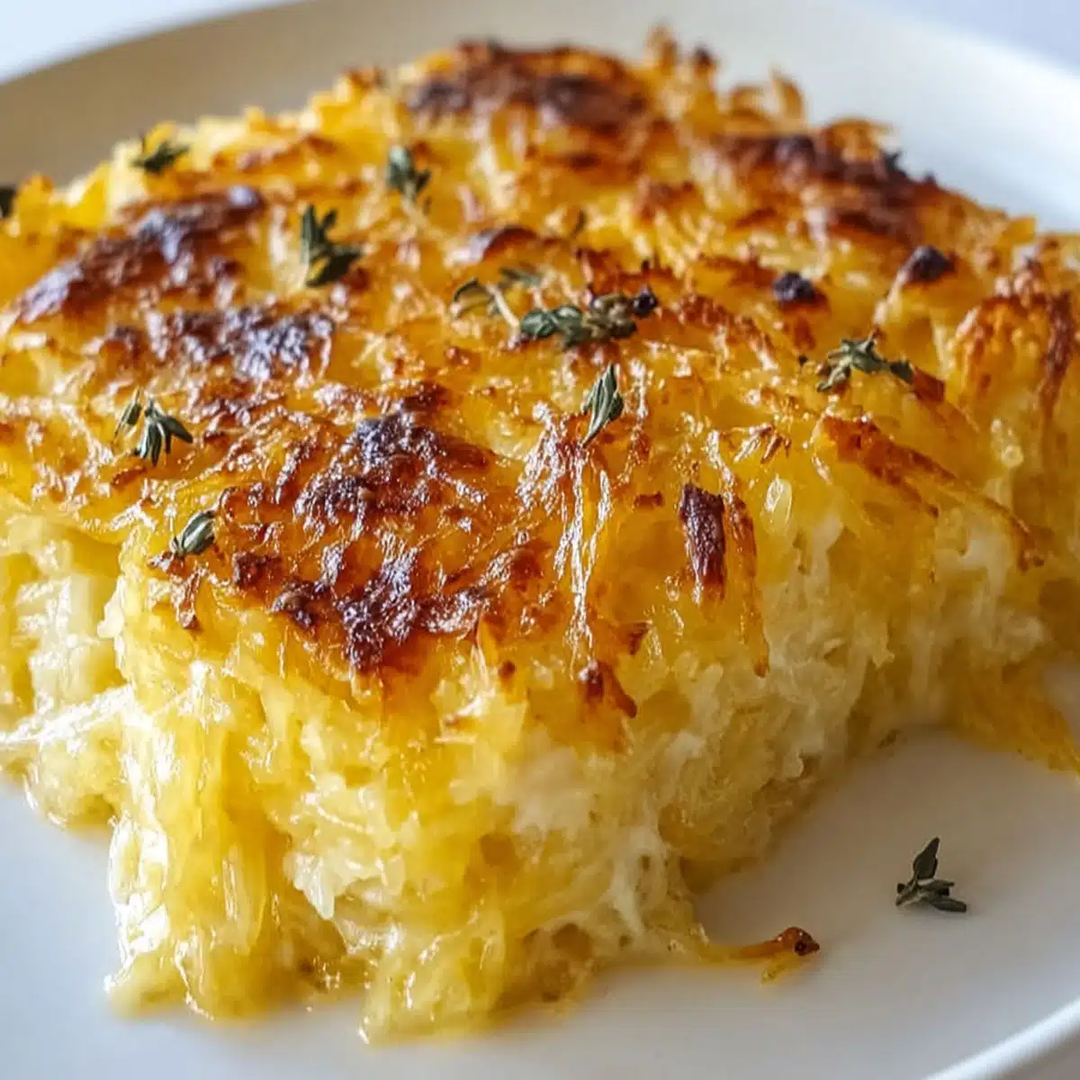
- Visual Appeal: The presentation is stunning. A golden-brown, crusty top gives way to a creamy, pale yellow interior flecked with herbs. It’s a rustic yet elegant dish that looks fantastic on any table.
- Skill Level Needed: This is an accessible recipe for most home cooks. The techniques involve basic roasting, sautéing, and making a simple roux-based sauce. No advanced skills are required for success.
- Special Equipment: A sharp knife and sturdy cutting board are essential for halving the squash. Additionally, a large baking sheet, a medium saucepan, and a 9×13 inch baking dish are needed. A fork is perfect for shredding the cooked squash.
Recipe Overview
- Difficulty Level: We rate this recipe as easy. The steps are sequential and simple. Most importantly, the active hands-on time is minimal. The oven does the majority of the work, making it a low-stress dish to prepare.
- Category: This dish is wonderfully flexible. It fits perfectly into the side dish category for a protein-centric meal. However, it’s substantial enough to be a satisfying vegetarian main course. It also excels as a potluck or holiday casserole.
- Cuisine: The recipe draws inspiration from French culinary tradition, specifically the gratin technique from the Dauphiné region. The method of combining a vegetable with a creamy sauce and a browned topping is classically French. However, the use of spaghetti squash is a modern, North American twist.
- Cost: This is a budget-friendly recipe, especially in the fall and winter when squash is in season. Spaghetti squash, onions, and garlic are inexpensive. The dairy ingredients (cream, cheese) are the primary cost, but they create significant yield. Overall, it’s a cost-effective way to feed a crowd.
- Season: This Spaghetti Squash Au Gratin is ideal for autumn and winter. Spaghetti squash is at its peak during these cooler months. Furthermore, the warm, baked nature of the dish provides comfort against the cold weather.
- Occasion: It’s perfect for cozy family dinners, festive holiday gatherings like Thanksgiving, or casual weekend entertaining. Its make-ahead potential also makes it a brilliant choice for stress-free hosting.
Why You’ll Love This Recipe
First and foremost, the taste and texture are utterly irresistible. This Spaghetti Squash Au Gratin masterfully replicates the comfort of a traditional potato gratin. Each forkful delivers creamy, cheesy goodness intertwined with the delicate, slightly sweet strands of squash. The crispy, golden-brown topping provides the perfect textural counterpoint. Consequently, it satisfies cravings for rich, baked comfort food without the heaviness.
From a convenience standpoint, this recipe is a winner. The preparation is straightforward and methodical. After the initial prep, the oven handles most of the cooking. This allows you to focus on other parts of your meal or simply relax. Additionally, the dish holds beautifully, so serving a warm, perfect casserole to guests is effortless.
Nutritionally, this dish is a powerhouse compared to its potato-based cousin. Spaghetti squash is low in calories and carbohydrates but high in fiber and essential nutrients like vitamin C and beta-carotene. By using it as the base, you create a meal that is naturally more nutrient-dense. Therefore, you can enjoy a generous portion while aligning with various health-conscious eating styles.
For social and entertaining value, this Spaghetti Squash Au Gratin is a guaranteed crowd-pleaser. It appeals to a wide audience, from vegetarians to low-carb dieters to traditional comfort food lovers. Its impressive presentation makes it look like you spent hours in the kitchen. Ultimately, it’s a dish that sparks conversation and requests for the recipe.
Finally, it is remarkably cost-effective and accessible. The main ingredient, spaghetti squash, is an affordable vegetable. The remaining components are common pantry and refrigerator staples. You do not need any exotic or expensive ingredients to create this restaurant-quality dish. This accessibility makes it a practical choice for regular weeknight meals and special occasions alike.
Historical Background and Cultural Significance
The concept of the gratin originates from French cuisine, specifically the Dauphiné region. Traditionally, “gratin” refers to a technique where a prepared dish is topped with breadcrumbs, cheese, or butter and then browned under a broiler or in a hot oven. The word itself comes from the French verb “gratter,” meaning to scrape or grate, referring to the crispy top layer. Classic Gratin Dauphinois features thinly sliced potatoes baked in cream. Our Spaghetti Squash Au Gratin is a modern, vegetable-forward interpretation of this centuries-old method.
Culturally, gratins represent a celebration of local, seasonal ingredients and rustic, family-style cooking. They were historically a way to create a hearty, satisfying meal from humble components. The technique transforms simple vegetables into a luxurious, shareable centerpiece. This ethos aligns perfectly with the use of spaghetti squash, a New World vegetable that has become a staple in modern healthy cooking.
The evolution of this recipe mirrors broader culinary trends. As dietary preferences shifted towards lower-carbohydrate and gluten-free options, creative cooks began seeking substitutes for traditional starches. Spaghetti squash, with its unique stringy flesh, emerged as a brilliant stand-in for pasta and, subsequently, potatoes. Combining it with the classic gratin technique was a natural and innovative progression. This fusion creates a dish that honors tradition while embracing contemporary nutritional awareness.
Regional variations of vegetable gratins are endless. In Provence, you might find a gratin of tomatoes and zucchini. In America, green bean casserole is a beloved holiday gratin. Our version sits at this intersection of tradition and innovation. It allows for personalization with different cheese blends, herb additions, or protein mix-ins. This adaptability ensures the Spaghetti Squash Au Gratin will continue to evolve in home kitchens everywhere.
Ingredient Deep Dive
Let’s start with the star: spaghetti squash. This winter squash is native to Central America and has been cultivated for thousands of years. When cooked, its flesh separates into long, spaghetti-like strands, hence its name. Nutritionally, it’s a superstar—low in calories and carbs but high in fiber, vitamin C, manganese, and vitamin B6. Select a squash that feels heavy for its size with a firm, matte yellow rind and no soft spots. Store it in a cool, dark place for up to a month. Unfortunately, there is no perfect substitute for its unique texture, but for a gratin, shredded zucchini or cauliflower rice can work in a pinch, though cooking times will vary.
Next, Gruyère cheese is a key flavor component. This hard yellow cheese from Switzerland has a rich, complex, and slightly nutty taste that melts beautifully. Its history dates back to the early 12th century. It adds depth and authenticity to the gratin. If unavailable, a combination of Swiss and Parmesan cheese makes a good substitute. Emmental or Comté are also excellent alternatives. Always grate your cheese from a block for the best melt and flavor; pre-shredded cheese contains anti-caking agents that can make sauces grainy.
The cream and milk form the base of our sauce. They provide the essential richness that defines a gratin. Using heavy cream (or half-and-half for a slightly lighter version) ensures the sauce remains luscious and doesn’t separate during baking. Whole milk contributes to the sauce’s body without overwhelming heaviness. For a dairy-free adaptation, full-fat canned coconut milk or a unsweetened plant-based cream can be used, though the flavor profile will change. The roux, made from butter and flour, is the thickening agent that gives the sauce its velvety consistency.
Common Mistakes to Avoid
- Undercooking the Squash: If the squash isn’t roasted until truly tender, the strands will be crunchy and watery in the final dish. Always test by piercing the flesh easily with a fork.
- Not Removing Enough Moisture: After shredding, press the squash strands in a clean kitchen towel to remove excess water. Skipping this leads to a watery, soggy gratin.
- Rushing the Roux: Cooking the flour and butter for less than a minute creates a raw flour taste in your sauce. Cook it until it smells nutty and looks pale golden.
- Adding Cold Dairy to a Hot Roux: This can cause the sauce to lump. Ensure your milk and cream are at least room temperature before whisking them in.
- Overcrowding the Baking Sheet: Roasting the squash halves cut-side down is crucial. If they are too close together, they will steam instead of roast, resulting in less flavor.
- Using Pre-Shredded Cheese: These cheeses are coated to prevent clumping, which also prevents them from melting smoothly into a sauce. Always shred your own.
- Skipping the Seasoning Layers: Season the squash after roasting, season the sauce, and season the final mixture. Each layer needs salt and pepper for balanced flavor.
- Not Letting it Rest: Cutting into the gratin immediately after baking causes it to be soupy. Let it set for 10-15 minutes so the sauce can thicken properly.
Essential Techniques
Mastering the roux is fundamental. A roux is a mixture of equal parts fat and flour used to thicken sauces. For this recipe, you cook butter and flour together over medium heat. This step cooks out the raw flour taste and develops a nutty aroma. The key is constant stirring for about 1-2 minutes until the mixture is bubbly and pale blonde. Then, you gradually whisk in the warm dairy. Adding the liquid slowly while whisking vigorously prevents lumps from forming. The sauce will thicken as it comes to a simmer.
Properly roasting the spaghetti squash is non-negotiable. Halving a raw squash requires a sharp chef’s knife and caution. Pierce the squash a few times with a knife, microwave it for 2-3 minutes to slightly soften the skin, then carefully cut it lengthwise. Scoop out the seeds and fibers. Roasting cut-side down on a parchment-lined sheet allows the flesh to caramelize and concentrate in flavor. The visual cue for doneness is flesh that is easily pierced and pulls away into strands with a fork.
The final broiling technique creates the signature “gratin” crust. After the casserole is baked through, you switch the oven to broil. This subjects the top to direct, high heat. Watch it closely, as it can go from golden to burnt in seconds. The goal is a uniformly browned, crispy topping. The broiler should be on high, with the rack positioned in the upper third of the oven, but not too close to the element. This technique provides the perfect textural contrast to the creamy interior.
Pro Tips for Perfect Spaghetti Squash Au Gratin
For deeper flavor, toss the shredded squash with a tiny bit of olive oil, salt, and pepper and roast it on the sheet pan for an extra 10 minutes after shredding. This step drives off more moisture and intensifies the taste.
Infuse your cream sauce with extra aroma by gently warming the cream with a sprig of fresh thyme and a smashed garlic clove before adding it to the roux. Strain it out afterward.
Create an ultra-crispy topping by mixing your breadcrumbs with a little melted butter or olive oil and a pinch of salt before sprinkling them on. Panko breadcrumbs will give you the crispiest, flakiest result.
Let the baked gratin rest for a full 15 minutes before serving. This allows the sauce to set, making it much easier to slice and serve neat portions.
For a flavor boost, add a pinch of freshly grated nutmeg to the cheese sauce. Nutmeg has a classic affinity for creamy dishes and adds a warm, complex note.
If your sauce seems too thick after adding the cheese, thin it with a splash of the reserved pasta water from boiling noodles if serving alongside, or a bit more warm milk.
Use a fork to shred the squash in long, lengthwise strokes. This creates the longest, most spaghetti-like strands for the best texture.
For easy cleanup, line your baking sheet with parchment paper before roasting the squash. The natural sugars can caramelize and stick to the pan.
Variations and Adaptations
For regional variations, consider a Mediterranean twist by adding chopped sun-dried tomatoes, kalamata olives, and feta cheese. A French Provençal version could include herbes de Provence and a layer of sautéed zucchini and eggplant. An Italian-inspired take might feature marinara sauce swirled in and mozzarella and Parmesan cheeses on top.
Seasonal adaptations are simple. In spring, add fresh peas and asparagus tips. For summer, incorporate roasted corn and cherry tomatoes. In the heart of winter, mix in sautéed mushrooms and kale for added earthiness and heartiness. The basic recipe serves as a perfect canvas for the season’s best produce.
Dietary modifications are straightforward. For a gluten-free Spaghetti Squash Au Gratin, use a certified gluten-free flour blend or cornstarch for the roux. For a keto version, increase the fat content by using all heavy cream and add extra cheese, omitting the breadcrumbs or using crushed pork rinds for the topping. A dairy-free version can utilize nutritional yeast, vegan cheese shreds, and coconut cream.
Flavor variations are endless. Add cooked, crumbled bacon or pancetta for a smoky note. Stir in a tablespoon of Dijon mustard or a dash of hot sauce to the cheese sauce for tang and heat. Incorporate different fresh herbs like sage, rosemary, or tarragon to complement the squash’s sweetness.
Serving and Presentation Guide
For elegant plating, use a round cookie cutter or ring mold to create a tall, cylindrical portion in the center of the plate. Gently lift the mold and garnish the top with a fresh thyme sprig. Alternatively, serve it family-style directly from the beautiful baking dish at the table, allowing guests to scoop their own portions.
Garnishing adds the final touch. A sprinkle of fresh chopped parsley or chives provides color and a fresh flavor contrast. A light dusting of paprika or smoked paprika adds visual pop and a subtle smoky note. For a luxurious finish, a few shavings of Parmesan cheese or a drizzle of high-quality olive oil just before serving elevates the dish.
Traditional accompaniments include a simple roasted chicken, a pan-seared pork chop, or a holiday turkey. It pairs wonderfully with a bright, acidic salad like arugula with lemon vinaigrette to cut through the richness. For a vegetarian feast, serve it alongside roasted Brussels sprouts and a lentil salad.
Consider modern serving suggestions like using it as a filling for stuffed peppers or as a base for a fried egg at brunch. Leftovers can be scooped into small ramekins, topped with extra cheese, and rebroiled for individual servings. It also makes a fantastic next-day breakfast side.
Wine and Beverage Pairing
Wine pairings should complement the richness and cut through the cheese. A white wine like an oaked Chardonnay has the body and buttery notes to match the dish’s creaminess. Alternatively, a dry Riesling or Grüner Veltliner offers a crisp acidity that cleanses the palate beautifully. For red wine lovers, a light-bodied Pinot Noir with low tannins won’t overpower the squash and complements the earthy, cheesy flavors.
Non-alcoholic alternatives are just as important. Sparkling water with a squeeze of lemon or lime provides a refreshing palate cleanser. A tart cherry juice or a non-alcoholic cider can mirror the autumnal notes of the squash. For a creamy pairing, a chai tea latte or a glass of cold whole milk can be surprisingly comforting alongside the gratin.
If considering coffee or tea, opt for medium-roast coffees that are not too bitter. A cup of Earl Grey tea, with its bergamot citrus notes, can be a lovely post-meal accompaniment. The key is to avoid beverages that are overly sweet, as they will clash with the savory, cheesy profile of the Spaghetti Squash Au Gratin.
Storage and Shelf Life
Store leftovers in an airtight container in the refrigerator for up to 4 days. For best results, press a piece of plastic wrap directly onto the surface of the gratin before sealing the container to prevent it from drying out. The flavors often meld and improve after a day, making leftovers a treat.
Reheating requires care to restore texture. Reheat individual portions in the microwave at reduced power, covered, stirring halfway. For larger amounts, reheat in a 350°F oven, covered with foil, until warmed through (about 20 minutes). Remove the foil for the last 5 minutes to re-crisp the top if desired.
Freezing is possible but may slightly alter the texture of the squash, making it a bit softer. Cool the gratin completely, then wrap the entire dish or individual portions tightly in plastic wrap and foil. Freeze for up to 2 months. Thaw overnight in the refrigerator before reheating in the oven.
Make Ahead Strategies
You can prep this Spaghetti Squash Au Gratin entirely 24 hours in advance. Roast and shred the squash, prepare the cheese sauce, and combine them in the baking dish. Do not add the final breadcrumb topping. Cover tightly and refrigerate. When ready to bake, let it sit at room temperature for 30 minutes, add the topping, and bake as directed, adding 10-15 minutes to the baking time since it’s starting from cold.
For a component-based approach, roast and shred the squash up to 3 days ahead. Store it in a sealed container in the fridge. The cheese sauce can be made 1-2 days ahead; store it separately and gently reheat it on the stove, whisking in a splash of milk to loosen it before combining with the squash.
This make-ahead quality makes it a superstar for holiday meals. You eliminate last-minute stress and ensure a hot, delicious side dish is ready when you are. Simply factor in the extra baking time from the refrigerator.
Scaling Instructions
Halving the recipe is simple for smaller households. Use a smaller squash (about 2 pounds) and halve all other ingredients. Bake in an 8×8 inch or similar-sized baking dish. The roasting time for the squash may be slightly less, so check for tenderness earlier. The sauce will come together faster due to the smaller volume.
Doubling or tripling for a crowd works beautifully. Use multiple baking sheets to roast the squash, ensuring the halves aren’t crowded. You may need to make the cheese sauce in batches to avoid overflowing your saucepan. Use two 9×13 inch dishes or one very large roasting pan. Increase the final baking time by 10-15 minutes and check for doneness—the center should be bubbly and hot.
The primary equipment adjustment for scaling up is pan size. Ensure you have a large enough vessel, or plan to use multiple dishes. A deeper dish will also require a longer baking time to heat through completely.
Nutritional Deep Dive
This Spaghetti Squash Au Gratin offers a favorable macronutrient profile compared to traditional gratins. The squash base provides complex carbohydrates and fiber with minimal net carbs, making it suitable for many eating plans. The cheese and cream contribute high-quality fats and protein, promoting satiety. A serving is satisfying without the blood sugar spike associated with potato-based dishes.
Micronutrient analysis reveals a wealth of vitamins. Spaghetti squash is an excellent source of vitamin A (as beta-carotene), vitamin C, and several B vitamins. The dairy components provide calcium, phosphorus, and vitamin B12. Using whole, real-food ingredients maximizes the nutritional bioavailability of these compounds.
The health benefits are linked to its whole-food composition. The high fiber content supports digestive health and promotes a feeling of fullness. The antioxidants from the squash support immune function. Furthermore, the balanced mix of fat, protein, and fiber helps maintain steady energy levels.
Dietary Adaptations
For a gluten-free version, substitute the all-purpose flour with an equal amount of a gluten-free flour blend that contains xanthan gum, or use 2 tablespoons of cornstarch mixed with a little cold milk to form a slurry before adding to the sauce.
To make it dairy-free, use vegan butter, unsweetened plain almond or soy milk, and a store-bought or homemade vegan cheese sauce base. Nutritional yeast can add a cheesy flavor. A blend of cashew cream and tapioca starch can mimic the stretch and richness of melted cheese.
For a vegan Spaghetti Squash Au Gratin, follow the dairy-free guidelines above. Ensure the breadcrumbs are vegan. You can enrich the sauce further with white miso paste for umami depth and a touch of turmeric for color.
A strict keto adaptation would omit the flour entirely, using a reduction of heavy cream and egg yolks to thicken the sauce instead. Increase the cheese and top with crushed pork rinds or almond flour mixed with Parmesan for the crispy topping.
Troubleshooting Guide
If your gratin is watery, the squash likely retained too much moisture. Next time, press the shredded squash more thoroughly. For this batch, you can carefully drain off some liquid from the edge of the dish, then return it to the oven uncovered to bake a bit longer and evaporate excess moisture.
If the sauce breaks or looks greasy, it may have gotten too hot. Try whisking in a tablespoon of warm cream or milk to re-emulsify it. For future attempts, ensure you are cooking the sauce over medium heat and not letting it boil vigorously after the cheese is added.
If the top browns too quickly but the center is still cold, your oven may run hot or the rack is too high. Immediately cover the dish loosely with aluminum foil to shield the top. Continue baking until the center is bubbly. Next time, bake at a slightly lower temperature or use the middle rack.
If the flavor seems bland, you likely under-seasoned. Remember to season each component. You can sometimes rescue a baked dish by sprinkling flaky sea salt and fresh herbs over the top just before serving. A dash of hot sauce or Worcestershire sauce mixed in can also add depth.
Recipe Success Stories
Community feedback on this Spaghetti Squash Au Gratin has been overwhelmingly positive. Many readers report it becoming a new Thanksgiving tradition, pleasing both carb-conscious and traditional eaters at the table. One home cook shared how she added leftover diced ham, turning it into a complete one-dish meal her family loved.
Variation successes abound. A reader on a keto diet used extra sharp cheddar and added cooked bacon with great results. Another made a vegan version for a potluck using cashew cream and smoked paprika, and it was the first dish to empty. These stories highlight the recipe’s incredible adaptability.
Photography tips from successful makers: natural side lighting shows off the beautiful golden crust. A simple, rustic napkin or wooden cutting board as a backdrop enhances the cozy, comforting feel of the dish. Garnishing with a fresh herb sprig right before the photo adds a pop of color and a professional touch.
Frequently Asked Questions
Can I cook the spaghetti squash in the microwave? Yes, for a faster method. Pierce the whole squash several times, microwave on high for 10-12 minutes, turning halfway. Let it cool, then halve, seed, and shred. The flavor won’t be as roasty as oven-baked, but it works in a pinch.
What can I use instead of Gruyère cheese? Swiss, Emmental, or Comté are excellent direct substitutes. For a different flavor, a combination of sharp white cheddar and Parmesan works very well. The key is using a good melting cheese.
How do I know when the squash is fully roasted? The flesh should be very tender when pierced with a fork. The edges will start to caramelize and brown slightly. The skin may become wrinkled. It should shred easily.
Can I freeze Spaghetti Squash Au Gratin? You can, though the squash texture may become slightly softer upon thawing. Freeze in an airtight container for up to 2 months. Thaw in the fridge overnight before reheating in the oven.
Why is my gratin soggy? The most common cause is not removing enough moisture from the cooked squash. Always press the shredded squash in a clean towel. Also, ensure your sauce is thick enough before mixing.
Can I make this without breadcrumbs? Absolutely. The cheese topping will still brown. For extra crunch, you can use crushed nuts, seeds, or even a sprinkle of grated Parmesan that will form a crust.
Is spaghetti squash keto-friendly? Yes, it is relatively low in net carbs compared to potatoes or pasta. A cup of cooked spaghetti squash has about 5-7 grams of net carbs, making it a popular choice for low-carb and keto diets.
What protein can I add to make it a main dish? Diced cooked chicken, turkey, ham, or crumbled sausage are great additions. For a vegetarian protein, try adding rinsed canned white beans or lentils.
How can I make the sauce thicker? Ensure you cook the roux for a full minute. If the sauce still seems thin after adding cheese, let it simmer for a few more minutes to reduce. You can also make a slurry with a teaspoon of cornstarch and cold water and whisk it in.
My sauce is lumpy. How can I fix it? Strain it through a fine-mesh sieve into the bowl with the squash. Whisk vigorously to break up small lumps. For future attempts, ensure your dairy is not ice-cold and add it slowly while whisking constantly.
Additional Resources
If you loved this Spaghetti Squash Au Gratin, explore other healthy comfort food transformations. Try a cauliflower mac and cheese, a shepherd’s pie with a cauliflower mash topping, or a creamy mushroom and wild rice casserole. These dishes follow a similar philosophy of maximizing flavor and comfort while using nutrient-dense bases.
For mastering core techniques, practice making a perfect béchamel sauce, which is the foundation for this gratin sauce. Learning to properly roast any winter squash will open up a world of recipe possibilities. Understanding how to create and balance a breadcrumb topping can be applied to countless casseroles and baked dishes.
Seasonal variation is key to keeping cooking exciting. In spring, look for recipes featuring asparagus and pea gratins. Summer invites tomato and zucchini bakes. Fall and winter are perfect for exploring all varieties of squash, from butternut to acorn to delicata. Each can be adapted using the gratin method you’ve learned here.
PrintSpaghetti Squash Au Gratin
- Total Time: 45 minutes
- Yield: 4
Description
A creamy, cheesy twist on spaghetti squash, baked to golden perfection for a comforting side dish.
Ingredients
- 1 medium spaghetti squash (about 3 lbs)
- 2 tablespoons olive oil
- 1/2 teaspoon salt
- 1/4 teaspoon black pepper
- 1 cup heavy cream
- 1 cup shredded Gruyère cheese
- 1/2 cup grated Parmesan cheese
- 2 cloves garlic, minced
- 1/4 teaspoon nutmeg
- 1/4 cup breadcrumbs
- 2 tablespoons chopped fresh parsley
Instructions
- Preheat oven to 400°F (200°C). Cut spaghetti squash in half lengthwise, scoop out seeds, and brush cut sides with olive oil. Season with salt and pepper.
- Place squash halves cut-side down on a baking sheet. Roast for 30-40 minutes until tender. Let cool slightly, then use a fork to scrape flesh into strands.
- In a saucepan over medium heat, combine heavy cream, Gruyère, Parmesan, garlic, and nutmeg. Stir until cheeses melt and sauce is smooth.
- Mix spaghetti squash strands with the cheese sauce, then transfer to a greased baking dish. Top with breadcrumbs.
- Bake at 375°F (190°C) for 20-25 minutes until bubbly and golden. Garnish with parsley before serving.
Notes
You can customize the seasonings to taste.
- Prep Time: 15 minutes
- Cook Time: 30 minutes
- Method: Main
- Cuisine: American