Spaghetti & Spinach with Sun-Dried Tomato Cream Sauce: A Restaurant-Quality Dinner in 30 Minutes
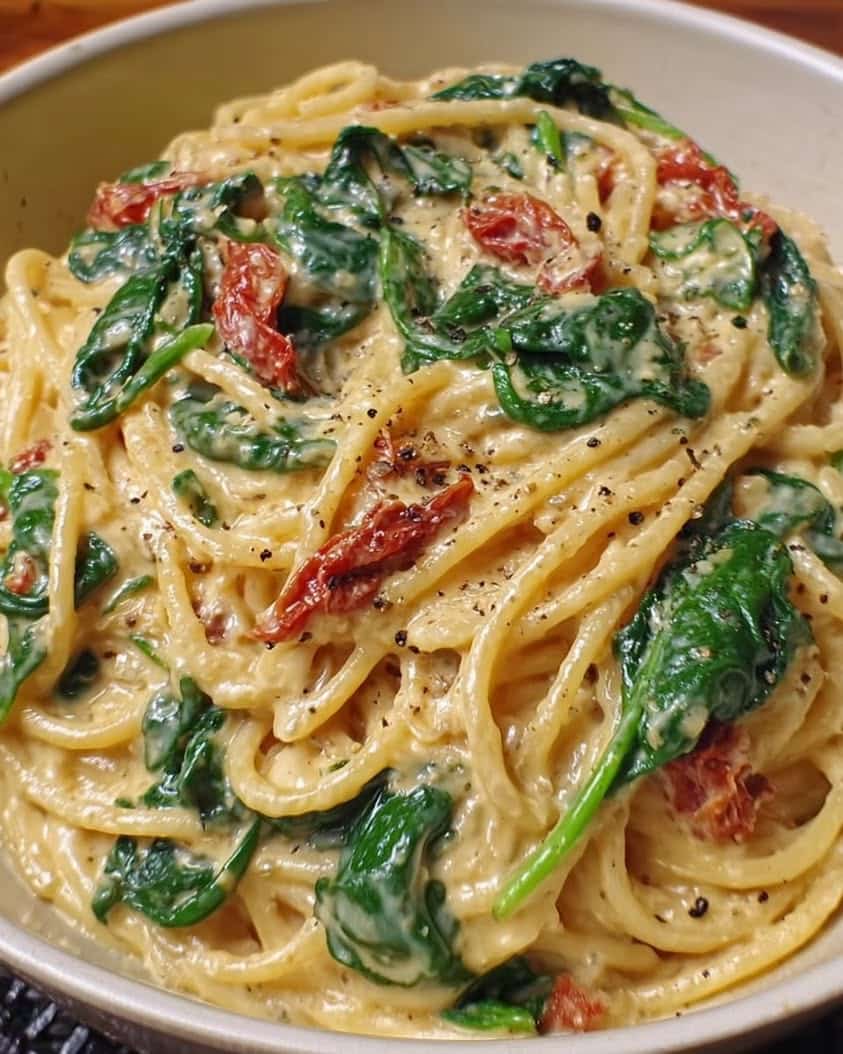
Imagine a bowl of perfectly al dente spaghetti, generously coated in a luxuriously creamy sauce that’s bursting with the tangy, sweet intensity of sun-dried tomatoes. This Spaghetti & Spinach with Sun-Dried Tomato Cream Sauce is exactly that dream dinner, and it comes together in less time than it takes for delivery to arrive. Moreover, this recipe transforms simple pantry staples into a meal that feels incredibly special and indulgent. The vibrant red sauce, flecked with herbs and fresh green spinach, is a feast for the eyes before you even take your first bite.
This dish masterfully balances rich, creamy comfort with bright, savory flavors. Consequently, it’s the ultimate solution for busy weeknights when you crave something satisfying yet sophisticated. The sun-dried tomatoes provide a powerful umami punch that permeates the entire sauce, while the cream creates a velvety texture that clings to every strand of pasta. Fresh spinach wilts into the mix at the last minute, adding a pop of color and a welcome nutritional boost. Ultimately, this creamy sun-dried tomato pasta with spinach is a guaranteed crowd-pleaser that will earn a permanent spot in your dinner rotation.
Quick Recipe Highlights
- Flavor Profile: This dish offers a complex harmony of tangy, sweet, and savory notes. The sun-dried tomatoes deliver a concentrated umami richness, perfectly balanced by the mellow cream and sharp Parmesan cheese. Additionally, garlic and herbs build a foundational aroma that makes the kitchen smell incredible.
- Texture: You will enjoy a delightful contrast in every forkful. The spaghetti provides a satisfying, chewy base, while the sauce is luxuriously smooth and velvety. The spinach wilts to a tender texture, and the sun-dried tomatoes offer a pleasant, chewy bite that keeps things interesting.
- Aroma: As the garlic sizzles and the sun-dried tomatoes warm in the pan, they release an intensely savory and sweet fragrance. This aroma deepens when the cream is added, creating a rich, inviting scent that promises a comforting meal. Finally, the fresh basil or parsley garnish adds a final, bright aromatic lift.
- Visual Appeal: This pasta is a colorful masterpiece. The vibrant crimson-red sauce, studded with specks of herbs and sun-dried tomatoes, beautifully coats the pale pasta. Subsequently, the bright green spinach adds a fresh contrast, making the dish look as stunning on the plate as it tastes.
- Skill Level Needed: This is a beginner-friendly recipe designed for success. The techniques are straightforward: boiling pasta, sautéing garlic, and simmering a simple sauce. Therefore, even novice cooks can achieve restaurant-quality results with minimal effort and basic kitchen tools.
- Special Equipment: You only need standard kitchen equipment. A large pot for boiling pasta, a large skillet or sauté pan for the sauce, a colander, and basic utensils like a wooden spoon and chef’s knife are all you require. No special gadgets are necessary for this creamy sun-dried tomato pasta.
Recipe Overview
- Difficulty Level: We classify this Spaghetti & Spinach with Sun-Dried Tomato Cream Sauce as “Easy” because it follows a logical, sequential process with minimal advanced techniques. The steps involve basic chopping, sautéing, and simmering. Furthermore, the recipe is forgiving; slight variations in ingredient amounts or simmering time will still yield a delicious result, making it perfect for building cooking confidence.
- Category: This recipe falls squarely into the main dish category, providing a complete and satisfying meal. It can also be considered a vegetarian entrée. For a lighter option, it works wonderfully as a hearty side dish or primo piatto (first course) in an Italian-style multi-course meal.
- Cuisine: The dish is inspired by modern Italian-American cuisine, focusing on bold, creamy pasta sauces. While traditional Italian cooking often uses lighter, oil-based sauces, the incorporation of cream and sun-dried tomatoes reflects a contemporary, fusion-style approach that prioritizes rich flavor and convenience without sacrificing quality.
- Cost: This is a very cost-effective meal, especially when compared to dining out. The primary cost comes from the sun-dried tomatoes (which are pantry-stable and often sold in jars) and the heavy cream. Pasta, spinach, garlic, and basic seasonings are typically inexpensive staples. Overall, you can create four generous restaurant-quality portions for a fraction of the price of a single pasta dish at a bistro.
- Season: This creamy sun-dried tomato pasta with spinach is truly a year-round favorite. It provides cozy comfort during colder months but feels light enough for spring and summer evenings, especially when paired with a crisp salad. The use of jarred sun-dried tomatoes and fresh spinach means you aren’t limited by seasonal produce availability.
- Occasion: It’s incredibly versatile for any occasion. It’s quick enough for a casual Tuesday family dinner, yet elegant enough for a date night at home or for impressing weekend guests. You can easily double the recipe for a potluck or party, as it holds well and appeals to a wide range of palates.
Why You’ll Love This Recipe
First and foremost, the taste and texture of this Spaghetti & Spinach with Sun-Dried Tomato Cream Sauce are utterly irresistible. The sauce is the star, delivering a powerful punch of flavor that is both tangy and rich. Each bite offers the perfect balance: the sweet intensity of the tomatoes, the savory depth of garlic and Parmesan, and the smooth, luxurious mouthfeel from the cream. The al dente spaghetti provides the ideal vehicle to soak up every last drop, while the fresh spinach adds a subtle earthiness and vibrant color. This dish satisfies cravings for both something decadent and something brightly flavored.
Next, consider the sheer convenience and preparation benefits. This entire meal comes together in one pot for the sauce and one pot for the pasta, meaning cleanup is a breeze. The active cooking time is minimal, and the process is largely hands-off once the sauce is simmering. You can have a gourmet-tasting dinner on the table in 30 minutes flat, which is faster than most takeout options. Additionally, the recipe uses mostly pantry-stable ingredients, so you can likely whip it up without a special grocery trip. This makes it a perfect “what’s for dinner?” lifesaver on busy evenings.
From a nutritional standpoint, this creamy sun-dried tomato pasta offers several advantages. Sun-dried tomatoes are packed with antioxidants like lycopene, which is more concentrated than in fresh tomatoes. They also provide fiber, potassium, and iron. The fresh spinach is a nutritional powerhouse, loaded with vitamins A, C, and K, as well as iron and folate. While the cream adds richness, using a moderate amount and balancing it with these nutrient-dense ingredients creates a meal that feels indulgent while still providing valuable vitamins and minerals. You can easily add protein like grilled chicken or white beans to make it even more balanced.
This recipe also holds tremendous social and entertaining value. It is a guaranteed crowd-pleaser that looks far more impressive than the effort required. Serving a beautiful, steaming bowl of this vibrant pasta immediately makes guests feel cared for. The recipe scales up effortlessly for a dinner party, and you can prepare components ahead of time to minimize last-minute stress. It pairs wonderfully with a simple salad, crusty bread, and a bottle of wine, creating a complete and memorable dining experience without the restaurant price tag.
Finally, the cost-effectiveness and accessibility of this dish cannot be overstated. For the price of one pasta entrée at a mid-range restaurant, you can feed an entire family with this recipe. The ingredients are common and easy to find at any standard grocery store. There’s no need for expensive, hard-to-source items. This accessibility ensures that anyone, regardless of their cooking experience or budget, can create a truly special and delicious meal at home. It democratizes gourmet flavor, proving that you don’t need to spend a fortune to eat incredibly well.
Historical Background and Cultural Significance
The story of sun-dried tomatoes is deeply rooted in Mediterranean preservation techniques. Before modern refrigeration, drying tomatoes in the hot summer sun was a crucial method to preserve the harvest and enjoy their flavor year-round. This practice was particularly common in southern Italy, where tomato abundance met ideal drying conditions. The resulting intensely flavored, chewy tomatoes became a staple ingredient, rehydrated in oils or added directly to stews, breads, and, of course, pasta sauces. Our Spaghetti & Spinach with Sun-Dried Tomato Cream Sauce is a modern homage to this ancient, resourceful tradition of capturing summer’s essence in a jar.
Culturally, pasta with creamy sauces represents a fascinating fusion. Traditional Italian cuisine, especially from the south, often favors lighter sauces based on olive oil, fresh tomatoes, or simple vegetable purées. Cream-based pasta sauces, like Alfredo, have more specific regional origins (often from the north, like Emilia-Romagna) or are celebrated as Italian-American creations. The incorporation of sun-dried tomatoes into a cream sauce is a relatively contemporary innovation, blending the old-world preservation method with the rich, comforting texture popular in modern Western cooking. It speaks to the evolving, adaptive nature of food culture.
The evolution of this specific recipe follows the global rise of sun-dried tomatoes as a gourmet ingredient in the 1980s and 1990s. As they became widely available in jars packed in oil, their intense flavor and convenience captured the imagination of home cooks and chefs alike. Adding them to a simple cream sauce was a logical and delicious step, creating a quick “special occasion” pasta. The addition of fresh spinach came naturally, both for its nutritional value and for the beautiful color contrast it provides, making the dish visually appealing and more balanced. This evolution showcases how globalized ingredients inspire new, beloved family recipes.
Regional variations of this concept abound, reflecting local tastes and ingredients. In Italy, one might find a similar dish using ‘panna da cucina’ (cooking cream) and perhaps adding a touch of chili flake for heat. In American kitchens, variations might include adding grilled chicken, shrimp, or mushrooms. Some versions use goat cheese or mascarpone instead of Parmesan for a tangier twist. Others forego cream altogether for a lighter sauce using the sun-dried tomato oil and starchy pasta water. This versatility is a testament to the strong foundational flavor of sun-dried tomatoes, which can anchor a dish in countless delicious directions while keeping our creamy sun-dried tomato pasta with spinach as a classic, beloved standard.
Ingredient Deep Dive
Sun-Dried Tomatoes: These are the flavor engine of the dish. Sun-drying concentrates the tomato’s natural sugars and acids, creating an intense sweet-tart umami bomb. Historically a preservation necessity, they are now valued for their unique taste and chewy texture. Nutritionally, they are high in lycopene (an antioxidant linked to heart health), fiber, and potassium. For the best flavor, choose sun-dried tomatoes packed in olive oil; the oil itself is seasoned and perfect for starting the sauce. You can store an opened jar in the refrigerator for several weeks. If you only have dry-packed tomatoes, simply soak them in hot water for 15 minutes to soften before using.
Heavy Cream: Cream provides the luxurious, velvety texture that defines the sauce. Its high fat content carries flavors beautifully and creates a stable, silky emulsion that coats the pasta. From a culinary standpoint, it mellows the sharpness of the garlic and the tang of the tomatoes, creating a harmonious balance. For storage, always keep cream refrigerated and use it by the date on the carton. For a lighter version, half-and-half can be substituted, but be careful not to let it boil vigorously, as it may separate. For a dairy-free alternative, full-fat canned coconut cream is an excellent rich substitute.
Fresh Spinach: Spinach adds a vital pop of color, freshness, and nutrition. It wilts quickly in the hot sauce, reducing dramatically in volume while contributing a mild, earthy flavor that complements the rich tomatoes. Spinach is loaded with vitamins A, C, and K, iron, and folate. When selecting spinach, look for bright green, crisp leaves without signs of yellowing or sliminess. Store it loosely wrapped in a paper towel inside a plastic bag in the refrigerator’s crisper drawer. Baby spinach is ideal as it’s tender and requires no stemming. If you only have frozen spinach, be sure to thaw and thoroughly squeeze out all excess water before adding it to the sauce to prevent dilution.
Parmesan Cheese: Freshly grated Parmesan (Parmigiano-Reggiano is ideal) is a non-negotiable flavor enhancer. It adds a salty, nutty, umami depth that amplifies the savoriness of the entire dish. The cheese also helps thicken the sauce slightly as it melts. Always grate your own cheese from a block; pre-grated varieties contain anti-caking agents that can make the sauce grainy and less flavorful. Store a block of Parmesan wrapped in parchment paper and then foil in the refrigerator. For a vegetarian version, ensure your cheese is made with microbial rennet. While other hard cheeses like Pecorino Romano can be used, they are saltier and sharper, so adjust quantities accordingly.
Common Mistakes to Avoid
- Using Pre-Grated Parmesan Cheese: This is a critical error. Pre-grated cheese contains cellulose to prevent clumping, which prevents it from melting smoothly into the sauce. Consequently, your sauce may become grainy or gritty. Always take the extra minute to grate a block of fresh Parmesan for a perfectly silky texture and superior flavor.
- Overcooking the Garlic: Garlic burns easily and becomes bitter. You should sauté it only until it becomes fragrant, which usually takes just 30-60 seconds over medium heat. If you let it brown, that bitter flavor will permeate your entire creamy sun-dried tomato pasta sauce. Stir constantly and have your next ingredients ready to add.
- Boiling the Cream Sauce: Once you add the cream to the pan, you must maintain a gentle simmer. A rolling boil can cause the cream to separate or become oily. Keep the heat at medium-low after adding the cream and let it thicken gradually. A gentle bubble is all you need.
- Draining the Pasta Completely Dry: Do not rinse your cooked spaghetti, and leave a little pasta water clinging to it. The starchy pasta water is a magical ingredient that helps the sauce adhere to the noodles and creates a better emulsion. Furthermore, you can add a splash of this water to the sauce if it becomes too thick.
- Adding the Spinach Too Early: If you add the spinach at the same time as the cream, it will overcook and become slimy. Instead, stir it in at the very end, just before combining with the pasta. The residual heat will wilt it perfectly, preserving its vibrant color and tender texture.
- Underseasoning the Sauce: Pasta and cream require ample seasoning. Sun-dried tomatoes and Parmesan are salty, but you still need to taste and adjust. Always season in layers: salt the pasta water well, then taste the sauce before and after adding the cheese. Finish with black pepper and fresh herbs for a flavor boost.
- Crowding the Pan: Use a large, wide skillet to make the sauce. If the pan is too small, the ingredients will steam rather than sauté, and you won’t get proper flavor development. A large surface area allows for even cooking and reduction of the sauce to the perfect consistency.
- Skipping the Pasta Water: Never underestimate the power of starchy pasta water. When you toss the spaghetti with the sauce, add a quarter cup of the reserved water. The starch helps the creamy sauce cling to every strand, creating a cohesive, restaurant-quality dish instead of a pool of sauce with pasta sitting in it.
Essential Techniques
Sautéing Aromatics: This foundational technique builds the flavor base of your sauce. Start with the oil from the sun-dried tomatoes, which is already infused with flavor. Heat it over medium (not high) heat until it shimmers. Then add your minced garlic. The goal is to gently cook the garlic just until it releases its potent aroma, about 30 seconds. This process, called “sweating,” transforms the garlic’s harsh raw bite into a sweet, savory foundation. The common pitfall is walking away, leading to burnt, bitter garlic. Success is visual and olfactory: the garlic should be soft and fragrant, with no browning.
Creating a Cream Reduction: After adding the heavy cream and sun-dried tomatoes, you will simmer the mixture. This technique, called reducing, accomplishes two things. First, it concentrates the flavors by evaporating some of the water content in the cream. Second, it thickens the sauce naturally as the proteins and fats coalesce. You must maintain a gentle simmer—small bubbles around the edges of the pan—and stir occasionally. A vigorous boil can cause the fat to separate from the liquid. The visual cue for success is a sauce that coats the back of a spoon and has reduced in volume by about one-third, becoming visibly thicker and richer.
Finishing Pasta in the Sauce (The Mantecatura): This is the Italian technique that elevates good pasta to great pasta. Instead of just pouring sauce over drained noodles, you combine the al dente spaghetti directly in the skillet with the simmering sauce. Add a splash of the starchy pasta water. Then, toss everything together over low heat for 1-2 minutes. The pasta finishes cooking in the sauce, absorbing its flavor. Meanwhile, the starch from the water emulsifies with the fats in the sauce, creating a creamy, cohesive texture that clings perfectly to each strand. The result is a unified dish where the pasta and sauce are one entity.
Pro Tips for Perfect Spaghetti & Spinach with Sun-Dried Tomato Cream Sauce
- Reserve at least one cup of pasta water before draining your spaghetti. You may not need it all, but having it ready is crucial for adjusting the sauce consistency at the end.
- If your sun-dried tomatoes are very large or chewy, give them a rough chop before adding them to the sauce. This ensures their flavor distributes evenly and makes for easier eating.
- For an extra flavor layer, add a pinch of red pepper flakes to the garlic as it sautés. This introduces a subtle warmth that complements the sweet tomatoes beautifully.
- Take the cream out of the refrigerator about 10 minutes before you start cooking. Using cold cream can shock the pan and lower the temperature, slowing down the reduction process.
- Always taste your sauce for seasoning after adding the Parmesan cheese, as the cheese is quite salty. Adjust with salt and pepper at this final stage.
- For the best texture, add the fresh spinach off the heat. The residual warmth of the sauce and pasta is sufficient to wilt it perfectly without turning it mushy.
- Let the finished pasta rest in the warm pan for a minute off the heat before serving. This allows the flavors to meld further and the sauce to settle into its final, perfect consistency.
Variations and Adaptations
Regional Variations: To lean into Southern Italian roots, omit the cream and create a sauce using just the sun-dried tomato oil, garlic, a splash of pasta water, and chopped sun-dried tomatoes for a lighter, oil-based “pasta al olio” style dish. For a Northern Italian twist, stir in a tablespoon of mascarpone cheese at the end for an even richer, silkier texture. An American diner classic might include adding grilled chicken breast or sautéed shrimp directly into the pasta for a protein-packed meal.
Seasonal Adaptations: In summer, garnish with fresh cherry tomatoes halved and scattered on top for a burst of juicy freshness. In the fall, add sautéed mushrooms (like cremini or shiitake) for an earthy, umami depth that pairs wonderfully with the tomatoes. For a winter comfort version, stir in a handful of frozen peas along with the spinach for added sweetness and color.
Dietary Modifications: For a gluten-free version, use your favorite gluten-free spaghetti; just be mindful of cooking time as it can be more delicate. To make it dairy-free and vegan, substitute the heavy cream with full-fat canned coconut cream and use nutritional yeast or a vegan Parmesan alternative. For a lower-carb option, serve the sauce over spiralized zucchini noodles (zoodles) or shirataki noodles, remembering to cook them separately to remove excess moisture.
Flavor Variations: Incorporate a tablespoon of tomato paste when sautéing the garlic for an even deeper tomato flavor. For a smoky note, add a bit of chopped, oil-packed roasted red pepper. For an herby lift, stir in a teaspoon of dried Italian seasoning or a tablespoon of fresh chopped basil or oregano along with the spinach.
Texture Modifications: For a chunkier, heartier sauce, add a can of drained and rinsed white beans (cannellini or great northern) when you add the cream. For a smoother, more uniform sauce, use an immersion blender to partially puree the sun-dried tomatoes and cream mixture before adding the pasta and spinach.
Presentation Alternatives: Instead of tossing all the spinach into the sauce, reserve a few fresh leaves to create a bed on the plate before piling the pasta on top. For individual servings, use a pasta fork to twirl portions into neat nests. Garnish with a whole sun-dried tomato and a fresh basil sprig for a professional, restaurant-style finish.
Serving and Presentation Guide
Plating this dish is part of its appeal. For a family-style presentation, serve the entire skillet or transfer the pasta to a large, shallow serving bowl. Use tongs to lift and twist the spaghetti into the bowl, creating height and visual interest. For individual plates, twirl a portion of pasta against a large spoon to form a neat nest in the center of a warm plate. This technique catches the sauce and ingredients within the pasta bundle, ensuring every bite is perfect.
Garnishing is the final touch that elevates the dish. A generous sprinkle of freshly grated Parmesan cheese is essential. Then, add a flourish of freshly chopped flat-leaf parsley or basil for color and a bright aroma. A light drizzle of high-quality extra virgin olive oil over the top adds a lovely sheen and fruity note. For a bit of texture, a small handful of toasted pine nuts or walnuts scattered on top provides a delightful crunch that contrasts the creamy sauce.
Traditional accompaniments keep the meal Italian-inspired. A simple side salad of arugula with a lemon vinaigrette cuts through the richness of the pasta. Crusty bread, like a baguette or ciabatta, is mandatory for mopping up every last bit of sauce from the plate. For a more substantial meal, consider starting with a classic bruschetta or a bowl of minestrone soup.
Modern serving suggestions might include pairing it with a roasted vegetable medley, such as asparagus or broccolini. For a protein-forward meal, serve it alongside grilled Italian sausages or lemon-herb chicken thighs. Remember, the pasta itself is rich, so lighter, acidic, or crunchy sides provide the best balance and create a more rounded dining experience.
Temperature is crucial. Pasta is best served immediately, piping hot. Ensure your serving bowls or plates are warmed slightly to keep the heat from dissipating too quickly. Conversely, if you are serving a salad alongside, it should be cool and crisp to provide that refreshing contrast. The goal is to maximize the sensory experience of hot, creamy pasta against cool, fresh accompaniments.
Portion control can be tricky with such a delicious dish. A good rule of thumb is about 2 ounces of dry spaghetti per person for a main course. Since the sauce is rich, a little goes a long way. If serving as part of a multi-course meal, reduce the portion to 1.5 ounces per person. Leftovers reheat beautifully, so don’t be afraid to make the full recipe even for fewer people—you’ll thank yourself for the easy lunch tomorrow.
Wine and Beverage Pairing
Choosing the right wine enhances the dining experience. The tangy, rich, and creamy profile of this pasta calls for wines with good acidity to cut through the fat. A classic Italian pairing is a Pinot Grigio from the Alto Adige region—its crisp, clean citrus notes provide a perfect counterpoint. Alternatively, a dry Rosé with its berry flavors and bright acidity works wonderfully. For red wine lovers, a light-bodied, low-tannin red like a Barbera or a Grenache won’t overpower the dish and complements the tomato’s acidity beautifully.
For non-alcoholic alternatives, consider beverages that offer refreshment and palate cleansing. Sparkling water with a squeeze of lemon or lime is always excellent. An Italian-style lemon soda (like San Pellegrino Limonata) provides tart sweetness that mirrors the tomato’s acidity. Iced herbal tea, such as mint or hibiscus, offers a complex, fruity, and refreshing option that won’t compete with the pasta’s robust flavors.
If considering coffee or tea after the meal, opt for something that cleanses the palate. An espresso is a traditional Italian finish, its bitterness cutting through any residual richness. For tea, a cup of peppermint or ginger tea can aid digestion and provide a clean, refreshing end to the meal. Avoid overly sweet or milky beverages immediately after, as they can clash with the savory notes of the dish.
Temperature considerations are key for all pairings. White wines and Rosés should be served well-chilled, between 45-50°F. Light reds like Barbera are best served slightly cooler than room temperature, around 55-60°F (a technique called “cellar temperature”). Non-alcoholic sparkling drinks should be ice-cold. These cooler temperatures provide a refreshing contrast to the hot, creamy pasta, making each bite and sip more enjoyable.
General serving suggestions include always having a pitcher of cold water on the table. Encourage guests to sip water between bites of the rich pasta and sips of wine to cleanse their palates. If serving wine, pour modest glasses to allow it to stay at the ideal temperature. Most importantly, the best pairing is the one you enjoy, so feel free to experiment with your favorite beverages alongside this versatile creamy sun-dried tomato pasta.
Storage and Shelf Life
Proper storage is essential for enjoying leftovers. Allow the pasta to cool to room temperature within two hours of cooking. Then, transfer it to an airtight container. You can store it in the refrigerator for up to 3-4 days. The sauce may thicken significantly as the pasta absorbs liquid and the cream sets. This is normal and easily remedied upon reheating.
For best results, store the pasta and any extra sauce together in the same container. Avoid using metal containers, as the acidity from the tomatoes can react with the metal. Glass or BPA-free plastic containers with tight-fitting lids are ideal. If you have a large quantity, consider dividing it into single-serving portions for easy reheating later in the week.
Signs of spoilage are straightforward. If you notice an off or sour smell, visible mold, or significant discoloration (like the spinach turning a very dark, slimy green), discard the pasta immediately. When in doubt, it is always safer to throw it out. Cream-based sauces are more perishable than oil-based ones, so adhere to the 4-day guideline strictly.
Reheating requires a gentle touch to prevent the sauce from breaking. The best method is on the stovetop. Place the pasta in a skillet or saucepan with a splash of milk, cream, water, or broth. Heat over low to medium-low heat, stirring frequently, until warmed through. The added liquid will help reconstitute the sauce to its original creamy consistency. You can also use a microwave: place in a microwave-safe dish, cover loosely, and heat in 30-second intervals, stirring between each, until hot.
Freezing is possible but not ideal for cream-based pasta dishes, as the dairy can separate and become grainy upon thawing. The texture of the pasta itself will also become softer and mushier. If you must freeze it, do so for no longer than one month. Thaw overnight in the refrigerator and reheat gently on the stovetop with added liquid, as described above. Expect a slight change in texture.
Make Ahead Strategies
You can efficiently break this recipe into stages. The day before, prepare your mise en place: mince the garlic, grate the Parmesan cheese, and measure out the sun-dried tomatoes (keep them in their oil). Wash and dry the spinach. Store each component in separate small containers in the refrigerator. This prep cuts your active cooking time on the day of serving to just about 15 minutes.
For storage between steps, keep pre-chopped garlic in a small airtight container. Grated Parmesan should be stored in the fridge, tightly wrapped. The sun-dried tomatoes can stay in their jar at room temperature. Pre-washed spinach should be stored in the original clamshell or in a salad spinner lined with paper towels to absorb excess moisture and prevent wilting.
Assessing quality impact is important. Pre-mincing garlic is fine, though its flavor may intensify slightly overnight—this is usually a benefit. Freshly grated cheese is always best, but grating it a day ahead has minimal negative impact if stored properly. Do not pre-cook the sauce or pasta, as both are best served fresh. The magic of this dish is in the final, quick assembly.
Assembly tips for a dinner party are straightforward. Have your pot of salted water ready to boil. Complete all your pre-measured prep. Just before your guests arrive or you’re ready to eat, start boiling the pasta. As the pasta cooks, you can quickly sauté the garlic and build the sauce. The timing will sync perfectly for a fresh, hot meal served straight from the skillet to the table.
If you must reheat a fully assembled make-ahead batch, follow the gentle stovetop method with added liquid. However, the spinach will be much softer. For the best texture, consider reserving half of the fresh spinach. Add the first half when making the sauce ahead, and stir in the reserved fresh spinach when you reheat to regain some of that vibrant color and texture.
Scaling Instructions
Halving the recipe is simple for a meal for two. Use half of all ingredient amounts. The cooking times will remain roughly the same, though the sauce may reduce a bit faster due to the smaller volume. Use a medium skillet instead of a large one. Be sure to still salt your pasta water generously, even with less pasta. This scaling works perfectly without any other adjustments.
Doubling or tripling the recipe for a crowd requires some forethought. Use a very large pot for boiling the pasta, or cook it in two batches to avoid sticking. For the sauce, you will need an extra-large skillet, Dutch oven, or even a wide saucepan. The sauce will take longer to reduce and come together—allow an extra 5-10 minutes of simmering time. Taste carefully for seasoning, as larger batches can require slightly more salt and herbs to achieve the same flavor balance.
Equipment adjustments are crucial when scaling. A standard 12-inch skillet may not hold a doubled sauce recipe. Opt for a 5-quart Dutch oven or a large sauté pan with high sides. Ensure you have a colander large enough to drain double the amount of spaghetti. Having a second set of tongs and a large serving bowl ready will make the final tossing and serving much easier.
Timing modifications are minimal but important. When doubling, start the sauce about 5 minutes before you put the pasta in the boiling water. This gives the larger volume of sauce a head start on reducing. The goal is to have both components finish at the same time. Keep the cooked pasta in the colander with a bit of its cooking water to prevent sticking while you put the final touches on the sauce.
Storage considerations for large batches are similar. You will likely have more leftovers. Divide the cooled pasta into several smaller airtight containers rather than one giant one. This allows for quicker cooling (important for food safety) and easier reheating of single portions later in the week. Label containers with the date to keep track of freshness.
Nutritional Deep Dive
This dish provides a balanced macronutrient profile. The spaghetti is primarily a source of complex carbohydrates, offering sustained energy. The heavy cream and Parmesan cheese contribute healthy fats, which are essential for nutrient absorption and satiety. The sun-dried tomatoes and spinach add a modest amount of plant-based protein and fiber. While it is a rich dish, a single serving provides a satisfying mix of carbs, fats, and a smaller amount of protein, making it a complete meal that keeps you full for hours.
A micronutrient analysis reveals significant benefits. Sun-dried tomatoes are exceptionally high in lycopene, an antioxidant linked to reduced risk of certain cancers and heart disease. They also provide potassium for blood pressure regulation and iron. Spinach is loaded with vitamins A (for vision and immunity), C (for collagen and immunity), and K (for bone and blood health), along with folate and magnesium. The dairy components offer calcium and vitamin D for bone strength. Together, these ingredients create a nutrient-dense meal despite its indulgent reputation.
Specific health benefits include support for heart health from the lycopene and potassium, bone health from the calcium and vitamin K, and immune support from vitamins A and C. The fiber from the whole wheat pasta option and vegetables aids digestion. The fats from the cream help your body absorb the fat-soluble vitamins (A, D, E, K) present in the spinach and tomatoes, maximizing the nutritional payoff of the entire dish.
For dietary considerations, this is a vegetarian recipe. It contains gluten (from the wheat pasta) and dairy. Those with lactose intolerance may need to use lactose-free cream or a dairy alternative. The dish is not suitable for a vegan diet without modifications, nor is it inherently low-carb or keto due to the pasta. However, as discussed in the adaptations section, it can be modified to fit many dietary needs with simple swaps.
Portion analysis is key for weight management. A standard serving (about 1/4 of the recipe) is satisfying but calorie-dense due to the cream and cheese. To enjoy this as part of a balanced diet, pair it with a large side salad filled with non-starchy vegetables to increase volume and fiber without adding many calories. This helps control overall calorie intake while still enjoying the rich, comforting pasta. Listening to your body’s fullness cues Print
Spaghetti & Spinach with Sun-Dried Tomato Cream Sauce
- Total Time: 45 minutes
- Yield: 4
Description
A creamy, savory pasta dish with tender spinach and tangy sun-dried tomatoes, perfect for a quick and satisfying dinner.
Ingredients
- 12 oz spaghetti
- 1 cup sun-dried tomatoes in oil, drained and chopped
- 3 cloves garlic, minced
- 1 cup heavy cream
- 4 cups fresh spinach
- 1/2 cup grated Parmesan cheese
- 2 tbsp olive oil
- Salt and black pepper to taste
- Fresh basil for garnish
Instructions
- Cook spaghetti according to package instructions until al dente, then drain and set aside.
- In a large skillet, heat olive oil over medium heat. Add garlic and sun-dried tomatoes, sauté for 2-3 minutes until fragrant.
- Pour in heavy cream, bring to a simmer, and cook for 5 minutes until slightly thickened.
- Stir in spinach and cook until wilted, about 2 minutes.
- Add cooked spaghetti to the skillet, toss to coat in the sauce, then mix in Parmesan cheese until melted and creamy.
- Season with salt and pepper, garnish with fresh basil, and serve immediately.
Notes
You can customize the seasonings to taste.
- Prep Time: 15 minutes
- Cook Time: 30 minutes
- Method: Main
- Cuisine: Italian-American