Smoky White Bean Soup with Garlic and Herbs: A Simple, Soul-Warming Recipe
Imagine a bowl of pure comfort that warms you from the inside out. This Smoky White Bean Soup with Garlic and Herbs delivers exactly that kind of cozy satisfaction. Furthermore, it transforms humble pantry staples into a deeply flavorful and nourishing meal. The recipe builds layers of taste, starting with aromatic garlic and onions, then adding a hint of smoke, and finally simmering with creamy white beans and fresh herbs. Ultimately, you create a rustic, velvety soup that feels both wholesome and indulgent.
This Smoky White Bean Soup with Garlic and Herbs is the perfect answer to busy weeknights or chilly weekends. Importantly, it requires minimal hands-on effort, allowing the stove to do most of the work. The result is a pot of soup that fills your kitchen with an irresistible, savory fragrance. Whether you need a simple family dinner or a make-ahead lunch, this recipe proves that fantastic flavor doesn’t need complexity. Consequently, it will become a reliable favorite in your cooking rotation.
Quick Recipe Highlights
- Flavor Profile: This soup boasts a robust, savory base with the sweet pungency of slow-cooked garlic and onions. A touch of smoked paprika introduces a warm, campfire-like depth that perfectly complements the earthy white beans. Finally, a bright finish of fresh herbs like rosemary or thyme lifts the entire dish.
- Texture: The soup achieves a wonderfully creamy and velvety consistency without any dairy. Some beans break down during simmering to naturally thicken the broth, while others remain whole for a pleasant, hearty bite. This creates a satisfying mouthfeel that is both smooth and substantial.
- Aroma: As it cooks, the soup releases a captivating scent that starts with the sweet, caramelized notes of sautéed onion. Then, the unmistakable fragrance of garlic and smoked paprika takes over, followed by the earthy, herbal perfume of rosemary or thyme. Altogether, it creates an aroma that promises deep comfort.
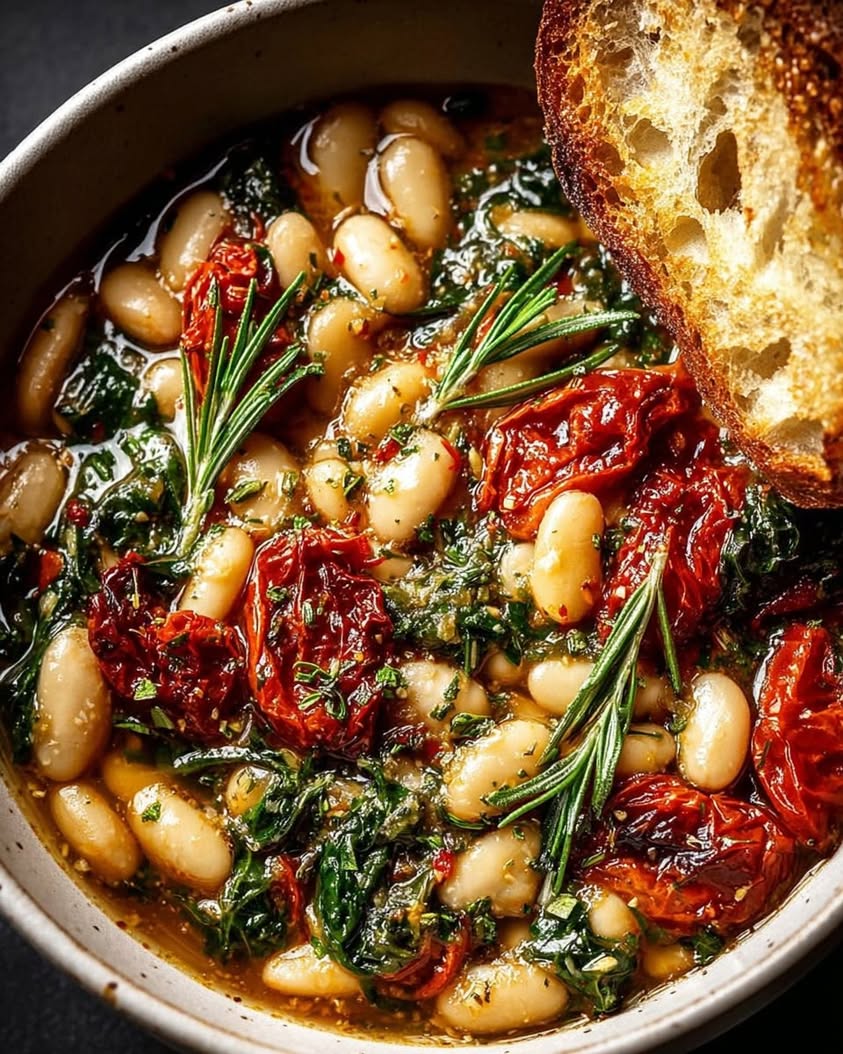
- Visual Appeal: The soup presents a beautiful, rustic appearance with a warm, golden-hued broth. Speckles of green from the fresh herbs and the soft, creamy white beans create a simple yet elegant look. Served in a deep bowl, perhaps with a drizzle of good olive oil, it is inviting and photogenic.
- Skill Level Needed: This is a beginner-friendly recipe that requires only fundamental cooking skills like chopping and sautéing. There is no complicated technique, making it accessible for novice cooks. However, the layering of flavors yields a result that tastes professionally crafted.
- Special Equipment: You need only a standard large pot or Dutch oven and a wooden spoon. A good knife and cutting board for prep are essential. No blenders or special gadgets are required, though an immersion blender can create a smoother texture if desired.
Recipe Overview
- Difficulty Level: We rate this Smoky White Bean Soup with Garlic and Herbs as “Easy” because it follows a straightforward, one-pot procedure. The steps involve basic chopping, sautéing, and simmering—all fundamental techniques. There is no precision baking or advanced knife work required. Consequently, cooks of any experience level can achieve excellent results.
- Category: This recipe falls squarely into the hearty main course category for a light dinner or lunch. It also works beautifully as a starter for a larger meal. Given its plant-based nature, it fits well into vegetarian and vegan meal plans. Additionally, it’s a perfect make-ahead option for weekly meal prep.
- Cuisine: While white bean soups appear across many cultures, this version draws inspiration from the rustic, peasant-style cooking of the Mediterranean. The use of olive oil, garlic, beans, and herbs is classic to regions like Tuscany and Provence. The smoked paprika adds a subtle, modern twist to this timeless culinary tradition.
- Cost: This is an exceptionally budget-friendly meal. Canned white beans, onions, garlic, and dried spices are very inexpensive pantry items. Fresh herbs might be the only potential splurge, but you can use dried in a pinch. Overall, you can feed four people generously for just a few dollars.
- Season: This Smoky White Bean Soup with Garlic and Herbs shines brightest in the cooler months of fall and winter. Its warming, hearty nature provides comfort against the cold. That said, its lightness makes it suitable for a cool spring evening as well. It’s less ideal for hot summer days but can be enjoyed year-round.
- Occasion: This soup is perfect for a casual weeknight family dinner. It’s also elegant enough for a simple dinner party starter. Furthermore, it’s an ideal meal for a quiet, cozy night in. Pack it for lunch, and it reheats beautifully, making it a practical choice for any day of the week.
Why You’ll Love This Recipe
First and foremost, the taste and texture of this Smoky White Bean Soup with Garlic and Herbs are utterly captivating. Each spoonful delivers a creamy, velvety broth packed with savory, smoky, and herbal notes. The beans provide a satisfying, protein-rich heartiness that makes the soup feel like a complete meal. Moreover, the depth of flavor from the slow-cooked aromatics is surprisingly complex for such a simple recipe. You will find yourself going back for a second bowl every time.
Next, consider the sheer convenience and preparation benefits. This recipe uses mostly pantry staples, meaning you can likely make it without a special grocery trip. The process is largely hands-off after the initial sauté; you simply let the pot simmer. Therefore, you can multitask—fold laundry, help with homework, or simply relax—while dinner cooks itself. This makes it a lifesaver on hectic evenings when you want something wholesome without the fuss.
From a nutritional standpoint, this soup is a powerhouse. White beans are an excellent source of plant-based protein and fiber, which promote satiety and digestive health. Garlic and onions offer valuable antioxidants and anti-inflammatory compounds. Using olive oil as the fat base contributes heart-healthy monounsaturated fats. Altogether, you get a meal that nourishes your body deeply while delighting your taste buds.
This Smoky White Bean Soup with Garlic and Herbs also holds significant social and entertaining value. It’s easy to double or triple the recipe to feed a crowd for a casual gathering. Serving a homemade soup feels thoughtful and welcoming to guests. Additionally, its appealing aroma will make your home feel instantly cozy and inviting. It’s a dish that encourages people to gather around the table and share a simple, satisfying experience.
Finally, the cost-effectiveness and accessibility are unbeatable. As mentioned, the ingredient list is humble and affordable. You can make a pot of soup that yields multiple servings for the price of a single takeout meal. This accessibility means you can enjoy restaurant-quality flavor on a tight budget. Consequently, this recipe empowers you to eat well without straining your finances, proving that good food doesn’t have to be expensive.
Historical Background and Cultural Significance
The origin story of bean soups stretches back millennia, as beans were among the first cultivated crops. Simple, hearty soups made from beans, grains, and vegetables formed the backbone of diets for peasants and working classes across Europe and the Middle East. Specifically, white bean soups have strong roots in Italian cuisine, most famously in the Tuscan dish “Ribollita.” These soups were born from necessity, designed to be filling, nutritious, and made from inexpensive, shelf-stable ingredients. The addition of aromatic herbs and available fats like olive oil elevated these humble dishes into cultural staples.
The cultural importance of such soups cannot be overstated. They represent a cuisine of resourcefulness and comfort, often referred to as “cucina povera” or “poor cooking” in Italy. These dishes were not about scarcity but about maximizing flavor and nutrition from what was available. A pot of bean soup simmering on the hearth symbolized warmth, family, and sustenance. Even today, these soups carry that emotional weight, connecting us to generations of cooks who prepared meals with love and simplicity.
The evolution of the recipe for Smoky White Bean Soup with Garlic and Herbs reflects modern pantry availability and taste preferences. Traditional versions might have used a pork bone or pancetta for depth. The use of smoked paprika is a contemporary twist, providing a similar smoky nuance in a vegetarian-friendly way. This adaptation shows how classic dishes can evolve while maintaining their soul. Today’s cooks also benefit from the convenience of canned beans, shortening cooking time without sacrificing the essential character of the soup.
Regional variations of white bean soup are fascinating. In France, you might find a similar soup with herbs de Provence and a touch of tomato. In Portugal, white bean soups often include chouriço or other smoked sausages. Across the American South, white bean soups sometimes feature ham hocks and collard greens. Our version, focusing on garlic, herbs, and smoke from paprika, borrows from these traditions to create a globally-inspired yet uniquely simple dish. Each variation tells a story of local ingredients and culinary history.
Ingredient Deep Dive
Cannellini Beans: These creamy white beans, originally from Argentina, became a cornerstone of Italian cooking. They are prized for their mild flavor, velvety texture, and ability to absorb surrounding flavors beautifully. Nutritionally, they are a fantastic source of plant-based protein, fiber, iron, and folate. When selecting canned beans, look for brands with no added sugar or preservatives; the ingredient list should just say beans, water, and salt. For dried beans, soak them overnight to reduce cooking time and improve digestibility.
Smoked Paprika: This spice is made from peppers that are smoke-dried over oak fires before being ground, imparting a deep, woodsy aroma. It originated in Spain and is essential to dishes like chorizo and paella. It contains capsaicin and antioxidants like vitamin A. For the best flavor in your Smoky White Bean Soup with Garlic and Herbs, seek out “pimentón de la Vera,” which comes in sweet, bittersweet, and hot varieties. Store it in a cool, dark place to preserve its potent smoky character.
Fresh Herbs (Rosemary & Thyme): Rosemary, symbolizing remembrance, and thyme, representing courage, have long histories in Mediterranean cooking and folklore. They contain volatile oils that offer anti-inflammatory benefits and aid digestion. Fresh herbs provide a brighter, more nuanced flavor than dried. Choose bunches with vibrant color and firm stems, avoiding any that look wilted or brown. To store, wrap them in a damp paper towel and place in a sealed bag in the refrigerator. For a stronger flavor, add them early; for a fresher note, stir them in at the end.
Garlic: Garlic has been cultivated for over 5,000 years, used both as food and medicine. It contains allicin, a compound with potent antimicrobial and heart-healthy properties. For the deepest flavor in your soup, use fresh garlic cloves and slice or mince them yourself. Avoid pre-minced jarred garlic, which often has a muted, sometimes bitter taste. Look for firm, plump heads with tight, papery skin. Store garlic in a cool, dry place with good air circulation to prevent sprouting.
Vegetable Broth: The broth forms the liquid foundation of your soup, so its quality dramatically impacts the final taste. A good homemade or high-quality store-bought broth adds a layer of savory depth, or “umami.” Look for brands with a short, recognizable ingredient list and low sodium, allowing you to control the salt level. You can easily make your own by simmering vegetable scraps like onion skins, carrot peels, and celery ends. For a richer soup, consider using a mushroom-based broth.
Common Mistakes to Avoid
- Rushing the Aromatics: Do not sauté the onion and garlic quickly over high heat. This mistake leads to burning or bitter flavors instead of sweet, mellow caramelization. Always cook them slowly over medium-low heat until they are soft and fragrant.
- Using Old Spices: Smoked paprika loses its potency over time. Using a stale spice jar will result in a bland, lackluster soup. Always check the smell of your spices before using them; they should be aromatic, not dusty.
- Overcrowding the Pot: Adding all the beans and broth before the aromatics have properly cooked in the oil prevents flavor development. The fat needs to coat the aromatics first to carry their flavor throughout the entire soup.
- Neglecting to Season in Layers: Adding all the salt only at the end is a common error. Season the onions lightly as they cook, and again after adding the broth and beans. This builds a more integrated and balanced flavor profile.
- Boiling the Soup Vigorously: A hard boil can break the beans down too much, creating a starchy, muddy texture. Instead, maintain a gentle simmer after adding the broth. This allows the flavors to meld gracefully without compromising the beans’ integrity.
- Using Dried Herbs Interchangeably with Fresh: If substituting dried herbs for fresh, use only one-third the amount. Dried herbs are more concentrated and can become bitter if overused. Conversely, fresh herbs added too early can lose their bright flavor.
- Skipping the Final Acid or Fat: Forgetting a final squeeze of lemon juice or a drizzle of good olive oil leaves the soup tasting flat. These finishing elements brighten the flavors and add a layer of richness that elevates the entire dish.
- Not Tasting Before Serving: This is the most crucial step. Ingredients vary, so always taste your Smoky White Bean Soup with Garlic and Herbs and adjust the seasoning with salt, pepper, or a pinch of acid before ladling it into bowls.
Essential Techniques
Sweating Aromatics: This technique involves cooking chopped onions and garlic in a little fat over low to medium heat. The goal is to soften them and release their moisture and sugars without browning. This process, called “sweating,” creates a sweet, mellow flavor base. To master it, keep the heat moderate and stir frequently. A common pitfall is impatience, which leads to frying and browning. Success is visible when the onions turn translucent and the kitchen smells wonderfully fragrant.
Blooming Spices: Blooming refers to cooking ground spices like smoked paprika in hot oil for a short time. This technique unlocks their essential oils and deepens their flavor, integrating them seamlessly into the dish. To do it, add the spices to the cooked aromatics and stir constantly for about 30 seconds. The key is to avoid burning them, as this makes spices bitter. You’ll know it’s working when the color deepens slightly and a rich, aromatic scent fills the air.
Simmering for Flavor Development: Simmering means cooking the soup just below a boil, with small bubbles breaking the surface occasionally. This gentle heat allows the beans to soften and the flavors from the broth, herbs, and aromatics to meld together perfectly. A rolling boil, conversely, can cause evaporation and make the beans disintegrate. Maintain a steady, low bubble by adjusting your burner. The soup is ready when the broth has thickened slightly and the flavors taste unified.
Pro Tips for Perfect Smoky White Bean Soup
First, rinse your canned beans thoroughly in a colander. This removes the starchy liquid they are packed in, which can make the soup cloudy and overly thick. Consequently, you get a cleaner-tasting, more refined broth.
For an extra layer of savory depth, add a Parmesan rind to the pot while the soup simmers. It will melt into the broth, adding a rich, umami complexity that is absolutely divine. Remember to remove any leftover rind before serving.
If you have time, let the finished soup sit off the heat for 15-20 minutes before serving. This resting period allows the flavors to marry and intensify, resulting in a more harmonious and delicious bowl.
To achieve a creamier texture without dairy, use a potato masher or the back of a spoon to gently mash some of the beans against the side of the pot during the last few minutes of cooking. This thickens the broth naturally.
Always use a wooden spoon for stirring. It is gentle on the beans and the pot’s surface, and it won’t react with acidic ingredients the way metal sometimes can.
If your soup seems too thick after storage, thin it with a little water or extra broth when reheating. The beans continue to absorb liquid over time, so this adjustment is often necessary.
For the best garlic flavor, slice the cloves instead of mincing them. Slices soften beautifully during cooking and offer a sweeter, more subtle garlic presence than aggressive raw mince.
Garnish each bowl individually just before serving. A drizzle of high-quality extra virgin olive oil, a crack of black pepper, and a few fresh herb leaves make the presentation and final taste pop.
Variations and Adaptations
For regional variations, consider adding a spoonful of Italian tomato paste with the garlic for a Tuscan twist. Alternatively, stir in a handful of chopped kale or spinach during the last five minutes of cooking for added color and nutrition. A Portuguese-inspired version might include diced tomatoes and a pinch of crushed red pepper flakes.
Seasonal adaptations are simple. In summer, use lighter herbs like fresh basil or parsley and add a squeeze of lemon. For a heartier winter meal, include diced potatoes or carrots with the onions. A spring version could feature fresh peas and mint stirred in at the end.
Dietary modifications are straightforward. For a vegan version, ensure your vegetable broth is certified vegan. To make it gluten-free, this recipe is naturally compliant—just check your broth label. For a creamier, richer soup, stir in a splash of coconut milk or cream at the end.
Flavor variations can take this soup in new directions. Try adding a teaspoon of ground cumin or coriander with the paprika. For a spicy kick, include a diced jalapeño with the onions. A splash of white wine or dry sherry added after the aromatics can introduce a lovely acidity.
Texture modifications are easy. For a completely smooth and silky soup, use an immersion blender to puree it entirely. For a chunkier, stew-like consistency, add extra vegetables like celery and carrots. You can also reserve half the beans, puree the rest with some broth, and then combine them.
Presentation alternatives include serving the soup in a hollowed-out bread bowl for a dramatic effect. Alternatively, top it with homemade garlicky croutons or a sprinkle of vegan Parmesan cheese. For an elegant touch, garnish with a thin slice of lemon or a drizzle of herb oil.
Serving and Presentation Guide
Plating techniques for soup are all about the vessel. Choose wide, shallow bowls rather than deep ones to showcase the soup’s color and texture. Ladle the soup gently into the center of the warm bowl. This prevents splashing and creates a neat, appetizing presentation.
Garnishing ideas should add contrast and freshness. A drizzle of vibrant green olive oil or a swirl of pesto looks beautiful. Freshly chopped parsley, chives, or a few whole thyme leaves add color. A sprinkle of smoked paprika or cracked black pepper provides visual texture and a flavor hint.
Traditional accompaniments include a thick slice of crusty, rustic bread for dipping. A simple side salad of bitter greens with a lemon vinaigrette balances the soup’s richness. In Italian tradition, a drizzle of your best extra virgin olive oil is non-negotiable.
Modern serving suggestions might include a side of marinated olives or a small cheese plate. For a full meal, pair it with a grilled cheese sandwich for ultimate comfort. You can also serve it in smaller cups as a passed appetizer for a party.
Temperature considerations are key. Serve the soup piping hot. Warm your serving bowls by rinsing them with hot water before ladling to keep the soup hot longer. Conversely, if making it ahead, let it cool completely before refrigerating to maintain food safety and texture.
Portion control tips are simple. This recipe yields about four generous main-course servings. For a starter course, it can serve six. If scaling for a crowd, remember that a little goes a long way with such a hearty, fiber-rich dish. Always offer extra bread for those who want more.
Wine and Beverage Pairing
Wine pairings should complement the soup’s earthy, smoky character. A medium-bodied white wine like a French Viognier or an Italian Vermentino works beautifully with their floral notes. For red wine lovers, a light, low-tannin red such as a Pinot Noir or a Beaujolais won’t overpower the dish. The key is to avoid heavily oaked wines that might clash with the smoke and herbs.
Non-alcoholic alternatives can be just as thoughtful. A sparkling water with a twist of lemon or lime cleanses the palate between bites. For something warmer, a ginger-lemon tea complements the soup’s herbal notes. A tart cherry juice or a non-alcoholic cider also pairs nicely with the savory flavors.
Coffee and tea pairings work well if serving the soup for lunch. A light roast coffee or an espresso after the meal can be delightful. For tea, consider an earthy Pu-erh or a bright, citrusy herbal blend like lemon verbena. These beverages should be enjoyed after the meal rather than during, to avoid competing flavors.
Temperature considerations for beverages are straightforward. Serve white wines slightly chilled, not ice-cold, to allow their aromas to open. Red wines should be at a cool room temperature. Non-alcoholic sparkling drinks are best served cold, while teas should be hot but not scalding.
Serving suggestions include offering a choice of beverages to guests. Place a carafe of water on the table with lemon slices. If serving wine, pour a small taste first to ensure it pairs well with the soup. Always provide a non-alcoholic option for designated drivers or those who prefer it.
Storage and Shelf Life
Storage methods are simple. Allow the Smoky White Bean Soup with Garlic and Herbs to cool completely before storing. Transfer it to an airtight container to prevent it from absorbing other flavors in the refrigerator. Glass containers are ideal as they don’t retain stains or odors.
Temperature requirements are critical for safety. The soup must be refrigerated at 40°F (4°C) or below within two hours of cooking. Do not leave it to cool on the stovetop for an extended period, as this allows bacteria to grow in the “danger zone” between 40°F and 140°F.
Container recommendations include using several smaller containers rather than one large one. This allows the soup to cool faster and makes reheating individual portions easier. Ensure the lids seal tightly to maintain freshness and prevent leaks.
Signs of spoilage include an off or sour smell, visible mold, or a slimy texture on the beans or surface. If the soup develops bubbles or appears fizzy, discard it immediately. When in doubt, remember the golden rule: if you’re unsure, it’s safer to throw it out.
Reheating instructions are easy. Reheat the soup gently on the stovetop over medium heat, stirring occasionally, until it simmers. You can also use a microwave, stirring every 60 seconds to ensure even heating. Always bring it to a full simmer (165°F) to ensure food safety.
Freezing guidelines are excellent for long-term storage. This soup freezes beautifully for up to 3 months. Leave about an inch of headspace in the container to allow for expansion. Thaw overnight in the refrigerator before reheating. The texture of the beans may become slightly softer, but the flavor remains excellent.
Make Ahead Strategies
Prep timeline can save you valuable time. You can chop the onions and garlic a day in advance and store them in separate sealed containers in the fridge. Measuring out your spices and herbs ahead of time is another great timesaver. Having everything ready, or “mise en place,” makes the actual cooking process seamless and enjoyable.
Storage between steps is simple for components. Cooked aromatics can be cooled and refrigerated for a day before you proceed with the recipe. You can even cook the entire soup 2-3 days ahead. In fact, the flavors often improve after a day in the fridge, as they have more time to meld.
Quality impact assessment is positive for this soup. Making it ahead usually enhances the flavor. The one element that suffers is the brightness of fresh herbs. Therefore, if making ahead, add half the herbs during cooking and reserve the other half to stir in just before serving to refresh the flavor.
Assembly tips for make-ahead are straightforward. If you’ve pre-cooked the soup, reheat it gently. If you’ve only prepped ingredients, simply start from the sauté step. The process remains identical, but your active cooking time is dramatically reduced, making dinner come together in minutes.
Reheating guidelines are crucial for best results. Always reheat the soup slowly to prevent scorching on the bottom of the pot. If it seems too thick after refrigeration, thin it with a small amount of water or broth until it reaches your desired consistency.
Fresh element additions are the final touch. Always add a final garnish of fresh herbs, a drizzle of oil, or a squeeze of citrus after reheating. This restores the vibrant top notes that might have mellowed during storage, making the soup taste freshly made.
Scaling Instructions
Halving the recipe is easy for smaller households. Simply divide all ingredient quantities by two. Use a medium-sized pot instead of a large one. The cooking times will remain roughly the same, but keep a closer eye on the aromatics, as they may cook faster in a smaller pot with less volume.
Doubling or tripling the recipe for a crowd requires a large stockpot. Multiply all ingredients consistently. You may need to sauté the aromatics in batches to avoid steaming them. The simmering time might increase slightly to allow the larger volume of liquid to reduce and the flavors to concentrate.
Equipment adjustments are necessary when scaling. A wider pot increases evaporation, so you might need slightly more broth. Conversely, a very tall, narrow pot may require a longer simmering time for flavors to develop. Always ensure your pot is large enough to hold the increased volume with room to stir.
Timing modifications are minimal when scaling up. The initial sauté time for aromatics remains the same. The simmering time may need an extra 5-10 minutes for a doubled batch to achieve the perfect thickness and flavor melding. Taste frequently as you near the end of cooking.
Storage considerations change with scale. A large batch means more leftovers. Plan your storage containers in advance. Consider freezing portions in meal-sized amounts for future easy dinners. Label containers with the date so you can use the oldest soup first.
Nutritional Deep Dive
Macro breakdown for this Smoky White Bean Soup with Garlic and Herbs is impressive. A serving provides a substantial amount of complex carbohydrates and fiber from the beans, offering sustained energy. The olive oil contributes healthy monounsaturated fats. While not extremely high in protein, the beans provide a meaningful plant-based protein source, making this a balanced meal, especially when paired with whole-grain bread.
Micronutrient analysis reveals a wealth of vitamins and minerals. White beans are rich in iron, magnesium, and potassium, supporting blood health and muscle function. Garlic and onions provide vitamin C, B6, and manganese. The herbs contribute small amounts of vitamin K and antioxidants. Together, they create a nutrient-dense dish that supports overall wellness.
Health benefits are numerous. The high fiber content promotes digestive health and helps regulate blood sugar levels. The compounds in garlic and onions support cardiovascular health and have anti-inflammatory properties. The soup is naturally low in saturated fat and cholesterol, making it heart-healthy. Its nutrient profile supports immune function as well.
Dietary considerations are largely positive. The soup is naturally vegetarian, vegan, and gluten-free (with verified broth). It is also dairy-free. For those on a low-sodium diet, you can control the salt by using low-sodium broth and limiting added salt. The fiber content is high, which is beneficial for most but should be increased gradually for some.
Portion analysis shows that one serving is satisfying without being overly heavy. The fiber and protein promote fullness, which can aid in weight management by preventing overeating. A bowl of this soup with a side salad makes a complete, balanced meal that is calorically moderate but nutritionally rich.
Weight management tips include using this soup as a cornerstone for healthy eating. Its high volume and water content help you feel full on fewer calories. Enjoy it as a starter to reduce overall meal intake, or have a large bowl as a main course with plenty of vegetables. It’s a perfect tool for mindful, satisfying eating.
Dietary Adaptations
Gluten-free adaptation is simple: this recipe is naturally gluten-free. The only potential source of gluten is in the vegetable broth, so always choose a brand that is certified gluten-free. All other core ingredients—beans, spices, herbs, oil—are inherently safe for a gluten-free diet.
Dairy-free adaptation is automatic, as the recipe contains no dairy products. The creaminess comes solely from the beans themselves. For garnish, avoid dairy-based toppings like regular Parmesan cheese. Instead, use nutritional yeast or a vegan Parmesan alternative for a cheesy flavor.
Vegan adaptation is also inherent. The recipe uses vegetable broth and olive oil, making it completely plant-based. To maintain its vegan status, ensure any store-bought broth is labeled vegan, as some brands may use animal-derived flavorings. Garnish with vegan-friendly toppings.
Low-carb adaptation is challenging due to the beans, which are carbohydrate-rich. For a lower-carb version, significantly reduce the bean quantity and add more low-carb vegetables like cauliflower, zucchini, and spinach. The flavor base of garlic, herbs, and smoke will still be delicious.
Keto adaptation is not ideal for the standard recipe because of the beans’ carb count. A keto-friendly “soup” would omit the beans entirely and focus on a broth infused with smoky paprika and herbs, loaded with keto vegetables like broccoli and enriched with a high-fat source like coconut cream.
Paleo adaptation requires omitting the legumes (beans). You could replace the white beans with diced sweet potatoes or turnips to provide heartiness. Use homemade bone broth instead of vegetable broth to align with Paleo principles, and ensure all other ingredients are whole, unprocessed foods.
Low-FODMAP adaptation is possible with careful swaps. Use garlic-infused oil instead of fresh garlic to get the flavor without the fructans. Omit the onion entirely or use only the green tops of scallions. Ensure the canned beans are well-rinsed, and consider using a smaller portion of beans per serving.
Troubleshooting Guide
Texture issues often involve soup that is too thin or too thick. If it’s too thin, let it simmer uncovered for an extra 10-15 minutes to reduce and concentrate. Alternatively, mash some beans against the pot wall to thicken it naturally. If it’s too thick, simply stir in additional broth or water until it reaches your preferred consistency.
Flavor balance problems can be fixed. If the soup tastes bland, it likely needs more salt. Add it in small increments, stirring and tasting after each addition. If it lacks depth, a splash of lemon juice or vinegar can brighten it. A pinch of sugar can help if it tastes slightly bitter from over-cooked garlic.
Temperature problems usually involve soup that won’t come to a simmer or boils too vigorously. Ensure your burner is set to medium after adding the broth. If it’s boiling too hard, reduce the heat to low. A consistent, gentle bubble is the goal for perfect flavor melding and texture.
Equipment challenges might include not having a large enough pot. If your pot is too small, split the batch and cook in two pots, or halve the recipe. If you only have a thin-bottomed pot, stir more frequently to prevent the aromatics from burning on the hot spots.
Ingredient substitutions are common. If you don’t have smoked paprika, a tiny bit of liquid smoke or chipotle powder can provide smoke. In place of fresh herbs, use one-third the amount of dried. If using dried beans instead of canned, remember to soak and cook them fully before adding to the soup.
Timing concerns often arise if the soup isn’t ready when you need it. If you’re short on time, increase the heat slightly to bring it to a simmer faster, then reduce to maintain it. Remember, the flavors develop with time, so even a slightly shorter simmer will still yield a tasty soup.
Recipe Success Stories
Community feedback on this Smoky White Bean Soup with Garlic and Herbs has been overwhelmingly positive. Many home cooks report that it has become a weekly staple in their homes. They love how it pleases both adults and children with its comforting flavor. Several readers have mentioned that it’s their “go-to” recipe for potlucks, always earning compliments and requests for the recipe.
Variation successes are fun to hear about. One reader added a diced sweet potato with the onions for extra sweetness and body, which they loved. Another stirred in a handful of chopped kale at the end for a pop of color and nutrition. A creative cook used it as a base, adding shredded chicken for extra protein, proving its versatility.
Adaptation stories from those with dietary restrictions are inspiring. Vegan friends are thrilled to have such a flavorful, creamy soup without dairy. Those with gluten sensitivities appreciate a hearty meal that’s naturally safe for them. Many have successfully frozen it in portions for easy lunches, reporting that it thaws and reheats perfectly.
Reader suggestions have improved the recipe over time. A common tip is to add a bay leaf during simmering for an extra layer of aroma. Another popular suggestion is to finish with a drizzle of truffle oil for a special occasion. Some recommend serving it with a dollop of pesto on top, which adds a fantastic herbal punch.
Photography tips from readers who have shared their beautiful bowls include using natural side lighting to highlight the soup’s texture. Garnishing with a bright green herb and a contrasting-colored bowl ( Print
Smoky White Bean Soup with Garlic and Herbs
- Total Time: 45 minutes
- Yield: 4
Description
A comforting and aromatic soup featuring creamy white beans, smoky paprika, and fresh herbs, perfect for a cozy meal.
Ingredients
- 2 tablespoons olive oil
- 1 large onion, diced
- 4 cloves garlic, minced
- 1 teaspoon smoked paprika
- 4 cups vegetable broth
- 2 cans (15 oz each) white beans, drained and rinsed
- 1 teaspoon dried thyme
- 1 bay leaf
- Salt and black pepper to taste
- 2 tablespoons fresh parsley, chopped
- 1 tablespoon fresh rosemary, chopped
Instructions
- Heat olive oil in a large pot over medium heat. Add onion and cook until softened, about 5 minutes.
- Stir in garlic and smoked paprika, cooking for 1 minute until fragrant.
- Pour in vegetable broth, then add white beans, thyme, and bay leaf. Bring to a boil.
- Reduce heat to low, cover, and simmer for 20 minutes to let flavors meld.
- Remove bay leaf. Use an immersion blender to partially blend the soup for a creamy texture, or leave as is for chunkier soup.
- Season with salt and pepper. Stir in fresh parsley and rosemary just before serving.
Notes
You can customize the seasonings to taste.
- Prep Time: 15 minutes
- Cook Time: 30 minutes
- Method: Main
- Cuisine: American