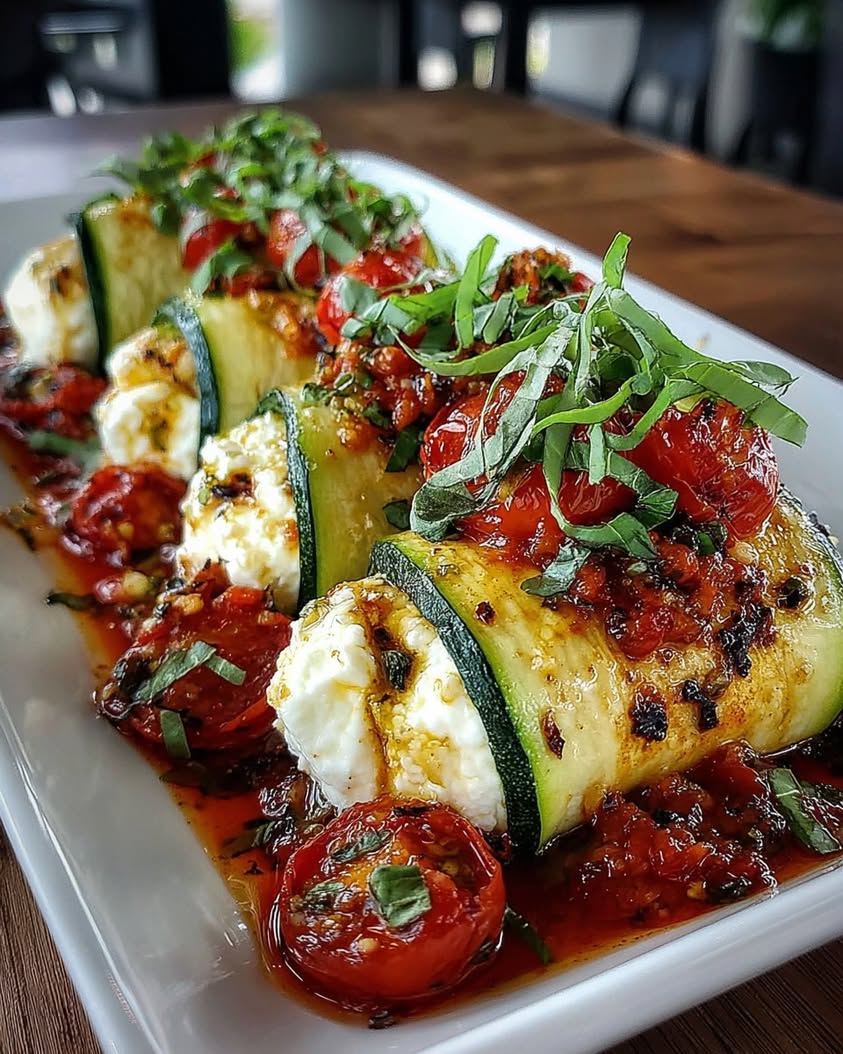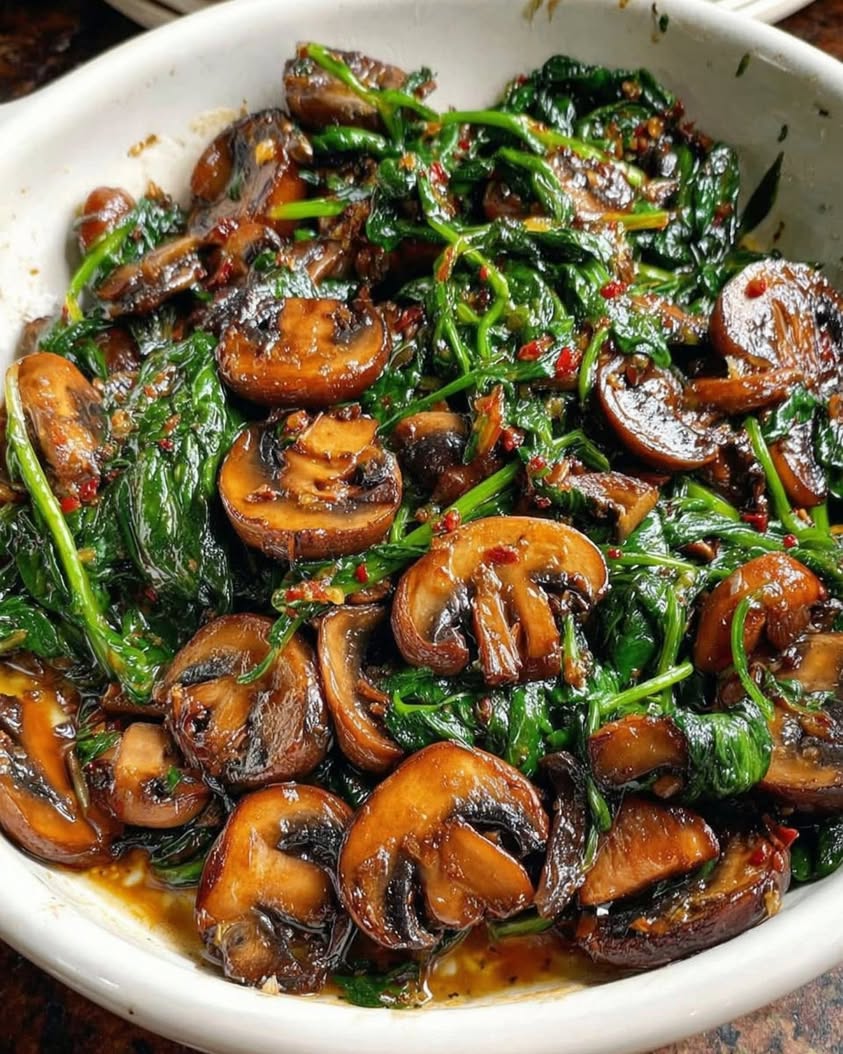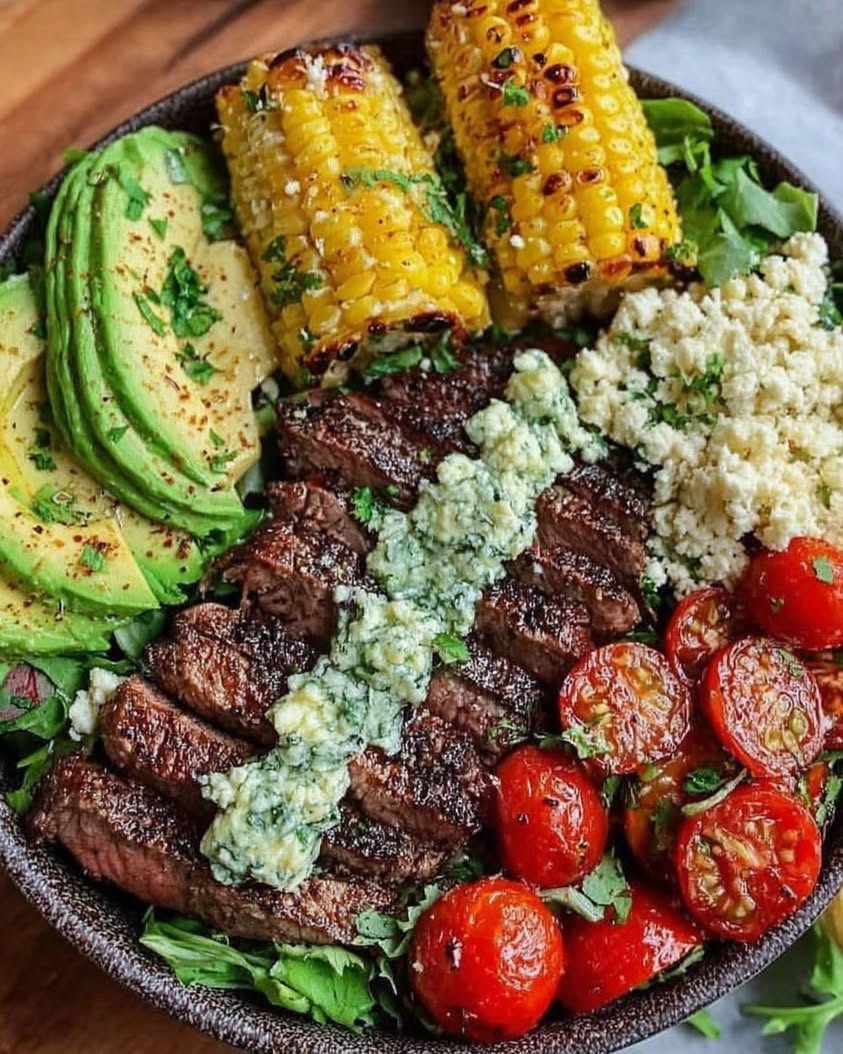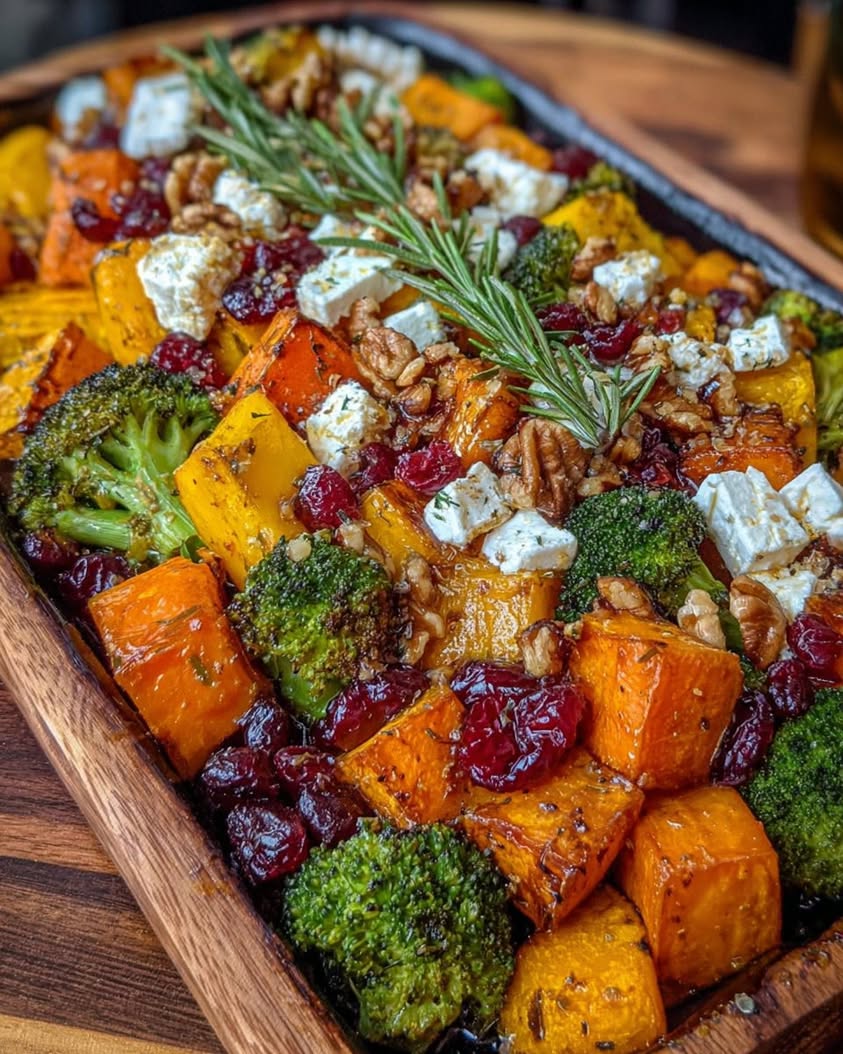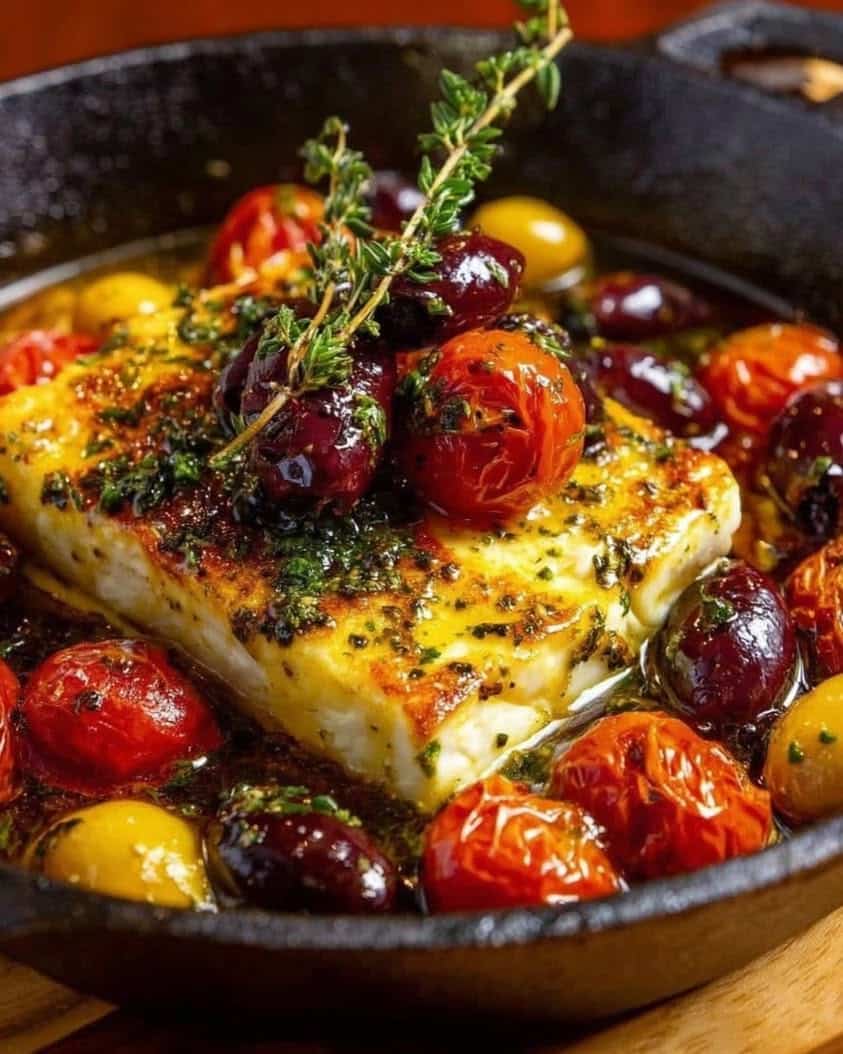
Skillet-Baked Feta with Blistered Tomato, Olive & Lemon Salsa: Your New Favorite Appetizer
Imagine a dish that transforms simple ingredients into a show-stopping, shareable masterpiece with minimal effort. This Skillet-Baked Feta with Blistered Tomato, Olive & Lemon Salsa is exactly that. It is a vibrant, warm, and utterly delicious appetizer that feels both rustic and elegant. The magic happens when a block of creamy feta cheese bakes until soft and golden, then gets topped with a bright, chunky salsa of blistered tomatoes, briny olives, and fresh lemon. The result is a stunning contrast of temperatures, textures, and flavors that will have everyone reaching for another slice of crusty bread.
This recipe is a celebration of Mediterranean simplicity. It leverages high heat to coax incredible sweetness from cherry tomatoes and to soften the sharpness of the feta. Meanwhile, the fresh salsa adds a necessary punch of acidity and herbaceousness. Ultimately, this Skillet-Baked Feta recipe is more than just food; it is an experience. It encourages gathering around the table, dipping, sharing, and savoring each creamy, tangy, and savory bite. It is perfect for a casual weeknight treat or as the star of your next dinner party spread.
Quick Recipe Highlights
- Flavor Profile: This dish delivers a beautiful harmony of salty, creamy feta against the sweet acidity of blistered tomatoes and the bright, sharp notes of lemon and fresh herbs. The briny olives add a deep, savory umami backbone that ties everything together.
- Texture: You get a wonderful play of textures. The baked feta becomes luxuriously soft and spreadable. The tomatoes offer a juicy pop, while the olives and red onion provide a pleasant, firm bite. This combination creates a truly satisfying mouthfeel.
- Aroma: As it bakes, the kitchen fills with the irresistible scent of roasting garlic, sweet tomatoes, and melting cheese. When you add the fresh salsa, the aroma bursts with the citrusy zing of lemon and the earthy fragrance of oregano and parsley.
- Visual Appeal: The presentation is stunning. A golden block of feta sits in a vibrant, red-and-green salsa, often with beautiful char marks from the blistering process. It is a rustic yet colorful centerpiece that looks as good as it tastes.
- Skill Level Needed: This is a beginner-friendly recipe. The techniques are straightforward: chopping, blistering, and baking. There is no fancy knife work or complex timing, making it accessible for cooks of all levels who want impressive results.
- Special Equipment: You only need a reliable oven-safe skillet, preferably cast iron or stainless steel. A good skillet ensures even heat distribution for perfect blistering and baking. Other than that, basic kitchen tools like a cutting board and knife are all you require.
Recipe Overview
- Difficulty Level: We rate this Skillet-Baked Feta recipe as “Easy” because it involves fundamental techniques without any complicated steps. The process is largely hands-off once the ingredients are in the skillet. Consequently, even a novice cook can achieve a restaurant-quality appetizer with confidence and ease.
- Category: This dish fits perfectly into the appetizer or mezze category. It is designed for sharing and social eating. Additionally, it can serve as a fantastic vegetarian main course when paired with a hearty grain salad or a larger portion of grilled vegetables and bread.
- Cuisine: The recipe draws direct inspiration from Greek and broader Mediterranean culinary traditions. It features hallmark ingredients like feta cheese, Kalamata olives, oregano, and olive oil. The method of baking cheese with tomatoes is a beloved practice in these regions, celebrated for its simplicity and robust flavors.
- Cost: This is a very cost-effective dish. A block of feta, a pint of cherry tomatoes, and a handful of olives are relatively inexpensive, especially when considering the yield. Using fresh herbs from a garden or windowsill can further reduce the cost while maximizing flavor.
- Season: This Skillet-Baked Feta shines brightest in the summer when tomatoes are at their peak sweetness and herbs are abundant. However, it is truly a year-round recipe because high-heat roasting intensifies the flavor of even off-season cherry tomatoes, making it a perfect cozy winter appetizer too.
- Occasion: It is incredibly versatile for entertaining. Serve it at a casual game-day gathering, a festive holiday party, or a relaxed weekend brunch. It also makes for a luxurious yet simple date-night dinner at home. Basically, it elevates any occasion.
Why You’ll Love This Recipe
First and foremost, the taste and texture are absolutely irresistible. The transformation of feta from crumbly and salty to warm, creamy, and mellow is magical. Paired with the sweet, burst tomatoes and the zesty salsa, every bite is a complex symphony of flavors. The contrast between the warm cheese and the cool, fresh toppings is particularly delightful. Moreover, the creamy texture against the juicy tomatoes and firm olives creates a mouthfeel that keeps you coming back for more.
Secondly, the convenience is a major win. This entire Skillet-Baked Feta recipe comes together in about 40 minutes with minimal active prep time. You simply assemble ingredients in one pan and let the oven do most of the work. There is no need for multiple pots and pans, which means cleanup is a breeze. This makes it an ideal choice for busy weeknights when you want something special without the hassle. Furthermore, the ingredients are easy to find at any standard grocery store.
From a nutritional perspective, this dish offers several benefits. Tomatoes are rich in lycopene, an antioxidant enhanced by cooking. Olive oil provides heart-healthy monounsaturated fats. Additionally, feta cheese is a good source of calcium and protein. When scooped up with whole-grain bread or served with vegetable crudités, it becomes a balanced snack or light meal. It is a satisfying way to enjoy decadent flavors while still incorporating wholesome ingredients.
The social and entertaining value of this dish cannot be overstated. Food meant for sharing naturally brings people together. Placing a sizzling skillet of baked feta in the center of the table creates an interactive, communal dining experience. It encourages conversation and connection as everyone digs in. Visually, it is a showstopper that impresses guests with very little effort from the host. It sets a warm, welcoming tone for any gathering.
Finally, it is remarkably cost-effective and accessible. You do not need expensive or exotic ingredients to create something extraordinary. A few pantry staples and fresh basics are all it takes. This Skillet-Baked Feta with Blistered Tomato Olive Salsa proves that impressive, restaurant-quality food can be made at home on a budget. It demystifies elegant cooking and makes it achievable for everyone.
Historical Background and Cultural Significance
The concept of baking cheese is ancient and spans many cultures. In Greece, feta has been a staple for centuries, traditionally made from sheep’s or goat’s milk. The practice of warming cheese to alter its texture and flavor is a natural extension of this dairy tradition. While the exact origin of combining baked feta with tomatoes is not documented to a single moment, it is a logical and beloved evolution of Greek mezze culture. These small plates are designed for sharing and savoring, emphasizing fresh, local ingredients prepared simply.
Feta itself holds Protected Designation of Origin (PDO) status in the European Union, meaning true feta can only come from specific regions in Greece. This highlights its deep cultural and economic significance. The cheese is brined, which historically aided preservation, and its tangy, salty profile makes it a perfect partner for sweet ingredients like ripe tomatoes. The combination speaks to the Greek culinary philosophy of “philoxenia,” or hospitality, where offering something delicious and communal to guests is paramount.
The recipe has evolved significantly in recent years, particularly with the rise of social media and food trends. A similar Finnish dish featuring baked cheese and jam went viral, which undoubtedly influenced global interest in baked cheese appetizers. Contemporary cooks have adapted the idea, incorporating local ingredients and personal twists. The addition of a fresh, uncooked salsa after baking is a modern touch that adds brightness and complexity, bridging traditional methods with current tastes for vibrant, herb-forward flavors.
Regional variations of this concept abound throughout the Mediterranean. In Turkey, one might find baked beyaz peynir with peppers. In the Middle East, fried halloumi is common. The specific version with blistered tomatoes and olives leans heavily into the flavor profile of the Greek islands. However, cooks everywhere now personalize their Skillet-Baked Feta recipe by using different olives, adding chili flakes for heat, or incorporating herbs like mint or dill. This adaptability is a testament to the dish’s solid foundation and universal appeal.
Ingredient Deep Dive
Feta Cheese is the star. Authentic Greek feta, made from at least 70% sheep’s milk blended with goat’s milk, offers the best texture and balanced saltiness for this Skillet-Baked Feta recipe. Its crumbly yet creamy nature melts beautifully without becoming oily. Nutritionally, it provides calcium, protein, and beneficial fats. When selecting, look for feta stored in brine for the freshest taste and moist texture. For storage, keep it submerged in its brine in the refrigerator. If you need a substitution, a firm goat cheese or a block of halloumi can work, though the melting properties will differ.
Cherry Tomatoes are essential for their sweetness and ability to blister quickly. They are rich in vitamins A and C, and the antioxidant lycopene becomes more bioavailable when cooked. Choose tomatoes that are firm, brightly colored, and without wrinkles for the best flavor. You can use any small tomato variety, like grape or Sungold. They do not require refrigeration; store them at room temperature out of direct sunlight to preserve their texture and taste. In a pinch, canned fire-roasted tomatoes, drained, can be used, but you will miss the textural pop of the blistered fresh tomatoes.
Kalamata Olives provide a deep, fruity, and briny umami punch. These Greek olives are typically dark purple, almond-shaped, and have a rich, complex flavor. They are a good source of healthy monounsaturated fats and vitamin E. Buy them with pits for better flavor and texture, then pit them yourself, or purchase pitted for convenience. Store opened olives in their brine in the refrigerator. If you cannot find Kalamatas, other brine-cured olives like Gaeta or Niçoise will work well in this tomato olive salsa.
Extra Virgin Olive Oil is the cooking medium and a key flavor component. A good, fruity olive oil enhances every element of the dish, from roasting the tomatoes to dressing the final salsa. It is packed with heart-healthy antioxidants. Always choose cold-pressed oil for the best quality. Store it in a cool, dark place to prevent rancidity. While you can use a regular olive oil for roasting, finishing the dish with a drizzle of high-quality extra virgin oil before serving makes a noticeable difference in aroma and taste.
Common Mistakes to Avoid
- Using Pre-Crumbled Feta: Pre-crumbled feta contains anti-caking agents that prevent it from melting properly. It will dry out and become grainy instead of turning soft and creamy. Always start with a solid block of feta stored in brine for the best texture in your Skillet-Baked Feta.
- Overcrowding the Skillet: If you pack too many tomatoes into the skillet, they will steam instead of blister. They need space for the high heat to directly contact their skins to create those delicious, slightly charred spots and concentrated flavor. Use a skillet large enough to hold everything in a single layer.
- Skipping the Blistering Step: Simply tossing raw tomatoes into the salsa will result in a watery, less flavorful dish. Blistering caramelizes the natural sugars in the tomatoes, deepening their sweetness and adding a subtle smokiness that is crucial to the recipe’s complexity.
- Overbaking the Feta: While you want the feta warm and soft, baking it too long can cause it to separate and release too much oil, becoming dry. The goal is for it to hold its shape but be easily spreadable. Typically, 15-20 minutes at 400°F is perfect.
- Adding the Fresh Salsa Before Baking: The fresh herbs, lemon, and raw onion in the salsa are meant to provide a bright, crisp contrast. If you add them before baking, they will wilt, lose their vibrant color, and their fresh flavor will cook out. Always add the salsa as a topping after the feta comes out of the oven.
- Using a Non-Oven-Safe Skillet: This seems obvious, but it is a critical error. You must start and finish the recipe in the same oven-safe skillet to properly blister the tomatoes and bake the feta. Transferring ingredients to a baking dish works but is less efficient and can affect cooking.
- Not Letting it Rest: Pulling the skillet from the oven and serving immediately is tempting. However, letting the Skillet-Baked Feta rest for 5 minutes allows the cheese to set slightly, making it easier to scoop without being too runny. It also gives the flavors a moment to meld.
- Forgetting to Season Layers: While feta and olives are salty, the tomatoes and the overall dish still need seasoning. Lightly season the tomatoes before blistering and taste the final salsa before adding it to the cheese. A pinch of flaky sea salt at the end can elevate everything.
Essential Techniques
Blistering Tomatoes is the first key technique. This process uses high, direct heat to quickly char the tomato skins while intensifying their natural sweetness through caramelization. To master it, ensure your skillet is very hot before adding the tomatoes and do not move them for the first few minutes. A common pitfall is stirring too soon; you want to hear a sizzle and see the skins split and blacken in spots. The visual cue for success is tomatoes with collapsed, wrinkled skins and some visible char, but still holding their juicy shape.
Baking the Feta correctly is crucial. The goal is to warm the cheese through so it becomes soft and spreadable without melting into a puddle. The high heat of the oven gently cooks the feta from the outside in. It is important to place the block in the center of the warm skillet, surrounded by the blistered tomatoes and garlic. A sign of perfect doneness is when the feta is warm to the touch, has a slightly golden top, and yields easily to the pressure of a spoon but still holds its block form.
Creating a Balanced Salsa is about texture and acid management. The salsa should be chunky, not finely diced, to provide contrast to the creamy cheese. Furthermore, the lemon juice must be added just before serving to maintain its bright acidity. A common mistake is making the salsa too far in advance, causing the onions to become overpowering and the herbs to wilt. The perfect salsa looks vibrant and fresh, with distinct pieces of tomato, olive, and herb, and it should taste brightly acidic to cut through the richness of the cheese.
Pro Tips for Perfect Skillet-Baked Feta
Bring your feta to room temperature for about 15 minutes before baking. This helps it heat evenly and prevents the outside from overcooking before the center warms through.
Use a microplane to zest the lemon directly over the finished dish. The volatile oils in the zest add an incredible fragrance and bursts of citrus flavor that bottled zest cannot match.
For extra depth, add a teaspoon of honey or a drizzle of balsamic glaze over the tomatoes before baking. This enhances the caramelization and adds a subtle sweet note that complements the salty feta beautifully.
If your tomatoes are not very juicy, add a splash of white wine or vegetable broth to the skillet before adding the feta block. This creates a little steam and prevents any burning while adding flavor.
Toast your bread for serving. The crunch of toasted baguette or crusty bread is the perfect vehicle for the soft cheese and juicy salsa, providing necessary textural contrast.
Garnish with more than just parsley. Try adding fresh mint leaves, dill fronds, or even a sprinkle of toasted pine nuts or walnuts for added crunch and complexity.
Let guests customize their heat level. Serve with a small dish of crushed red pepper flakes or a drizzle of chili oil on the side so everyone can adjust the spice to their liking.
Do not discard the flavorful oil left in the skillet after baking. Use it to drizzle over the finished dish or to brush on your bread before toasting for an extra layer of savory flavor.
Variations and Adaptations
For regional variations, explore different cheese and topping combinations. Use French goat cheese (chèvre) with Herbes de Provence and Niçoise olives. Alternatively, try Italian burrata placed on top of the blistered tomatoes after baking for an ultra-creamy center. For a Spanish twist, use Manchego cheese and top with roasted padrón peppers and Marcona almonds.
Seasonal adaptations are easy. In spring, use asparagus tips and fresh peas in the salsa. During fall, incorporate roasted cubes of butternut squash and sage. Winter calls for adding roasted garlic cloves and rosemary to the skillet for a deeper, warming flavor profile that complements the season.
Dietary modifications are straightforward. For a vegan Skillet-Baked Feta, use a block of firm, brine-packed tofu or a commercial vegan feta alternative, adjusting baking time as needed. A dairy-free version can utilize a baked block of seasoned cashew cheese. For a lower-carb option, serve the dish with endive leaves, cucumber rounds, or bell pepper strips for dipping instead of bread.
Flavor variations can take this recipe in new directions. Add spicy ‘nduja sausage or chorizo to the skillet before baking. Incorporate capers or anchovies into the salsa for a briny punch. For a sweeter note, include a handful of golden raisins or chopped dried apricots in the fresh salsa to contrast the saltiness.
Texture modifications can cater to different preferences. For a smoother experience, blend half of the blistered tomatoes into a quick sauce before returning them to the skillet. For more crunch, add toasted breadcrumbs or chopped pistachios as a final garnish. To make it more substantial, scatter cooked cannellini beans or chickpeas in the skillet before adding the cheese.
Presentation alternatives can refresh the dish. Instead of one large block, bake individual smaller feta portions in ramekins for a personalized appetizer. You can also deconstruct it: serve the whipped, room-temperature feta on a platter with the blistered tomatoes, salsa components, and bread all arranged separately for a DIY grazing board.
Serving and Presentation Guide
Plating is simple but impactful. Bring the entire cast iron skillet to the table—it retains heat beautifully and makes a rustic, inviting presentation. Place the skillet on a trivet or a folded kitchen towel to protect your table surface. Provide a small serving spoon or knife for spreading the cheese and several smaller spoons for guests to serve themselves the tomato olive salsa.
Garnishing adds the final touch of freshness and color. Beyond the herbs in the salsa, a final flourish of flaky sea salt, a twist of black pepper, and a drizzle of high-quality extra virgin olive oil right before serving elevates the dish visually and gustatorily. Edible flowers like nasturtiums or borage add a stunning, elegant touch for special occasions.
Traditional accompaniments focus on bread. Offer a basket of warmed, sliced crusty bread like a baguette, ciabatta, or grilled pita points. For a more authentic Greek meze spread, include other small dishes like tzatziki, hummus, dolmades, and marinated octopus or grilled meats.
Modern serving suggestions expand the possibilities. Serve it alongside a crisp, green salad for a light lunch. Use it as a topping for a grain bowl with quinoa or farro. Alternatively, spoon it over grilled chicken or fish as a vibrant, flavorful sauce that takes the main protein to a new level.
Temperature considerations are key. The Skillet-Baked Feta is best served warm, not piping hot. The five-minute rest after baking allows the cheese to reach the perfect spreadable consistency. The fresh salsa should be cool or room temperature, creating that delightful contrast. If the cheese cools too much, it will firm up again, so enjoy it within 20-30 minutes of baking.
Portion control is built into the sharing nature of the dish, but as a guide, a standard 8-ounce block of feta with the salsa comfortably serves 4-6 people as an appetizer. For a main course for two, the same amount is perfect when paired with a substantial side salad and bread.
Wine and Beverage Pairing
Wine pairings should complement the dish’s salty, creamy, and acidic profile. A crisp, high-acid white wine is ideal. A Greek Assyrtiko, with its citrus notes and mineral edge, is a perfect regional match. Alternatively, a New Zealand Sauvignon Blanc, a Spanish Albariño, or an Italian Vermentino all have the brightness to cut through the richness of the feta and stand up to the tomatoes and olives.
For non-alcoholic alternatives, consider beverages that offer refreshment and palate cleansing. Sparkling water with a squeeze of lemon or lime is classic. A homemade rosemary-lemonade or a cucumber-mint cooler provides herbal notes that echo the dish’s flavors. Iced herbal tea, like a mint or verbena tea, also pairs wonderfully without competing.
While not typical for an appetizer, if serving this as a main course for a brunch or lunch, coffee and tea pairings can work. A medium-roast coffee with low acidity won’t clash with the tomatoes. A pot of Earl Grey tea, with its bergamot citrus notes, can surprisingly complement the lemon in the salsa and the savory elements of the cheese and olives.
Temperature is crucial for beverages. White wines and non-alcoholic sparklers should be served well-chilled, between 45-50°F. This cold temperature provides a refreshing contrast to the warm, rich cheese. For non-alcoholic still drinks, serve them over ice to maintain that refreshing quality throughout the meal.
Serving suggestions include setting out the chosen wine or drinks in advance. For a party, consider a small self-serve beverage station with the wine, a pitcher of non-alcoholic option, and glasses. This allows guests to help themselves as they gather around the enticing skillet of baked feta and blistered tomato salsa.
Storage and Shelf Life
Storage methods for leftovers are straightforward but time-sensitive. Once cooled, transfer any remaining Skillet-Baked Feta and salsa to separate airtight containers. The cheese will solidify as it chills. Store it in the refrigerator, and plan to consume leftovers within 2 days for the best quality and food safety.
Temperature requirements are strict for dairy. The dish must not be left at room temperature for more than two hours total (including baking, serving, and cooling time). Prompt refrigeration is essential to prevent bacterial growth. When reheating, ensure the cheese is heated through to at least 165°F internally.
Container recommendations favor glass or BPA-free plastic with tight-fitting lids. Storing the components separately prevents the fresh salsa from becoming soggy and the cold cheese from leaching moisture. If you must store them combined, note that the texture of the salsa will soften significantly.
Signs of spoilage include an off or sour smell, significant mold growth (beyond a few harmless surface spots you can scrape off), or an excessively slimy texture on the tomatoes or cheese. When in doubt, it is safest to discard the leftovers.
Reheating instructions require gentleness. Place the leftover feta in an oven-safe dish and warm it in a 300°F oven until just softened, about 10 minutes. Avoid the microwave, as it can make the feta rubbery and cause it to separate. Reheat the salsa separately in a small pan or serve it cold for contrast.
Freezing is not recommended for this Skillet-Baked Feta recipe. The high water content in the tomatoes and feta will cause significant texture degradation upon thawing. The cheese will become crumbly and watery, and the tomatoes will turn mushy. It is best enjoyed fresh or refrigerated for a short period.
Make Ahead Strategies
A prep timeline can ease entertaining stress. The day before, you can pit and chop the olives, chop the red onion, and zest the lemon. Store each component separately in the fridge. Wash and dry the tomatoes and herbs. You can even make the entire fresh salsa (minus the lemon juice) a few hours ahead and refrigerate it; add the lemon juice just before serving to keep it bright.
Storage between steps is simple. Prepped vegetables and herbs should be kept in airtight containers in the refrigerator. The block of feta can be removed from its brine, patted dry, and kept wrapped in parchment paper in the fridge until you are ready to bake.
Assessing quality impact is important. Pre-chopping onions and olives has no negative effect. Making the salsa base ahead is fine, but adding the lemon juice and all the herbs hours in advance will cause wilting and muted flavors. The actual baking of the feta and tomatoes should be done just before serving for optimal texture and temperature.
Assembly tips for a streamlined process: Have your prepped ingredients measured and ready by the stove. Use the same skillet for blistering and baking. After blistering the tomatoes, you can let the skillet sit off the heat for up to an hour before adding the feta and baking, though the tomatoes will soften further.
Reheating guidelines for a fully made-ahead dish are not ideal, but if necessary, follow the gentle oven method described in the storage section. The fresh salsa should always be added after reheating, not before.
Fresh element additions are the key to a make-ahead strategy that works. Do the knife work and measuring in advance, but keep the final assembly—combining the salsa ingredients, baking the cheese, and bringing it all together—for the last 40 minutes before you want to serve. This ensures vibrant flavors and perfect textures in your Skillet-Baked Feta with Blistered Tomato Olive Salsa.
Scaling Instructions
Halving the recipe is easy for a smaller gathering. Use a 4-ounce block of feta and halve all other ingredients. Use a smaller oven-safe skillet, like a 6-inch one, to keep everything in a good single layer. The cook time may be slightly reduced by 3-5 minutes, so watch for the visual cues of doneness rather than strictly following the timer.
Doubling or tripling for a crowd requires a bit more planning. You will need a very large skillet or, more practically, use two separate skillets and bake them simultaneously on different oven racks, rotating halfway through. Do not simply pile more ingredients into one skillet, as this will cause steaming instead of proper blistering and baking. Adjust baking time upward slightly, checking for doneness after the standard time.
Equipment adjustments are necessary when scaling. For a double batch, two 10-inch skillets are better than one overcrowded 12-inch. If you are tripling, consider using a large baking sheet or roasting pan. Spread the tomatoes and garlic in a single layer, nestle the feta blocks among them, and proceed. A sheet pan has more surface area for proper blistering.
Timing modifications are minimal when scaling up or down for the Skillet-Baked Feta recipe. The blistering step for tomatoes may take a minute or two longer if your pan is very full, but the baking time for the feta remains relatively consistent because the cheese blocks are individual. The key is to ensure the feta is warmed through and soft.
Storage considerations change with scale. A larger batch will yield more leftovers. Remember that the dish is best fresh, so if scaling up for a party, try to estimate consumption accurately. Leftovers from a double batch should be stored in multiple smaller containers for quicker cooling and easier reheating.
Nutritional Deep Dive
A macro breakdown for a serving (assuming 4 servings from an 8oz feta block) shows a balance of fats, protein, and carbohydrates. The majority of calories come from the healthy fats in olive oil and feta cheese, along with a moderate amount of protein from the dairy. Carbohydrates are present from the tomatoes and any bread served alongside. This makes it a satisfying, energy-dense appetizer.
The micronutrient analysis is impressive. Tomatoes provide vitamin C, potassium, and the antioxidant lycopene. Feta contributes calcium and phosphorus for bone health. Olive oil is rich in vitamin E and polyphenols. The fresh herbs, though used in small quantities, add traces of various vitamins and beneficial plant compounds.
Health benefits are linked to its Mediterranean diet profile. The monounsaturated fats from olive oil support heart health. Lycopene from cooked tomatoes is associated with reduced risk of certain cancers. The calcium is crucial for bone density. Furthermore, the combination of fat, protein, and fiber (from tomatoes and potential whole-grain bread) promotes satiety and stable blood sugar levels.
Dietary considerations are important to note. The dish is naturally gluten-free if served with gluten-free bread or vegetables. It is vegetarian but not vegan. It is high in sodium due to the feta and olives, so those on sodium-restricted diets should consume it in moderation or seek lower-sodium cheese and olive options.
Portion analysis shows that as an appetizer shared among 4-6 people, the portion of cheese and salsa is reasonable. The calorie load can increase significantly based on the amount and type of bread used for dipping. Being mindful of how much bread you consume with it is the easiest way to manage the overall calorie intake of the meal.
Weight management tips include using the Skillet-Baked Feta as a flavorful component of a larger, vegetable-forward meal rather than the main focus. Serve it with a large green salad and use whole-grain bread sparingly. You can also increase the ratio of tomatoes to cheese in the skillet to boost volume and nutrients while moderating fat and calorie density.
Dietary Adaptations
For a gluten-free adaptation, this Skillet-Baked Feta recipe is naturally gluten-free as written. The critical adaptation is in the serving vehicle. Offer gluten-free crackers, toasted gluten-free bread, or vegetable crudités like bell pepper strips, endive leaves, and cucumber rounds for dipping to make the entire experience celiac-safe.
A dairy-free or vegan version requires a cheese substitute. The best option is a firm, brine-packed block of vegan feta, available from brands like Violife or Follow Your Heart. Alternatively, a block of extra-firm tofu, pressed, marinated in lemon juice and salt, and baked, can mimic the texture. Increase herbs and olives in the salsa to boost flavor to compensate for the less complex base.
For a low-carb or keto adaptation, this dish is already excellent. Simply avoid serving it with bread. Instead, provide low-carb dippers like slices of grilled zucchini, cauliflower florets, pork rinds, or cheese crisps. Ensure the tomatoes are used in moderation to stay within daily carb limits, as they do contain natural sugars.
A Paleo adaptation is challenging due to the dairy. To make a Paleo Skillet-Baked “Feta,” create a cheese from soaked and blended cashews, cultured with probiotics, then pressed into a block. While not identical, it can provide a tangy, spreadable element. Use ghee or avocado oil instead of olive oil if preferred, and ensure all other ingredients are Paleo-compliant.
For a Low-FODMAP adaptation, the main triggers are garlic and onion. Omit the garlic cloves and use only the green tops of scallions (the green part) in the salsa instead of red onion. Use a lactose-free hard cheese if sensitive to the lactose in feta, though feta is typically lower in lactose. Ensure the olives do not contain garlic in their brine.
Troubleshooting Guide
If your feta is too dry or crumbly after baking, it was likely overbaked or you started with a low-quality, dry block. Next time, check earlier, use a block in brine, and ensure it’s at room temp before baking. For now, drizzle generously with olive oil to add moisture back.
If the dish tastes bland, it likely needs more salt or acid. The saltiness of feta varies. Always taste the final salsa and season it with a pinch of salt and a squeeze of lemon before adding it to the cheese. A final drizzle of good olive oil can also carry flavor.
If the tomatoes are watery, they were either under-blistered or an overly juicy variety. To fix a finished dish, you can carefully drain some liquid from the skillet. For next time, blister over higher heat until the skins are well-charred and wrinkled, which concentrates the juices.
If the feta releases a lot of oil and looks separated, the oven temperature was too high or it baked too long. This is a textural issue but not a safety one. Gently blot excess oil with a paper towel and proceed. The flavor will still be good.
If you lack an oven-safe skillet, you can blister the tomatoes in any skillet, then transfer them and the feta to a greased baking dish for the oven step. The cooking time may be slightly longer as the dish will be cold, so check for doneness after 20 minutes.
If you need an ingredient substitution mid-recipe, remember the core components: a salty, bake-able cheese, sweet tomatoes, and a bright, herbal topping. Halloumi, goat cheese, or even a thick slice of mozzarella can stand in for feta in a pinch. Sun-dried tomatoes (oil-packed) can replace fresh if chopped and added with the salsa.
PrintSkillet-Baked Feta with Blistered Tomato, Olive & Lemon Salsa
- Total Time: 45 minutes
- Yield: 4
Description
A vibrant, Mediterranean-inspired dish featuring creamy baked feta topped with a zesty salsa of blistered tomatoes, briny olives, and fresh lemon. Perfect as a shareable appetizer or light meal.
Ingredients
- 1 (8 oz) block of feta cheese
- 2 cups cherry tomatoes
- 1/2 cup Kalamata olives, pitted and halved
- 1 lemon, zested and juiced
- 3 cloves garlic, minced
- 1/4 cup extra-virgin olive oil
- 2 tbsp fresh oregano, chopped
- Salt and black pepper to taste
- Crusty bread or pita for serving
Instructions
- Preheat oven to 400°F (200°C). Place the feta block in the center of a small oven-safe skillet.
- In a bowl, toss cherry tomatoes, olives, garlic, lemon zest, half the lemon juice, and 2 tbsp olive oil. Season with salt and pepper.
- Pour the tomato-olive mixture around the feta in the skillet. Drizzle the remaining olive oil over the feta.
- Bake for 20-25 minutes until the tomatoes are blistered and the feta is soft and slightly golden.
- Remove from oven, sprinkle with fresh oregano and the remaining lemon juice. Serve warm with crusty bread or pita.
Notes
You can customize the seasonings to taste.
- Prep Time: 15 minutes
- Cook Time: 30 minutes
- Method: Appetizer
- Cuisine: Mediterranean