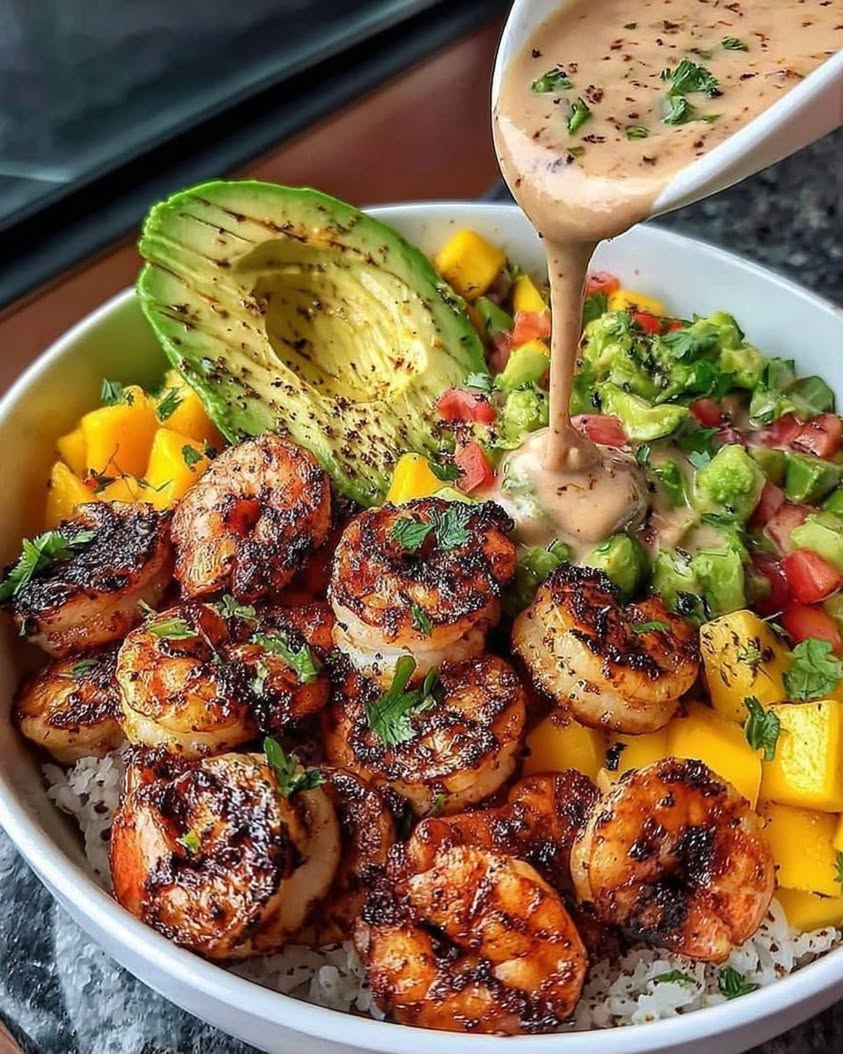
Zesty Shrimp and Avocado Bowls with Mango Salsa: A Tropical Weeknight Wonder
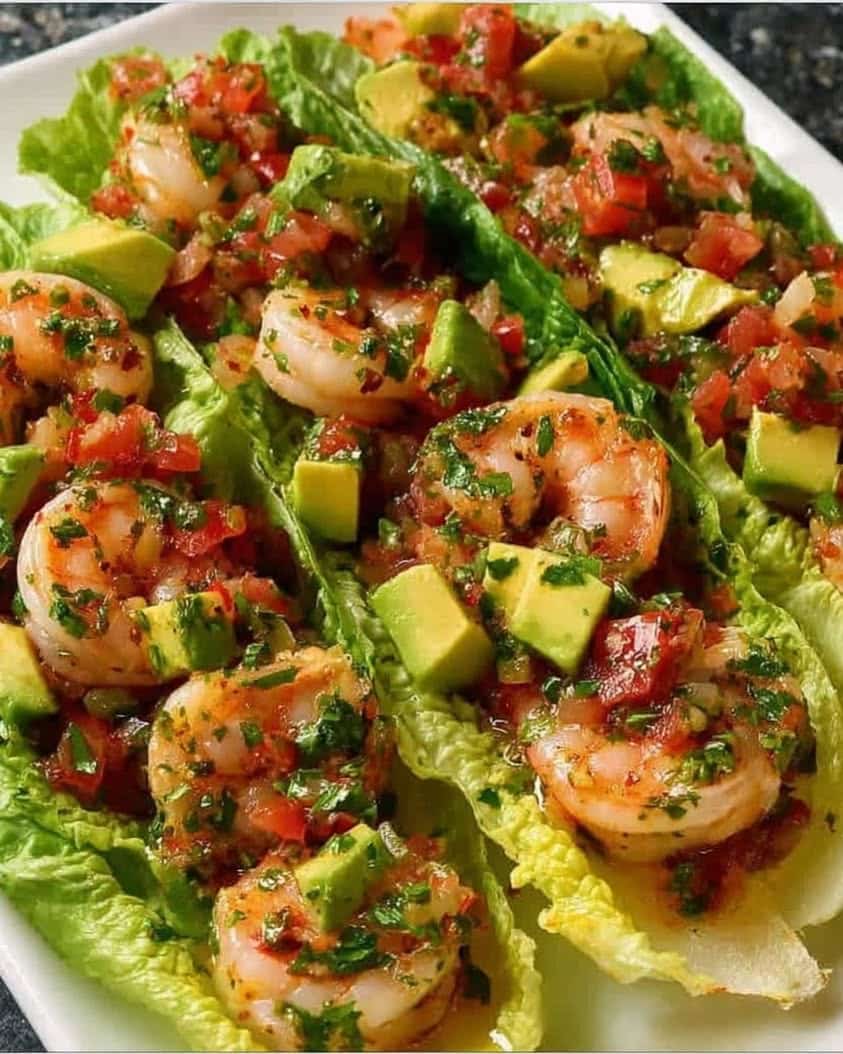
Imagine a meal that feels like a vacation on a plate. This recipe for Zesty Shrimp and Avocado Bowls with Mango Salsa delivers exactly that. It combines succulent, perfectly seasoned shrimp with creamy avocado and a vibrant, sweet-and-spicy mango salsa. Drizzled with a tangy lime-chili sauce, every bite is a harmonious explosion of fresh, tropical flavors. This dish is not just food; it’s a sensory experience that brightens your dinner table and your mood.
Furthermore, this recipe is a testament to how simple ingredients can create extraordinary results. You get lean protein, healthy fats, and a rainbow of vegetables in one satisfying bowl. It’s a complete, balanced meal that comes together in about thirty minutes. Consequently, it’s perfect for busy weeknights when you want something healthy and delicious without spending hours in the kitchen. The bright colors and fresh aromas make it a feast for the eyes as much as the palate.
Ultimately, these Zesty Shrimp and Avocado Bowls with Mango Salsa are incredibly versatile. You can serve them over cilantro-lime rice, quinoa, or a bed of crisp greens. They are fantastic for meal prep, as the components store beautifully. Whether you’re cooking for your family or impressing guests, this dish is a guaranteed crowd-pleaser. It brings restaurant-quality flair to your home kitchen with minimal effort and maximum flavor payoff.
Quick Recipe Highlights
- Flavor Profile: This dish masterfully balances sweet, savory, spicy, and tangy notes. The natural sweetness of the mango salsa contrasts beautifully with the savory, garlicky shrimp. Meanwhile, the lime-chili sauce adds a bright, acidic kick that ties all the elements together.
- Texture: You’ll enjoy a wonderful contrast of textures in every bite. The shrimp are tender and juicy, while the avocado provides a rich, buttery creaminess. Additionally, the mango salsa offers a delightful chunky freshness, and the base (like rice or greens) adds a satisfying foundational texture.
- Aroma: The aroma is instantly inviting and fresh. As the shrimp cook, they release a savory, garlicky scent. Simultaneously, the lime juice and cilantro in the salsa contribute a bright, herbaceous fragrance that makes the kitchen smell amazing.
- Visual Appeal: This bowl is a true masterpiece of color. The pink shrimp, vibrant orange mango, deep green avocado, and red onion create a stunning visual contrast. It’s a dish you’ll want to photograph before you eat, making it perfect for social sharing.
- Skill Level Needed: This is a beginner-friendly recipe. The techniques involve simple chopping, quick sautéing, and basic mixing. If you can handle a knife and a skillet, you can absolutely master these Zesty Shrimp and Avocado Bowls with Mango Salsa.
- Special Equipment: You need only basic kitchen tools. A sharp knife, a cutting board, a mixing bowl for the salsa, and a large skillet are essential. A microplane for zesting the lime is helpful but not mandatory.
Recipe Overview
- Difficulty Level: We rate this recipe as “Easy” because it involves straightforward, fundamental cooking techniques. The steps are sequential and simple: prepare the salsa, cook the shrimp, and assemble. There’s no complex timing or advanced skills required, making it accessible for cooks of all levels.
- Category: This dish fits perfectly into several meal categories. Primarily, it’s a fantastic healthy dinner or lunch option. It also works wonderfully as a meal-prep staple for the week. Moreover, it can be served as a vibrant and impressive appetizer in smaller portions.
- Cuisine: While not strictly authentic to one region, this recipe draws inspiration from coastal and tropical cuisines. It has clear influences from Mexican ceviche, Caribbean flavors with the mango and lime, and modern California-style bowl food. It’s a fusion dish that celebrates fresh, global ingredients.
- Cost: This is a moderately priced meal that feels luxurious. Shrimp is the main cost driver, but using a base like rice makes it economical. Avocados and mangoes can vary in price seasonally. Overall, it’s far more affordable than ordering a similar bowl at a restaurant.
- Season: This recipe shines brightest in late spring and summer. This is when mangoes are at their peak sweetness and avocados are plentiful. However, thanks to year-round availability of many ingredients, you can enjoy these Zesty Shrimp and Avocado Bowls with Mango Salsa any time you crave sunshine.
- Occasion: It’s incredibly versatile for different occasions. It’s a quick family dinner on a Tuesday, a healthy post-workout meal, or a stunning dish for casual entertaining. Serve it at a summer BBQ or a light ladies’ lunch for guaranteed compliments.
Why You’ll Love This Recipe
First and foremost, the taste and texture appeal is off the charts. Each component brings something unique to the bowl. The shrimp are succulent and packed with garlicky flavor. The avocado adds a cooling, creamy richness that balances the spice. Meanwhile, the mango salsa delivers bursts of juicy sweetness and a hint of jalapeño heat. Finally, the lime-chili sauce provides the perfect zesty finish, making every forkful exciting and complex. You simply won’t get bored eating this meal.
Next, consider the convenience and preparation benefits. This entire meal comes together in thirty minutes from start to finish. The prep is mostly simple chopping, and the shrimp cook in just a few minutes. You can easily delegate tasks if cooking with a partner or family. Additionally, the recipe is forgiving; you can adjust spice levels, swap herbs, or change the base grain to suit your preferences. It’s designed for real life, not just for perfect cooking shows.
From a nutritional standpoint, these bowls are a powerhouse. Shrimp provides lean protein and important minerals like selenium and iodine. Avocado contributes heart-healthy monounsaturated fats and fiber. Mango is loaded with vitamins A and C. Together, they create a meal that supports energy, satisfies hunger, and nourishes your body. It’s a balanced plate that aligns with many healthy eating plans without feeling restrictive or bland.
Furthermore, the social and entertaining value is high. This dish is visually stunning, making it perfect for sharing on social media or serving to guests. It feels special and restaurant-worthy. You can set up a “bowl bar” with all the components separate, allowing everyone to build their own masterpiece. It’s interactive, fun, and caters to different dietary needs easily, which makes you a stress-free host.
Finally, it’s cost-effective and accessible. While the ingredient list sounds gourmet, most items are found in any well-stocked supermarket. Cooking this at home is significantly cheaper than ordering a similar seafood bowl at a restaurant. You control the quality and quantity of every ingredient. Plus, it scales beautifully for larger groups or for intentional leftovers, maximizing your grocery budget and your time.
Historical Background and Cultural Significance
The concept of combining seafood with citrus and chili has deep roots in coastal Latin American cuisine, most notably in dishes like ceviche. Ceviche, where raw fish is “cooked” in citrus juice, originated in Peru and spread throughout the region. This recipe for Zesty Shrimp and Avocado Bowls with Mango Salsa is a modern, deconstructed cousin of that tradition. It uses quick-cooked shrimp instead of raw fish, making it more approachable for some home cooks, while honoring the classic flavor profile of lime, chili, and onion.
Meanwhile, the use of mango in savory salsas is a hallmark of Caribbean and Southeast Asian cooking. Tropical climates naturally pair sweet fruit with spicy and savory elements. The addition of mango to a pico de gallo-style salsa brings a distinctly sunny, sweet contrast that balances the heat from the jalapeño and the tang from the lime. This fusion of techniques and ingredients from different tropical zones creates a globally-inspired dish that feels both familiar and new.
The “bowl” format itself is a relatively recent culinary trend, often associated with health-conscious and fast-casual dining. Think of Hawaiian poke bowls or Mediterranean grain bowls. This presentation style emphasizes fresh, whole ingredients arranged artfully for both visual and nutritional balance. Our Zesty Shrimp and Avocado Bowl fits perfectly into this modern category. It offers a complete, Instagram-worthy meal in a single vessel, reflecting contemporary desires for meals that are convenient, customizable, and photogenic.
Ultimately, this recipe represents the beautiful evolution of global home cooking. It takes timeless techniques from one culture, ingredient pairings from another, and a modern presentation style to create something uniquely delicious for today’s table. It’s a testament to how food traditions travel, adapt, and inspire new creations. Every time you make it, you’re participating in a rich, ongoing story of culinary exchange and innovation.
Ingredient Deep Dive
Shrimp: Shrimp have been a vital food source for coastal communities worldwide for millennia. Nutritionally, they are an excellent source of lean protein, very low in fat, and rich in selenium, a powerful antioxidant. When selecting shrimp, look for firm, translucent flesh with a mild sea smell. Avoid any with black spots or a strong ammonia odor. For sustainability, choose wild-caught or responsibly farmed shrimp certified by organizations like the Marine Stewardship Council. Store them in the coldest part of your fridge and use within 1-2 days of purchase. For a substitution, try scallops, cubed firm tofu, or shredded chicken.
Avocado: Originating in south-central Mexico, the avocado has been cultivated for over 5,000 years. It’s packed with monounsaturated fats (the “good” kind), fiber, potassium, and vitamins C, E, and K. To select a perfect avocado, gently press near the stem; it should yield slightly to gentle pressure. To speed ripening, place it in a paper bag with a banana. Store ripe avocados in the refrigerator to slow further ripening. Once cut, sprinkle with lime juice and store in an airtight container to prevent browning. For a substitution in this bowl, try creamy goat cheese or a drizzle of tahini for richness.
Mango: Known as the “king of fruits” in India, where it originated, mangoes are synonymous with summer and tropical abundance. They are a superb source of vitamins A and C, which support immune function and skin health. Choose mangoes that are fragrant at the stem end and yield slightly to pressure, similar to a peach. Color is not always a ripeness indicator, as it varies by variety. Store unripe mangoes at room temperature and move to the fridge once ripe. For a substitution, try peaches, pineapple, or papaya in the salsa.
Lime & Jalapeño (The Flavor Catalysts): Limes, native to Southeast Asia, provide the essential acidic punch that defines this dish’s flavor profile. Their juice and zest are rich in vitamin C and antioxidants. Jalapeños, from Mexico, add a manageable heat and a fresh, grassy flavor. The capsaicin in chilies has metabolism-boosting properties. For less heat, remove the seeds and white ribs from the jalapeño. Always wash your hands thoroughly after handling chilies. If you don’t have fresh limes, bottled lime juice can work in a pinch, but fresh is vastly superior. For a milder option, substitute poblano pepper for the jalapeño.
Common Mistakes to Avoid
- Overcooking the Shrimp: This is the most common error. Shrimp cook incredibly fast and become rubbery when overdone. Cook them just until they turn pink and opaque, which usually takes only 2-3 minutes per side. They will continue to cook slightly from residual heat after being removed from the pan.
- Using Unripe Avocado or Mango: The success of this bowl hinges on the ripe creaminess of the avocado and the sweet juiciness of the mango. A hard, flavorless avocado or a sour, stringy mango will drastically let down the dish. Plan ahead and allow your fruit to ripen properly.
- Not Draining the Salsa: After chopping the mango, tomato, and onion, their juices will accumulate in the bowl. If you don’t drain this excess liquid before serving, it will make the bottom of your bowl soggy. Give the salsa a gentle stir and tip the bowl to drain off the liquid, or use a slotted spoon to serve it.
- Skipping the Lime Zest: The zest of the lime holds intensely fragrant citrus oils. Adding it to the sauce or the salsa provides a deeper, more complex lime flavor than juice alone. Use a fine microplane or grater to get the zest without the bitter white pith.
- Forgetting to Season in Layers: Season each component individually. Season the shrimp while cooking. Add a pinch of salt to the salsa. Taste the lime-chili sauce and adjust. This builds depth of flavor throughout the entire dish, rather than having one seasoned component and several bland ones.
- Cutting Ingredients Too Large or Unevenly: For a cohesive bite, aim for a small, uniform dice on your salsa ingredients. Large chunks of mango or onion can be overwhelming and make the bowl difficult to eat. Similarly, ensure your avocado slices are a manageable size.
- Adding the Avocado Too Early: Avocado browns quickly once cut. To maintain its vibrant green color and fresh texture, slice or dice it just before you are ready to assemble and serve the bowls. A squeeze of lime juice over the top will also help slow oxidation.
- Using Pre-Cooked Shrimp: For the best texture and flavor, start with raw shrimp. Pre-cooked shrimp are often rubbery and bland. Cooking them yourself allows you to infuse them with garlic and spices at the perfect moment, ensuring they are juicy and flavorful.
Essential Techniques
Sautéing Shrimp Perfectly: This technique is crucial for achieving juicy, not rubbery, shrimp. First, ensure your shrimp are patted very dry; moisture steams them instead of searing them. Heat your oil in the pan until it shimmers. Then, add the shrimp in a single layer without crowding. Crowding lowers the pan temperature and causes them to steam. Cook for 2-3 minutes per side until just pink and opaque. The moment they form a loose “C” shape, they are done. Remove them immediately to prevent carryover cooking from making them tough.
Creating a Balanced Salsa: A great salsa is about harmony, not just chopping. The technique involves balancing sweet (mango), acidic (lime), heat (jalapeño), savory (onion), and herbaceous (cilantro) elements. Dice everything to a similar size for consistent flavor in each bite. After mixing, let the salsa sit for 10-15 minutes. This “maceration” time allows the salt to draw out juices and the flavors to meld beautifully. Always taste and adjust seasoning before serving, adding more lime, salt, or cilantro as needed.
Emulsifying the Lime-Chili Sauce: A vibrant, cohesive sauce relies on emulsification—combining oil and acid into a smooth mixture. Whisk the lime juice, honey, and chili powder together thoroughly first. Then, while whisking constantly, slowly drizzle in the olive oil. This gradual addition allows the oil to break into tiny droplets suspended in the acid, creating a slightly thickened, glossy sauce. If you add the oil all at once, it will separate. A small mason jar with a lid is a great tool for this: add all ingredients and shake vigorously until combined.
Pro Tips for Perfect Zesty Shrimp and Avocado Bowls
First, for the most flavorful shrimp, marinate them briefly. Toss the raw, peeled shrimp with a tablespoon of the lime-chili sauce and let them sit for 10-15 minutes in the fridge before cooking. This adds an extra layer of flavor directly into the protein.
Second, char your jalapeño for a smoky depth. Briefly place the whole jalapeño over an open gas flame or under the broiler until the skin blisters and blackens. After letting it steam in a bag, peel off the skin, then chop. This adds a wonderful roasted flavor to the salsa.
Third, toast your base. If using rice or quinoa, toast the dry grains in a bit of oil before adding water to cook. This simple step brings out a nutty flavor that complements the tropical toppings beautifully.
Fourth, use ice water for crispier veggies. If you have time, soak your diced red onion in a bowl of ice water for 10 minutes after chopping. This crisps them up and mellows their sharp bite, making them more pleasant in the fresh salsa.
Fifth, warm your tortillas on the stovetop. If serving with tortillas on the side, heat them directly over a medium gas flame for a few seconds per side until lightly charred and puffy. This is far superior to microwaving and adds authentic texture.
Sixth, reserve some fresh garnishes. Set aside a few extra cilantro leaves, a lime wedge, and some jalapeño slices. Adding these fresh at the very end of plating makes the bowl look professionally finished and extra inviting.
Variations and Adaptations
For regional variations, look to different culinary traditions. Give it a Hawaiian poke bowl twist by using a soy sauce, sesame oil, and ginger marinade for the shrimp. For a Thai-inspired version, add lemongrass to the shrimp and use a fish sauce-lime dressing. A Mediterranean take could feature oregano-seasoned shrimp, a cucumber-tomato salsa, and a tzatziki-style sauce.
Seasonal adaptations are easy and smart. In winter, use roasted sweet potato cubes as a base instead of rice for warmth. Swap the mango for citrus segments like orange or grapefruit. In summer, add fresh corn kernels or peaches to the salsa. For autumn, incorporate roasted bell peppers and a sprinkle of pepitas for crunch.
Dietary modifications are straightforward. For a vegan bowl, replace shrimp with seasoned, roasted chickpeas or crispy baked tofu. Make it gluten-free by ensuring your soy sauce substitute (if using) is certified GF and serving with corn tortillas. For a lower-carb or keto version, serve the shrimp, avocado, and salsa over a bed of cauliflower rice or mixed greens, and use a sugar-free sweetener in the sauce.
Flavor variations let you customize the profile. Add a teaspoon of smoked paprika (pimentón) to the shrimp seasoning for a smoky note. Stir a tablespoon of coconut milk into the lime-chili sauce for a tropical creaminess. For extra umami, add a teaspoon of fish sauce or tamari to the salsa dressing.
Texture modifications can keep the dish interesting. Add crunch with toasted coconut flakes, crushed plantain chips, or chopped macadamia nuts on top. For a creamier element, drizzle with a spicy sriracha mayo or a dollop of Greek yogurt mixed with lime zest.
Presentation alternatives offer fun ways to serve. Instead of a bowl, serve the components as DIY lettuce wraps using butter lettuce or romaine hearts. For a party, serve the shrimp and salsa in a large hollowed-out pineapple or watermelon as a stunning edible centerpiece.
Serving and Presentation Guide
Start with a warm base. Whether it’s rice, quinoa, or greens, ensure it’s at the desired temperature and placed neatly in the bowl. For grains, use a measuring cup to create a neat, rounded mound in the center. For greens, create a fluffy bed. This provides a stable foundation for the other ingredients.
Arrange, don’t dump. Place the shrimp, avocado slices, and mango salsa in distinct sections around the bowl, rather than mixing everything together. This showcases each beautiful component and allows the eater to combine flavors as they wish. Place the avocado slices fanned out for an elegant touch.
Master the drizzle. Use a spoon to artfully drizzle the lime-chili sauce over the entire bowl in a zig-zag or circular pattern. Alternatively, serve the sauce on the side in a small ramekin. For a professional look, you can thin the sauce with a tiny bit of water and use a squeeze bottle for precise lines.
Choose traditional accompaniments wisely. Warm corn or flour tortillas on the side are a must for scooping. A bowl of extra lime wedges allows guests to adjust acidity. A small dish of sliced radishes or pickled red onions adds an extra layer of texture and tang.
Consider modern serving suggestions. For individual portions, use wide, shallow bowls that show off the food. For a family-style meal, present all components in separate colorful dishes on the table for a build-your-own-bowl bar. This is interactive and fun for guests of all ages.
Mind temperature considerations. The shrimp and base should be warm or at room temperature. The salsa and avocado should be cool and fresh. This contrast is part of the dish’s magic. Assemble just before serving to maintain these distinct temperatures and prevent the warm ingredients from wilting the fresh ones.
Wine and Beverage Pairing
For wine pairings, you want something that complements the dish’s brightness and slight spice. A crisp, dry Riesling is a classic choice; its acidity matches the lime, and a hint of sweetness tames the chili heat. A New Zealand Sauvignon Blanc, with its notes of grapefruit and grass, echoes the tropical and herbal elements perfectly. If you prefer rosé, a dry Provençal style with its minerality and red fruit notes works wonderfully. For a light red, a slightly chilled Pinot Noir can handle the shrimp’s richness and the salsa’s fruitiness.
Non-alcoholic alternatives can be just as sophisticated. A sparkling limeade or lemonade provides festive fizz and complementary citrus. An iced hibiscus tea (agua de jamaica) offers a tart, cranberry-like flavor that pairs beautifully with the spices. For a creamy option, a coconut water spritzer with a squeeze of lime is refreshing and tropical. Ginger beer, with its spicy kick, stands up to the chili in the dish wonderfully.
While not traditional coffee pairings for this meal, if serving for brunch or lunch, a light roast coffee with citrusy notes could work. More appropriately, consider herbal teas served iced. A mint tea enhances the fresh herbs in the dish, while a lemongrass or ginger tea complements the Asian-inspired flavor variations.
Temperature is crucial for beverages. All drinks should be served well-chilled. The cold temperature refreshes the palate between bites of the flavorful, sometimes spicy bowl. Have plenty of ice on hand. For wines, whites and rosés should be at a proper cool temperature, around 45-50°F, not straight from a warm shelf.
Storage and Shelf Life
Store all components separately in airtight containers in the refrigerator for the best results. Cooked shrimp will keep for 2-3 days. The mango salsa (without avocado) can last for 1-2 days, though it will become more juicy. The lime-chili sauce can be stored for up to 5 days. Always add fresh avocado just before serving, as it does not store well once sliced and will brown.
Temperature requirements are standard refrigerator temperatures, at or below 40°F. Do not leave the assembled bowls at room temperature for more than two hours, as the shrimp and dairy (if used in variations) are perishable. For longer storage, consider freezing only the cooked shrimp in a single layer on a baking sheet before transferring to a freezer bag for up to 2 months.
Container recommendations are key. Use glass containers with tight-sealing lids to prevent odors from transferring. For the salsa, a container with a small colander insert can help drain excess liquid that accumulates overnight. For the sauce, a small mason jar is perfect for shaking and storing.
Signs of spoilage include a sour or off smell from the shrimp or salsa, a slimy texture on the shrimp, or significant browning and mushy texture in the salsa (beyond normal mango softening). If the sauce separates, it’s still safe but can be re-emulsified with a vigorous shake or whisk.
Reheating instructions apply only to the shrimp and base. Gently reheat shrimp in a skillet over low heat with a tiny splash of water or broth to prevent drying out. Microwave reheating is not recommended, as it can make shrimp rubbery. Reheat grains separately. Always add cold, fresh components like salsa and avocado after reheating.
Make Ahead Strategies
You can prep almost every component 1 day in advance. Cook the rice or quinoa and let it cool before storing. Prepare the mango salsa (minus the avocado and cilantro if you prefer maximum freshness) and store it drained in a container. Mix the lime-chili sauce and keep it in a jar. Even peel and devein the shrimp, then store them on a paper towel-lined plate covered in the fridge.
Storage between steps is simple. Keep all prepped ingredients in their separate containers in the refrigerator. This compartmentalization prevents flavors from mingling prematurely and textures from degrading. It also makes final assembly on a busy weeknight incredibly fast—often just 5-10 minutes of cooking and plating.
The quality impact is minimal if done correctly. The salsa’s flavors often improve after marinating for a few hours. The sauce holds perfectly. The only element that suffers from advance prep is the avocado, which must be cut fresh. The shrimp are best cooked fresh, but prepping them (peeling, etc.) saves crucial minutes.
Assembly tips for make-ahead are all about order. When ready to serve, reheat your base if desired. Quickly sauté the prepped shrimp. Slice your avocado. Then, assemble bowls in this order: base, shrimp, avocado, salsa, sauce, fresh garnish. This workflow ensures everything is at its ideal temperature and texture when it hits the table.
If you must reheat, follow the gentle skillet method for shrimp mentioned earlier. Do not microwave the assembled bowl, as it will ruin the fresh components. The beauty of this make-ahead plan is that only one component (the shrimp) needs any heat at serving time.
Fresh element additions are your secret weapon. Always have a fresh lime to squeeze over the assembled bowl. Sprinkle with extra chopped cilantro or a chiffonade of fresh mint. Add a final pinch of flaky sea salt or a grind of black pepper just before serving to wake up all the pre-made flavors.
Scaling Instructions
Halving the recipe is straightforward for a meal for two. Simply divide all ingredient quantities by two. Use a medium skillet instead of a large one for the shrimp. The cooking time for the shrimp will remain roughly the same, as you still need a single layer in the pan; just use a smaller pan. All other prep times scale down linearly.
Doubling or tripling for a crowd requires slight adjustments. You will likely need to cook the shrimp in multiple batches to avoid overcrowding the pan, which leads to steaming. Keep cooked batches warm on a baking sheet in a low oven (200°F). Consider using a large, wide serving platter for a family-style presentation instead of individual bowls. Mix the salsa in a very large bowl.
Equipment adjustments may be necessary when scaling up. You’ll need a larger skillet or multiple skillets for the shrimp. A very large mixing bowl for the salsa is essential. For serving a crowd, a buffet setup with all components in separate chafing dishes or bowls lets guests build their own, which is easier than assembling dozens of individual plates.
Timing modifications are minimal. The prep time will increase as you chop more vegetables. The actual cook time for the shrimp may increase slightly due to cooking in batches. To manage timing for a party, prep all components completely ahead of time and simply cook the shrimp as the last step before serving.
Storage considerations change with scale. If you have significant leftovers from a doubled recipe, store components separately as always. Be mindful that a large batch of salsa may create more liquid as it sits; drain it well before storing to maintain texture. Large quantities of shrimp should be spread to cool quickly before refrigerating to ensure food safety.
Nutritional Deep Dive
This bowl offers an excellent macro breakdown. The shrimp provide high-quality, complete protein essential for muscle repair and satiety. The avocado contributes healthy monounsaturated fats, which support heart health and help absorb fat-soluble vitamins from the salsa. The mango and any grain base offer complex carbohydrates for sustained energy. This balance makes the meal satisfying without being overly heavy.
The micronutrient analysis is impressive. Shrimp are a top source of selenium and iodine. Avocado provides potassium, folate, and vitamins K and E. Mango delivers a huge dose of vitamins A and C, powerful antioxidants. Red onion and cilantro add flavonoids and other phytonutrients. Together, they create a nutrient-dense meal that supports immune function, skin health, and overall cellular protection.
Specific health benefits include anti-inflammatory properties from the spices and healthy fats. The capsaicin in jalapeño may boost metabolism. The fiber from avocado, mango, and any whole-grain base promotes digestive health. The lean protein and healthy fats help regulate blood sugar levels, preventing energy crashes. It’s a meal that fuels your body intelligently.
Dietary considerations are largely positive. The dish is naturally dairy-free and can easily be made gluten-free. It’s suitable for pescatarian diets. For those watching sodium, you can control the amount of salt added during cooking. The overall calorie count is manageable, especially if you pay attention to portion sizes for the base grain and avocado.
Portion analysis is key for customization. One serving as described provides a balanced plate. For weight management, you can increase the volume of non-starchy vegetables (like adding extra lettuce or bell peppers to the salsa) and slightly reduce the portion of the base grain or avocado. The high protein and fiber content naturally promote feelings of fullness, aiding in portion control.
Dietary Adaptations
For a gluten-free version, this recipe is almost naturally compliant. Simply ensure that any soy sauce used in a variation is a certified gluten-free tamari or coconut aminos. Serve with corn tortillas or over a grain like rice or quinoa, which are naturally gluten-free. Double-check any pre-made spice blends for hidden gluten.
A dairy-free adaptation requires no changes to the core recipe, as it contains no dairy. If creating a creamy sauce variation, use coconut milk, dairy-free yogurt, or vegan mayo instead of traditional dairy products. This makes the dish suitable for those with lactose intolerance or following a dairy-free lifestyle.
For a vegan bowl, replace the shrimp with a plant-based protein. Excellent options include seasoned and roasted chickpeas, crispy baked tofu cubes, or store-bought vegan “shrimp” if available. Use maple syrup or agave instead of honey in the lime-chili sauce. The avocado and mango salsa remain perfect centerpieces.
A low-carb or keto adaptation focuses on replacing the base. Serve the shrimp, avocado, and salsa over a bed of cauliflower rice, shredded lettuce, or zucchini noodles. Ensure the mango is used sparingly, as it’s higher in natural sugars, or replace it with lower-carb berries like strawberries. Use a sugar-free sweetener in the sauce.
For a Paleo version, omit any grains or legumes. Serve over cauliflower rice or a bed of greens. Ensure the shrimp are wild-caught if possible. Use raw honey in the sauce, which is Paleo-approved. The recipe’s focus on whole foods, seafood, and fresh produce aligns very well with Paleo principles.
A Low-FODMAP adaptation requires careful swaps. Shrimp and avocado are low-FODMAP in moderate servings. Replace the mango with an equal amount of papaya or strawberries. Use only the green tops of scallions instead of red onion in the salsa. Omit the garlic from the shrimp seasoning and use garlic-infused oil instead for flavor without the FODMAPs.
Troubleshooting Guide
If your shrimp turned out rubbery, you likely overcooked them. Unfortunately, you can’t reverse this. For next time, watch the clock and visual cues closely. For the current batch, try chopping them and mixing them thoroughly into the salsa and sauce; the other textures and flavors can help mask the less-than-perfect shrimp texture.
If the flavors taste flat or unbalanced, you probably under-seasoned. Don’t be afraid to adjust at the end. Add a generous pinch of salt and a fresh squeeze of lime juice to the assembled bowl. A tiny drizzle of honey or a pinch of chili powder can also re-balance sweet and heat. Seasoning in layers during cooking prevents this.
If your bowl is watery, the salsa likely had too much liquid or the avocado was overripe and mushy. For next time, drain the salsa thoroughly after mixing. For now, you can use a slotted spoon to remove the solid salsa components and leave the liquid behind. Serve the base grain a bit drier to compensate.
If the lime-chili sauce separated, it just needs re-emulsifying. Pour it into a small jar, seal the lid tightly, and shake vigorously for 30 seconds. If that doesn’t work, whisk in a tiny drop of Dijon mustard, which acts as an emulsifier, then slowly whisk in the separated sauce again until smooth.
If you’re missing an ingredient, don’t panic. This recipe is flexible. No fresh cilantro? Use parsley or a pinch of dried oregano. No mango? Use peach, pineapple, or even strawberries. No fresh lime? Bottled juice works, but add a bit of zest from a lemon or orange if you have it for aromatic depth.
If timing is off and components are ready at different times, prioritize. The shrimp should be served hot, and the avocado should be fresh. If the shrimp are done first, you can tent them loosely with foil; they’ll stay warm for 5-10 minutes. If you need to wait, cook the shrimp last, as they take the least time.
Recipe Success Stories
Community feedback on this Zesty Shrimp and Avocado Bowl recipe has been overwhelmingly positive. Many home cooks report it becoming a weekly staple in their rotation. One common theme Print
Shrimp and Avocado Bowls with Mango Salsa & Lime-Chili Sauce
- Total Time: 45 minutes
- Yield: 4
Description
A vibrant, fresh, and healthy bowl featuring juicy shrimp, creamy avocado, and a sweet-spicy mango salsa, all drizzled with a zesty lime-chili sauce.
Ingredients
- 1 lb large shrimp, peeled and deveined
- 2 ripe avocados, sliced
- 1 mango, diced
- 1/2 red onion, finely chopped
- 1 jalapeño, seeded and minced
- 1/4 cup fresh cilantro, chopped
- Juice of 2 limes
- 2 tbsp olive oil
- 1 tsp chili powder
- 1/2 tsp cumin
- Salt and pepper to taste
- 2 cups cooked quinoa or rice
Instructions
- In a bowl, combine mango, red onion, jalapeño, cilantro, and juice of 1 lime to make the salsa. Set aside.
- Season shrimp with chili powder, cumin, salt, and pepper. Heat olive oil in a skillet over medium-high heat and cook shrimp for 2-3 minutes per side until pink.
- Whisk together juice of 1 lime, 1 tbsp olive oil, a pinch of chili powder, and salt to make the lime-chili sauce.
- Assemble bowls with quinoa or rice, top with shrimp, avocado slices, and mango salsa. Drizzle with lime-chili sauce.
Notes
You can customize the seasonings to taste.
- Prep Time: 15 minutes
- Cook Time: 30 minutes
- Method: Main
- Cuisine: American