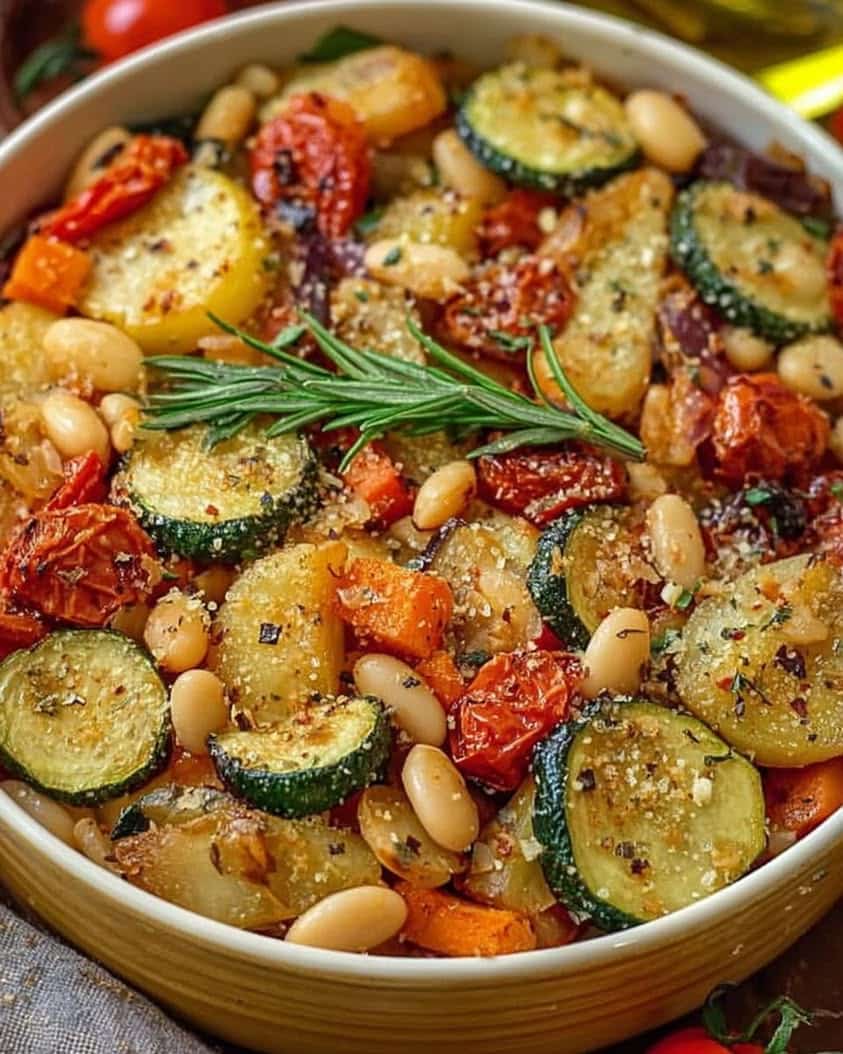
Rustic Roasted Vegetable Bake with Cannellini Beans: A Cozy, One-Pan Wonder
Imagine the comforting aroma of caramelized vegetables and herbs wafting from your oven. This Rustic Roasted Vegetable Bake with Cannellini Beans is exactly that kind of soul-warming dish. Ultimately, it transforms simple, humble ingredients into a vibrant and deeply satisfying meal. The process is wonderfully straightforward, making it perfect for both busy weeknights and relaxed weekend cooking. Consequently, you get a beautiful medley of textures and flavors that feel both nourishing and indulgent.
This one-pan wonder celebrates the natural sweetness of root vegetables and the creamy heartiness of beans. Each bite delivers a symphony of tastes, from the earthy depth of rosemary to the bright pop of cherry tomatoes. Moreover, the cannellini beans add a wonderful protein-packed creaminess that makes the dish feel substantial. Visually, the bake is a feast for the eyes with its rainbow of roasted colors. Therefore, it is as pleasing to serve at a dinner party as it is to enjoy curled up on the couch.
Quick Recipe Highlights
- Flavor Profile: This Rustic Roasted Vegetable Bake offers a harmonious blend of savory, sweet, and earthy notes. The natural sugars in the vegetables caramelize beautifully, while herbs like rosemary and thyme provide an aromatic backbone. Additionally, a hint of garlic and a finish of fresh parsley brighten the entire dish.
- Texture: You will experience a delightful contrast of tender, melt-in-your-mouth roasted vegetables and creamy, soft cannellini beans. The edges of the potatoes and carrots crisp up slightly, creating a perfect textural counterpoint to the velvety beans and juicy tomatoes.
- Aroma: As it roasts, the bake fills your kitchen with an irresistible fragrance. Specifically, the scent of roasting garlic and onions mingles with woody rosemary and the sweet scent of caramelizing vegetables. This aroma is the very definition of cozy, home-cooked comfort.
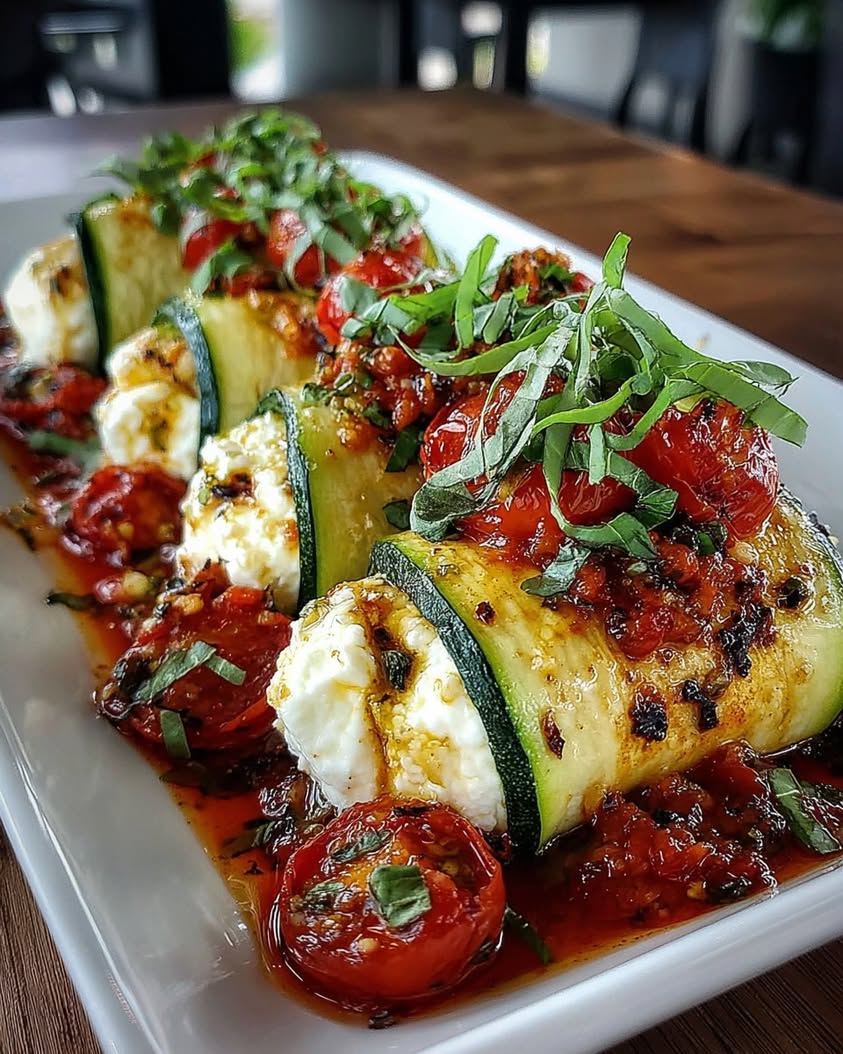
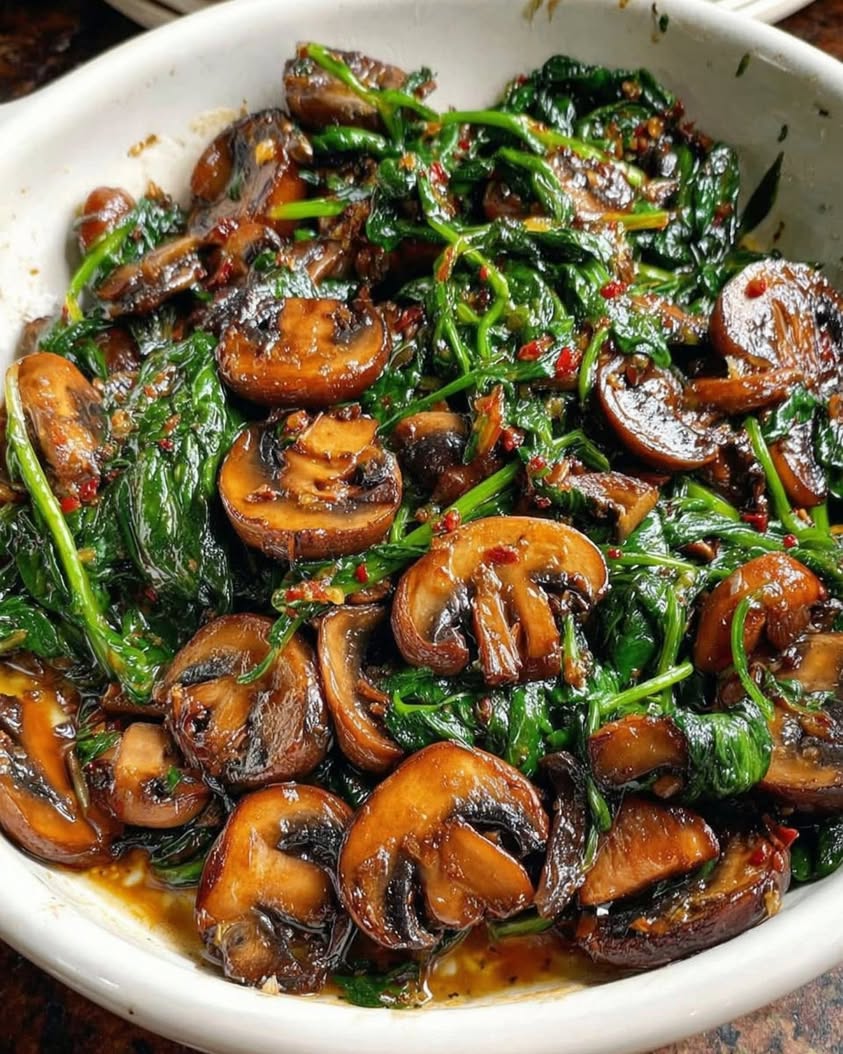
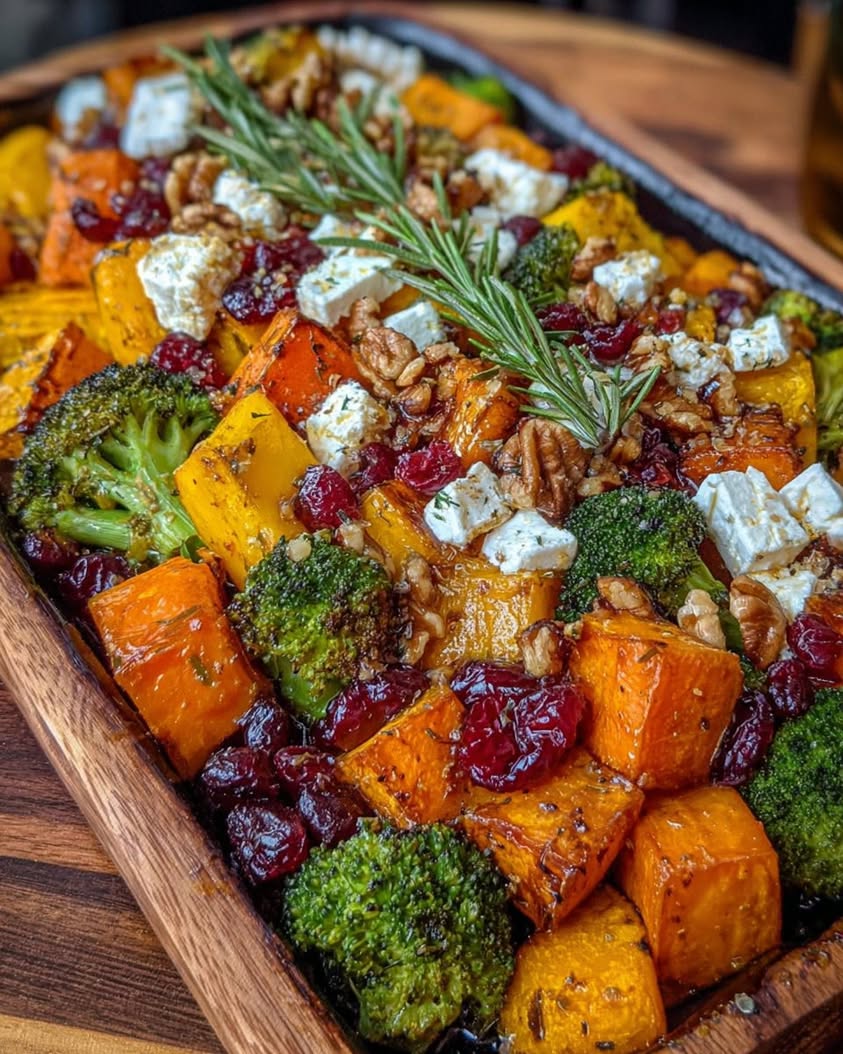
- Visual Appeal: The bake presents a stunning mosaic of colors. Think golden-brown potatoes, vibrant orange carrots, deep green zucchini, and bursts of red from the cherry tomatoes. It is a visually impressive dish that requires minimal plating effort.
- Skill Level Needed: This recipe is ideal for beginners and seasoned cooks alike. It requires basic knife skills for chopping and a simple understanding of oven roasting. There are no complicated techniques, just tossing and baking.
- Special Equipment: You need only a large baking sheet or roasting pan and a good chef’s knife. Parchment paper is highly recommended for easy cleanup. Otherwise, no special tools are required, making this recipe highly accessible.
Recipe Overview
- Difficulty Level: We rate this Rustic Roasted Vegetable Bake as “Easy” for several reasons. The steps are sequential and simple: chop, toss, and roast. There is no fussy timing or precision required. Furthermore, the oven does most of the work, allowing for hands-off cooking. This makes it a fantastic recipe for building kitchen confidence.
- Category: This dish is wonderfully versatile. It can serve as a hearty vegetarian main course, a substantial side dish alongside roasted chicken or fish, or even a fantastic potluck contribution. Its flexibility is one of its greatest strengths for meal planning.
- Cuisine: While not tied to one specific tradition, this bake draws inspiration from the rustic, vegetable-forward cooking of the Mediterranean. It emphasizes whole, seasonal ingredients prepared simply to highlight their natural flavors, a hallmark of that region’s culinary philosophy.
- Cost: This is an incredibly budget-friendly meal. Root vegetables and beans are some of the most affordable ingredients at the grocery store. You can easily feed a family of four for a fraction of the cost of a meat-centric meal, without sacrificing flavor or satisfaction.
- Season: This Rustic Roasted Vegetable Bake shines in the fall and winter when root vegetables are at their peak. However, it is truly adaptable year-round. Simply swap in seasonal produce like asparagus in spring or bell peppers in summer for a delicious variation.
- Occasion: It is perfect for casual family dinners, meal prep for the week, or cozy gatherings with friends. Its make-ahead potential and crowd-pleasing nature also make it an excellent choice for holiday spreads as a vegetarian centerpiece.
Why You’ll Love This Recipe
First and foremost, the taste and texture of this Rustic Roasted Vegetable Bake are utterly captivating. The roasting process intensifies the natural sugars in the vegetables, creating deep, caramelized flavors that are both sweet and savory. Meanwhile, the cannellini beans become incredibly creamy, soaking up all the herby, garlic-infused olive oil. Every forkful offers a satisfying mix of soft, tender vegetables and slightly crisp edges. This combination ensures the dish is never boring and keeps you coming back for more.
From a convenience standpoint, this recipe is a true winner. It requires just one pan, meaning cleanup is a breeze. You simply chop your vegetables, toss them with oil and seasonings, and let the oven work its magic. This hands-off approach frees you up to set the table, prepare a salad, or simply relax. Additionally, the ingredient list is flexible; you can use what you have on hand. Consequently, it reduces food waste and simplifies your grocery shopping.
Nutritionally, this Rustic Roasted Vegetable Bake with Cannellini Beans is a powerhouse. It is packed with fiber from both the vegetables and the beans, which aids digestion and promotes lasting fullness. The vegetables provide a wide spectrum of essential vitamins and antioxidants. Cannellini beans are an excellent source of plant-based protein and iron. Therefore, this dish supports a healthy lifestyle while feeling completely indulgent. It is nourishment for both body and soul.
For entertaining, this bake is a social superstar. It is naturally vegetarian and can easily be made vegan, accommodating various dietary preferences without requiring separate meals. The vibrant, colorful presentation is impressive with minimal effort. You can prepare it ahead of time and simply reheat it before guests arrive. Ultimately, it allows you to spend more time with your company and less time stressing in the kitchen.
Finally, its cost-effectiveness and accessibility cannot be overstated. Seasonal vegetables and canned beans are some of the most affordable items in any market. This recipe demonstrates how to create a restaurant-quality, deeply flavorful meal on a tight budget. It proves that eating well does not have to be expensive or complicated. This Rustic Roasted Vegetable Bake is a testament to the beauty of simple, wholesome ingredients.
Historical Background and Cultural Significance
The concept of roasting vegetables alongside beans is rooted in ancient, agrarian cooking traditions across the globe. Essentially, combining what was harvested from the earth and cooked in a communal oven or over a fire was a practical necessity. In Mediterranean cultures, particularly in regions like Tuscany, similar preparations of beans and seasonal vegetables baked in clay pots are centuries old. These dishes were born from “cucina povera” or “poor kitchen” philosophy, which celebrates making the most of humble, readily available ingredients.
Culturally, a dish like this Rustic Roasted Vegetable Bake represents sustenance, community, and seasonality. In many traditions, a large baked dish served from a single vessel symbolizes sharing and family. The use of herbs like rosemary and thyme connects it to the foraging and herb gardens common in European cottage cooking. This style of cooking prioritizes flavor developed through slow, patient roasting rather than complex sauces or expensive additions.
The recipe has evolved significantly with modern kitchen technology. Historically, such a bake might have been cooked in a hearth or a wood-fired oven, imparting a distinct smoky flavor. Today, our standard home ovens allow for more consistent and accessible roasting. The inclusion of New World vegetables like potatoes and tomatoes, which were not available in Europe until after the 15th century, shows how these rustic dishes adapt over time. Our version is a contemporary take on that timeless principle.
Regional variations of this concept are endless. In the American South, a similar dish might include okra and black-eyed peas. In Provence, it would feature ratatouille vegetables and white beans like flageolet. The version presented here with cannellini beans leans into Italian influences but remains a flexible template. This global commonality highlights a universal truth: roasting vegetables and beans together is a fundamentally delicious and nourishing practice found in many food cultures.
Ingredient Deep Dive
Cannellini Beans: Also known as white kidney beans, cannellini beans are a staple of Italian cuisine, particularly in soups like minestrone and dishes like pasta e fagioli. They are prized for their creamy texture and mild, nutty flavor, which allows them to absorb the flavors of herbs and spices beautifully. Nutritionally, they are an excellent source of plant-based protein, fiber, iron, and folate. When selecting canned beans, look for brands with no added salt or preservatives for the cleanest flavor. For a from-scratch option, you can soak and cook dried beans, which offers a superior texture and flavor. Ultimately, they provide the hearty, satisfying base that makes this bake a complete meal.
Root Vegetables (Potatoes & Carrots): Potatoes and carrots are the foundational vegetables in many rustic dishes worldwide. Potatoes, originating in the Andes, became a European staple and a symbol of sustenance. Carrots have a long history dating back to Central Asia. Both are incredibly versatile and affordable. They are packed with vitamins, particularly vitamin A from carrots and vitamin C and potassium from potatoes. Their high starch content allows them to caramelize and soften beautifully during roasting, providing sweetness and substance. Choose firm, unblemished vegetables for the best results. Store them in a cool, dark place to prevent sprouting or softening.
Zucchini & Cherry Tomatoes: These summer vegetables add moisture, color, and a brighter flavor profile to balance the earthier roots. Zucchini, a type of summer squash, has a mild flavor and tender texture when cooked. Cherry tomatoes burst during roasting, releasing their acidic, sweet juices which create a light sauce that coats the other ingredients. Both are rich in antioxidants and vitamin C. Select zucchini that are firm and medium-sized, and choose cherry tomatoes that are plump and fragrant. Because they have a higher water content, they cook faster than root vegetables, which is why they are added partway through the roasting process in this Rustic Roasted Vegetable Bake.
Fresh Rosemary & Thyme: These woody herbs are the aromatic soul of the dish. Rosemary, with its pine-like fragrance, has been used since ancient times for culinary and medicinal purposes. Thyme offers a subtle, earthy complexity. Using fresh herbs is crucial here, as dried herbs cannot replicate the vibrant, aromatic oils released during roasting. They not only add flavor but also contribute antioxidants. To store, wrap fresh herb sprigs in a damp paper towel and place them in a resealable bag in the refrigerator. If you must substitute, use only half the amount if using dried, but the flavor will be less bright.
Common Mistakes to Avoid
- Overcrowding the Pan: This is the most common error. If the vegetables are piled on top of each other, they will steam instead of roast. Consequently, you will miss out on the crucial caramelization and end up with soggy, rather than crispy-edged, vegetables. Always use a large enough pan to allow space between pieces.
- Not Preheating the Oven: Starting with a cold oven drastically changes the cooking process. The vegetables will begin to stew in their own juices before browning can occur. Always ensure your oven is fully preheated to the specified temperature before adding your bake.
- Cutting Vegetables Inconsistently: If your vegetable pieces are different sizes, they will cook unevenly. Smaller pieces will burn before larger pieces are tender. Take the time to chop everything into roughly uniform, bite-sized chunks for perfect, even roasting.
- Using Old or Dried-Out Herbs: The flavor of this Rustic Roasted Vegetable Bake relies heavily on the fresh, potent oils in rosemary and thyme. Dried herbs lack this potency and can taste dusty. Always opt for fresh sprigs for the best aromatic result.
- Skipping the Tossing Step: Do not just drizzle oil over the vegetables in the pan. Tossing them thoroughly in a bowl ensures every piece is evenly coated with oil and seasoning. This step is essential for preventing dry spots and ensuring maximum flavor.
- Forgetting to Season in Layers: Season only at the beginning, and your dish may taste bland. Season the vegetables when you toss them, and then consider a light final seasoning with flaky salt after roasting to brighten all the flavors.
- Adding All Vegetables at Once: Tender vegetables like zucchini and tomatoes cook much faster than dense potatoes and carrots. Adding them all together means the softer veggies will turn to mush. Staggering their addition is key to perfect texture.
- Not Checking for Doneness: Oven temperatures vary. Relying solely on timer can lead to under or over-cooked vegetables. Always check that potatoes and carrots are easily pierced with a fork before declaring the bake done.
Essential Techniques
Uniform Chopping: This technique is critical for even cooking. Aim for all vegetable pieces to be roughly 1 to 1.5 inches in size. Using a sharp chef’s knife, first create a flat surface on round vegetables by cutting them in half. Then, proceed to dice. Consistent size ensures that every piece roasts at the same rate, preventing some from being raw while others burn. The visual cue for success is a baking sheet filled with evenly sized pieces that have similar surface areas exposed to the heat.
High-Heat Roasting: Roasting at a high temperature (400°F or above) is what creates caramelization, also known as the Maillard reaction. This chemical process browns the surfaces of the vegetables, developing complex, savory flavors and appealing textures. The key is to have your oven fully preheated and to avoid opening the door frequently, which causes temperature fluctuations. A successful roast will yield vegetables with golden-brown, slightly crisp edges and tender, fully cooked interiors.
Staggered Vegetable Addition: This technique acknowledges that different vegetables have different cooking times. Dense, starchy roots need a head start. More delicate, water-rich vegetables join later to prevent them from disintegrating. Mastering this means understanding the composition of your ingredients. The visual cue is perfectly cooked zucchini that still holds its shape and tomatoes that are just burst, alongside fully tender potatoes and carrots.
Pro Tips for Perfect Rustic Roasted Vegetable Bake
- For extra crispy potatoes, parboil the diced potatoes for 5 minutes before tossing them in oil and roasting. This step breaks down the surface starch, leading to a wonderfully crispy exterior.
- Add a splash of balsamic vinegar or a drizzle of honey to the oil mixture before tossing for a subtle sweet-and-sour glaze that enhances caramelization.
- Use the convection roast setting on your oven if you have it. The circulating air promotes more even browning and can reduce cooking time slightly.
- Let the baked dish rest for 5 minutes after removing it from the oven. This allows the juices to redistribute and makes serving easier.
- For a flavor boost, add a Parmesan rind to the pan while roasting. It will infuse the vegetables with a savory, umami depth as it melts.
- If using dried beans you’ve cooked yourself, reserve a cup of the bean cooking liquid. You can add a splash to the bake if it looks dry during the final minutes of roasting.
- Garnish with something acidic and fresh right before serving, like a squeeze of lemon juice, a sprinkle of lemon zest, or a handful of chopped fresh parsley or basil.
Variations and Adaptations
For regional variations, consider a Spanish twist by adding smoked paprika and chorizo. A Greek version could include Kalamata olives, oregano, and a crumble of feta cheese after baking. For seasonal adaptations, in spring, use asparagus, peas, and new potatoes. In summer, swap in bell peppers, eggplant, and yellow squash. In winter, hearty options like parsnips, turnips, and Brussels sprouts work beautifully.
Dietary modifications are straightforward. For a vegan Rustic Roasted Vegetable Bake, ensure no cheese garnish is used. To make it gluten-free, simply confirm all your seasonings are certified gluten-free, which they typically are. For a lower-carb version, reduce the amount of potatoes and carrots and increase non-starchy vegetables like zucchini, bell peppers, and mushrooms.
Flavor variations are endless. Try using different herb combinations like oregano and marjoram, or tarragon and chives. Spice it up with red pepper flakes or a dash of harissa paste mixed into the oil. For a richer profile, toss the vegetables with a tablespoon of tomato paste thinned with olive oil before roasting. Texture modifications could include adding toasted breadcrumbs or chopped nuts like walnuts or pine nuts for a crunchy topping after baking.
Serving and Presentation Guide
For plating, serve this Rustic Roasted Vegetable Bake directly from the pan for a family-style, rustic feel. Alternatively, use a large, shallow serving bowl to showcase the colorful medley. Garnishing is key for visual appeal and a final flavor lift. A handful of freshly chopped parsley, basil, or mint adds color and freshness. A drizzle of high-quality extra virgin olive oil or a balsamic glaze adds shine and depth. For a creamy element, a dollop of pesto, tzatziki, or a simple garlic aioli on the side is fantastic.
Traditional accompaniments include a simple green salad with a lemony vinaigrette to cut through the richness. Crusty bread is essential for soaking up any delicious juices left in the pan. For a more substantial meal, serve it alongside grilled chicken, fish, or sausages. Modern suggestions include serving it over a bed of creamy polenta, quinoa, or couscous. It also makes a fantastic filling for wraps or grain bowls the next day. Serve it warm, as the flavors are most pronounced and the textures are ideal. For portion control, a good rule of thumb is to aim for about one to two cups per person as a main dish.
Wine and Beverage Pairing
Wine pairings for this earthy, vegetable-forward dish should complement its rustic character without overpowering it. A medium-bodied white wine like a Pinot Gris from Alsace or an Italian Vermentino works beautifully with their crisp acidity and notes of citrus and stone fruit. For red wine lovers, a light-bodied, low-tannin red is ideal. A Beaujolais (Gamay) or a cool-climate Pinot Noir echoes the earthy and fruity notes of the bake. Serve white wines chilled and red wines slightly below room temperature.
For non-alcoholic alternatives, consider sparkling water with a squeeze of lemon or lime to cleanse the palate. A homemade herbal iced tea, like rosemary-lemon or mint, would mirror the herbal notes in the dish. A tart cherry juice or a non-alcoholic sparkling cider also provides a nice fruity counterpoint. Coffee and tea pairings are less traditional but a light roast coffee or an herbal tea like chamomile could work after the meal. The key is to choose beverages with good acidity to balance the savory, roasted flavors.
Storage and Shelf Life
Store leftovers of this Rustic Roasted Vegetable Bake in an airtight container in the refrigerator. It will keep well for 3 to 4 days. For best results, allow the bake to cool completely before transferring it to storage, as putting hot food directly in the fridge can raise the internal temperature and promote bacterial growth. Glass containers are excellent for preventing odor transfer. Signs of spoilage include an off smell, visible mold, or a slimy texture on the vegetables.
Reheating instructions are simple. The best method is to reheat it in a 350°F oven or toaster oven until warmed through, which helps restore some of the texture. You can also reheat portions in a skillet over medium heat, stirring occasionally. The microwave is convenient but may make the vegetables a bit soggier. For freezing, this bake can be frozen for up to 2 months. However, note that vegetables with high water content, like zucchini and tomatoes, may become softer upon thawing. Thaw overnight in the refrigerator before reheating.
Make Ahead Strategies
This Rustic Roasted Vegetable Bake is an excellent candidate for make-ahead cooking. You can prep all the vegetables up to 24 hours in advance. Store the chopped root vegetables (potatoes, carrots, onions) in one container, and the softer vegetables (zucchini, tomatoes) in a separate container in the refrigerator. You can also mix the oil, garlic, and herbs in a small jar. When ready to cook, simply toss and roast according to the recipe directions. This prep timeline makes weeknight dinner assembly incredibly fast.
For quality, roasting the entire dish ahead of time is also an option. Prepare the bake completely, let it cool, and store it covered in the fridge. To serve, reheat it in a 375°F oven for 15-20 minutes until hot. The flavor often improves after a day, as the ingredients meld. To maintain freshness, add any delicate garnishes like fresh parsley or a squeeze of lemon juice only after reheating. This strategy is perfect for entertaining or stress-free meal prep.
Scaling Instructions
Halving this recipe is straightforward. Simply divide all ingredient quantities by two. Use a standard sheet pan; the smaller volume will prevent overcrowding. The cook time may be slightly reduced, so start checking for doneness around the 30-minute mark. Doubling or tripling the recipe for a crowd is easy, but requires equipment adjustments. Do not try to fit double the ingredients on one pan. Instead, use two or three large sheet pans and rotate their positions in the oven halfway through cooking to ensure even browning.
Timing modifications are minimal when scaling. A larger volume in multiple pans may require a few extra minutes of roasting. Conversely, a halved recipe on one pan may cook a bit faster. Always rely on the visual and textural cues—tender vegetables and golden-brown edges—rather than strictly on the clock. Storage considerations remain the same; ensure you have enough airtight containers for leftovers. Scaling this Rustic Roasted Vegetable Bake successfully is all about managing pan space and monitoring doneness.
Nutritional Deep Dive
This Rustic Roasted Vegetable Bake with Cannellini Beans offers a balanced macronutrient profile. It is rich in complex carbohydrates from the vegetables and beans, providing sustained energy. The cannellini beans contribute a significant amount of plant-based protein, making it a satisfying main dish. The olive oil provides healthy monounsaturated fats, which are beneficial for heart health and help with the absorption of fat-soluble vitamins from the vegetables. The dish is naturally low in saturated fat and cholesterol.
Micronutrient analysis reveals a wealth of vitamins and minerals. Carrots are an excellent source of beta-carotene (vitamin A), crucial for vision and immune function. Potatoes and tomatoes provide vitamin C and potassium. The beans add iron, folate, and magnesium. The herbs contribute antioxidants. This combination supports overall wellness, digestive health due to high fiber, and may help reduce inflammation. For dietary considerations, it is inherently vegetarian, vegan-adaptable, and gluten-free. For weight management, it is a volume food—you can eat a satisfying portion for a moderate calorie count, thanks to the high fiber and water content of the vegetables.
Dietary Adaptations
Gluten-Free: This recipe is naturally gluten-free. Simply ensure that any pre-made seasonings or broths you might consider adding are certified gluten-free, though the base recipe requires none.
Dairy-Free & Vegan: The recipe as written is dairy-free and vegan. Avoid garnishing with cheese or dairy-based sauces. For a creamy vegan topping, use a cashew cream or a dollop of vegan pesto.
Low-Carb & Keto: For a lower-carb version, significantly reduce or omit the potatoes and carrots. Increase low-carb vegetables like cauliflower, broccoli, bell peppers, and mushrooms. The cannellini beans are higher in carbs, so for a strict keto adaptation, you would need to omit them or use a very small amount.
Paleo: To make this Paleo, omit the cannellini beans and white potatoes. Use sweet potatoes instead of white potatoes, and ensure all other ingredients are Paleo-compliant. Add more vegetables or include a protein like diced chicken sausage cooked with the vegetables.
Low-FODMAP: This requires careful modification. Omit the garlic and onion. Use only the green tops of scallions (green part only) for flavor. Ensure the serving size of cannellini beans is within Monash University’s recommended low-FODMAP portion, or omit them. Use zucchini, carrots, cherry tomatoes, and potatoes in moderation as per guidelines.
Troubleshooting Guide
Vegetables are Soggy: This is almost always due to overcrowding the pan or adding all vegetables at once. Ensure there is space between pieces for steam to escape. Next time, use a larger pan or roast in batches. Also, make sure your oven temperature is accurate; an oven that runs cool will steam food.
Vegetables are Burned on the Edges: Your oven temperature may be too high, or your vegetable pieces may be cut too small. Check your oven’s calibration with a thermometer. Cut vegetables into uniform, slightly larger chunks. Using parchment paper can also prevent direct contact with a very hot metal pan.
Dish Tastes Bland: Underseasoning is the culprit. Remember to season generously with salt and pepper at the tossing stage. Salt draws out moisture and helps develop flavor. A final seasoning with flaky sea salt after roasting can make a world of difference. Also, ensure your dried herbs are not old and stale.
Beans are Dry or Tough: If using canned beans, they may have been old or of poor quality. Rinsing them thoroughly can sometimes dry them out; try draining without rinsing to retain some of the canning liquid’s moisture. If using home-cooked beans, ensure they were fully cooked and tender before adding them to the bake.
Recipe Success Stories
Community feedback on this Rustic Roasted Vegetable Bake has been overwhelmingly positive. Many readers report it becoming a weekly staple in their homes due to its simplicity and crowd-pleasing nature. One home cook shared how she added spicy Italian sausage for her meat-loving family, while keeping a portion separate for her vegetarian daughter, making it a perfect compromise meal. Another reader successfully adapted it for her Instant Pot by using the air fryer lid, achieving a similar roasted texture.
Adaptation stories highlight its versatility. A reader on a tight budget used frozen mixed vegetables and a can of great northern beans with excellent results. Another used it as a creative filling for savory hand pies. Photography tips from successful makers include using natural light and garnishing with bright green herbs just before snapping the picture to make the colors pop. The common thread in all success stories is the recipe’s reliability and its role as a delicious, healthy template for endless creativity in the kitchen.
Frequently Asked Questions
Q: Can I use different beans?
A: Absolutely. Great northern beans, navy beans, or chickpeas would all work wonderfully in this Rustic Roasted Vegetable Bake. Chickpeas will hold their shape very well and add a nuttier flavor. Just ensure they are cooked or canned and drained.
Q: Can I make this without oil?
A: For a no-oil version, you can use vegetable broth or water to moisten the vegetables. However, the oil is crucial for promoting caramelization and carrying the flavors of the herbs. Without it, the vegetables are more likely to steam and the final dish will be less rich.
Q: How do I know when the bake is done?
A: The bake is done when the potatoes and carrots are easily pierced with a fork and the edges of the vegetables are golden brown. The cherry tomatoes should be wrinkled and some may have burst. This usually takes 35-45 minutes total.
Q: Is this dish freezer-friendly?
A: Yes, you can freeze it for up to 2 months. Be aware that vegetables with high water content, like zucchini, may become softer upon thawing. Thaw in the refrigerator overnight and reheat in the oven for best texture.
Q: What can I use instead of fresh rosemary?
A: If you must substitute, use 1 teaspoon of dried rosemary. Crush it between your fingers before adding to release the oils. However, the flavor will be less vibrant. Fresh thyme or oregano would be a better fresh herb substitute than dried rosemary.
Q: Can I add meat to this bake?
A: Certainly. Diced chicken breast, Italian sausage (casings removed), or even chopped bacon can be added. If adding raw meat, toss it with the root vegetables at the beginning so it cooks through. Ensure the internal temperature of any meat reaches a safe level before serving.
Q: My vegetables aren’t browning. What’s wrong?
A: This usually means the oven isn’t hot enough, the pan is overcrowded, or the vegetables are too wet. Pat diced vegetables dry with a towel before tossing with oil. Ensure your oven is fully preheated and use a large enough pan.
Q: Can I prepare this in advance?
A: Yes, you can chop all vegetables and mix the oil and herbs a day ahead. Store them separately in the fridge. Combine and roast when ready. You can also fully cook, cool, and reheat it the next day.
Q: Is this suitable for meal prep?
A: It’s excellent for meal prep. Divide into airtight containers and refrigerate for up to 4 days. Reheat individual portions in the microwave or oven. It’s delicious warm or even at room temperature in a lunchbox.
Q: Can I use frozen vegetables?
A: You can, but the results will be different. Frozen vegetables release more water, leading to a softer, less caramelized texture. If using frozen, do not thaw first, and expect a slightly longer cook time with less browning.
Rustic Roasted Vegetable Bake with Cannellini Beans
- Total Time: 45 minutes
- Yield: 4
Description
A hearty, comforting dish featuring a medley of roasted seasonal vegetables and creamy cannellini beans, baked to perfection with herbs and a touch of olive oil.
Ingredients
- 2 medium carrots, peeled and chopped
- 1 large zucchini, chopped
- 1 red bell pepper, chopped
- 1 yellow onion, chopped
- 2 cups cherry tomatoes
- 2 cans (15 oz each) cannellini beans, drained and rinsed
- 3 tablespoons olive oil
- 1 teaspoon dried thyme
- 1 teaspoon dried rosemary
- 1/2 teaspoon garlic powder
- Salt and black pepper to taste
- 1/4 cup grated Parmesan cheese (optional)
- Fresh parsley for garnish
Instructions
- Preheat the oven to 400°F (200°C).
- In a large bowl, combine carrots, zucchini, bell pepper, onion, and cherry tomatoes. Add olive oil, thyme, rosemary, garlic powder, salt, and pepper. Toss to coat evenly.
- Spread the vegetables in a single layer on a baking sheet. Roast for 20-25 minutes, or until tender and slightly caramelized.
- Transfer the roasted vegetables to a baking dish. Stir in the cannellini beans and mix well. Sprinkle with Parmesan cheese if using.
- Bake for an additional 10 minutes, or until heated through and cheese is melted. Garnish with fresh parsley before serving.
Notes
You can customize the seasonings to taste.
- Prep Time: 15 minutes
- Cook Time: 30 minutes
- Method: Main
- Cuisine: American