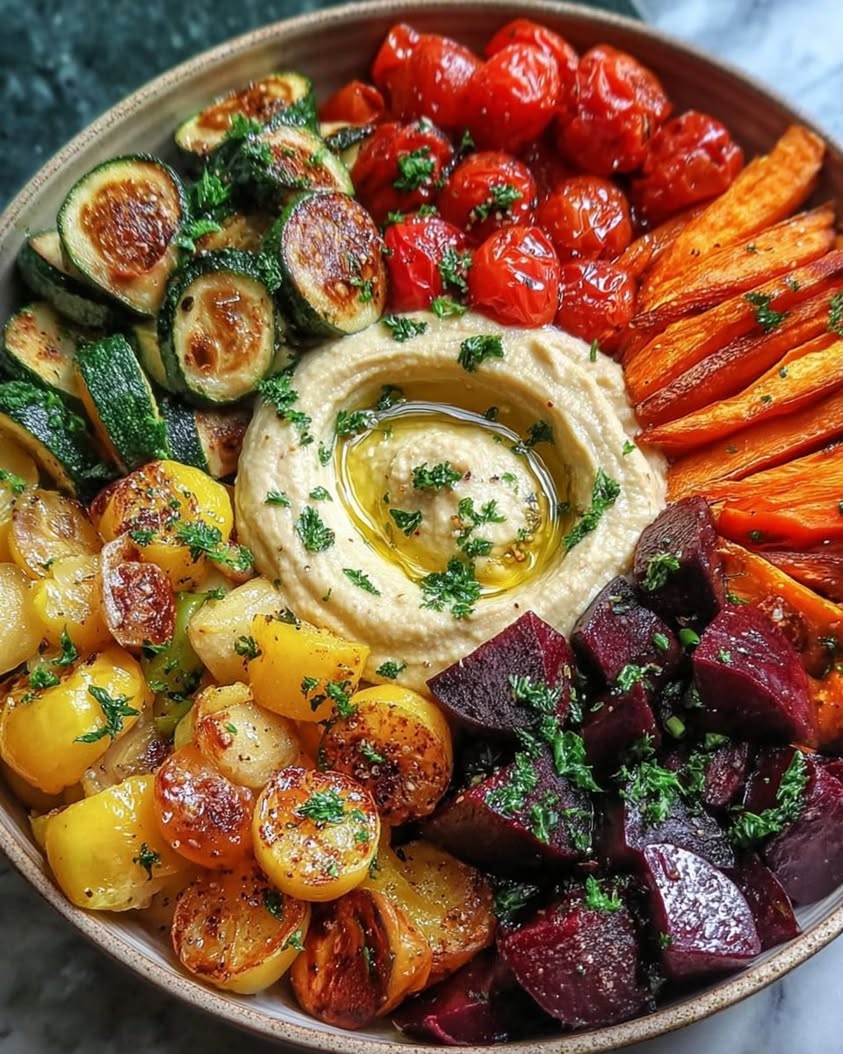
The Ultimate Roasted Veggie and Hummus Bowl Recipe for Easy Lunches
Imagine opening your lunch container to a vibrant, colorful meal that tastes as incredible as it looks. This roasted veggie and hummus bowl recipe is exactly that. It is a perfect harmony of warm, caramelized vegetables, creamy protein-rich hummus, and fresh, crisp greens. Moreover, it is a meal that fuels your body and delights your senses without requiring hours in the kitchen. This recipe is your secret weapon for healthy, satisfying lunches all week long.
The beauty of this roasted veggie and hummus bowl lies in its simplicity and flexibility. You can use almost any vegetables you have on hand. Consequently, it is a fantastic way to reduce food waste. The roasting process transforms humble veggies into sweet, tender, and deeply flavorful components. When paired with the cool, creamy hummus and a bright lemon-tahini drizzle, every bite is a delightful contrast. Ultimately, this bowl is proof that healthy eating can be deeply delicious and utterly convenient.
Quick Recipe Highlights
- Flavor Profile: This bowl offers a complex symphony of tastes. You get sweet, caramelized notes from the roasted vegetables balanced by the earthy, savory depth of hummus. Additionally, a bright, tangy lemon-tahini sauce ties everything together with a zesty finish.
- Texture: The texture combination is incredibly satisfying. Expect tender-crisp roasted vegetables, luxuriously smooth and creamy hummus, and the fresh crunch of raw greens or cucumber. Furthermore, optional toppings like seeds add a delightful final crunch.
- Aroma: As the vegetables roast, your kitchen will fill with the warm, sweet scent of caramelizing onions and peppers. The nutty aroma of tahini and the fresh zing of lemon from the sauce create an irresistible fragrance that promises a delicious meal.
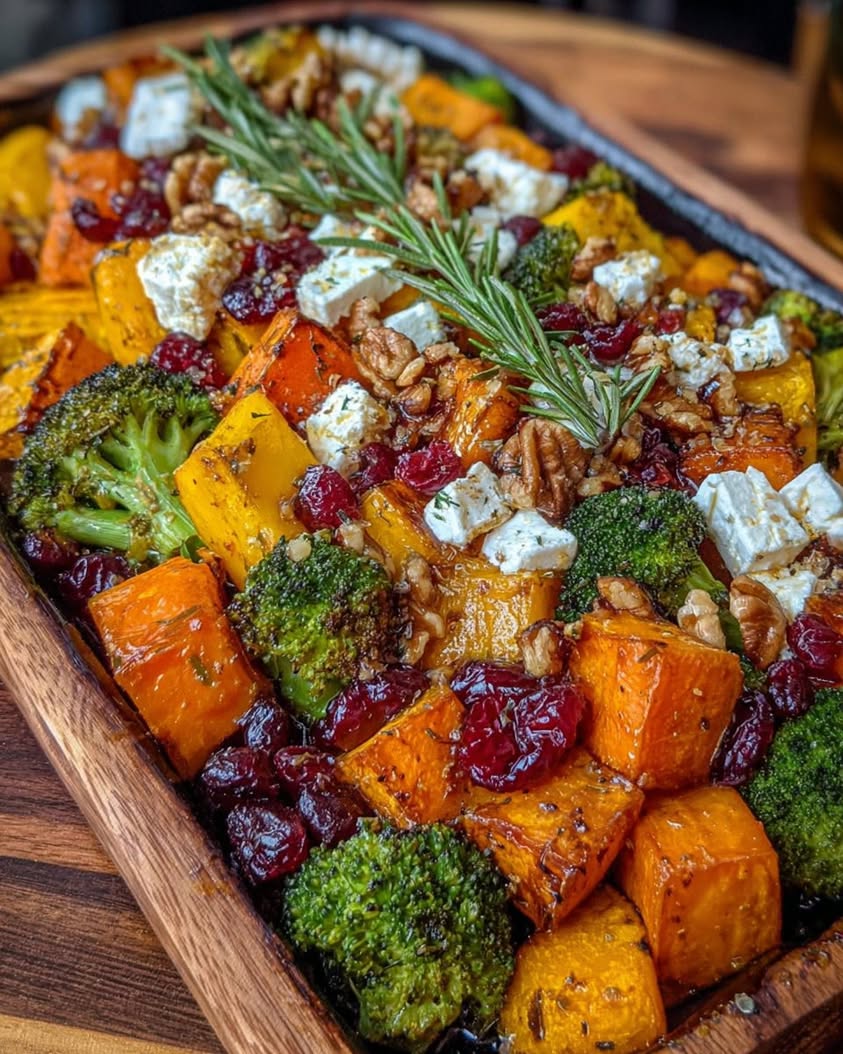
- Visual Appeal: This bowl is a feast for the eyes with its rainbow of colors. Vibrant orange sweet potatoes, deep green broccoli, and red bell peppers create a stunning contrast against the pale hummus and dark greens. Therefore, it is as Instagram-worthy as it is nutritious.
- Skill Level Needed: This is a beginner-friendly recipe requiring only basic kitchen skills. You need to know how to chop vegetables, toss them with oil, and use an oven. No advanced techniques are required, making it accessible for any home cook.
- Special Equipment: You only need a few standard kitchen tools. A good baking sheet, a sharp knife, and a cutting board are essential. A blender or food processor is helpful for making homemade hummus but is not mandatory if you use a store-bought version.
Recipe Overview
- Difficulty Level: We rate this recipe as easy because it involves straightforward techniques like chopping and roasting. The steps are simple and sequential, with minimal hands-on time. Even a novice cook can achieve fantastic results by following the clear instructions. There is no complicated timing or precision required.
- Category: This dish fits perfectly into several meal categories. It is an ideal main course for a light lunch or dinner. Alternatively, it serves as a substantial and healthy side dish. It also excels as a meal-prep staple for grab-and-go weekday lunches.
- Cuisine: While hummus has roots in Middle Eastern cuisine, this bowl is a modern, global fusion creation. It takes inspiration from Mediterranean flavors and combines them with a contemporary “bowl food” presentation. The focus is on fresh, whole ingredients prepared simply, a principle celebrated in many culinary traditions.
- Cost: This is a very cost-effective meal, especially if you use seasonal vegetables. A batch for two servings often costs less than a single takeout lunch. Making your own hummus from canned chickpeas further reduces the price. Overall, it is a budget-friendly path to healthy eating.
- Season: This recipe is fantastic year-round due to its adaptability. In fall and winter, use hearty roots like sweet potato and cauliflower. During spring and summer, swap in zucchini, asparagus, or cherry tomatoes. Consequently, you can enjoy a seasonal roasted veggie and hummus bowl every month.
- Occasion: This bowl is incredibly versatile for different occasions. It is perfect for a quick, nutritious weekday lunch. It also makes an elegant, colorful option for a casual dinner with friends. Furthermore, it is an excellent packed lunch for work, school, or a picnic.
Why You’ll Love This Recipe
First and foremost, the taste and texture of this roasted veggie and hummus bowl are utterly addictive. The roasting process concentrates the natural sugars in vegetables, creating a deep, sweet flavor that pairs magically with the savory, garlicky hummus. Each component brings its own unique mouthfeel, from the creamy dip to the tender veggies and crisp greens. This combination ensures every forkful is interesting and satisfying, far from boring “health food.” You will find yourself craving the harmonious blend of warm and cool, soft and crunchy elements.
From a practical standpoint, the convenience of this recipe is a major win. The active prep time is minimal, mostly involving chopping vegetables. While they roast, you are free to prepare the sauce, set the table, or simply relax. This recipe is also a meal-prep champion. You can roast a large batch of vegetables on Sunday and assemble fresh bowls in minutes throughout the week. Therefore, it eliminates the daily lunchtime dilemma, providing a healthy, homemade option that is ready faster than delivery.
Nutritionally, this bowl is a powerhouse. It is packed with fiber from the chickpeas and vegetables, which aids digestion and promotes long-lasting fullness. You also get a wide spectrum of vitamins and antioxidants from the colorful produce. The healthy fats from olive oil, tahini, and hummus support nutrient absorption and brain health. This meal provides complex carbohydrates for energy and plant-based protein for muscle repair. It is a balanced, nourishing choice that truly fuels your body.
For social and entertaining purposes, this roasted veggie and hummus bowl is a fantastic option. It is easily scalable to feed a crowd for a casual brunch or lunch. You can create a beautiful, colorful spread by arranging all the components separately and letting guests build their own bowls. This interactive style is fun and accommodates various dietary preferences effortlessly. It is a meal that feels special and thoughtful without stressing the host.
Finally, the cost-effectiveness and accessibility of this recipe cannot be overstated. It relies on affordable, pantry-staple ingredients like chickpeas, olive oil, and basic spices. The vegetable selection is flexible, allowing you to use what is on sale or in season. Compared to eating out, making this bowl at home saves significant money. It proves that eating well does not require expensive or hard-to-find ingredients, making healthy habits sustainable for everyone.
Historical Background and Cultural Significance
The core component of this dish, hummus, boasts an ancient and rich history. Its origins are hotly debated among several Middle Eastern and Mediterranean cultures, including Lebanon, Israel, Egypt, and Greece. Historians believe a precursor to modern hummus, made from sesame and chickpeas, was consumed in ancient Egypt. The word “hummus” itself means “chickpea” in Arabic. This simple paste of chickpeas, tahini, lemon, and garlic has been a dietary staple in the region for centuries, valued for its nutrition, affordability, and delicious flavor.
Hummus holds deep cultural significance as a shared food, symbolizing community and hospitality. It is traditionally served as part of a mezze spread, a collection of small dishes meant for sharing among family and friends. Eating from a common plate fosters connection and conversation. In many households, hummus recipes are passed down through generations, each family adding its own subtle twist. It is more than just food; it is a culinary tradition that represents home, generosity, and cultural identity for millions of people.
The evolution of hummus from a traditional mezze item to a global superfood is a fascinating modern story. In recent decades, its popularity has skyrocketed in Western countries as a healthy, plant-based protein source. This global adoption has led to countless variations, including flavored hummus like roasted red pepper or spinach artichoke. The concept of a “bowl meal” is a more recent trend, focusing on balanced, visually appealing compositions. Our roasted veggie and hummus bowl is a product of this evolution, marrying ancient tradition with contemporary eating habits.
Regional variations of hummus and its accompaniments are vast. In Lebanon, it is often served with a drizzle of olive oil, paprika, and whole chickpeas. In Israel, it is commonly topped with ful (fava beans) or hard-boiled eggs. Palestinian hummus might be garnished with sautéed mushrooms or ground lamb. The concept of pairing it with roasted vegetables, however, is a modern, health-conscious adaptation that draws from global “wellness bowl” trends. It respects the essence of the original while creating something new and adaptable for today’s kitchens.
Ingredient Deep Dive
Chickpeas, also known as garbanzo beans, are the heart of hummus and a culinary cornerstone for thousands of years. Originating in the Middle East, they are one of the earliest cultivated legumes. Nutritionally, they are a fantastic source of plant-based protein, fiber, and complex carbohydrates. They also provide key minerals like iron, folate, and manganese. For this recipe, you can use canned chickpeas for convenience; just rinse them well. Alternatively, cooking dried chickpeas from scratch yields a superior creamy texture. Store any leftovers in their liquid in an airtight container in the fridge.
Tahini, a paste made from ground sesame seeds, is the second critical ingredient in authentic hummus. It has been used in cooking from Asia to the Mediterranean since ancient times. This ingredient adds a rich, nutty flavor and essential creaminess. It is packed with healthy fats, calcium, and antioxidants. When selecting tahini, look for a product with a smooth, pourable consistency and a label that lists only sesame seeds. Separation is natural; simply stir well before use. Store it in a cool, dark place or the refrigerator after opening to prevent rancidity.
Sweet potatoes are a New World vegetable, now beloved globally for their versatility and nutrition. They provide a vibrant color and natural sweetness that balances the savory elements of the bowl. They are an excellent source of beta-carotene (which converts to Vitamin A), Vitamin C, and fiber. Choose firm sweet potatoes with smooth, unbruised skin. For roasting, cut them into even, one-inch cubes to ensure they cook at the same rate as other vegetables. Store uncooked sweet potatoes in a cool, dark, well-ventilated place—not the refrigerator.
Broccoli, part of the cruciferous vegetable family, adds a wonderful texture and a boost of nutrients. It originated in Italy and was cultivated from wild cabbage. This vegetable is famous for its high levels of Vitamin C, Vitamin K, and sulforaphane, a compound with potent antioxidant properties. Select broccoli with tight, dark green florets and firm stalks. Avoid any with yellowing buds. For the best texture in your roasted veggie and hummus bowl, cut the broccoli into similar-sized florets. Store it unwashed in a loose plastic bag in the refrigerator’s crisper drawer.
Common Mistakes to Avoid
- Crowding the Baking Sheet: Overloading the pan is a common error. When vegetables are too close together, they steam instead of roast. This prevents the caramelization and crispy edges that add so much flavor. Always use a large enough sheet and spread the veggies in a single layer.
- Uneven Vegetable Sizes: Chopping vegetables into different sizes guarantees uneven cooking. Smaller pieces will burn before larger ones are tender. Take the time to cut all your veggies into uniform, bite-sized pieces. This ensures everything finishes roasting at the same perfect moment.
- Skipping the Preheating Step: Placing vegetables into a cold oven is a mistake. A properly preheated oven provides immediate, intense heat. This jumpstarts the roasting process, leading to better browning and texture. Always wait for your oven to reach the full temperature before adding your pan.
- Using Old or Low-Quality Tahini: Tahini can go rancid over time, imparting a bitter flavor to your hummus and sauce. Always taste your tahini before using it. Invest in a good-quality brand from a store with high turnover to ensure freshness and the best flavor for your bowl.
- Not Drying Canned Chickpeas Well: Excess liquid from canned chickpeas can make your hummus runny. After rinsing, pat them very dry with a clean kitchen towel or paper towels. For the creamiest texture, some cooks also recommend peeling the chickpeas, though this is an optional step.
- Underseasoning the Vegetables: Vegetables need ample seasoning before roasting. Do not be shy with salt, pepper, and your chosen dried herbs. Seasoning before cooking allows the flavors to penetrate the food. Tossing them thoroughly ensures every piece is evenly coated for maximum taste.
- Forgetting to Taste and Adjust the Sauce: The lemon-tahini sauce is key for brightness. Do not just mix it and assume it is done. Always taste it and adjust. You may need more lemon for tang, more water for consistency, or a pinch more salt to balance the flavors perfectly.
- Assembling the Bowl While Vegetables are Piping Hot: Placing scalding hot vegetables directly on top of hummus can cause it to become watery and separate. Let the roasted veggies cool for five minutes before building your bowl. This preserves the perfect texture of each component.
Essential Techniques
Uniform Chopping: Mastering even chopping is crucial for this recipe. Consistent size means consistent cooking. Use a sharp chef’s knife for control and safety. For round vegetables like sweet potatoes, first slice a thin piece off one side to create a stable base. Then cut into planks, then sticks, then cubes. This technique, called “batoning,” gives you perfect, even pieces every time. The visual cue for success is a baking sheet filled with vegetables that all look roughly the same size.
High-Heat Roasting: Roasting at a high temperature (around 425°F) is the secret to flavorful vegetables. This technique quickly caramelizes the natural sugars on the exterior while cooking the interior to tender perfection. The key is to toss the vegetables in enough oil to coat them lightly but not drown them. Arrange them in a single, uncrowded layer. The success cue is vegetables with golden-brown, slightly crispy edges and a tender bite. If they are pale and soft, your oven temperature may be too low or the pan may be overcrowded.
Emulsifying the Sauce: Creating a smooth, creamy lemon-tahini sauce requires proper emulsification. Start by whisking the tahini and lemon juice together vigorously. Initially, it will seize up and look thick and grainy—this is normal. Then, add water slowly while continuing to whisk. The mixture will suddenly transform into a smooth, creamy, pourable sauce. The common pitfall is adding too much water too quickly. Add it a tablespoon at a time until you achieve the desired consistency, which should be similar to a runny yogurt.
Pro Tips for Perfect Roasted Veggie and Hummus Bowl
First, par-cook harder vegetables. If using dense roots like sweet potatoes or carrots, you can microwave them for two minutes before roasting. This ensures they finish at the same time as quicker-cooking veggies like broccoli or zucchini.
Second, add fresh herbs after roasting. Tossing your warm roasted vegetables with a handful of fresh chopped parsley, cilantro, or dill adds a burst of fresh flavor that dried herbs cannot match.
Third, warm your hummus slightly. Taking the chill off store-bought hummus by letting it sit at room temperature or giving it a quick stir makes it creamier and more receptive to the warm vegetables.
Fourth, use the residual heat from the baking sheet. After removing the veggies, immediately add a handful of spinach or kale to the hot pan. The wilted greens add another layer of texture and are a great way to use up leftovers.
Fifth, make extra roasted vegetables. Doubling the veggie portion takes no extra effort. Use the leftovers for omelets, grain bowls, or wraps throughout the week, maximizing your meal-prep efficiency.
Sixth, finish with a high-quality finishing oil. A final drizzle of a flavorful extra-virgin olive oil or a specialty oil like garlic or chili oil over the assembled bowl elevates the entire dish with minimal effort.
Variations and Adaptations
For regional variations, draw inspiration from different hummus traditions. Top your bowl with Israeli-style toppings like a spoonful of zhug (a spicy cilantro sauce) and a soft-boiled egg. For a Greek twist, use a hummus flavored with oregano and top with kalamata olives, cucumber, and tomatoes. A Mexican-inspired version could feature a black bean hummus, roasted corn and peppers, and a cilantro-lime crema.
Seasonal adaptations make this bowl a year-round favorite. In spring, use asparagus, snap peas, and radishes. Summer calls for zucchini, eggplant, and cherry tomatoes. Autumn is perfect for cubed butternut squash, Brussels sprouts, and red onion. Winter welcomes all kinds of hardy roots like parsnips, turnips, and more sweet potato.
Dietary modifications are simple. For a nut-free version, ensure your tahini is processed in a dedicated facility or replace the tahini sauce with a lemon-herb vinaigrette. To reduce carbs, increase the ratio of non-starchy vegetables like broccoli, cauliflower, and bell peppers while decreasing or omitting the sweet potato.
Flavor variations are endless. Toss your vegetables with different spice blends before roasting—try smoked paprika, cumin, curry powder, or za’atar. Flavor your hummus with roasted garlic, sun-dried tomatoes, or fresh herbs. Experiment with different sauces like a yogurt-dill sauce or a spicy harissa mayo.
Serving and Presentation Guide
Plating is key for visual appeal. Start by spreading a generous swoosh of hummus along one side of a wide, shallow bowl. This creates a beautiful base and ensures you get hummus in every bite. Arrange the warm roasted vegetables in sections or piles over the remaining space, grouping by color for a dramatic effect. Drizzle the lemon-tahini sauce in zig-zags or dots over everything. Finally, scatter your fresh greens, herbs, and crunchy toppings over the top.
Garnishing adds the final touch of flavor and texture. Classic garnishes include a sprinkle of paprika or sumac, a handful of fresh parsley or mint leaves, and a drizzle of olive oil. For crunch, add toasted pine nuts, pumpkin seeds, or sesame seeds. A few whole chickpeas or a sprinkle of crumbled feta cheese also make excellent finishing touches.
Storage and Shelf Life
Store components separately for the best results. Roasted vegetables will keep in an airtight container in the refrigerator for 4-5 days. Hummus (store-bought or homemade) should be kept in its own sealed container. The lemon-tahini sauce can be stored in a jar for up to a week. When ready to eat, assemble a fresh bowl. You can eat the roasted vegetables cold, at room temperature, or gently reheated in a microwave or skillet. Avoid reheating the entire assembled bowl, as it can make the hummus and greens soggy.
Make Ahead Strategies
This recipe is a meal-prep superstar. You can roast a large batch of vegetables and store them for up to five days. Prepare a big batch of hummus or portion out store-bought hummus into individual containers. The lemon-tahini sauce also holds well for several days. When assembling your lunch for the day, start with hummus in the bottom of your container. Add a portion of cold or room-temp roasted veggies. Pack the sauce and any fresh greens or crunchy toppings in small separate containers or baggies. Combine everything just before eating to maintain perfect textures.
Scaling Instructions
Scaling this recipe is straightforward. To double or triple it, simply multiply all ingredient quantities accordingly. The key adjustment is to use multiple baking sheets or roast in batches to avoid overcrowding. Your oven’s roasting time may increase slightly with larger batches. When halving the recipe, use a smaller baking sheet to maintain the single-layer spacing. The cooking time may decrease by a few minutes, so start checking for doneness early. Storage considerations remain the same; just ensure you have enough airtight containers for your prepared components.
Nutritional Deep Dive
This roasted veggie and hummus bowl provides a balanced macronutrient profile. It offers complex carbohydrates from the sweet potatoes and chickpeas for sustained energy. The hummus and tahini contribute healthy fats and a substantial amount of plant-based protein, promoting satiety and muscle health. Micronutrient-wise, it is rich in Vitamin A (from sweet potatoes), Vitamin C (from broccoli and lemon), and various B vitamins and minerals like iron and magnesium from the chickpeas. The high fiber content supports digestive health and helps regulate blood sugar. It is a nutrient-dense meal that supports overall wellness and weight management through portion-controlled, satisfying ingredients.
Dietary Adaptations
For a gluten-free bowl, this recipe is naturally compliant. Simply ensure any store-bought hummus or sauces are certified gluten-free, as cross-contamination can sometimes occur. For a vegan version, the standard recipe is already perfect. Just confirm your store-bought hummus does not contain dairy-based additives. To make it keto or very low-carb, replace the sweet potato with low-carb vegetables like cauliflower, broccoli, and mushrooms, and be mindful of the portion of hummus due to its carb content from chickpeas. For a paleo adaptation, omit the hummus (as legumes are excluded) and replace it with a base of mashed avocado or a compliant “paleo hummus” made from zucchini or cauliflower.
Troubleshooting Guide
If your vegetables are soggy, the likely culprit is overcrowding on the pan. Next time, use two sheets or roast in batches. Also, ensure your oven is fully preheated. If your hummus is too thick, gradually blend in more ice water or lemon juice until it reaches a creamy consistency. If the lemon-tahini sauce is too bitter, your tahini may be old or low-quality. Try adding a touch of maple syrup or honey to balance it, or start with a fresh jar. If the bowl tastes bland, you probably underseasoned the vegetables before roasting. Do not forget salt amplifies all other flavors. You can also finish the assembled bowl with a flaky sea salt.
Frequently Asked Questions
Can I use frozen vegetables? Yes, you can use frozen vegetables like broccoli or cauliflower florets. Do not thaw them; toss them frozen with oil and roast directly. They may release more water, so cooking time might be slightly longer to achieve good browning.
How long do the leftovers last? Stored separately in airtight containers, roasted vegetables last 4-5 days, hummus lasts 5-7 days, and the sauce lasts up to a week in the refrigerator. Assembled bowls with sauce added are best eaten immediately.
Can I make the hummus from scratch? Absolutely. For homemade hummus, blend one can of drained chickpeas, 1/4 cup tahini, 3 tablespoons lemon juice, 1 garlic clove, 1/2 teaspoon salt, and 2-4 tablespoons ice water until ultra-smooth.
What other vegetables work well? Almost any vegetable roasts beautifully. Try cauliflower, bell peppers, red onion, zucchini, asparagus, Brussels sprouts (halved), or carrots. Just adjust cutting sizes so denser veggies are smaller.
Is this bowl good for weight loss? Yes, it can be. It is high in fiber and protein, which promote fullness. To manage calories, be mindful of the amount of oil and tahini used, as they are calorie-dense, though healthy.
Can I eat this cold? You can certainly eat it cold, like a salad. The roasted vegetables are delicious at room temperature or chilled. It makes a great no-reheat lunch option.
What can I use instead of tahini? For the sauce, you can substitute plain yogurt or a nut butter like almond butter, though the flavor will change. In the hummus, tahini is essential for authentic texture and taste.
Can I add a grain to this bowl? Definitely. Adding a scoop of cooked quinoa, brown rice, or farro turns it into an even heartier meal. The grain will soak up the sauces deliciously.
My sauce is too thick. What do I do? Simply whisk in more water, one tablespoon at a time, until it reaches a pourable, creamy consistency. The thickness can vary based on your tahini brand.
How do I prevent the hummus from making the bowl soggy? Assemble the bowl just before eating. If prepping ahead, keep the hummus, vegetables, and sauce in separate containers and combine them when you are ready to eat.
Additional Resources
If you love the concept of balanced bowl meals, explore other recipes like a quinoa power bowl with black beans and avocado or a Mediterranean farro bowl with feta and olives. To master homemade hummus, look for guides on achieving the ultimate creamy texture, which often involves using ice water and blending for a full few minutes. For more on roasting vegetables perfectly every time, research techniques for different vegetable families, as their moisture content and density vary. Investing in a set of good-quality, rimmed baking sheets (like half-sheet pans) will make your roasting endeavors much easier and more consistent. Finally, follow seasonal produce guides to keep your roasted veggie and hummus bowl exciting and affordable all year long.
PrintRoasted Veggie and Hummus Bowl
- Total Time: 45 minutes
- Yield: 4
Description
A vibrant and nutritious bowl featuring roasted seasonal vegetables, creamy hummus, and fresh herbs, perfect for a healthy lunch or dinner.
Ingredients
- 2 cups chopped vegetables (e.g., bell peppers, zucchini, carrots, broccoli)
- 2 tablespoons olive oil
- 1 teaspoon garlic powder
- 1 teaspoon smoked paprika
- Salt and black pepper to taste
- 1 cup prepared hummus
- 1 cup cooked quinoa or rice
- 1/4 cup fresh parsley, chopped
- 1 lemon, cut into wedges
- 2 tablespoons toasted pine nuts or seeds
Instructions
- Preheat the oven to 400°F (200°C). Toss the chopped vegetables with olive oil, garlic powder, smoked paprika, salt, and pepper on a baking sheet.
- Roast the vegetables for 20-25 minutes, stirring halfway, until tender and lightly browned.
- While the vegetables roast, prepare the quinoa or rice according to package instructions.
- To assemble, divide the cooked quinoa or rice among bowls. Top with roasted vegetables and a generous scoop of hummus.
- Garnish with fresh parsley, toasted pine nuts or seeds, and a squeeze of lemon juice before serving.
Notes
You can customize the seasonings to taste.
- Prep Time: 15 minutes
- Cook Time: 30 minutes
- Method: Main
- Cuisine: American